Most people picture Bronze Age metalworkers as guys banging rocks with hammers next to a campfire. That image is almost insulting compared to what actually survives in museum drawers and shipwreck cargo holds. Some ancient workshops were casting bronze in ways so advanced that trained modern metallurgists couldn’t reliably reproduce the results for over a thousand years afterward – and in a few cases, nobody has fully cracked the method even now.
What’s strange isn’t just that the skill existed. It’s that it vanished. Entire techniques for thin-wall hollow casting, self-locking joints, and seamless multi-piece molds got buried along with the people who understood them, only to be “rediscovered” centuries later by engineers who had no idea it had already been done once before. Here are 22 bronze objects that prove ancient hands sometimes outpaced everything that came right after them.
#22 – The Perfectly Thin Mycenaean Bronze Razor
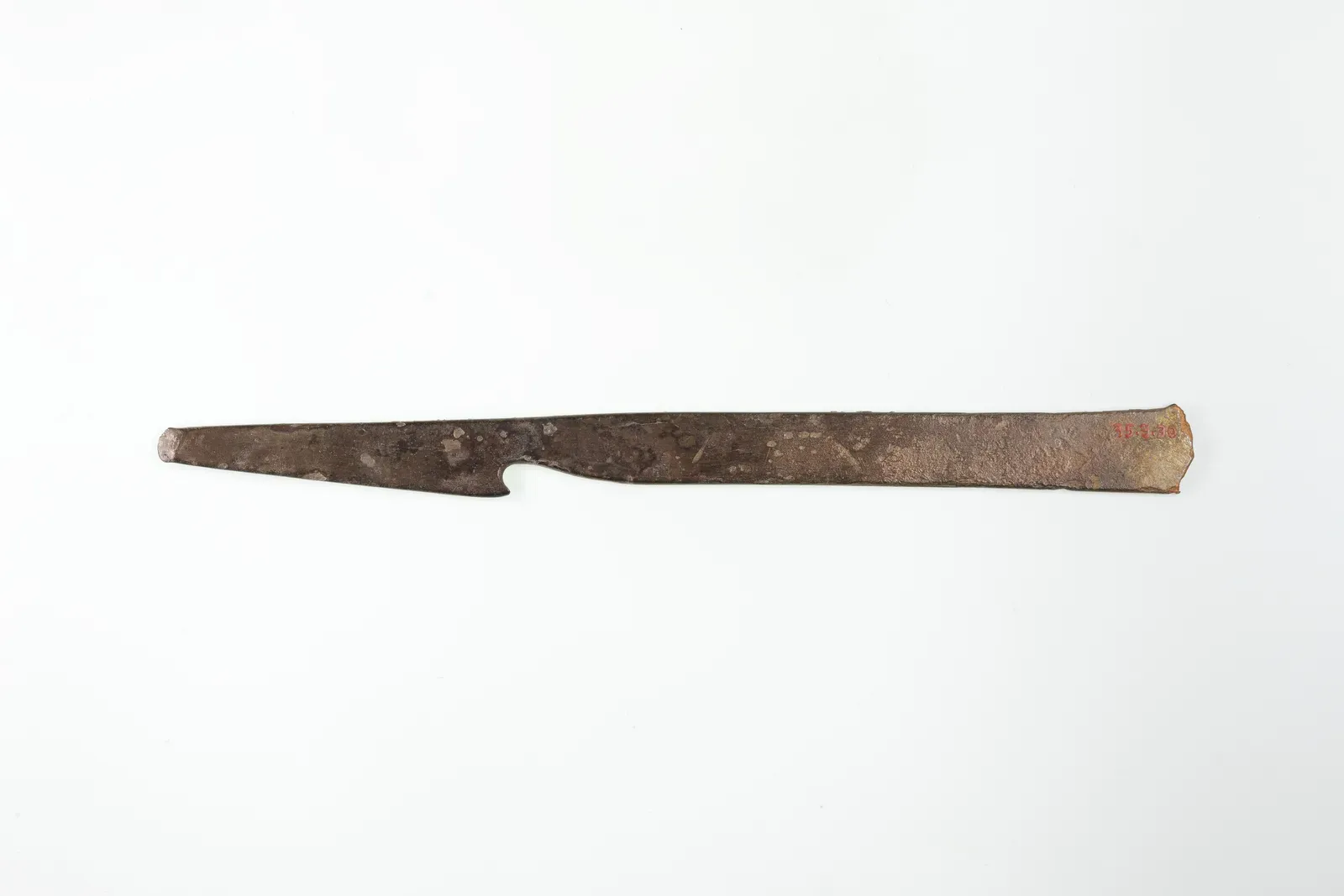
Archaeologists keep pulling Late Bronze Age razors out of the ground so thin they look like they’d snap if you breathed on them. Here’s the twist: they were cast that thin, not hammered down afterward. Mycenaean and other Aegean razors often show uniform thickness under a millimeter across complex curves, with tangs and decorative details already baked in from the mold.
For centuries afterward, razors and knives got thicker, rougher, and more heavily ground by hand. The idea of mass-made, ultra-thin cast blades quietly disappeared until refined steel and industrial rolling mills brought it back. Metallography shows these razors combined careful alloying with an almost obsessive finishing process – but the real secret was a mold precise enough, and vented well enough, that molten bronze never trapped a single bubble in that razor-thin blade.
#21 – The Chinese Shang Dynasty Ritual Ding With Seamless Feet
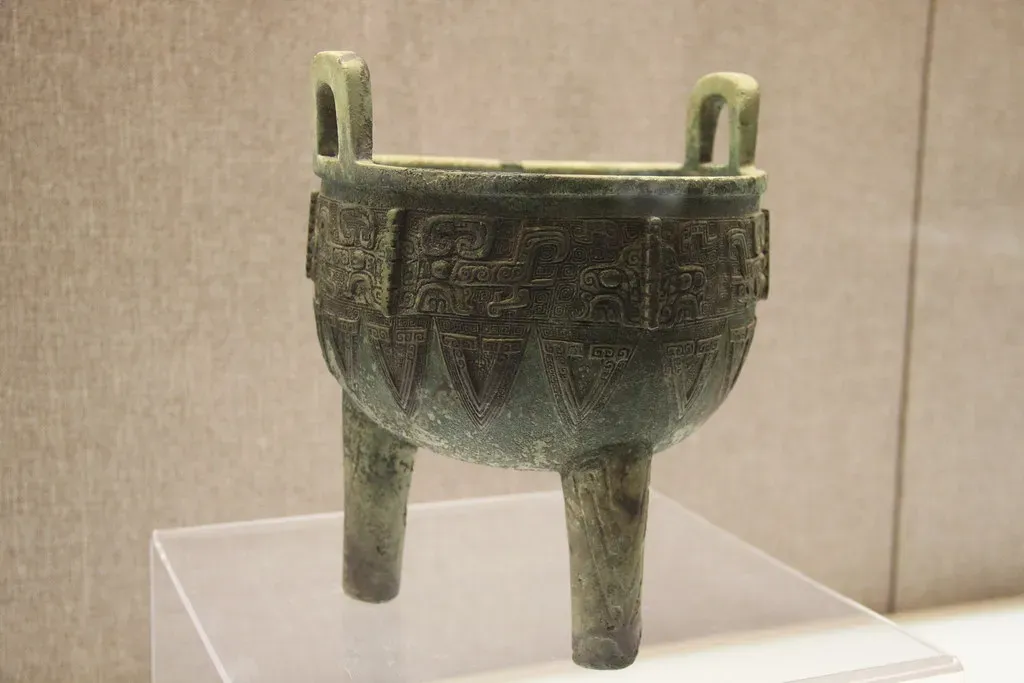
Shang dynasty ritual tripods, called ding, look massive and simple until you study the legs. Some of the earliest examples show monumental bodies fused to hollow, delicately cast legs with almost invisible transitions – the kind of mold engineering later workshops usually avoided out of pure fear.
Instead of casting legs separately and riveting them on, many were poured whole in multi-piece molds that captured the entire form in one terrifyingly risky shot. For more than a thousand years afterward, most cultures played it safe: cast legs and handles separately, then join them mechanically. Recreating that kind of risk tolerance at scale doesn’t really show up again until high-Renaissance bell founders and 18th-century cannon makers finally nail one-piece castings this ambitious.
#20 – The Uluburun Shipwreck’s Standardized Bronze Ingots
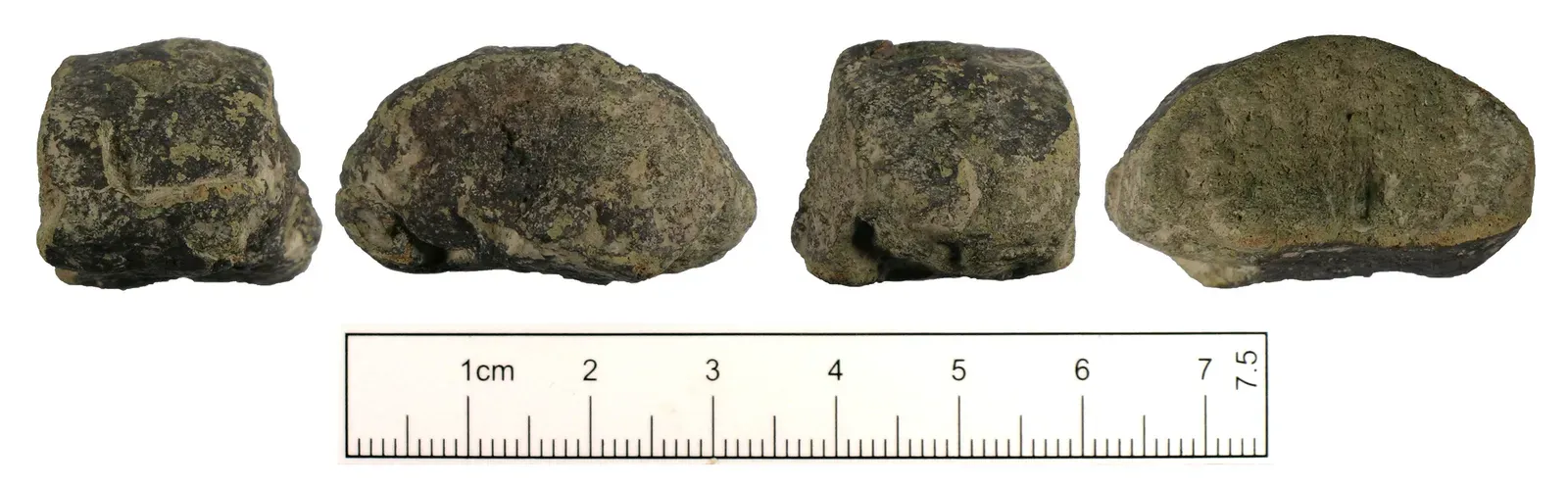
Divers exploring the Uluburun shipwreck off the coast of Turkey found something that sounds boring until it isn’t: bronze “oxhide” ingots, all the same weight, same shape, same alloy band, dating to the 14th century BCE. That’s essentially industrial-grade quality control, thousands of years before industry existed.
Each ingot had to pour cleanly into large, reusable molds that wouldn’t crack or warp at high heat, while keeping the alloy consistent enough for trade partners across the Mediterranean to trust it sight unseen. After the Bronze Age collapse, that level of standardization fractured hard. Metal circulation went local and messy for centuries – irregular lumps and scrap instead of a trusted, repeatable ingot people could ship, stack, and rely on like modern billet stock.
Fast Facts
- Divers recovered 354 copper oxhide ingots weighing roughly 10 tons, plus about a ton of tin ingots, from the wreck
- Individual oxhide ingots typically weighed between 20 and nearly 30 kilograms once cleaned of corrosion
- The ship went down around the 14th century BCE and was excavated across 11 diving seasons from 1984 to 1994
- Its cargo reflected contact with at least seven different Bronze Age cultures trading around the Mediterranean
#19 – The Minoan Hollow Bronze Figurines With Hidden Cores
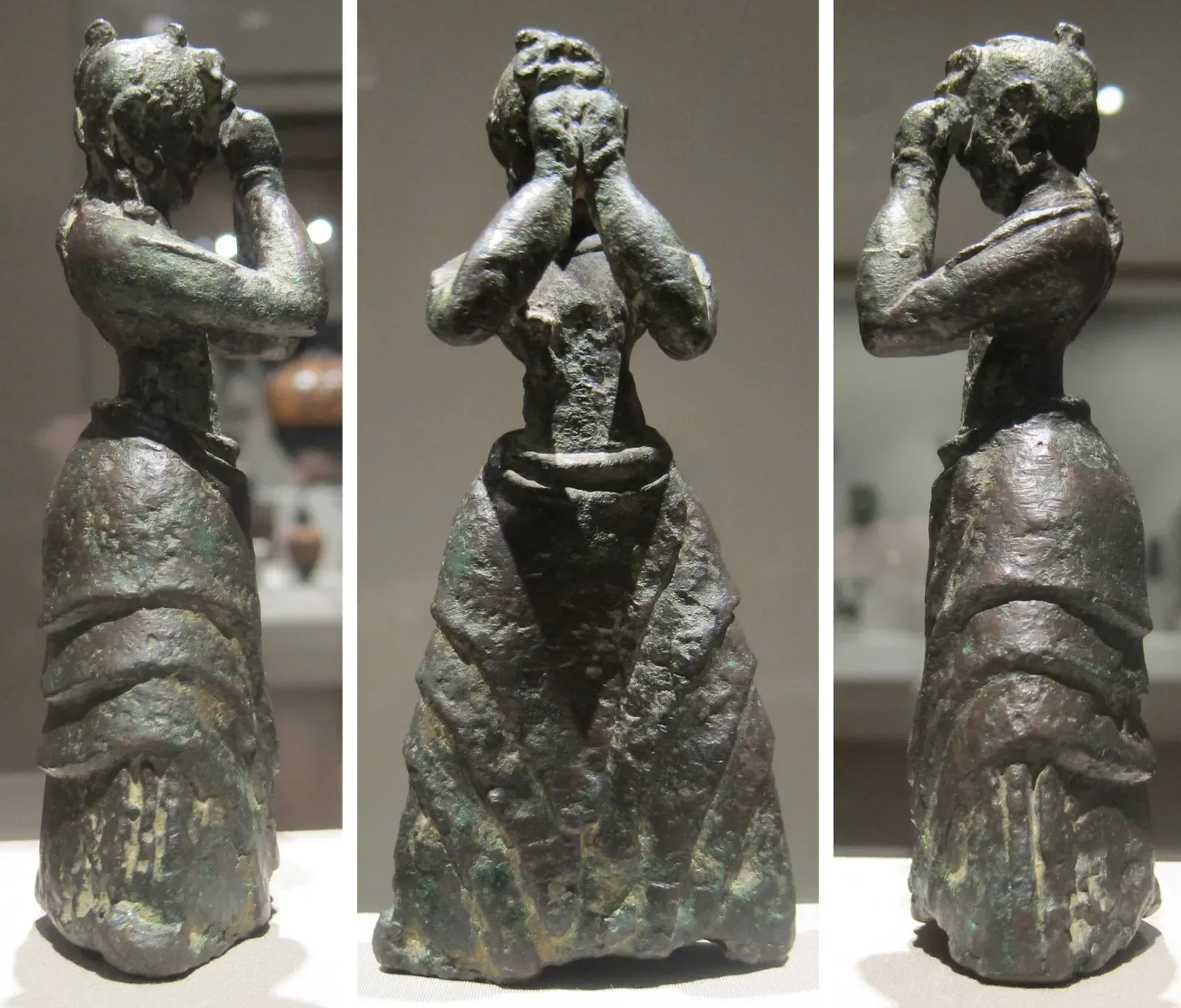
Some Minoan and early Greek bronzes look solid at first glance but are actually hollow, cast around delicate cores that were later removed or left to crumble away inside. X-rays reveal consistent wall thickness and subtle internal ribs – the fingerprints of planned engineering, not a happy accident.
That’s early thin-wall hollow casting, and it’s a nightmare of temperature control, mold permeability, and core anchoring gone right. Later periods retreated to simpler, chunkier solid figures, because reliably thin hollow walls are so easy to crack or collapse mid-pour. Modern precision investment casting and vacuum-assisted shell molds finally bring this kind of fine hollow work back as routine – after a gap of well over a thousand years in most regions.
#18 – The Cypriot “Master of Animals” Scepters
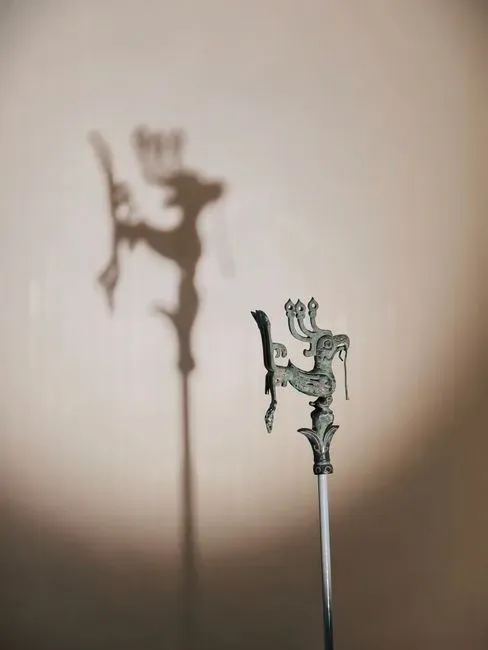
Cypriot Bronze Age scepters topped with a “Master of Animals” motif look ornate at a glance. Technically, they’re brutal: extreme undercuts and openwork weave between limbs, animals, and tiny decorative voids, all produced in a single pour with almost no evidence of later cutting.
That points to a lost-wax process pushed right up to its breaking point, where the wax model, ceramic shell, and gating system all had to cooperate perfectly. For centuries afterward, cultures retreated to safer strategies – cast something simple, then chase, engrave, or rivet the fine details on top. Fully integrated, deeply undercut bronze work like this doesn’t return in force until sophisticated Renaissance bronziers, and later, high-pressure investment casting in industry.
#17 – The Nok Culture’s Early Lost-Wax Brass Figures
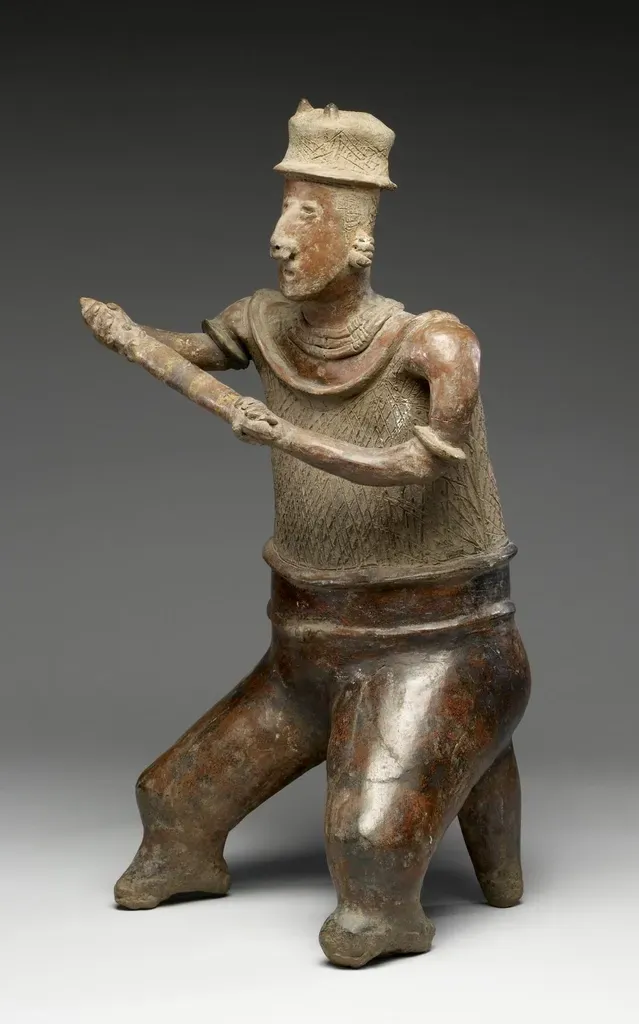
Nigeria’s Nok culture was active a full millennium before the better-known Benin and Ife traditions, and mostly left behind terracottas. But where metal pieces do survive, these brass or bronze figures show controlled lost-wax technique with balanced wall thickness and complex form at a startlingly early date.
They don’t look like a first attempt. They look like a workshop that already knew exactly what could go wrong with wax and shrinking metal. After Nok’s decline, there’s a long silence before similarly sophisticated casting resurfaces in Ife and Benin, with their breathtaking realism and thin-wall heads. Europeans wouldn’t match that combined artistry and fluid hollow casting until the late medieval or Renaissance period, despite already having advanced bell-founding skills.
#16 – The Bronze Age “Flexible” Saw Blades
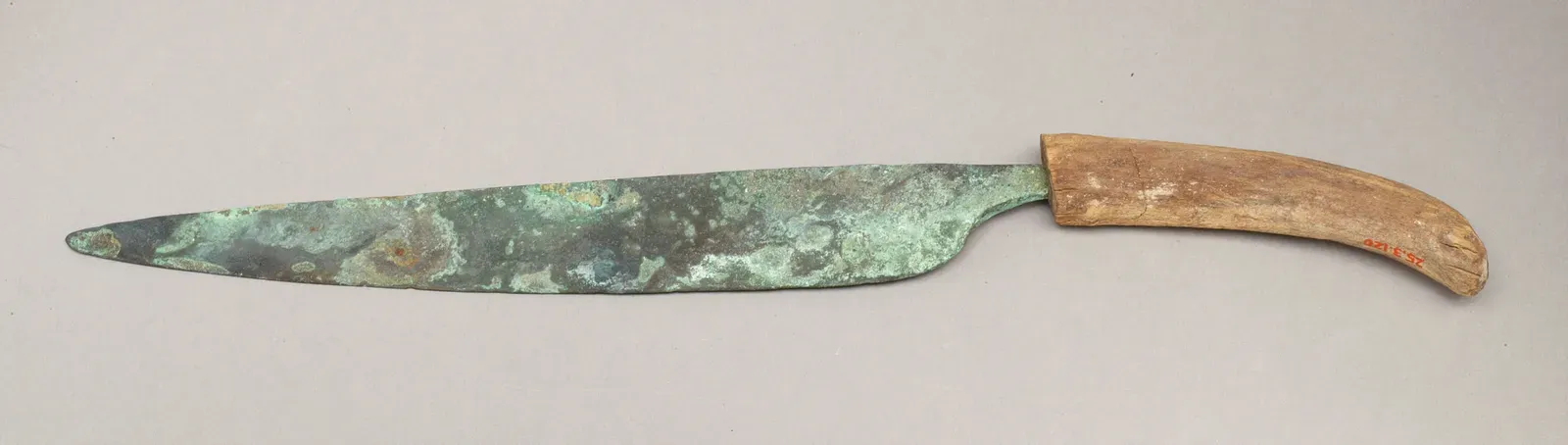
Some Near Eastern and Aegean Bronze Age saws and knives are shockingly modern in one very specific way: they bend, then spring back to shape. Metallographic studies show carefully controlled tin content combined with post-cast work-hardening, pushing the bronze to behave almost like much later spring steel.
Most bronze tools land on one side or the other – too hard and brittle, or too soft and dull. This sweet spot is narrow and unforgiving to hold onto. When iron and steel eventually took over, the nuanced heat-plus-hammer routine for “springy” bronze quietly evaporated because nobody needed it anymore. Comparable flexibility wouldn’t show up again until 19th-century alloy steels turned flexible saws and tape measures into ordinary hardware – proof that bronze was never primitive, just unforgiving of mistakes.
#15 – The Shang Dynasty’s Section-Mold Animal Vessels
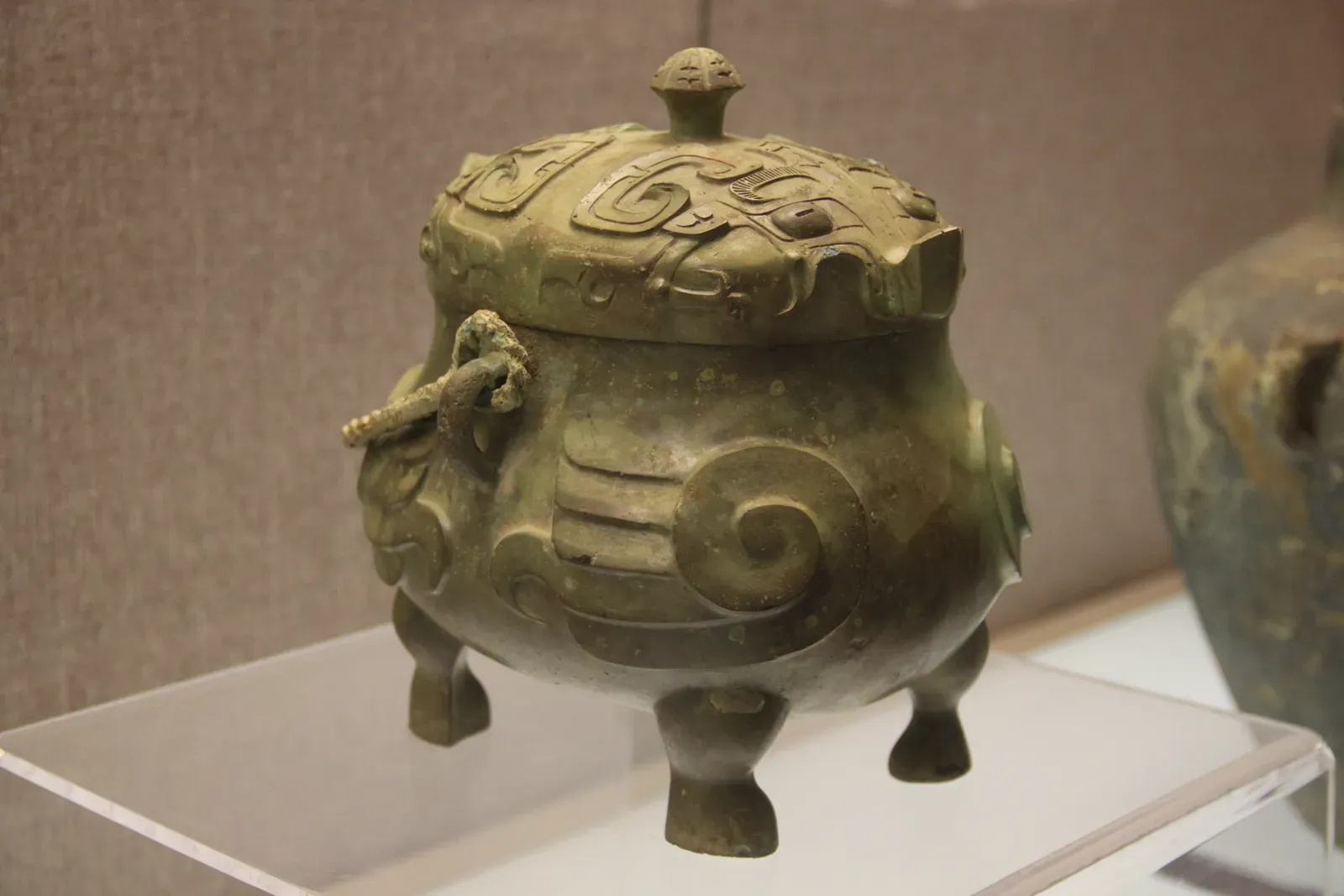
Chinese section-mold bronze casting is already famous, but one class of objects stands apart: intricate animal-shaped vessels where every curve, leg, and horn answers to a precisely keyed multi-part mold system. Instead of lost-wax, Shang bronzeworkers stacked and fitted clay sections carved with the final design – essentially early modular tooling.
The joins are so tight that seam lines sometimes vanish almost completely once cast. Most other regions leaned on one-off molds where breaking it meant starting over, but the Shang system allowed near mass-production of high-status forms from reusable sections – something much closer to dies and patterns in a modern foundry. This level of modular sophistication rarely reappears, even in later Chinese bronze work, and a fully comparable system doesn’t broadly re-emerge until modern automotive and machine-tool casting.
#14 – The Moche “Negative Space” Ornaments
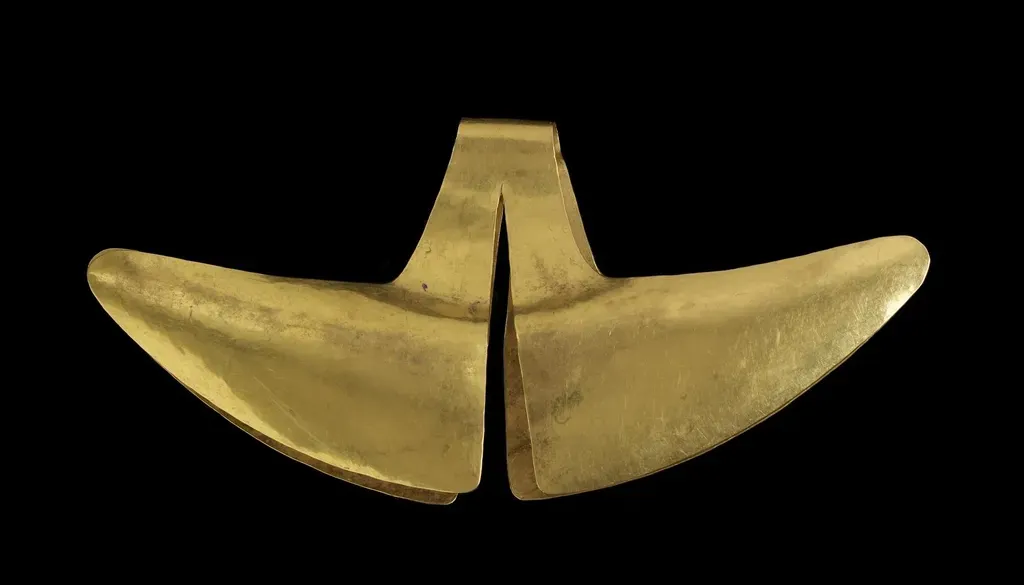
The Moche of ancient Peru made bronze and copper-alloy ornaments where most of the visual impact comes from what’s missing – grids, lattices, and micro-openwork cut straight through tiny surfaces. Radiography on some pieces shows they were cast already perforated, with the negative space built into the mold, not drilled out afterward.
That means a wax or pattern stage with hair-thin connections and a flawless burnout, an absolute recipe for disaster if anything goes even slightly wrong. Later metallurgical traditions in the region simplified small ornaments into solid shapes, adding pattern through embossing instead. The Moche method is more technically demanding but far more efficient if you can actually pull it off – and fine perforated cast bronze doesn’t become routine again until industrial investment casting, and eventually laser-cutting and CNC work, reopen that door.
#13 – The Etruscan Bronze Mirrors With Glass-Like Polish
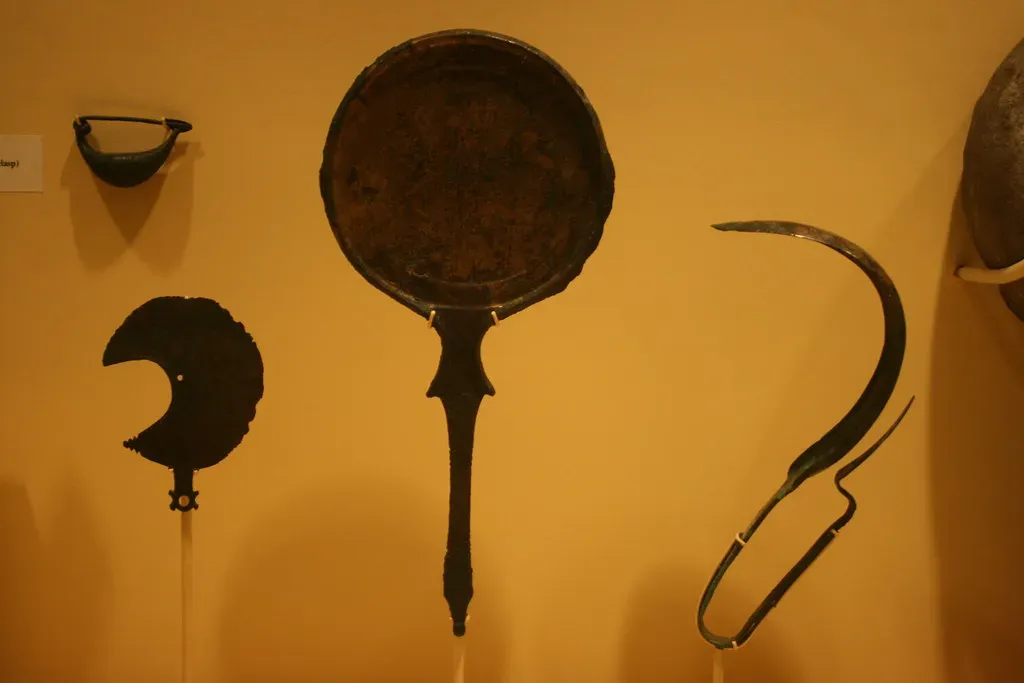
Etruscan mirrors look quietly spectacular in museum cases, but metallurgically, they’re flexing hard. These late first-millennium BCE objects combine exceptionally controlled bronze alloys with an unbelievably flat, high-gloss polish, bright enough for genuine cosmetic use, not just ceremony.
That flatness means very even cooling and minimal internal stress, because the slightest warp would ruin the reflection entirely. Before and after this period, many bronze “mirrors” were more symbolic than functional – curved, warped, only half-reflective. High-quality metal mirrors in Europe faded once glass-silvering took over, and truly comparable metal reflectors don’t return until precision-ground telescope mirrors and optical components bring metal substrates back in the modern era.
#12 – The Hittite Composite Bronze Tanged Swords
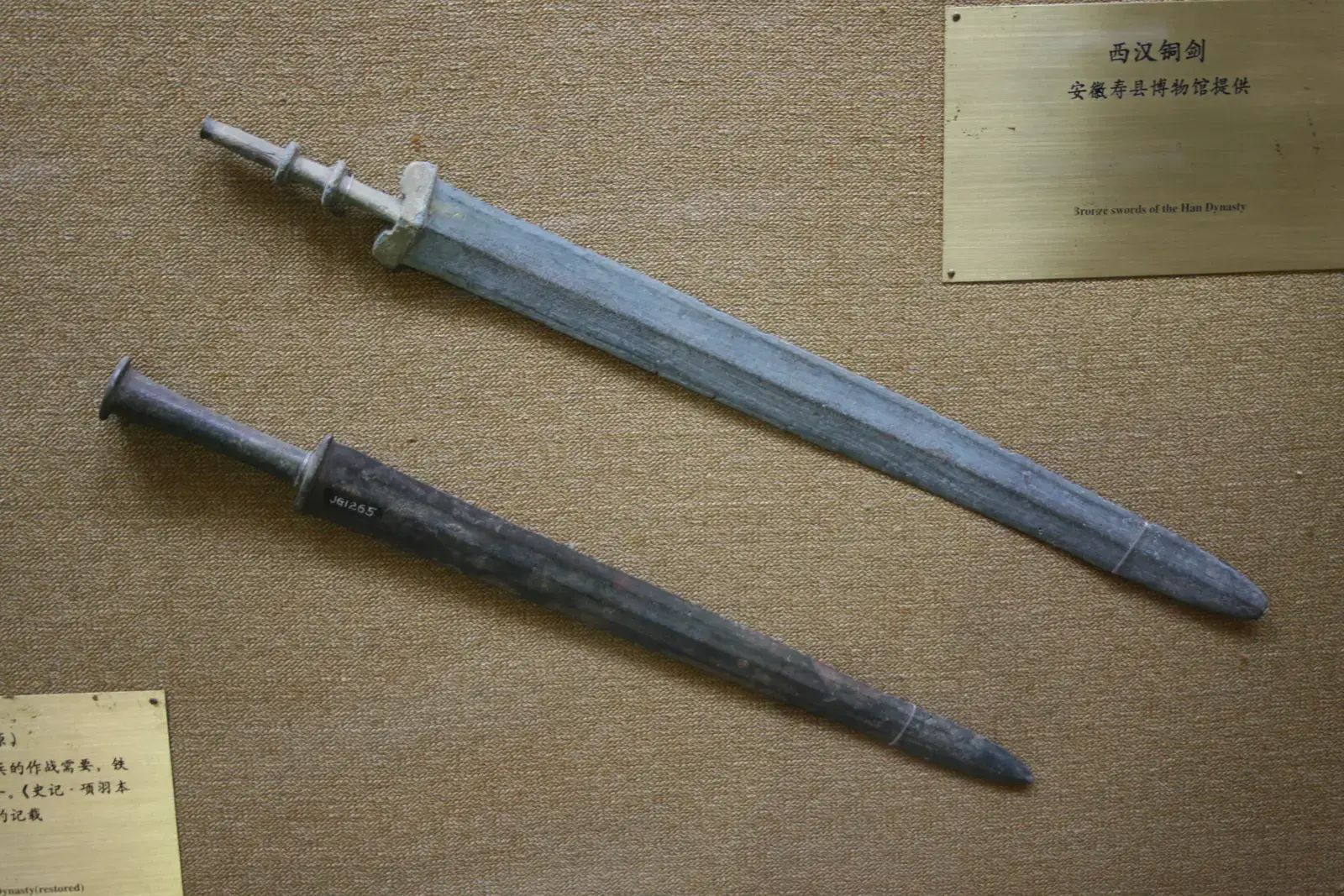
Hittite-period swords with bronze blades and tangs designed for organic hilts aren’t rare, but a few examples show an almost modern, modular mindset. X-rays reveal complex cores and stepped tangs cast directly into the blade, apparently designed for handles that could interlock tightly or even be swapped out.
That’s a long way from a simple cast-and-wrap design – it’s thinking in terms of components and standardized interfaces, centuries before anyone had a word for either. Later swords across most cultures swing between fully integral construction and basic full tangs. This “cast-in interface” idea, where metal is already shaped to marry precisely with non-metal parts, is closer to modern overmolding, and it doesn’t show up routinely again until industrial revolvers, tools, and machine parts deliberately cast around inserts.
#11 – The Harappan Bronze Dancer’s Balanced Pose
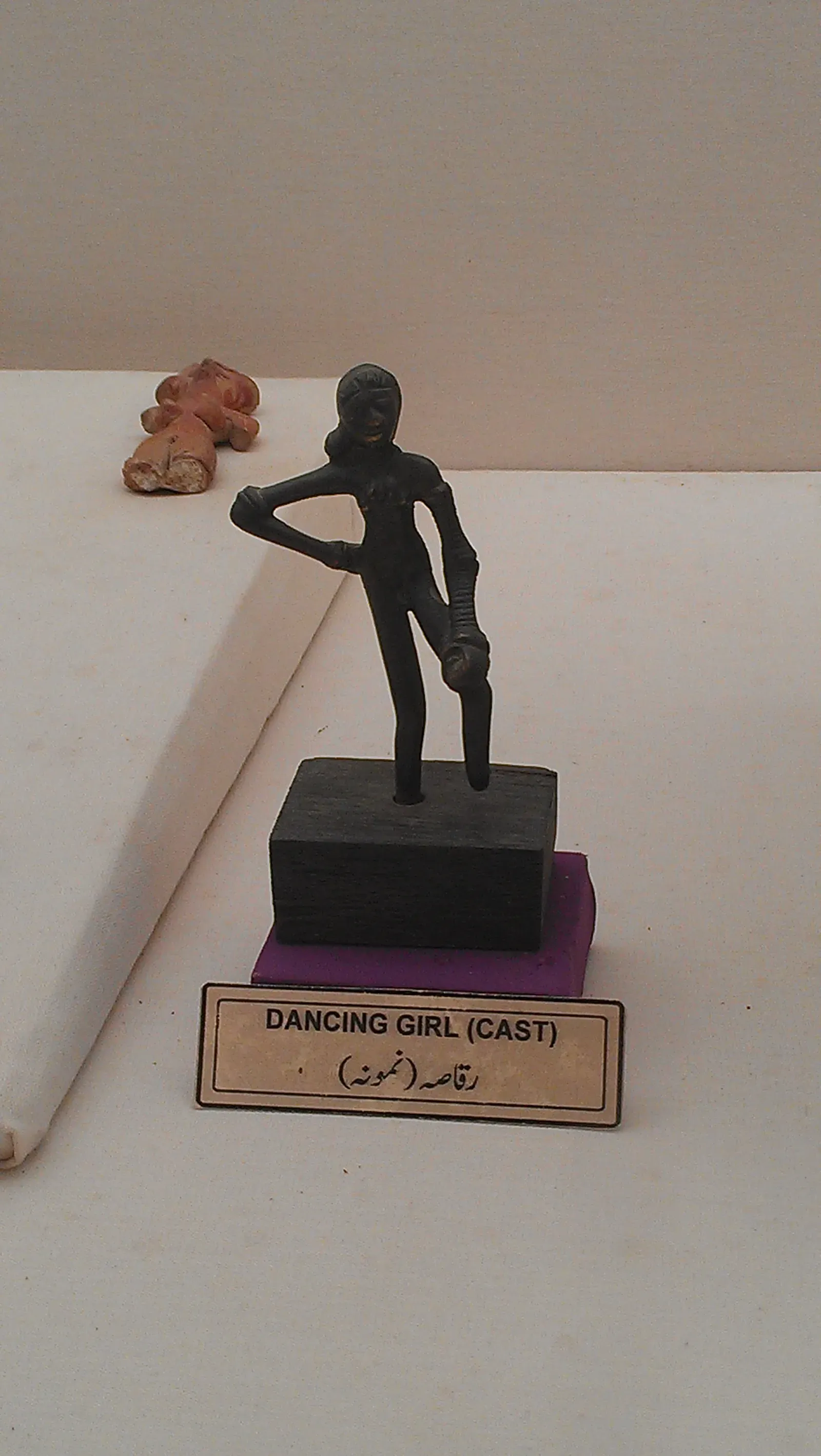
The famous “Dancing Girl” of the Indus Valley isn’t just charming – she’s a technical middle finger to gravity. Cast in bronze using lost-wax around 2500-2000 BCE, she stands in a daring, off-center pose with one leg carrying almost all her weight and no extra support underneath.
For a figurine this small, that’s a nightmare: too thin and she snaps, too thick and she turns into a clunky lump. The Indus casters nailed perfect flow, fill, and cooling in a pose that looks like it should have failed on the workshop floor. After the Indus cities collapsed, that exact mix of realism, imbalance, and thin-section bronze fades from South Asia for generations, and freestanding, dynamically off-balance bronze figures don’t make a real comeback until Classical Greece experiments with contrapposto.
#10 – The Greek Hollow Bronze Warrior Statues
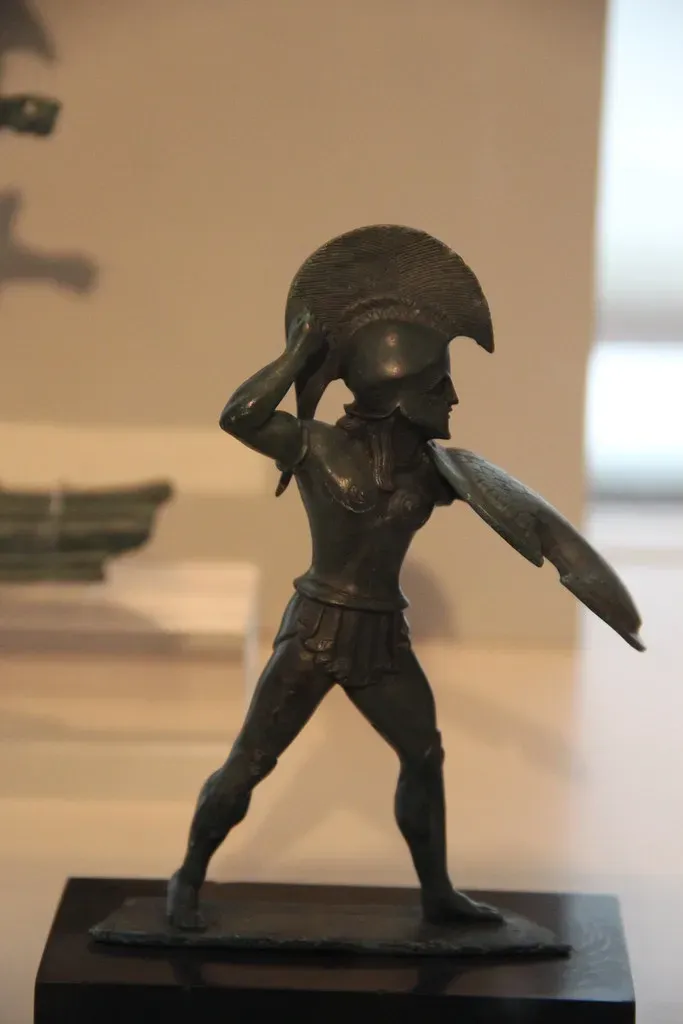
By the time of Classical Greece, life-size hollow bronzes appear in stunning form – warriors and athletes with carefully regulated wall thickness, internal struts, and separately cast parts brazed together so cleanly the joints practically vanish. Lost-wax casting here isn’t just “melt wax, pour metal.” It’s an entire system.
Wax models were built over core forms, cut into castable sections, then reassembled in metal so seamlessly that chasing tools erased the last traces of the joints. When large-scale bronze production collapsed in the Hellenistic and early Roman periods, that recipe for big hollow statuary went with it. Medieval Europe struggled for centuries to cast even modest bells and fonts without flaws, and it takes Renaissance workshops – Donatello, later Giambologna – to reverse-engineer large hollow bronze statues back up to the Greeks’ technical level.
Quick Compare
- Classical Greece: life-size bronzes cast hollow in sections, then brazed with nearly invisible joints
- Early Medieval Europe: bronze casting narrows mostly to bells, fonts, and small church fittings
- Early Renaissance: sculptors begin relearning large-scale hollow casting from scratch
- High Renaissance onward: workshops finally match, then surpass, Greek-level hollow-casting control
#9 – The Benin Bronzes’ Razor-Sharp Relief Work
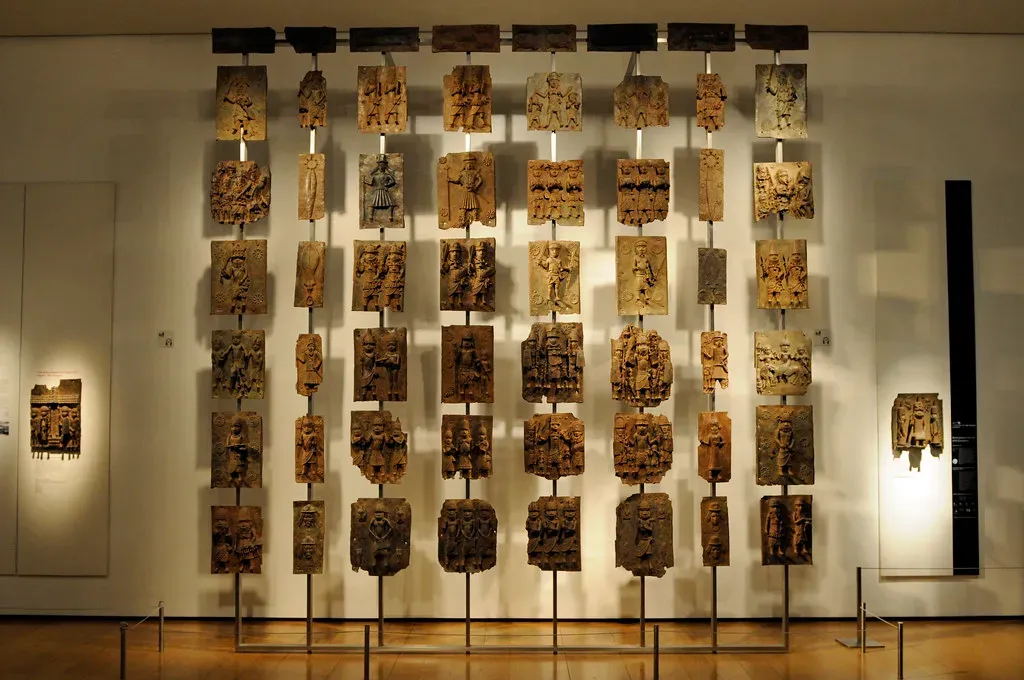
Benin brass plaques and heads from West Africa showcase a lost-wax expertise that stunned European observers on first contact, and still makes metallurgists pause today. Many pieces have razor-thin relief elements standing proud from the surface, with undercuts and negative space that look machined rather than cast – poured in a single go, with no evidence of later soldering.
After Benin’s casting peak, political upheaval and colonial disruption broke the workshop chains that kept this knowledge alive across generations. European foundries, meanwhile, largely confined lost-wax work to small art bronzes and jewelry, never attempting big, undercut plaques at this scale. In terms of raw casting audacity, it takes the 19th and 20th century boom in investment casting to see similar risks taken routinely again.
#8 – The Luristan Bronzes’ Impossible Openwork
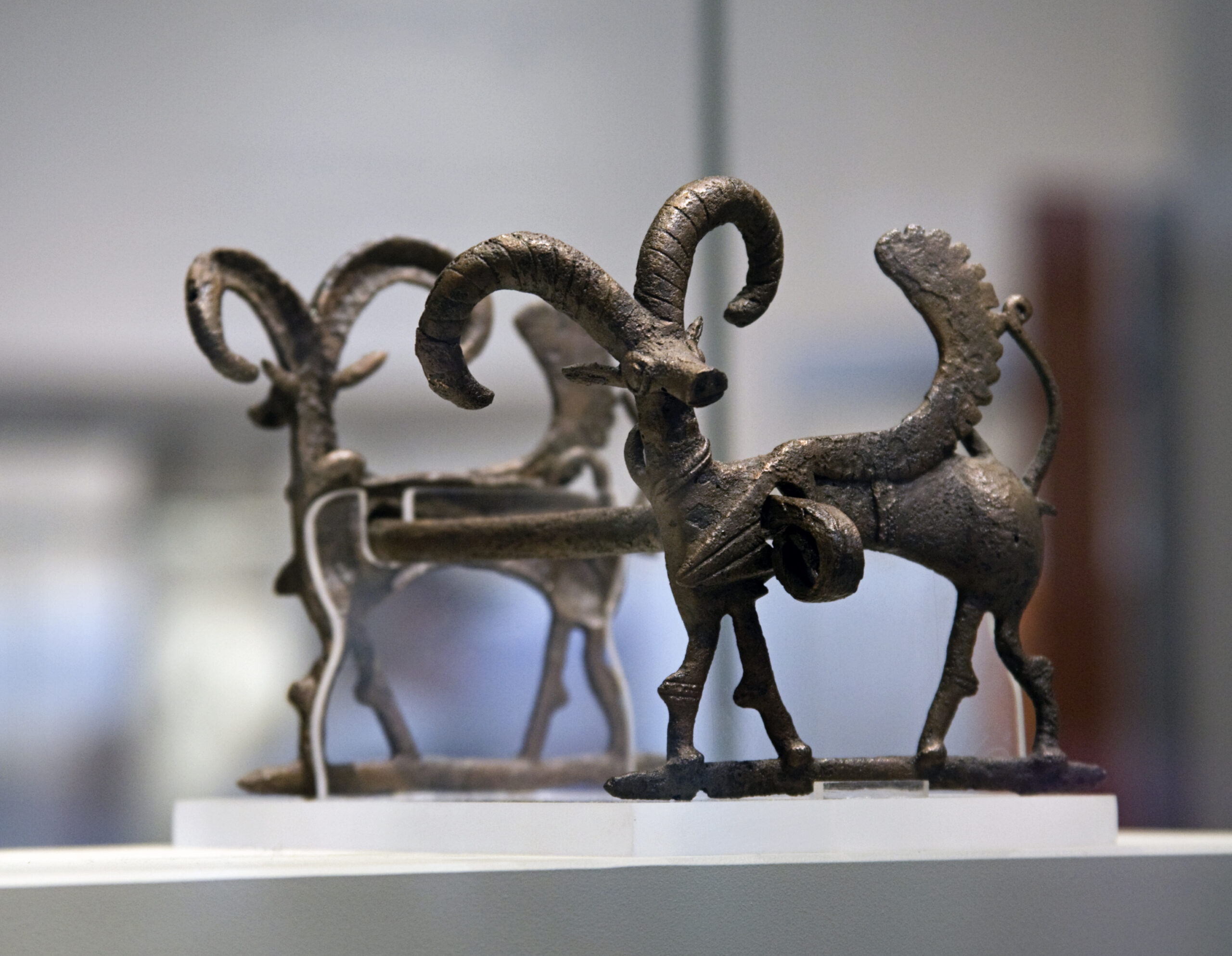
The Luristan bronzes from the Iranian plateau are internet-famous partly because so many modern fakes exist. The real ones are genuinely wild – horse trappings, finials, and standards showing intertwining animals and humans in deep openwork, cast in a single piece only a few millimeters thick in places.
For decades, scholars weren’t even sure how the originals were possible; they look like they were cut with a jeweler’s saw after casting, yet the grain structure of the metal says otherwise. After Luristan’s heyday, openwork metal elsewhere shifted toward forging, riveting, or sawing rather than daring cast-in voids. True cast openwork at this scale doesn’t become industrially normal again until high-quality investment casting for turbines and biomedical devices – the Luristan artisans were doing boutique aerospace geometry in a hillside workshop.
#7 – The Bronze Age Socketed Axes With Self-Locking Geometry
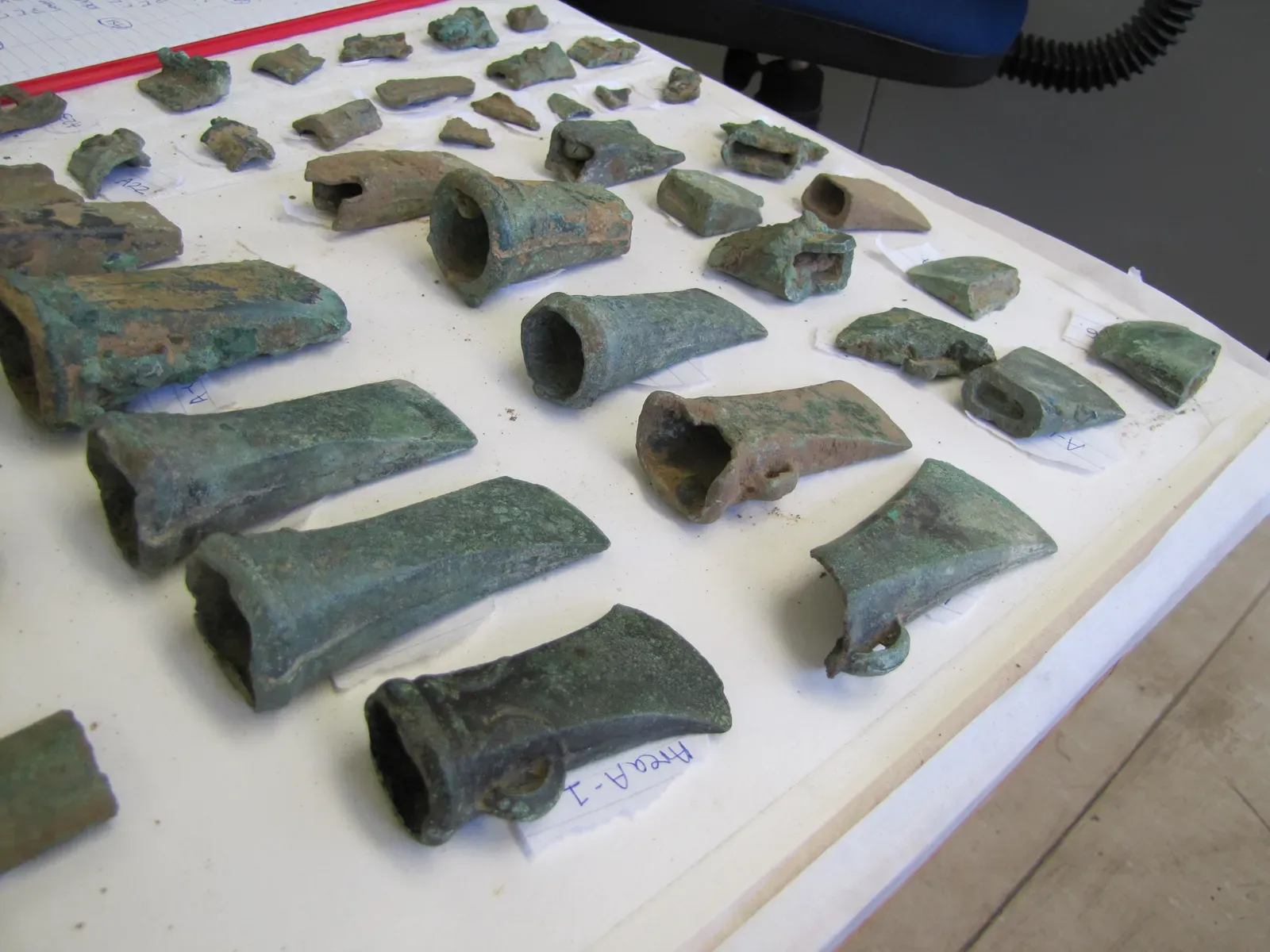
Late Bronze Age Europe and the Near East saw the rise of socketed axes – blades with a hollow socket that a wooden haft slides into. Some go well beyond basic function: internal ridges and tapers form self-locking geometry that grips the handle under load, with barely any need for external bindings.
Modern CT scans have revealed interior shapes far more complex than anything visible from the outside. After the Bronze Age collapse, many iron axes reverted to simpler eye-and-wedge designs, and truly engineered internal sockets became rare. The same idea resurfaces in tapered sockets on high-end chisels and interchangeable tool heads today – those axe makers were quietly solving stress-distribution problems that 19th-century engineers would later diagram with calculus.
#6 – The Scythian Cast-and-Gilded Horse Gear
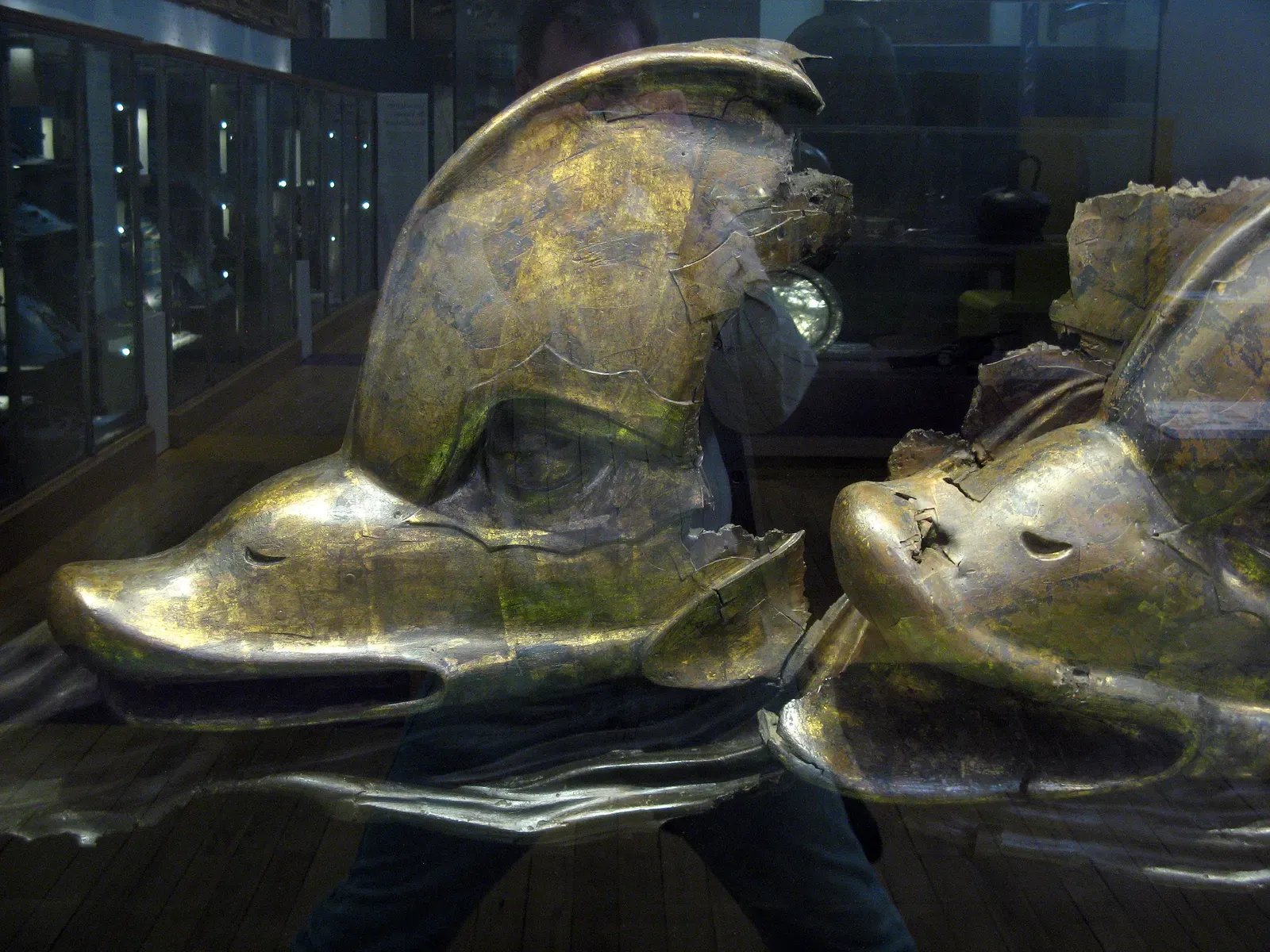
Scythian metalwork usually gets discussed for its art, not its process, but many bronze horse trappings and plaques reveal careful casting followed by mercury or fire gilding that bonds gold to bronze with remarkable tenacity. Pulling that off means controlling temperature so gold diffuses into the surface without melting the form underneath or warping thin sections – tricky, borderline-dangerous chemistry.
Later periods certainly use gilding, but this exact combination – thin bronze forms, precise casting, then aggressive gilding across broad surfaces – seems to crest early and fade. Re-establishing consistent, large-scale fire gilding on complex bronzes is more of a Renaissance phenomenon, and it eventually disappears again for safety reasons, since mercury fumes are genuinely lethal. Modern electroplating gives similar results with far less risk, but the sheer nerve to push a cast object’s surface chemistry this hard went missing for long stretches.
#5 – The Qin Terracotta Army’s Bronze Crossbow Triggers
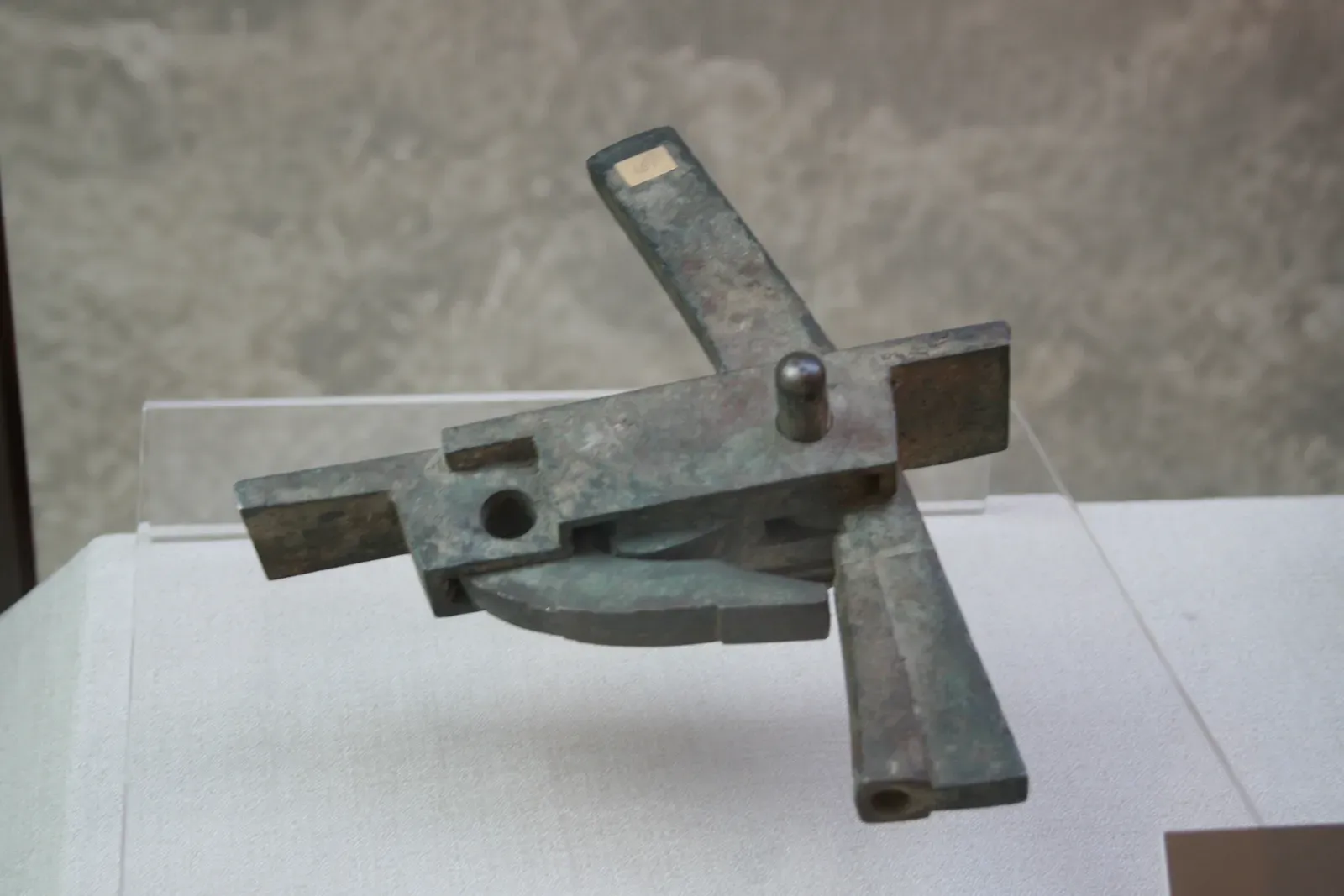
In the pits surrounding China’s First Emperor, archaeologists found bronze crossbow triggers that are unsettlingly modern. Each assembly – sears, levers, and housings – was cast to tight tolerances and fitted as an interchangeable part, meaning one trigger could be swapped into another bow with almost no adjustment.
That concept, interchangeable bronze hardware built inside a militarized manufacturing setting, basically vanishes from most of the world for centuries afterward. Later weaponmakers leaned on custom fitting and hand filing instead. Systematic casting of interchangeable metal parts doesn’t return in a big way until early modern gunlocks, and true interchangeability doesn’t become an obsession again until the late 18th and 19th centuries – long after Qin workshops had quietly already nailed the logic of the assembly line.
At a Glance
- More than 200 bronze crossbow triggers have survived from the Terracotta Army pits alone
- Researchers believe trigger parts were cast in stacked, multi-impression molds and assembled soon after casting
- This standardization is thought to predate Western interchangeable-parts manufacturing by roughly 1,800 years
- The wooden and bamboo stocks of these crossbows decayed away, but the bronze mechanisms survived largely intact
#4 – The Roman Bronze Piping and Valves
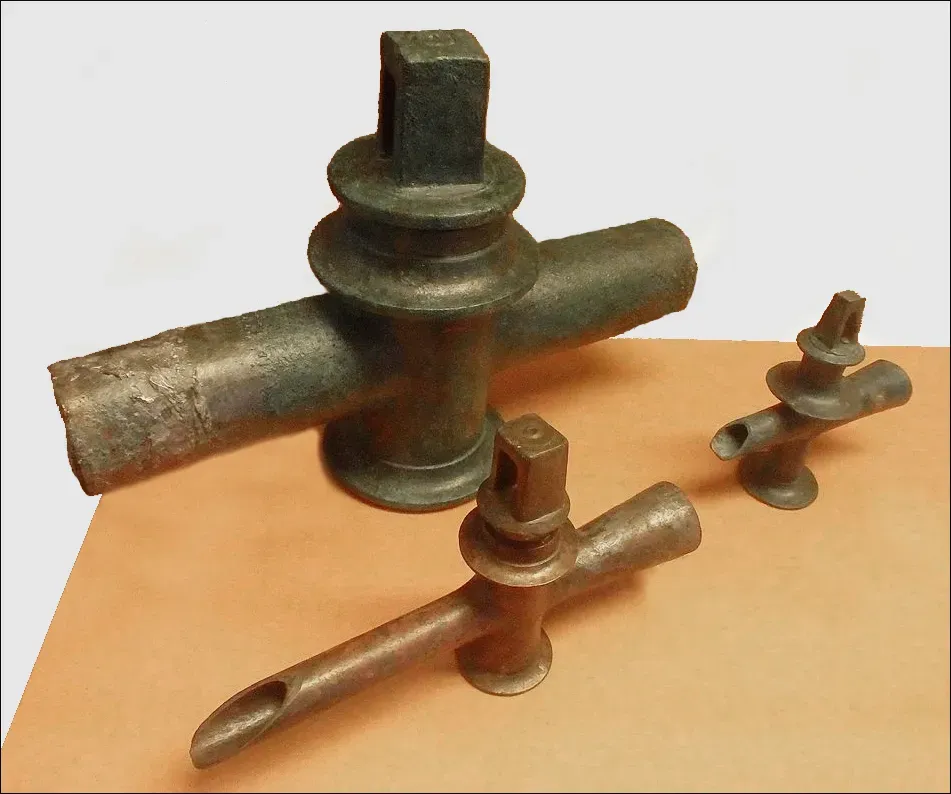
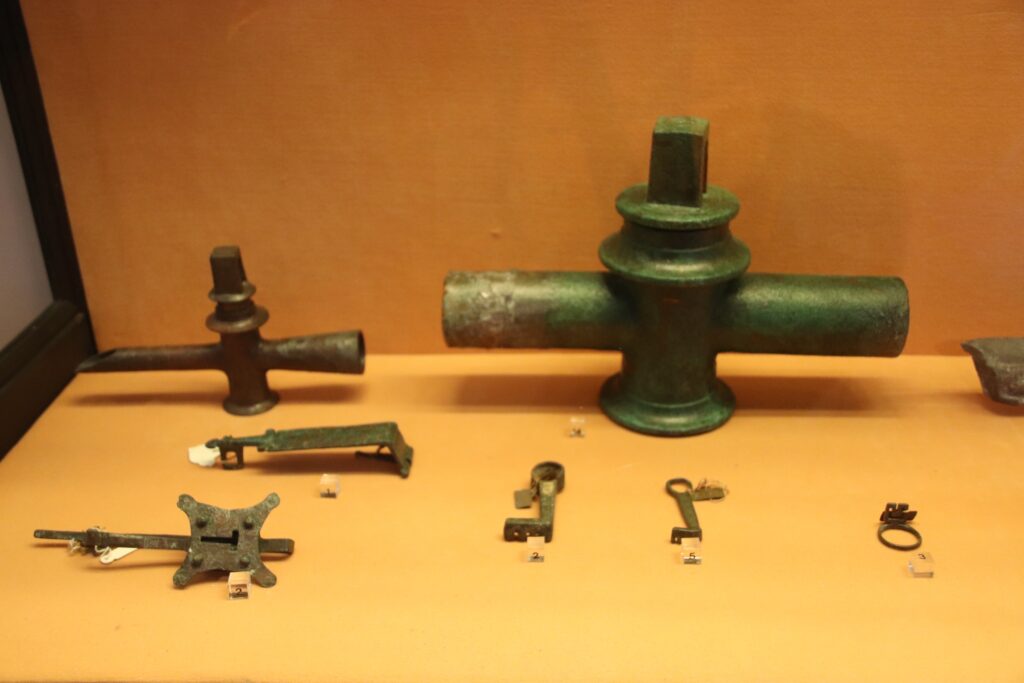
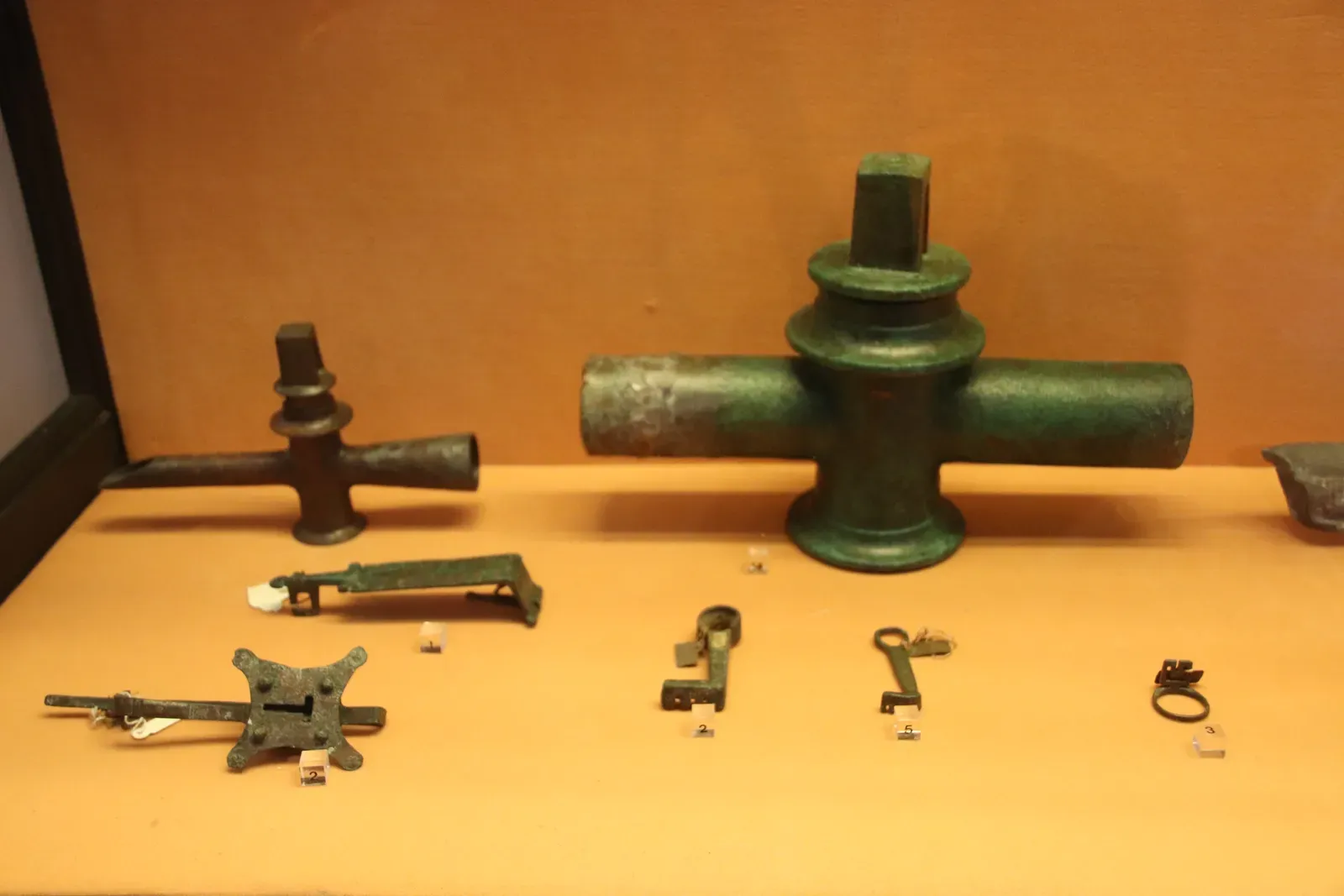
We praise Roman engineering for aqueducts, but the bronze plumbing hiding behind the stone is its own marvel. Excavations in Pompeii and elsewhere have turned up cast bronze valves, taps, and pipe junctions with internal threads and tapered seals that manage pressure and flow with real precision.
Some valves show replaceable components and standardized sizes, implying something closer to a catalog than one-off artisanal improvisation. Once the Western Empire collapsed, that culture of municipal bronze plumbing decayed along with everything else. For centuries, urban water systems went primitive, relying on wood and lead with far less intricate valving, and it isn’t until early modern Europe’s fountain obsession, and later industrial steam, that complex bronze valve casting becomes widespread again.
#3 – The Hellenistic Antikythera Mechanism Gears
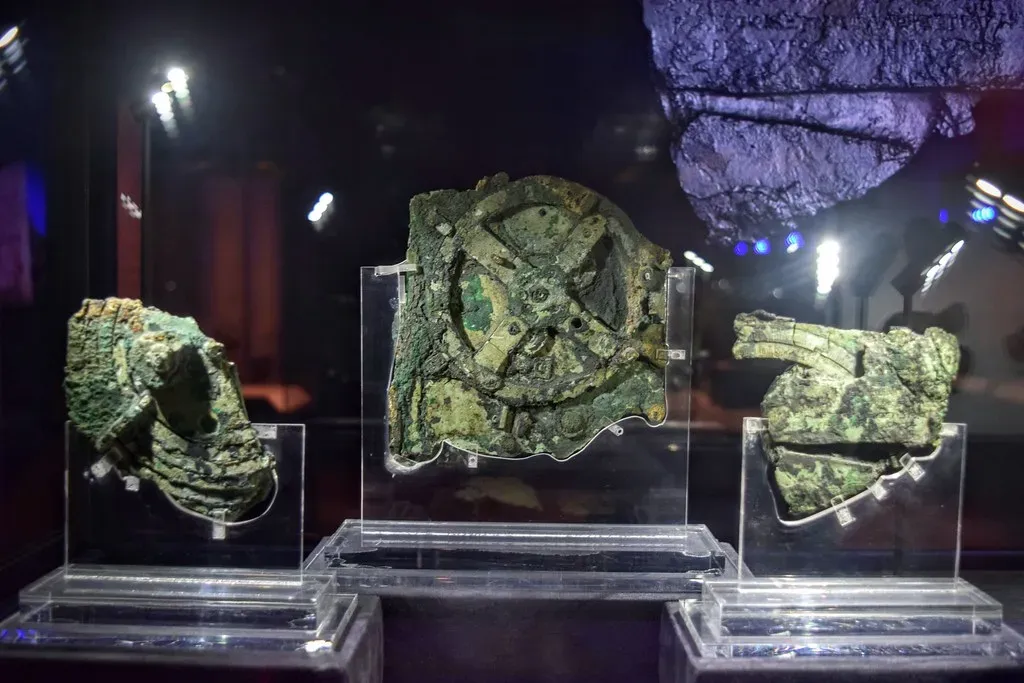
The Antikythera mechanism isn’t just a story about ancient astronomy – it’s a hard lesson in how much casting knowledge can simply disappear. Its bronze gears, some with fine, regular teeth and thin profiles riveted to plates, required both precise casting and ruthless finishing. The blanks had to be flat and bubble-free before a single tooth could even be cut.
That implies a workshop entirely comfortable casting thin, disk-shaped bronze parts to uniform thickness, on demand. For roughly a thousand years afterward, Europe shows almost no evidence of similarly complex mechanical gear systems in metal, with crude wooden gears dominating what little survives. Bronze gears of comparable sophistication don’t really return until medieval astronomical clocks start appearing in cathedral towers, and even then, many of them are cruder than what sank with that Greek shipwreck.
Worth Knowing
- At least 30 corroded bronze gears survive today, spread across the mechanism’s 82 known fragments
- The largest surviving gear measures about 13 centimeters across and originally carried 223 teeth
- The whole device was housed in a wooden case roughly the size of a modern shoebox
- Nothing of comparable mechanical complexity appears again anywhere in the record for roughly a thousand years, until medieval geared clocks
#2 – The Sri Lankan Bronze “Thunderbolt” Bells
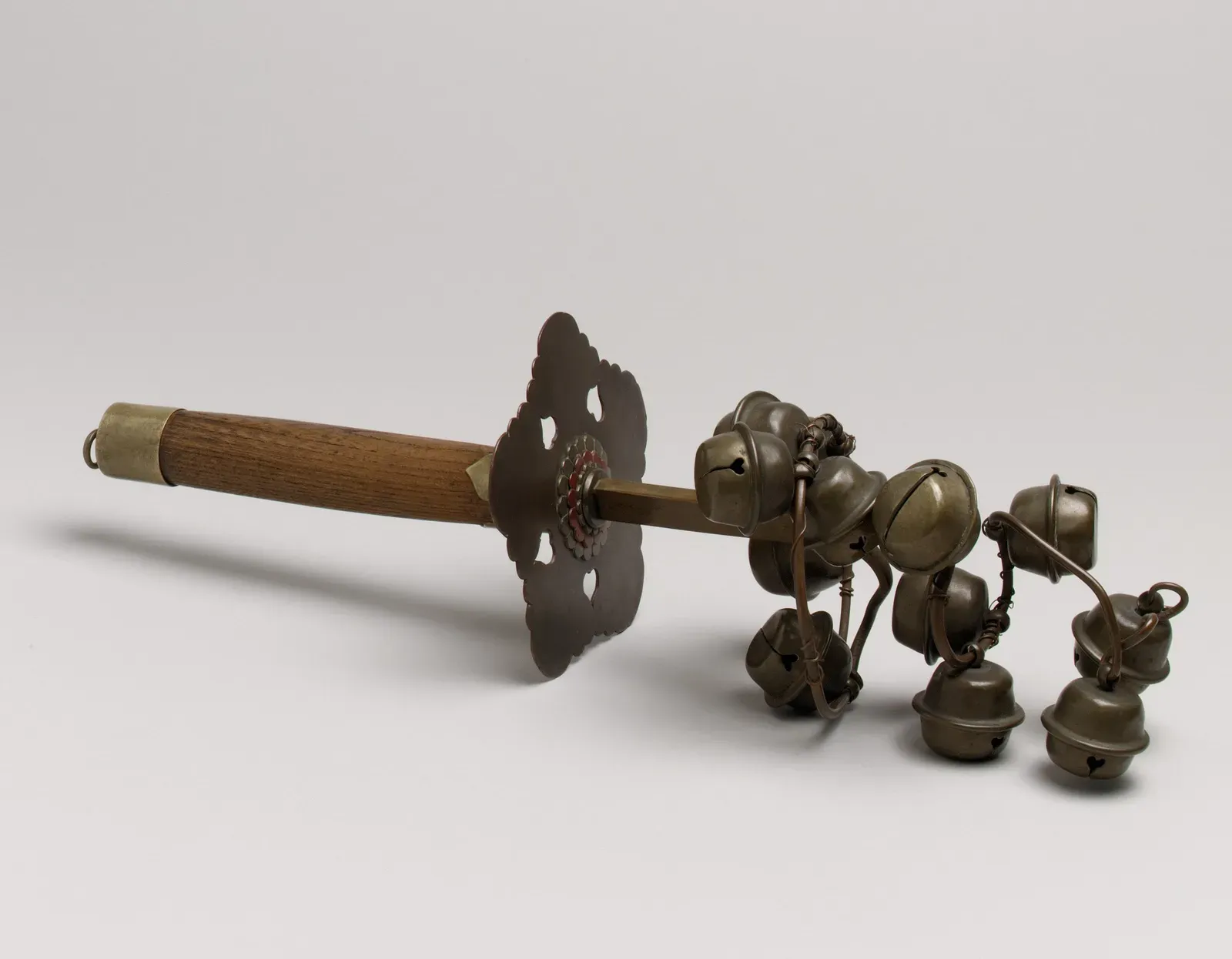
At ancient Buddhist sites in Sri Lanka and South Asia, archaeologists have recovered bronze bells and ritual objects tuned with genuinely eerie precision. Metallurgical analysis shows carefully controlled alloy mixes and thickness profiles engineered to produce stable, musical pitches when struck, not just noise.
These casters clearly understood how wall thickness, curve, and composition shape sound, even if they only ever expressed that understanding as craft lore instead of equations. After these traditions waned, large-scale, scientifically tuned bronze bells became rarer across the region for a long stretch. Other cultures eventually developed their own bell-making genius, but systematic, mathematically informed bell founding in Europe – calculating profiles, experimenting with alloys – didn’t take off until the late medieval and early modern periods.
#1 – The Shang and Western Zhou Piece-Mold Colossal Ritual Vessels
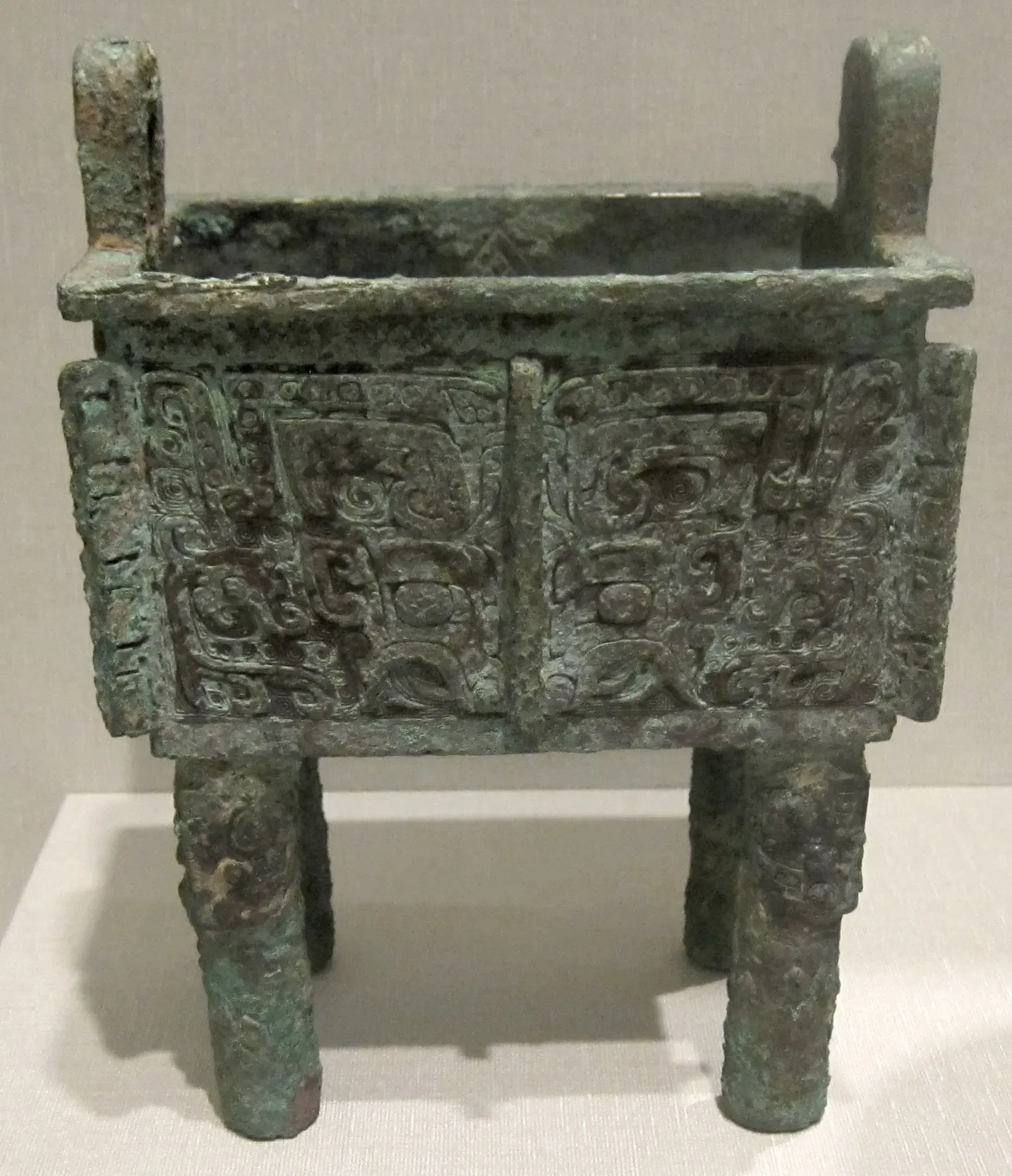
Topping the list are the truly colossal Shang and Western Zhou bronzes – ritual vessels so large and intricate that casting them in one piece, with section molds, flawless joins, and deep relief, would terrify plenty of modern foundries. Some weigh hundreds of kilos, with crisp, repeating motifs perfectly aligned around the entire circumference.
Pulling this off required a total systems mindset: alloy control, clay formulation, large-scale mold firing, precise alignment keys, and a pour choreography that borders on industrial theater. After this apex, even China’s own bronze tradition shifted toward smaller, more decorative objects, and huge one-piece bronzes became the exception rather than the rule. Elsewhere in the world, nobody seriously attempts anything comparable until giant bells, cannons, and monumental statues demand similar metal volumes centuries later – and some foundries still hesitate to try it without computer simulation backing them up.
The Bottom Line
Strip away the museum glass and the feel-good documentary narration, and a genuinely uncomfortable pattern shows up: ancient bronze casters routinely hit peaks of technical sophistication that their own descendants failed to maintain. Thin-walled hollows, impossible openwork, standardized parts, self-locking sockets, seamless multi-part molds – none of this was a warm-up act. It was the high point, and then it got lost.
I’ll say the quiet part out loud: the tidy story where humanity climbs a straight ladder from “primitive” to “advanced” is mostly flattering nonsense. The metal itself argues otherwise. Progress is lumpy, knowledge is fragile, and it can vanish with a single collapsed trade network or a generation of lost craftsmen. A lot of what we proudly call “innovation” today is really just civilization limping back to a bar some bronze-smeared artisan cleared a thousand years earlier, then acting surprised it was ever that high.