Ivory carvers didn’t need an elephant, a walrus, or a mammoth anywhere nearby to build an entire industry around one. For centuries, some of the most breathtaking ivory work in history was carved hundreds or thousands of miles from the nearest living source animal – sometimes on a continent that species never touched at all.
That’s not folklore or guesswork. Isotopic testing, ancient DNA, proteomic analysis, and even shipwreck cargo manifests have confirmed it again and again: royal necklaces in Hawaii, temple treasures in Japan, palace plaques in Mesopotamia, all built from tusks that traveled unthinkable distances before a single carving tool touched them. Here are twelve of the strangest, best-documented cases, starting with a Pacific mystery archaeologists still argue about.
#1 – The Walrus Ivory Necklaces That Never Should Have Reached Hawaii
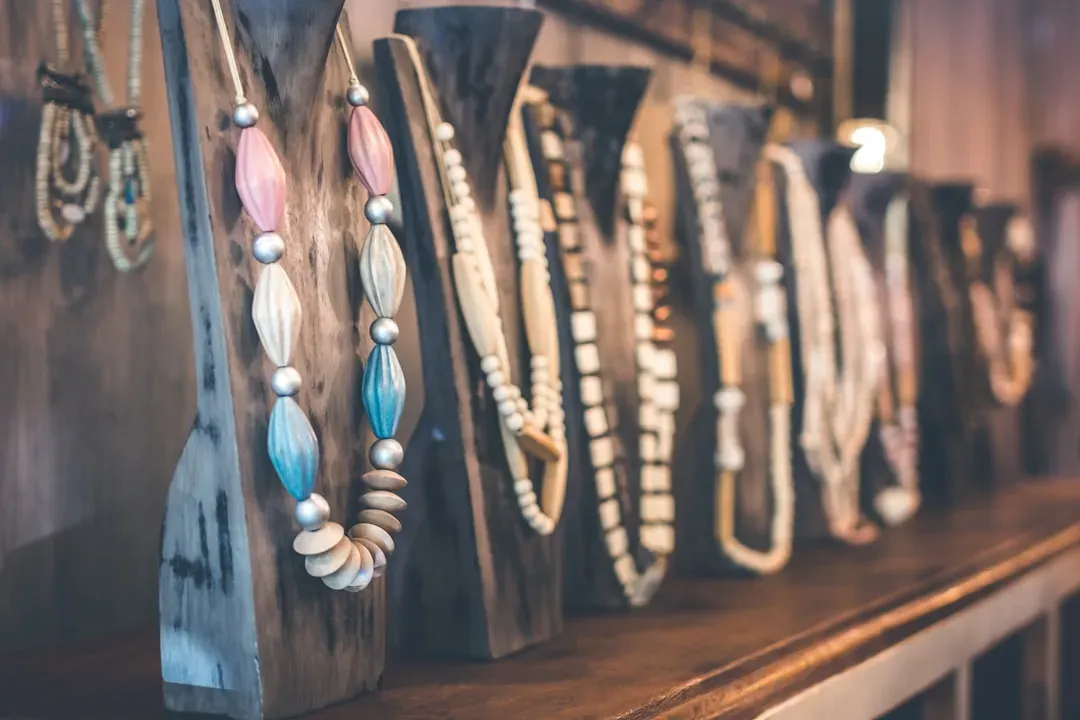
Hawaiian royalty wore walrus ivory hooks strung on braided human-hair necklaces, a status symbol carved from an animal that has never lived within thousands of miles of the islands. Pacific trade routes somehow carried the dense tusk material south from Arctic waters long before Captain Cook ever sailed near Hawaii. Carvers shaped it into toggles strong enough to fasten the garments of chiefs.
No walrus bone has ever turned up in a Hawaiian midden, which makes the whole tradition even stranger. Oral histories vaguely credit distant voyages, but nobody has fully explained how the raw ivory made the jump across so much open ocean.
Fast Facts
- Walrus ivory hooks were fastened to necklaces using braided human hair.
- Walruses have never inhabited the tropical waters surrounding Hawaii.
- No walrus remains have ever been recovered from a Hawaiian midden site.
- The trade route predates any documented long-distance voyage on record.
What’s wild here is that these pieces predate any documented long-distance voyage in the record, meaning early Polynesian trade networks were reaching into Arctic supply chains before history even noticed.
#2 – Japan’s 8th-Century Ivory Workshops That Ran Entirely on Foreign Tusks
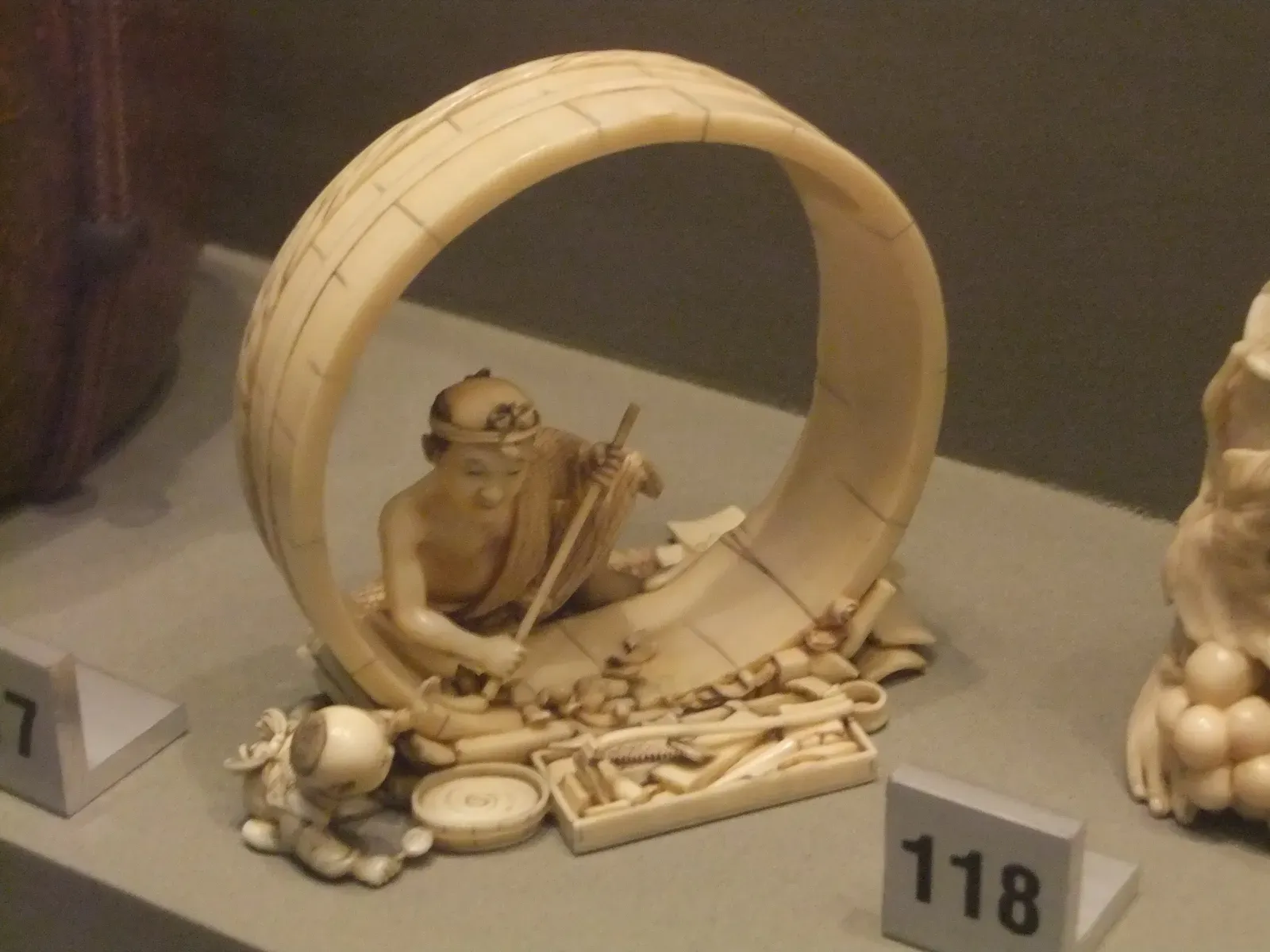
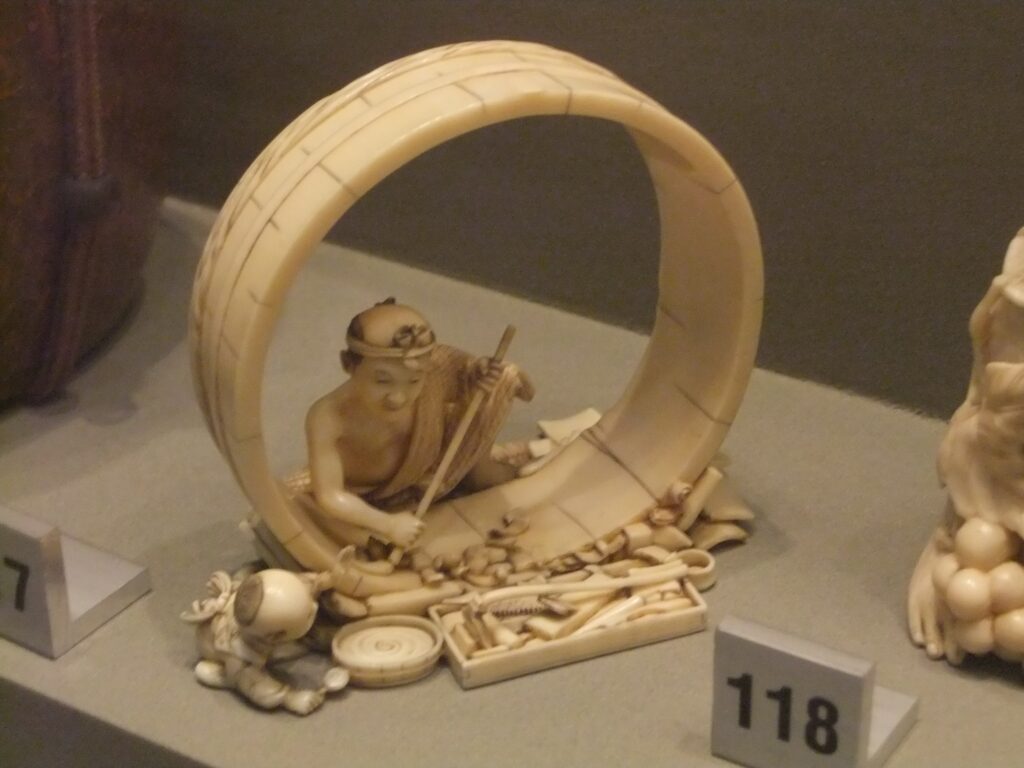
Japan never had elephants. It never had a native supply of anything close. Yet artisans there carved elephant ivory for centuries, turning imported tusks into ritual objects and personal seals that show up in the Shōsōin treasury records dating back to the 8th century.
Isotopic work traces many of those pieces to Southeast Asia and Africa, meaning the material crossed oceans and mountain ranges to reach Buddhist temples and the imperial court. Demand never slowed down, even though the animal producing the raw material was, and always had been, a foreigner.
The strange part is that Japan built and sustained dedicated ivory workshops for centuries while depending entirely on supply lines it never controlled.
#3 – The African Elephant Tusks Buried in Biblical Israel
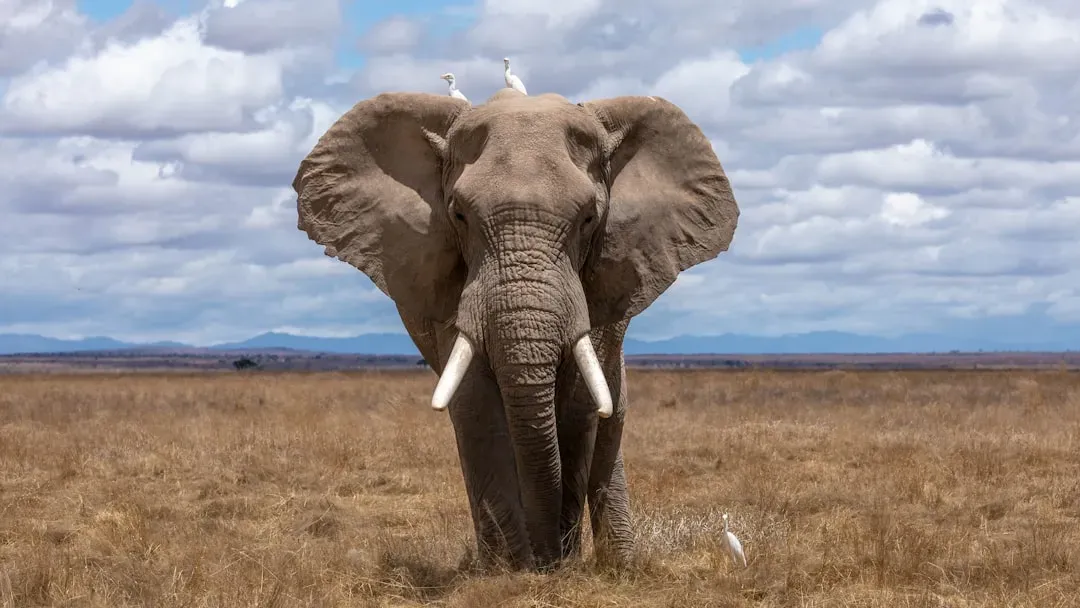
Biblical-era sites across modern Israel have produced hundreds of ivory artifacts carved from African elephants, an animal that has never set foot in the region. Proteomic and isotopic analysis of more than 1,500 fragments traces the source material all the way to the White Nile basin in ancient Nubia.
That supply line held for roughly a thousand years, moving through Nubian middlemen no matter which empire happened to control Egypt at the time. Political chaos came and went. The ivory trade barely noticed.
What surprised researchers most is that 85 percent of tested pieces came exclusively from African elephants, ruling out the closer, more obvious Asian sources entirely.
#4 – Walrus Skulls Found 4,000 Kilometers From the Nearest Walrus
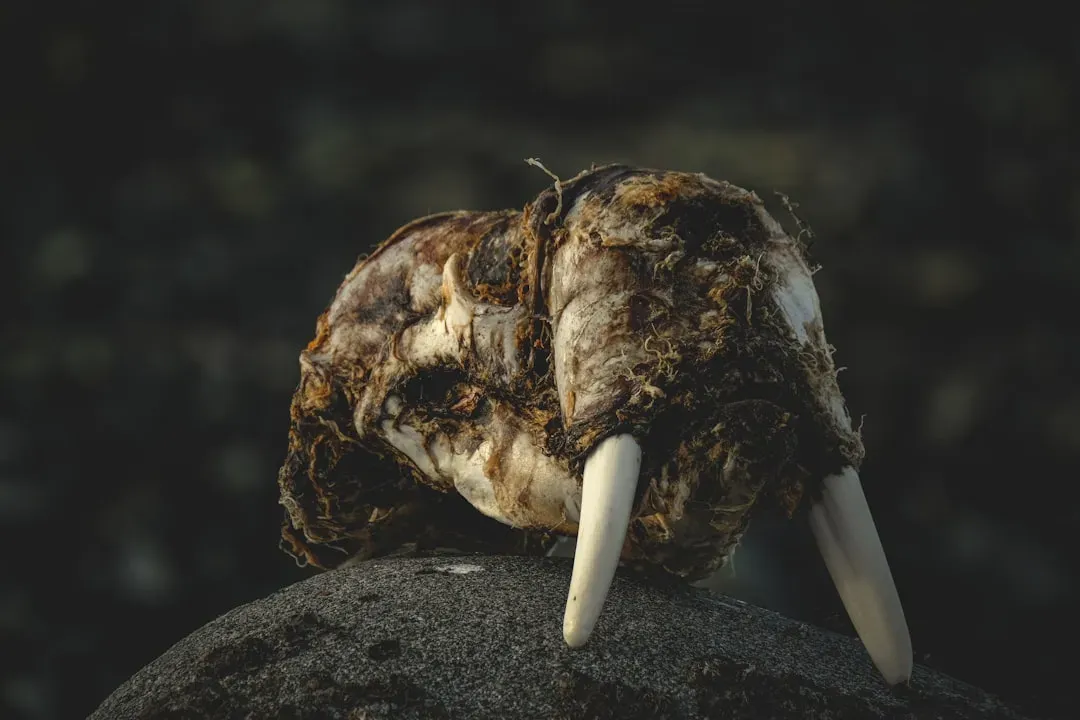
Excavations in Kyiv uncovered walrus skulls and carved fragments buried in 12th-century layers, hundreds of miles from any coastline a walrus has ever touched. Ancient DNA links the remains to western Atlantic populations, most likely from Greenland.
Viking traders hauled the material more than 4,000 kilometers along river routes, apparently moving whole skulls rather than finished carvings. That detail changes the picture entirely: this wasn’t a trickle of finished luxury goods, it was raw bulk material shipped inland for local craftsmen to work.
The detail that stands out is that these skulls arrived still attached to modified crania, proof that traders were moving raw material in bulk rather than polished, ready-made objects.
#5 – Bronze Age Spain’s Ivory Carvings Made From Asian Elephants
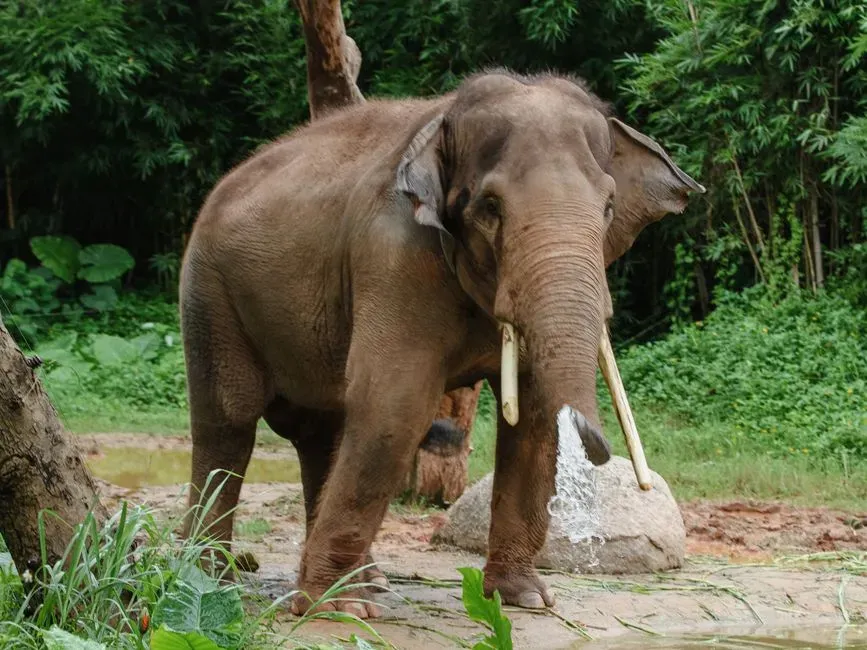
Bronze Age workshops in Spain and Portugal produced carvings from Asian elephant ivory despite the species never once inhabiting Western Europe. Both raw tusks and finished objects have turned up at multiple sites, including the major settlement of Valencina de la Concepción.
Stylistic quirks suggest local artisans reworked imported stock into their own regional designs rather than simply importing finished pieces. Whoever brought the material in traveled an enormous distance to do it.
The clincher is that some pieces still show Schreger lines, the microscopic pattern confirming Asian origin rather than African or fossil sources – physical proof the tusks came from halfway across the ancient world.
#6 – Modern China’s Mammoth Ivory Boom, Built on an Animal That’s Been Extinct for Millennia
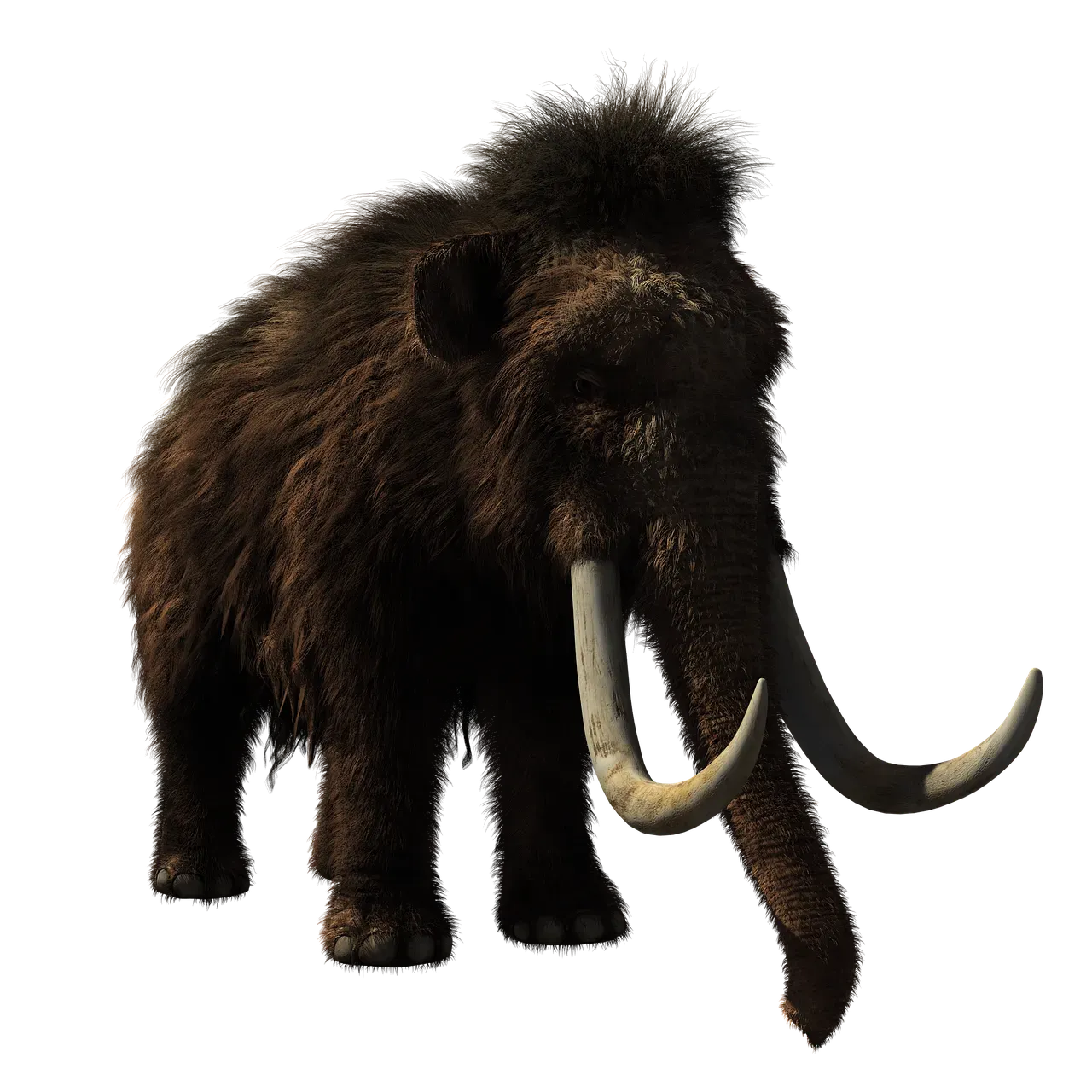
Contemporary Chinese carvers produce thousands of pieces a year from Siberian mammoth ivory, working in cities where mammoths went extinct roughly 10,000 years ago. Legal trade in fossil tusks now supplies workshops and showrooms in Beijing and Shanghai.
Some of that material gets mixed with elephant ivory, and while stable isotope testing can tell the two apart, plenty of small carvings remain genuinely ambiguous. An entire modern industry is quietly running on the frozen remains of an Ice Age animal.
At a Glance
- Mammoths went extinct roughly 10,000 years ago.
- Mammoth ivory can make up as much as 70 percent of some Chinese city markets.
- Legal fossil-tusk trade supplies workshops in Beijing and Shanghai.
- Stable isotope testing separates mammoth from elephant ivory, though small pieces can stay ambiguous.
What’s remarkable is that mammoth ivory now makes up as much as 70 percent of some city markets, keeping a carving tradition alive long after the animal that started it disappeared.
#7 – The Assyrian Palace Ivories That Were Never Made From Local Elephants
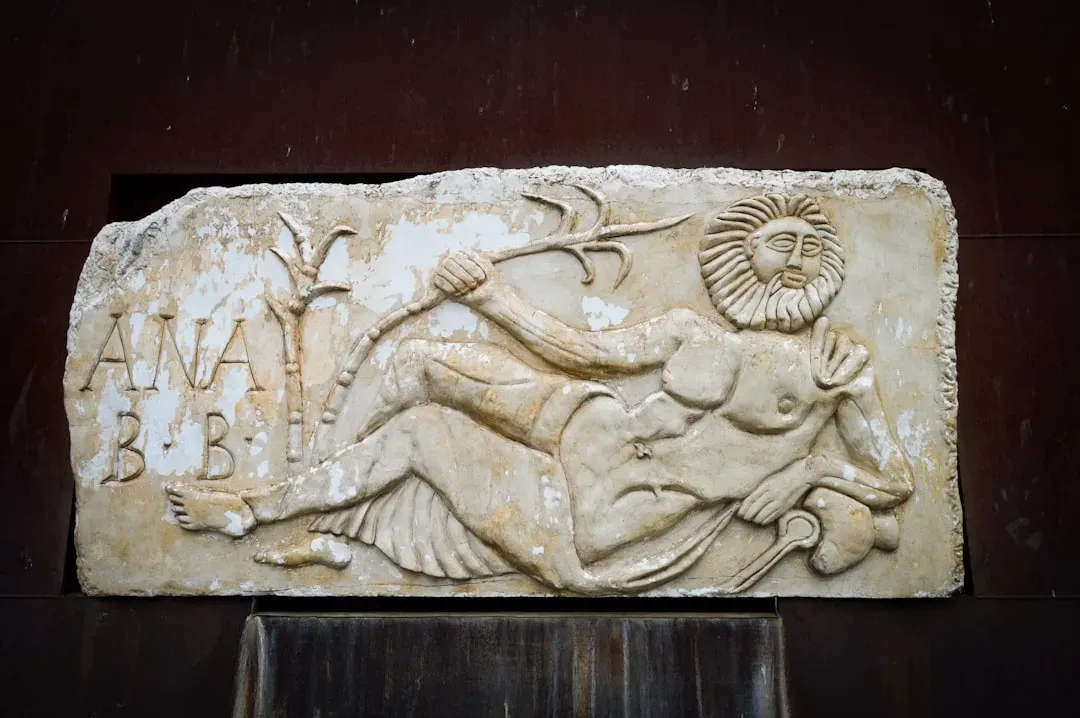
The Assyrian palaces at Nimrud were packed with intricate ivory plaques, carved after the local Syrian elephant population had already vanished from the region. Most of the surviving pieces trace back to Levantine or Egyptian workshops, with later examples pointing further south to Africa.
Phoenician inscriptions on some plaques hint that the artisans themselves were mobile, moving between courts and carrying their craft with them. The palace walls were essentially a monument to imported labor and imported material at once.
The most telling fact is that the majority of the thousands of ivories recovered at Nimrud were imported rather than carved on site, meaning the palace’s signature art form wasn’t even local to begin with.
#8 – European Churches Filled With Arctic Walrus Ivory
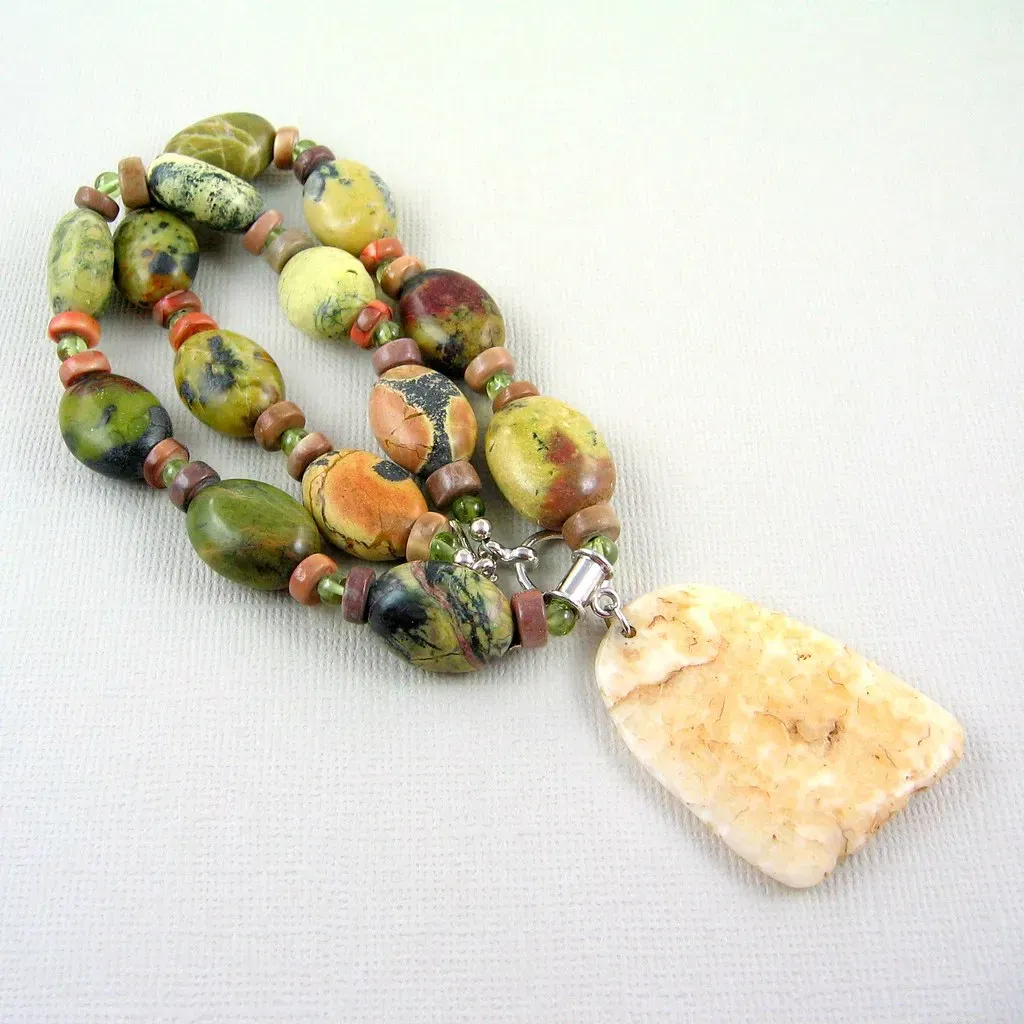
Continental European courts and churches displayed walrus ivory objects for centuries after the animals had retreated far north into Arctic waters. Medieval trade routes pulled Greenland and Canadian tusks south, first through Norse networks and later through Hanseatic merchants.
Carvers in Germany and the Low Countries turned that material into religious items and luxury goods for wealthy patrons who never asked where it actually came from. Demand kept climbing even as walrus populations started collapsing from overhunting to feed exactly this appetite.
The uncomfortable part is that demand for walrus ivory kept rising in Europe even as the animals supplying it were being hunted toward scarcity.
#9 – The Oxus Civilization’s Ivory Carvings From a Land With No Elephants
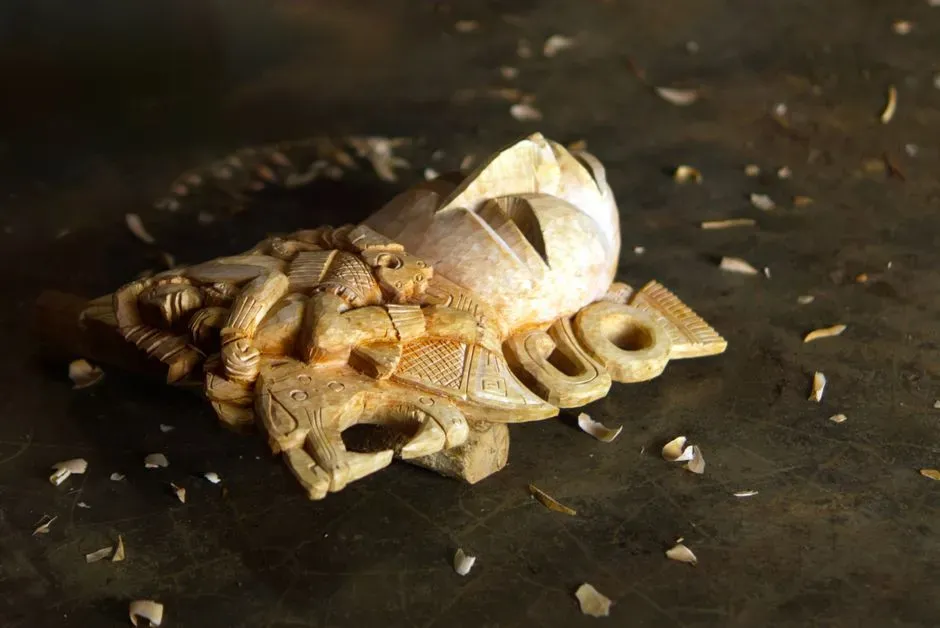
Gonur Depe, a Bronze Age site in Turkmenistan, yielded Asian elephant ivory artifacts carved in distinctly local styles, far outside any elephant’s natural range. Morphological analysis shows clear differences from Indus Valley pieces, suggesting craftsmen were producing original work on-site rather than simply importing finished objects.
Trade networks connected the Oxus civilization to elephant habitats far to the south, feeding raw material into workshops that had never seen the animal itself. The result was a genuinely local art tradition built on entirely foreign raw material.
Worth Knowing
- Gonur Depe sits in modern Turkmenistan, far outside any elephant’s natural range.
- Morphological analysis distinguishes these carvings from Indus Valley ivory work.
- Trade networks stretched south into elephant habitats to supply raw tusks.
- Craftsmen adapted the imported material into distinctly local artistic styles.
What makes this case stand out is that craftsmen adapted foreign ivory into their own regional artistic traditions instead of just copying imported designs.
#10 – The Mystery Ivory Tools of Prehistoric Venezuela
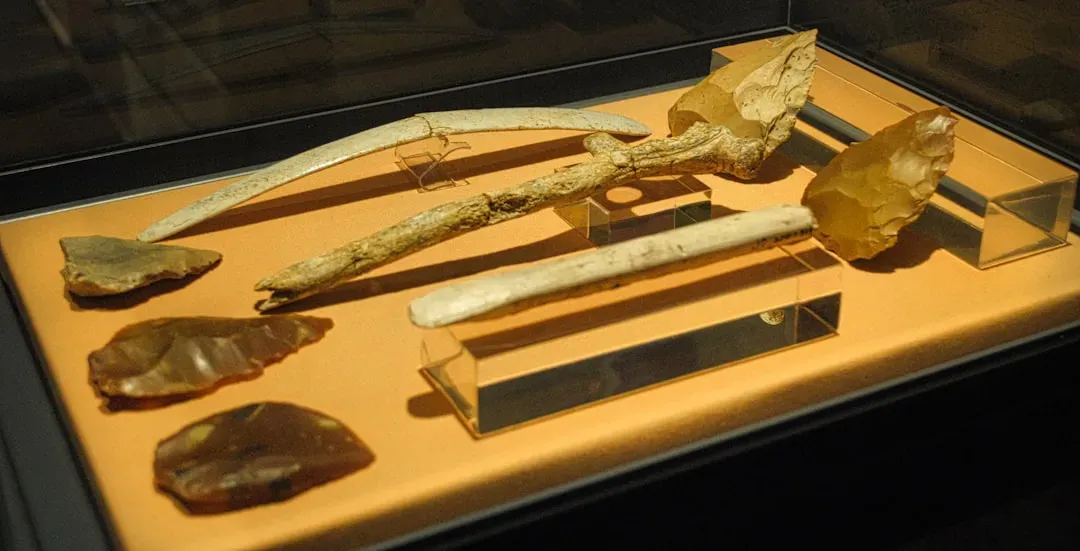
Northwestern Venezuela has produced two unique ivory artifacts carved from extinct gomphotheres, in a region where living elephants have never existed at all. Surface finds near Taima-Taima suggest use dating to the Late Pleistocene or Early Holocene, when fossil material would have been the only ivory source available.
No comparable worked pieces have ever turned up anywhere else in the Americas, which makes these two objects genuinely one of a kind. Whoever made them was working with a technique that, as far as the evidence shows, nobody else ever repeated.
The eeriest detail is that the tool’s shape matches no known regional tradition, suggesting a piece of specialized knowledge that simply disappeared with whoever made it.
#11 – Japan’s Hidden Walrus Ivory Stockpiles
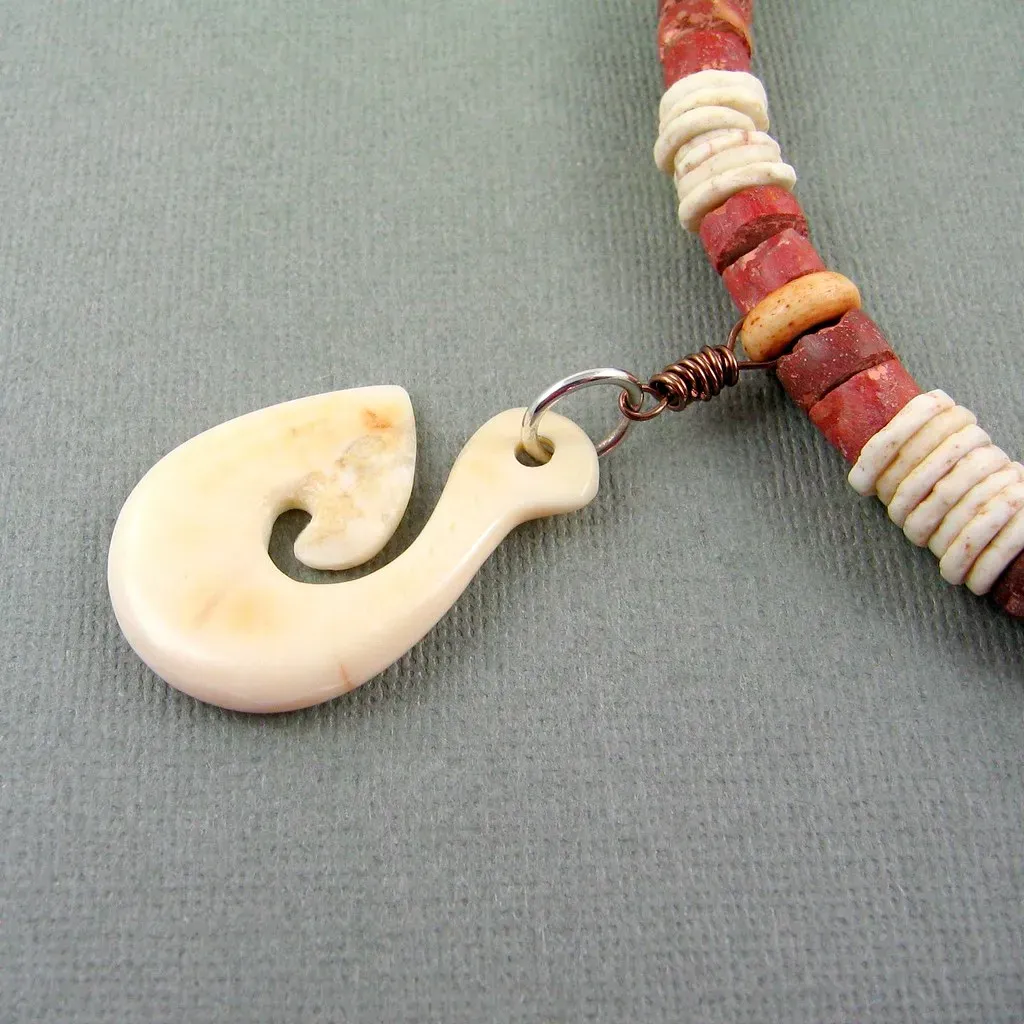
Historic Japanese storehouses hold walrus ivory alongside elephant pieces, despite walruses never once inhabiting Japanese waters. Northern Pacific trade routes supplied the raw tusk material, which carvers shaped into toggles and ornaments much like their elephant ivory counterparts.
Some of these surviving pieces show distinctive core markings that confirm marine mammal origin under close inspection. It appears walrus ivory quietly filled gaps in supply whenever elephant tusk imports were restricted or disrupted.
The overlooked part is that walrus ivory acted as a backup supply for Japanese carvers whenever long-distance elephant ivory trade slowed down or stalled entirely.
#12 – The Sunken Ship That Proved Where African Ivory Really Went
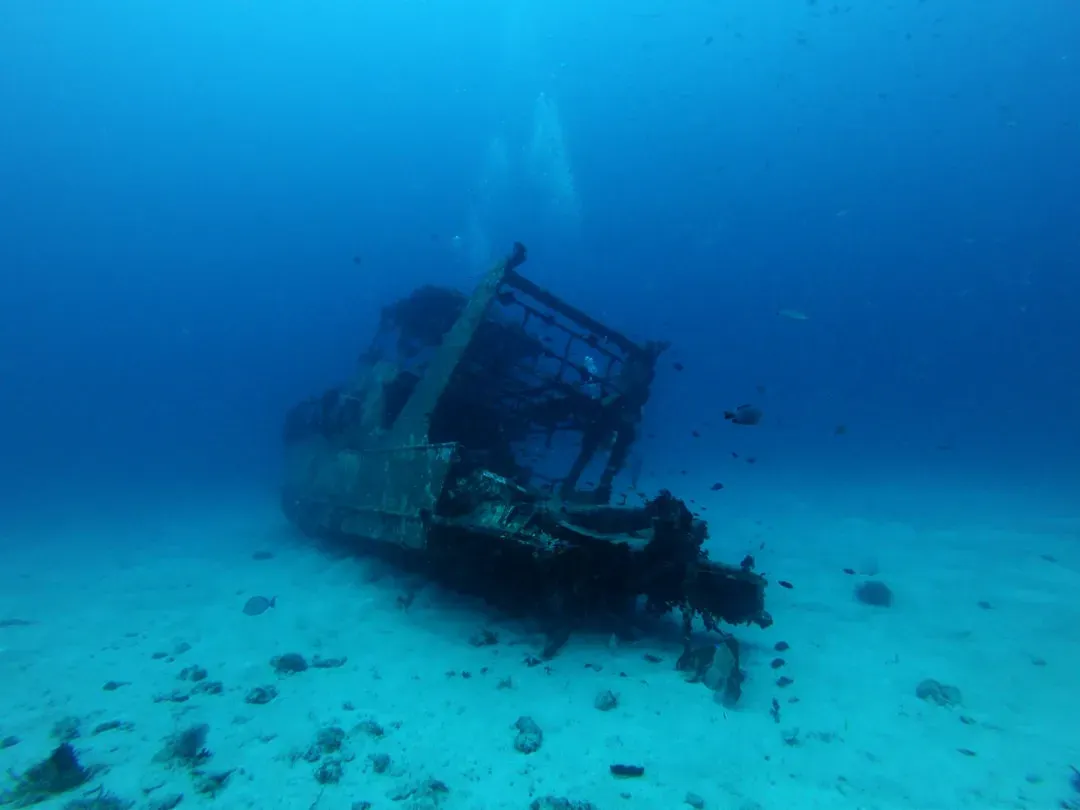
Portuguese vessels hauled West African elephant tusks across the Atlantic and Indian Oceans, delivering them to markets where elephants had never lived and never would. The Bom Jesus, a ship that sank off the coast of Namibia in 1533, held tusks that genetic testing has since traced directly back to Senegambia.
Similar cargoes reached Goa and Manila before being redistributed further into Asian markets, meaning a single tusk could cross two oceans before a carver ever touched it. The shipwreck turned into an accidental time capsule, preserving hard proof of a trade network historians had only partly reconstructed from paper records.
Why It Stands Out
- The Bom Jesus sank off the coast of Namibia in 1533.
- Genetic testing traces its tusks directly to Senegambia in West Africa.
- Similar cargoes reached Goa and Manila before further redistribution.
- A single tusk could cross two oceans before ever reaching a carver.
The genuinely stunning fact is that genetic sourcing can now trace specific African elephant populations to global carving industries that operated for centuries, long after the animals themselves were gone from the story.
Put all twelve of these together and a pattern emerges that’s honestly a little uncomfortable: distance was never a real barrier to the ivory trade, only a logistics problem someone eventually solved. Political collapse, ocean crossings, extinction, none of it reliably stopped tusks from reaching people who wanted them.
If there’s an opinion worth landing on here, it’s this: every one of these carvings is less a story about animals and more a story about human appetite outrunning geography. The elephants, walruses, and mammoths were never the point. The demand was, and it clearly didn’t care how far the material had to travel to satisfy it.