Most people assume that when a gallery shuts its doors, its treasures simply pack up and move to a bigger museum down the road. That’s the comforting version. The real one is messier: buildings close, staff scatter, and an entire collection can vanish from public view without a single headline announcing it.
Some of these collections get sold off in an afternoon. Others sit fully installed, gathering dust behind locked doors, technically “preserved” but functionally erased. We dug through museum-sector research, court records, and insider accounts to find eleven galleries where the lights went out for good – and the objects inside never resurfaced anywhere the public could actually see them again.
#11 – The Local History Gallery That Vanished Into Storage
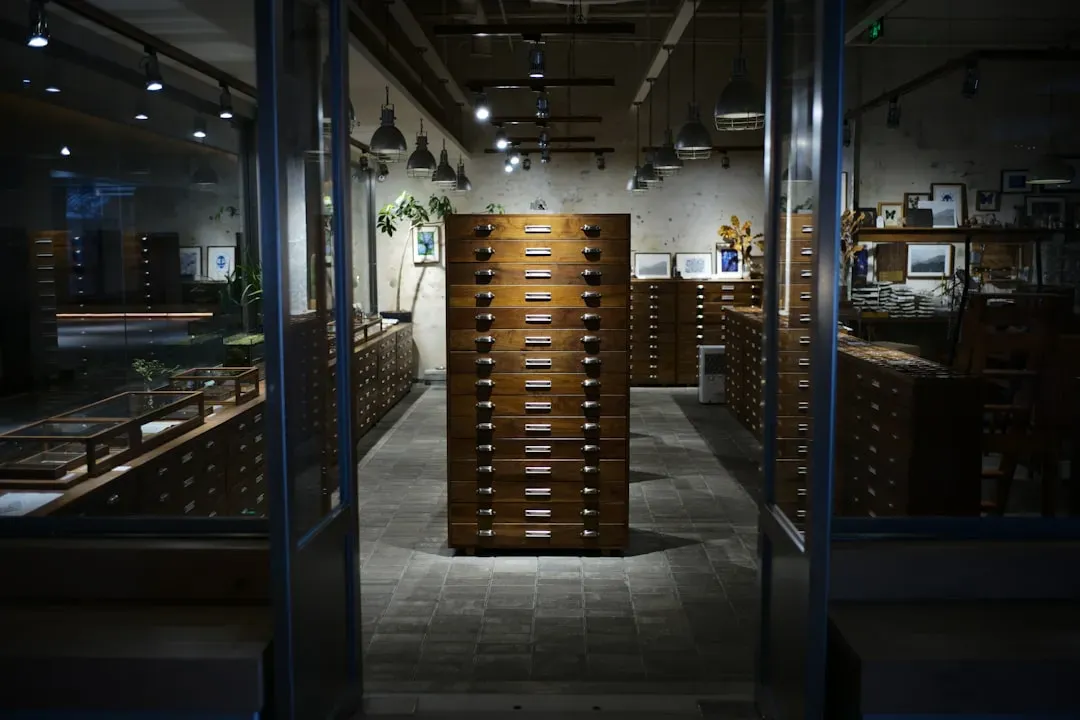
A lot of closures never make headlines, and that’s exactly the problem. Local authority museums and their in-house history galleries have been quietly shuttered across the UK for decades. Research shows that when these small spaces close, their collections increasingly get left in storage or mothballed in situ rather than redistributed to another public venue.
On paper, the material still belongs to the public. In practice, the public loses any realistic way of ever seeing it again. Objects end up in back rooms and off-site depots, catalogues stay incomplete, and retrieval becomes nobody’s priority – so the schoolchild who used to wander in and meet their town’s history now has nowhere to go.
#10 – The Tricycle Museum That Got Auctioned Off Piece by Piece
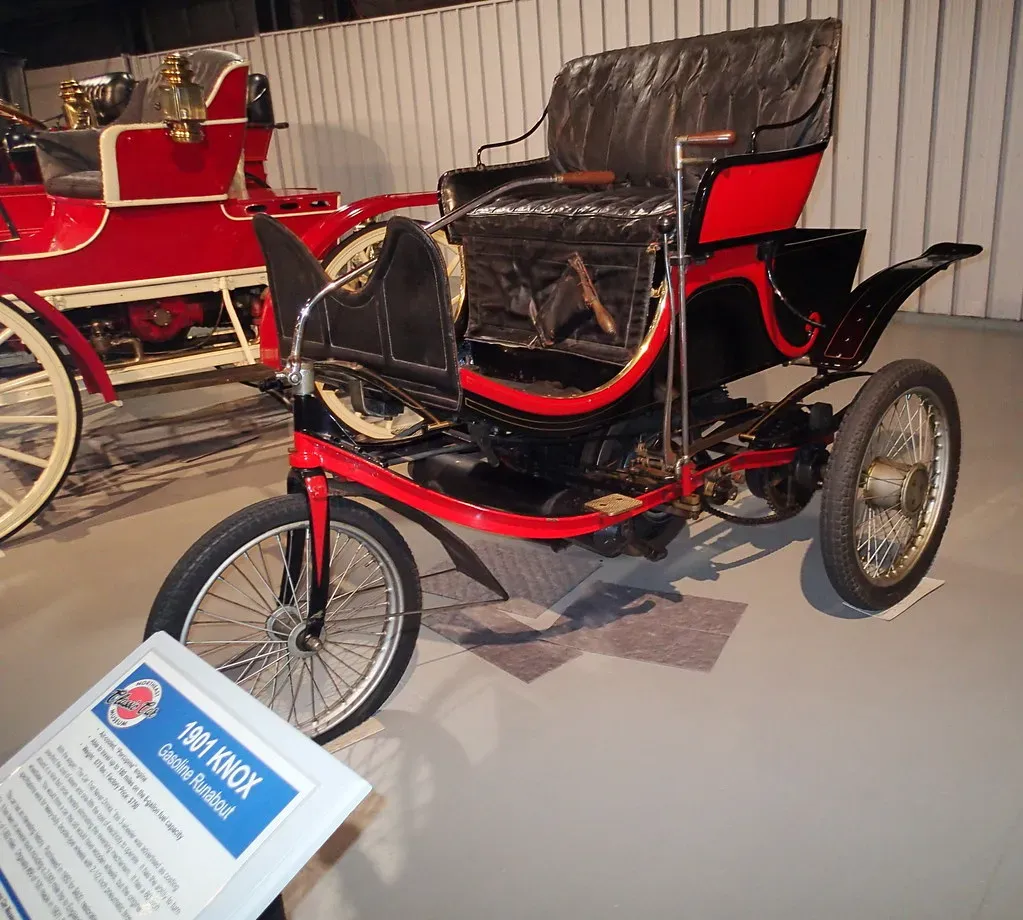
Small, privately run specialist museums are some of the most vulnerable closures of all. Take the Christchurch Tricycle Museum in Dorset, which shut its doors in the mid-1990s. Financial trouble forced the entire collection into an auction house within a year – not into another museum’s care.
At a Glance
- Location: Christchurch, Dorset, England
- Closed: mid-1990s
- Fate of collection: sold at auction within a year of closing
- Focus: Victorian and early cycling machines
Once objects are broken up that way, they scatter into private collections, dealer inventories, and unknown garages with no forwarding address. There’s no successor site, no digital archive, and no obvious place to go if you ever wanted to see those Victorian and early cycling machines assembled together again. It’s a quiet kind of erasure: a whole chapter of transport history, gone in a single sale.
#9 – The University Gallery Frozen in Institutional Limbo
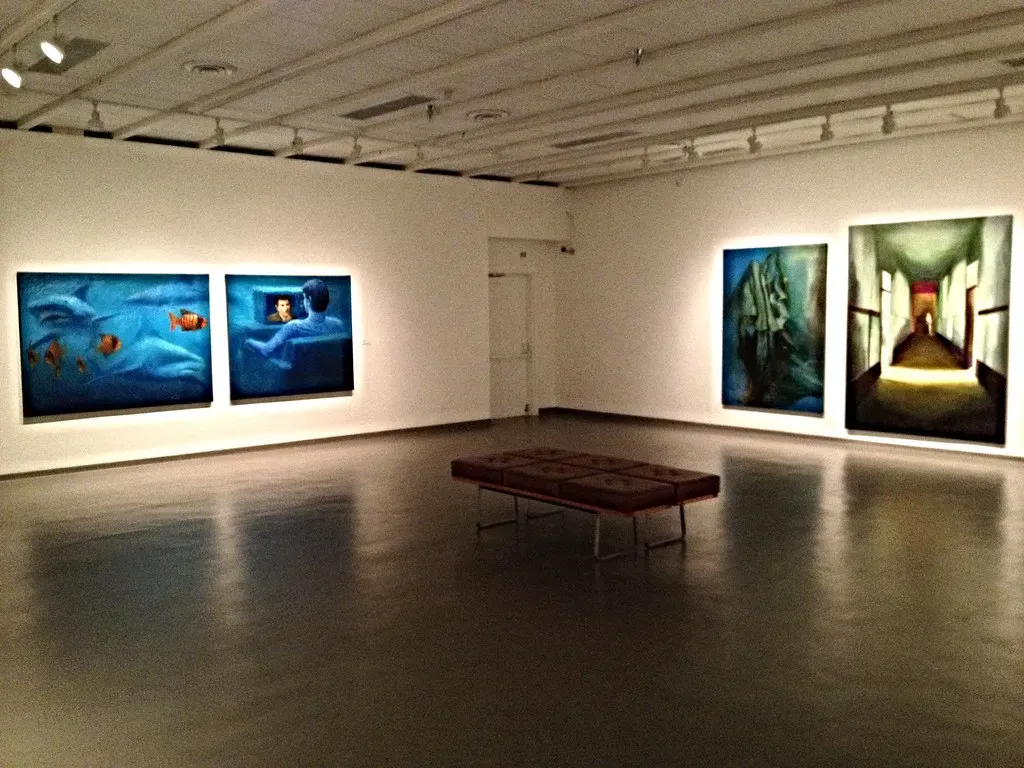
University-affiliated galleries are supposed to be the safe ones – protected by endowments and academic prestige. Except sometimes they aren’t. A 2026 case in Chicago showed the pattern clearly: day-to-day operations ceased, staff were cut, and the collection was pledged to “stay on campus,” with no real plan for public access or regular exhibition.
Nothing was sold. Nothing is technically lost. But without funding, staff, or a designated gallery, those artworks become invisible to everyone outside a narrow academic circle. For alumni and local artists, it feels like a bait-and-switch: the institution keeps the prestige of owning a collection while quietly dropping the obligation to actually show it.
#8 – The House-Museum That Quietly Let Go of Its Collection
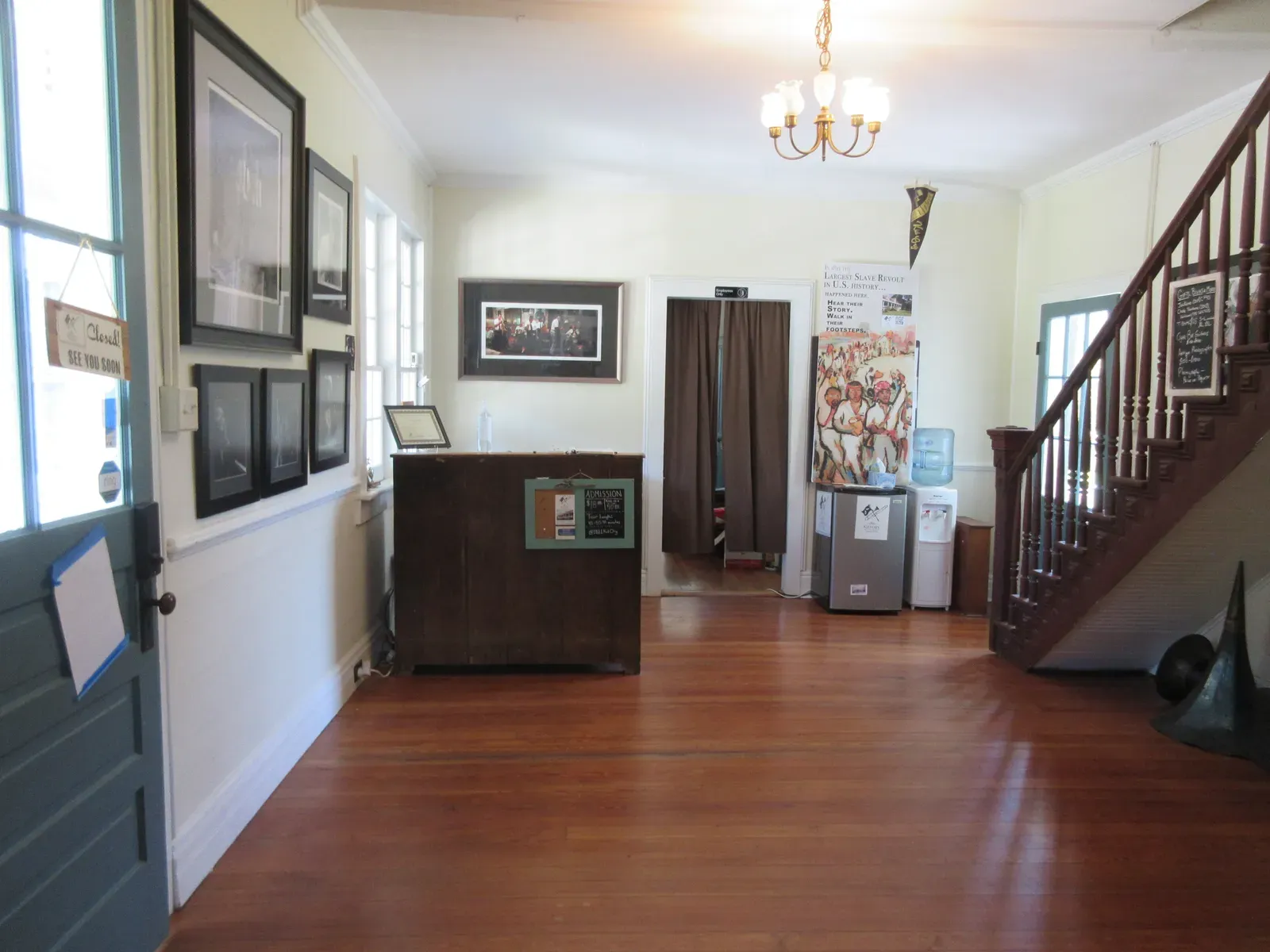
There’s a category museum consultants now discuss bluntly: historic house museums that step away from being museums altogether. Guidance from state agencies and regional associations openly acknowledges that some small house-based institutions can no longer justify staying open – leading to closures, murky “transitions,” or outright disposal of their collections.
When this happens without a strong receiving institution, everyday domestic items – textiles, furniture, family letters – are the first things to disappear. The house itself might become a private residence or event venue, while its contents get returned to descendants, sold off quietly, or donated with no centralized record. Insiders admit “letting go” is often a polite way of saying the objects just drifted somewhere the public will never see them again.
#7 – The Gallery Closed to Visitors but Left Fully Installed
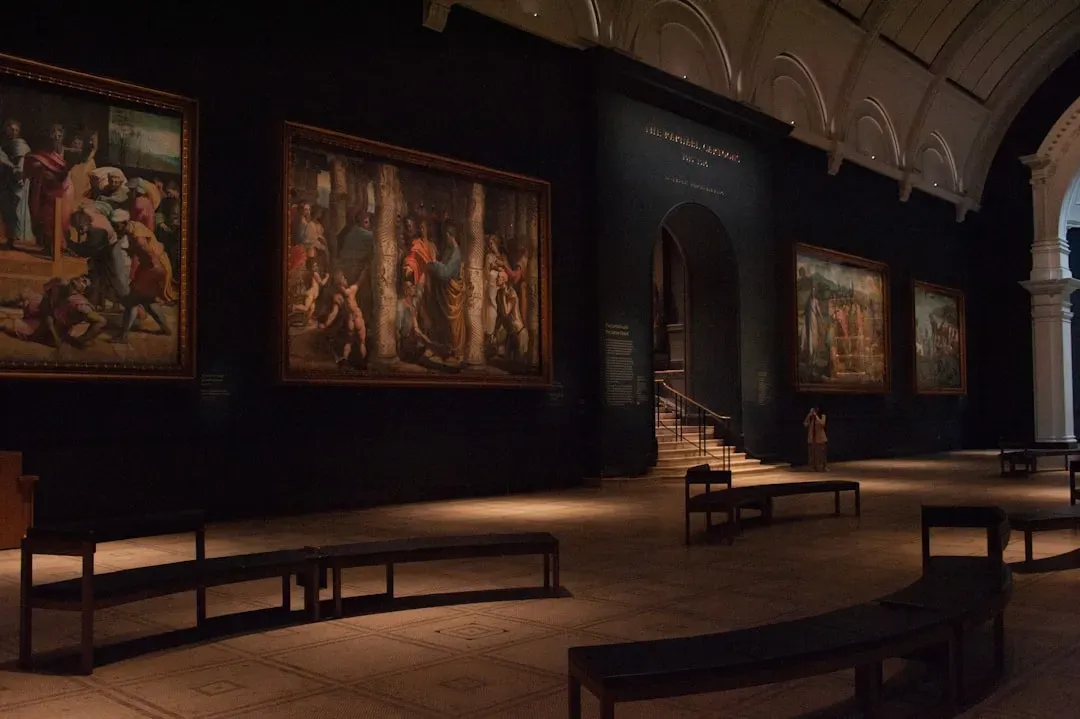
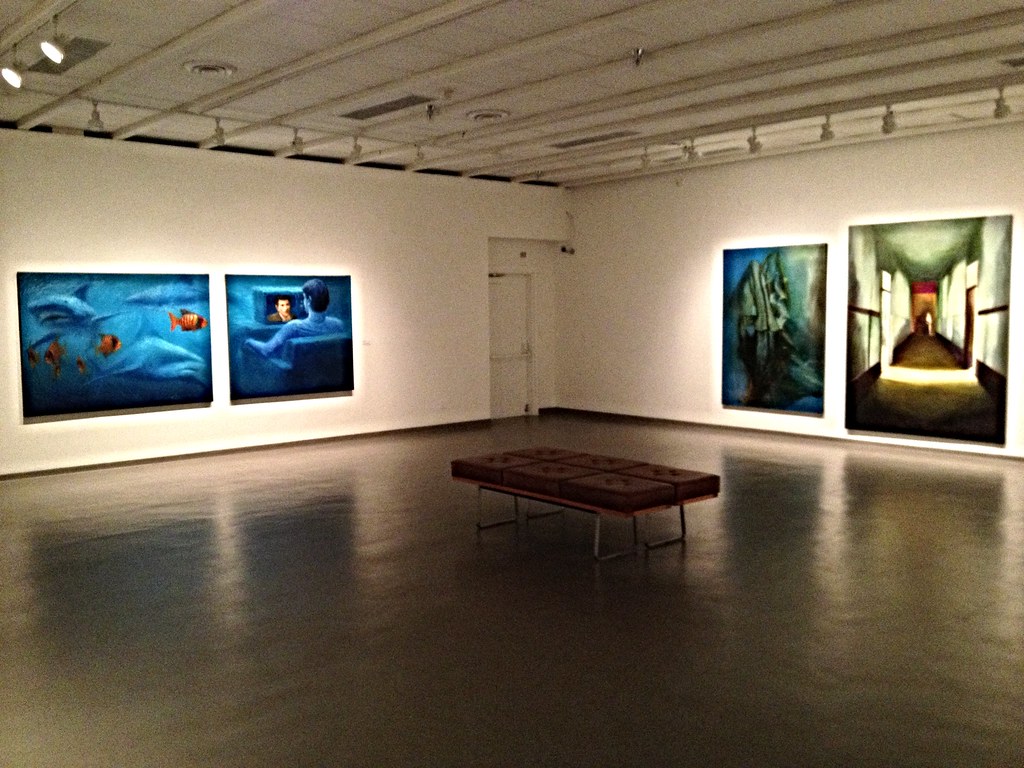
One of the strangest scenarios in museum life is the gallery that’s closed for years while the exhibits stay exactly where they were left. Museum workers describe entire floors shuttered for a decade – cases still full, interactives still plugged in, labels slowly yellowing – with zero visitors allowed inside.
Conservation concerns, staff shortages, or endless renovation projects turn a living gallery into a sealed time capsule. Administrators may even use old photos of it in promotional material, but to the public, it’s every bit as inaccessible as a private vault. Some of these spaces eventually reopen – plenty don’t, and get quietly redesigned, dismantled, or shipped into deep storage instead.
#6 – The Themed History Museum That Never Found a Successor
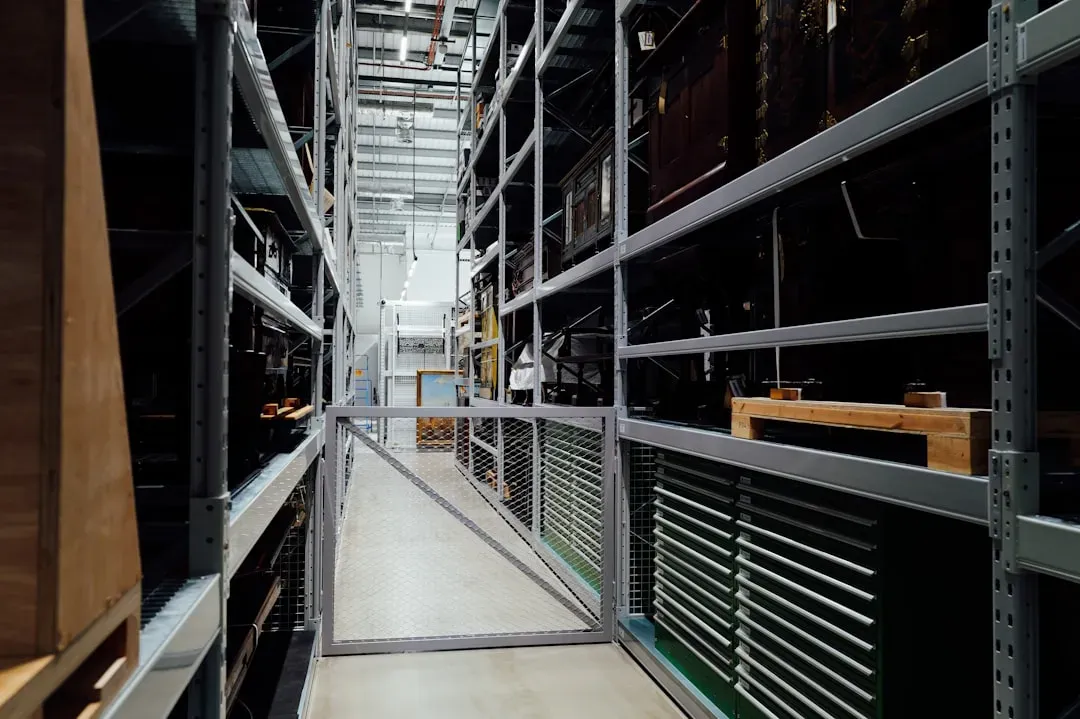
When a thematic museum closes – one built around a specific local story – its main gallery is uniquely fragile. Research on closures shows that larger institutions may agree to take custody of some artifacts from a failed historical society, but they almost never recreate the original gallery or its full interpretive scope.
Worth Knowing
- Larger museums sometimes accept custody of orphaned artifacts, but rarely recreate the original display
- Boxes can sit in storage with no promise of ever going back on view
- Individual pieces may resurface years later, stripped of their original context
- Preservation of an object is not the same as survival of the exhibit that gave it meaning
A science museum might store boxes from a defunct city-history museum without any promise of ever displaying them. Individual items can resurface years later in unrelated exhibits, stripped of the context that once made them meaningful – but the integrated display, the thing visitors actually remember, is gone for good. Preservation isn’t the same as survival, and this is where that gap becomes painfully obvious.
#5 – The Temporary Exhibition That Became a Permanent Goodbye
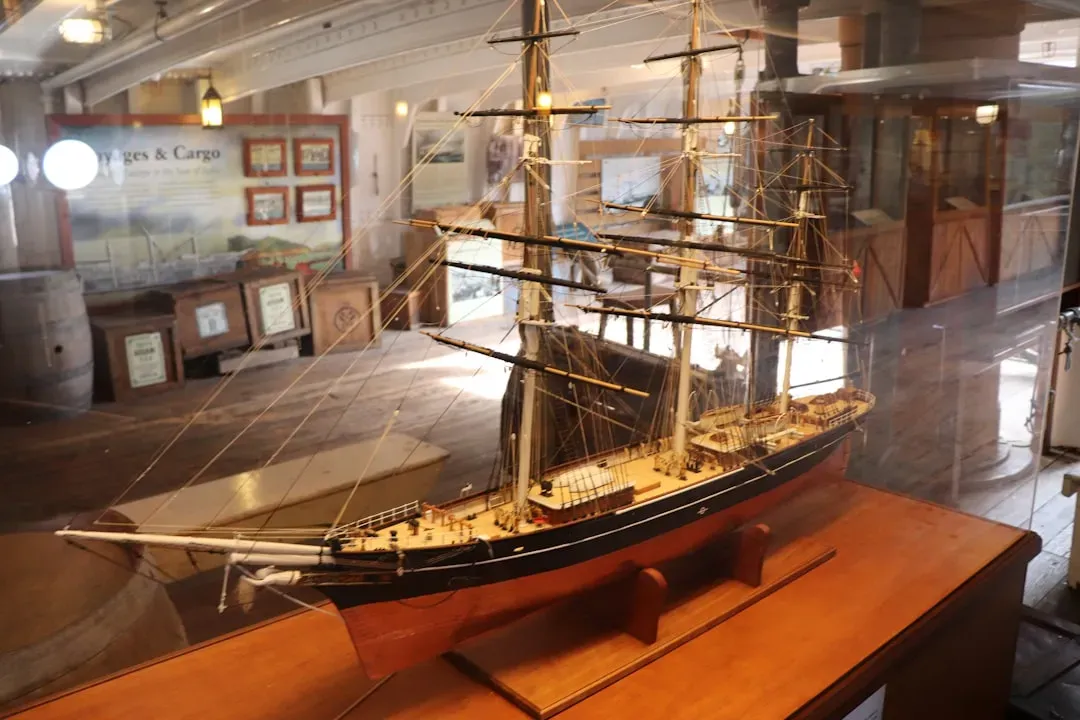
Museums love temporary exhibitions, and visitors assume the objects simply “go home” to some other gallery once the show ends. That’s only half true. Curators at major history museums admit that when a temporary exhibit closes, its objects are usually returned straight to deep storage – not to another public display.
If the show relied heavily on the host museum’s own holdings, that exhibit may have been the only realistic chance the public ever gets to see those pieces. Loans sometimes head back to corporate collections or private foundations that keep no public gallery at all. Once the banners come down, the window closes with them – blockbuster shows can be one-time chances to see a body of work assembled, full stop.
#4 – The Gallery That Got Erased Twice – In Real Life and Online
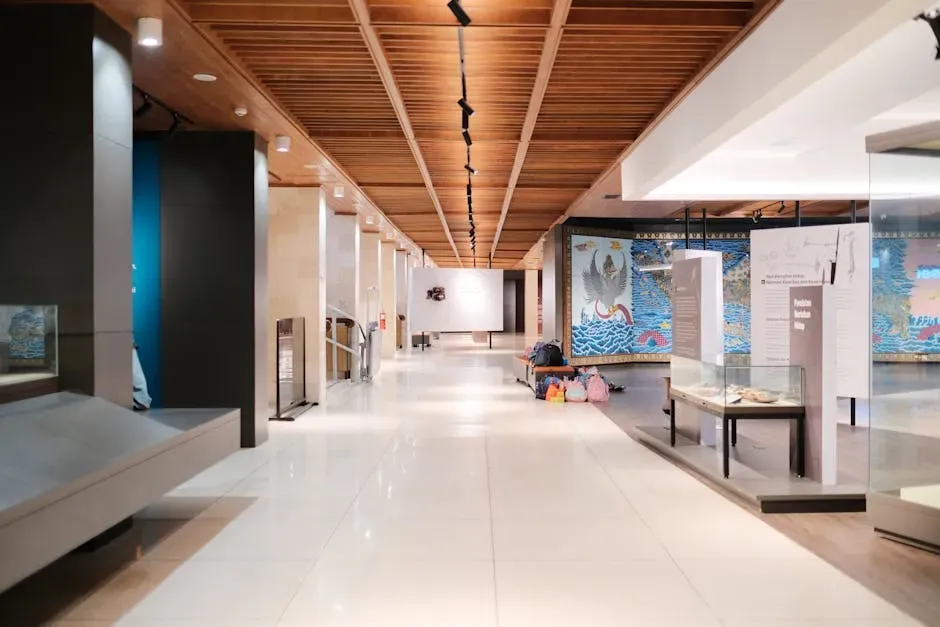
You’d think the digital age would soften these closures – photograph everything, publish it online, problem solved. The reality is far messier. Many institutions simply lack the budget, staff, or rights clearance to digitize their holdings, and studies of collection visibility show that only a fraction of stored objects ever appear in open online catalogues.
Fast Facts
- Only a small fraction of stored museum objects ever make it into open online catalogues
- Budget, staffing, and rights clearance are the biggest blockers to digitization
- Even digitized objects rarely recreate the original gallery’s layout or story
- Archivists describe this pattern as a “second-order closure”
When a physical gallery closes without a serious digitization project behind it, the specific selection, layout, and interpretive story disappear into institutional memory. Even digitized objects rarely get presented the way the old gallery once framed them – you might find an isolated image if you already know what to search for, but you can’t wander and discover the way you could in the room itself. Archivists call this a second-order closure: the gallery dies once in bricks and mortar, then again in the metadata.
#3 – The Fresno Museum That Sold Off 3,000 Artifacts to Survive
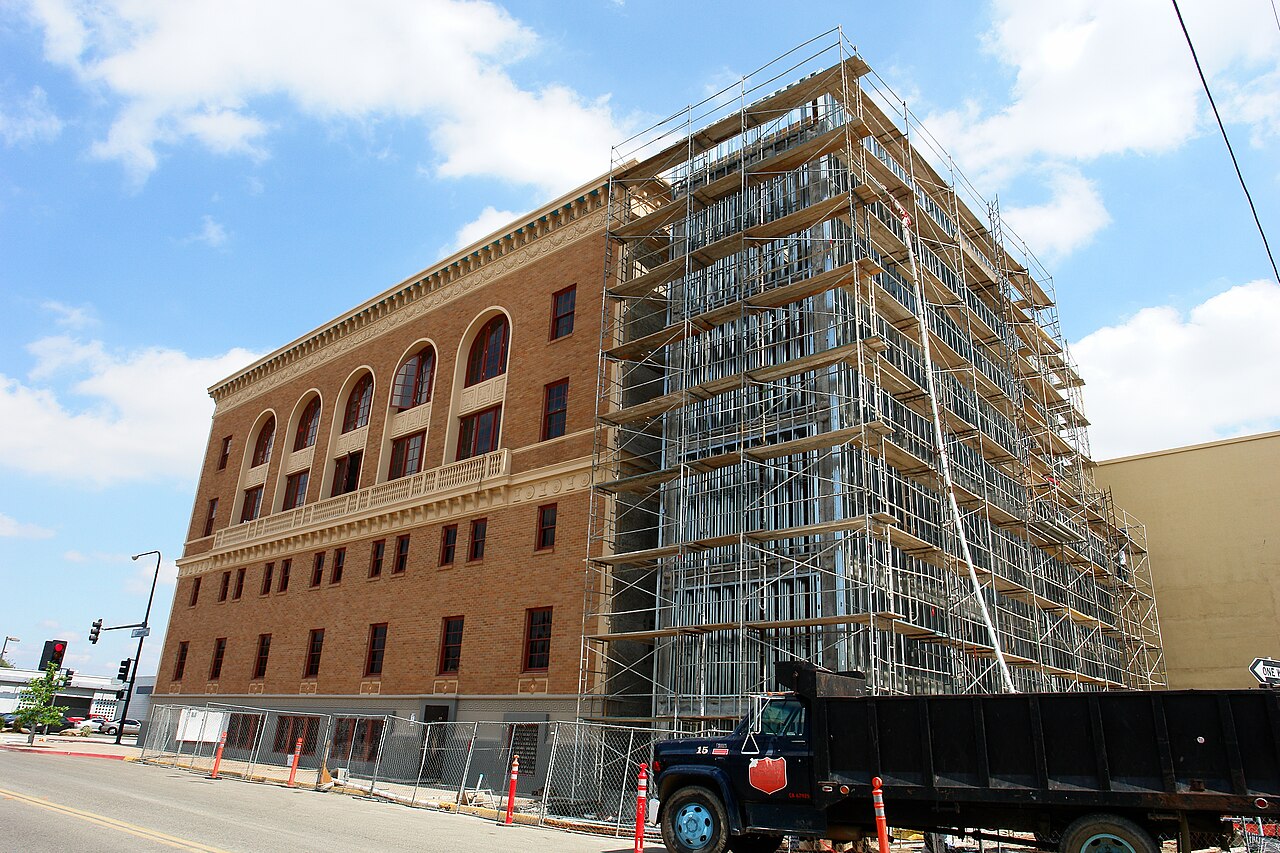
When museums go bankrupt, sentiment loses to the balance sheet almost every time. The Fresno Metropolitan Museum in California is the textbook case: when the institution collapsed in 2010, more than 3,000 artifacts were sold off just to cover outstanding debts.
Quick Compare
- Before 2010: an operating nonprofit museum holding thousands of artworks and historical objects
- After the collapse: 3,000+ artifacts liquidated in a court-supervised sale
- Before: pieces displayed with educational context and a public mission
- After: many works scattered into private collections with no public record
Those pieces ranged from artworks to historical objects, and while a handful may have landed in other museums, plenty likely vanished into private collections with zero public record. Ethical guidelines warn against deaccessioning purely to pay operating costs, but once a court is supervising the liquidation, the old gallery’s themes and educational mission stop mattering – what counts is what something can sell for. The public effectively subsidized that collection for decades, only to watch it converted into cash at the very end.
#2 – The “Closed Museum” That Technically Still Exists on Paper
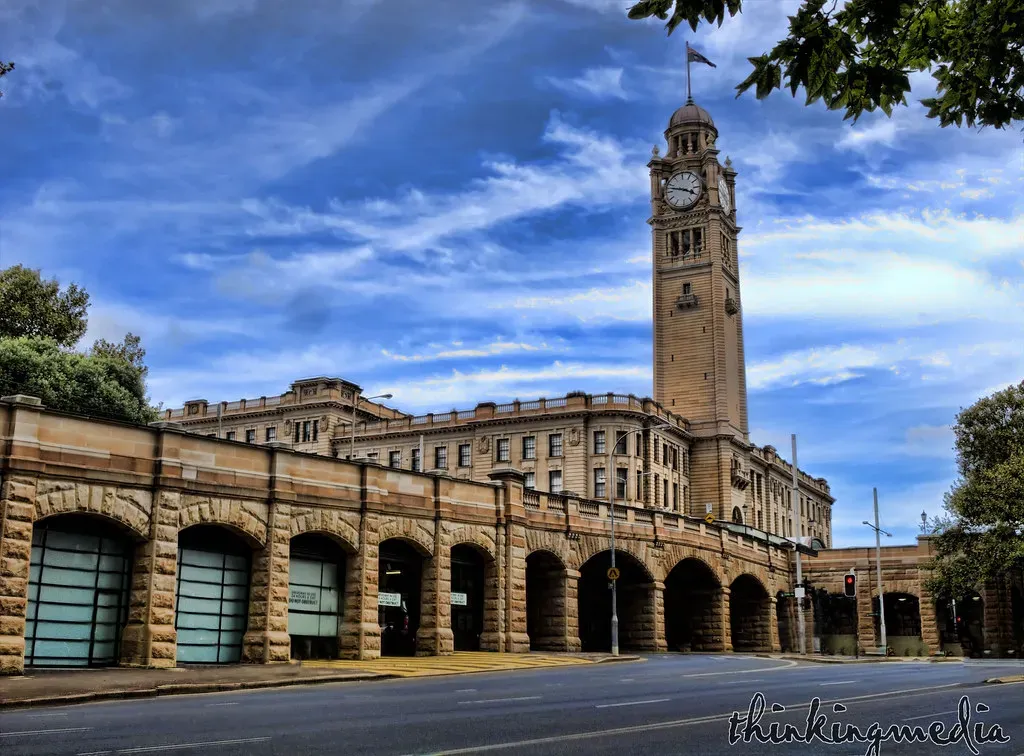
Museum researchers have identified a genuinely ghostly category: institutions officially counted as closed even though their collections technically still exist somewhere. One survey notes a museum can be classified as closed the moment its holdings sit inside another institution, as long as the original site and identity are gone.
The brand disappears, the building disappears, the public galleries disappear – while boxes of objects linger quietly in someone else’s storage or get folded into other displays under different labels. There’s no sign on the street anymore, no ticket desk, no gallery map, just a line in a database and maybe a few orphaned pieces absorbed elsewhere. Scholars argue closure isn’t really about where the objects physically sit; it’s about whether a distinct public story still exists, and here, it doesn’t.
#1 – The Silent Closures Nobody Bothers to Count
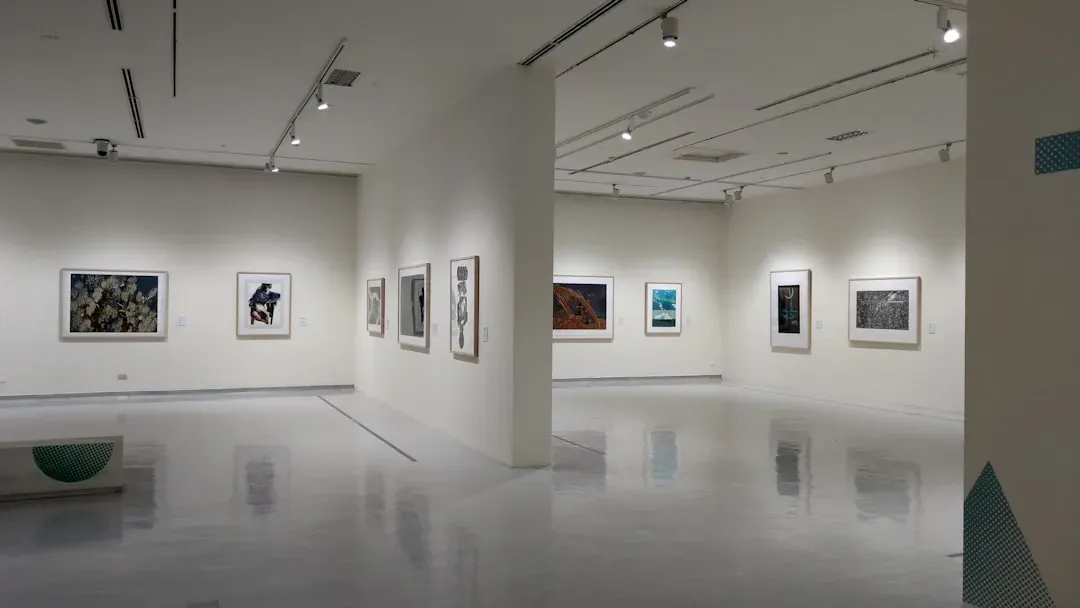
The most unsettling category is also the least documented: countless small, semi-formal galleries and micro-museums that close without anyone systematically tracking what happens next. Mapping projects openly admit their closure data is incomplete, and that many collections simply drift into undefined arrangements – partial storage, private retention, informal disposal, take your pick.
There’s no central obligation to report, no public audit, and often no media coverage at all, so in these cases we genuinely don’t know if the objects remain accessible to anyone. That means your childhood memory of a musty little room full of fossils, radios, or local memorabilia may have vanished without a trace beyond a locked door and some fading signage still visible on Google Street View. While glamorous institutions fight over blockbuster loans, these small galleries disappear overnight – uncounted, unarchived, and unmissed by anyone outside their immediate community.
When a gallery closes, the comforting story is that “the art will live on somewhere else.” The evidence says otherwise – collection after collection gets sold, mothballed, scattered, or left in bureaucratic limbo, and the specific public spaces that gave them meaning are gone for good. Digitization helps at the margins, but it’s a pale substitute for walking into a room built to tell one particular story.
Here’s the opinion most insiders won’t say out loud: if communities don’t actively fight for their small galleries now – with funding, visits, and real political pressure – nobody else is coming to save them later. Once that door shuts for the last time, the objects inside might survive as line items on a spreadsheet, but the public’s right to actually encounter them usually doesn’t. So which closed gallery still haunts you – and do you actually know what happened to everything that used to be inside it?