Somewhere in the world right now, there is a box in a vault, a line in a database, or a crate in a museum basement that simply says: “Unknown.” That’s it. No story, no follow‑up, just a shrug preserved in paperwork. For nearly a century, certain objects have sat exactly like that – logged, tagged, and then politely ignored by history.
This isn’t science fiction; it is how real archives, observatories, and collections often work. When something cannot be immediately classified, it is given a placeholder label and quietly sidelined. Over decades, people retire, priorities shift, and those mysterious entries become ghosts in the catalog. Let’s walk through fourteen kinds of “unknowns” that have been officially recorded, rarely or never examined again, and yet still shape how scientists think about the limits of what we know.
1. Unidentified Spectral Lines In Old Star Surveys
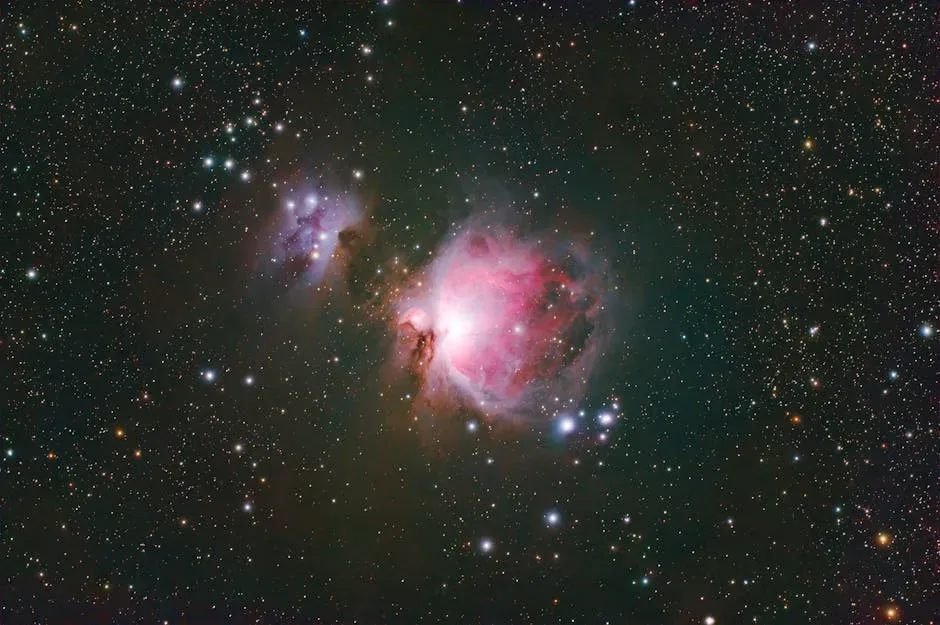
Imagine staring at a barcode from a distant star and finding a few lines that simply do not match anything in the chemistry textbooks. That is exactly what astronomers sometimes saw in mid‑twentieth‑century stellar spectra: bright or dark lines that did not correspond to known atoms or molecules. Lacking an explanation, they were logged as unidentified lines, pinned to plates, and filed away in observatory archives.
Many of these old photographic plates have barely been touched since the day they were developed. Some have been digitized, but a surprising fraction of the stranger features remain unexplained because nobody has systematically revisited them with modern atomic data. It is entirely possible that some of those “unknown” lines are just obscure ions or blends we now understand – but until someone goes back, they remain historical question marks hiding in cardboard boxes.
2. The “Unknown Origin” Meteorite Fragments In Museum Drawers
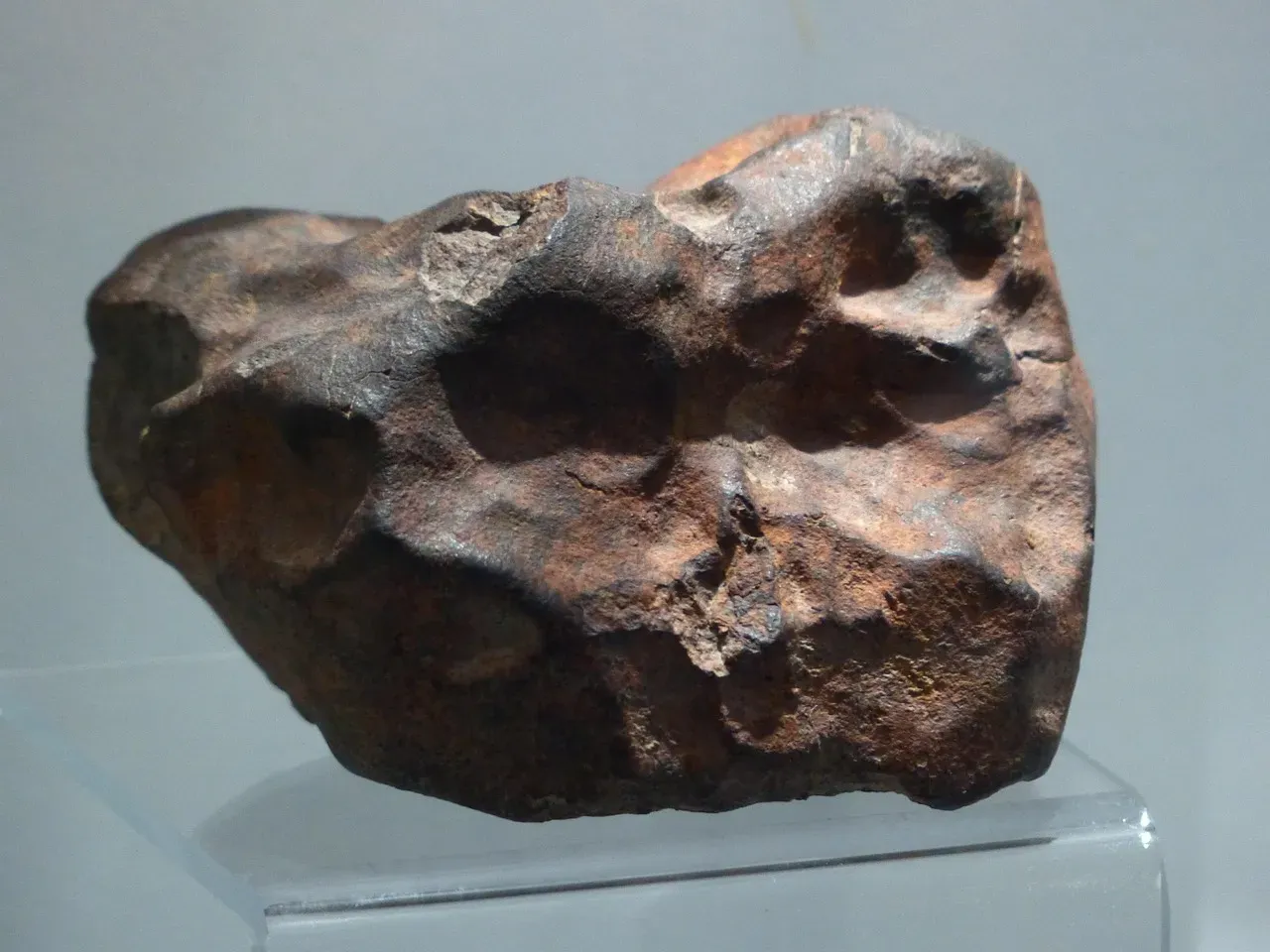
Walk into the back rooms of a large natural history museum and you’ll find drawers full of rocks that fell from the sky but came with almost no paperwork. Over roughly eighty years of collecting, curators have accepted meteorite fragments from farmers, pilots, and collectors who could not provide precise fall locations or dates. Typically, these bits are catalogued as probable meteorites of unknown provenance and then never become research priorities.
Because their origins are unclear, these samples are often passed over when scientists look for material tied to specific asteroid families or impact events. The irony is a little cruel: some of those anonymous fragments could hold rare minerals or unusual isotopes, but without context they sit in the “miscellaneous” category. The label “unknown origin” quietly locks them out of the most interesting scientific questions.
3. Unclassified Aerial Objects In Cold War Radar Logs
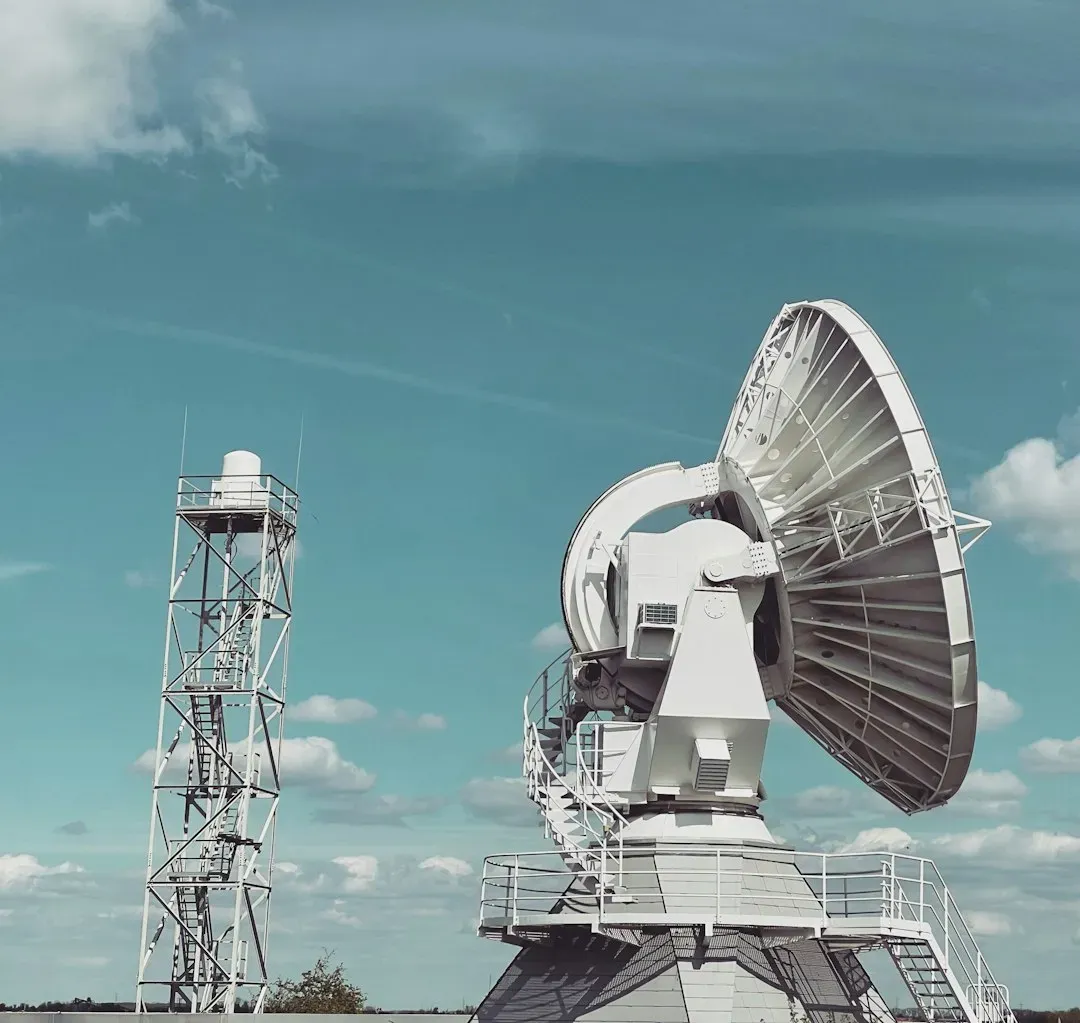
During the Cold War, radar stations watched the skies constantly and recorded anything large enough to reflect a signal. Buried in those archives are blips that did not match known aircraft, balloons, or atmospheric phenomena. Many were tagged as unknown tracks or unidentified returns, then filed for potential follow‑up that, in practice, rarely happened unless they posed an obvious threat.
Decades later, defense analysts and historians sometimes uncover these old tapes and printouts, only to find that the original operators wrote a brief note, closed the folder, and moved on to the next shift. The context has vanished: radar hardware changed, personnel rotated out, and the raw data is often hard to reanalyze. We are left with dry entries that hint at something odd overhead but offer no clear way to reconstruct what was actually there.
4. The “Unknown Artifact” Boxes In Archaeological Storerooms

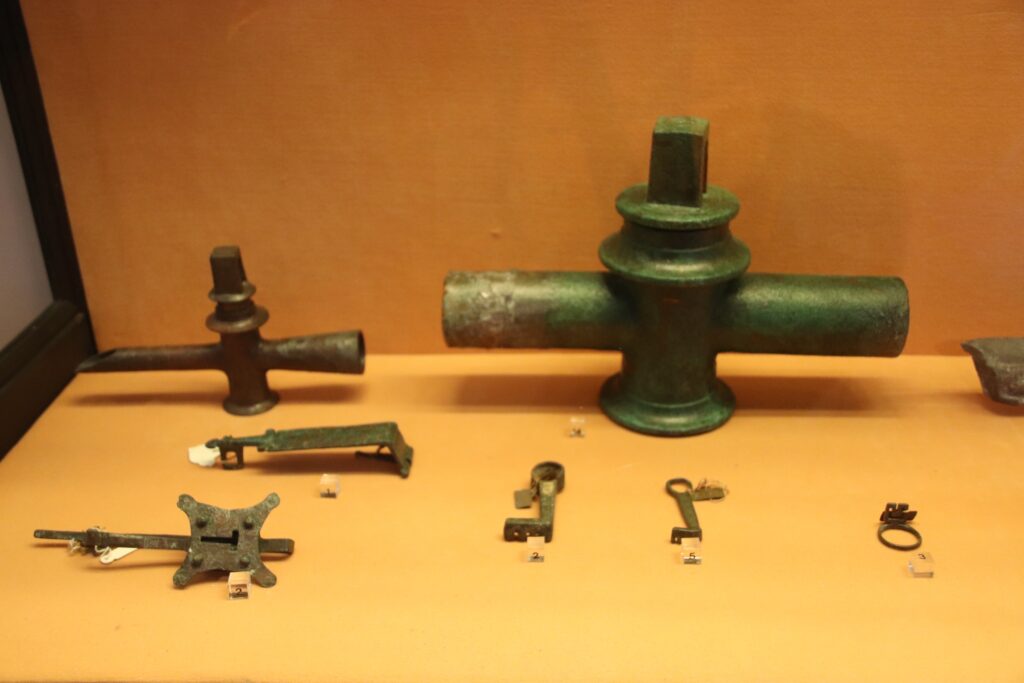
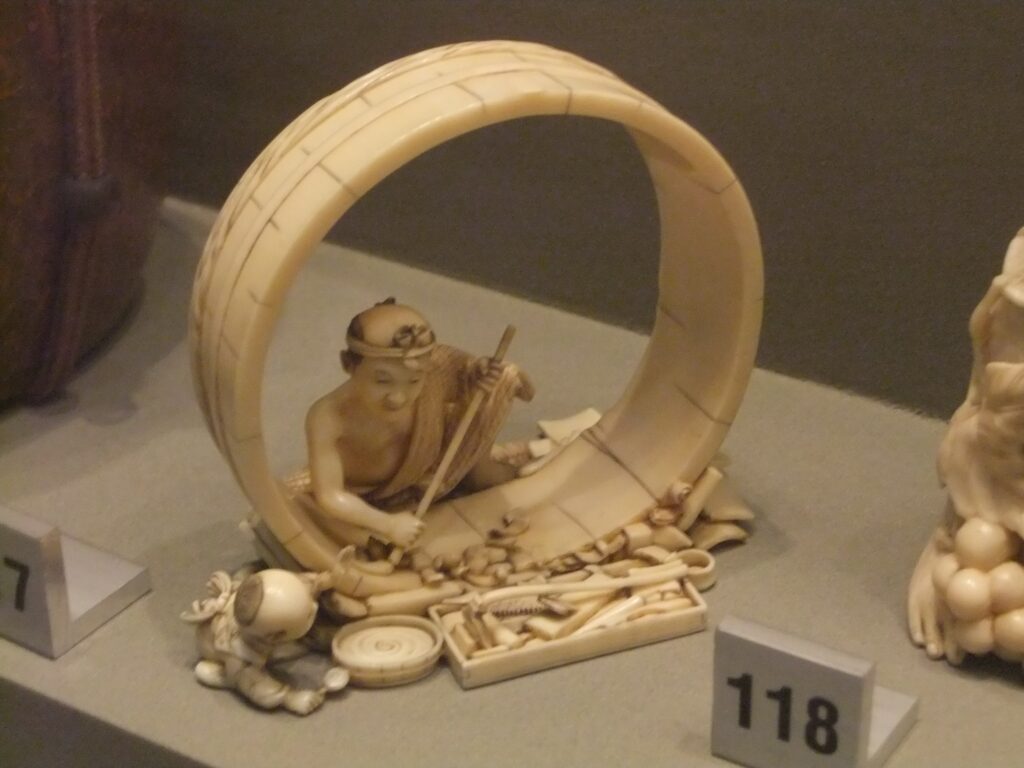
Archaeology is messy. When a site is excavated, thousands of fragments – bones, ceramics, tools, random pebbles – are packed into labeled bags. Objects that cannot be readily interpreted are sometimes given minimal descriptions such as worked object, unknown function and set aside as low‑priority material. In many institutions, that low priority has effectively stretched to a human lifetime.
These boxes of puzzle pieces line the shelves of university basements and national repositories. Some likely are just oddly shaped stones or broken items we already understand in other forms. But every now and then, later generations notice that an “unknown tool” looks suspiciously like a musical instrument or a specialized device from another culture. It is a quiet reminder that ignorance can be preserved just as carefully as knowledge.
5. Unidentified Deep‑Sea Samples From Early Ocean Cruises
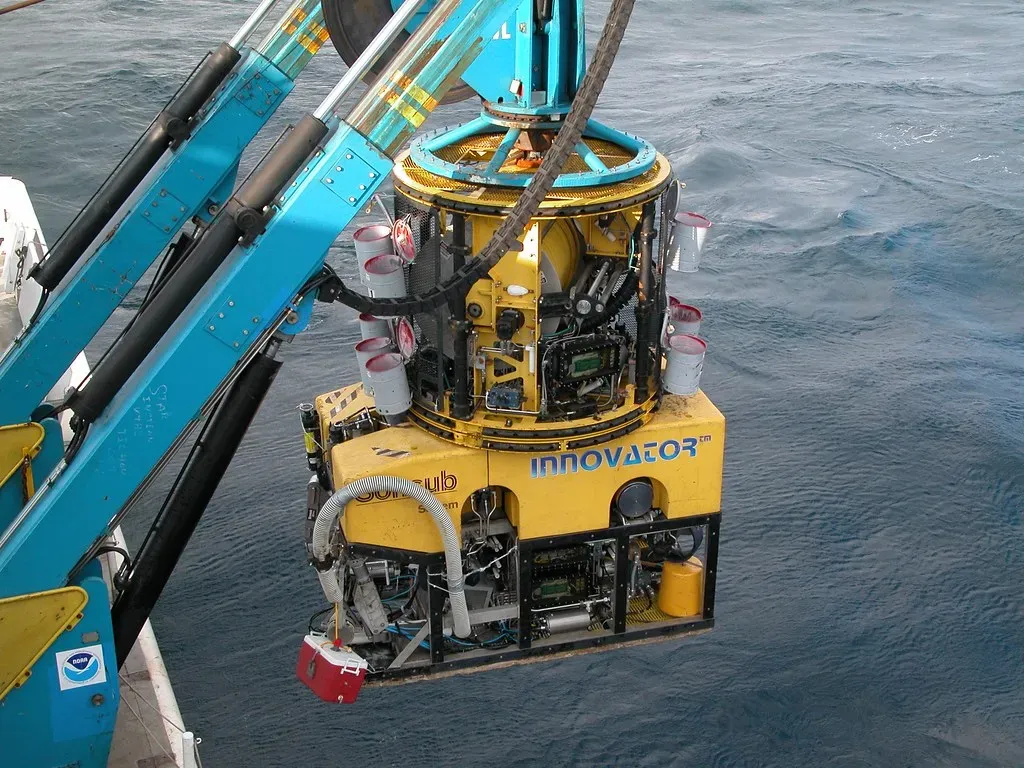
In the 1950s and 1960s, oceanographic expeditions hauled up sediments, strange worms, and gelatinous blobs from depths humans had never seen before. Not every specimen made it into a glossy paper. Many vials and jars were simply labeled unknown invertebrate or unusual sediment clump, given a station number, and left floating in preservative on a forgotten shelf.
Some of these samples have not been examined since they were first bottled. Modern DNA sequencing could probably tell us a lot more about them, but funding and time are limited, so attention drifts to new expeditions. It is entirely plausible that at least a few of these dusty jars contain species that were effectively discovered, named “unknown,” and then left to fade in the half‑light of a storage room.
6. The “Unknown Source” Radio Bursts In Legacy Data
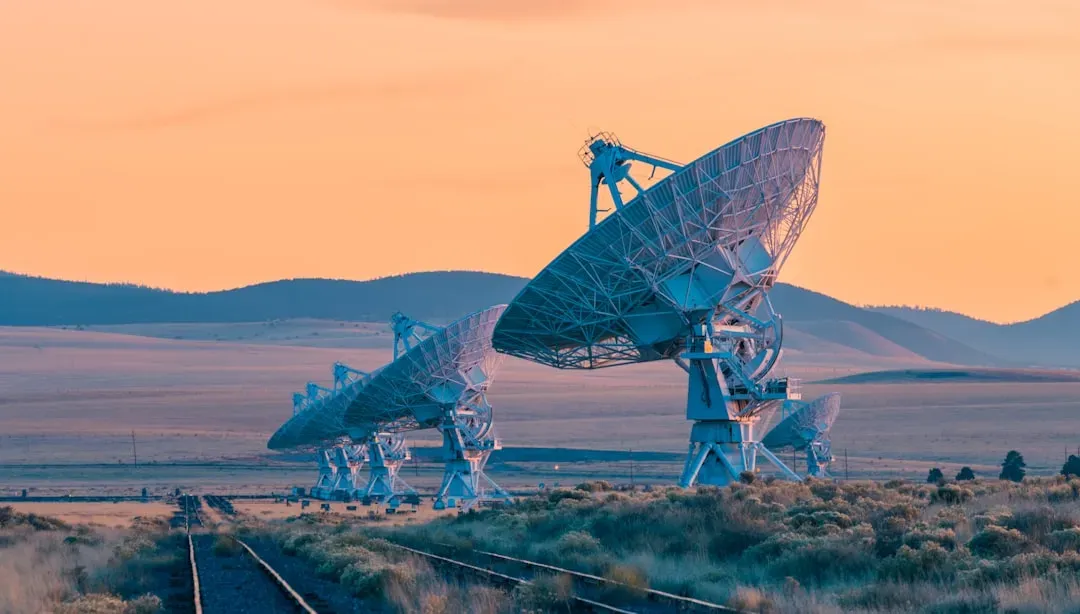
Before fast radio bursts became a hot topic, radio astronomers periodically logged single, strong pulses that did not repeat and did not match known interference. Many of these events from the late twentieth century were catalogued as unknown source bursts, with just time, frequency, and intensity recorded. Once instruments moved on to new surveys, nobody went back to pore over those oddities.
Looking back now, some researchers suspect that a fraction of those old bursts might belong to the same family as the mysterious flashes we chase so eagerly today. However, without the full raw data or cross‑checks with other observatories, it is hard to be sure. The result is a frustrating class of signals that sit between noise and discovery – not quite dismissed, not quite embraced, and rarely re‑examined in detail.
7. Unexplained Particles In Bubble Chamber Photographs

Mid‑century particle physics experiments used bubble chambers filled with superheated liquid to record the tracks of subatomic particles as elegant spirals and lines. Physicists combed through these photographs looking for patterns predicted by theory, but every so often they saw tracks that did not fit. When they could not match them to known particles or interactions, they were sometimes filed as anomalous or unknown events.
A small number of these photographs still sit in archives, labeled only by run number and a brief note. With larger datasets and better models, many anomalies have been reinterpreted, but not all. The vast number of images and the limited lifespans of research teams mean that some puzzling tracks were quietly left behind. They are a reminder that even in highly controlled labs, reality occasionally scribbles something in the margin and nobody has the time to decode it.
8. “Unknown Material” Samples From Early Nuclear Programs
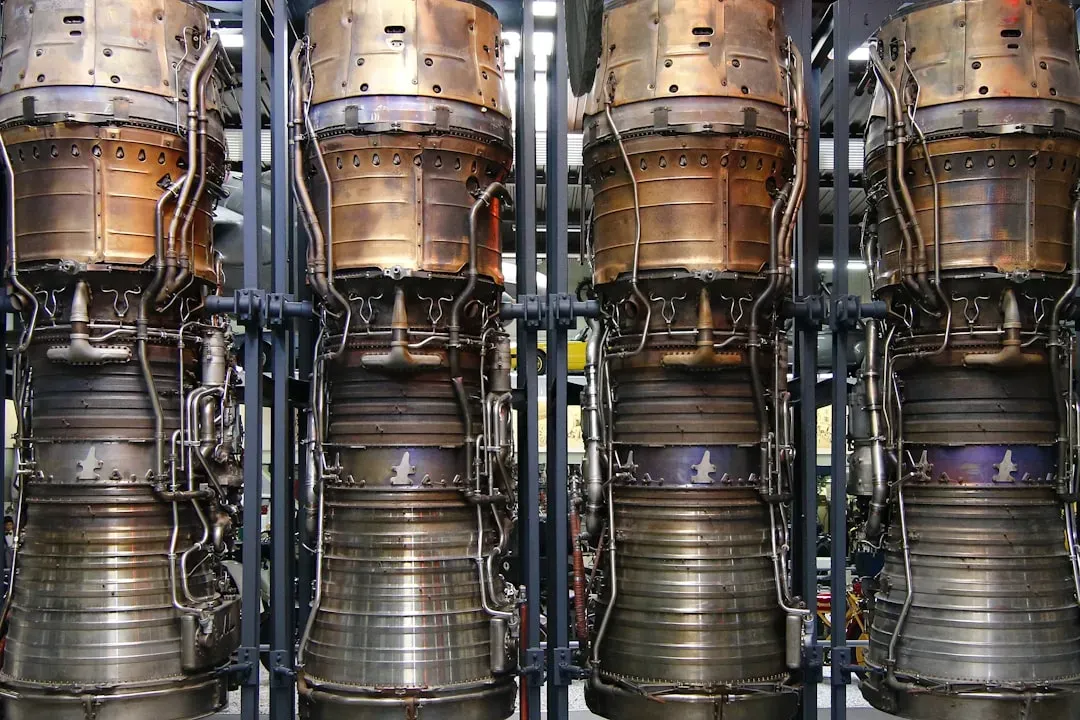
In the early decades of nuclear research, laboratories handled experimental alloys, irradiated fuels, and exotic compounds under intense secrecy. Not everything was labeled with the care we’d expect today. Over time, some vials, pellets, and metal pieces ended up marked unknown material or unidentified sample in internal inventories, mainly so they could be tracked for safety rather than scientific interest.
Because these objects might be mildly radioactive or chemically hazardous, they tend to be handled cautiously but not curiously. They live in secure cabinets, checked for leaks, but rarely studied because the documentation to interpret them has been lost or classified beyond reach. In a strange twist, some of the most tightly controlled objects in science have also become some of the most scientifically neglected.
9. The “Unknown Signal” Entries In Early SETI Logs
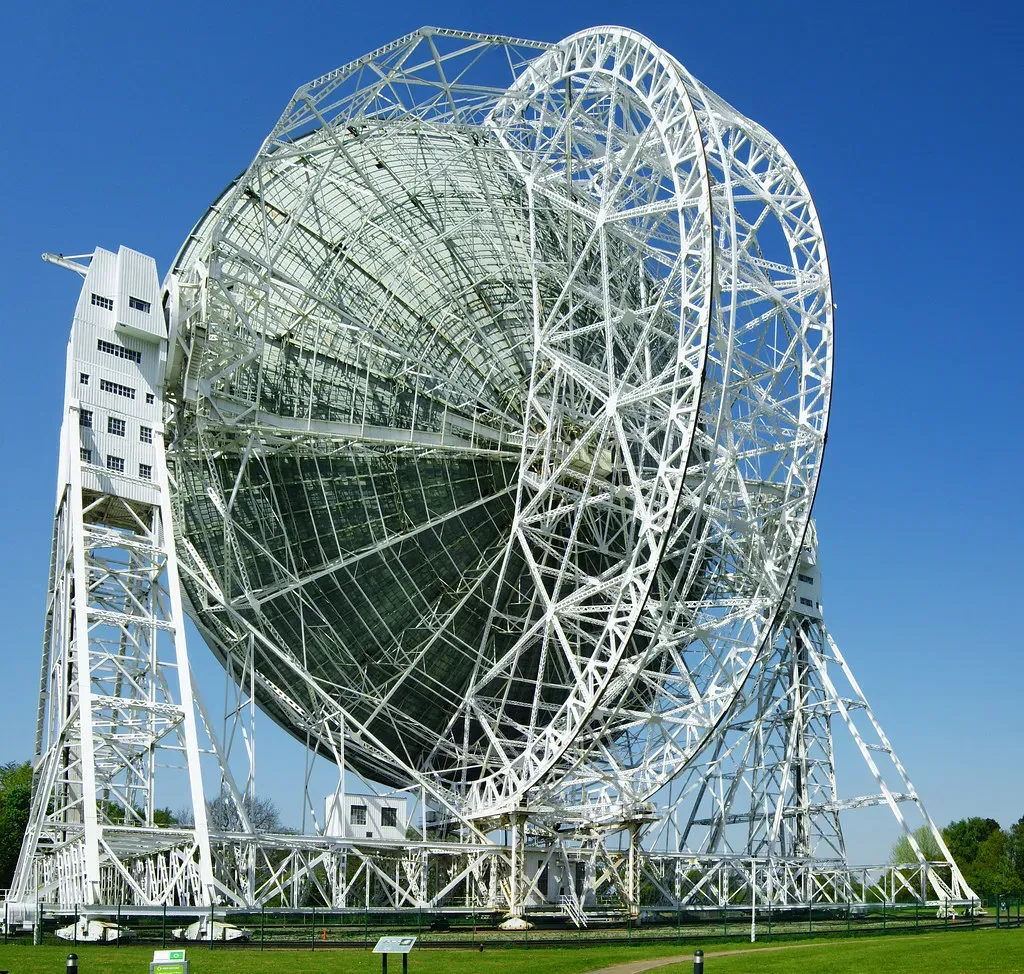
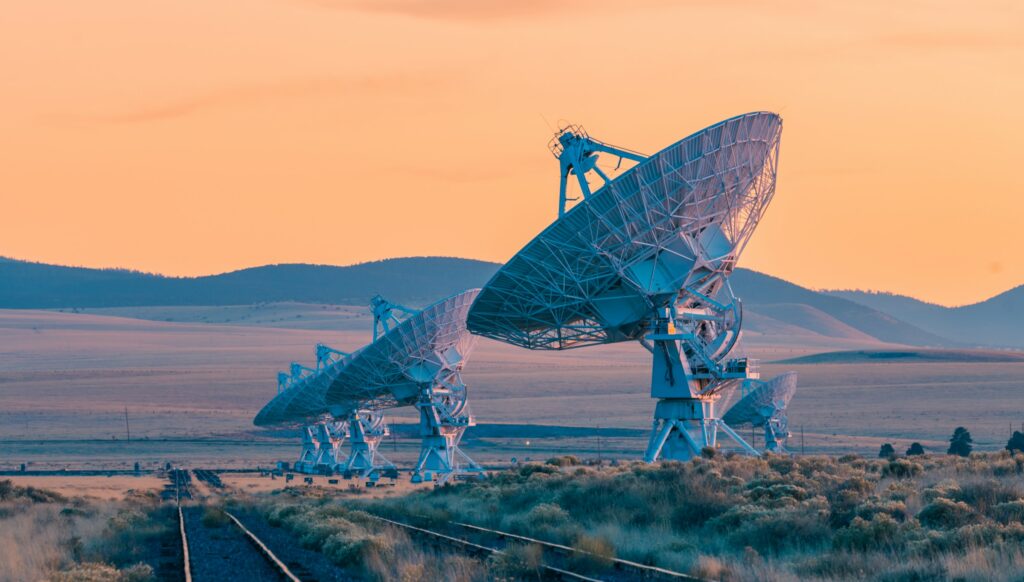
Searches for extraterrestrial intelligence have produced far more silence than excitement, but the raw logs tell a more nuanced story. Over the decades, radio telescopes listening for narrowband signals occasionally recorded blips that did not look like standard human interference and did not immediately repeat. In the logbooks, operators sometimes tagged them as unknown signal, noted the coordinates, and moved on to the next scan.
These events tend to fall into a gray zone: not strong or persistent enough to justify a major follow‑up campaign, yet odd enough that nobody wanted to dismiss them outright. After the observing runs ended, disks were shelved, and a new generation of hardware took over. The unknowns stayed in the paperwork, technically part of the data record, but practically orphaned from active investigation.
10. Unidentified Fossil Fragments In Regional Collections
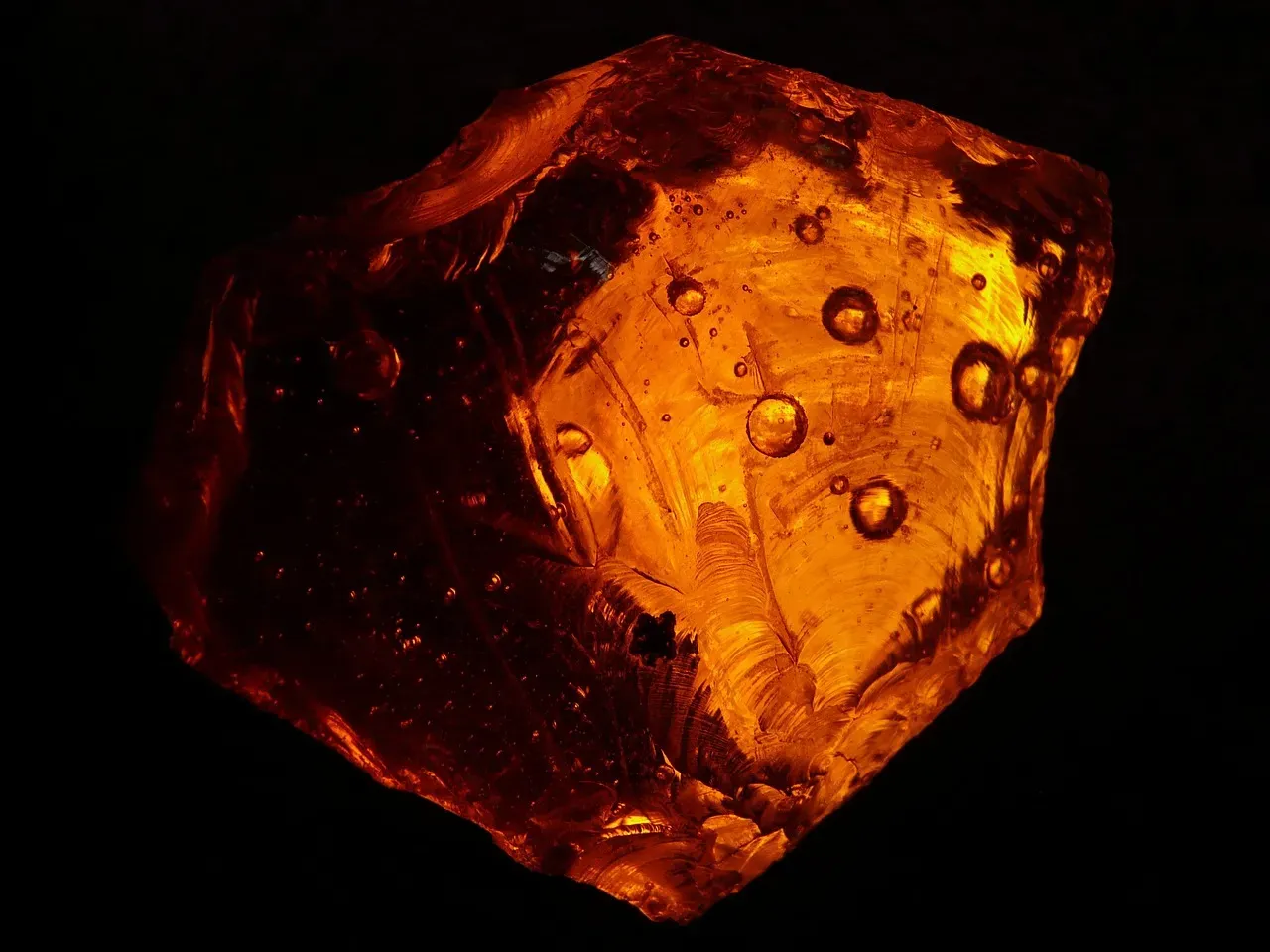
Small regional museums and university departments around the world often hold fossil fragments collected during surveys in the mid‑twentieth century. When paleontologists could not confidently assign a bone chip or tooth to a known species, they often logged it as indeterminate vertebrate or unknown fragment, especially if it did not seem visually striking. These fragments went into labeled trays and were rarely revisited unless a specialist happened to come looking.
Because they are not dramatic skeletons or display pieces, these unknown fossils do not attract much attention or funding. Yet they sometimes represent rare parts of known animals or, occasionally, hints of something less familiar. Without new comparative work and modern imaging, they remain in a kind of scientific limbo: catalogued, conserved, but effectively silent about the ecosystems they once belonged to.
11. “Unknown Composition” Lunar Rock Chips
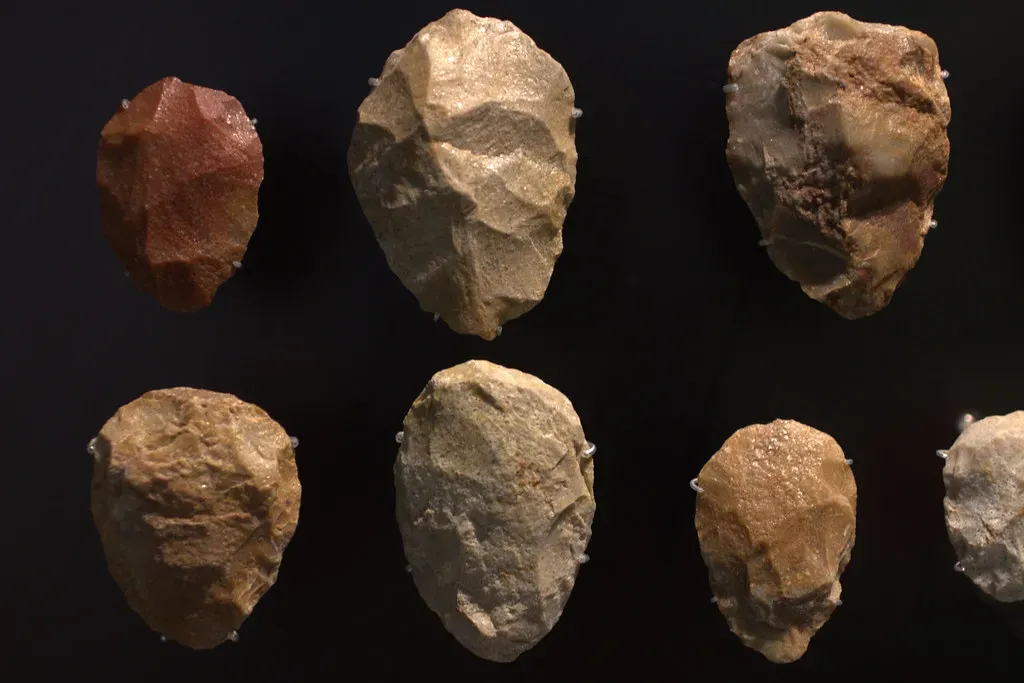
When lunar samples were first brought to Earth, scientists carefully divided, analyzed, and archived them. In the process, tiny chips, dust, and mixed fragments ended up in containers that were sometimes only loosely characterized. A few of these were labeled with very general notes and, in some internal records, essentially treated as unknown composition pending more detailed study that never quite rose to the top of the to‑do list.
Today, those tiny lunar fragments are part of a curated collection, but practical limits on destructive testing mean many have not been examined down to every mineral grain. The unknown label here does not mean complete mystery; it means nobody has invested the time and precious sample mass to extract the full story. In a way, the Moon still hides in plain sight, even in labs that have held its rocks for decades.
On a personal note, I find this oddly comforting: even in a finite set of rocks from a finite number of missions, there is still more than our curiosity has managed to unpack.
12. Unidentified Chemical Peaks In Old Chromatography Records

Chemists running chromatographs in the 1950s through 1980s often focused on a few target compounds and treated everything else as background. Their printed charts sometimes show small or medium‑sized peaks that did not match known standards. These were often annotated with brief notes like unknown impurity or unassigned peak and then left unexplored once the main research question had been answered.
With modern analytical techniques, many of these unknowns would probably be straightforward to identify, but the samples are gone and only the inked paper records remain. It is a classic example of how tools outpace archives: our ability to interpret the past has improved, yet the physical traces we would need are fading or lost. The unknowns live on as squiggles on aging paper, teasing us with the idea that whole families of molecules once passed under our noses unrecognized.
13. “Unknown Source” Neutrino Events In Early Detectors
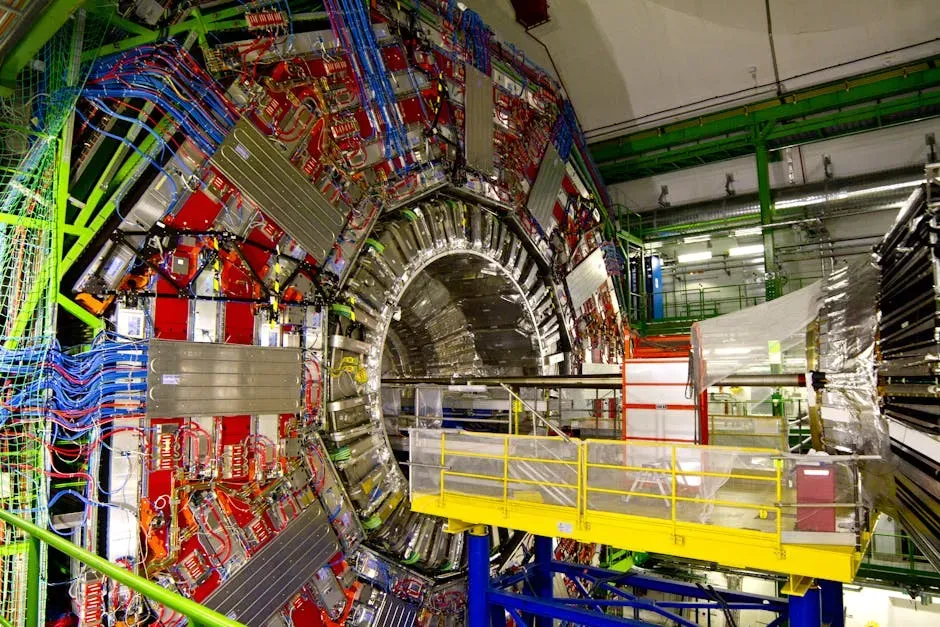
The earliest neutrino detectors were heroic but blunt instruments – huge tanks of fluid waiting for an almost impossible interaction. Every now and then, they recorded an event that did not line up cleanly with reactors, the Sun, or cosmic rays as understood at the time. Some of these were filed under unknown origin, dutifully counted but not deeply interpreted because the theoretical framework was still catching up.
As models improved, many of those events were reclassified, but not all the raw records are easy to reanalyze. Detector calibrations, environmental conditions, and background estimates from that era are not always preserved in detail. The result is a thin slice of data that feels like trying to understand a conversation from just a few muffled words: you can guess the topic, but certainty is hard to come by.
14. The Long‑Ignored “Unknown Device” In Technical Collections
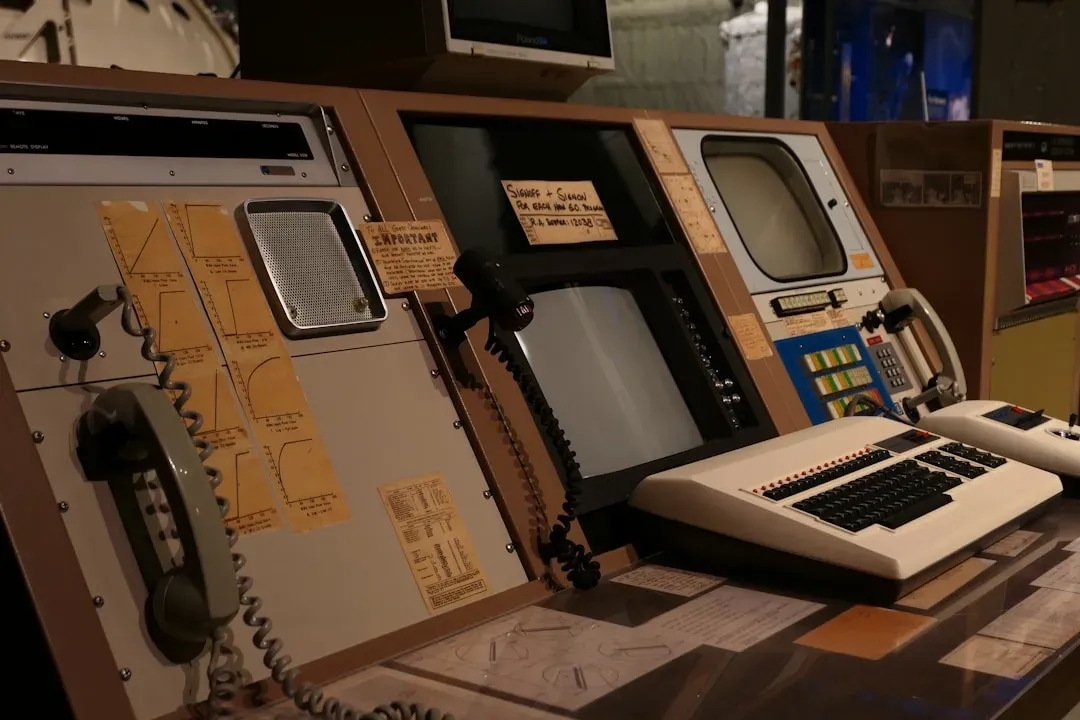
Engineering museums and technical universities often hold drawers of gadgets donated by companies or inventors decades ago. When documentation was missing or incomplete, curators sometimes labeled these artifacts as unknown device or apparatus of uncertain function. As electronics rapidly evolved, curiosity moved to newer, shinier technologies, leaving some of these older mysteries in the shadows.
Every so often, a historian of technology rediscovers one and tries to reverse‑engineer its purpose from connectors, switches, and materials. Sometimes it turns out to be quite ordinary, just poorly documented; occasionally it represents an abandoned prototype from a path industry never fully followed. For me, these devices feel like physical what‑ifs: solid reminders that not every idea, even a well‑built one, gets a clear spot in the story we tell about progress.
Conclusion: Why Our “Unknowns” Matter More Than We Admit

When you step back, there is something almost unsettling about how many unknown objects, signals, and samples we have carefully catalogued and then barely touched for eighty years. It reveals a simple but uncomfortable truth: science is not just limited by what we can measure, but also by what we choose to revisit. Unknown can quietly harden into ignored, not because the mystery is solved, but because attention moved elsewhere.
My own opinion is that these neglected corners of our archives are less a sign of failure and more an invitation. They are proof that we have already encountered more weirdness than we could process in real time. Revisiting even a fraction of these long‑filed unknowns with modern tools could yield new insights – or at least teach us how to do better the next time we stumble on something that does not fit. If anything, the real question is not whether we still have mysteries hiding in plain sight, but which dusty label we will decide to peel back first – what would you want to re‑examine?