Walk into any museum and the glass cases feel like sealed verdicts – dated, labeled, and beyond question. Most visitors assume every artifact behind that glass has already survived a gauntlet of scientists, historians, and million-dollar lab equipment. The truth is messier, and honestly, a lot more interesting.
Behind the scenes, curators sometimes fast-track objects that are almost too good to be true. The real test rarely comes from inside the museum. It comes the moment someone outside asks to run one – an independent lab, a rival scholar, a descendant community. That’s often when things quietly vanish from the gallery floor, labels get rewritten overnight, and press releases go strangely silent. Here are 13 cases where the science finally showed up uninvited, and what happened next.
#13. The “Miracle” Ancient Manuscript That Couldn’t Survive a Lab Swab
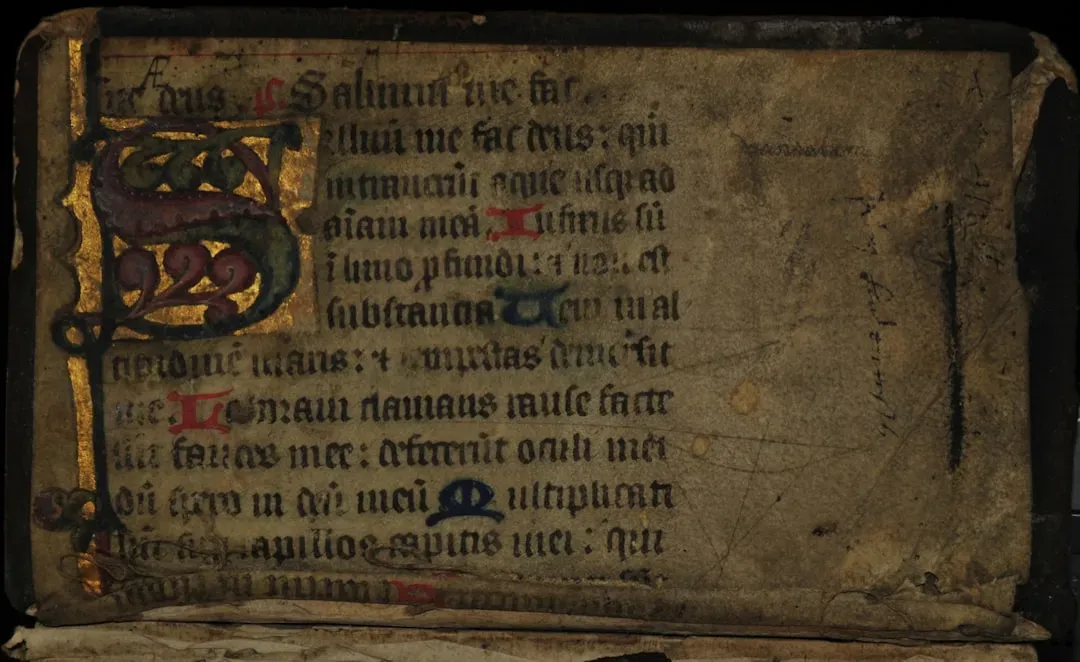
When a supposedly unique ancient text appears out of nowhere, the first real test isn’t carbon dating – it’s whether the owners will even allow it. In multiple high-profile cases, “newly discovered” manuscript fragments were celebrated in exhibits long before any independent analysis was finished. Visitors saw glass cases, climate-controlled rooms, and reverent little labels. What they didn’t see was the awkward reality that some pieces started crumbling or smearing the moment testing was even discussed.
Scholars asked for fiber analysis, ink chemistry, radiocarbon dating – the basics. Suddenly access got restricted, loans “expired,” or the object was quietly returned to its lender. This doesn’t prove every withdrawn manuscript is fake; some genuinely are too fragile for invasive testing. But skeptics keep noticing the same pattern: the most sensational fragment in the room is almost always the one that never gets tested, disappears from view, and later shows up in a footnote as “no longer available for study.”
Fast Facts
- Radiocarbon dating measures carbon-14 decay to estimate a material’s age, usually accurate within a range of decades to centuries.
- Ink and pigment chemistry can reveal compounds that didn’t exist until long after a document’s claimed era.
- Fiber and paper analysis under magnification can expose modern pulp processing hidden by artificial aging.
- Multispectral imaging can detect erased or overwritten text invisible to the naked eye.
#12. The Celebrity “Owned-By” Artifacts That Collapse Under Provenance Questions
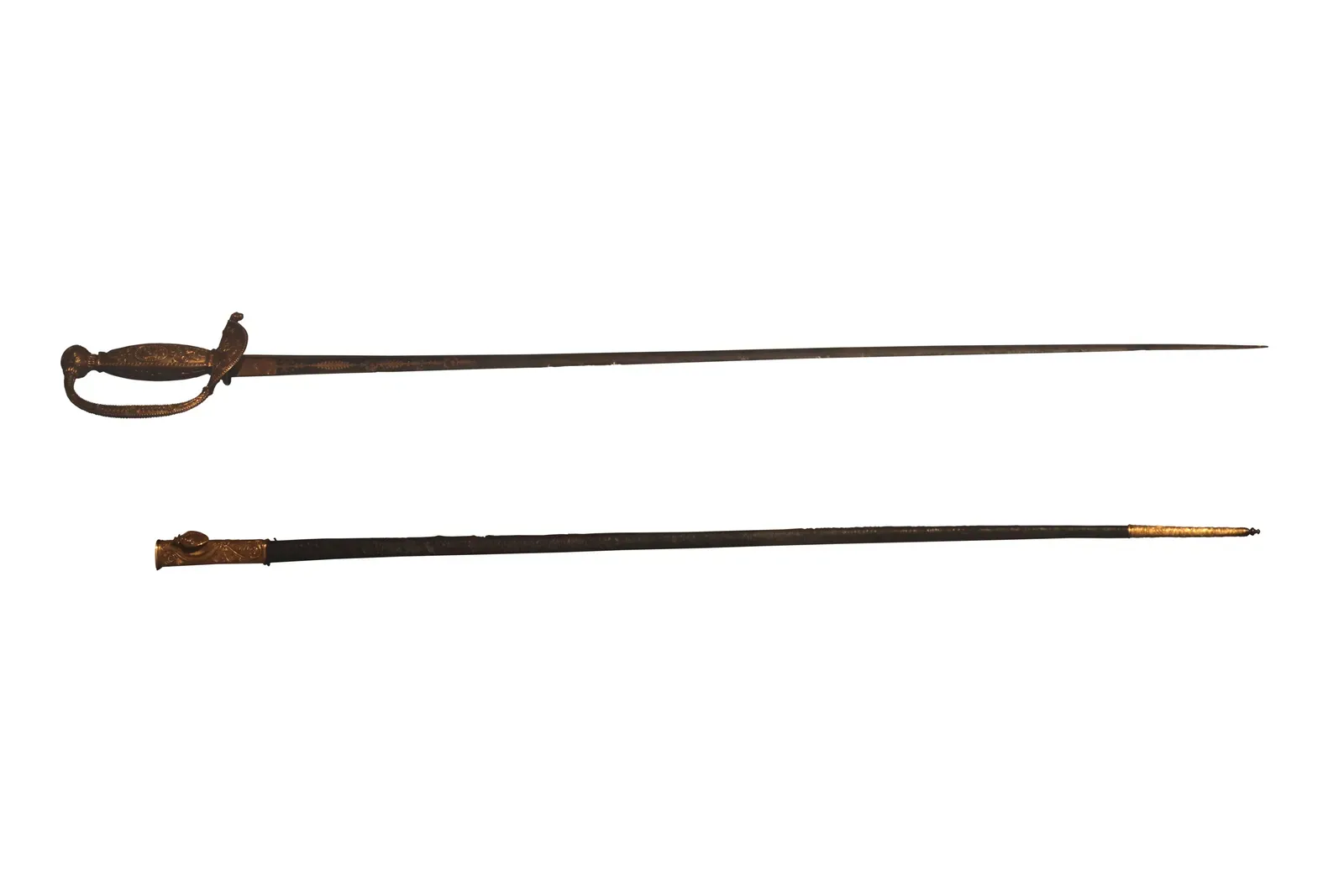
The closer an artifact is tied to a famous name, the more likely that name is funding the exhibit – until a provenance researcher asks for receipts. A sword “carried by Napoleon,” a pen “used by Lincoln,” jewelry “worn by Cleopatra” – these stories sell tickets on their own. The problem is that verifying them requires boring paper trails: bills of sale, early photographs, inventories. Many of these objects simply don’t have any.
When an outside historian quietly asks to inspect those records, the object often vanishes under the cover of “rotation,” “conservation,” or “lender request.” Some curators will privately admit these celebrity links are “associative at best” – wishful marketing dressed up as history. Serious institutions have started re-labeling such pieces as “traditionally attributed to.” In more fragile or politically sensitive collections, though, the piece just disappears entirely rather than risk a public downgrade.
#11. The “Recently Discovered” Dinosaur Bones from Very Convenient Quarries
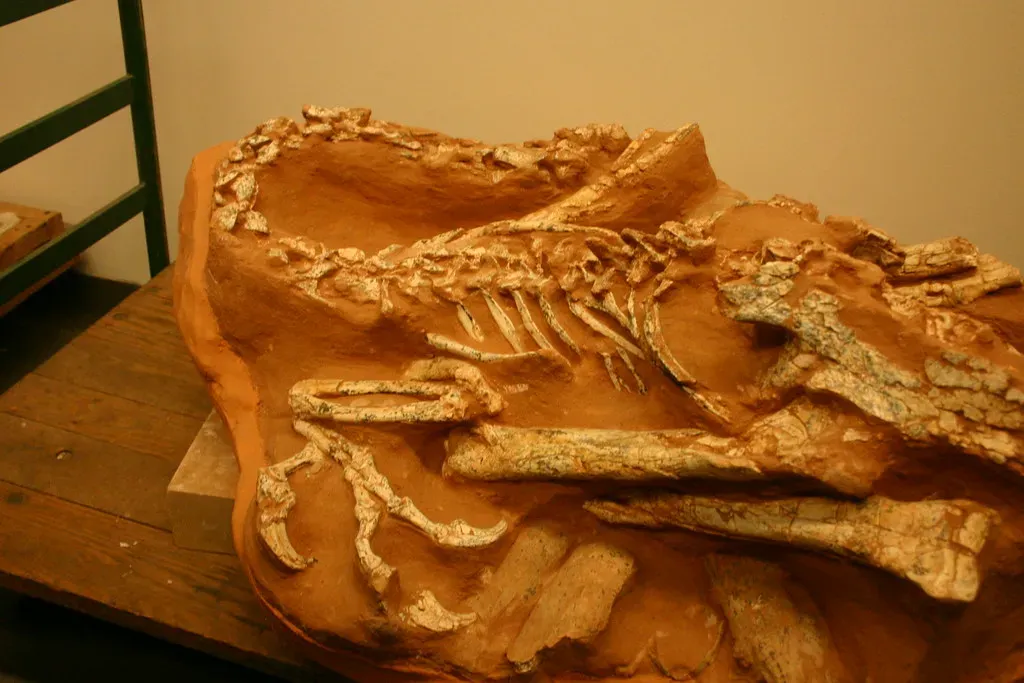
Most visitors don’t realize how many dinosaur skeletons on display are composites – real bones, casts, and reconstructions stitched together. That alone isn’t a scandal. The trouble starts when a stunning new fossil arrives from a vague location, a private digger, or an exporter whose paperwork can’t be checked by anyone.
Paleontologists pushing for independent CT scans or microstructure studies have, in documented cases, discovered bones from different species, different time periods, or even different continents fused into a single “specimen.” Once outside experts or partner universities insist on transparent testing, these headline fossils have a habit of getting pulled for “re-description” or simply disappearing into storage. Museums hate admitting it, but the alternative – being caught displaying a chimera built for the market instead of the fossil record – is far worse.
#10. “Ancient” Bronze Statues With Fresh Tool Marks and Modern Welds
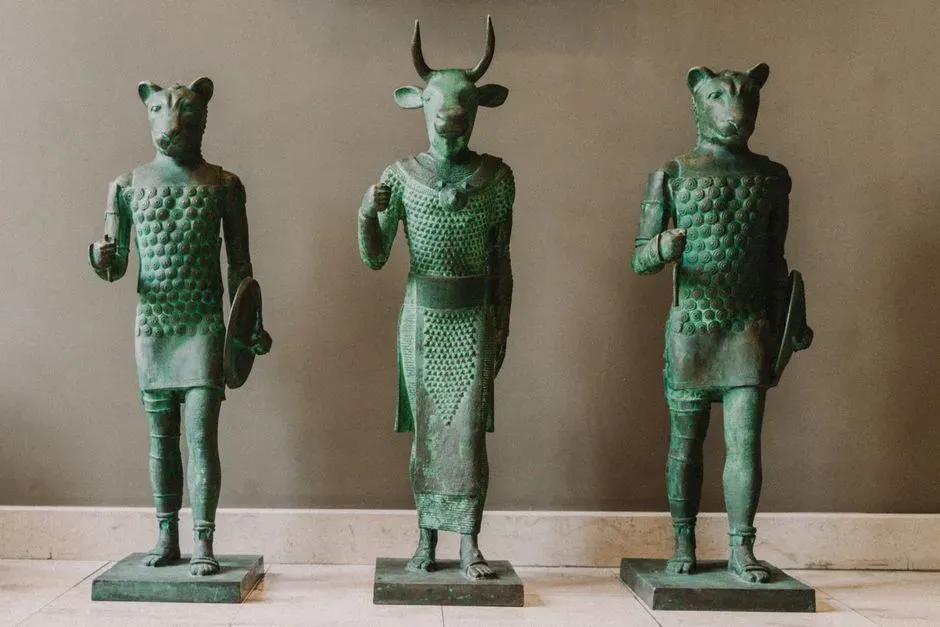
A bronze sculpture can look convincingly corroded to the naked eye, but metal doesn’t lie to the right instrument. Non-destructive tests like X-rays, metallographic imaging, and alloy analysis can reveal what centuries of fake patina cannot hide. In several modern controversies, independent labs found perfectly circular drill marks, angle-grinder traces, and suspiciously uniform modern alloys inside statues claimed to be thousands of years old.
These weren’t obscure pieces – some had already been exhibited and catalogued as museum “masterworks,” accepted on reputation, donor pressure, or sheer visual impact. When outside conservators pushed for testing, some institutions dragged their feet, knowing a bad result could trigger legal and financial fallout. Once the data landed, the script was predictable: statue pulled, label quietly rewritten to “modern after the antique,” and public mention kept to a minimum.
#9. “Ancient DNA” Human Remains That Won’t Pass a Contamination Check
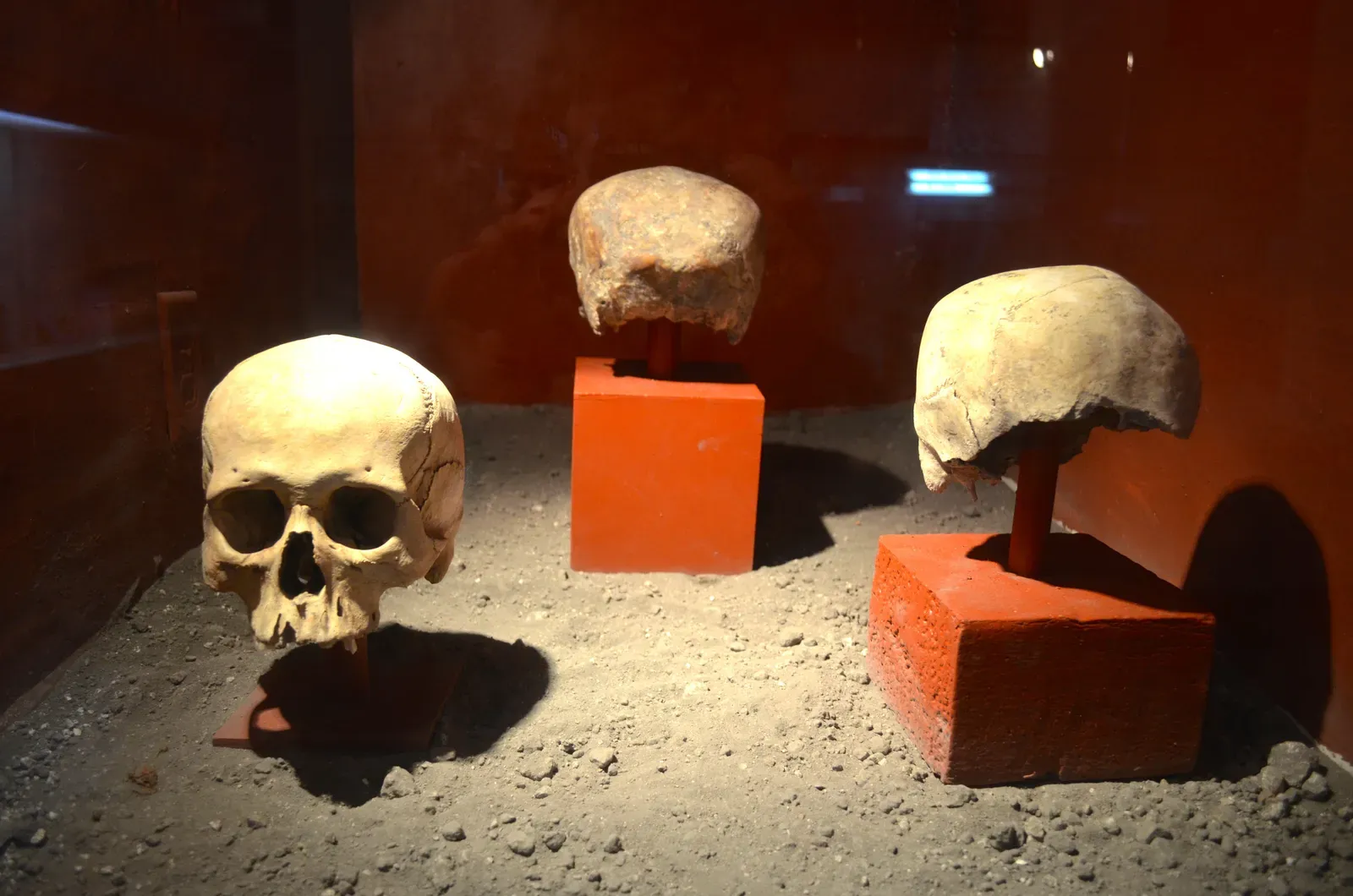
Human remains have become ground zero for some of the most contentious science on the planet. For decades, institutions treated ancient bones, teeth, and hair as neutral scientific material. Repatriation laws and descendant-community rights have changed that completely – and now every request for DNA extraction or isotope testing carries legal weight, not just scientific curiosity.
In several documented disputes, remains once displayed as the centerpiece of “ancient migration” exhibits were quietly withdrawn once external teams flagged shaky excavation records, possible modern contamination, or missing consent from descendant communities. Critics say some museums only reevaluated once outside pressure forced their hand. Either way, the moment someone requests testing that might contradict the exhibit’s story – or prove the remains should go home – objects that anchored entire galleries can vanish almost overnight.
Worth Knowing
- The Native American Graves Protection and Repatriation Act (NAGPRA), passed in 1990, requires U.S. museums to return human remains and sacred objects to lineal descendants or tribes.
- Similar repatriation frameworks for indigenous remains and ceremonial items have spread to other countries since the 1990s.
- Isotope analysis of bones and teeth can reveal geographic origin, sometimes contradicting an artifact’s official backstory.
- Consent from descendant communities is now treated as essential before DNA testing proceeds at reputable institutions.
#8. The Too-Perfect “Lost Civilization” Artifacts From the Same Mysterious Dealer
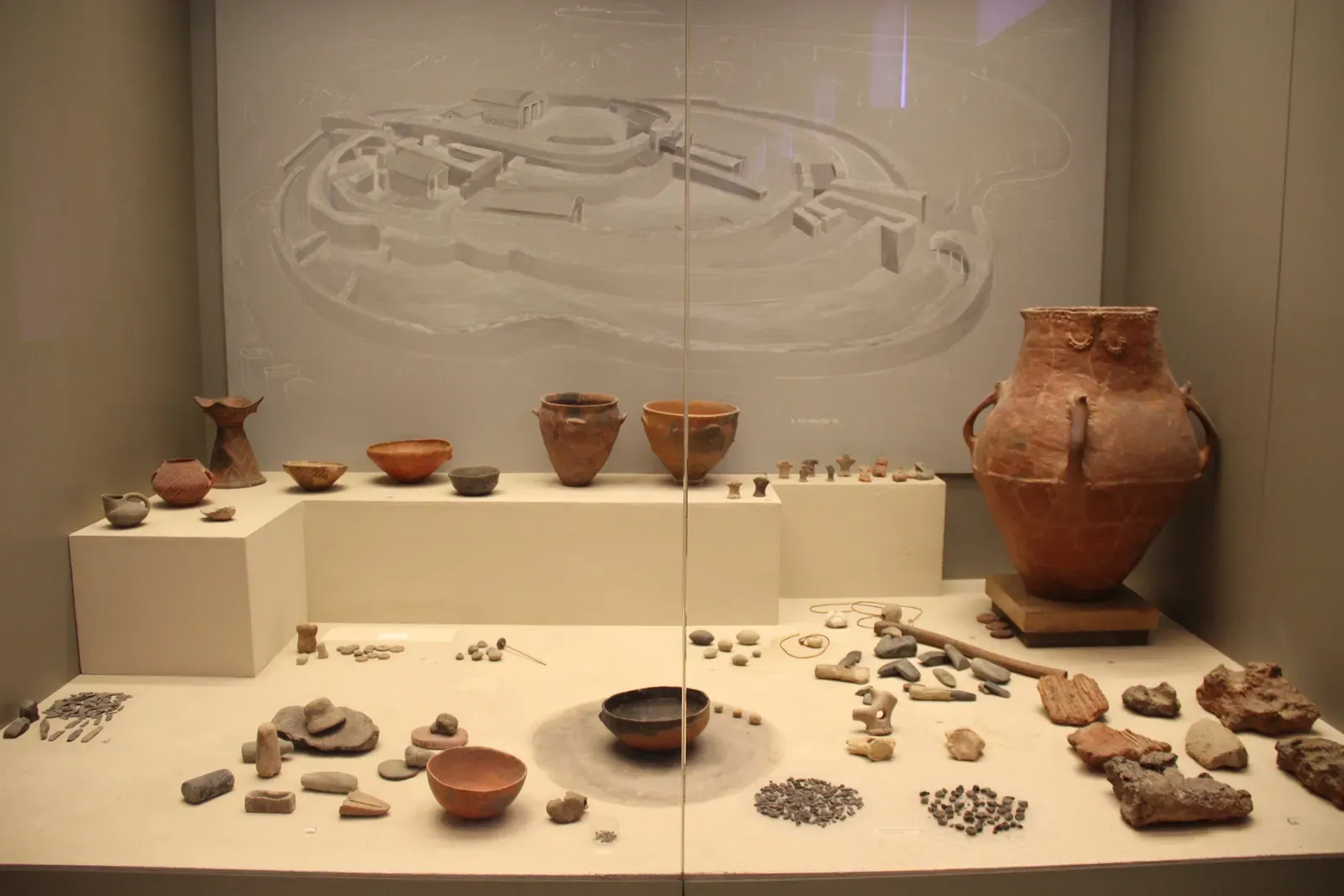
When dozens of remarkable pieces all trace back to a single dealer with a thin paper trail, that’s not a coincidence – it’s a warning sign. Some exhibits built around a “newly documented” culture lean heavily on objects bought from one or two private middlemen. At first glance the pieces look sensational: strange iconography, hybrid styles, inscriptions nobody can quite read.
But independent labs examining pigments, tool marks, or ceramic composition have uncovered identical modern materials, oddly consistent weathering, and workshop-like similarities across supposedly unrelated pieces. Once one item in the lot is exposed as modern, the credibility of the entire collection collapses with it. Curators face a brutal choice – double down and risk a scandal, or withdraw everything “pending further study.” Increasingly, they choose the second option, especially once funders and academic partners start asking pointed questions.
#7. “National Treasure” Objects That Can’t Survive Politically Neutral Testing
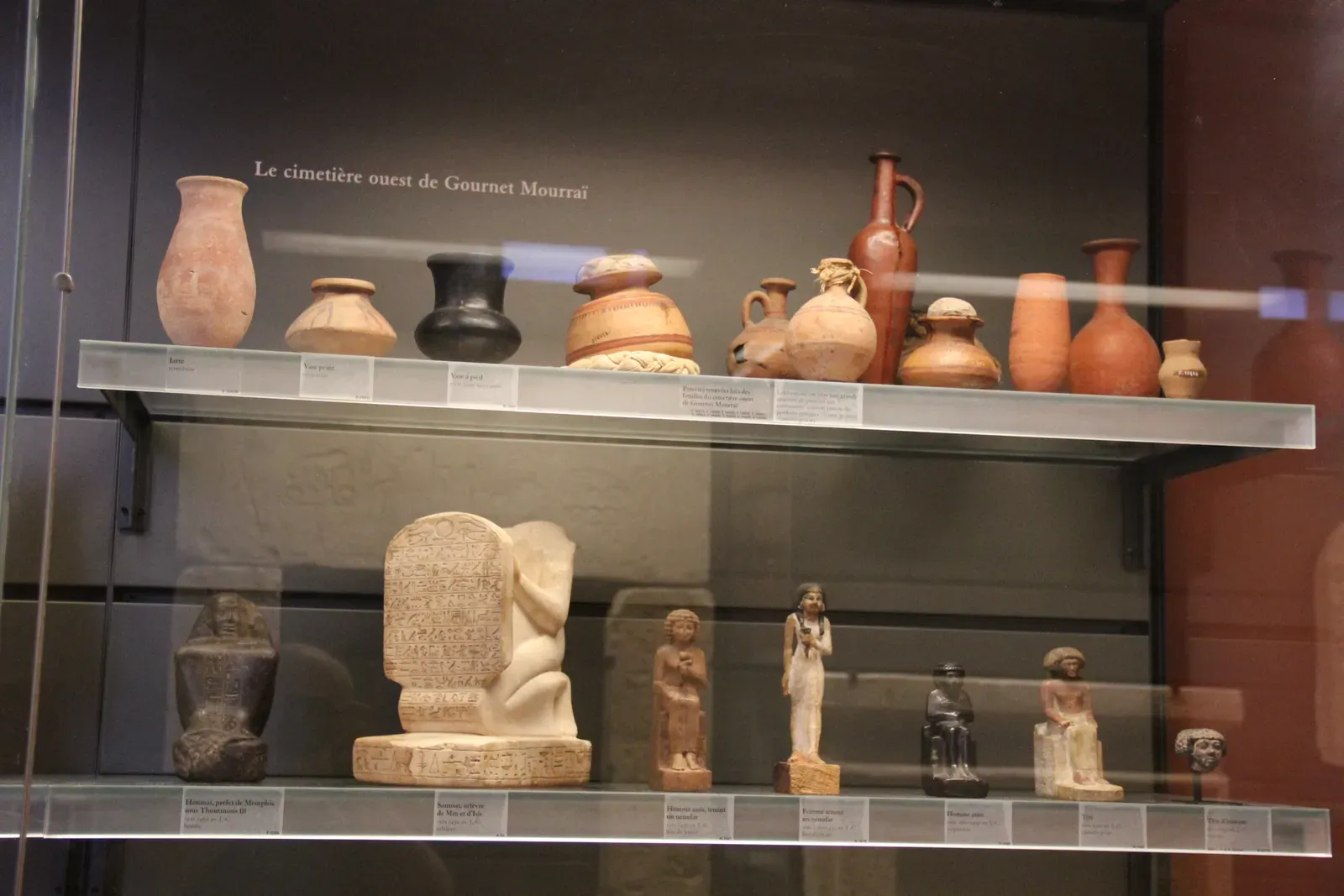
Some exhibits exist as much to support a national story as to present neutral evidence, and that’s exactly where independent testing causes real headaches. Artifacts get showcased to support territorial claims, heroic ancestors, or cultural primacy. When independent scholars – often from abroad or from minority communities – request even routine testing like radiocarbon dating, it can be read as a challenge to state-endorsed history.
In several regions, once such requests drew media attention, key objects were suddenly declared too fragile, too sacred, or “already sufficiently studied,” and quietly removed from view. Curators in these systems often operate under unspoken pressure where protecting institutional relationships matters more than chasing uncomfortable data. Critics argue that if an artifact’s legitimacy can’t survive neutral testing, it has no business on a pedestal at all.
#6. The “First of Its Kind” Scientific Instruments With No Historical Footprint
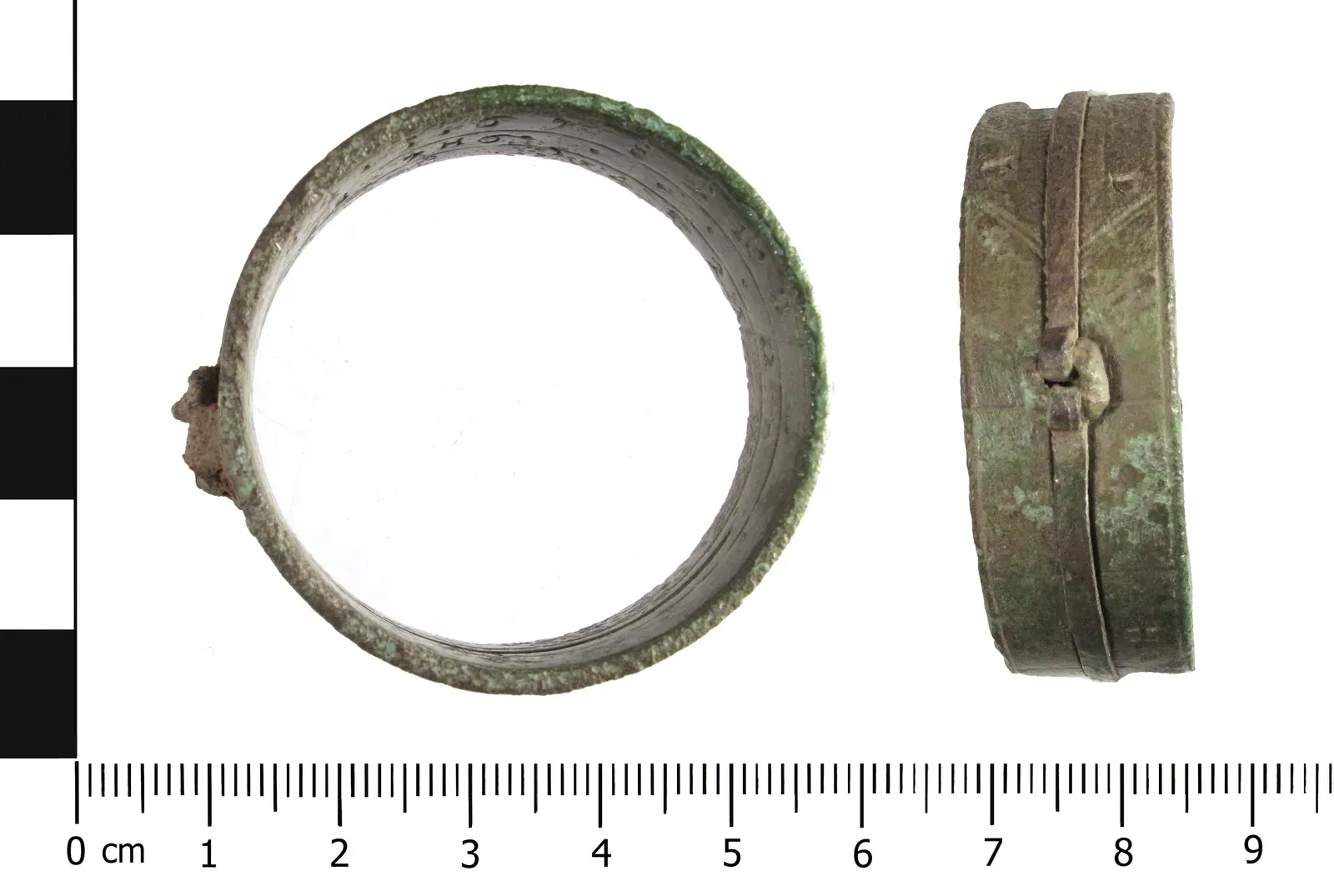
A genuine breakthrough instrument almost always leaves a paper trail – schematics, letters, workshop notes. When a piece shows up with no documentation beyond an auction catalogue, some institutions gamble on displaying it anyway, hoping research will backfill the story later. It doesn’t always work out.
Independent material analysis and tool-mark studies have revealed anachronistic alloys, machine-tooled screws, and design features that didn’t exist until decades after the claimed date. When that happens, the star object isn’t just downgraded – it can undermine the museum’s entire narrative about innovation and discovery. Rather than publicly walk it back, some curators quietly reclassify the piece internally as a “later replica” and remove it. A growing number of museums now do the braver thing: keep it on view with an honest label explaining exactly how it was misdated in the first place.
#5. Ethnographic “Ceremonial Objects” That Source Communities Reject
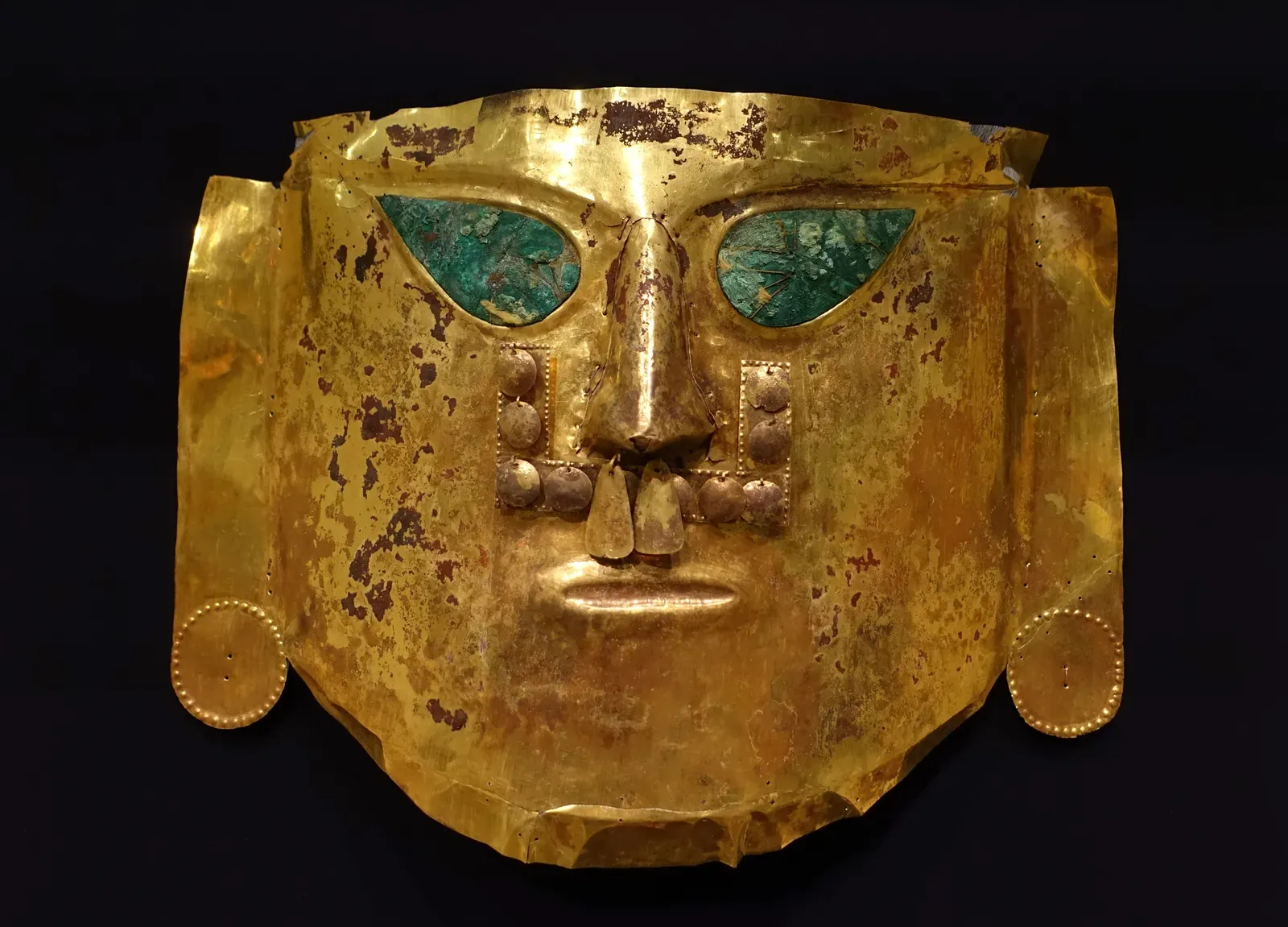
Ethnographic collections are being re-evaluated worldwide, and the results aren’t always flattering. Objects once confidently labeled “ritual masks” or “war shields” are now reviewed both scientifically and culturally – which means actually asking the communities they supposedly came from.
In more than a few cases, elders and cultural authorities have bluntly told curators: “This style is wrong, this material is modern, and this object was never used the way your label claims.” Some institutions have withdrawn the disputed items entirely, especially where acquisition records hint at colonial-era violence or illegal export. Others keep the piece on display but reframe it as an example of misinterpretation and power imbalance. Either way, the era of the museum label being the final word is quietly ending.
#4. “Historic” Photographs and Documents Proven to Be Clever Digital Composites
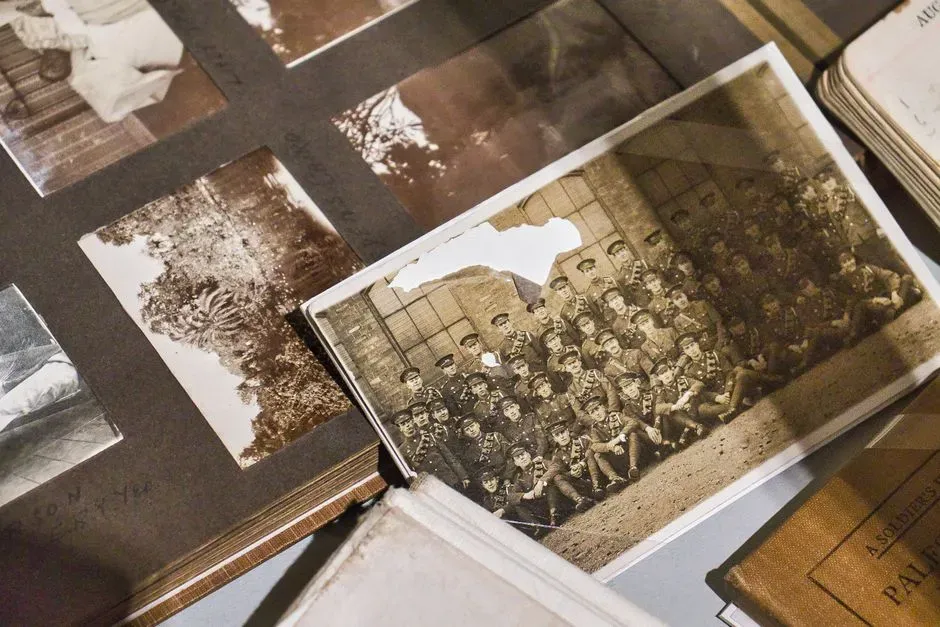
In the age of Photoshop, even history museums aren’t immune to slick fakes slipping past the front desk. For photography, the real tests aren’t chemical anymore – they’re forensic. Resolution inconsistencies, cloned pixels, mismatched lighting, and period-inaccurate film grain can all be spotted by an independent image analyst in minutes.
A handful of smaller or regional institutions have been caught exhibiting “historic” photos or letters that turned out to be modern digital creations printed on artificially aged paper. These items usually arrived as donations rather than purchases, meaning nobody on staff had the digital forensics background to catch it. When outside experts request the original negatives or high-resolution scans, the weaknesses surface fast – and the pieces quietly disappear, followed by tightened acquisition rules nobody talks about publicly.
Quick Compare
- Analog fakes: exposed through chemical dating, ink analysis, and physical aging inconsistencies.
- Digital forgeries: exposed through pixel-level forensics, metadata checks, and lighting or shadow mismatches.
- Shared weakness: both often collapse the moment an outsider requests the original file or physical source material.
#3. “Miraculous” Religious Relics That Fail Basic Material Tests
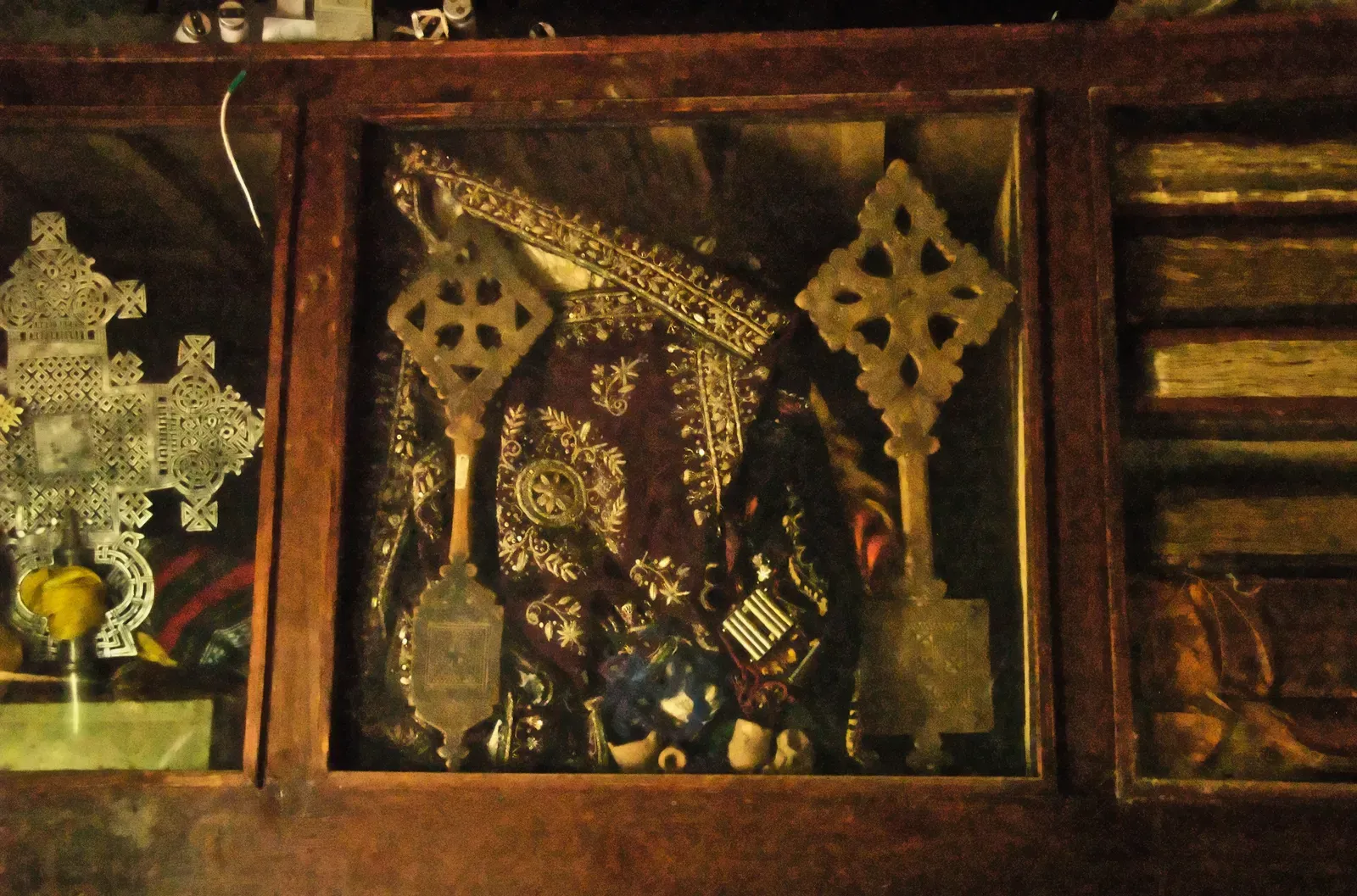
Religious relics sit in a uniquely sensitive zone where faith, tourism, and science collide – often violently. Many are held in church treasuries, shrines, or private foundations before ever reaching a museum loan. Neutral testing on these objects, like dating wood fragments or analyzing blood-stained textiles, can feel like an attack on belief itself.
Yet in several publicized cases, outside scientists found that materials were centuries younger than claimed, icon styles didn’t match the supposed era, or relic containers were obviously modern construction. Once that data surfaces, the relic simply stops traveling. The exhibit gets quietly reconfigured around less contentious objects, and the once-celebrated “star relic” is described as “returned to the custodial community.” Believers argue spiritual value doesn’t depend on a lab result. Secular critics counter that presenting collapsing historical claims as fact is, at best, misleading.
#2. “Recovered” Nazi-Looted Art That Unravels Under Provenance Forensics
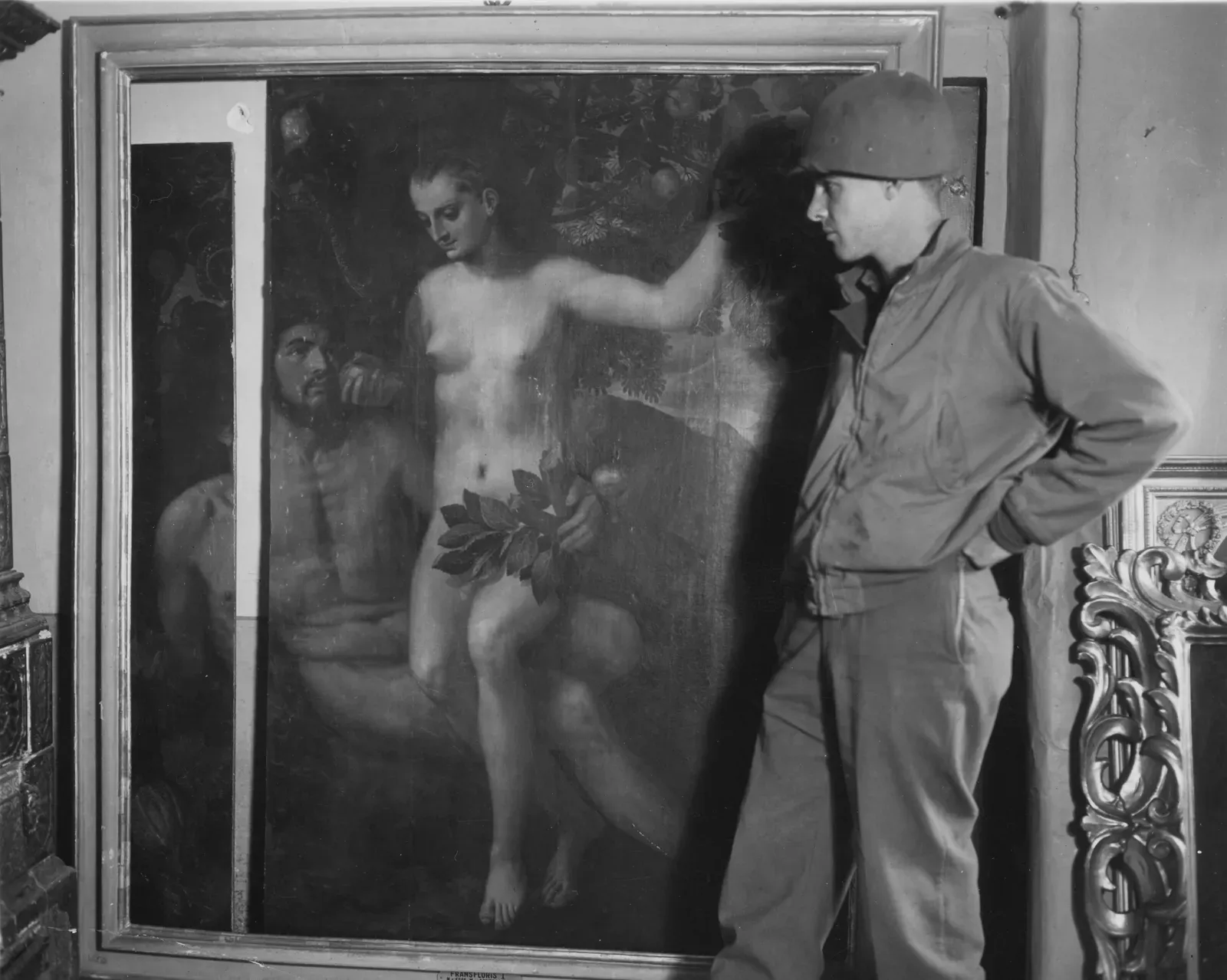
With World War II–era art, the scandal usually isn’t about fakes – it’s about who the real owners actually are. Museums increasingly work with independent provenance researchers who trace ownership through shipping records, estate files, and restitution claims. It doesn’t always go the way the museum hoped.
An exhibit proudly featuring a “rediscovered” or “restituted” work can hit a wall the moment outsiders point out contradictions in the ownership chain, forged documents, or suspiciously convenient stories that minimize looting. When heirs show up with credible counter-evidence, institutions pull the piece while lawyers and ethics committees reassess. Critics accuse some museums of only acting once public pressure builds; defenders say archival research is genuinely slow. Either way, once outside scrutiny starts, galleries built on tidy “heroic restitution” narratives can change overnight.
#1. Multi-Million-Dollar “Masterpieces” Exposed by Pigment and Provenance
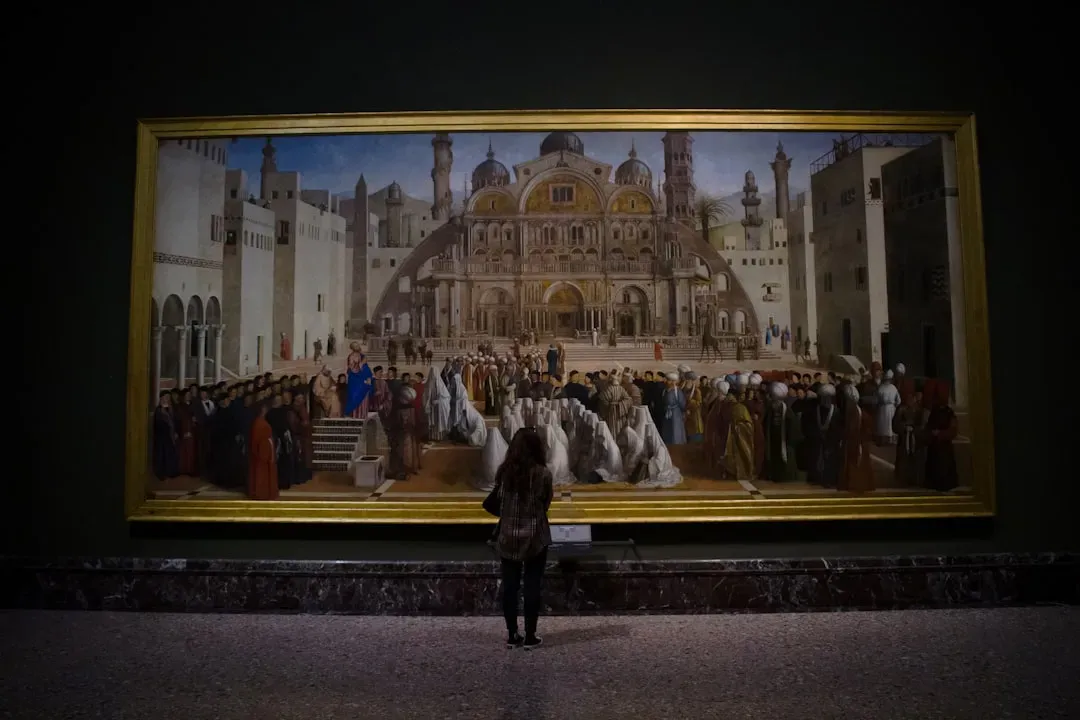
The most dramatic withdrawals almost always involve blue-chip paintings that turned out to be far newer, and far less original, than claimed. The script rarely changes: a “newly surfaced” work by a major name enters the market through a trusted gallery, a museum exhibits it after in-house research that leans heavily on style analysis and dealer assurances, and everyone moves on – until independent labs get involved.
Under infrared, X-ray, or chromatography, scholars find modern pigments, anachronistic binders, or underdrawings that don’t match the artist’s known methods, while provenance specialists flag decades-long gaps in ownership. Once material science and documentary history line up against the painting, its status collapses fast. Publicly, museums talk about “ongoing research.” Privately, the piece comes off the wall, gets reclassified as “workshop” or “forgery,” and everyone braces for the legal fallout. It’s exactly why serious institutions now demand independent testing before acquisition, not after the scandal.
At a Glance
- Modern synthetic pigments, such as titanium white first widely used in the 20th century, are a classic giveaway in paintings claimed to be centuries older.
- Infrared reflectography can reveal underdrawings inconsistent with an artist’s documented working method.
- Provenance gaps spanning decades are one of the strongest predictors of a later attribution downgrade.
- Independent testing before acquisition is increasingly standard practice at major auction houses and museums.
What These 13 Withdrawals Really Prove
Across all 13 cases, one pattern keeps repeating: the exhibits most likely to vanish the moment testing is requested are the ones that were trusted on story and status instead of evidence. Miracle manuscripts, celebrity-owned relics, perfect dinosaur fossils, national “proof objects,” blue-chip paintings – the content varies, but the institutional temptation is identical. Believe what’s profitable or politically convenient first, and hope the science never gets asked to weigh in.
In my view, that’s backwards. If an object can’t survive neutral testing or an open file review, it doesn’t belong on a pedestal with an authoritative little label next to it. Transparency should be the default setting for a museum, not a crisis response triggered only after someone outside starts asking questions. So the next time a museum trumpets a “once-in-a-lifetime discovery,” don’t just read the label. Ask who’s actually been allowed to test it – and who hasn’t.