If you’ve ever stared at the periodic table and thought it looked comfortingly logical and complete, this article may ruin that for you in the best possible way. In the real world, metal fragments turn up in labs, mines, crash sites and industrial scraps that seem to disrespect the textbook rules about what should be stable, what should form alloys, and even what should exist at all under normal conditions. Some of these oddities can be explained with careful chemistry and physics, others hover in that uneasy gray zone between solved mystery and open question.
In the sections that follow, we’ll walk through a dozen types of metallic fragments and compositions that look, at first glance, like they of the table – or at least not in the way we actually find them. None of this requires aliens or magic metals, but it does require wrapping your head around metastable phases, high‑pressure structures frozen in time, and the limits of analytical science. Along the way I’ll share a few personal takes on why some of these stories stay stubbornly weird, even when the data is solid.
1. Metastable Alloys: Metals Trapped Outside Their Comfort Zone
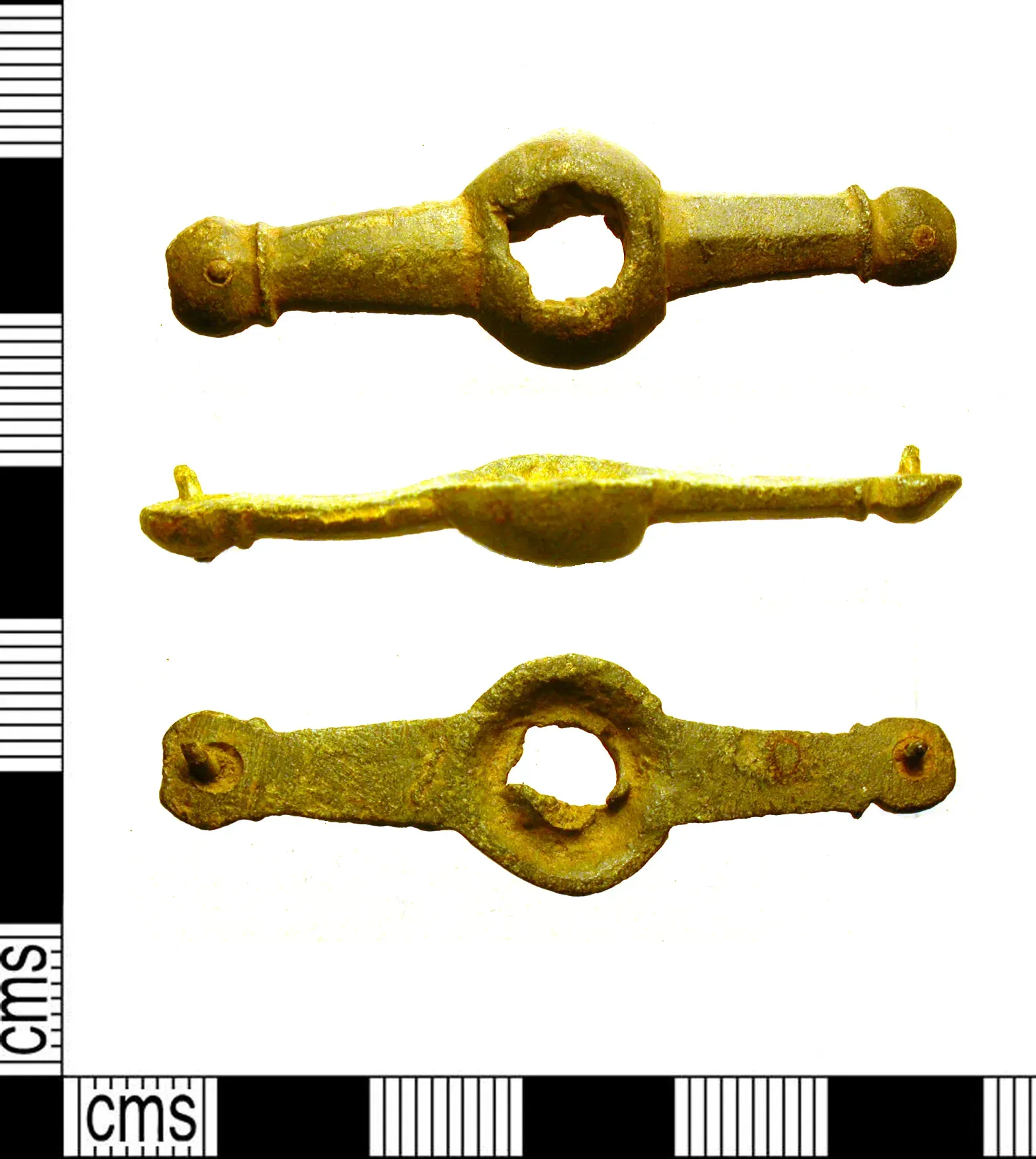
Imagine heating two metals together until they dissolve into each other like sugar in hot coffee, then slamming the mixture so quickly back to room temperature that the atoms never have time to “sit down” in their preferred crystal arrangement. The result is a metastable alloy: a metal fragment whose composition and structure technically should not exist at this temperature and pressure, but does, simply because the atoms are kinetically trapped. These materials are common in advanced manufacturing, especially where rapid solidification or additive techniques are used.
From a phase diagram perspective, these alloys are in forbidden territory: they lie in regions where equilibrium thermodynamics says a different phase or even multiple phases should form instead. Yet as long as the thermal energy is too low for atoms to rearrange on a large scale, the metastable mixture survives, sometimes for years. I find it oddly unsettling that you can hold something in your hand that is literally not supposed to be there if nature were given enough time to relax everything into balance.
2. Amorphous Metals (Metallic Glass): Ordered Chaos in a Metal Shard
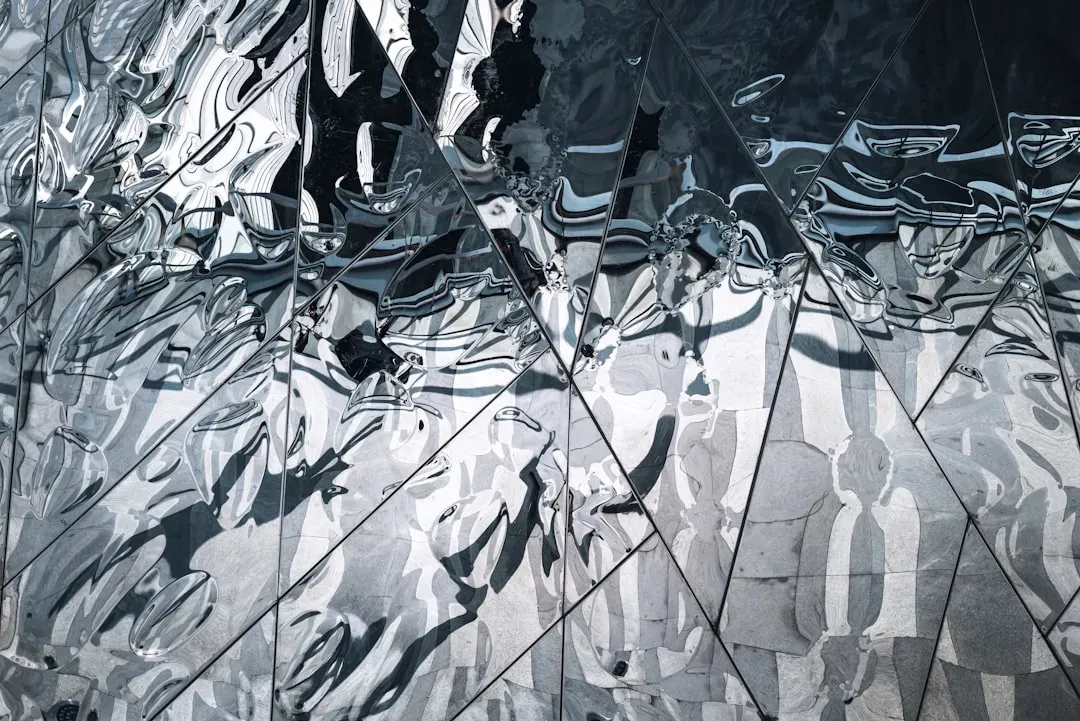
Metallic glass fragments look like ordinary metal at a glance, but microscopically they behave more like frozen liquid than a neatly tiled crystal. In the periodic playbook, metals are supposed to form well ordered lattices with repeating patterns, yet in amorphous alloys the atoms are jumbled and disordered, held in place by rapid quenching that bypasses normal crystallization. These materials often come from splat cooling, melt spinning, or carefully engineered bulk-glass-forming compositions involving elements like zirconium, palladium, or lanthanum.
To a traditional metallurgist, a shard of metallic glass is almost offensive: strong, elastic, and sometimes corrosion resistant, despite seemingly ignoring the textbook rules on metallic bonding and lattice energetics. The explanation is that the chemistry is tuned to make crystallization painfully difficult, so the melt just “gives up” and solidifies as a glass when cooled fast enough. It is a brilliant reminder that the periodic table tells you which atoms you have, but not all the bizarre ways they can decide to arrange – or refuse to arrange – themselves.
3. High‑Pressure Phases Frozen at Everyday Conditions
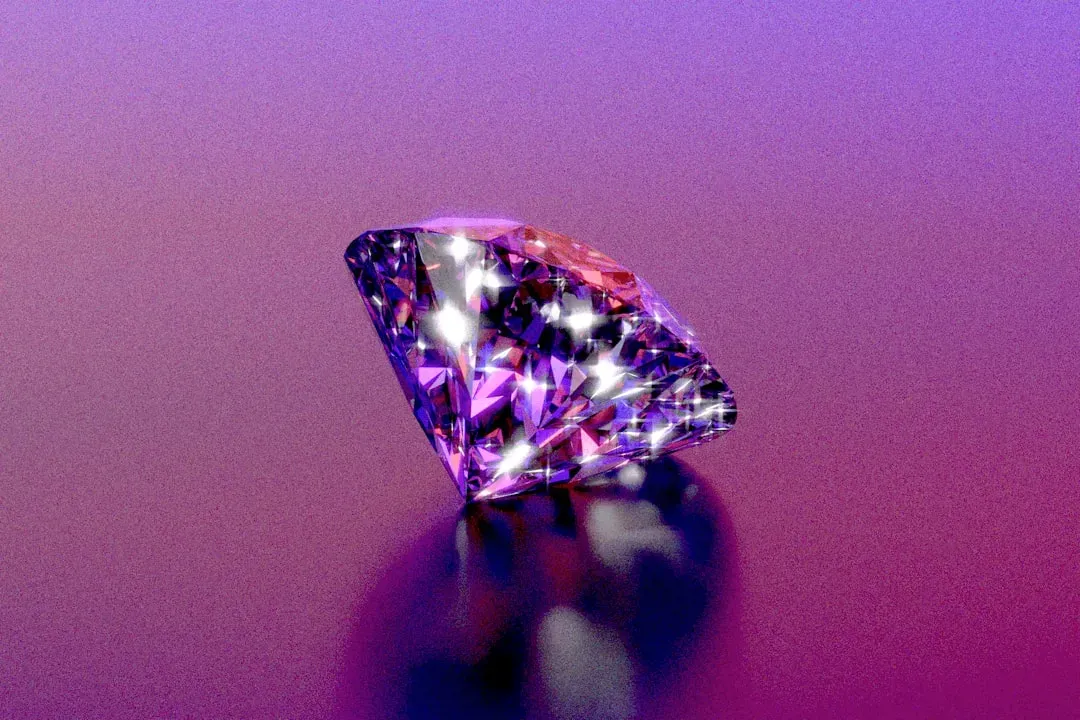
Deep inside planets or in diamond-anvil cells, metals are squeezed into exotic high-pressure phases that do not resemble their low-pressure forms at all. Sometimes, fragments of these phases are created during violent events – impacts, explosions, or high‑pressure synthesis – and then quenched back to normal pressure so rapidly that the high-pressure crystal structure survives. On paper, those phases should not be stable in your hand at room pressure, but in practice they can persist as long as there is no easy pathway back to the ground state.
Examples have been seen in dense phases of iron and other transition metals, where unusual packing arrangements and electronic states only make sense under enormous compression. Yet once the atoms have organized themselves under pressure, letting go of that pressure does not automatically scramble them; instead, the structure can be “kinetically locked” like a folded spring wedged into a crack. Personally, I think these fragments feel almost geological in personality, like little fossils of conditions they will never see again.
4. Quasicrystalline Fragments: Order Without Repetition
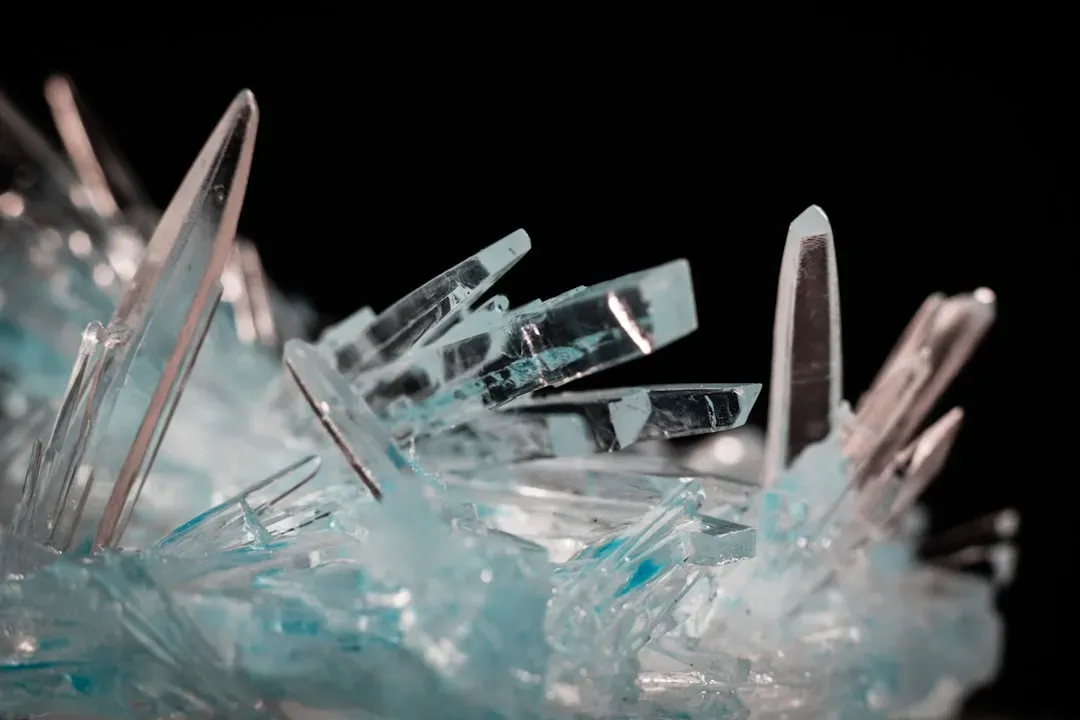
Quasicrystals are one of the most dramatic cases where reality ignored the old rules. For decades, solid-state theory flatly said you could not have a crystalline metal with sharp diffraction peaks and long‑range order that lacks periodic repetition in three‑dimensional space. Then aluminum‑based quasicrystals with forbidden symmetries like fivefold or tenfold rotational order turned up in alloys and eventually, astonishingly, in a natural meteorite sample. These fragments really do not “fit” in the conventional view of how metallic atoms tile space.
What makes quasicrystalline fragments feel so strange is that their compositions can overlap with entirely ordinary alloys, but their atomic arrangement defies classic crystal lattice logic. You can think of them like a tiled floor built from shapes that never quite repeat, even across a vast area, yet still maintain a rigorous mathematical order. Holding a chunk of quasicrystalline metal, you are literally handling an arrangement of atoms that most textbooks once treated as impossible, which is about as close as materials science gets to a plot twist.
5. Natural Quasicrystals in Meteorites: Cosmic Rule‑Breakers
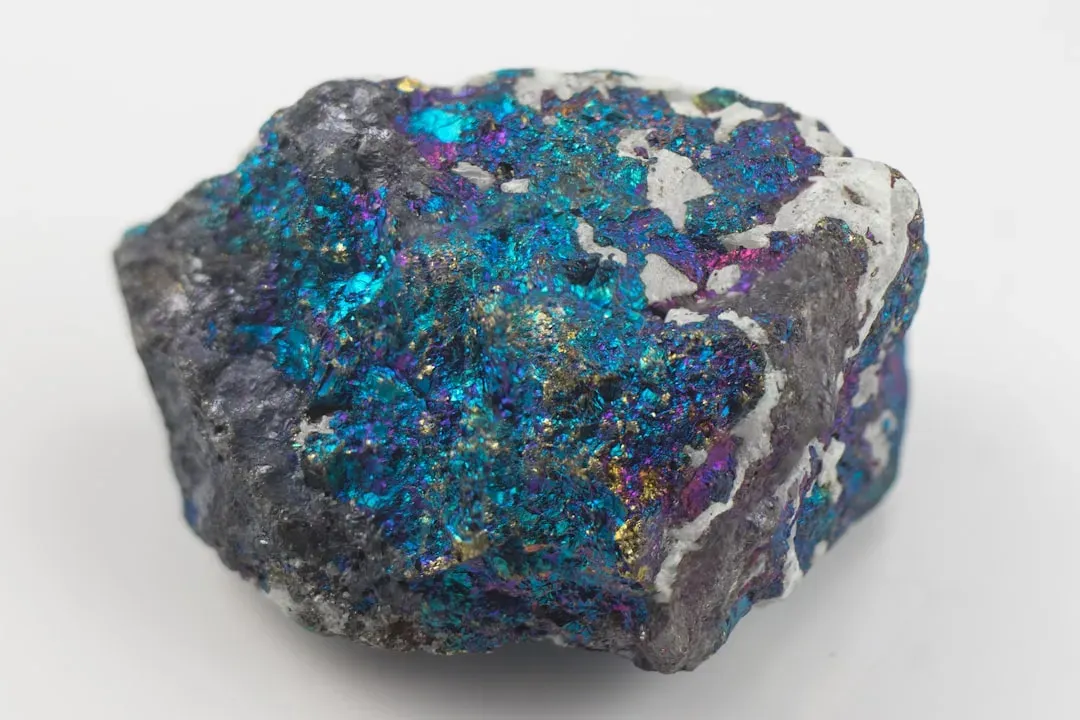
When a quasicrystal was first identified in a meteorite from northeastern Russia, it shook more than just the crystallography community. Here was a naturally occurring metallic phase with a composition and structure that seemed to require highly specific, extreme conditions – high pressure, shock, and rapid quenching – to form. The alloy itself was aluminum‑rich with other metals mixed in, yet the way those atoms locked into a quasicrystalline arrangement felt wildly out of step with ordinary planetary geology.
These meteorite fragments suggest that in the chaos of early solar system collisions, violent impacts can drive metals into exotic states that would almost never appear in calm terrestrial settings. Once formed, the quasicrystalline structure can survive aeons of space travel and geological processing without reverting to a simpler phase. I like that these fragments quietly remind us that the periodic table is universal, but the path metals take through it is written by the violence of their history, not by our tidy phase diagrams.
6. Strange Nickel–Iron–Cobalt Ratios in Industrial Scraps
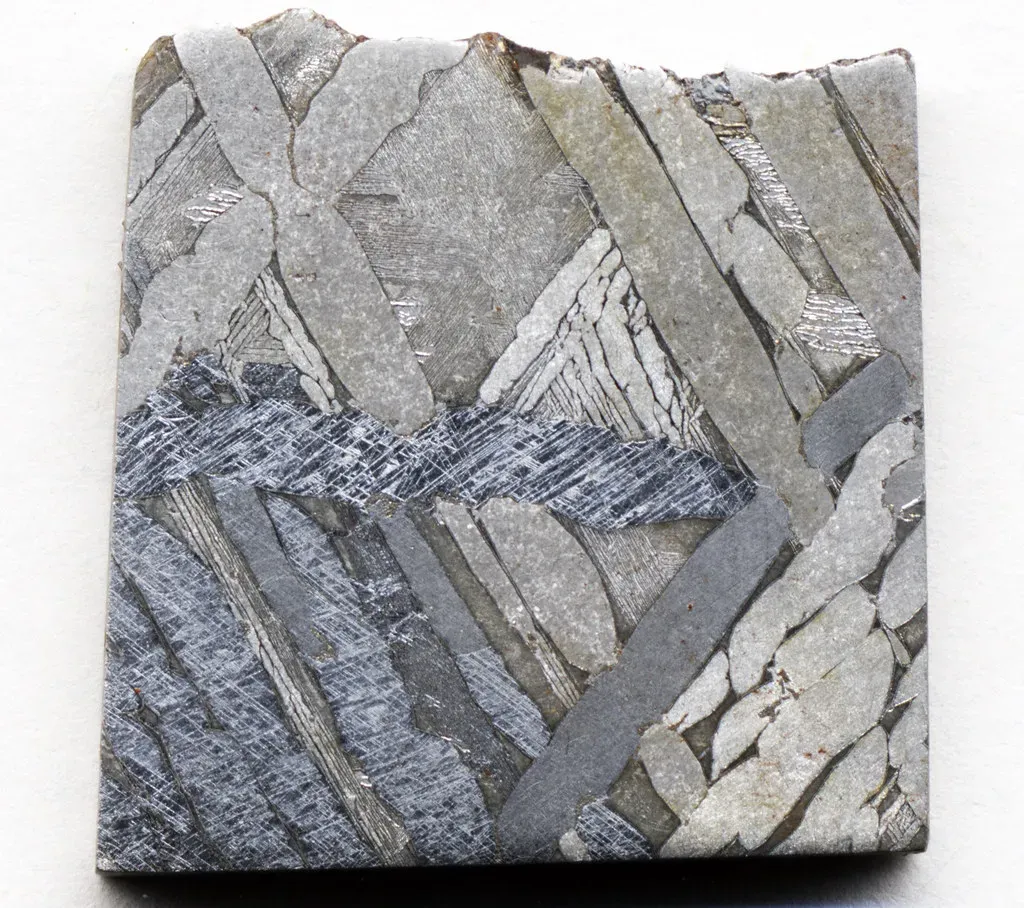
In heavy industry and aerospace, scrap analysis sometimes turns up nickel–iron–cobalt fragments with oddball compositions that do not match any standard grade or known alloy system on paper. A spectrometer says the ratios are highly unusual for their part of the table, yet the sample shows coherent microstructures instead of the multiphase mess one would expect. Most of the time, the explanation involves mixed melt remnants, contamination, or unrecorded experimental batches rather than completely new metals.
Even so, these findings highlight how messy real‑world metallurgy can be compared to clean academic diagrams. In multipurpose furnaces, recycled feeds, and additive manufacturing powders, unusual combinations of transition metals can briefly coexist, solidifying into fragments that fall between cataloged compositions. My own view is that many “mystery metals” from factories are less about physics breaking and more about human record-keeping failing, but that does not make the data any less eyebrow‑raising when you first scan it.
7. Ultra‑Heavy Element Residues: At the Edge of the Table
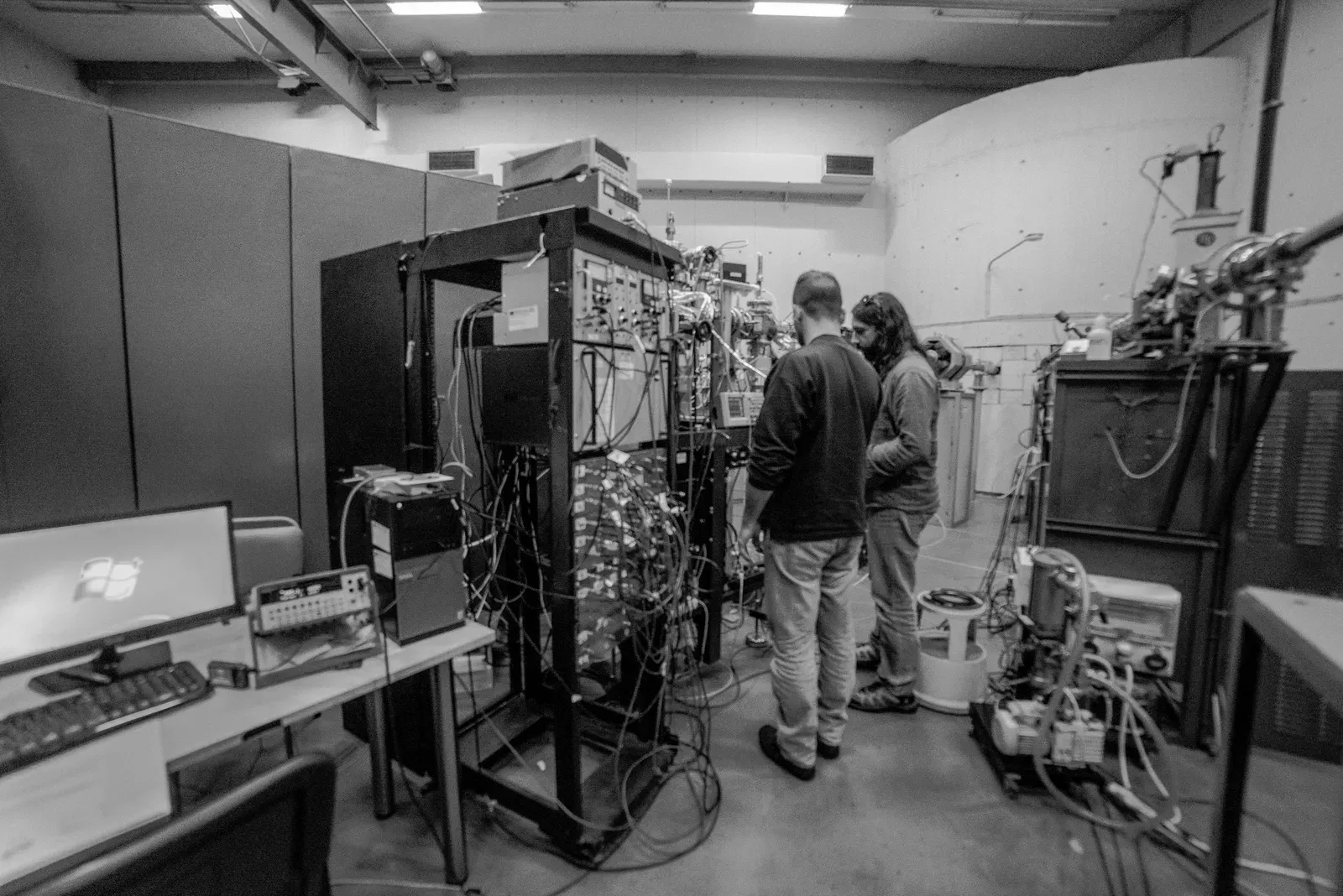
In nuclear and high energy physics labs, collisions and activation experiments occasionally leave behind traces of ultra‑heavy elements with atomic numbers well beyond the stable region of the chart. Most of these transactinides decay incredibly fast, yet some experimental setups produce fleeting residues embedded in metal targets that are surprisingly tricky to characterize. At times, analysts report signals suggesting atoms at atomic numbers where no long‑lived isotopes are expected to hang around at all.
The mainstream view is cautious: any such residues are extremely short‑lived and usually exist in vanishingly small quantities, so they are not stable “metal fragments” in the everyday sense. Still, the hunt for so‑called “islands of stability” means that research teams keep scanning for compositions that might hint at longer‑lived heavy nuclei. Whenever a detector implies that something heavier and more persistent might be present in a metallic target, it understandably fuels debates about how sharply the periodic table really ends in practice.
8. Intermetallic Compounds with Impossible‑Looking Ratios
Intermetallics are ordered compounds formed between metals, often with very specific stoichiometric ratios, like one atom of one element for three of another. Occasionally, X‑ray or electron diffraction reveals intermetallic fragments whose apparent composition does not line up cleanly with any simple ratio you would expect from valence or size arguments. At first glance, it can look as though the metal has settled into a formula that should not exist comfortably anywhere along that row or column of the table.
Deeper analysis usually shows that complex unit cells, partial occupancies, and subtle disorder can reconcile the chemistry with basic bonding rules, but these are not intuitive phases. Some ordered compounds even host “vacancies” as if empty lattice sites were part of the recipe. I find these intermetallics more unsettling than purely amorphous metals, because they are ordered yet somehow disobedient, like a marching band using a time signature nobody else can hear.
9. Highly Non‑Stoichiometric Oxide‑Metal Fragments
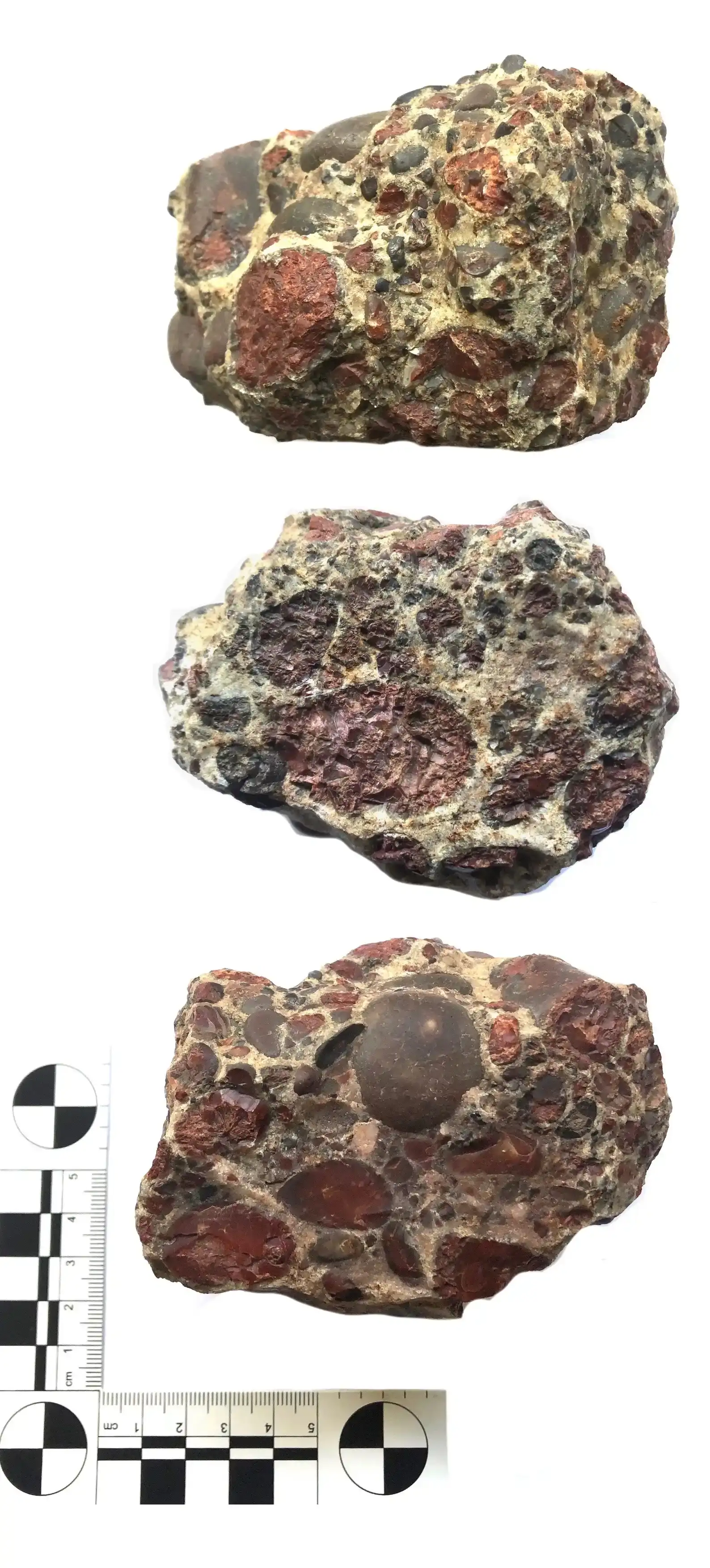
Metal fragments pulled from high‑temperature reactors, turbines, or spaceflight hardware sometimes consist of metallic matrices riddled with oxide phases whose compositions are wildly non‑stoichiometric. That means the ratios of metal to oxygen, or between multiple metals and oxygen, wander far from the neat whole‑number formulas you learn in basic chemistry. In some transition metal oxides, large ranges of non‑stoichiometry are known, but in others the measured compositions look uncomfortably off the chart.
These strange oxide‑metal hybrids occur where diffusion, partial reduction, and selective evaporation pull atoms out of their comfort zones over long service times. Under such conditions, you can end up with metal fragments whose surface layers or internal inclusions host oxygen contents that, on paper, should render the phase unstable. Yet as long as diffusion paths are blocked and temperatures eventually drop, those lopsided compositions can freeze in. They are like snapshots of corrosion caught mid‑process, never allowed to finish the story the thermodynamics was trying to tell.
10. Exotic Impurity‑Stabilized Phases: Tiny Dopants, Big Effects
Sometimes a metal fragment looks impossible simply because you did not know the impurities were there. Trace additions of light elements like carbon, boron, nitrogen, or hydrogen – or even tiny amounts of other metals – can stabilize phases that would otherwise vanish. A shard may test as mostly one or two metals but host a crystal structure that only makes sense if a small fraction of sites are quietly occupied by a third or fourth element that escaped early detection.
There are famous cases in metallurgy where an unexpected phase was initially reported as a new, impossible compound, only for later, more sensitive analysis to reveal a hidden stabilizing element. In my opinion, this is where humility is vital: our instruments keep getting better, and every few years they show us which “forbidden” compositions were really just mis‑measured. The twist is that impurity‑stabilized phases are still fascinating, because they prove that the tiniest compositional nudge can rewrite what is allowed in a given period or group.
11. Misidentified Alloys and Analytical Artifacts
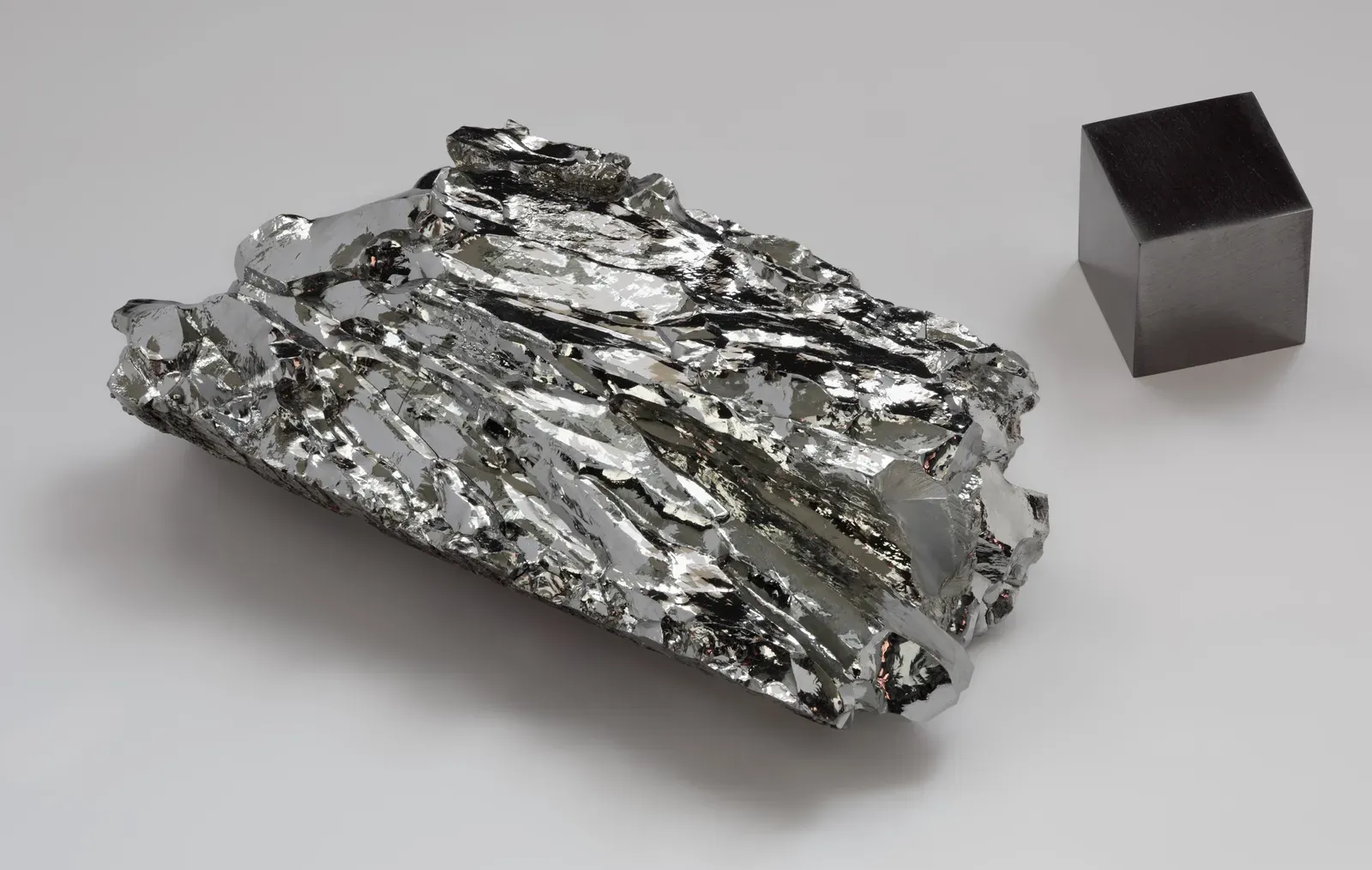
Not every shocking metal fragment actually breaks the rules of the periodic table; sometimes the instruments or the assumptions do. Surface contamination, beam‑induced changes under electron microscopes, miscalibrated detectors, and sample inhomogeneity can all conspire to make a mundane alloy look like an impossible composition. When a lab sees a combination of elements from the same period that should not coexist in a single uniform phase, a wise team now asks whether the measurement could be lying before they declare a revolution.
There is a human angle here that I think gets underappreciated. People want to find the anomaly, the fragment that proves our understanding incomplete, because that is where the glory and the grants live. Yet history shows that many “impossible metals” shrink down to boring explanations upon repeated testing with better methods. That does not make the chase pointless; it just means the real miracles are the few compositions that survive every skeptical check and still sit there, quietly insisting that nature had one more trick up its sleeve.
12. Why “Impossible” Metal Fragments Still Matter
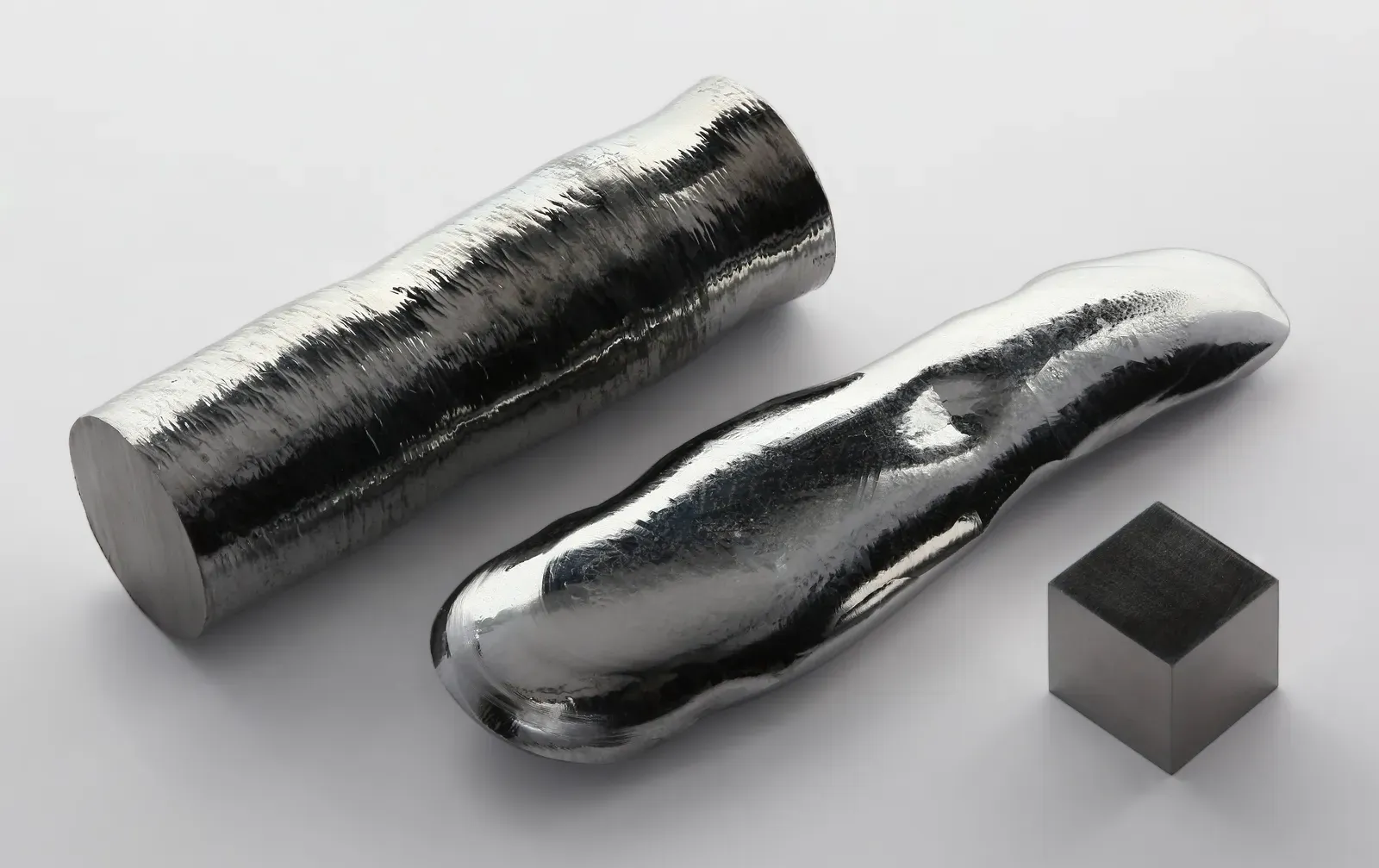
When you put all these cases side by side – from quasicrystals and metastable alloys to impurity‑stabilized phases and analytical ghosts – you see a pattern. The periodic table is not wrong, but it is only the start of the story, a cast list without a script. The metals in any given period can combine and reshape themselves in ways that seem to defy our expectations, especially when extreme conditions, rapid cooling, or subtle impurities get involved. Many of the fragments that supposedly “should not exist” turn out to be perfectly legal under the deeper rules of kinetics, symmetry, and quantum mechanics.
My own opinion is that we should embrace this discomfort instead of trying to tidy it away. Every suspicious shard and puzzling spectrum is a reminder that materials science lives on the boundary between what our diagrams say should happen and what the universe actually does when nobody is looking. Most of the time, careful work pulls the weird back into the realm of the understandable; occasionally, it forces us to expand that realm. The next time you see a metal fragment whose composition looks impossible for its period, the real question is not whether it belongs on the table, but whether you are ready to redraw the map around it – would you have guessed the edges were that flexible?