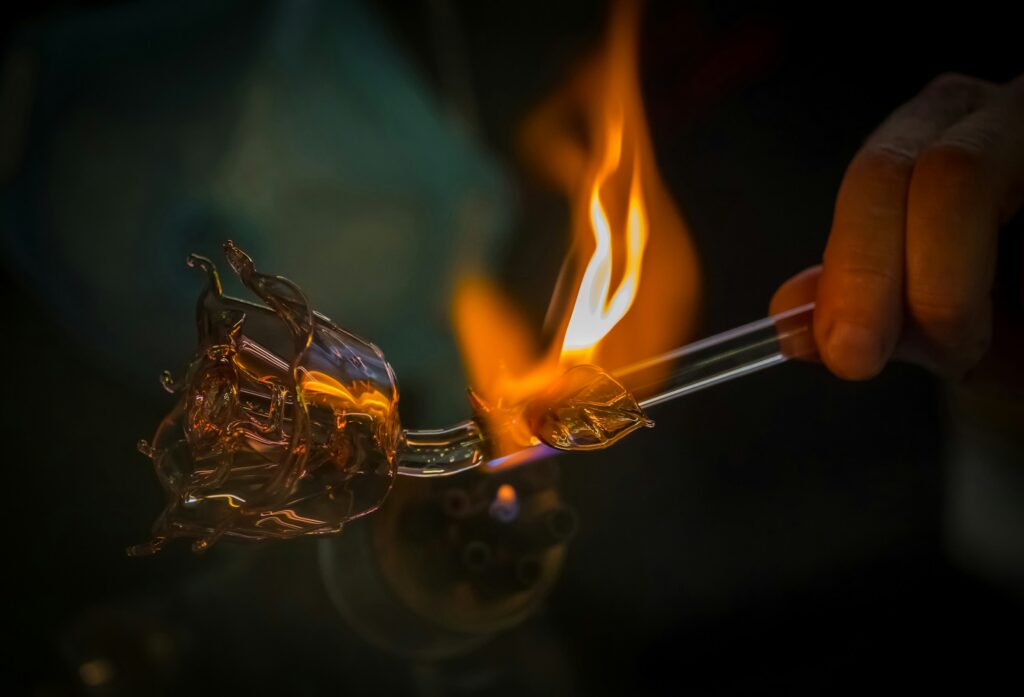
Ask most people how ancient glass got made, and you’ll hear some version of “sand, fire, done.” Simple craft, simple heat, simple story. That story falls apart the moment materials scientists actually point modern lab equipment at old glass.
Here’s the uncomfortable part: some of these artefacts show clear signs of forming at temperatures their known furnaces shouldn’t have been able to hit. Not aliens. Not lost super-tech. Something weirder – a gap between what the glass itself says happened and what our tidy textbook diagrams insist was possible. Fourteen pieces make that gap impossible to ignore, and by the end, you’ll probably trust furnace diagrams a lot less than you did five minutes ago.
#1 – The “Impossible” High-Silica Beads Of The Indus Valley
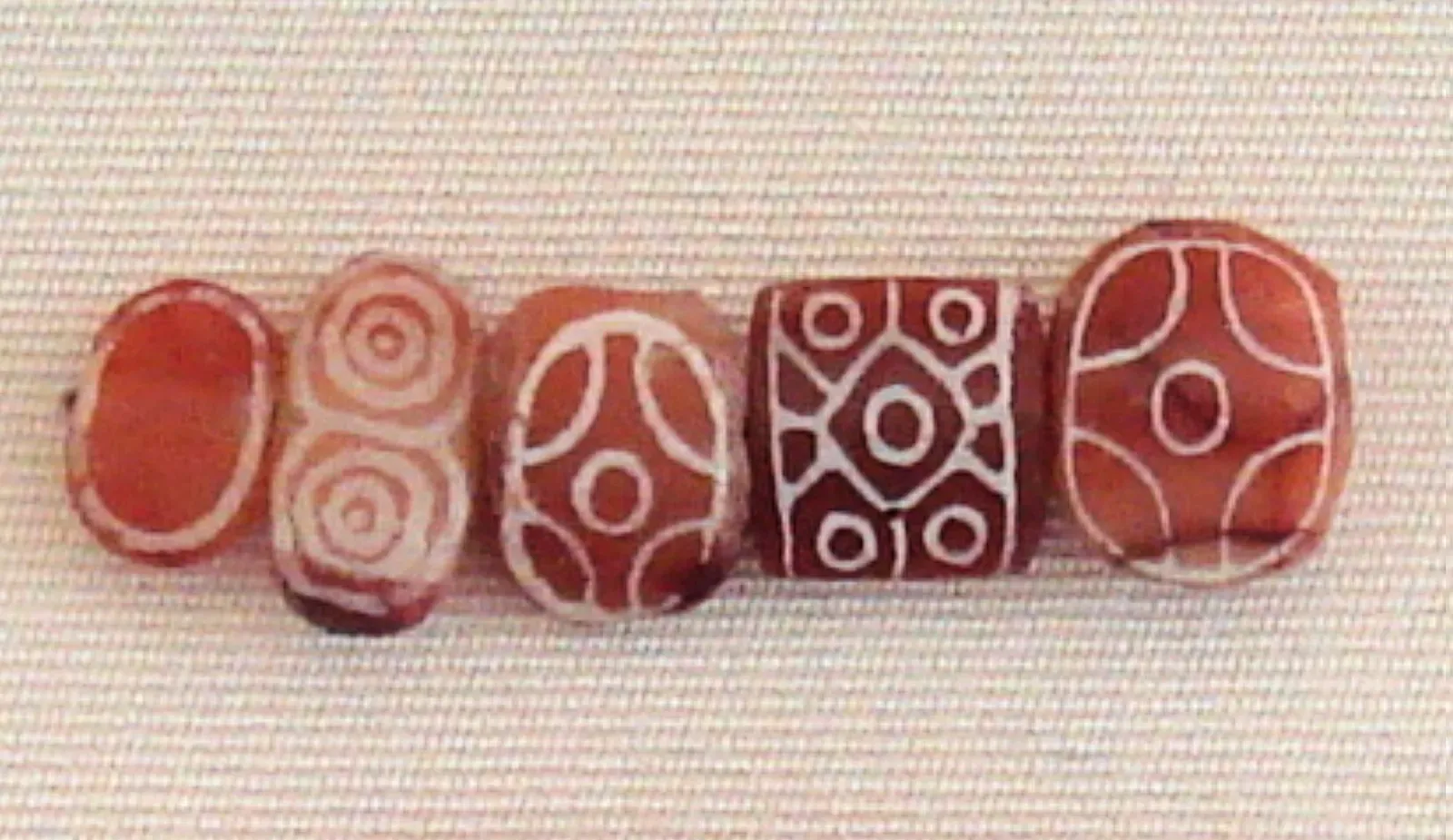
At a glance, Indus Valley glass beads look like ordinary trade goods – small, colorful, unremarkable. But chemical analysis of certain high-silica examples tells a stranger story. Their forming temperatures nudge into ranges we usually associate with much later glass technology, well above what advanced pottery-style kilns are supposed to deliver.
That mismatch has archaeologists quietly rethinking Indus workshops. Maybe there was forced air. Maybe unusual fuel blends acted like early flux “cheats.” Some sites even show tightly controlled firing zones with repeated thermal cycling, hinting these weren’t the crude mud-brick hearths we picture. Short, brutal bursts of heat in tiny working spots could explain beads that shouldn’t exist – and that’s a mild opener compared to what’s next.
#2 – Egyptian Faience That Behaves Like True Glass
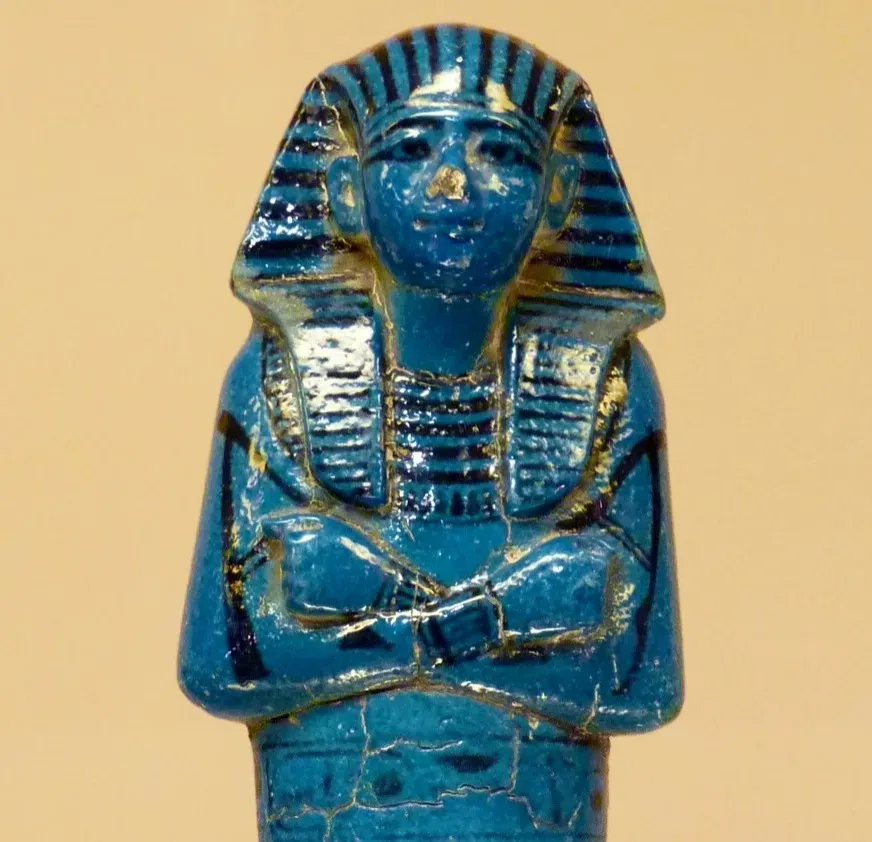
Textbooks love calling Egyptian “faience” a glazed ceramic, not real glass. It’s a convenient label – because some faience pieces have surface layers that behave almost exactly like high-temperature silicate glass, with microstructures suggesting brief heat spikes beyond what New Kingdom furnaces were supposedly capable of.
The standard explanation, low-temperature efflorescence glazing, doesn’t fully hold up under the microscope. Researchers keep finding unusually uniform glassy phases and well-developed crystalline inclusions that normally need sustained or repeated heating to form. Either Egyptian artisans had far more precise airflow and kiln control than we give them credit for, or certain workshops were quietly pushing conditions into territory the textbooks say was off-limits.
Fast Facts
- Egyptian faience is technically a glazed quartz frit, not true silica glass, and commonly cited estimates put its firing range around 800°C to 1000°C.
- True soda-lime glass usually needs sustained heat above 1000°C before it fully melts and refines.
- New Kingdom furnace reconstructions are generally capped near 1100°C to 1150°C under ideal conditions.
- Faience objects showing glass-like surface layers sit right at that reconstructed ceiling – or past it.
#3 – The Roman “Over-Fired” Glass Cakes Nobody Puts In Museums
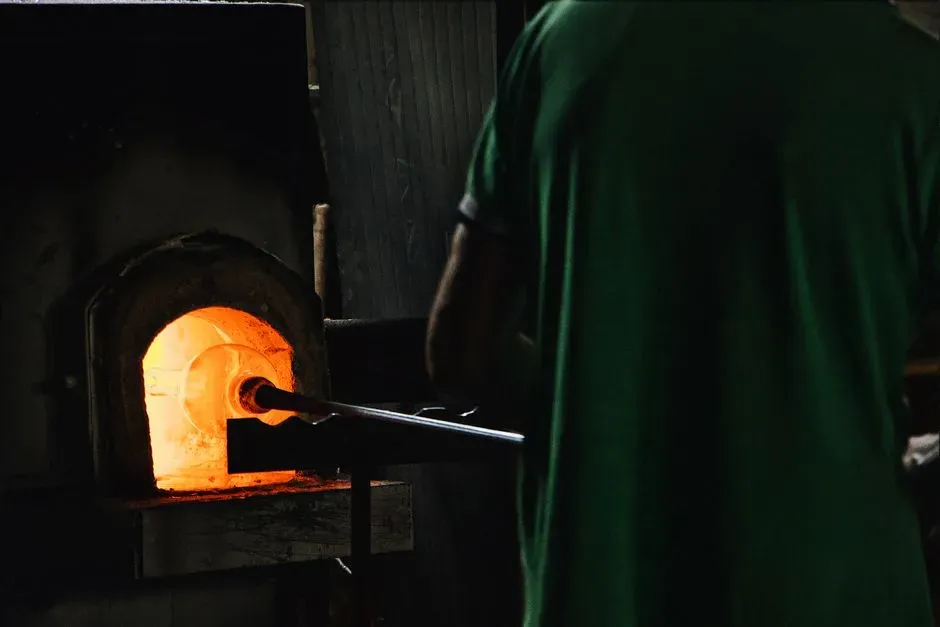
Roman glass dumps hide something museums never show visitors: ugly, misshapen “cakes” of raw production waste. A few of these rejects tell an awkward story. They look overheated well beyond the standard working ranges reconstructed for Roman furnaces, edging toward conditions we associate with much later industrial glasshouses.
Bubble patterns, devitrification textures, and phase separations all point to heat that was higher and more sustained than the romantic image of gentle wood-fired flames allows. One theory: narrow hot spots fed by aggressive draft chimneys, essentially tiny high-temperature zones hiding inside a larger, cooler structure. Another theory: rare accidents, batches forgotten or deliberately “burned” during experimentation. Either way, these ugly rejects wreck the polite version of Roman glassmaking.
#4 – Byzantine Color-Change Glass That Demands Near-Perfect Heat Control
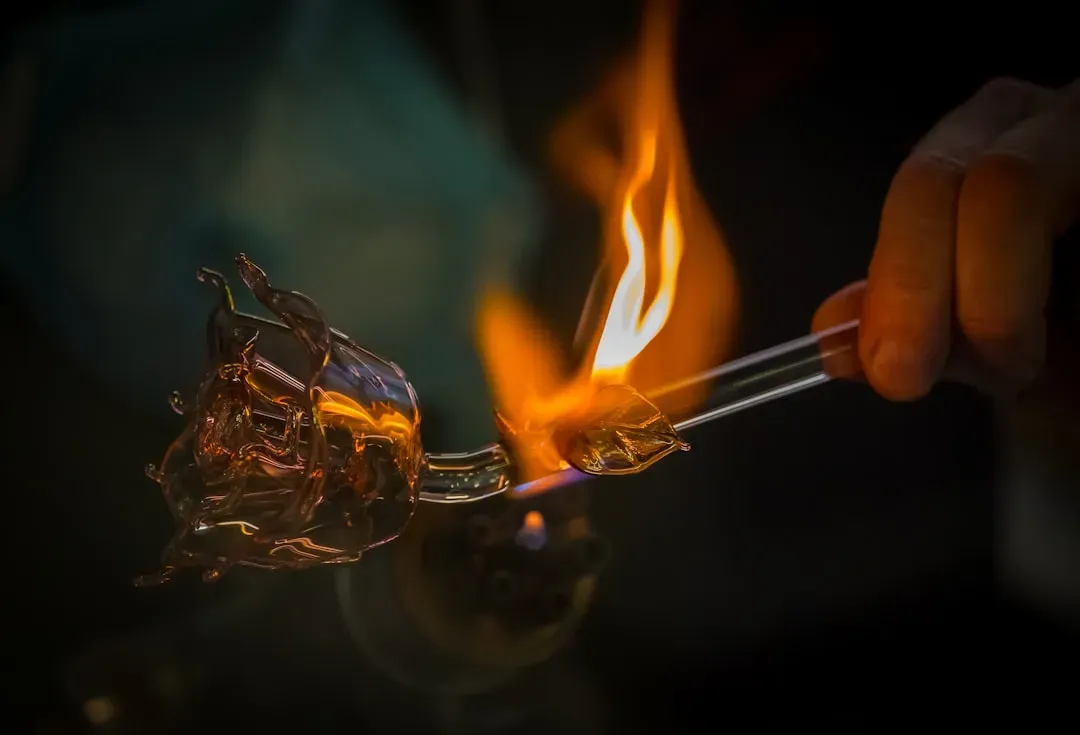
Byzantine glassmakers chased deep blues, ambers, and greens using tiny traces of metal oxides. A cluster of surviving pieces go further, showing color-change and dichroic effects that demand extremely precise temperature control during both melting and cooling – control that pushes past what dome furnaces were supposedly capable of managing.
Glass that shifts tone depending on the angle you view it usually means carefully tuned nano-scale structures, the kind of thing we associate with much later optical materials. Microanalysis of these pieces reveals stacked layers, controlled crystallite sizes, and oxidation states that shouldn’t form reliably in a “crude” medieval furnace. Scholars still argue over whether it was intentional mastery or a lucky accident of fuel and draft – but either explanation means the heat was held steadier than our conservative reconstructions claim.
#5 – Islamic Lustreware Glazes With Textures That Run Too Hot
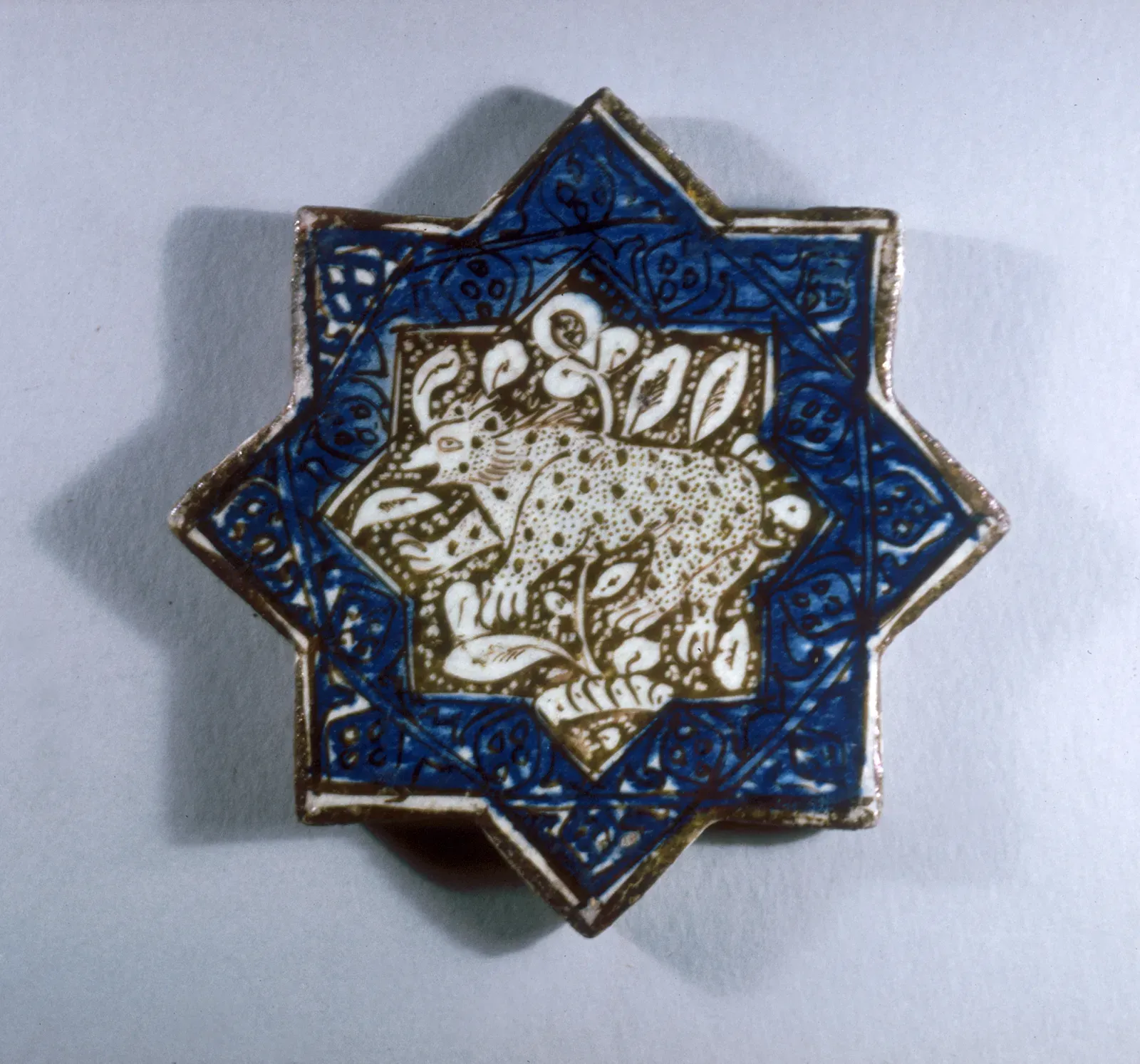
Islamic lustreware dazzled medieval buyers with a shimmering, metallic surface – and most guides chalk it up to a simple low-temperature, reduction-fired overglaze. Under the microscope, though, some lustre glazes reveal glass phases and crystal growth normally tied to hotter, more sustained firings than that gentle recipe describes.
A few pieces look like they briefly flirted with temperatures high enough to soften, even deform, the ceramic body underneath – something the standard kiln reconstructions say shouldn’t happen. Either potters had built complex internal temperature gradients we haven’t modeled, running scorching at the surface while keeping the core safe, or we’ve badly underestimated their fuel and airflow control. The gap isn’t screaming “impossible.” It’s whispering that our temperature ceilings for these workshops might be running 100 to 200 degrees too low.
#6 – Medieval Cathedral Windows Hiding Ultra-Clear “Mystery Zones”
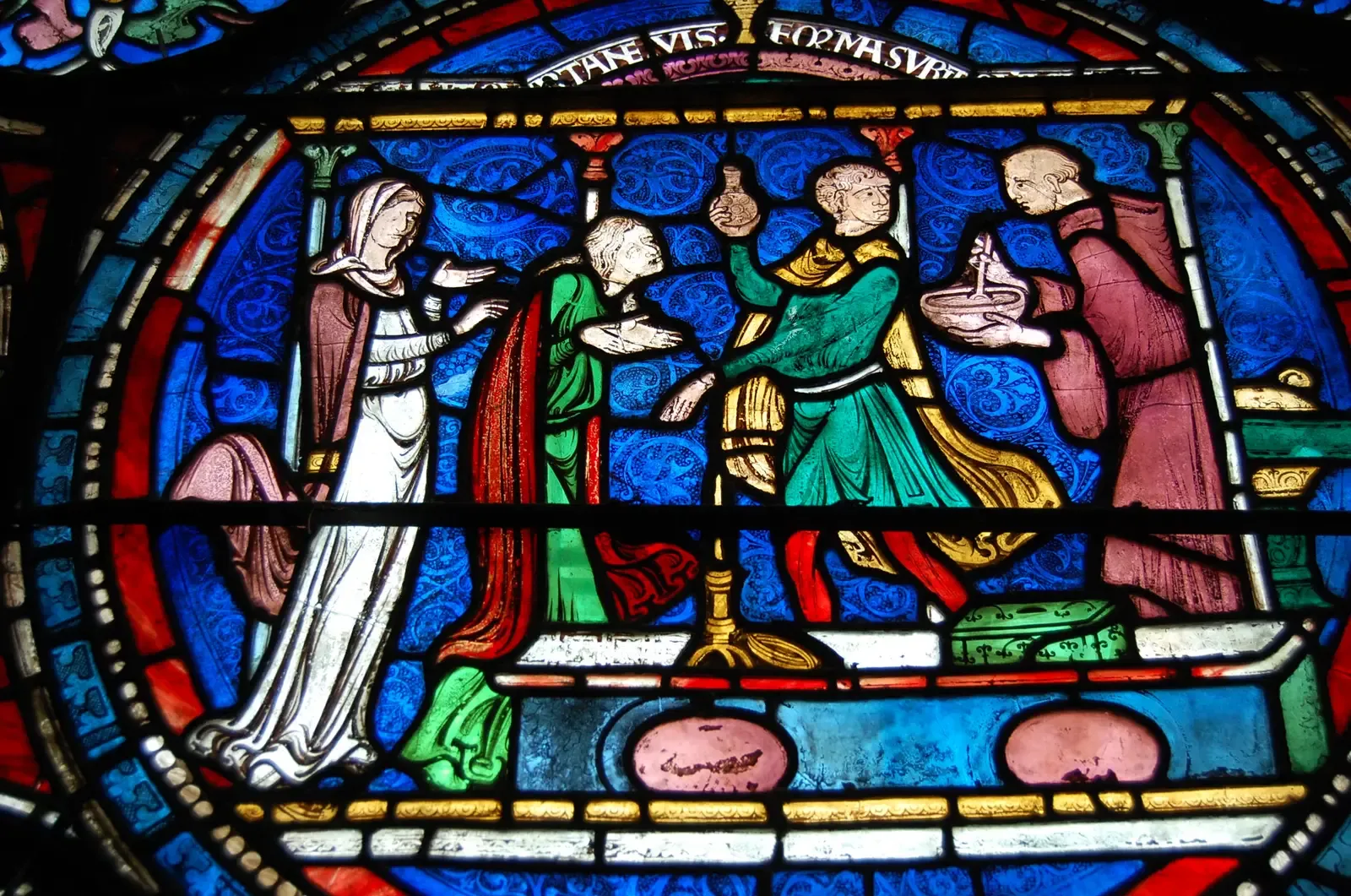
Most medieval cathedral glass is exactly what you’d expect: wavy, bubbly, tinted by impurities. But certain small zones, often tucked into high, hard-to-reach panels, are startlingly clear and homogeneous, rivaling much later optical-quality glass in tiny isolated patches.
Getting that clarity usually requires higher, more consistent melt temperatures and better refining than smoky wood-fired medieval furnaces are supposed to deliver. One theory is selective survival – only the toughest, purest zones outlasted centuries of weathering. Another is that some workshops ran special “refining” melts in hotter side furnaces before blending that treated glass into bigger batches. Either way, these pristine little patches look more like early proto-industrial output than anything from a romanticized Dark Age workshop.
#7 – High-Lead Han Dynasty Glass With Suspiciously Industrial Melts
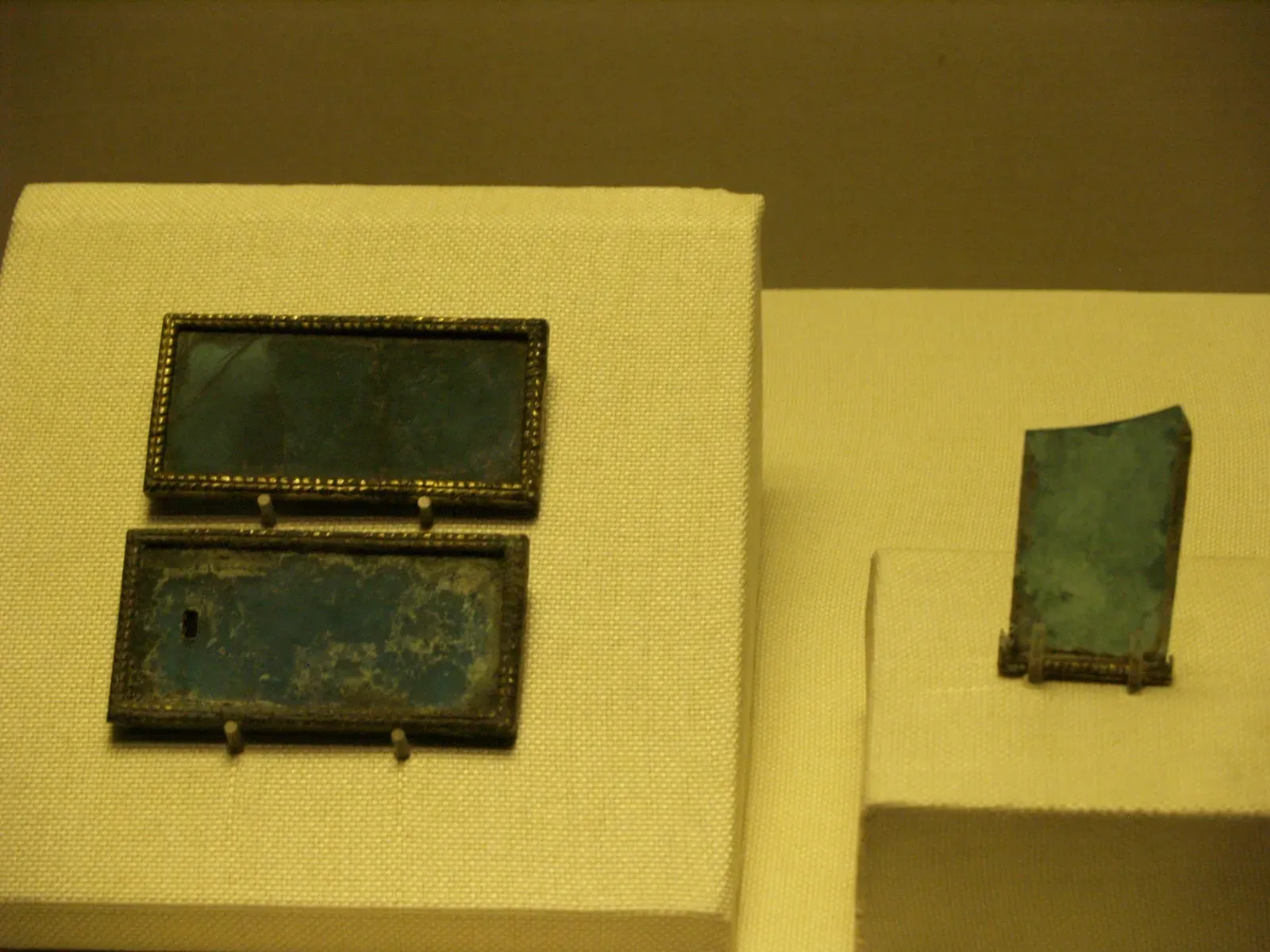
Chinese Han-era glass often carries lead content so high it sits near modern crystal glass. Lead lowers melting temperatures dramatically, which sounds like an easy explanation – they simply didn’t need extreme heat. Except some of these pieces show near-perfect mixing, minimal unmelted inclusions, and uniform color bodies that still demand very thorough, well-controlled melts.
It’s the combination that’s unsettling: very high lead fractions, tight uniformity, and complex colorants that require careful redox control, all at once. That cocktail doesn’t prove impossible temperatures, but it does force a rethink of what these furnaces could achieve under pressure. Draft-shaft designs, preheated air, and specialized crucible setups may have created thermal regimes we’ve simply underestimated – and the repeatability here doesn’t fit the usual “early experiment” excuse.
Quick Compare
- Standard soda-lime glass: typically needs roughly 1000°C to 1400°C to melt fully and refine.
- Han lead-barium glass: lead oxide can drop the effective melting point to roughly 700°C to 900°C.
- Lower melting point does not mean easier control – uniform mixing and clean color still demand tight redox and airflow management.
- The result looks chemically “simple” but behaves like a far more disciplined melt than expected.
#8 – Ultra-Thin Islamic Glass Bowls That Should Have Sagged And Collapsed
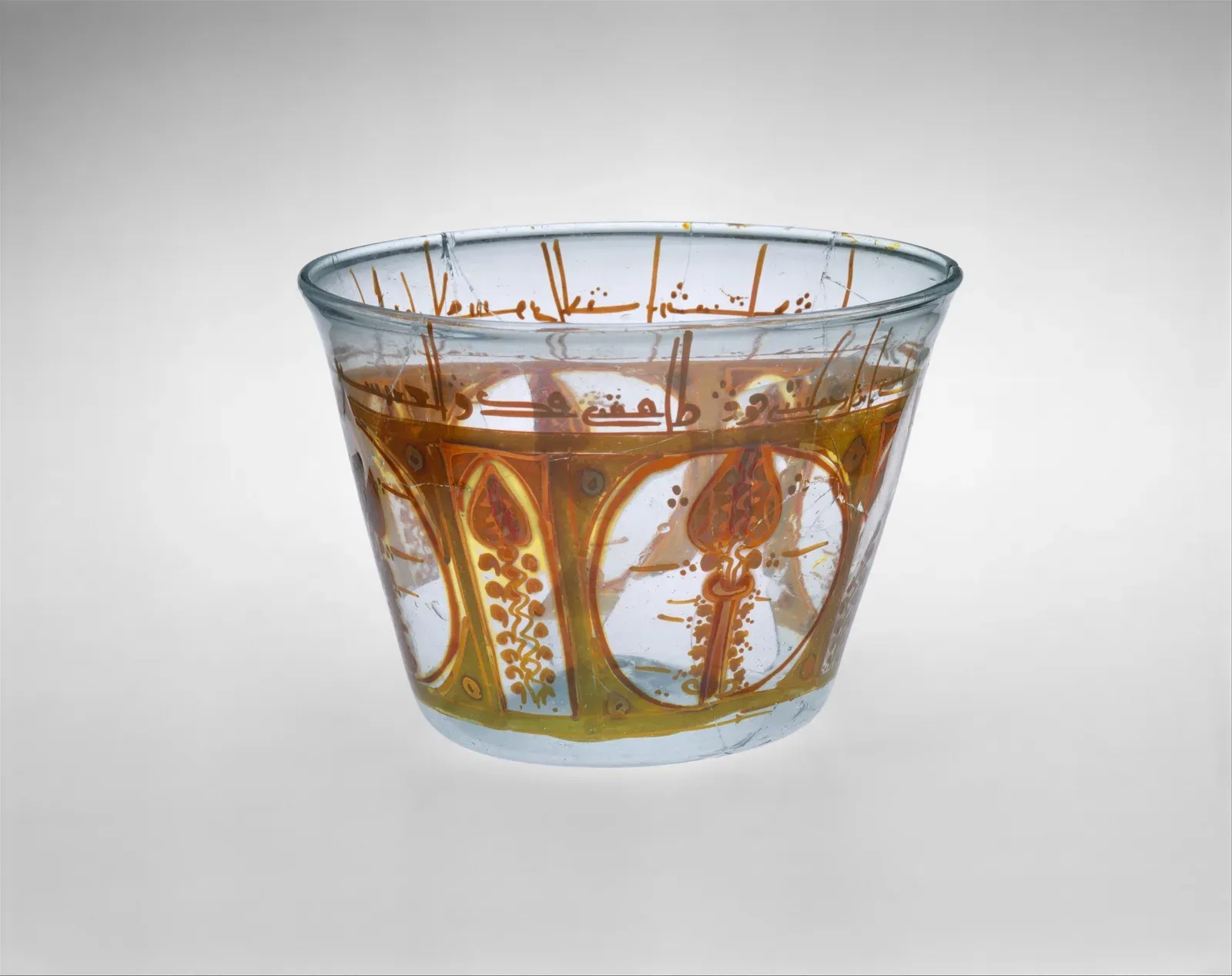
Some early Islamic glass bowls and beakers are shockingly thin, down to fractions of a millimeter, yet remarkably uniform, rivaling modern handmade studio glasswork. Getting walls that delicate without sagging or collapsing needs a temperature window that’s hot enough to shape easily but cool enough to hold form – a razor-thin sweet spot.
Historic reconstructions usually assume a much sloppier, broader operating range than that. Yet the consistency shows up across multiple sites, which rules out a lucky one-off. Either artisans had an intuitive, near-scientific feel for tiny temperature differences, or their furnaces ran hotter and steadier than we’ve credited them for. The bowls themselves, impossibly delicate and still standing, argue harder than either camp of researchers.
#9 – European “Forest Glass” That Was Secretly Over-Refined
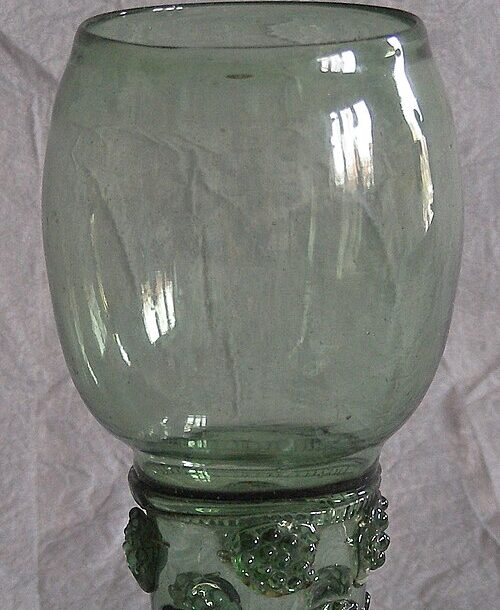
Medieval “forest glass,” made with wood ash across northern Europe, gets painted as coarse and greenish – functional, not fancy. Yet some surviving pieces, from drinking vessels to window panes, show unexpectedly low bubble counts and surprisingly even composition, as though the melts were refined at temperatures and durations higher than a simple wood-fired furnace should sustain.
One controversial idea is that glassmakers stacked operations together – smelting, glassmaking, and lime burning linked in ways that preheated air and materials to extremes. Another is repeated remelting, cycling batches through multiple firings until the effective peak heat and refining time crept past what our simple models assume. However they pulled it off, these artefacts blur the neat line between “primitive” forest glass and later “proper” furnace technology – a line that was clearly blurrier, and hotter, than we like to admit.
Worth Knowing
- Forest glass got its distinctive tint and consistency from potash made by burning huge quantities of beech or fern ash.
- Medieval wood-fired furnace reconstructions are generally capped around 1100°C to 1200°C at peak.
- Low bubble counts in finished glass usually signal longer hold times at peak heat, not just a lucky pour.
- Some surviving forest-glass vessels show refinement closer to later coal-fired furnace output than to “rustic” expectations.
#10 – Ancient Metal-Smelting Slag That Reads Like Deliberate Glass
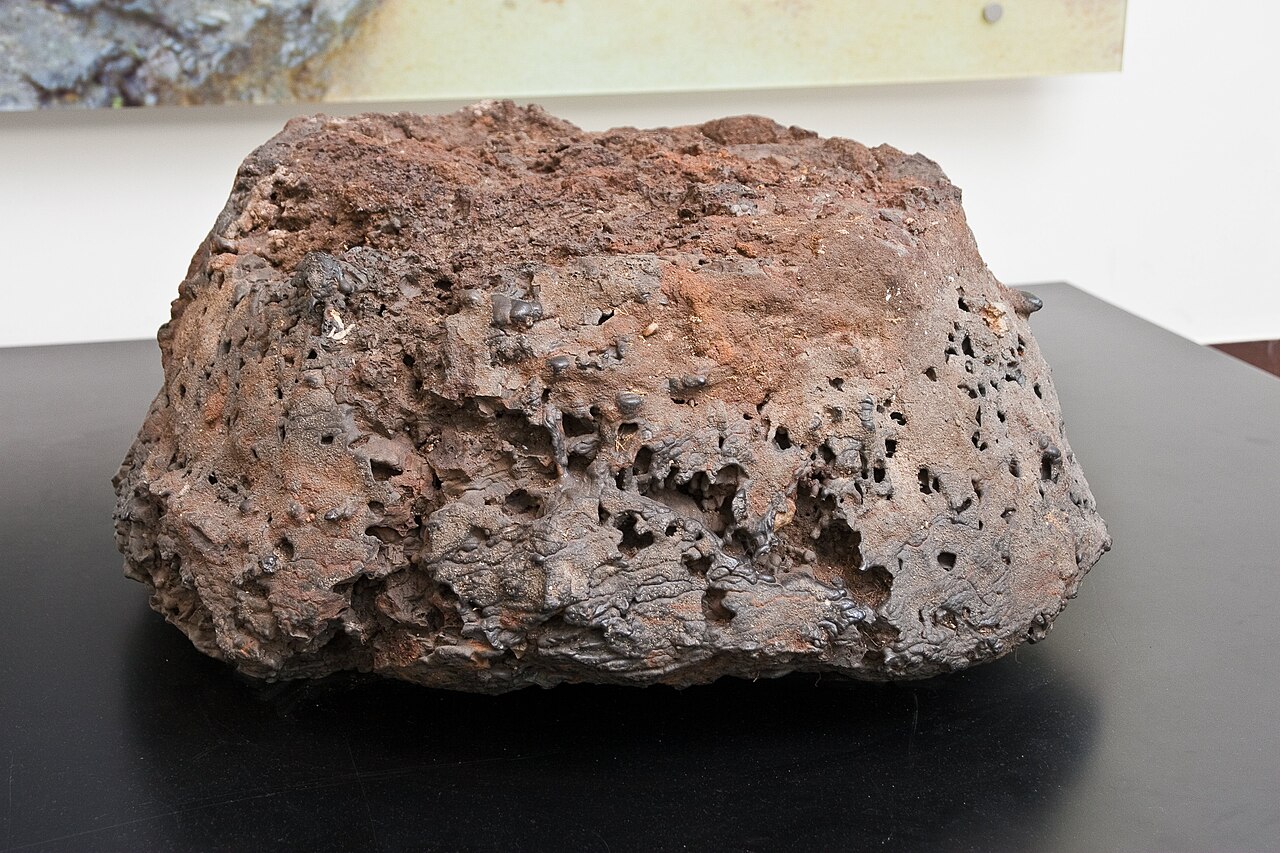
Metalworking sites around the world produce slag: ugly, glassy leftovers from ore smelting that most researchers walk right past. But in a few cases, that slag’s glassy phases are so consistent and pure that they rival deliberate glass batches, hinting at smelting temperatures and hold times that exceed standard furnace reconstructions.
If the furnace was “just” for metal, why does the waste look this clean and repeatable? One simple answer: the hottest, best-designed furnaces accidentally bridged into glassmaking territory while chasing better metal yields. A more provocative angle – metallurgists understood their slag behavior intimately enough to manage it too, something current models almost never factor in. Either way, those quiet heaps of by-product are some of the loudest evidence against conservative temperature caps.
#11 – Renaissance “Cristallo” Goblets Too Clear For Their Own Furnaces
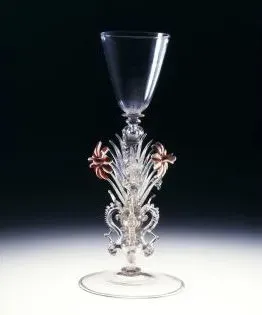
Venetian glassmakers loved to brag about colorless “cristallo,” marketed as rivaling rock crystal. Marketing aside, some surviving goblets and stems really are shockingly clear, tall, and delicate – the kind of clarity that needs melts hot enough to refine out bubbles and held in a narrow working range for long stretches.
The standard story credits clever recipes alone. The microstructure says the thermal environment itself was extraordinarily well controlled, which is a much bigger claim. Charcoal- and wood-fired furnaces driven by hand bellows are usually described as twitchy and uneven, yet repeatable production of tall, thin-stemmed, ultra-clear goblets implies artisans could hover near-ideal temperatures over and over. Furnace geometry, preheated air, and relentless operator attention may have created “industrial-feeling” conditions centuries earlier than we’ve been willing to admit.
#12 – Proto-Optical Lenses That Shouldn’t Have Been Polishable
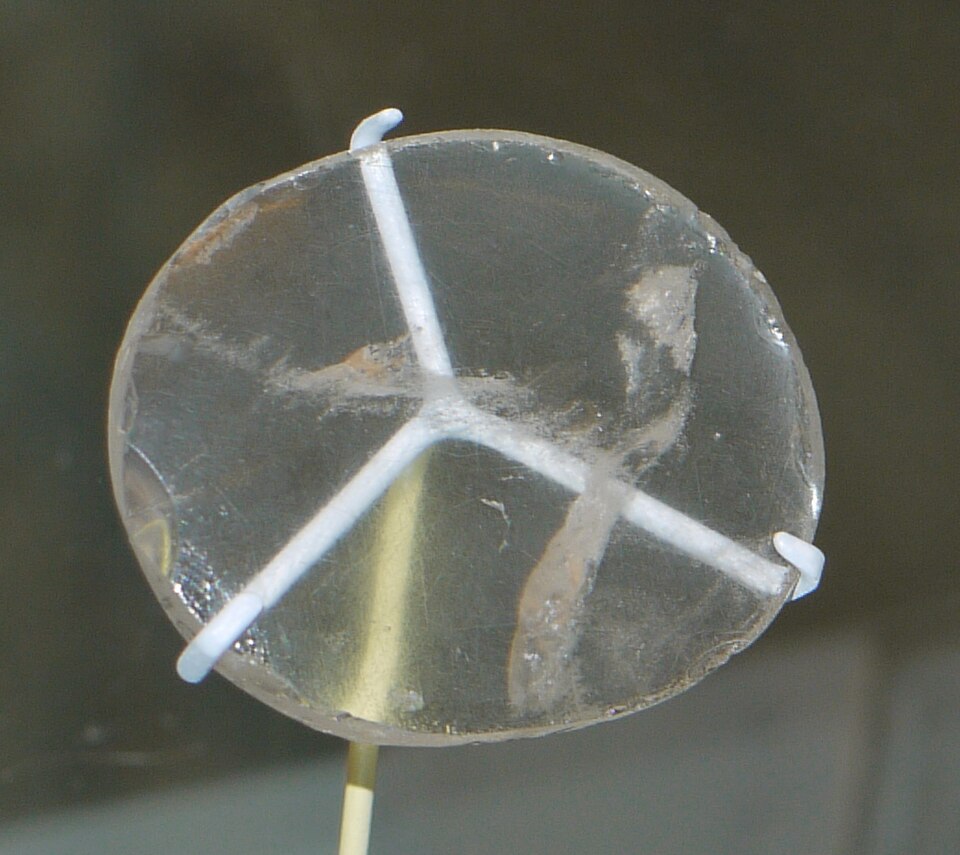
Long before formal optical science existed, people were already experimenting with glass and crystal lenses. A handful of early fragments, rarely spotlighted in museums, show surface finishes and curvature accuracy that are hard to square with supposedly crude, low-temperature glass technology.
Modern optical glass relies on melts that minimize internal streaks, bubbles, and phase separation, yet some of these ancient lenses show surprisingly low defect densities in the small zones that actually form the optical surface. Did ancient furnaces really hit and hold the needed heat, or did craftspeople simply hunt for the cleanest patch inside a messy glass chunk and polish only that spot? Probably both – and either answer means their batch control, annealing, and reworking cycles were more sophisticated than most timelines allow.
Why It Stands Out
- Modern optical glass is defined by extremely low internal defect density, not just visible clarity.
- Ancient lens fragments show that same low-defect quality – but only in the small zone actually used as the optical surface.
- That pattern suggests selective polishing of the cleanest patch inside an otherwise ordinary glass chunk.
- It implies annealing and reworking skills far more deliberate than “primitive” toolkits usually get credit for.
#13 – Man-Made “Obsidian” Glass That Fools Even Trained Eyes
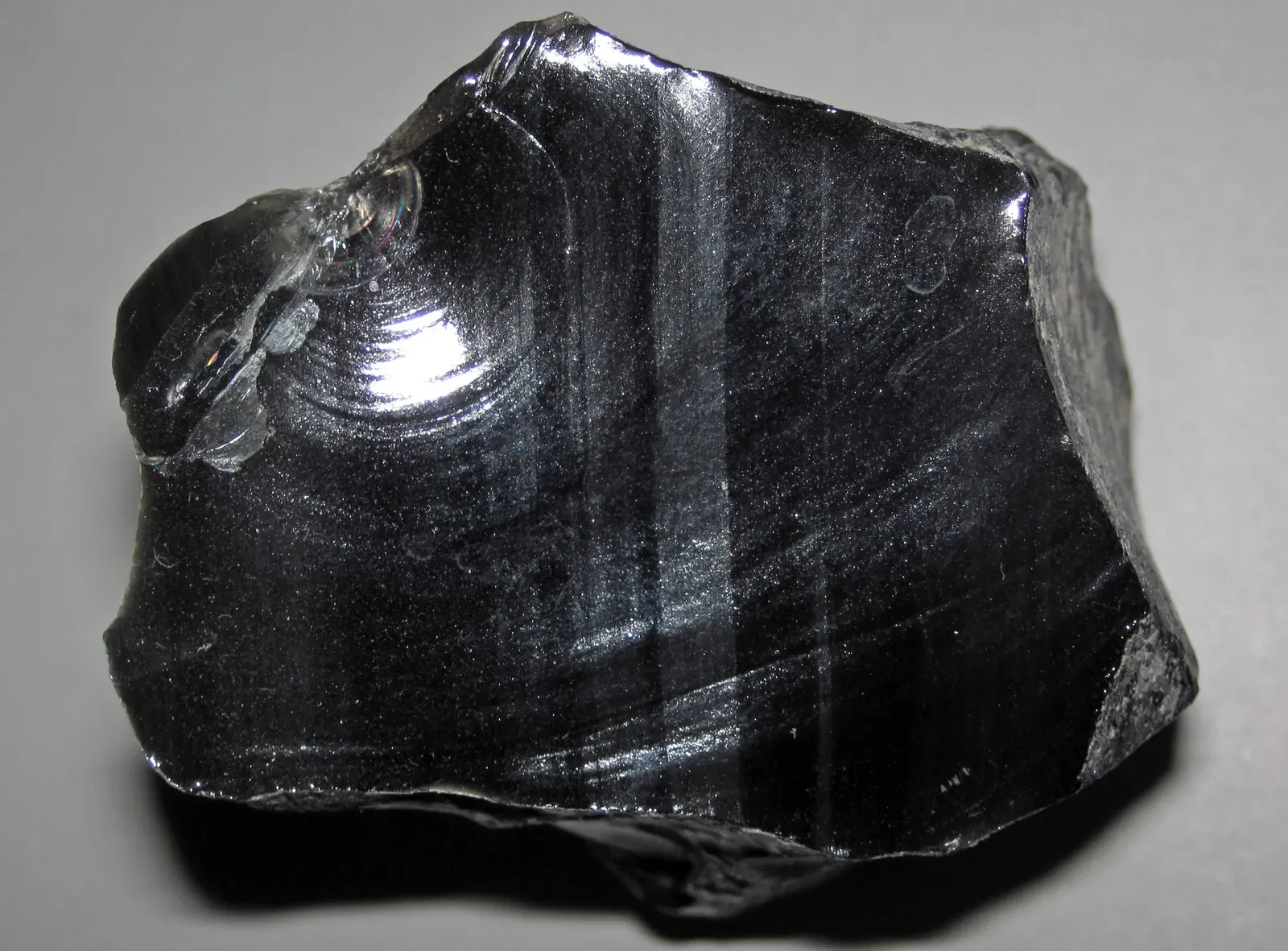
In several regions, artisans clearly studied natural volcanic glass, obsidian, and tried to imitate its look and workability. Some man-made pieces are close enough in appearance and fracture behavior that telling them apart from the real thing requires lab tests – which is wild, considering obsidian forms in geological conditions far hotter and more violent than any human furnace could produce.
The imitation doesn’t replicate volcanic processes, obviously, but it gets uncomfortably close to the naked eye. Matching obsidian’s deep color, glassy sheen, and signature conchoidal fracture meant makers had to hit compositions and cooling rates that stretched their technology to its edge. Critics call this a small, over-read data set. Supporters point out that the imitations exist at all, which proves artisans were experimenting with “extreme” glass behavior far more aggressively than the history books suggest.
#14 – The Tiny Glass Objects That Expose The Real Secret
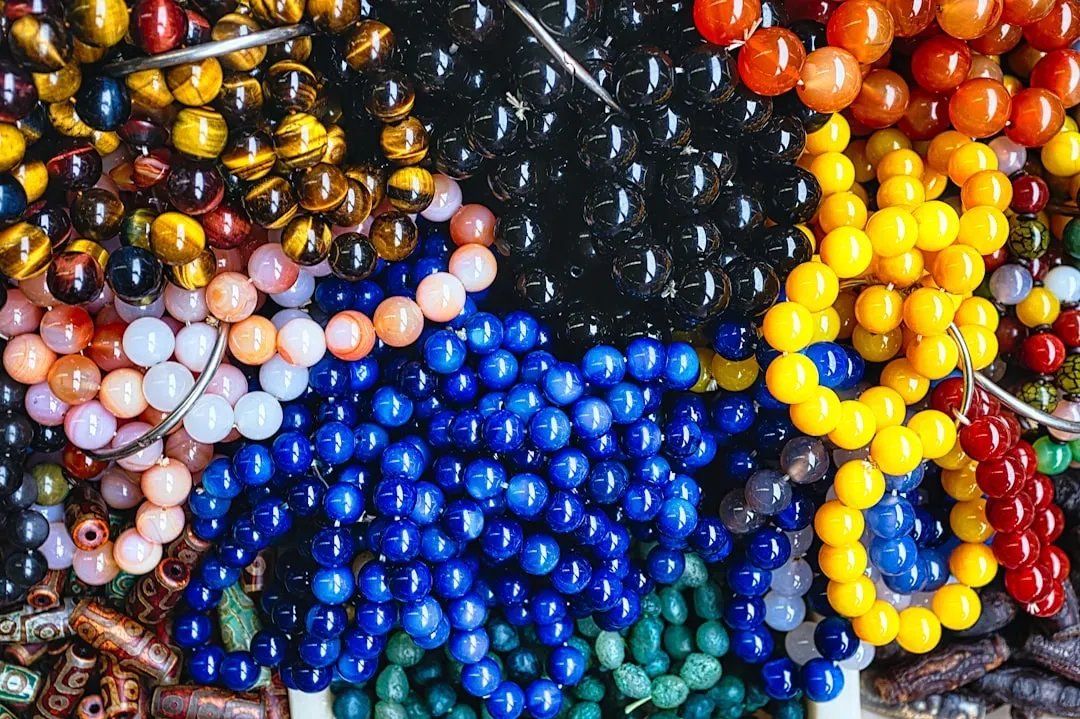
Here’s the detail almost no viral mystery video mentions: many of the most puzzling “too-hot” glass artefacts are tiny – beads, inlays, hair-thin threads. Shrink the working volume small enough, and it suddenly becomes plausible to momentarily reach temperatures far above what bulk furnace reconstructions predict.
If the glass structure says it saw higher heat, it’s the model of the furnace – not the glass – that needs updating.
Archaeologists keep finding micro-objects whose textures scream extra heat: sharper interfaces, more complete melts, even nanocrystalline structures in rare cases. None of this proves forgotten super-technology. It proves craftspeople played a far more three-dimensional game with fire than our flat diagrams capture – hot pockets inside cooler furnaces, crucibles nested within crucibles, fuel-fed blast zones reaching short-lived peaks no bulk measurement would ever catch. These tiny objects are the receipts, and they’re exactly why comfortable textbook furnace charts keep getting quietly rewritten.
The Bottom Line
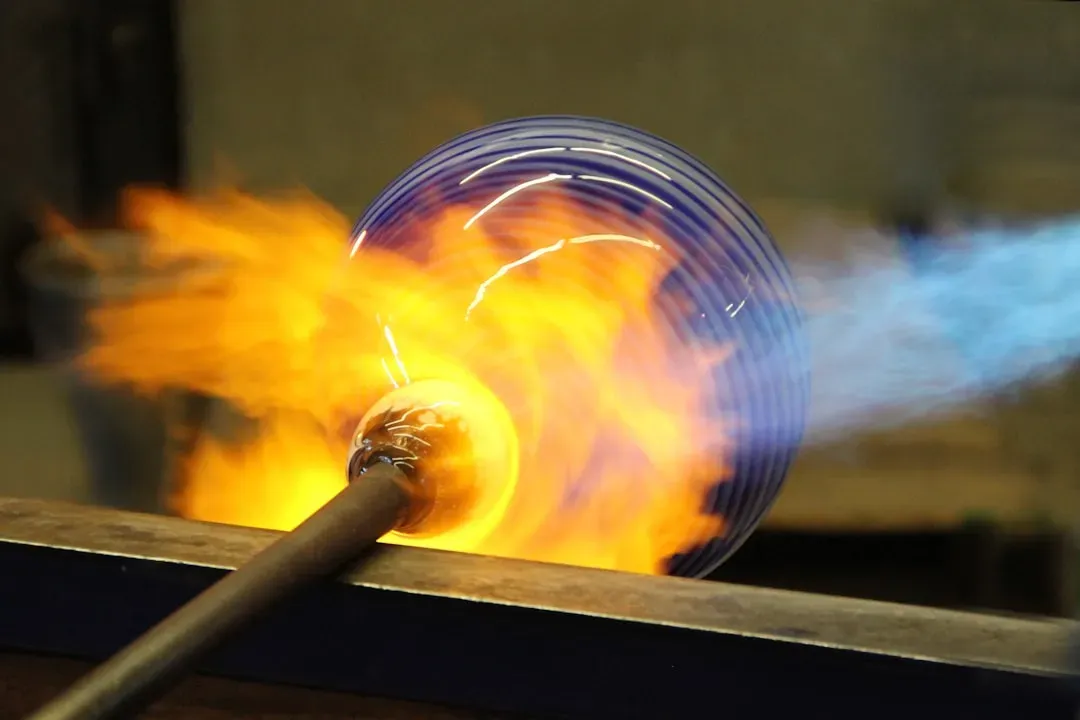
Strip away the clickbait and the “ancient aliens” noise, and what’s actually left here is more interesting, not less: glass artefacts that keep forcing us to admit our reconstructions of old furnaces, fuels, and workflows are too conservative. Over and over, the microstructure hints at hotter spots, tighter control, and more experimental nerve than tidy timelines want to allow.
None of this means magical lost technology. It means real people, sweating over open fire, hacking the limits of whatever crude equipment they had – and getting closer to “impossible” than we’ve ever wanted to admit. The glass hasn’t lied to us. We’ve just been asking the wrong question. Instead of “how could they possibly reach those temperatures,” the sharper question is “why did we ever assume they couldn’t?” Did we miss an artefact or a site that flips this story even harder? Drop your take in the comments.