Here’s the myth: give modern engineers enough time, enough money, and a good enough 3D scanner, and they can rebuild anything the ancient world ever made. That’s what we’ve been told for decades.
Reality check – they can’t. Not because they’re lazy, and not because the blueprints are lost. We can measure these sites down to the millimeter, scan every joint, and run the physics a hundred times over. We just can’t reproduce how they were actually built, at full scale, with the tools those builders actually had. Some of these mysteries are famous enough for a Netflix special. Others barely register with tourists, even though the numbers behind them are stranger than anything at Giza. Stick around – a few of these will make you question whether “primitive” is even the right word.
#12 – Stonehenge’s Bluestone Journey, Salisbury Plain, England

The bluestones at Stonehenge weigh 2 to 4 tons apiece, and they didn’t come from anywhere nearby. They were quarried in the Preseli Hills of Wales, roughly 150 miles from the site, in a period with no wheels, no known draft animals, and no metal tools. The larger sarsen stones, some pushing 30 tons, were hauled about 20 miles from Marlborough Downs and then raised into precisely fitted post-and-lintel arrangements.
Here’s the part that keeps engineers up at night: the sarsens weren’t just stacked. Builders carved matching mortise-and-tenon joints into stones weighing as much as a loaded delivery truck, using only stone hammers, then lifted the lintels on top and got the fit right. Small-scale experiments have moved similar stones a few hundred yards on sledges and rollers. Nobody has hauled a 30-ton block 20 miles overland, hoisted it, and cut a joint that tight using only Late Neolithic tools.
- Moving 4-ton bluestones roughly 150 miles across land and water with no wheels.
- Carving matching mortise-and-tenon joints into 30-ton sarsens with stone tools alone.
No experiment has replicated the full bluestone journey plus precision joinery using only Late Neolithic-era technology.
That one’s practically routine compared to what happens when you try to walk a statue.
#11 – The Moai’s Impossible Walk, Easter Island, Chile
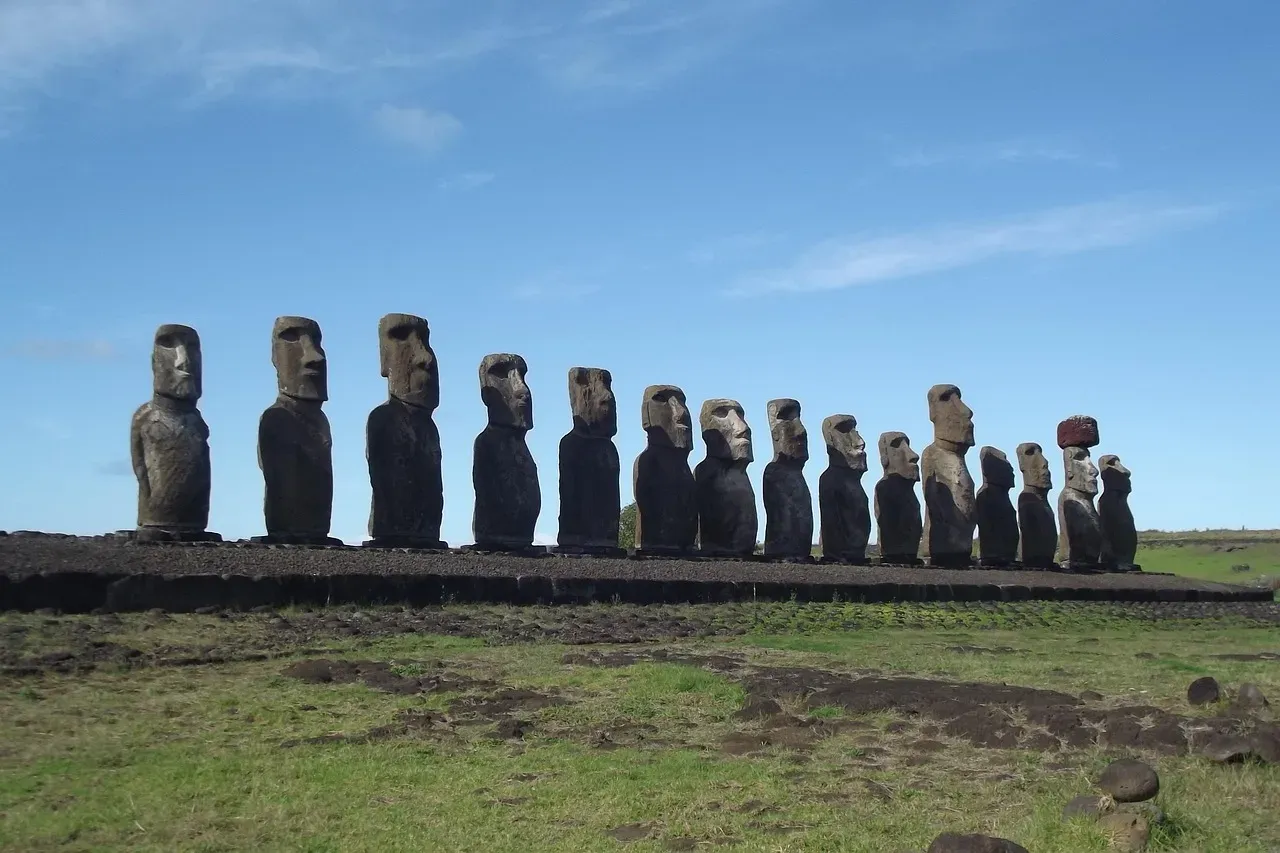
The largest moai ever raised on Rapa Nui weighs an estimated 82 tons. They were carved at a single quarry, Rano Raraku, then moved several kilometers over rough volcanic terrain to stone platforms along the coast – with no wheels, no large animals, and, by most accounts, limited timber for rollers.
In 2012, archaeologists demonstrated that a scaled-down replica moai could be “walked” upright by rocking it side to side with ropes, no sledge required. It’s a clever, credible idea. But it was tested on a roughly 5-ton replica over cleared, flat ground, nowhere near the size of the true giants or the terrain they actually crossed. Nobody has walked an 80-ton original-scale moai across the island’s real landscape and proven the theory at the scale that matters.
- Moving 80-ton statues across broken volcanic terrain without wheels or draft animals.
- Standing them upright on stone platforms without cranes or steel rigging.
No team has walked or raised a full-scale, 80-ton moai across the island’s real terrain using only Rapa Nui-era materials.
At a Glance
- Roughly 900 moai have been identified across Rapa Nui, and about 95% were carved at a single quarry, Rano Raraku.
- The average moai stands about 4 meters tall and weighs around 11 tons – modest next to the true giants.
- The tallest ever raised, nicknamed Paro, stood almost 10 meters and weighed over 80 tons.
- Most statues were carved and moved between roughly 1250 and 1500 CE, using only stone tools called toki.
#10 – Newgrange’s Solstice-Perfect Roof Box, County Meath, Ireland
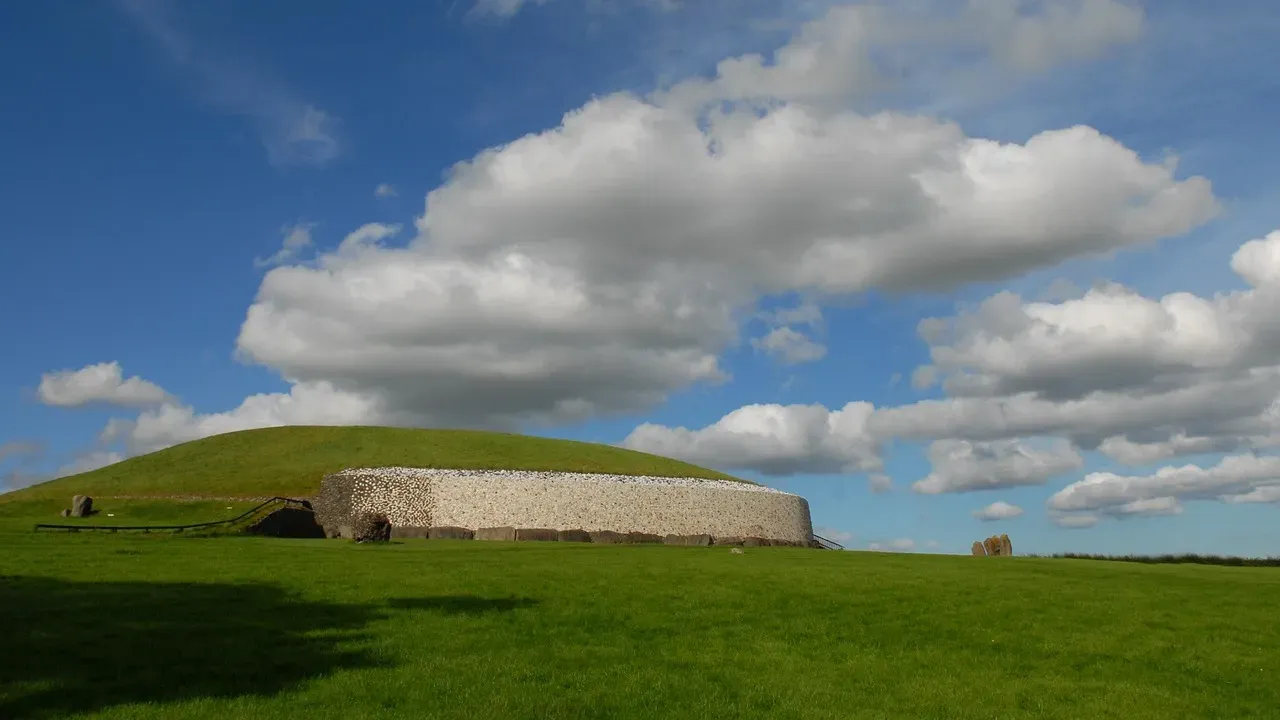
Newgrange is older than Stonehenge and older than the Great Pyramid, built around 3200 BCE from roughly 200,000 tonnes of stone and earth. Above its entrance sits a small opening, the roof-box, engineered so that for a handful of mornings around the winter solstice, a beam of sunlight travels the full 19-meter passage and lights up the inner chamber.
What nobody has cleanly reconstructed is the how. There’s no evidence of surveying instruments, yet the alignment is accurate enough that it still works exactly as intended, five thousand years later. The corbelled stone roof has also stayed completely dry for that entire span, using layered stone and turf with no mortar or modern sealant. Try building a similar roof today without concrete or membrane, and it usually leaks within a generation.
- Solstice-precise sunlight targeting with no documented astronomical instruments.
- A corbelled stone roof that has stayed waterproof for roughly 5,000 years without mortar.
No modern project has built a corbelled passage tomb with equivalent solstice precision and five-millennia waterproofing using only Neolithic tools and materials.
And that’s a warm-up compared to the sheer logistics waiting at Giza.
#9 – The Great Pyramid’s Core Logistics, Giza, Egypt
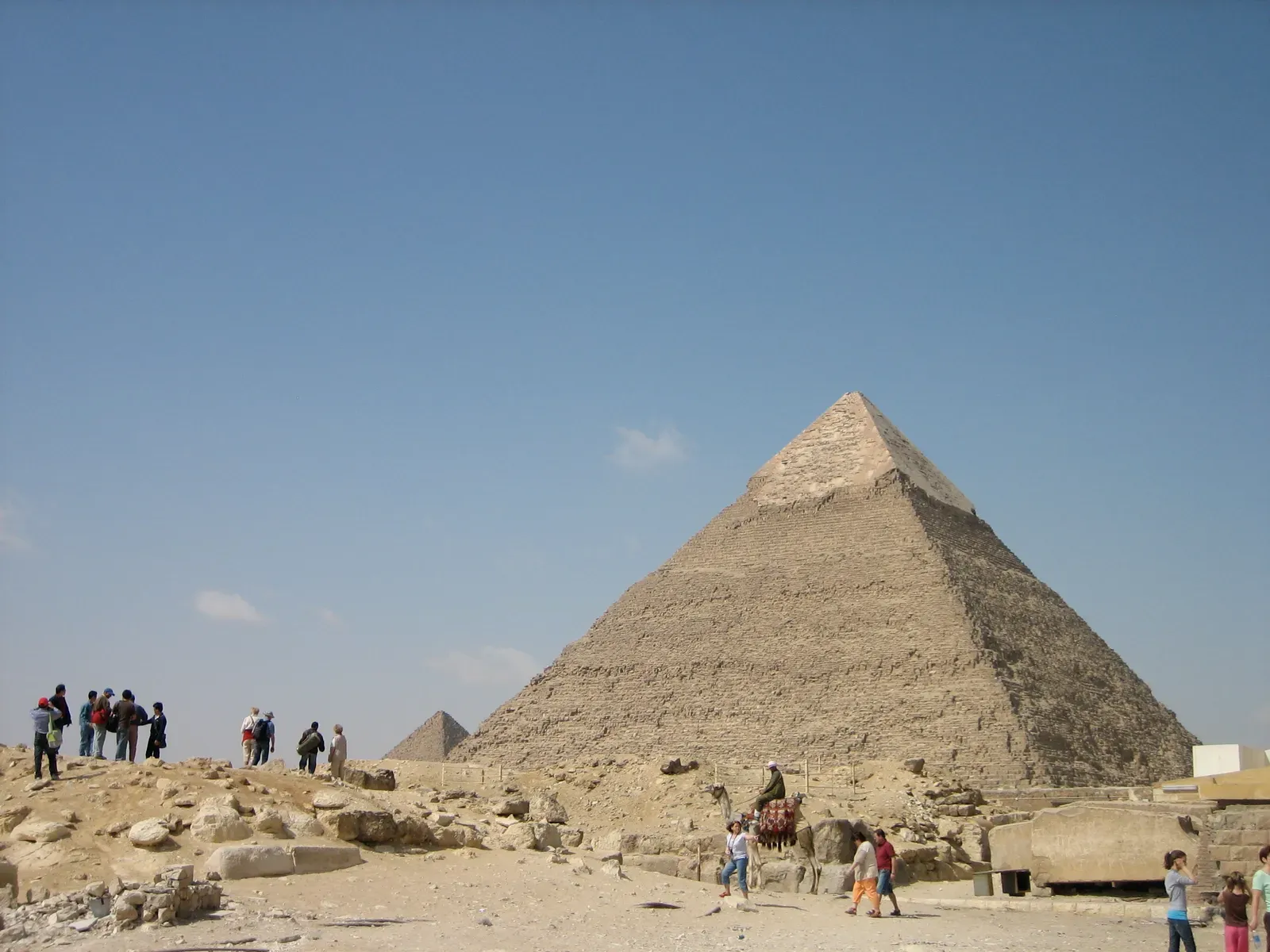
Engineers love to say, “it’s just ramps and labor,” but the math refuses to sit quietly. The Great Pyramid contains about 2.3 million blocks, many weighing 2 to 15 tons, assembled in roughly 20 years. To hit that schedule, a workforce would need to quarry, dress, transport, place, and align one block every 2 to 3 minutes for decades, with hand tools and no steel cranes.
Nobody has ever reproduced that logistical tempo at full scale with era-accurate technology. Replicas and experiments have moved a few stones with sledges, water, and wooden tracks – interesting, but partial. We still lack a fully tested, end-to-end method that handles the entire quarry-to-capstone pipeline while maintaining millimeter-level alignment over 146 meters of height.
- Handling the entire quarry-to-capstone pipeline on a 20-year clock.
- Maintaining the pyramid’s millimeter-level alignment across 146 meters of height.
No modern team has built a pyramid of comparable size and precision, using only Old Kingdom-style tools and methods, on a 20-year schedule.
Until someone does, the “simple ramp” story is more classroom sketch than demonstrated method. Peru’s stonework makes it look even shakier.
#8 – Sacsayhuamán’s Interlocking Walls, Cusco, Peru
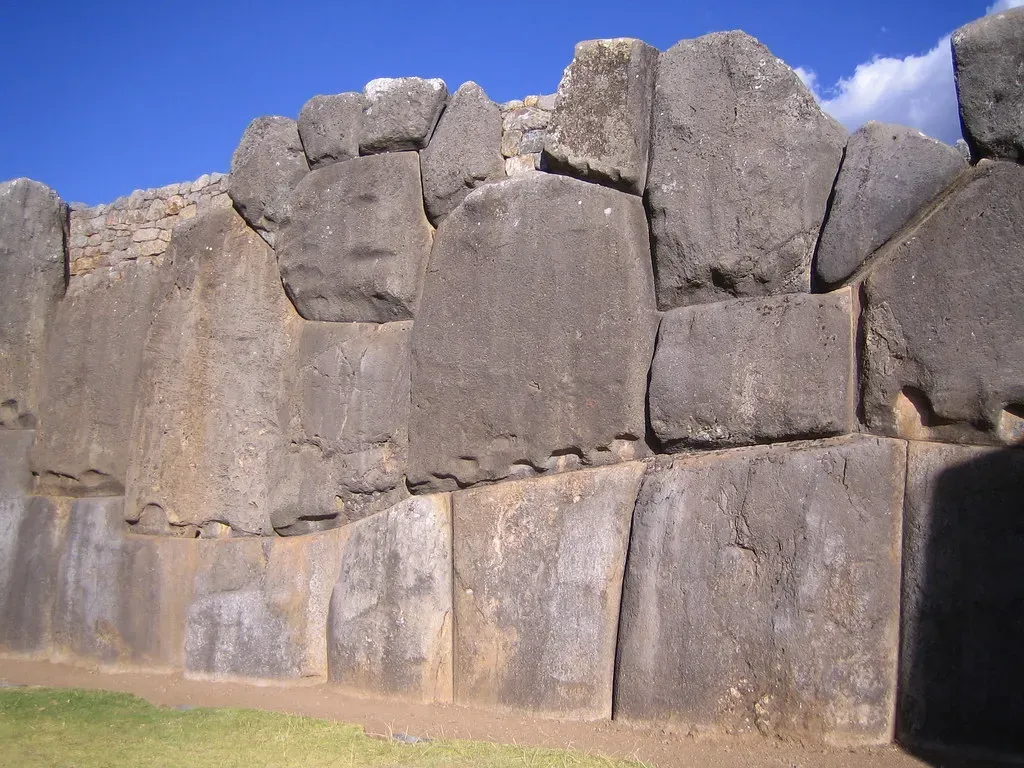
At first glance, Sacsayhuamán looks like a pile of big rocks. Then you get close. The blocks can weigh over 100 tons, cut into irregular polygons that fit together so tightly you can’t slide a razor blade between them. There’s no mortar. Each wall face contains multiple planes and angles per stone, locking together in 3D like geological Tetris.
Engineers can model it. What they can’t do is reproduce it at full scale with the same speed and finish. Experiments with smaller stones show that shaping rock with hammerstones is possible, sure, but incredibly slow. For Sacsayhuamán’s largest blocks, everything escalates – quarrying and transporting multi-ton stones over uneven terrain, then rotating, testing, and refitting them repeatedly until they seat perfectly.
- Quarrying and transporting multi-ton stones over uneven mountain terrain.
- Rotating and refitting massive blocks repeatedly until they lock with zero mortar.
No one has run a controlled project that builds a comparable wall, with similarly massive stones and zero mortar, using only Inca-level tools and organization.
We understand “a” possible way, but not “the” way they actually used in real time. Then there’s a pyramid that quietly outweighs Giza.
#7 – Teotihuacan’s Pyramid of the Sun, Mexico
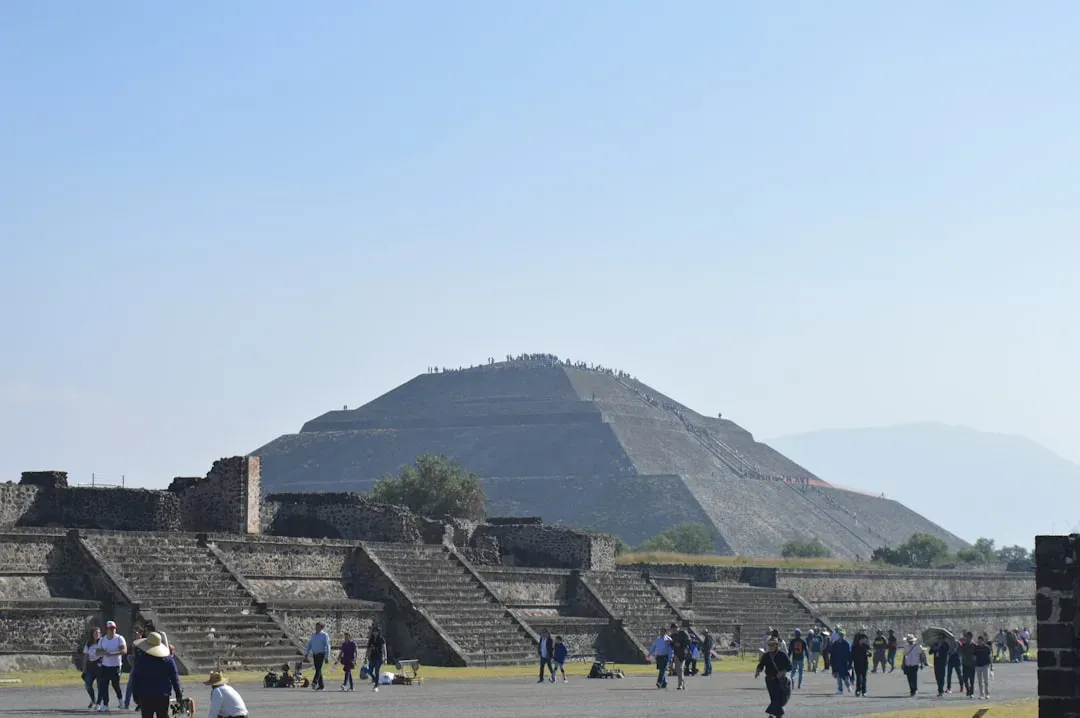
Built around 200 CE, the Pyramid of the Sun is one of the largest structures in the ancient Americas, with a base footprint similar in size to the Great Pyramid of Giza. It was raised without metal tools, without the wheel used for transport, and without draft animals of any kind – all core Old World advantages that Mesoamerican builders simply didn’t have.
The real head-scratcher isn’t just the pyramid itself, it’s the city around it. Teotihuacan’s entire street grid, spanning several square kilometers, is aligned with striking precision to specific horizon points tied to the calendar. Achieving that kind of citywide accuracy without a magnetic compass or documented surveying instruments, while also moving the millions of tons of fill needed for the pyramid’s core by hand, is a combination nobody has cleanly recreated.
- Citywide grid alignment across several square kilometers with no compass.
- Moving and compacting a pyramid’s worth of core material using manual labor only.
No modern experiment has replicated Teotihuacan’s kilometer-scale alignment or the Pyramid of the Sun’s construction tempo using only tools available in pre-Columbian Mesoamerica.
Compared to what’s waiting in Lebanon, though, that’s practically small stakes.
#6 – Baalbek’s Trilithon and the “Stone of the Pregnant Woman,” Lebanon
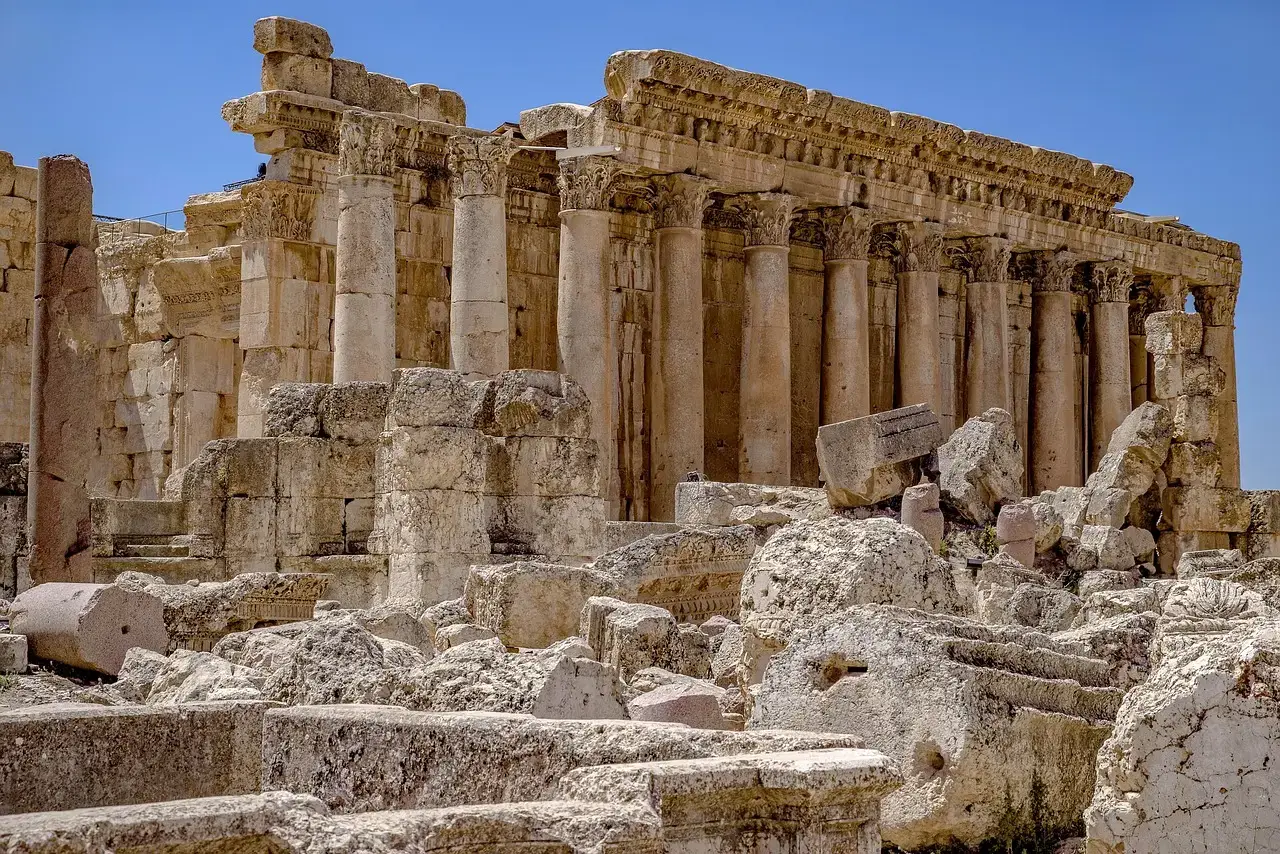
Baalbek is where engineers quietly put their calculators down and just stare. The famous Trilithon stones each weigh an estimated 700 to 800 tons. Nearby sits an unfinished block, the “Stone of the Pregnant Woman,” pushing past 1,000 tons.
Modern heavy-lift cranes can move loads like this, but slowly, on engineered pads, with steel rigging. Ancient builders had none of that, yet apparently cut, transported, and set these giants into a precision masonry platform. We have hypotheses – earth ramps, rollers, sledges on lubricated surfaces, clever use of gravity – and the physics isn’t magic; friction and leverage work in the ancient world too. But nobody has shown how you stop 800 tons from sinking into soft ground, or how you coordinate the hundreds of workers pulling in perfect sync to make it happen.
- Preventing catastrophic sinkage while moving an 800-ton block over soft ground.
- Coordinating hundreds or thousands of workers pulling in sync.
No modern team has demonstrated moving and placing a 700-ton block with strictly Roman-period or earlier means, at anything close to construction-site efficiency.
Quick Compare
- Trilithon blocks (three stones): roughly 750 to 800 tons each
- Stone of the Pregnant Woman: roughly 1,000 tons
- Stone of the South: roughly 1,242 tons
- The Forgotten Stone, uncovered in 2014: roughly 1,650 tons, the largest cut stone block known from antiquity
The gap between “possible on paper” and “provably done in the field” is still wide. And Turkey is about to make the timeline itself the problem.
#5 – Göbekli Tepe’s Megalithic Circles, Turkey
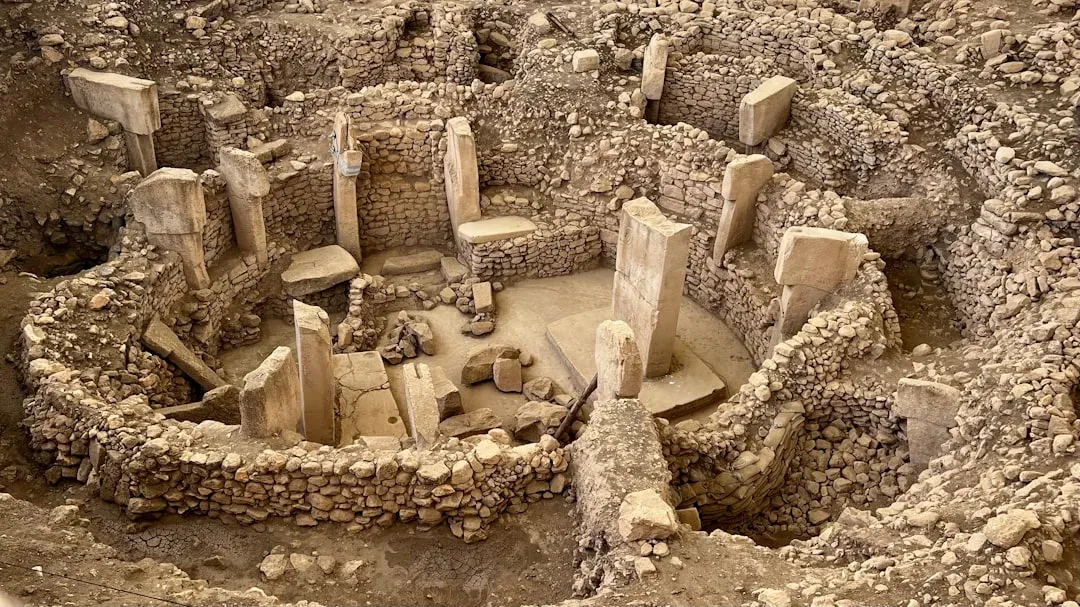
Göbekli Tepe breaks the timeline. It’s roughly 11,000 to 12,000 years old, built by hunter-gatherers who, according to the old textbooks, shouldn’t be organizing large labor forces or running complex stone projects. Yet the site has T-shaped pillars reaching up to 6 meters high and weighing 10 to 20 tons, intricately carved and arranged in stone circles.
There are no known metal tools, domesticated draft animals, or pottery here – just stone, bone, and wood. We can cut and move similar stones today; that’s trivial with modern equipment. What we can’t reconstruct with confidence is the whole social-technical system: how a pre-agricultural society coordinates quarrying, transport, and erection, and how they stabilize tall, slender pillars in circular enclosures without any known surveying gear.
- Coordinating quarrying and transport with a pre-agricultural social structure.
- Stabilizing tall, slender pillars with no known surveying tools.
Experimental archaeology has not yet recreated a Göbekli-scale stone circle using only technologies demonstrably available to late Pleistocene hunter-gatherers.
The site forces us to admit we don’t fully grasp their organization or methods. And China has a version of this mystery with no debris pile to explain.
#4 – The Longyou Caves’ Chisel-Perfect Halls, Zhejiang, China
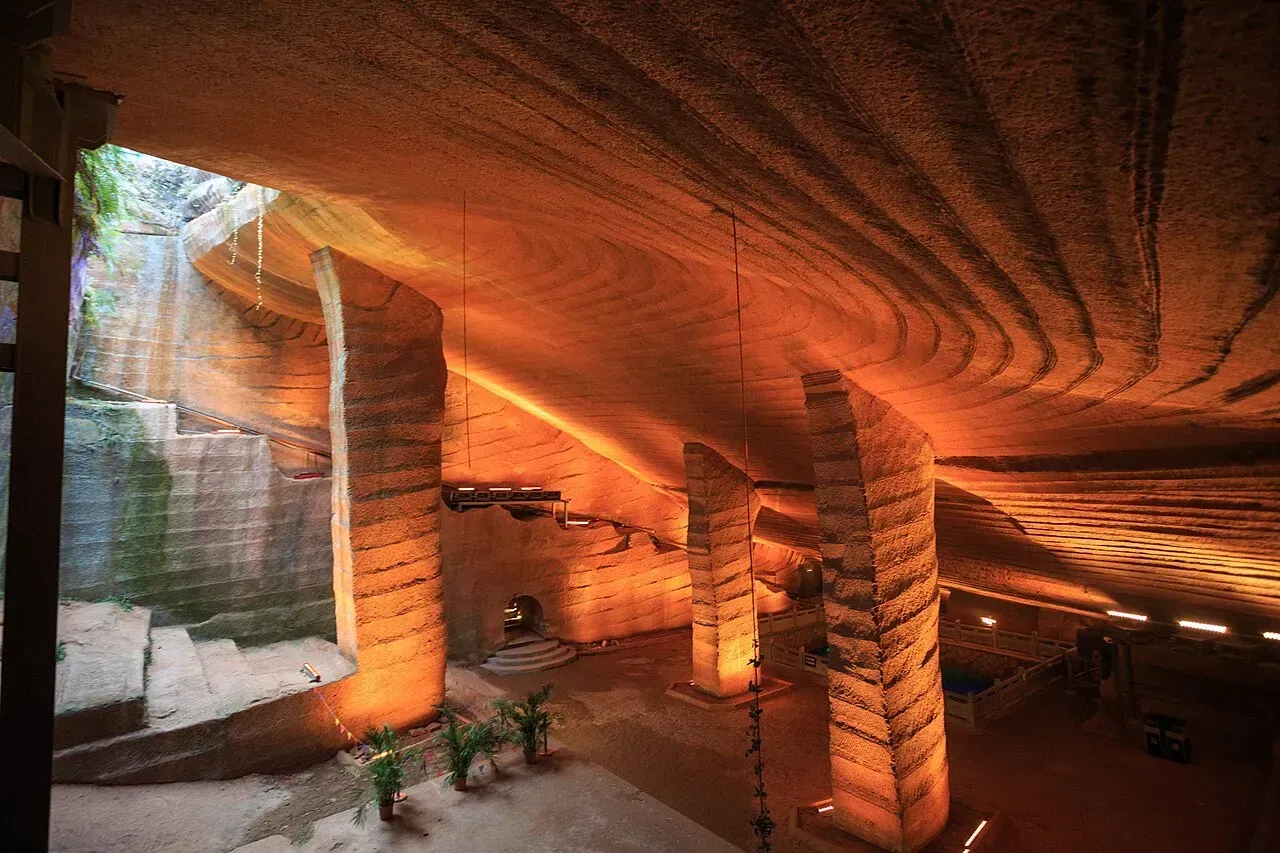
In 1992, villagers drained what they thought were bottomless ponds and found 24 massive man-made caverns hiding underneath, some spanning over a thousand square meters, with ceilings held up by precisely spaced stone pillars. Every surface, floor to ceiling, is covered edge-to-edge in parallel chisel marks, so evenly angled and spaced they look almost machine-cut. There is no historical record, inscription, or local legend explaining who carved them, when, or why.
The mystery isn’t just who did it – it’s where the rock went. Hollowing out caverns this size by hand would generate a mountain of removed stone, yet no spoil heaps or waste piles matching that volume have ever turned up nearby. Every hall shows the same disciplined, uniform tool-mark pattern, suggesting either an extraordinarily organized workforce or a technique we simply haven’t identified.
- Uniform, machine-like chisel-mark spacing repeated across all 24 caves.
- No debris pile ever found matching the volume of stone removed.
No modern excavation project has reproduced the Longyou Caves’ scale and mark uniformity, and no one has explained where the removed stone went.
India’s answer to this puzzle is even harder to fake, because you can’t undo a mistake carved into a mountain.
#3 – The Kailasa Temple, Ellora, India
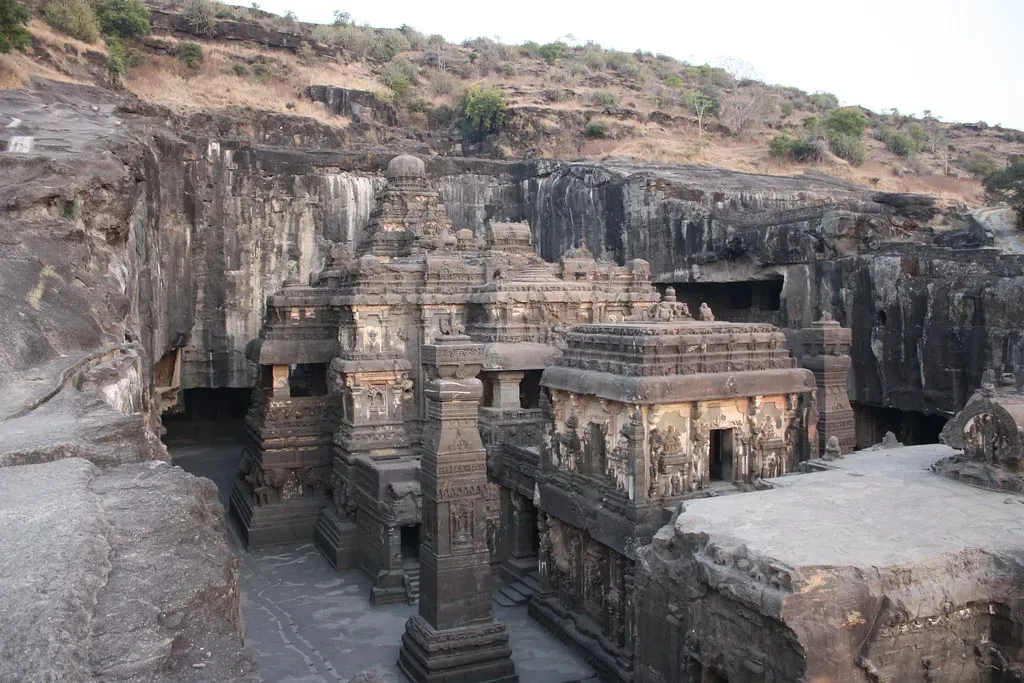
Kailasa temple looks like it was assembled stone by stone. It wasn’t. It was carved downward from a single basalt cliff, essentially excavating an entire multi-story temple complex out of solid rock. That means every mistake was permanent – you couldn’t “add a block” to fix an error. You had to plan the final three-dimensional volume before removing thousands of tons of stone.
We know chisels, hammers, and abrasives can sculpt basalt. But Kailasa’s sheer coordination is the real puzzle: maintaining alignment of pillars, courtyards, and sculptures as you dig downward, while managing debris removal at scale with nothing but manual labor and animals. For modern engineers, the logistics and sequencing of such a project, done entirely by hand, remain partly opaque.
- Maintaining alignment of pillars, courtyards, and carvings while digging downward.
- Managing thousands of tons of debris removal with only manual labor and animals.
No contemporary team has fully replicated a Kailasa-sized, top-down monolithic temple using only historically accurate tools, techniques, and timeframes.
Worth Knowing
- Carved from a single basalt outcrop, with an estimated 200,000-plus tons of rock removed entirely by hand.
- Commissioned by the Rashtrakuta king Krishna I in the 8th century CE.
- Stands roughly 30 meters tall from base to the top of its temple tower.
- Believed to have taken decades to complete, using only chisels, hammers, and wedges.
We can simulate the geometry on computers, but that’s not the same as demonstrating the long-term, error-tolerant construction strategy in real rock. Bolivia is where this argument gets genuinely heated.
#2 – Puma Punku’s Precision-Cut Stone Blocks, Bolivia
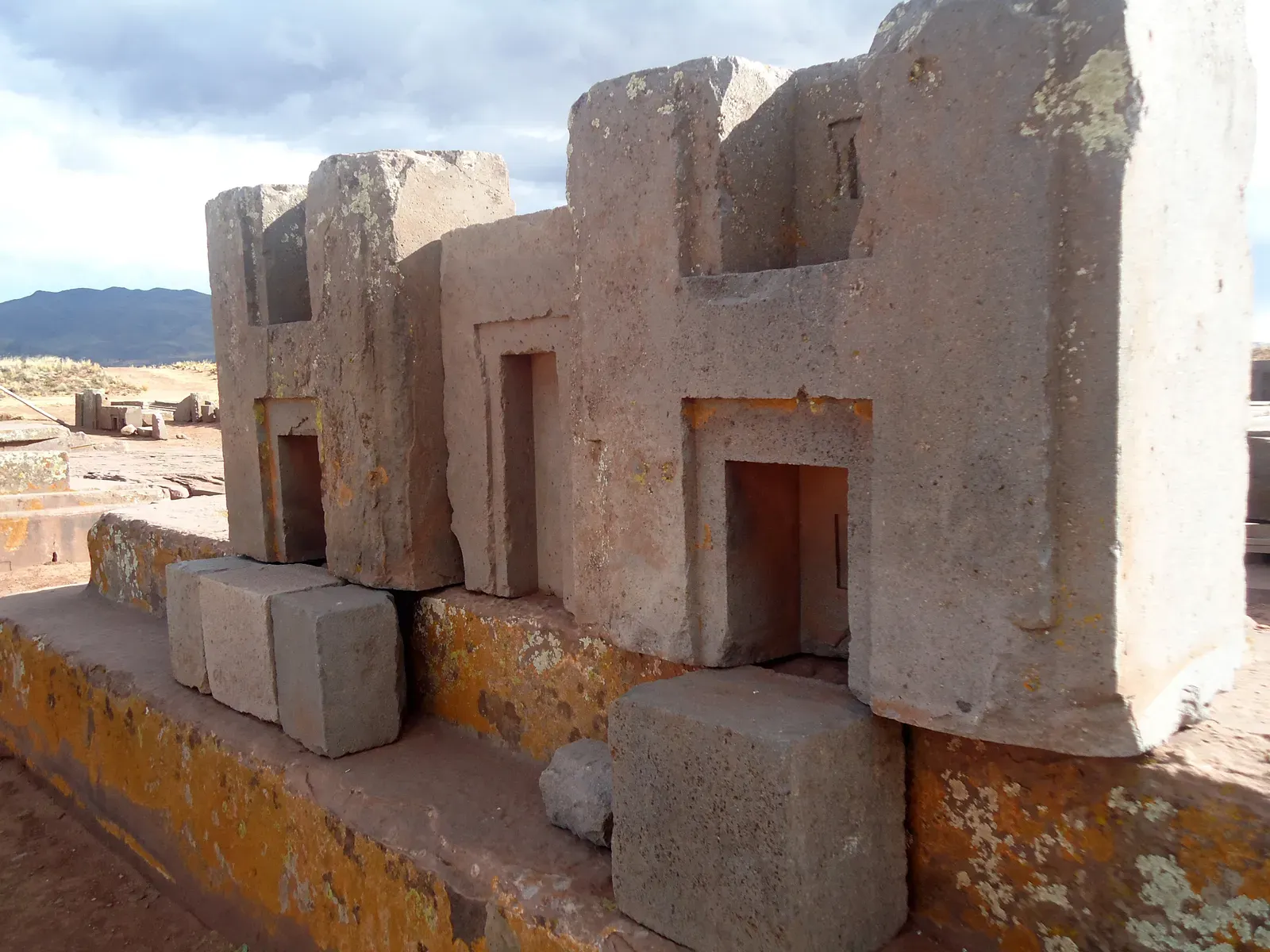
Puma Punku is the site engineers bring up when they want a fight in the comments. Scattered across the plateau are andesite and sandstone blocks, some forming the famous “H-blocks,” with sharply defined right angles, grooves, and complex recesses. Under magnification, many cuts look unnervingly straight. Some edges are so crisp that, in places, tolerances approach a fraction of a millimeter, at least on short runs. For stone tools with no iron or steel, that precision is awkward.
Any sufficiently advanced technology is indistinguishable from magic.
Arthur C. Clarke
Orthodox explanations propose patient pecking and grinding with harder stones and sand, plus simple measuring tools and templates, refined through trial and error. In principle, this works. In practice, no modern experiment has recreated multiple Puma Punku-style blocks, at original scale, with matching detail and finish, using only tools unambiguously known from Tiwanaku-era contexts.
- Cutting fraction-of-a-millimeter tolerances into hard andesite with stone tools.
- Reproducing matching H-block geometry across multiple stones, not just one showpiece.
No modern experiment has recreated multiple Puma Punku-style blocks, at original scale, with matching detail and finish, using only tools unambiguously known from Tiwanaku-era contexts.
That’s why some engineers argue we’re underestimating their metrology and tooling sophistication. But nothing on this list beats a dome that’s outlasted every empire since Rome.
#1 – The Roman Pantheon’s Unreinforced Concrete Dome, Rome, Italy

If you think ancient concrete is “primitive,” the Pantheon is a slap in the face. Its dome spans about 43 meters, built around 125 CE, and it’s still the largest unreinforced concrete dome in the world. No steel rebar. No post-tensioning cables. It has survived earthquakes, weathering, and centuries of modifications without them.
We understand Roman concrete recipes in theory – volcanic ash, lime, aggregate – but we still don’t fully replicate the Pantheon’s performance in a modern, rebar-free structure. Engineers can design huge domes today, but we build them with reinforced concrete, steel frames, or composite shells. Matching the Pantheon’s material behavior over 1,900-plus years, along with its construction sequencing using wooden formwork and manual mixing, remains an open challenge.
- Material behavior that has held up for over 1,900 years without steel reinforcement.
- Construction sequencing using only wooden formwork and manual mixing.
No modern project has built a comparably large, unreinforced concrete dome with only Roman-era materials and methods and then proven it can endure for centuries.
Fast Facts
- The dome’s diameter and its interior height are both about 43.3 meters – a perfect sphere would fit exactly inside.
- Completed around 125 CE under Emperor Hadrian, on the site of an earlier temple.
- The 9-meter oculus at the dome’s peak is the building’s only light source and has never been sealed.
- Nearly 1,900 years later, it remains the largest unreinforced concrete dome on Earth.
The Bottom Line
Strip away the documentaries and the clickbait, and a harsh truth remains: we have blueprints of the past, not playbooks. From Stonehenge and Newgrange to the Great Pyramid, Sacsayhuamán, Baalbek, Göbekli Tepe, Teotihuacan, the Longyou Caves, Kailasa, Puma Punku, and the Pantheon, engineers can describe a plausible method for each one. Nobody has reproduced the full-scale, historically faithful construction process with the same speed, precision, and durability the originals actually achieved.
Personally, I think that’s healthy. It forces some humility into a tech culture that assumes “newer” automatically means “smarter.” Some of our ancestors’ best tricks are still just out of reach, and honestly, I’d bet Puma Punku and the Longyou Caves stay unsolved the longest.
So which one would you bet gets cracked first, and which one do you think we’ll never fully explain? Drop your pick in the comments – I want to hear the argument, not just the answer.