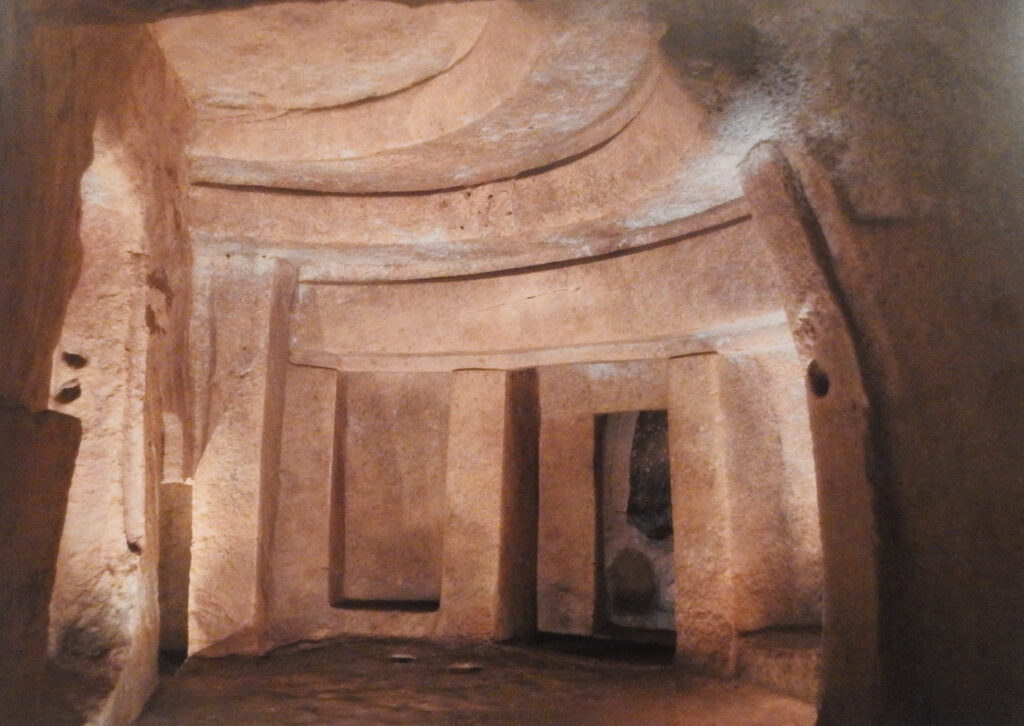
Ask a quarry engineer what “no tool marks” really means, and you won’t hear the word “aliens.” You’ll hear something quieter and, honestly, more unsettling: “we don’t actually know.” In a handful of underground chambers scattered across the ancient world, surfaces are so clean, so uniform, that no chisel pattern, saw stroke, or drill scar can be recovered with the tools we have today.
That’s not a UFO story. It’s a data problem – and once you see how many respected engineers and geologists are quietly stuck on it, you won’t look at these places the same way again. Here are the 11 chambers where the paper trail of “how” simply runs out.
#11 – The “Perfect” Granite Boxes of the Serapeum, Egypt
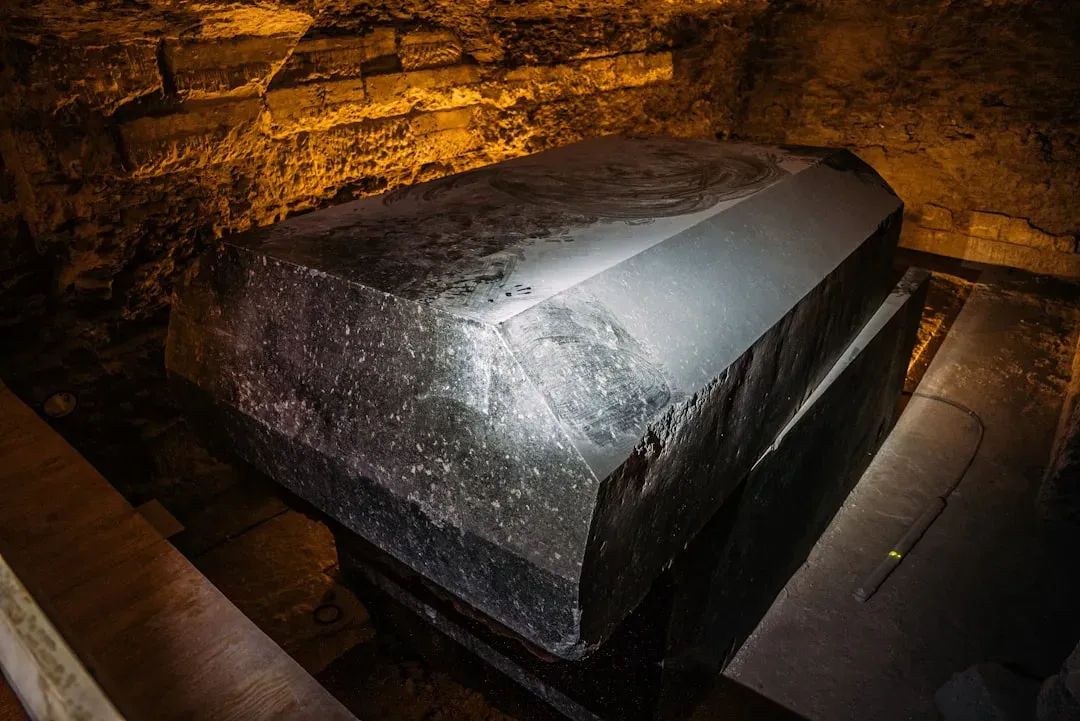
Walk the underground corridors of the Serapeum at Saqqara and you’ll see exactly what you’d expect: rough quarry gouges, chisel scars, the honest mess of ancient labor. Then you step up to one of the massive granite boxes inside, and the walls go glassy. Flat. Reflective. No repeatable tool pattern survives under normal inspection.
That contrast – brutal tunnels next to mirror-smooth stone – is what keeps engineers arguing decades later. Materials scientists insist “no recoverable marks” doesn’t mean no tools; granite’s mineral structure can bury fine grooves, especially after centuries of micro-abrasion and later polishing. But metrology reports hinting at near-machine flatness keep resurfacing anyway, and even the skeptics admit the dataset is too thin to shut the door for good.
Fast Facts
- Location: Saqqara necropolis, Egypt
- Discovered: 1850, by French Egyptologist Auguste Mariette
- Material: Granite and dolerite boxes, some estimated at 60-100 tons
- Layout: Roughly two dozen niches cut into connected underground galleries
#10 – The Hypogeum of Ħal Saflieni, Malta’s Acoustic Enigma
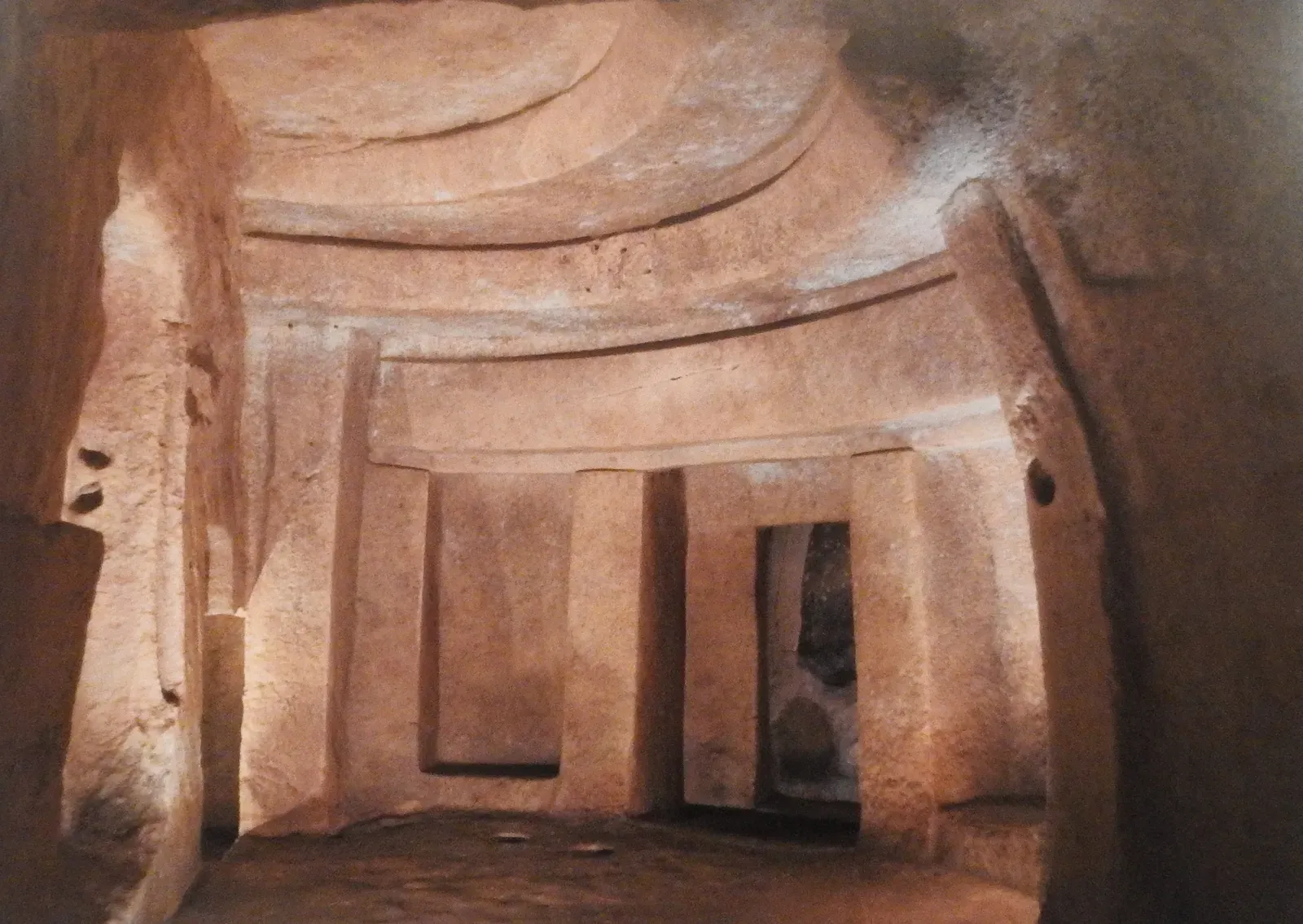
This one isn’t famous for what it looks like. It’s famous for what it does to your voice. Certain chambers in Malta’s Hypogeum – especially the so-called Oracle Room – are carved into curves so precise that a single spoken word can resonate at specific frequencies with a kind of eerie, physical intensity.
Here’s the part that bothers structural engineers: many of those curved surfaces show no systematic tool pattern at all, despite being cut directly into limestone by hand. Crude picks should leave chaotic faceting. Instead, the wall-to-ceiling transitions are unnervingly smooth. Conservationists blame prolonged abrading, plastering, humidity, and salt crystallization for erasing the evidence – a reasonable theory that still leaves the acoustic precision itself completely unexplained.
#9 – The Rock-Cut Vaults Under the Western Wall, Jerusalem
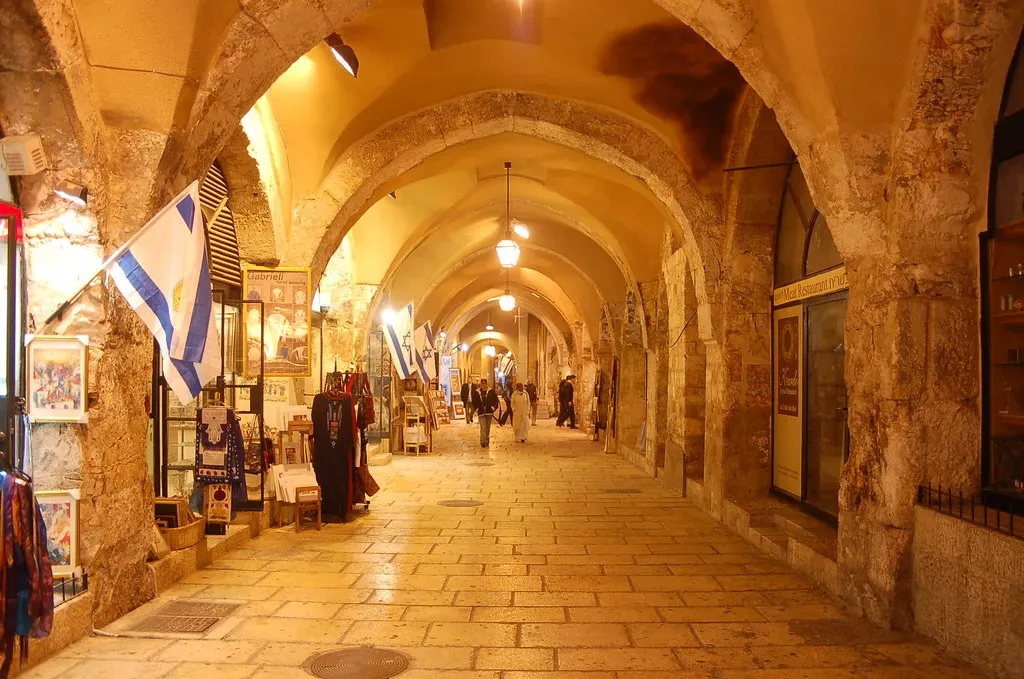
Beneath Jerusalem’s Old City, tunnels and chambers show the usual mix of rough quarry work, bedding planes, and centuries of weathering. Then you hit certain vaulted ceilings where the expected chisel scarring simply isn’t there. No repetitive strike pattern. No obvious hand-cutting rhythm. Just clean, oddly uniform stone.
Most archaeologists have a fair rebuttal: urban sites get plastered, limewashed, and restored for centuries, and that alone can bury primary tool marks completely. But some civil engineers modeling the load paths in those vaults still want higher-resolution scans – because a few of those spans look more geometrically regular than their cramped, awkward excavation conditions should have allowed.
#8 – The Subterranean “Cave 3” System at Ellora, India
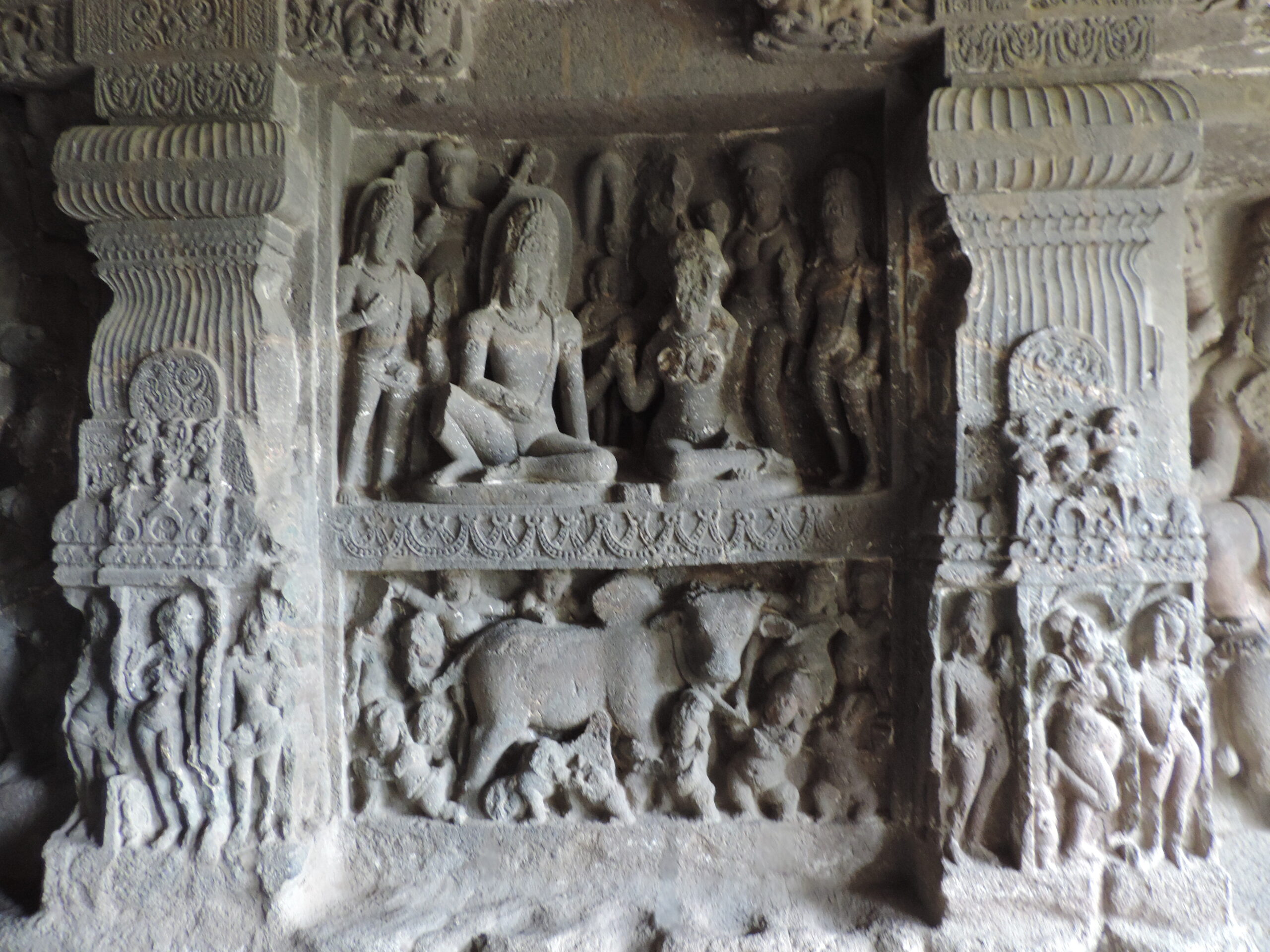
Skip the tourist-packed halls of Ellora and head into the lesser-visited subterranean shrines, and you’ll notice something strange happening on a single wall. Basalt shifts from clearly pick-marked rock to patches of unusually smooth, planar stone with no chisel trails or pick facets whatsoever. Same wall, same builders, two completely different stories.
Geotechnical specialists point to natural joint-plane weathering, centuries of soot and mineral film, and ritual rubbing and repainting as plausible culprits. Fair enough. But recent 3D photogrammetry from Indian rock-cut sites shows flatness and alignment in a handful of rooms that’s better than what lamp-lit, hand-swung quarrying should realistically produce. No one credible is whispering “lasers” – but several engineers now think we’ve badly underestimated how well low-tech abrasion can hide its own fingerprints.
At a Glance
- Site: Ellora Caves, Maharashtra, India
- Carved: Roughly 600-1000 CE
- Scope: 34 caves representing Buddhist, Hindu, and Jain traditions
- Status: UNESCO World Heritage Site since 1983
#7 – The Tight-Fit Cavities Beneath the Temple Mount Platform

Under the massive stone platform of the Temple Mount, early surveyors mapped cramped, rock-cut cavities and channels whose original purpose is still debated. What keeps catching engineering eyes today are the clean, almost machined-looking corners and seats where no reproducible tool marks have ever been documented.
For structural engineers, those seats aren’t a curiosity – they’re a liability question, because they may have carried extreme point loads for two thousand years. Geologists push back with a solid point: 19th- and early-20th-century documentation was sloppy at best, so absence of recorded marks isn’t proof of absence. Still, modern engineers assessing long-term stability keep flagging these zones for one blunt reason – if you can’t see how a bearing surface was prepared, you can’t confidently predict how it ages under stress.
#6 – The Polygonal Sub-Chambers at Sacsayhuamán, Peru
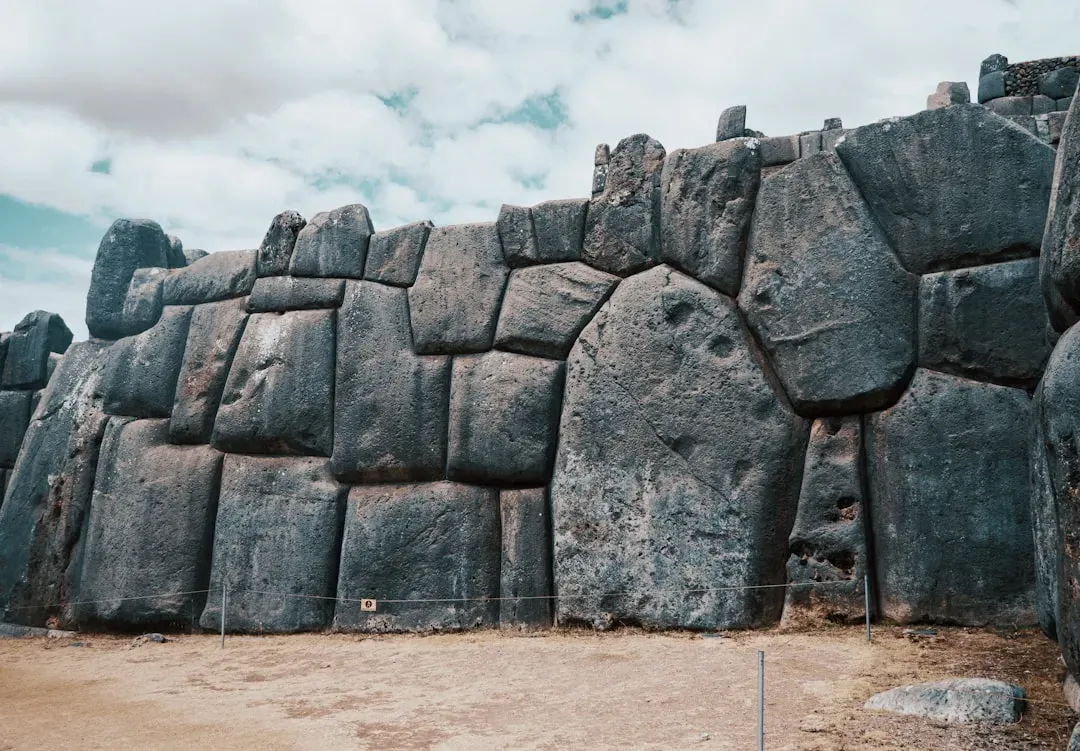
Everyone photographs the polygonal walls above Cusco. Engineers care more about what’s hiding behind and beneath the blocks – tight cavities and interlocking sockets where the contact surfaces fit so closely, and show so little identifiable tool chatter, that some engineers half-joke the stones were “poured, not placed.”
Serious materials experts reject that idea outright, favoring repeated lifting, checking, and rubbing of blocks with grinding stones and sand until an almost tool-less finish emerges naturally. The problem is that this process leaves only microscopic wear signatures, not crisp chisel lines – which makes modern forensic analysis nearly impossible. When the only surviving evidence is the last few microns of a fitted joint, even skeptical engineers admit they’d trade a lot for in-situ micro-profilometry of those hidden contacts.
Worth Knowing
- Some Sacsayhuamán blocks are estimated to weigh well over 100 tons
- The walls were fitted without mortar, relying on precision alone
- Construction is generally dated to the 15th century, under Inca rule
- The site sits above Cusco, Peru, at roughly 3,700 meters elevation
#5 – The Osireion’s Flooded Lower Chambers, Abydos
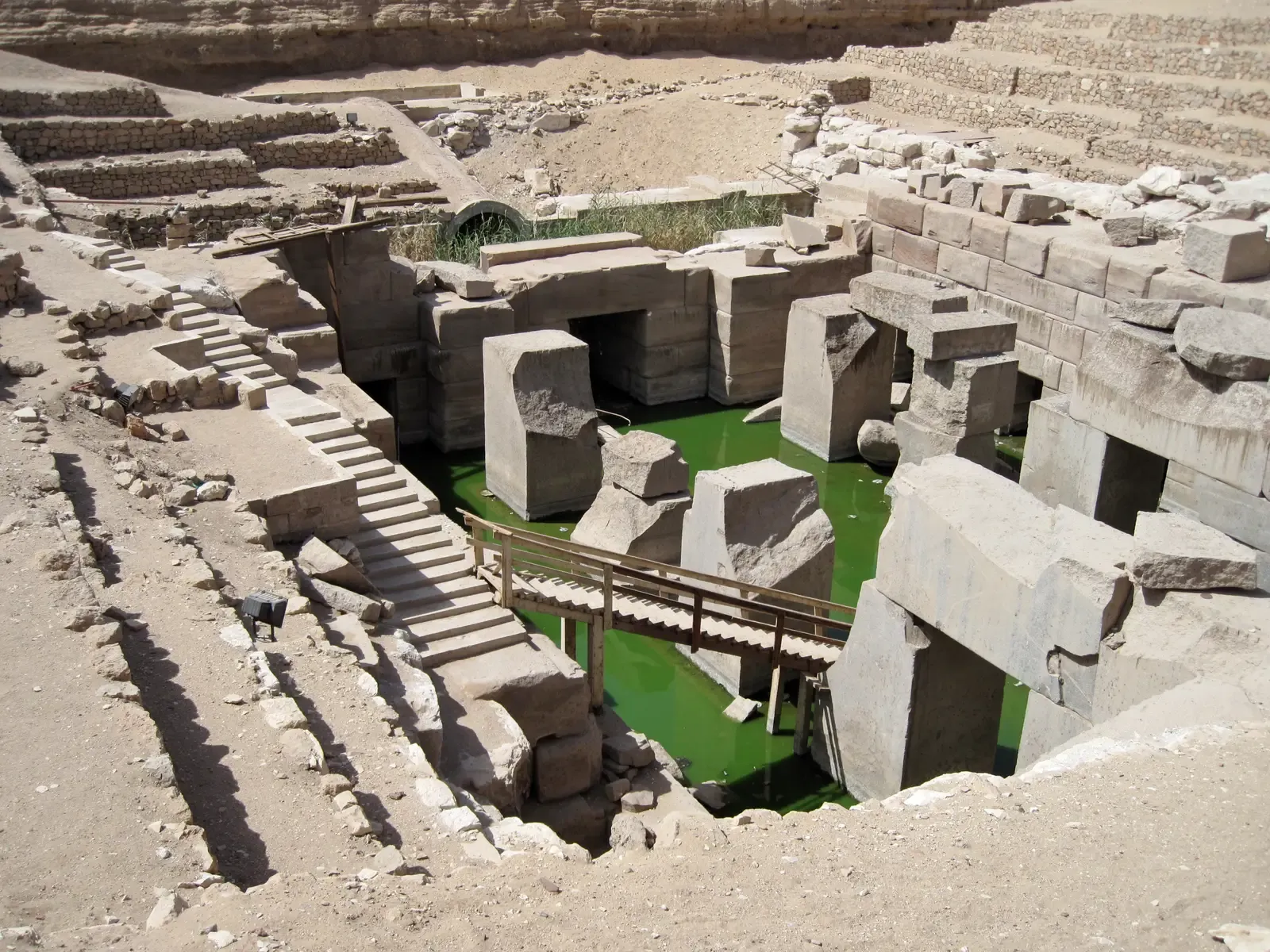
At Abydos, the Osireion sits lower than most visitors ever notice, and its partially flooded rock-cut passages raise a recurring question in engineering circles. Divers and surveyors describe vertical and horizontal planes with minimal, if any, consistent tool scarring visible to eye or camera – in soft sandstone, where you’d normally expect obvious, ugly hacking marks.
Water is the prime suspect. Millennia of submersion, chemical weathering, and silt can soften and erase shallow incisions until there’s nothing left to read. But hydraulic engineers studying the layout keep noticing something else: certain channels and basins have cross-sections that look more regular than random, almost optimized for specific water flow. Maybe that’s overreading limited data. Maybe it isn’t – and that ambiguity is exactly why the Osireion stays on engineers’ “needs better data” list.
#4 – The Unmarked Drainage Galleries of Petra, Jordan
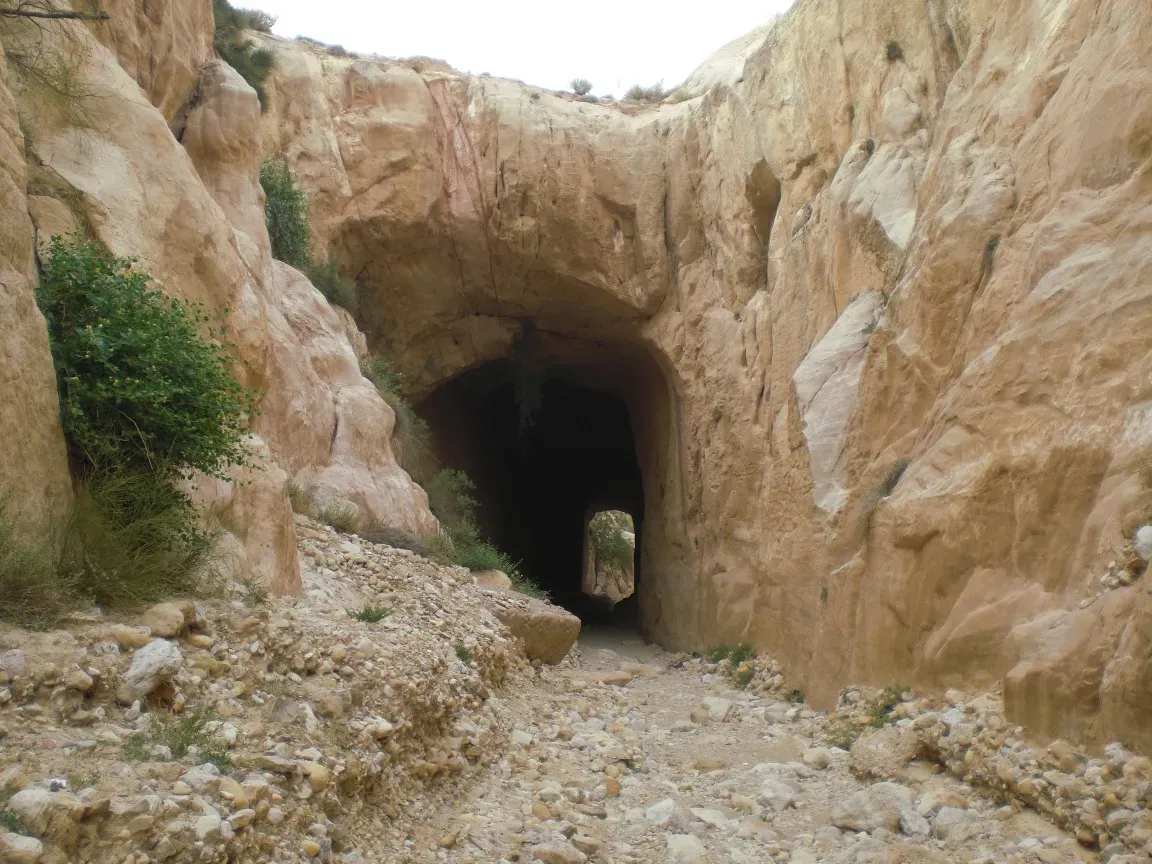
Petra gets famous for its carved façades, not for what’s running underneath them. But civil and hydraulic engineers quietly obsess over its hidden drainage galleries, where certain rock-cut channels and settling chambers look strangely uniform – more like cast concrete flumes than hand-pecked sandstone.
Hydrologists have a tidy explanation: sand-laden runoff is a ruthless natural sandblaster, capable of scouring away micro-features over centuries and leaving deceptively smooth walls. That’s plausible. But when practicing drainage engineers – not fringe theorists, people who design modern culverts for a living – map the slopes and cross-sections of these channels, they keep saying the same thing: this looks like survey-driven design, not guesswork. We just don’t have the micro-scale surface data to prove how they actually cut it.
#3 – Cappadocia’s Rock-Cut Ventilation Shafts, Türkiye
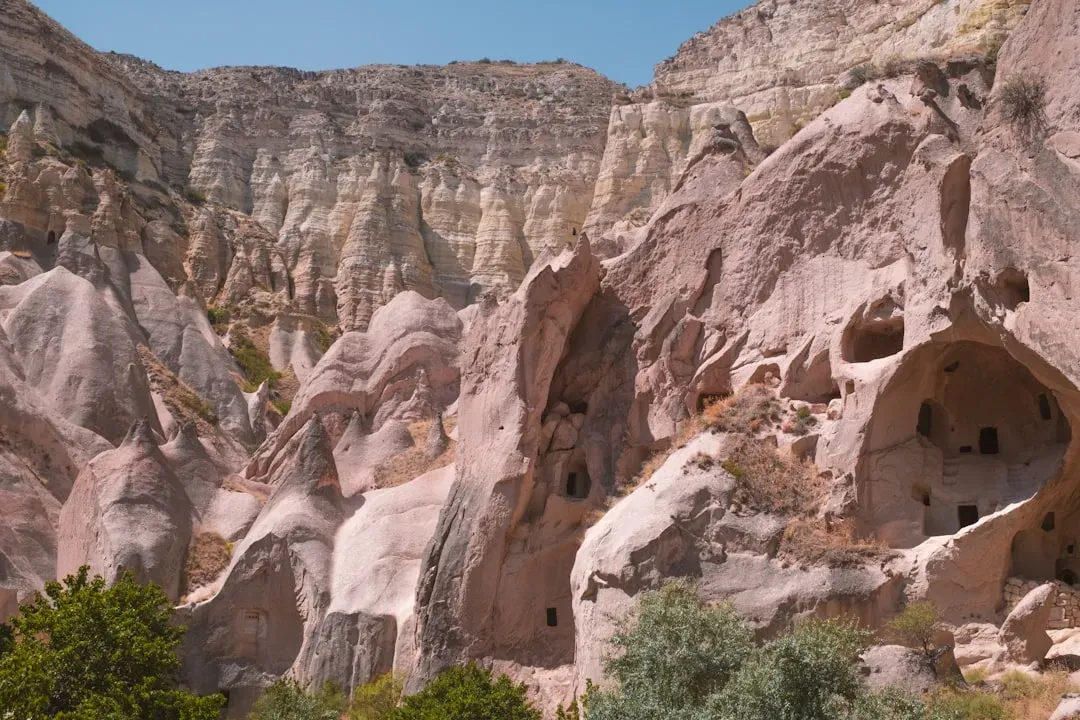
Cappadocia’s underground cities are all over social media now, but engineers are staring at something the tourists walk right past: long, narrow ventilation shafts twisting tens of meters through volcanic tuff, where many internal walls show no clear, repeating strike marks along their full height. In cramped conditions like that, messy and faceted is the expected result. Smooth and consistent is not.
Geologists note that tuff is soft enough to scrape smooth after rough excavation, and that centuries of airflow carrying fine dust may have slowly sandpapered away the worst irregularities. Reasonable. But mining engineers who’ve crawled comparable older shafts elsewhere say Cappadocia’s passages feel deliberately re-profiled – a dedicated finishing pass tuned for airflow and structural stability, not an accident of erosion. If that’s right, the missing tool marks aren’t a mystery. They’re evidence of a design decision we still don’t have the scans to confirm.
#2 – The Precision-Looking Rock Chambers of Baalbek, Lebanon
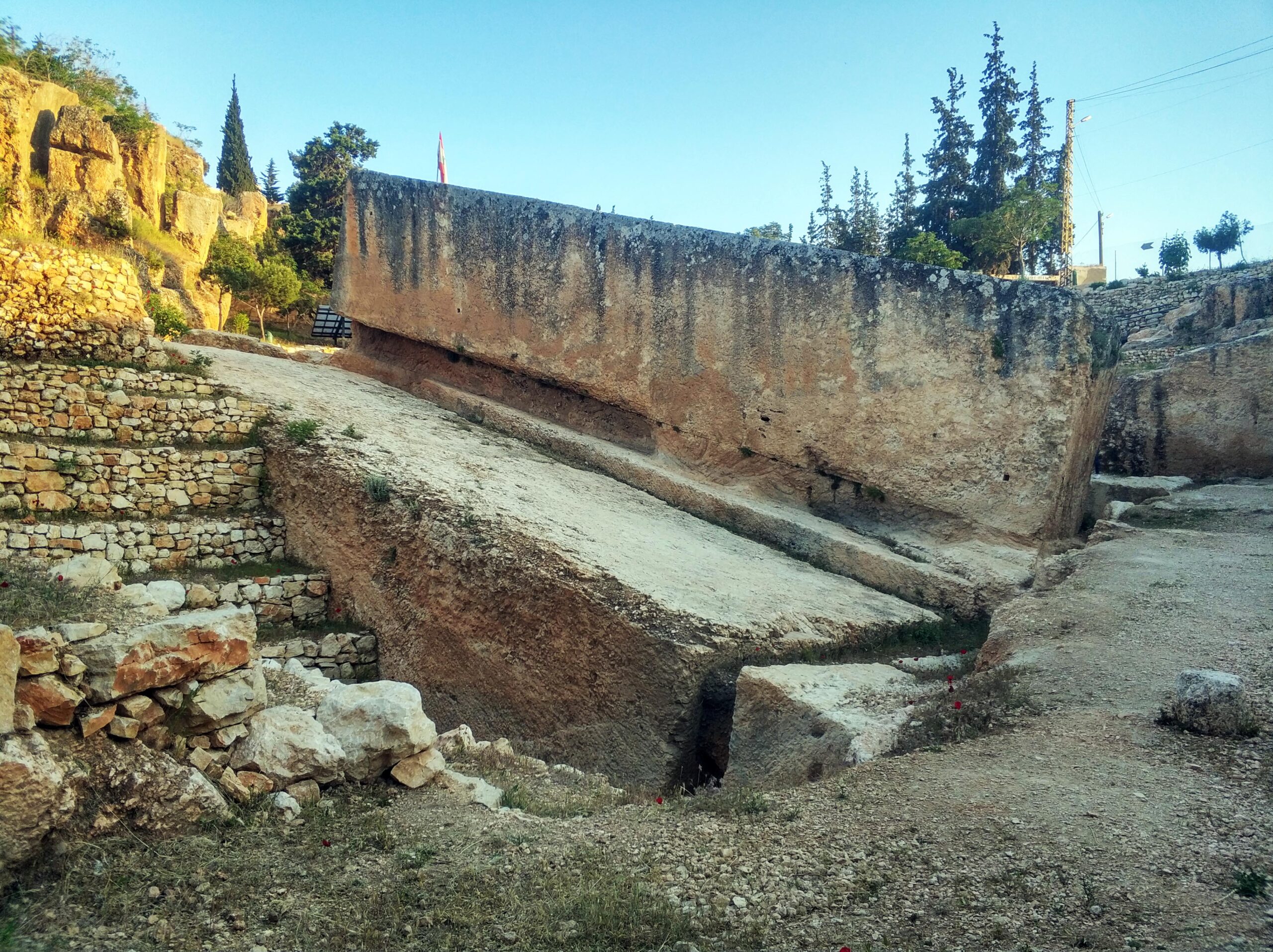
Baalbek is usually discussed for its cyclopean foundation stones, but the lesser-known rock-cut chambers and trenches beneath the platform deserve just as much attention. Where bedrock was cut to receive massive blocks, legacy surveys show bearing surfaces that are remarkably planar and clean, with no documented chisel sequence at all. In a high-load seat, that’s not a minor detail.
Geotechnical engineers point out that colossal loads can crush and self-smooth contact zones over centuries, and that lime leaching and micro-fracturing muddy the surface record further. Fair points. But the geometry of some cut sockets – tight corners, coherent slopes, consistent elevations across multiple seats – has convinced some observers that far more disciplined, iterative dressing went into this platform than traditional narratives give it credit for. Not laser levels. Just relentless, high-labor precision built to look effortless.
Quick Compare
- Granite & dolerite: Serapeum, Baalbek bearing surfaces
- Limestone: Hypogeum of Ħal Saflieni, Western Wall vaults
- Sandstone: Osireion, Petra drainage galleries
- Volcanic tuff & basalt: Cappadocia shafts, Ellora’s Cave 3
#1 – The So-Called “Unfinished” Chamber Under the Great Pyramid
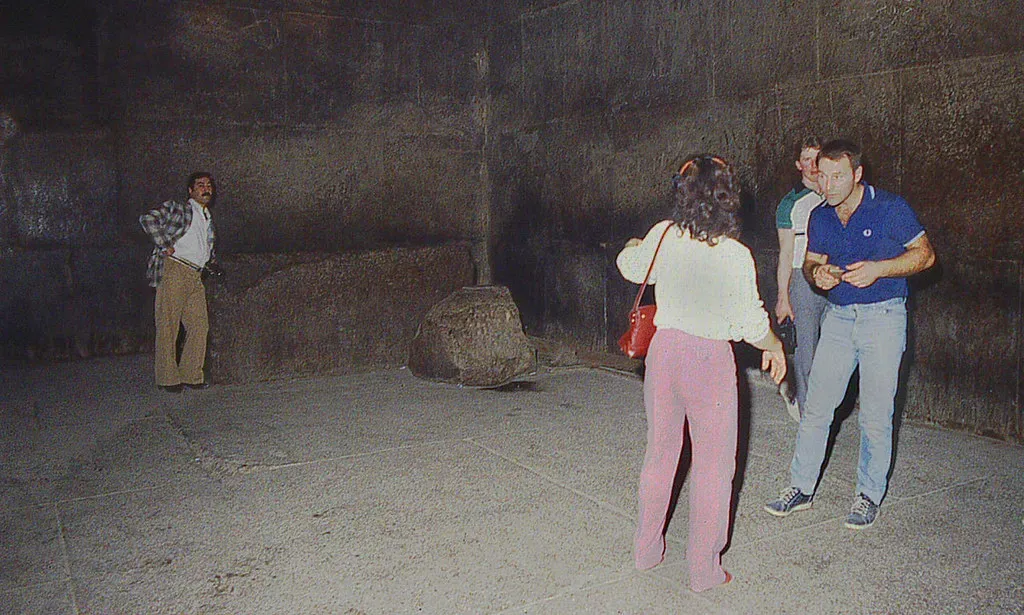
The most argued-over underground space on Earth might be the sub-terranean chamber beneath the Great Pyramid of Giza. Walk in, and it looks rough, abandoned, unfinished – exactly what mainstream Egyptology calls it. But engineers who’ve studied detailed surveys keep circling back to specific wall and ceiling zones where the planes and angles are far more regular than the rest of the room, with no reliably documented tool pattern to explain them.
Patchy roughness sitting right next to pockets of quiet precision – that combination is what fuels the controversy decade after decade. Most engineers accept the “abandoned design phase” explanation, but they’re honest about the discomfort: without proper high-density 3D metrology, the “mystery zones” could turn out to be nothing more than normal manual quarry variance. Until that scan exists, the most famous underground chamber on the planet is still running on narrative, not hard surface analytics – and that should bother more people than it does.
The Bottom Line

Here’s the uncomfortable, honest answer: yes, there are underground chambers on this list where no recoverable, unambiguous tool marks remain – at least not at the resolution and locations we’ve bothered to actually document. That’s a real gap. It’s just not the gap the internet wants it to be.
It usually comes down to weathering, later reworking, polishing, water flow, cramped access, sloppy early documentation, and the brutal limits of low-resolution surveys done decades or centuries ago. Nobody needs lost machines or secret energy beams to explain a missing chisel mark – they need a forensic-grade 3D scanner and the funding to use it.
And that’s the part that actually annoys me. We scan bridges and airplane fuselages down to the micron because lives depend on it. We’ve barely done the same for chambers that have puzzled us for thousands of years. Until that changes, the mystery isn’t ancient engineering – it’s modern laziness. Which of these eleven strikes you as genuinely unexplainable, and which one do you think is just bad data waiting for a better scanner?