
Everyone assumes “extinct” is a locked door, a final word, a line drawn in stone. But scientists keep finding cracks in that door – bones that look too fresh, tracks that shouldn’t exist, fishermen swearing they saw something that was supposedly gone a century earlier. Extinction, it turns out, is usually a best guess made by someone who stopped looking too soon.
Some of these “ghosts” aren’t just folklore. Researchers have gone back through old ship logs, Indigenous knowledge, museum drawers, and acoustic recordings, and the picture that’s emerging is stranger than the textbooks let on. Here are 12 animals officially declared extinct that may have quietly outlived their own obituaries.
12. The New Zealand Moa That Just Won’t Die
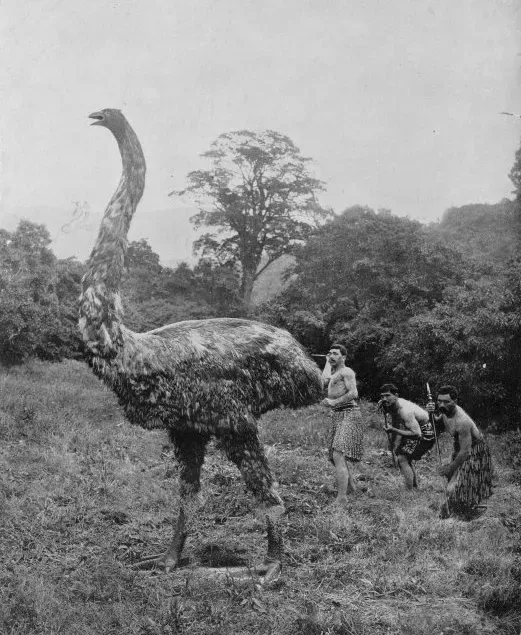
Some biologists now argue that New Zealand’s legendary moa might have limped into modern times far longer than textbooks admit. These massive, flightless birds were declared extinct by the 15th century, wiped out by overhunting and habitat loss. Yet 19th- and even 20th-century explorers reported huge, three-toed tracks and fresh droppings deep in remote valleys, long after the species was supposed to be gone.
Most academics brushed the reports off as misidentification or exaggeration. But recent re-analyses of Māori oral histories and settler journals suggest not all those accounts are so easy to dismiss, and a few bones collected in the 1800s looked suspiciously “fresh” compared to truly ancient fossils. Critics say that’s still nowhere near proof, and they’re probably right. But it exposes just how fragile extinction timelines can be in places nobody was watching closely enough. If something as huge and clumsy as a moa might have overlapped with European settlement, what else slipped through? Wait until you see what happened in the frozen north.
Fast Facts
- New Zealand was home to nine species of moa roamed New Zealand until the 1400s, ranging from turkey-sized to true giants.
- The largest species reached about 3.6 metres (12 ft) in height with neck outstretched, and weighed about 230 kilograms (510 lb).
- Bizarrely, all nine moa were unique among birds in having no trace of wing bones – not even vestigial ones.
- Most researchers still peg the extinction window to the 1400s, though disputed sightings keep pushing that date further out.
11. Steller’s Sea Cow: The Giant “Mermaid” That Wouldn’t Sink
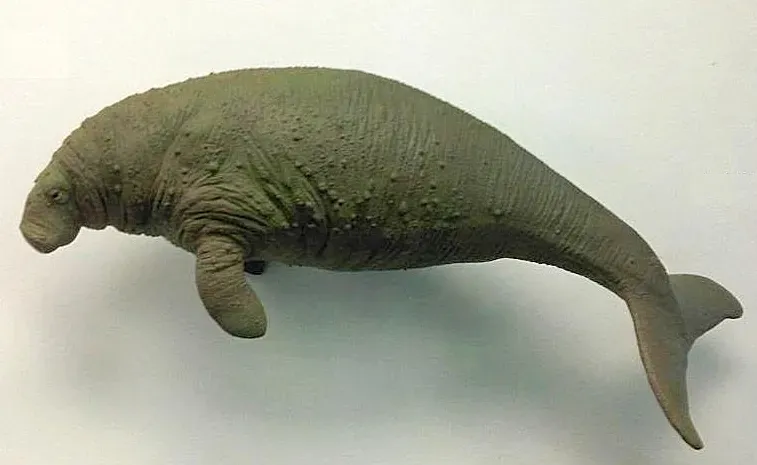
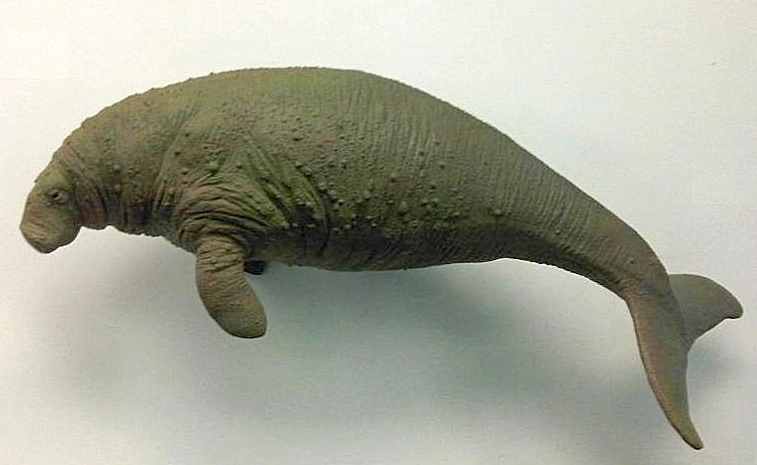
Officially, Steller’s sea cow was hunted to extinction by 1768, barely 30 years after European scientists first described it. Picture a manatee on steroids – up to 30 feet long, drifting through the frigid waters around Russia’s remote Commander Islands. The story is always told as a tidy tragedy: we found it, we killed it, end of chapter.
But scattered ship logs and Indigenous accounts hint that those huge shapes in the water may have persisted into the late 1800s in coves nobody bothered to check. Modern marine biologists are split. The animal was slow-breeding and painfully easy to hunt, yes – but the ocean has “dark zones” that go years without a single trained observer passing through. A few researchers now suspect small remnant groups clung on far past the official date, only collapsing later from inbreeding and continued hunting no one documented. It’s a bleak thought, and a warning: we often only notice a species is in trouble after it’s already circling the drain.
10. The Great Auk: The North Atlantic’s Missing Penguin
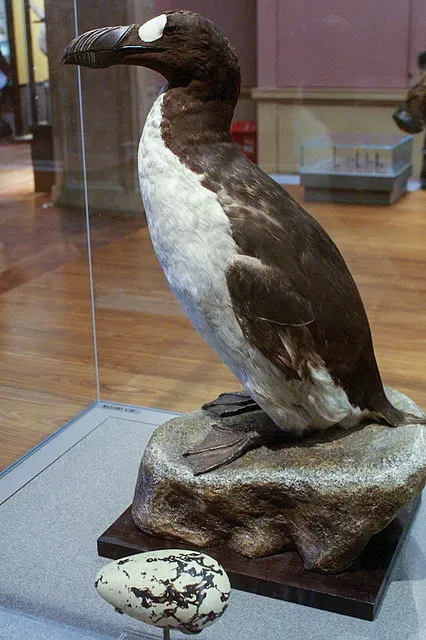
The great auk, a flightless seabird once common across the North Atlantic, was declared extinct after the last known pair was killed in 1844. Textbooks love a clean “last of its kind” moment. Reality, as usual, is messier. Fishermen from Iceland, Newfoundland, and the Faroe Islands kept reporting “strange, big penguin birds” on remote skerries decades after the species was supposedly gone.
Most of those sightings never made it anywhere near a scientific journal. Historians combing back through shipping logs and local newspapers have since turned up multiple plausible 19th-century references that don’t quite match any surviving species. Add in the dense fog, brutal weather, and treacherous rocks that kept many islets practically unvisited, and that 1844 “cut-off” starts to look more like a guess than a fact. No serious ornithologist thinks great auks are secretly alive today, but quite a few now suspect we watched the species fade out over another 20 to 50 years without ever realizing it was happening.
9. The Thylacine: Tasmania’s Striped Tiger That Refuses to Stay Extinct
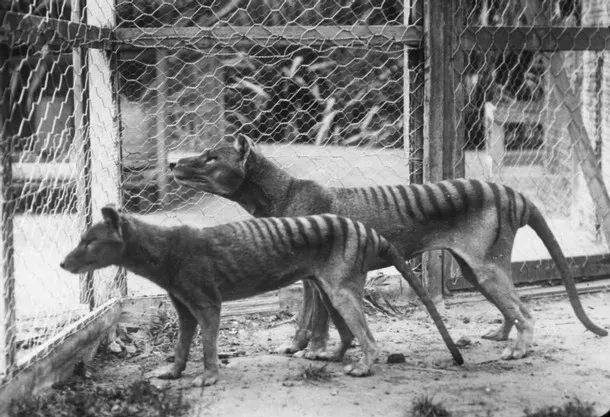
If any “extinct” animal feels like it’s still haunting the present, it’s the thylacine. Officially gone since 1936, this dog-like marsupial with tiger stripes has triggered thousands of modern sightings. Most people roll their eyes and assume it’s wishful thinking dressed up as science. Yet a surprisingly high number of reports come from forestry workers, rangers, and farmers who know local wildlife cold – and they consistently describe the same odd posture, stiff tail, and loping gait.
In the last decade, researchers running statistical models on decades of sighting data have concluded the species likely persisted well beyond 1936, possibly into the 1960s or even the 1980s, before finally winking out. Others argue a tiny relict population could still hang on in Tasmania’s wilder corners or remote parts of mainland Australia. Camera traps haven’t nailed it yet, and skeptics love pointing that out. But absence of good evidence across vast, dense terrain is not the same thing as evidence of absence – especially for a shy, nocturnal carnivore that was never easy to find even when it was common.
At a Glance
- The last captive thylacine, later nicknamed Benjamin, died at Hobart’s Beaumaris Zoo on 7 September 1936, after being accidentally locked out of its shelter during cold weather.
- Tasmania’s government bounty scheme paid more than 2,180 bounties by the end of its scheme in 1909, driving the species toward collapse.
- The thylacine wasn’t formally written off until decades later – the Tasmanian Government didn’t declare it extinct until 1986.
- Some experts believe the species probably clung on in the wild until the 1980s or even later.
8. The Ivory-Billed Woodpecker: America’s “Extinct” Icon Still Knocking
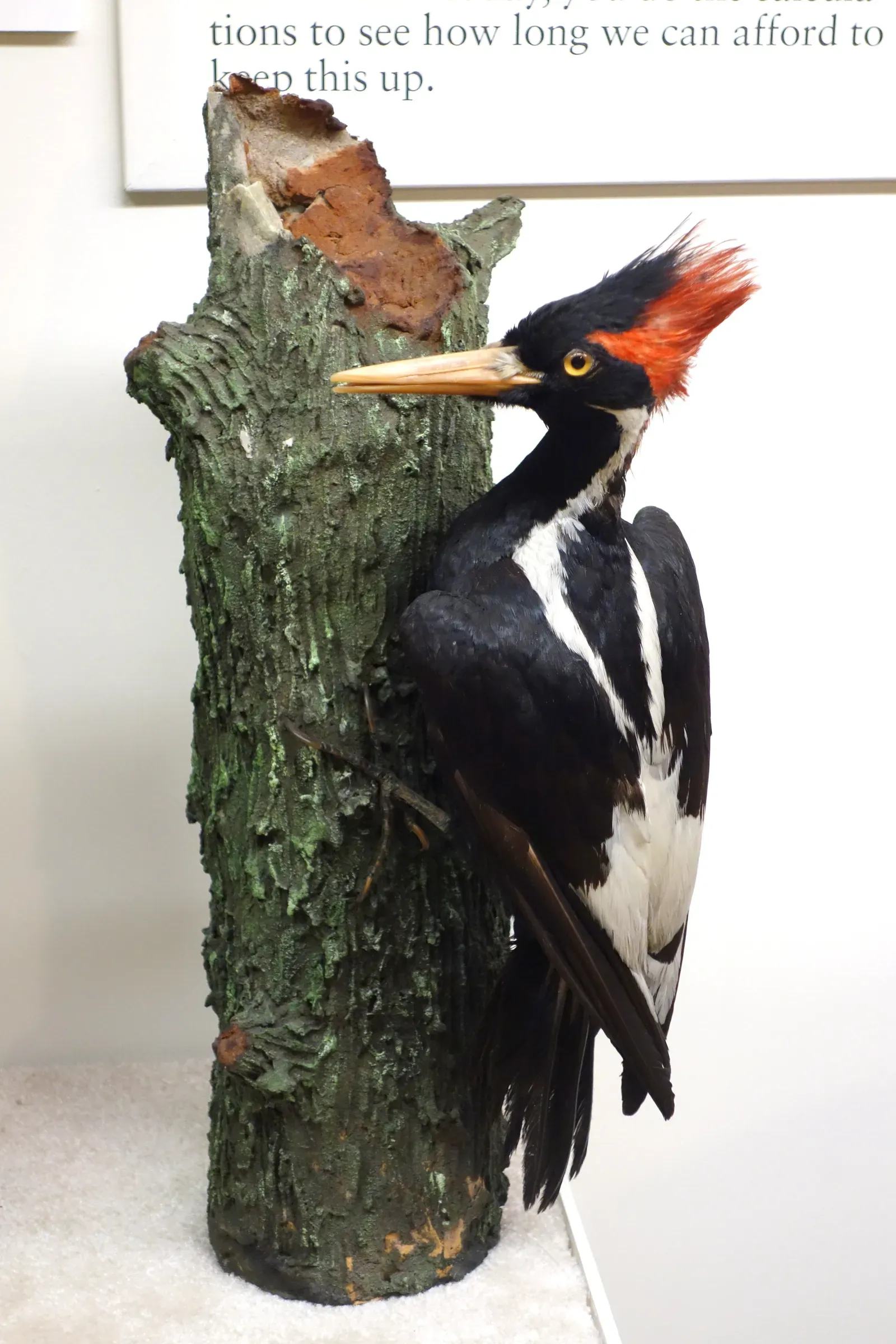
For decades, the ivory-billed woodpecker has been the poster child of extinction in the United States. Logging demolished its swampy bottomland forests, and by the mid-20th century, it was written off entirely. Then, in the early 2000s, a blurry Arkansas video, strange double-knock audio recordings, and several credible sightings rocked the birding world by suggesting the species might still be clinging on.
The debate turned genuinely vicious. Some ornithologists insist the evidence is nothing but misidentified pileated woodpeckers wrapped in wishful thinking. Others, including respected field observers, swear they’ve seen the telltale white wing patches and heard that unmistakable double-knock. The U.S. Fish and Wildlife Service even floated officially delisting the bird as extinct, then delayed the decision after fierce pushback and new data. When a bird lives in flooded, snake-infested forests that almost nobody visits, declaring it definitively gone starts to look less like science and more like paperwork.
7. The Coelacanth: The Fossil Fish That Crashed Its Own Extinction Party
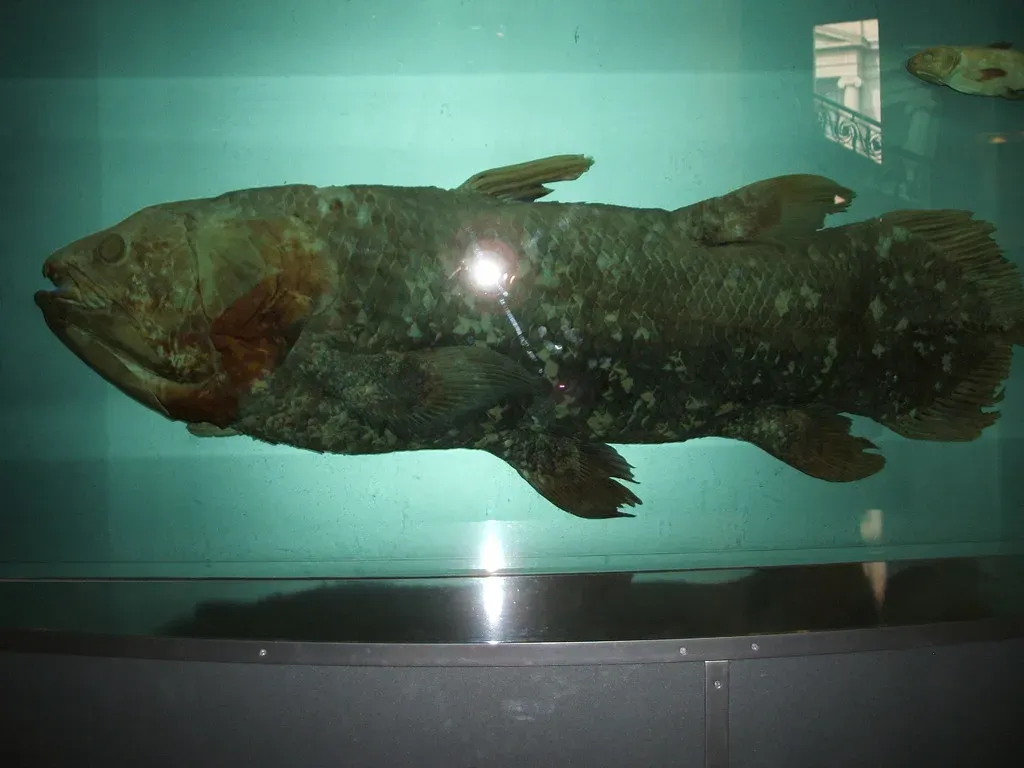
The coelacanth was the textbook example of an ancient fish that vanished with the dinosaurs – until it very much didn’t. In 1938, a South African trawler hauled up a live specimen that looked almost identical to 65-million-year-old fossils. Schoolbooks had confidently taught this lineage was long dead, while entire populations were quietly cruising the deep Indian Ocean the whole time.
Here’s the uncomfortable part: coelacanths weren’t hiding in microscopic numbers. Later surveys found stable groups off Comoros, Madagascar, and Indonesia. The fish wasn’t “resurrected” – we simply hadn’t looked in the right depths with the right gear. When ichthyologist J.L.B. Smith finally examined the specimen, he captured the moment perfectly.
I would not have been more surprised if I had seen a dinosaur walking down the street.
J.L.B. Smith
It remains the ultimate slap in the face to extinction certainty. If a five-foot “living fossil” could dodge us for 65 million years, what about smaller, rarer species that leave almost no trace at all?
6. The Night Parrot: Australia’s Ghost Bird That Turned Out to Be Real
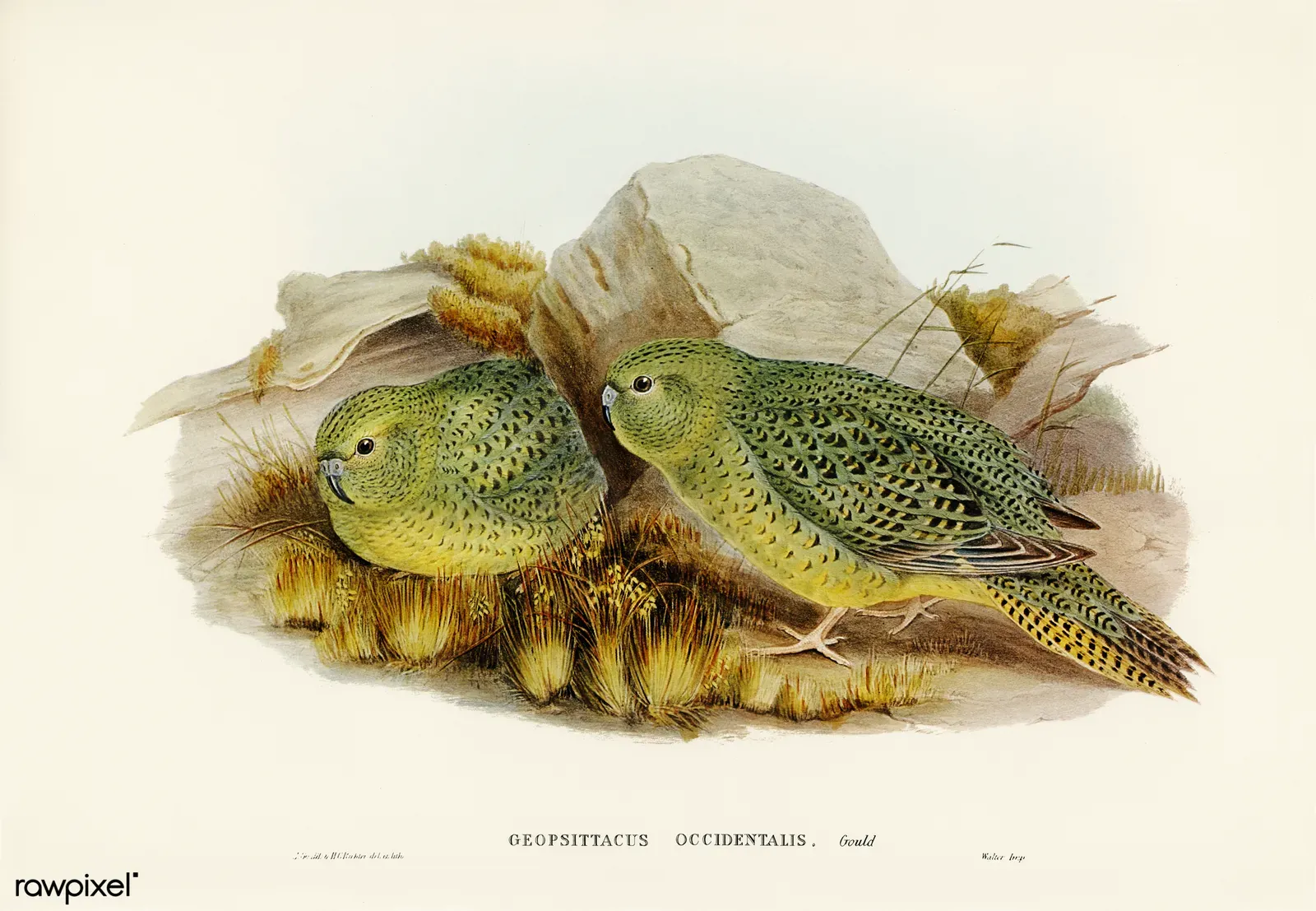
For over a century, Australia’s night parrot was the ornithological version of Bigfoot. Tiny, nocturnal, desert-dwelling, and almost never seen, it was widely declared extinct by the mid-1900s. Birders swapped campfire stories about it; skeptics rolled their eyes at every claim. Then, in the 1990s and 2000s, fresh remains and finally live birds were documented, forcing authorities to reverse the extinction call entirely.
Here’s the twist that stings: many Aboriginal communities had quietly insisted the bird persisted all along. Their knowledge simply didn’t count until Western science could pin a specimen to a museum tray. When researchers finally combined acoustic sensors with targeted surveys guided by local insight, the “extinct” night parrot re-materialized in several locations. It’s a brutal lesson in how narrow methods and outside arrogance can manufacture false extinctions on paper. The bird never “came back” – we finally caught up to a reality that local people had known for generations.
Worth Knowing
- Only scraps of hard evidence surfaced for decades: a dead bird was found near Boulia in western Queensland in 1990, and another dead bird was found in Diamantina National Park in 2006.
- The breakthrough came when the first ever photographs and video footage of the elusive species were recorded by ornithologist John Young in 2013.
- The rediscovery site is now protected – conservationists have established the 56,040 hectare Pullen Pullen Reserve to protect the rediscovered population.
- A 2024 survey turned up an even bigger surprise: researchers detected the largest known night parrot population in the world, perhaps as many as 50, living in WA’s Great Sandy Desert.
5. The Cuban Ivory-Bill’s Cousin: A Caribbean Ghost Nobody Wants to Confirm
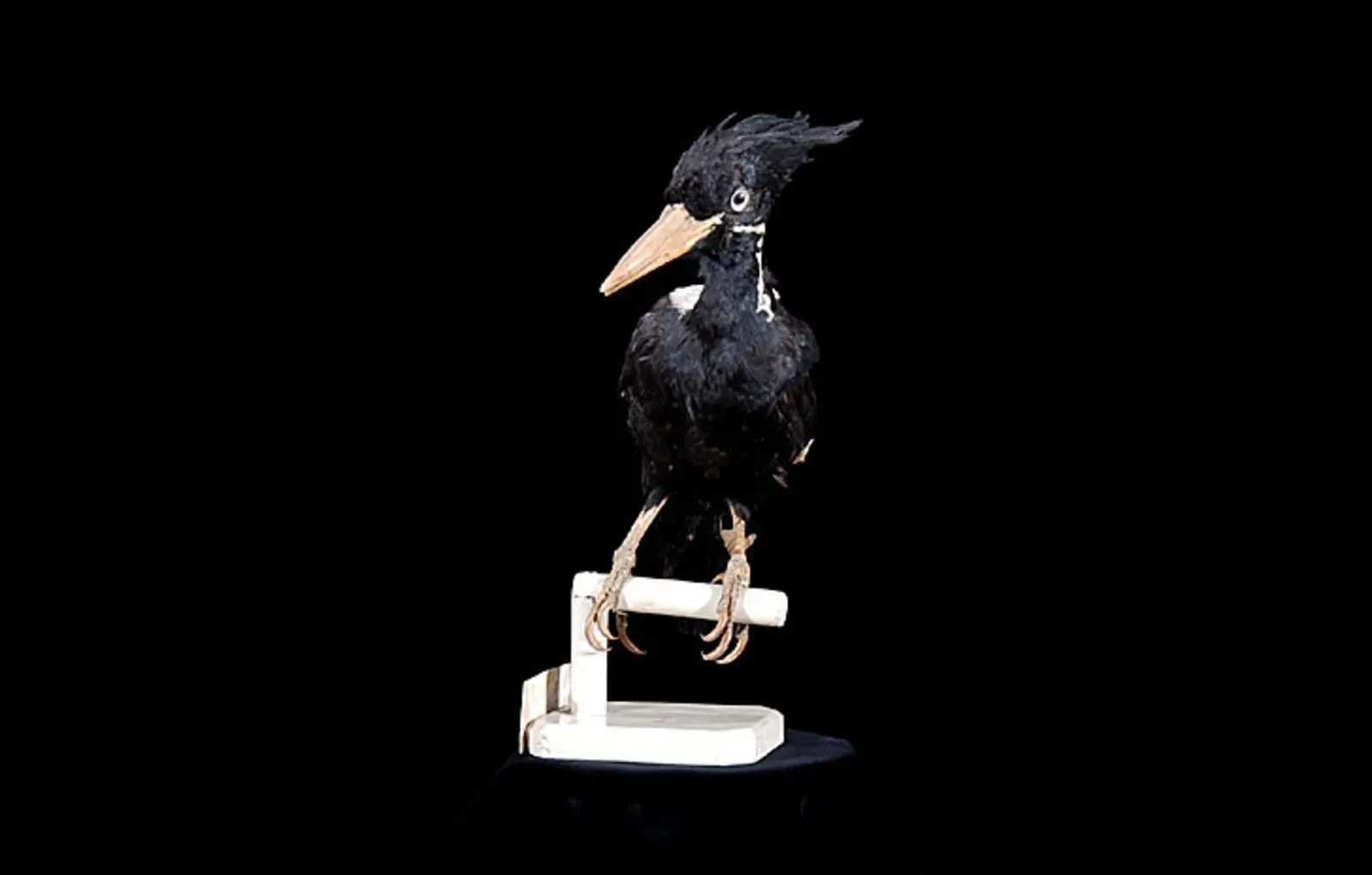
North America’s ivory-bill gets all the press, but its Caribbean cousin has a similarly murky story. Officially, the Cuban ivory-billed woodpecker is assumed extinct, tagged that way after decades of heavy logging and hunting. Yet serious expeditions as recently as the late 20th century turned up tantalizing calls, tree markings, and fleeting sightings from ornithologists who were far from gullible.
Some researchers argue we probably pushed the species over the edge within the last few decades. Others contend a tiny remnant might still cling to life in rugged, poorly surveyed mountain forests. What makes this case especially frustrating is the politics: Cuba’s restricted access, shifting conservation priorities, and thin funding mean extensive, repeat surveys almost never happen. In practice, the Cuban ivory-bill sits in scientific limbo, declared “probably gone” largely because that’s easier than admitting nobody has properly checked.
4. The Javan Tiger: Stripes in the Jungle, or Just in Stories?
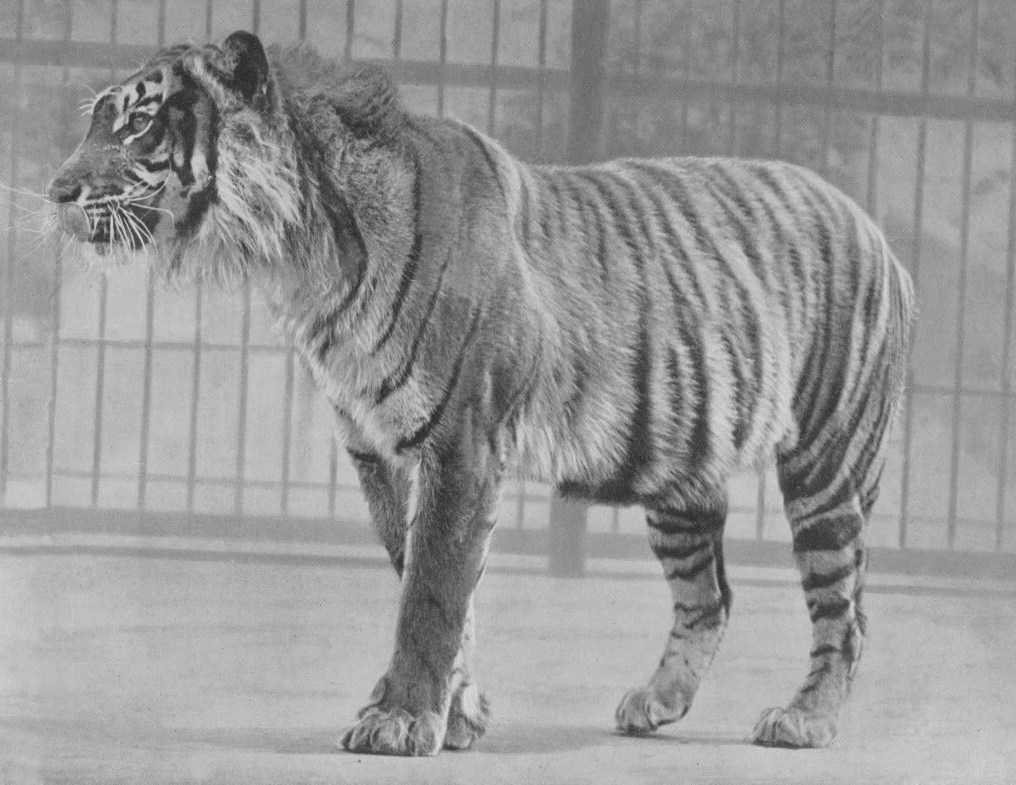
Indonesia’s Javan tiger was written off as extinct around the 1970s after deforestation and hunting chewed through its habitat. Official records show a clean break – here be tigers, then suddenly, none. Yet villagers, rangers, and even some biologists on Java still report large striped cats, fresh paw prints, and distinctive scat in remote national parks.
Camera traps have caught blurry, ambiguous images that fuel endless arguments. Are they oversized feral cats, misidentified leopards, or survivors of a supposedly vanished tiger subspecies? Skeptics lean toward misidentification, but even cautious conservationists admit there’s enough smoke to justify more serious fire-looking. On an island with dense jungle, illegal wildlife trade, and limited research budgets, confirming extinction is genuinely harder than issuing a press release. Until those forests are truly saturated with modern survey tools, calling the Javan tiger “definitely gone” is more paperwork than proof.
3. The Baiji River Dolphin: Extinct, or Just Unseen in the Noise?
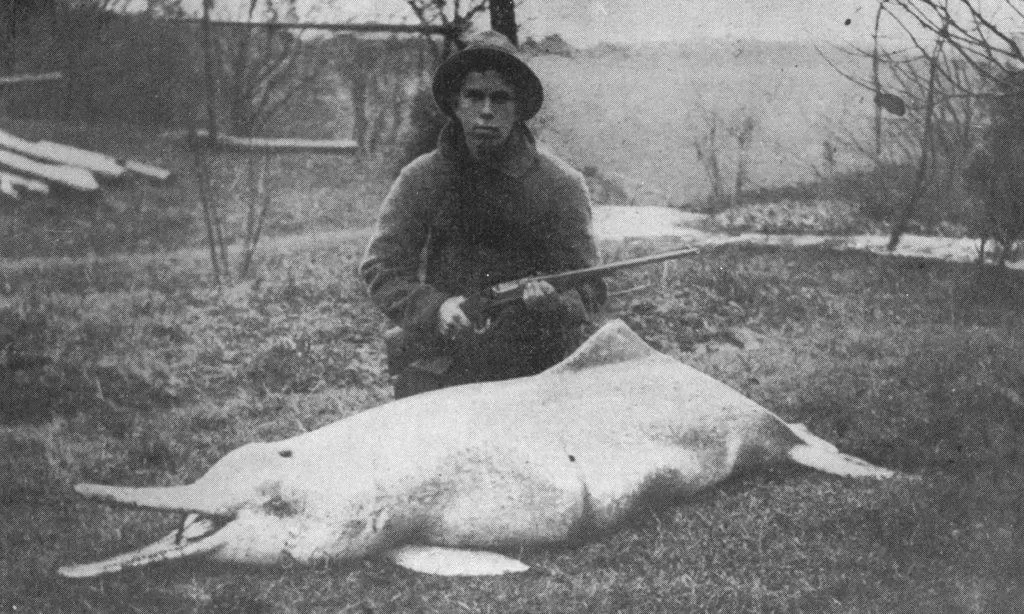
The baiji, or Yangtze River dolphin, is often cited as the first cetacean driven to extinction by humans. A 2006 survey declared it “functionally extinct” after a brutal cocktail of pollution, boat strikes, and overfishing. Conservationists still use it as a haunting cautionary tale. But multiple unconfirmed sightings and acoustic detections since then suggest at least a few individuals may have survived those grim headlines.
Here’s the nuance that gets lost: “functionally extinct” means too few animals remain to sustain a viable population, not necessarily zero individuals. In a vast, turbid river choked with heavy ship traffic and huge stretches that go unmonitored for years, missing a scattered handful of dolphins is almost guaranteed. Some Chinese researchers quietly argue the baiji might still be clinging on in tiny pockets, unseen and unheard above the industrial noise. If they’re right, we effectively held a funeral while the patient was still barely breathing.
2. The Caribbean Monk Seal: Killed Off, or Hiding in Plain Sight?
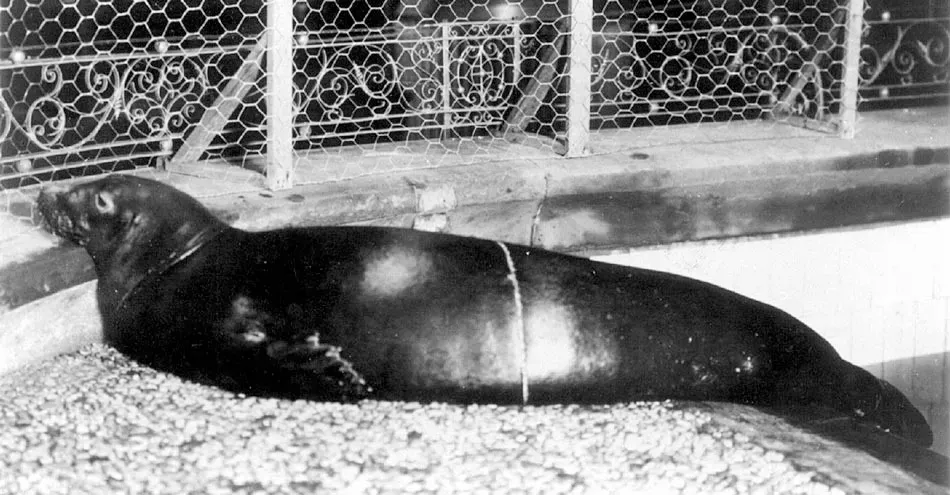
The Caribbean monk seal was declared extinct in 2008, blamed on overhunting and depleted fish stocks. Old photos show curious, big-eyed seals lounging on tropical beaches that tourists today will never see. Yet long before that official obituary, fishermen and divers across the region described “strange seals” around remote reefs and rocks – sightings that didn’t match the better-known Hawaiian or Mediterranean monk seals.
Some marine biologists argue these late reports were probably vagrants from other populations passing through. Others think that’s wishful thinking, and that small Caribbean groups may have persisted, unnoticed by science, into the late 20th century. The core problem is scale: tropical seas are enormous, surveillance is patchy, and politically fragmented island chains make coordinated surveys close to impossible. We essentially declared the species dead once no one with funding had spotted one in a while – which is a very different thing from proving it truly vanished everywhere.
1. The Lord Howe Island Stick Insect: The “Extinct” Giant Found Hiding on a Cliff
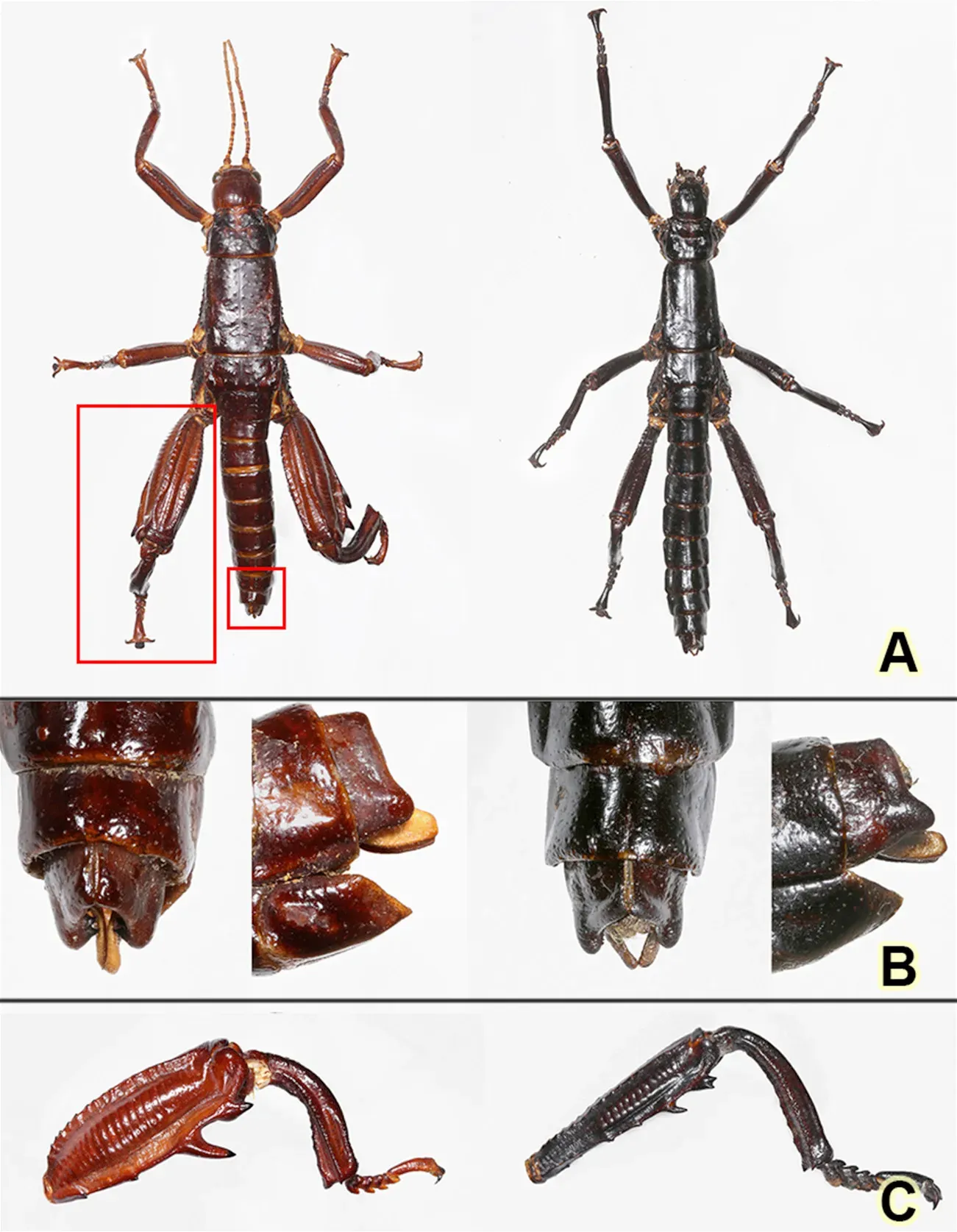
Nicknamed the “tree lobster” for its size and armored look, the Lord Howe Island stick insect grew up to six inches long and once swarmed its namesake island by the thousands. Then, in 1918, a supply ship ran aground and rats swam ashore. Within two years, the insects were gone, and by the 1960s the species was officially declared extinct – a footnote in a very short chapter.
Except it wasn’t over. In 2001, a small team of scientists climbing Ball’s Pyramid, a jagged volcanic spire jutting nearly 2,000 feet out of the ocean 12 miles offshore, found a tiny population clinging to a single shrub growing out of a crack in the rock. Fewer than 30 insects existed in the entire world. A careful breeding program, anchored at Melbourne Zoo, has since multiplied that handful into thousands, and after the rats were finally wiped out on Lord Howe Island, reintroduction efforts are now underway back on home turf. It’s one of the most extreme “back from the dead” stories in modern conservation – proof that sometimes extinction isn’t a wall, it’s just a species we haven’t found yet.
Why It Stands Out
- Rats that swam ashore after the 1918 shipwreck wiped out the entire wild population within roughly two years.
- The 2001 Ball’s Pyramid expedition found fewer than 30 surviving insects clustered around a single shrub.
- Melbourne Zoo’s breeding program has since multiplied that tiny founder group into a thriving captive population in the thousands.
- With Lord Howe Island’s rats finally eradicated, conservationists are now working to return the species to the wild it vanished from.
The Bottom Line
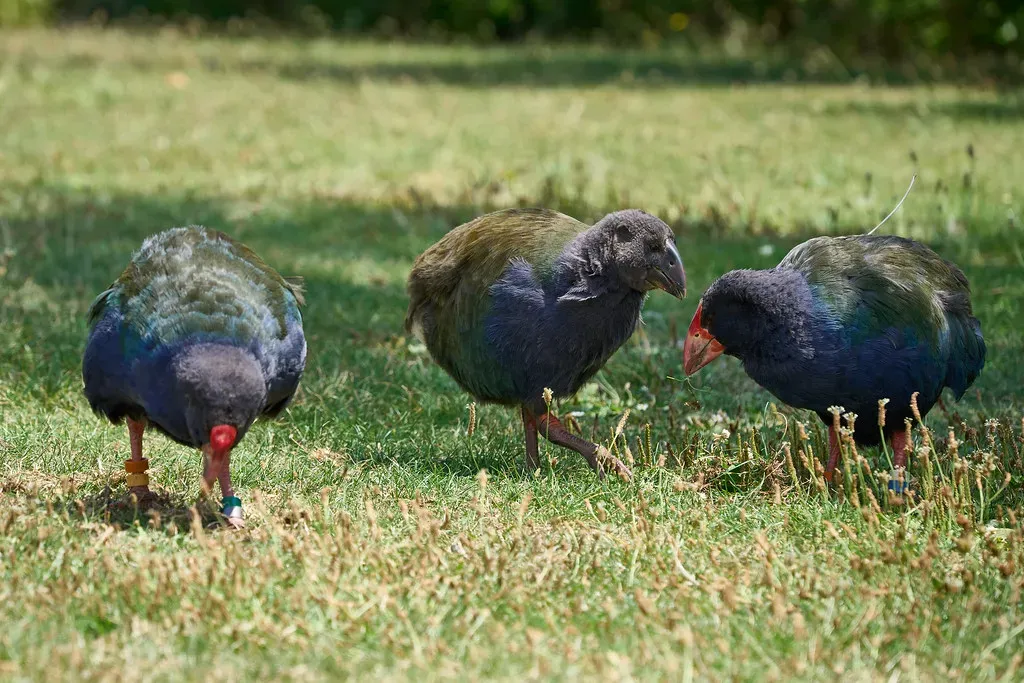
The most unsettling part of all this isn’t that one or two “extinct” animals might have survived into modern times. It’s how often we’ve already been wrong. From thylacines and ivory-billed woodpeckers to coelacanths and night parrots, the pattern is brutally clear: our extinction dates are often best guesses dressed up as hard facts.
In deep oceans, dense jungles, and politically messy regions, absence of evidence keeps getting lazily rebranded as evidence of absence. My opinion? We’re still underestimating how many species out there are in “ghost mode” – officially dead on paper, practically invisible in the field, but not entirely gone.
That doesn’t mean chasing every campfire story or grainy photo as gospel. It does mean we should stop treating the extinction stamp like a scientific mic-drop, and start funding the kind of slow, stubborn, long-term searches that actually find the truth before writing nature’s final chapters for it. Did we miss a “ghost” species you’re convinced is still out there? Make your case in the comments.