

The most terrifying thing about a bear attack is not the claws or the teeth. It’s that by the time you realize what is happening, the bear has already run through a lightning‑fast mental checklist and decided you are food, not just a nuisance. Those crucial first ninety seconds are when instinct, biology, and your reaction collide, and they can be the difference between a mauling and a miracle.
Wildlife biologists who study predator behavior often describe it as a kind of internal flow chart: notice, test, commit, pursue, finish. It sounds clinical on paper, but in the field it plays out with terrifying speed. In this article, we’ll walk through that sequence in plain language, translating the science into what it actually looks and feels like when a bear locks on to you as prey.
The Moment of Detection: When You First Enter the Bear’s Awareness

The story never starts with the roar. It starts quietly, when you step into a bear’s sensory bubble and it registers you as something worth paying attention to. Bears live inside a world of scent and sound more than sight, and they can often smell a person or hear distant footfalls long before they see anything that looks human.
At this stage, you might still feel like you are just hiking along, chatting with a friend, or stopping to take a photo. The bear, however, has shifted from neutral to alert, filing you under a broad category: moving thing, unknown, possibly interesting. In many encounters, this is as far as it goes – the bear notices and then chooses to ignore you – but when predatory interest starts to spark, the tone changes fast, even if you have no idea yet.
Predator Recognition: Sorting You Into “Threat, Rival, or Food”
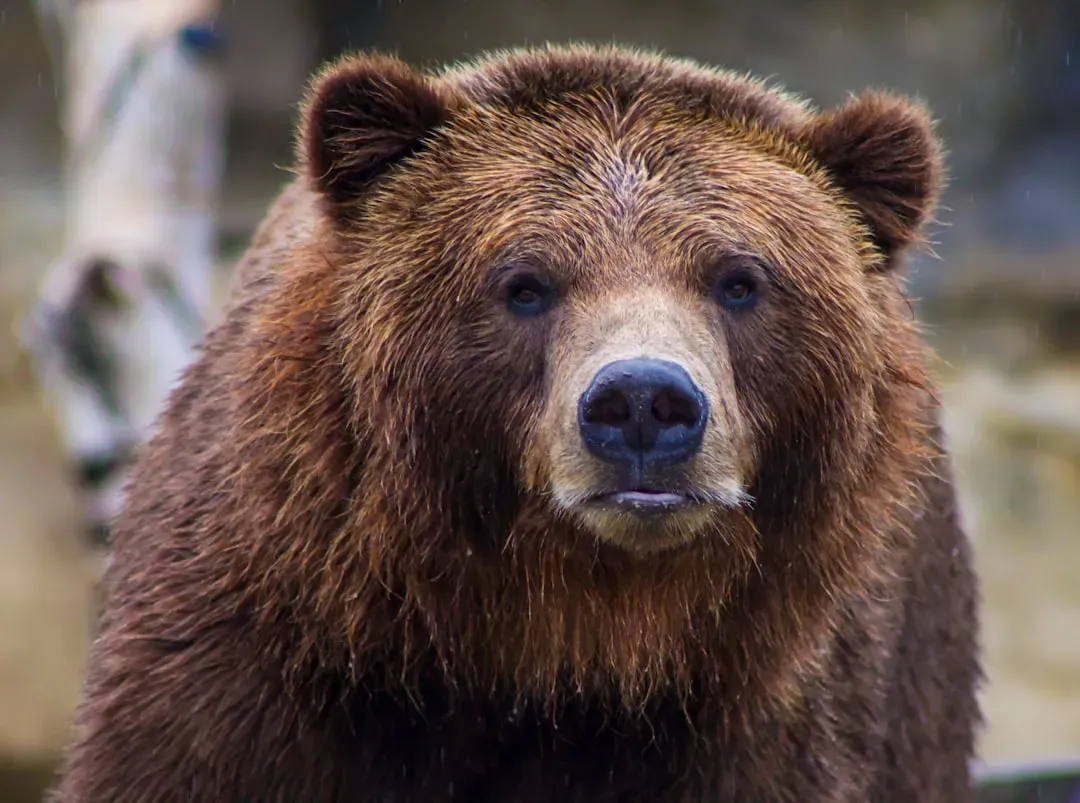
Once the bear has noticed you, its brain has a split second job: what are you to me? Wildlife biologists often describe three basic buckets – threat, rival, or prey – and the bear’s body language shifts depending on where you land. A fearful or defensive bear tends to show stress signs like huffing, jaw popping, or bluff charges, while a truly predatory bear may look eerily calm and focused.
This is where context matters. A food‑conditioned black bear near a campground, a starving polar bear in late winter, and a grizzly guarding a carcass all plug you into that mental sorter differently. If you are evaluated as prey, the bear is no longer trying to get you to leave; it is beginning to run through a hunting script, and that smooth, unhurried movement can be far more dangerous than any noisy display.
The Assessment Phase: Testing Your Awareness, Strength, and Weakness
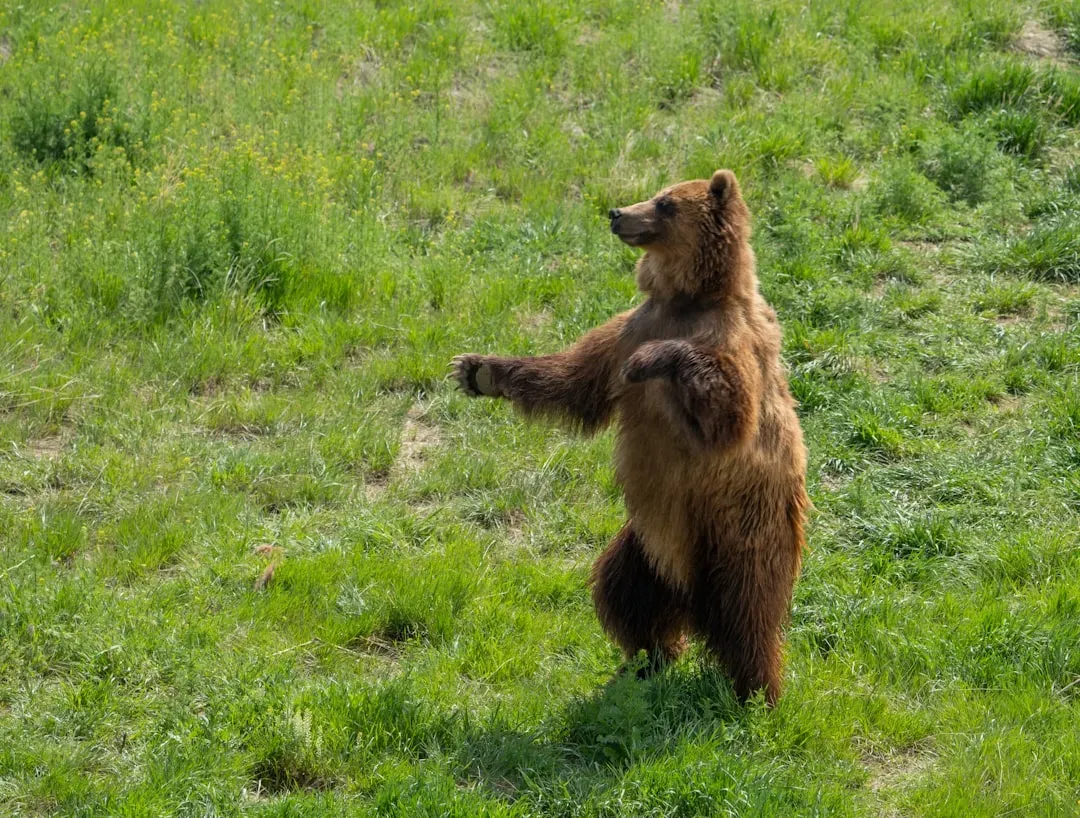
Before fully committing to an attack, a bear often runs a quick set of tests, whether you realize it or not. It may angle its body to get a better view, circle slightly downwind to catch more scent, or move a few steps closer to see if you notice. Think of it like someone nudging a door to see if it’s locked; the bear is probing your defenses.
Predators in general prefer easy targets, and bears are no exception. If you look oblivious, alone, injured, or panicked, you present a more attractive opportunity. On the other hand, a group that bands together, stands tall, makes noise, and looks directly at the animal is signaling that this will be a costly, messy fight. In those ninety seconds, you are sending signals whether you mean to or not, and the bear is reading them with the kind of intuition that only comes from a lifetime of survival.
The Shift From Curiosity to Commitment: When Interest Turns Into Intent
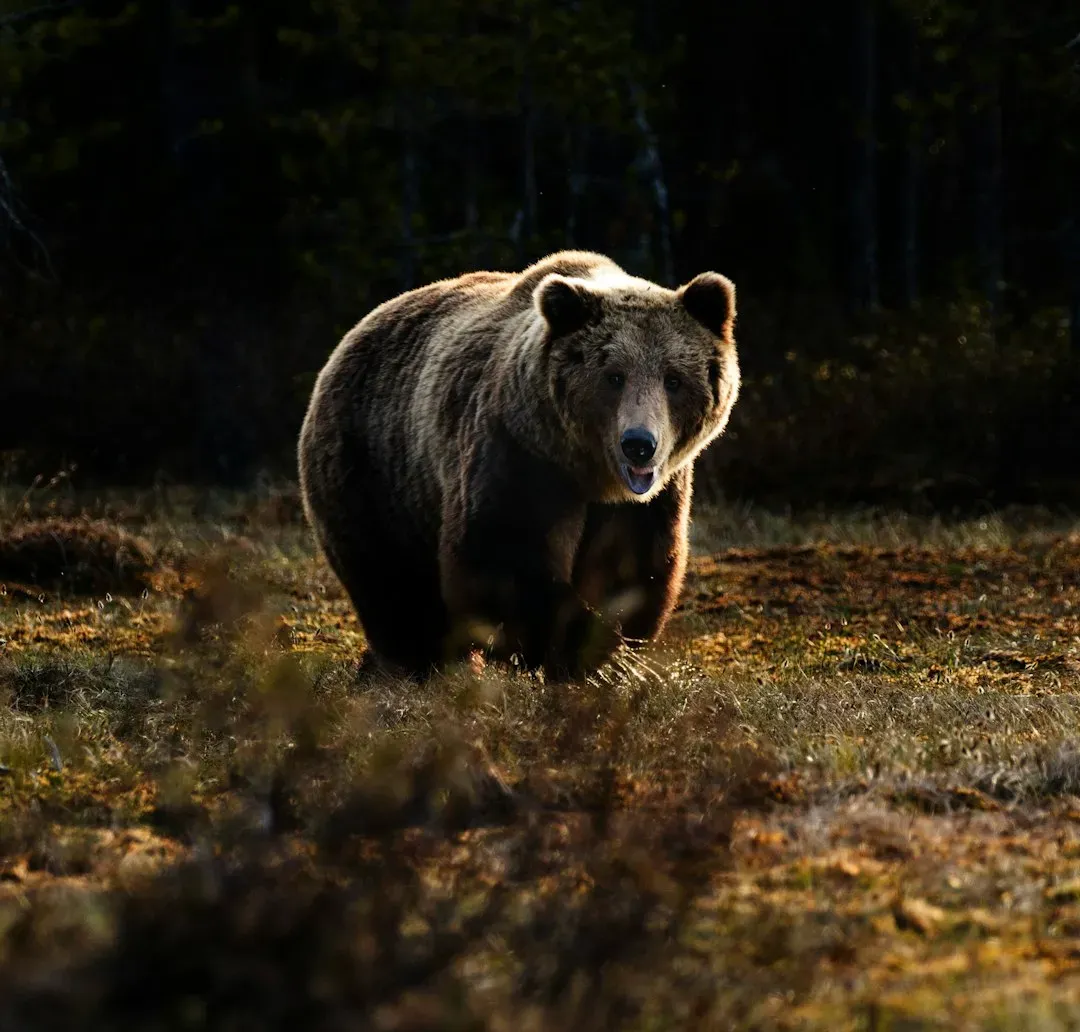
There is a subtle but crucial moment where the bear moves from “checking you out” to “coming for you.” It may be just a change in the angle of its head, a slightly faster, more direct walk, or a silent, low trot straight toward you. The energy stops feeling exploratory and starts feeling unnervingly fixed and determined.
Biologically, this is when the predatory program takes over. Heart rate, focus, and muscle readiness ramp up in the bear, and the rest of the environment fades away. People who have survived these encounters often describe a chilling sense that the animal is no longer bluffing or reacting defensively; it is simply trying to close the gap as efficiently as possible. At this point, your options narrow quickly, and any delay in responding gives the bear the advantage it evolved to use.
The Charge: A Predator Built for Short, Explosive Power
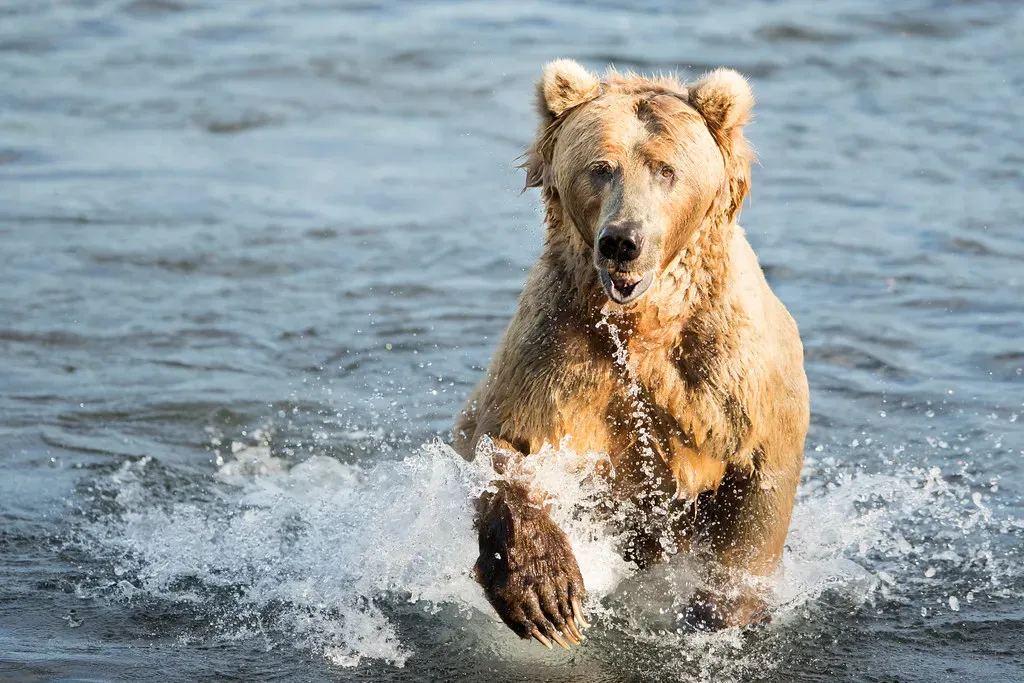
When a bear charges with predatory intent, what happens next is brutally simple physics. Large bears can reach speeds similar to a sprinting human in just a couple of strides, and they can maintain that burst long enough to erase what felt like a safe distance. That open meadow or scree slope between you and the bear shrinks far faster than your brain wants to accept.
In those moments, your instincts may scream at you to run, but running often plays right into the predator’s script. To a bear that has already decided you are prey, a fleeing person behaves just like wounded game – it confirms the original decision. This is exactly why many safety guidelines emphasize standing your ground, using deterrents if you have them, and only moving strategically, not in blind panic. You cannot out‑sprint an animal built like a tank crossed with a sprinter.
Human Response in the First 90 Seconds: Panic, Training, or Freeze
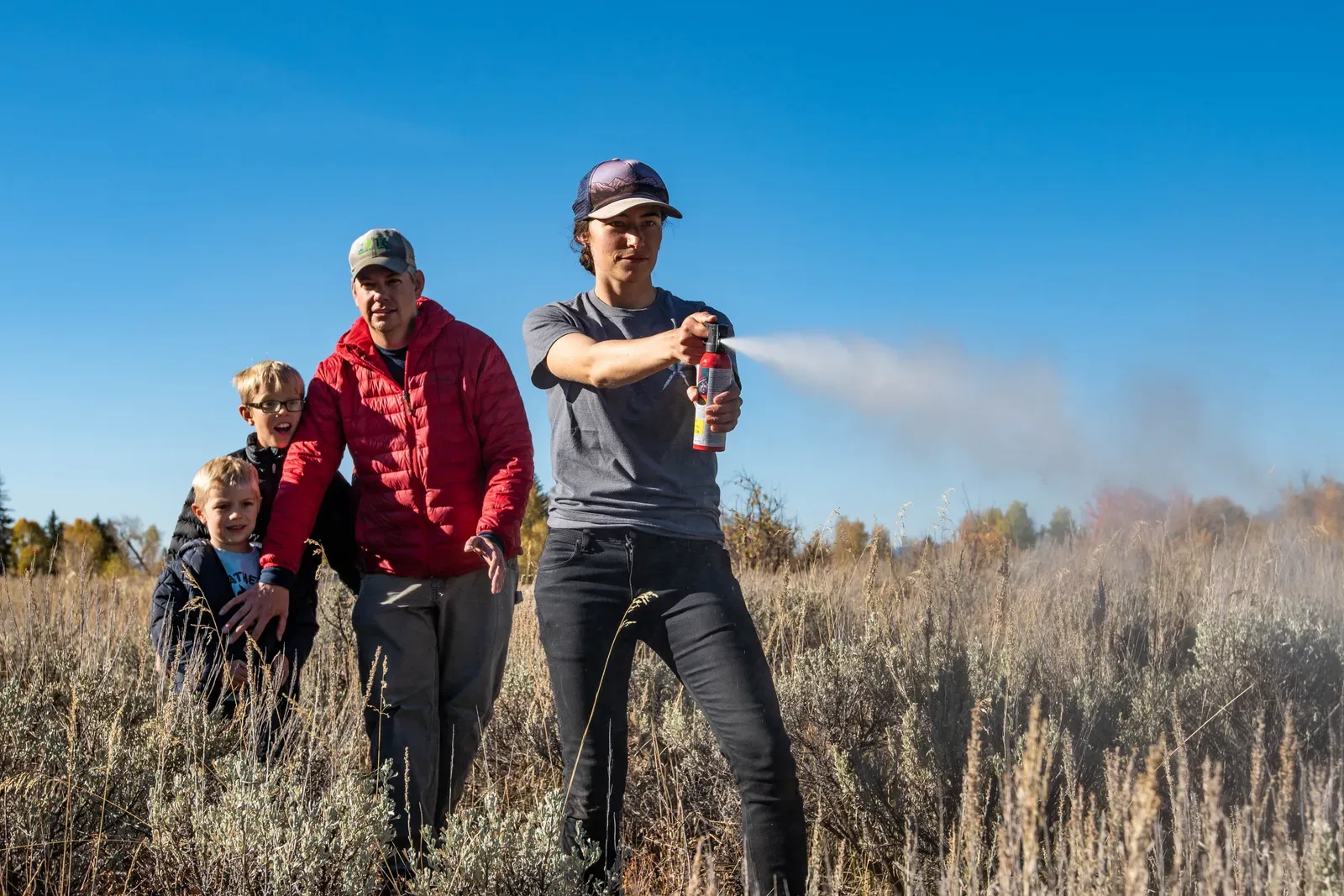
The human brain has its own recognition sequence, and unfortunately it is slower and less practiced than the bear’s. Many people spend several heartbeats simply denying what they are seeing, telling themselves the animal will turn, that this must be a bluff, that it is not really happening. That delay eats up precious seconds when you could be preparing deterrents, grouping up, or making yourself appear larger and more assertive.
Training and mental rehearsal can change that script. People who spend time in bear country and actually practice scenarios – knowing where their spray is, talking through what they would do – tend to move more automatically when it counts. Instead of freezing, they go straight to learned behavior: stand together, avoid running, deploy spray if the bear comes within range. The bear is relying on your confusion and fear; anything that reduces that confusion tilts the odds slightly back in your favor.
Tools and Deterrents: How Bears React When Prey Fights Back
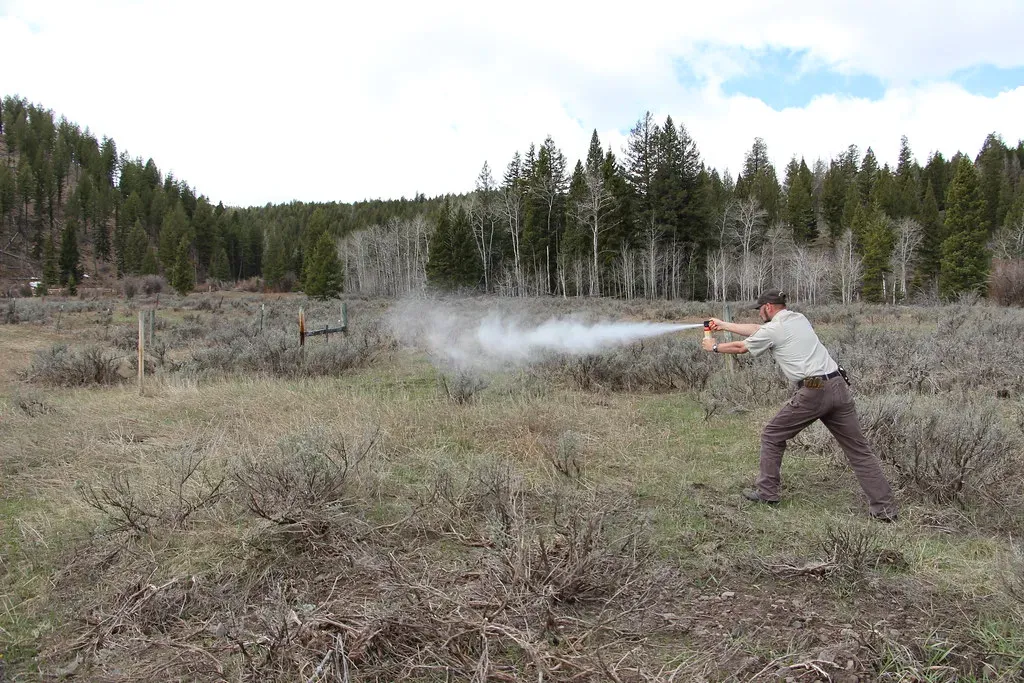
Once a bear has committed to seeing you as prey, deterrents are less about changing its mind in a polite way and more about convincing it that this hunt is not worth the pain. Bear spray, loud unified shouting, and standing shoulder‑to‑shoulder can all flip the narrative from easy meal to dangerous gamble. When a burning cloud of capsaicin hits a charging bear’s face, you are overriding the predatory script with raw discomfort and disorientation.
Importantly, deterrents work best when used early and deliberately, not as a last‑second, half‑hearted gesture. A bear that gets surprised by a painful stimulus right as it closes in may break off and flee, while one that meets no resistance may double down. In my own time in remote country, I’ve noticed that simply carrying spray and talking about what we would do changes the entire mood of a group. You feel less like a passive target and more like an active participant in your own survival, and that mindset can shape how those ninety seconds unfold.
When the Sequence Ends: Contact, Retreat, or a Reset
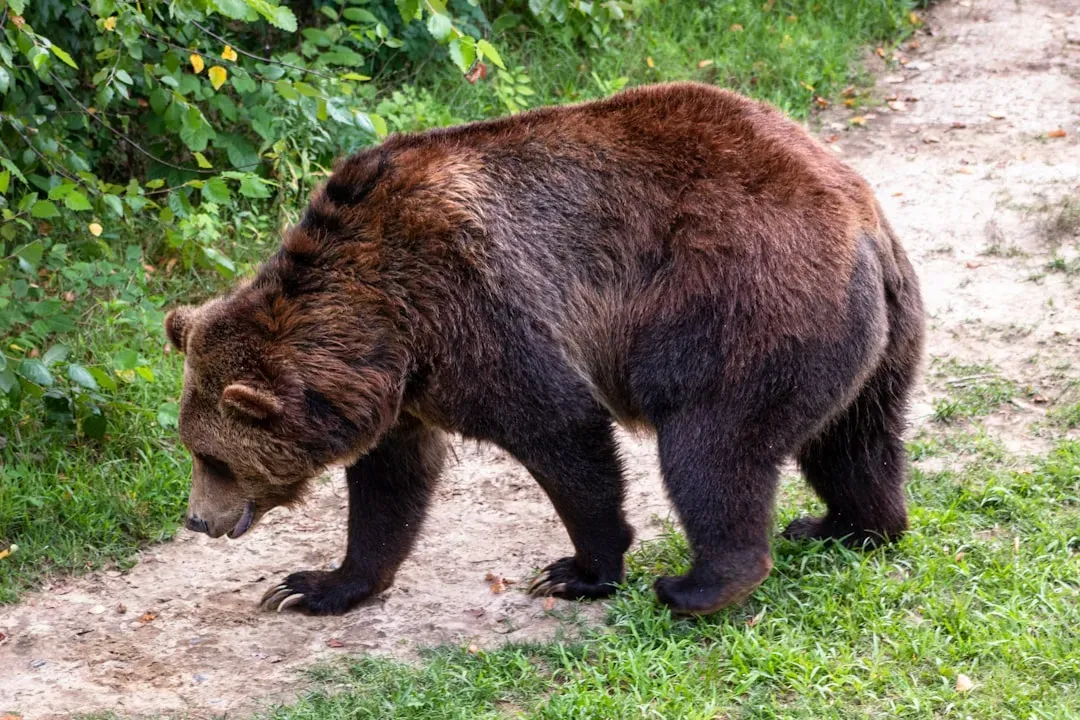
The predator recognition sequence does not always end in a full‑on attack. Sometimes the bear breaks off after a blast of spray, a sudden loud response, or a last‑minute recalculation that this is too risky. Other times the bear makes physical contact, delivers a few crushing swats or bites, and then pauses to reassess, especially if you suddenly stop struggling or it senses that you are no longer a threat.
From a biological perspective, that pause is still part of the script. The bear is constantly weighing energy spent against energy gained, risk against reward. If it feels overmatched, injured, or seriously harassed, it may decide to cut its losses and withdraw. That is why behavior like playing dead in some defensive grizzly encounters can interrupt the sequence, while fighting back aggressively against a truly predatory black bear can sometimes convince it to abort. The endgame is messy, frightening, and never guaranteed, but it is not random; it is driven by the same cold, survival‑based logic that started the sequence in the first place.
Conclusion: Respect the Script, But Refuse to Be Passive
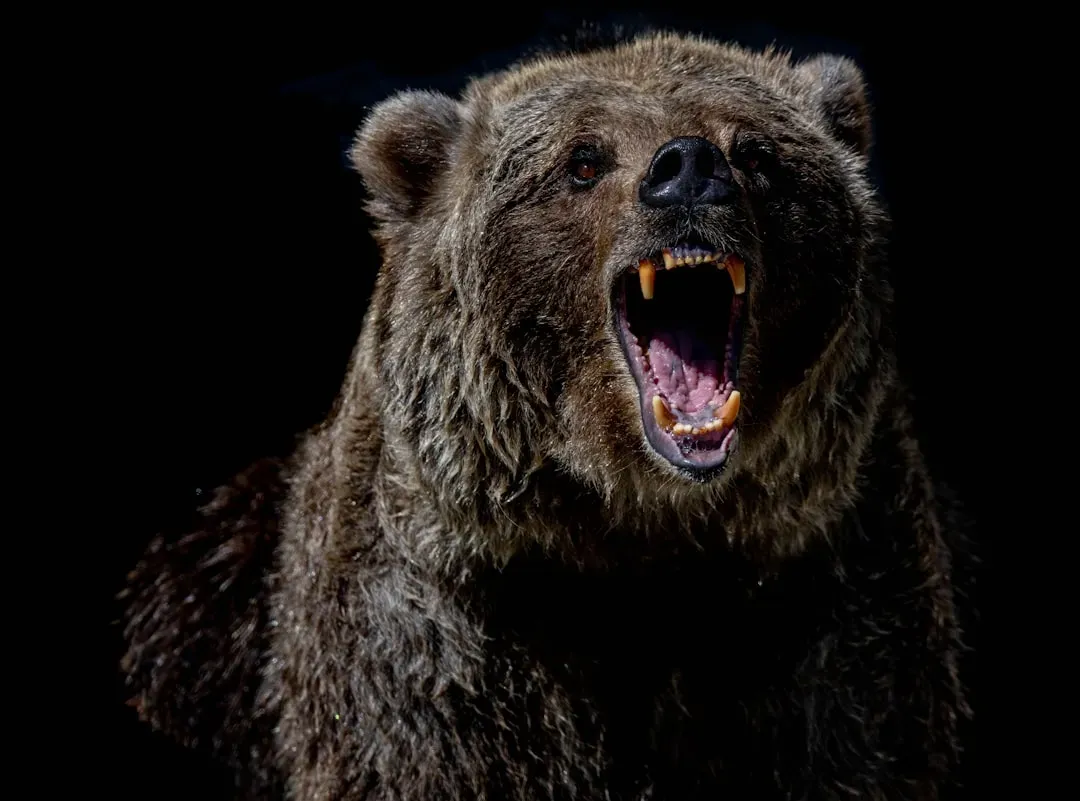
Those ninety seconds after a bear decides you are prey are not a horror movie jump scare; they are a biological process that has played out for thousands of years. The bear’s brain is following a well‑worn path from detection to decision to pursuit, and pretending it is just “being curious” when the signs say otherwise is, in my view, dangerously naive. We do ourselves no favors by romanticizing large predators while ignoring the reality of what they are built to do.
At the same time, understanding this predator recognition sequence is empowering rather than paralyzing. It lets you train your own brain to respond sooner, carry real tools instead of just camera gear, and move through wild country with respect instead of either bravado or blind fear. The wilderness is never completely safe – and that is part of its power – but we are not helpless props in the bear’s story. When you picture those ninety seconds now, do you see yourself as a bystander, or as someone ready to interrupt the script?