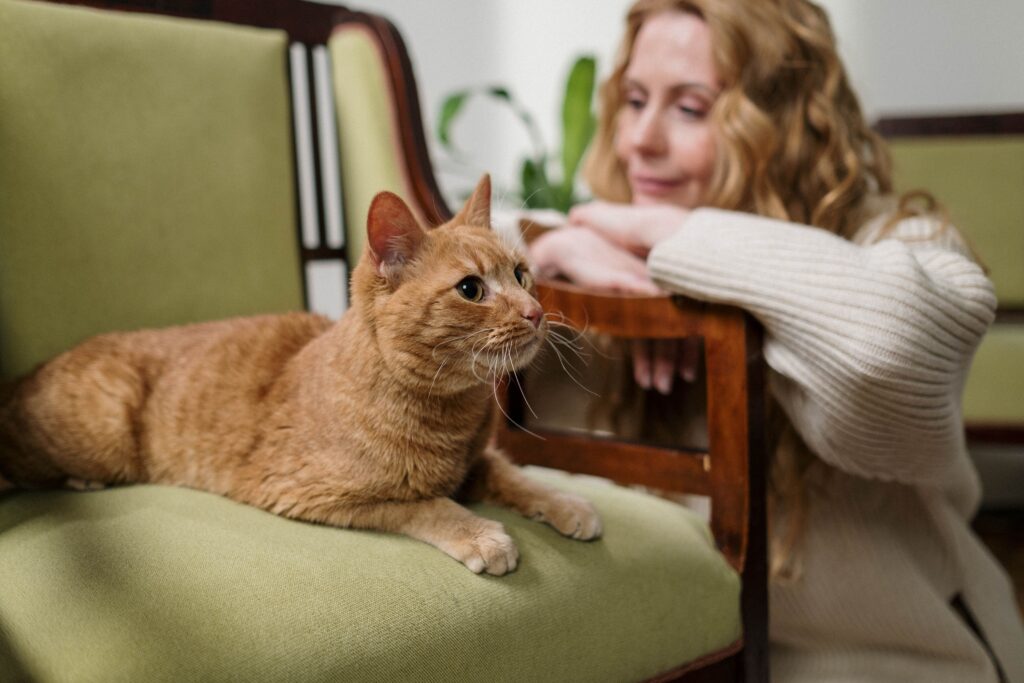

You know that moment when you look up from your laptop and realize your cat is just… there? Not on your lap, not meowing, not pawing at you. Just sitting a few feet away, quietly existing in your orbit like a soft little satellite. A lot of people assume that means their cat is aloof or indifferent. But when you really dive into feline psychology, that calm, quiet presence can actually be one of the strongest signs of attachment.
Cats have evolved as both solitary hunters and social animals, which makes their emotional signals a lot more subtle than a dog’s. What looks like distance is often a very careful, very cat-like way of saying: I trust you enough to rest near you and do nothing. Once you start reading the tiny details – the body language, the routine, the way they choose their spot – you realize that the cat who “ignores” you across the room might actually be your most devoted shadow.
The Silent Shadow: Why Proximity Is A Big Deal For Cats
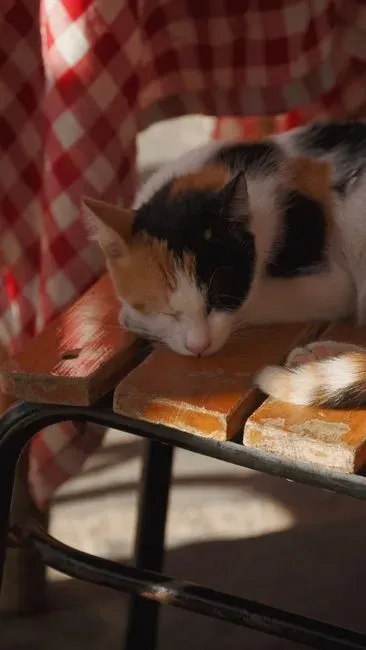
Imagine if a friend came over and just hung out on your couch scrolling their phone, not talking much, just enjoying being around you. You probably would not interpret that as them disliking you. For cats, sitting near you without demanding attention works the same way: it is relaxed, low-pressure closeness that still signals comfort and safety. In animal behavior research, simply choosing to be in the same space as someone is considered a meaningful social behavior, especially for a species that does not rely on constant contact.
Because cats are both predators and potential prey in the wild, they are picky about where they rest. To a cat, sleep and downtime are risky, so they only truly relax in places they feel secure. If your cat routinely chooses to nap or lounge quietly within your personal bubble – even if they do not touch you – that is not emotional distance. That is a confession of trust, just expressed in fluent “cat” instead of human expectations.
Secure Attachment, Feline Style: What Studies Actually Suggest
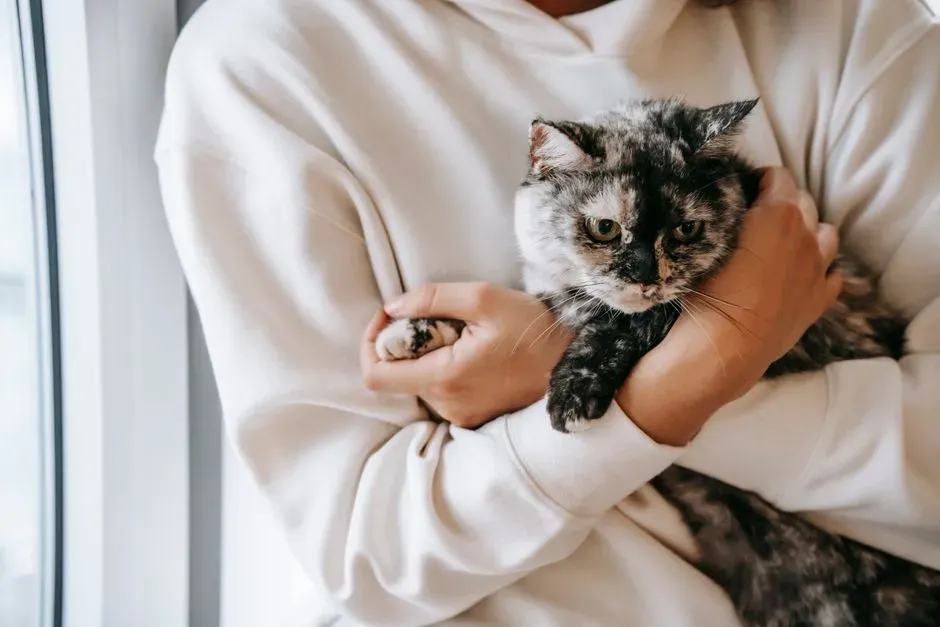
Over the past few years, researchers have been looking more closely at how cats bond with humans, and the picture is very different from the old stereotype of the antisocial cat. Some structured studies suggest that many cats show patterns similar to secure attachment in human infants and dogs: they explore more confidently and show calmness when their trusted person is present. That exploration and calmness can absolutely include quietly sitting at a distance while still orienting themselves around you.
In other words, you do not need a clingy lap cat to have a securely attached cat. A feline who sprawls on the floor six feet away, eyes half-closed, occasionally glancing over at you, may be showing the secure version of love: “I know you are here, so I can relax and just be.” We miss this nuance when we expect attachment to look like constant cuddles, but for cats, emotional security often looks like peaceful, shared space.
How Cats Communicate Affection Without Touch

Cats are masters of quiet communication. Instead of big, obvious gestures, they use micro-signals: a slow blink, ears tilted your way, a relaxed tail wrapped loosely around their body. A cat who sits nearby but does not actively seek petting may still be “talking” to you with their whole body, signaling comfort and goodwill in a language that is easy to overlook if you only track dramatic affection.
Think about how often your cat chooses your general area over an empty room. Maybe they lie near your chair while you work, or settle on the arm of the sofa instead of your lap. That is still affiliative behavior – basically, social bonding – just at a distance that feels safe and predictable to them. I have had cats who rarely wanted to be held, but who would position themselves like little guardians at the edge of the room, clearly choosing to share their quiet time with me instead of hiding somewhere else.
Independence vs. Detachment: Why Your “Chill” Cat Might Be Deeply Bonded
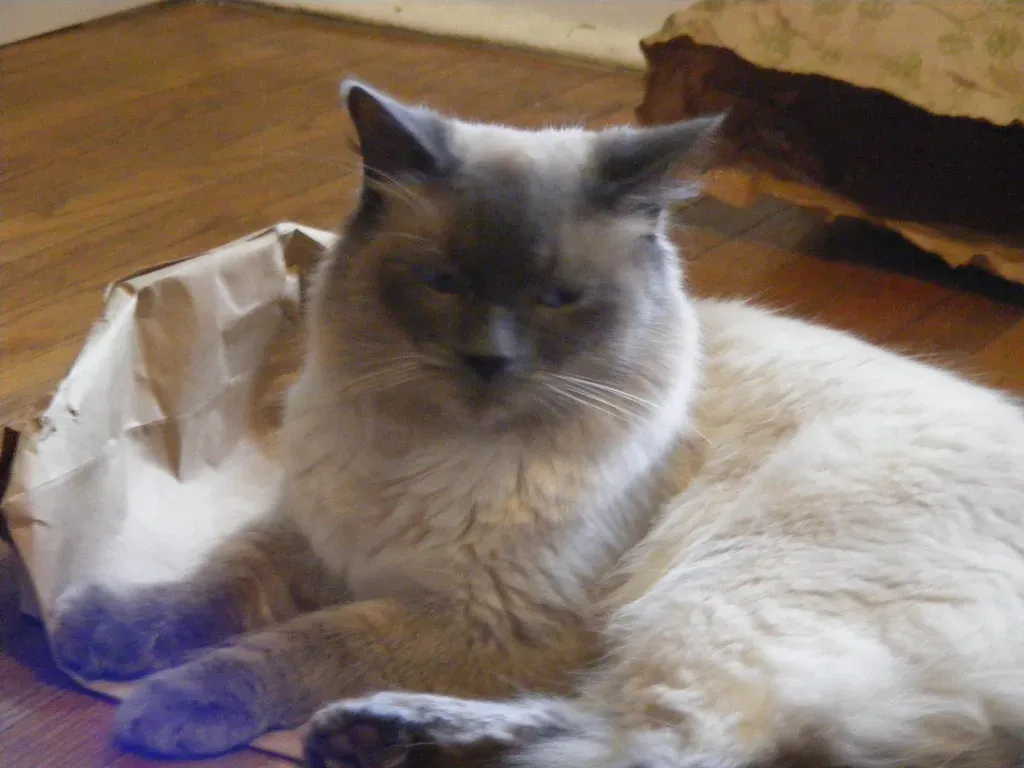
Because we are used to dogs that show very overt, in-your-face affection, many people misinterpret a calm, independent cat as emotionally detached. But independence in cats is not the opposite of attachment; it often coexists with a strong, secure bond. A cat can prefer not to be handled constantly and still be profoundly attached to their person, just in a way that respects their own boundaries and comfort.
One useful mental shift is to stop asking “Does my cat need me?” and start asking “Does my cat choose me when they have other options?” A cat who could easily go to another room, another chair, or even another family member but routinely parks themselves somewhere in your vicinity is casting a quiet vote. They are choosing your presence, even if they do not want your hands on them every second, and that choice is a more meaningful sign of attachment than constant clinginess driven by anxiety.
Reading The Room: Body Language Of The Quietly Attached Cat
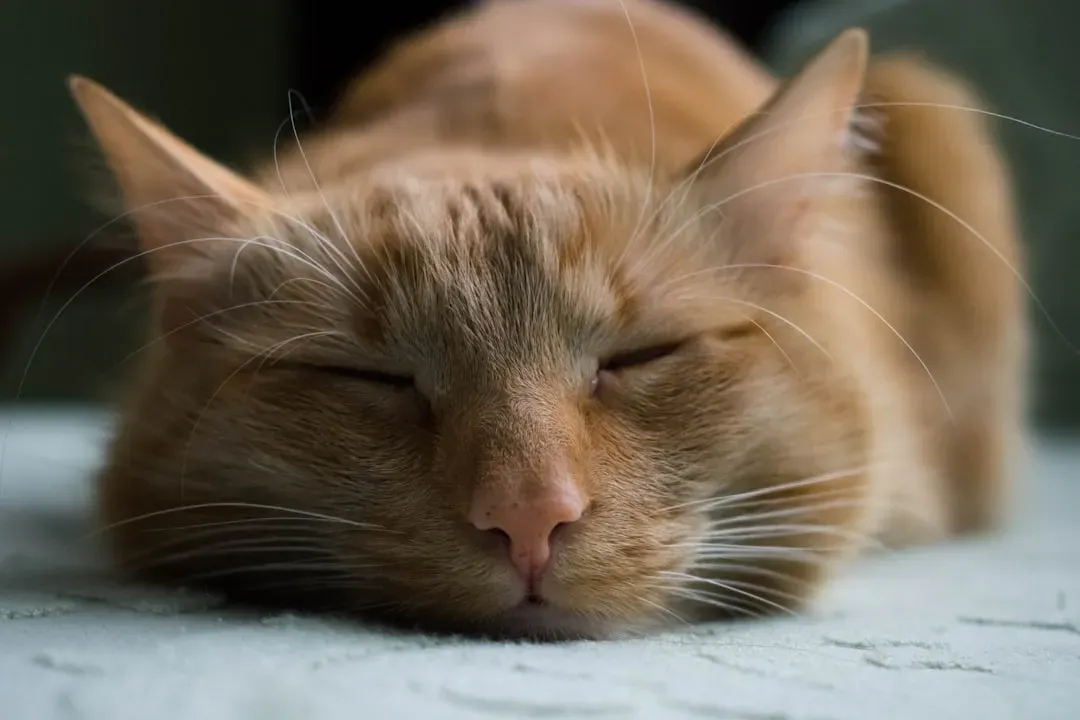
When a cat sits nearby without asking for attention, their body language tells you whether they are truly comfortable or just tolerating you. A cat that is loosely curled, stretched out on their side, or lying with paws tucked under and eyes soft is advertising relaxation. Their tail will be still or give slow, lazy movements, their ears will be neutral or slightly forward, and you might catch them doing slow blinks in your direction.
Compare that with a cat who is rigid, crouched low, or keeps glancing toward exits: that is not an attached, relaxed animal, that is a cat on alert. The more your “quiet observer” looks like they have just melted into the furniture, the more you can assume they feel emotionally safe in your presence. Once you get used to reading these signals, you start to see that the cat you thought was ignoring you is actually broadcasting affection in a subtle but consistent way.
Routine, Choice, And Territory: Why They Pick That Spot Near You
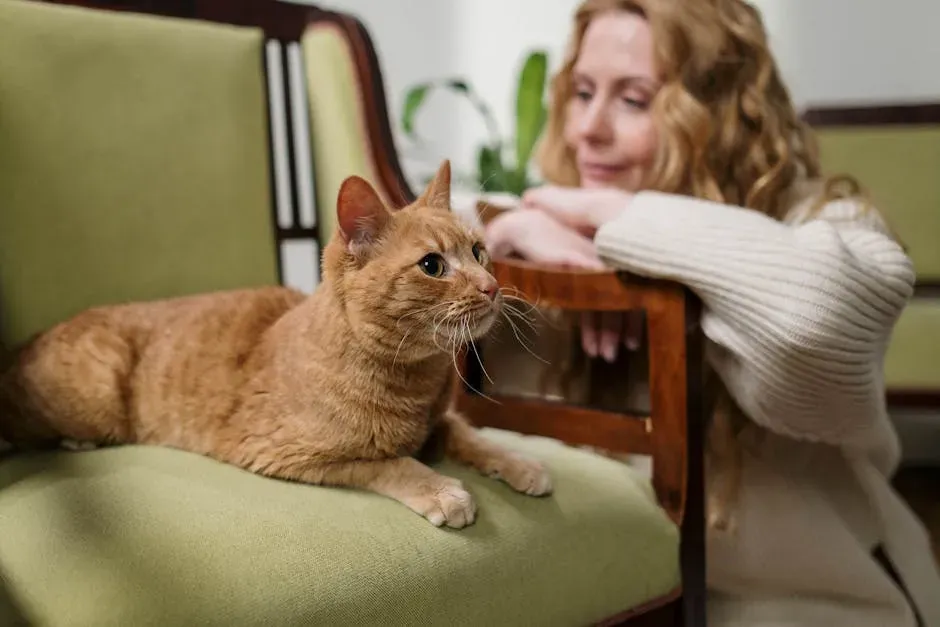
Cats are creatures of habit; they thrive on predictable routines and familiar territories. If your cat frequently chooses the same spot close to you – a particular corner of the couch, the chair across from your desk, the patch of floor near your bed – that is not random. They are mapping their territory in a way that overlaps with yours, folding you into the geography of their safe space.
There is also a very practical side to this: from a cat’s perspective, being near you lets them monitor their environment while staying relaxed. You are a kind of living safety beacon. Many cats like to keep you in sight but not underfoot, like sitting in the audience instead of on the stage. That preferred spot near you becomes a compromise between their need for personal space and their desire to anchor themselves to the most important figure in their social world – you.
When “Ignoring You” Is Actually Respecting Your Boundaries
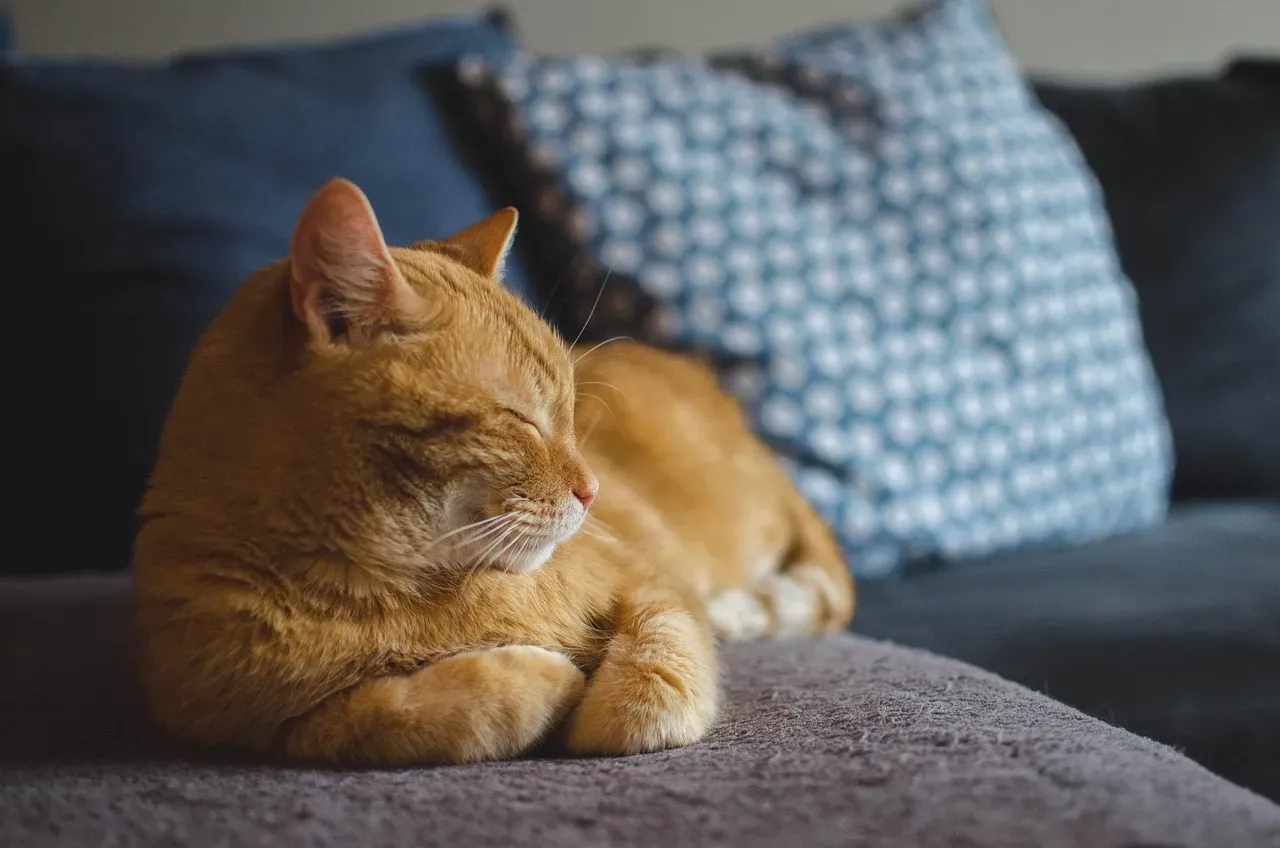
One of the most underrated aspects of feline affection is that many cats show care by not overwhelming you. A cat that sits close but does not jump into your lap, claw at your leg, or yell for attention every two minutes may have learned your rhythms. They might recognize that when you are typing, reading, or on a call, barging in is not the best strategy, so they opt for quiet company instead.
From a human standpoint, that can look like disinterest. From a behavioral standpoint, it can be a sign of social adjustment and trust: the cat is confident enough in your relationship that they do not feel the need to constantly demand reassurance. Personally, I have always felt that the cats who simply show up and settle nearby while I am busy are paying me the highest compliment. They are saying, “I want to be with you, but I also trust you to come to me when you are ready.”
How To Gently Strengthen The Bond With A Nearby, Low-Drama Cat
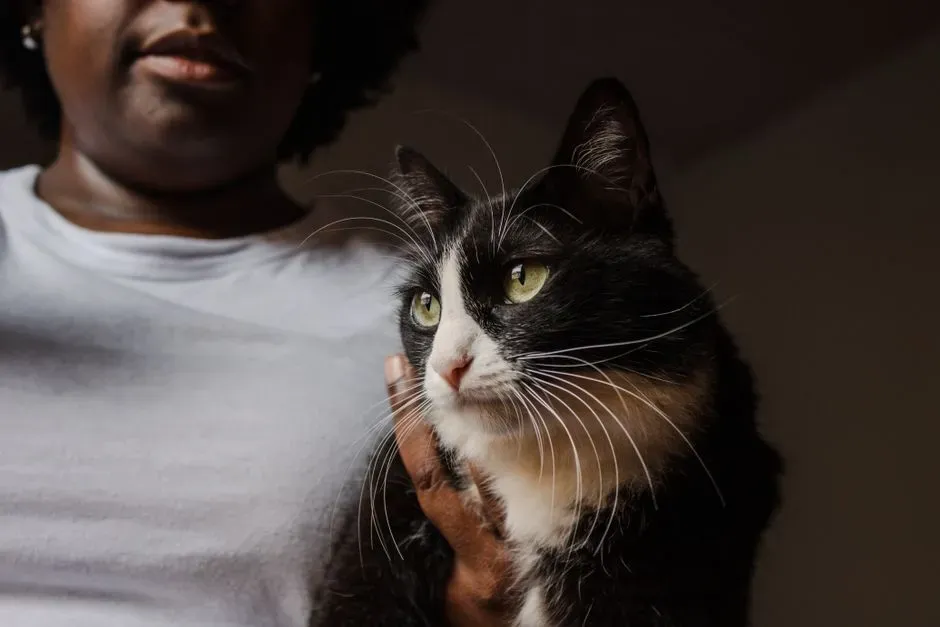
If your cat is a “close but not clingy” type, you can deepen that bond without forcing them into more contact than they want. Try offering quiet, low-pressure interactions: a slow blink when you notice them, a soft word, or a gentle head scratch when they come a bit closer. Let them be the ones to close the distance, and reward those moments with calm, predictable affection rather than grabbing or overhandling.
You can also build tiny rituals around their habit of sitting near you, like tossing a toy in their direction during a work break or placing a cozy bed or blanket at their favorite watching spot. These small gestures tell your cat that you see them and value their presence, even when they are not asking for attention. Over time, many cats respond by inching closer, testing out your lap more often, or simply deepening that quiet, contented companionship they already offer.
Conclusion: The Quiet Cat Might Love You The Most
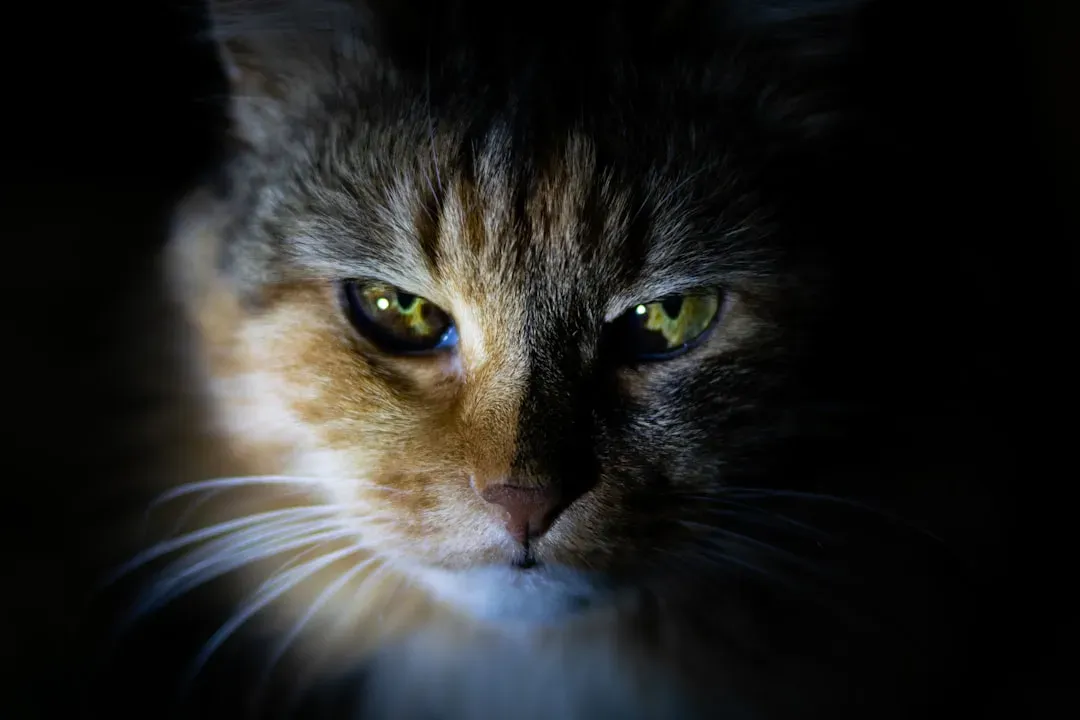
I think we have severely underestimated the emotional richness of the cat who just hangs out in the background. We have been conditioned to equate love with noise and drama – wagging tails, face licks, nonstop cuddling – so when a cat expresses attachment as a calm, steady presence across the room, we label it aloofness. But in light of what we know about feline behavior, that easy, undemanding proximity often points to something deeper: a secure, trusting bond that does not need constant reassurance.
So the next time your cat settles a few feet away and seems to be quietly minding their own business, consider the possibility that this is their version of sitting shoulder to shoulder with you, sharing the silence. In my view, that kind of low-key loyalty is one of the purest forms of affection an animal can offer. Maybe the real question is not whether your cat loves you, but whether you are willing to see love in the stillness as much as in the cuddles – what do you think your cat has been trying to tell you all along?