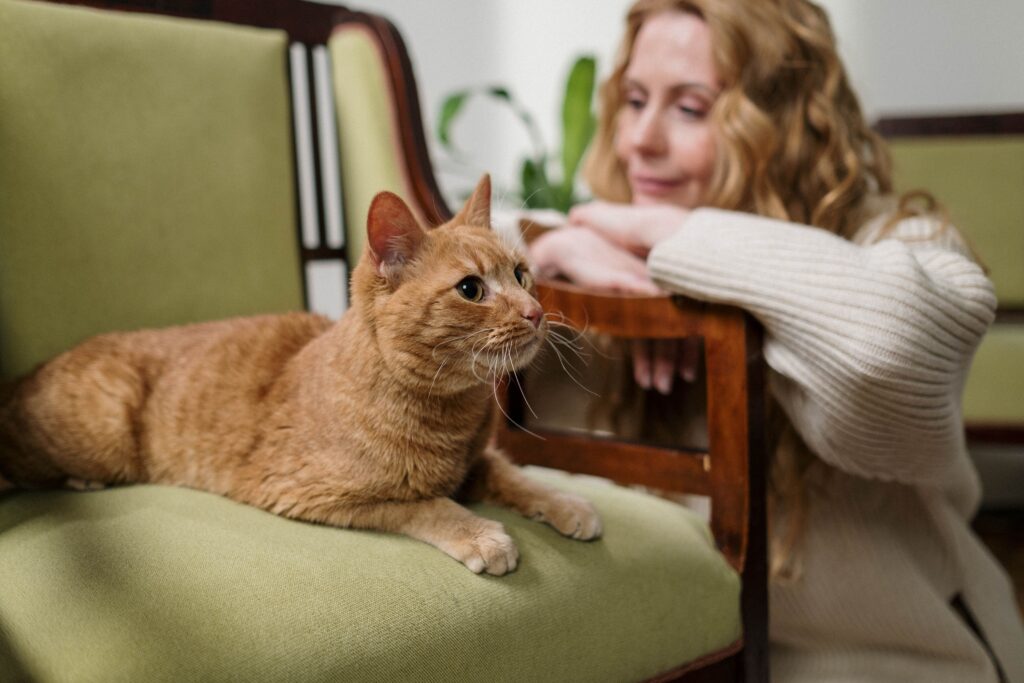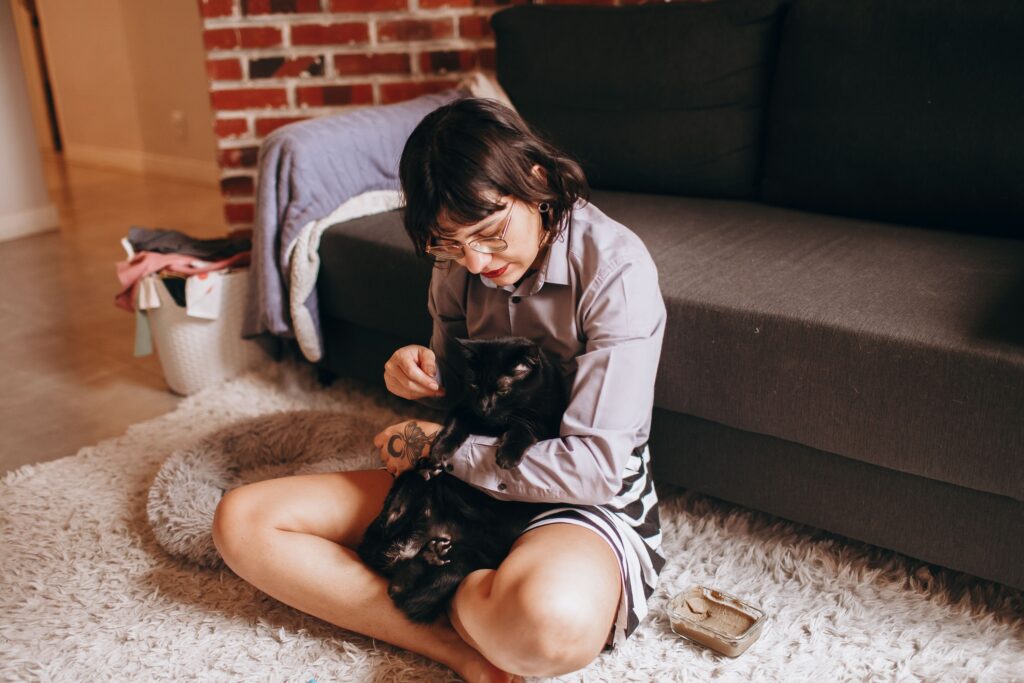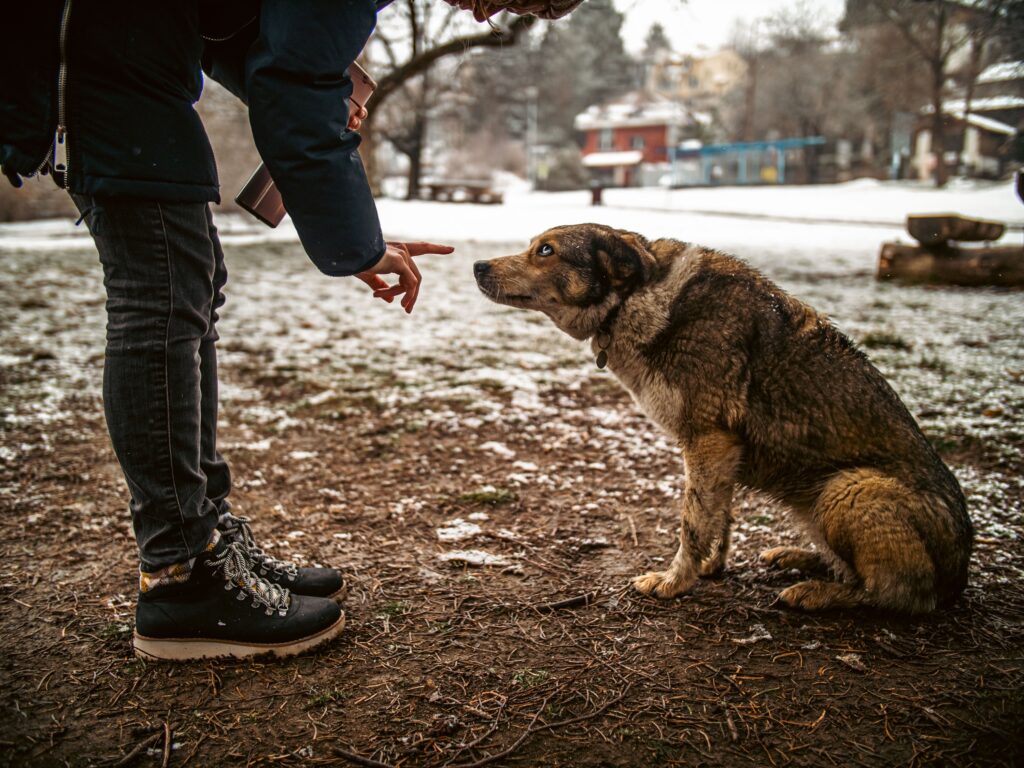

There is something quietly heartbreaking about a dog that looks “spoiled” on the outside but seems on edge all the time. The same goes for a child who appears to have everything, yet melts down over the smallest change. When you look closer, you often find the same root issue in both: nobody ever taught them where the edges of the world are, what is safe, and who is in charge of keeping them safe.
Modern psychology and animal behavior research are increasingly pointing in the same direction: a lack of clear, consistent boundaries can leave both dogs and children drowning in anxiety. It may look kind or “gentle” on the surface to never say no, but inside the brain, a very different story is unfolding. Once you understand that story, suddenly “discipline” stops sounding harsh and starts looking like love in a practical, protective form.
Why No-Boundary “Freedom” Feels Terrifying To The Brain

It sounds romantic to say a dog or a child should be “totally free,” but the brain is not built for endless options with no structure. Our nervous systems crave predictability: we want to know what happens if we do X, and what it means if someone else does Y. When nothing is consistent, the brain shifts into watchful mode, scanning constantly for clues, and that is exactly what chronic anxiety feels like from the inside.
In both kids and dogs, boundaries work like the walls of a house: they limit you, but they also tell you where you are safe. A dog allowed to do anything, go anywhere, and never be stopped is like a toddler left alone in a busy city street; the world is suddenly huge, loud, and uncontrollable. Without someone calmly saying “no, not there, come back,” neither species can fully relax, because someone has to be in charge – and if the adult is not, the child or the dog’s brain will try to be, and that is a heavy, stressful job.
How Dog Anxiety Mirrors Anxious, Undisciplined Children

Spend time in a busy dog park and a school playground and you start to see the same patterns. The dog who cannot cope when another dog looks at its toy, the child who explodes when asked to share, the frantic barking at the door, the screaming over a changed plan – beneath all of that is poor frustration tolerance and a shaky sense of safety. No one ever taught them, calmly and consistently, that they can survive “no.”
Psychologists describe something similar in kids who grow up with permissive or inconsistent parenting. These children often have trouble self-soothing, handling limits, and feeling secure in relationships. Overindulged dogs can look almost identical behaviorally: they may guard resources, panic when left alone, react explosively on walks, or seem unable to settle. The common thread is that nobody anchored them with clear expectations and follow-through, so their nervous system is always braced for chaos.
The Role Of Predictability: Routines As Emotional Seatbelts

If boundaries are the walls of the house, routines are the furniture layout: they tell the brain what usually happens and when. Dogs who are fed, walked, and rested on a roughly consistent schedule tend to be calmer because they are not continually guessing what comes next. Children thrive on the same scaffolding – regular bedtimes, mealtimes, and consistent responses from caregivers create a mental map that says, “the world makes sense.”
When there is no routine and no consequence pattern, everything becomes a surprise. One day jumping on the couch is adorable, the next day it earns a yell; sometimes the tantrum wins, sometimes it does not. That unpredictability forces the brain into constant monitoring and negotiation. Over time, both dogs and kids in that environment often look “high-strung,” but they are not broken; they are simply trying to manage a system that never stops shifting under their feet.
Why Saying “No” Can Actually Lower Anxiety

Many people avoid discipline because they do not want to be “mean,” especially with a rescue dog or a sensitive child. Ironically, that well-meant softness can create the exact anxiety they are trying to protect against. A firm, fair “no” paired with guidance – like redirecting a dog from counter-surfing or telling a child they cannot hit when angry – gives the brain information about reality. Once the rules are clear, the guessing and bargaining can finally stop.
Healthy discipline is less about punishment and more about quickly, calmly closing doors that should not be open. For example, a dog who learns that pulling on the leash simply makes the walk pause, while walking nicely makes it move again, begins to see the world as coherent and controllable. A child who learns that biting never gets the toy, but asking nicely often does, starts to find safer, less frantic ways to get needs met. In both cases, anxiety usually drops once the rules stop changing every five minutes.
Overindulgence: When Love Without Limits Backfires

There is a painful myth that the more you give, the more secure and happy your dog or child will be. But when “giving” means never letting them hear no, take a turn, wait, or tolerate frustration, the opposite tends to happen. A dog who is given constant treats, endless attention on demand, and freedom to steamroll every interaction rarely feels grateful; more often, they become restless, demanding, and on edge when the constant flow pauses.
Children raised without any firm lines often show a similar arc as they get older. At first they may seem confident and bold, but when school, friendships, or later workplaces require limits, their anxiety spikes. They have not built the muscles to cope with discomfort or delay, so every limit feels like a threat instead of just a boundary. What looks like “spoiling” from the outside is usually, underneath, a long, slow training in helplessness: they never learned that they can survive not getting their way.
Attachment And Authority: Why Someone Must Be In Charge
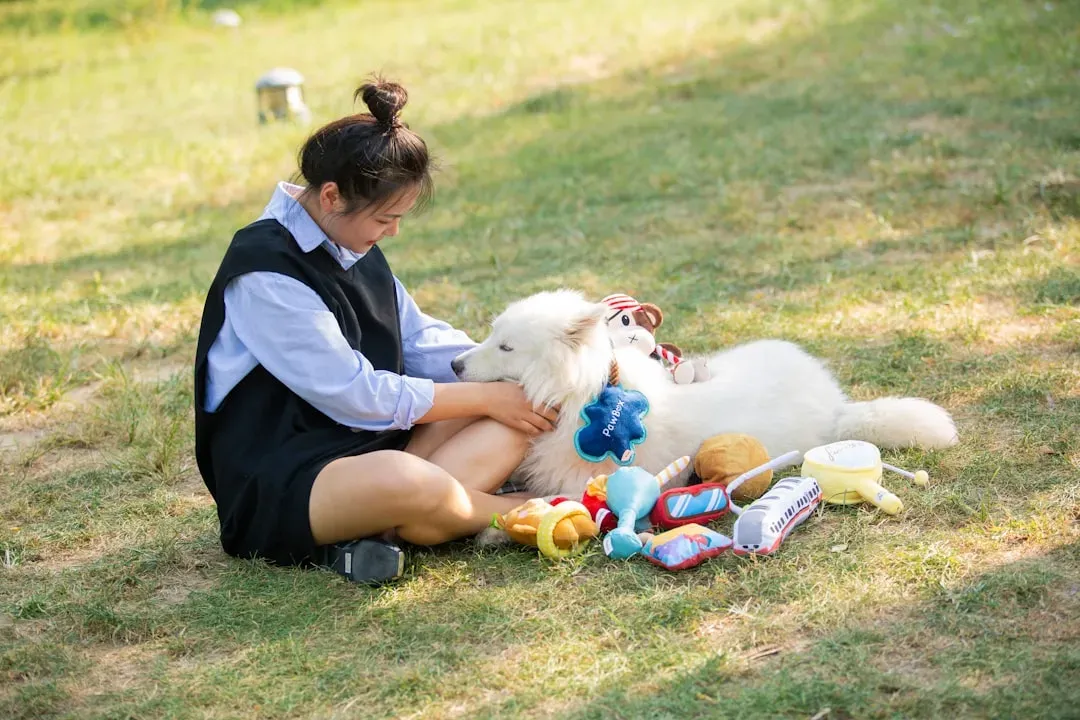
Healthy attachment in both dogs and kids rests on a simple truth: there needs to be a trustworthy leader. For a dog, that leader is the human who provides food, access, and rules, and who calmly decides what is safe. For a child, it is the caregiver who can be warm and playful, but also step into the role of decision-maker without collapsing into guilt, begging, or bribery. When that leadership is missing, the relationship can look “cute” and equal on the surface, but inside, the dependent brain is panicking.
Dogs without clear human leadership often become hypervigilant about the environment: every noise, visitor, or passing dog is now their problem to solve. Children without consistent authority figures may try to take control of family dynamics, policing siblings, negotiating every rule, or manipulating adults simply to feel some sense of power. In both species, that forced leadership role is deeply stressful. Being the boss feels good only when you are actually equipped for it – and anxious dogs and kids absolutely are not.
The “Good Dog / Good Kid” Trap: Why Avoiding Conflict Makes Things Worse
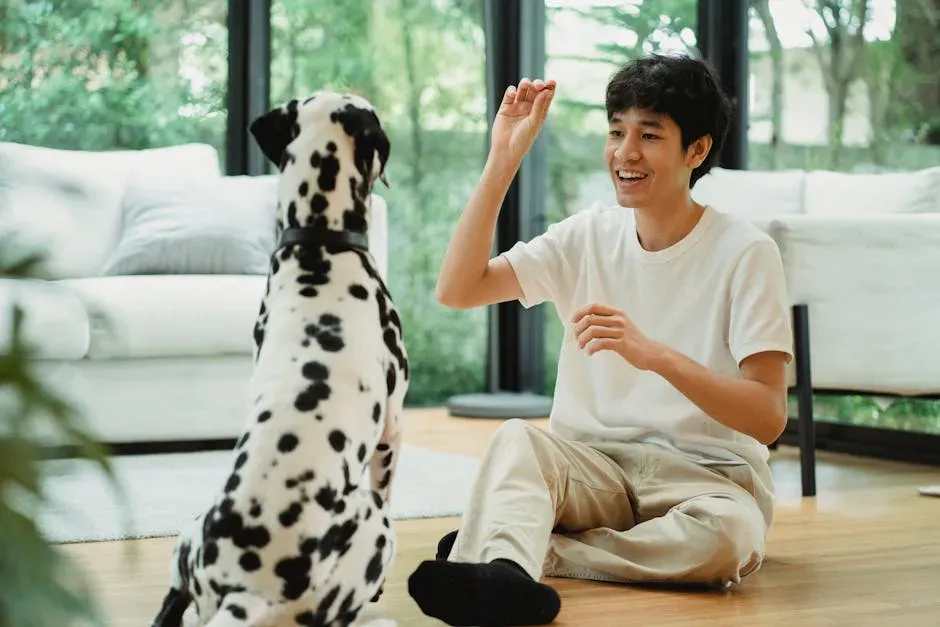
Many caregivers and dog owners fall into a common trap: as long as the dog or child seems cheerful and things are mostly peaceful, they avoid rocking the boat. They let inappropriate behaviors slide because confronting them feels uncomfortable. Over time, though, every unaddressed behavior becomes a brick in a fragile wall; the moment real stress hits – puberty, a move, a new baby, or a scary experience – that wall cracks, and the underlying anxiety rushes out in ways that feel sudden and extreme.
The sad part is that earlier, smaller conflicts could have been powerful teaching moments. Correcting a young dog for jumping on people, or holding a firm line on bedtime with a six-year-old, often triggers tears or protest in the moment, but it builds long-term security. The animal and the child both learn that the adult can handle big feelings and still protect the structure. When you avoid every clash to keep the peace, you are quietly teaching them that emotions are dangerous and rules are negotiable, which is a recipe for chronic unease.
Healthy Boundaries In Practice: What Calm Structure Actually Looks Like
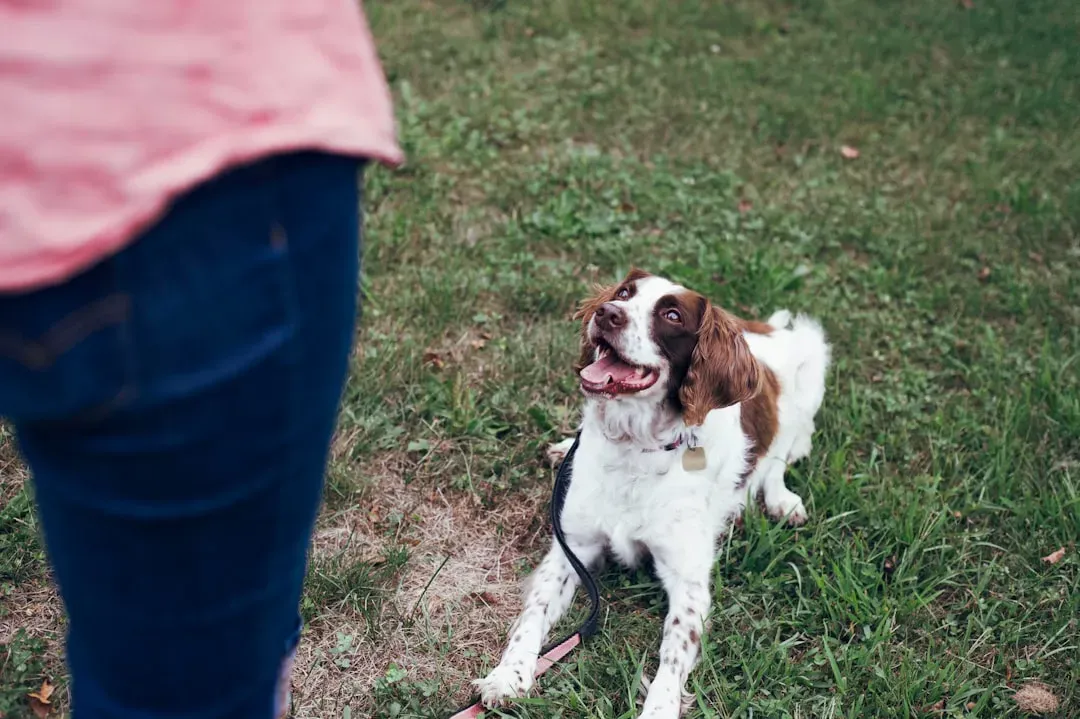
In real life, calm structure with a dog might mean a consistent routine, a few clear house rules, and training sessions that are short, fair, and predictable. The dog learns that some areas are off limits, that certain behaviors always bring reward, and that missteps have mild, consistent consequences, like losing access to a privilege for a moment. None of this needs to be harsh; in fact, harshness usually undermines learning and trust. The key is reliability: the same action produces the same outcome, over and over.
With children, healthy discipline looks surprisingly similar. It might be a small set of non-negotiable rules, clear explanations in age-appropriate language, and consequences that are enforced calmly, not emotionally. For example, if homework is not done, screen time does not happen – every time, not just when the parent is not too tired to follow through. This kind of stability can feel restrictive at first, especially to adults raised without it, but it is precisely what both young humans and dogs need to exhale and stop trying to run the show.
My Take: Boundaries Are Not Brutality, They Are A Gift

I have seen the same pattern over and over: people who grew up with either rigid, harsh discipline or almost no discipline at all tend to swing hard in one direction when they raise kids or dogs. Many decide they will “never be strict,” only to end up living with a deeply anxious animal or child who cannot cope with real life. In my view, the problem is not boundaries themselves, but the way we confuse them with control, shame, or power trips.
Boundaries, when they are calm, consistent, and rooted in genuine care, are one of the kindest things we can offer a developing brain. Dogs who know the rules and kids who trust their parents to mean what they say are not oppressed; they are freed from the exhausting job of running the world. If anything, a boundary is like a handrail on a steep staircase: you might resent it when you are feeling rebellious, but in the dark and on the bad days, you are grateful it is there. When you look at it that way, the real cruelty is not in saying no – it is in leaving them to navigate chaos alone. Did you expect that “spoiling” could feel so much like neglect from the inside?