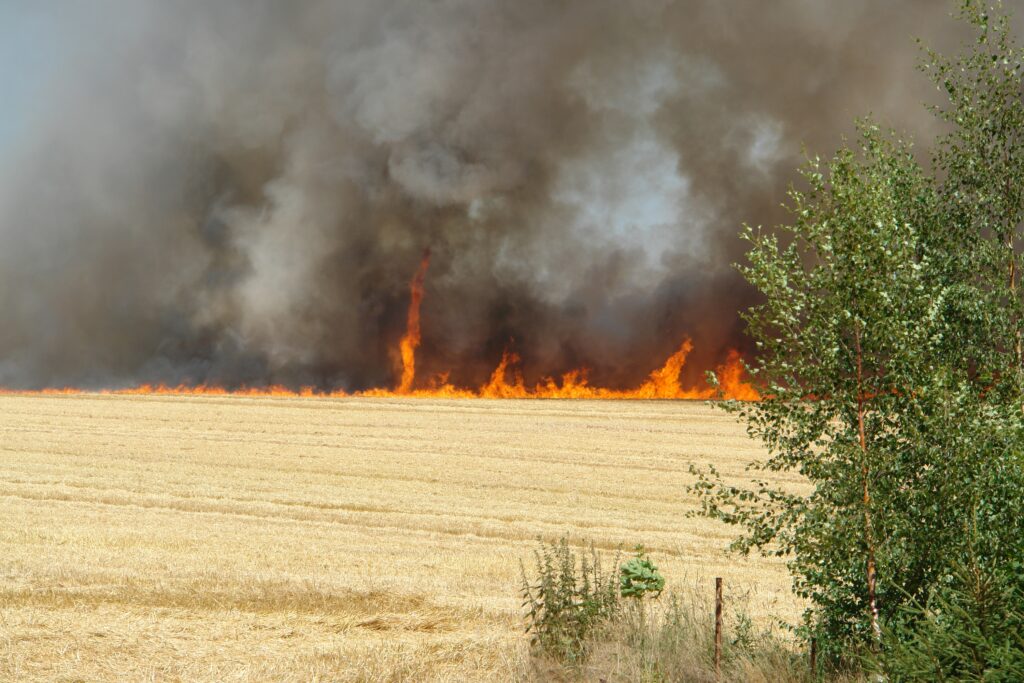

You probably grew up thinking tornadoes and wildfires were two completely different nightmares. One tears through towns from the sky, the other crawls across the ground in walls of flame. Then you see video of a spinning column of fire rising hundreds of feet into the air and realize those nightmares can merge into one. That hybrid horror has a name: the fire tornado, or more technically, a fire whirl or pyrotornado. You are not imagining it if you feel like you’re seeing more of these clips from California, Oregon, Washington, and beyond. As wildfires in the American West get bigger, hotter, and more extreme, the conditions that feed these fiery vortices are showing up more often too. To really understand what you’re looking at, you need to unpack both the physics of spinning air and the brutal realities of modern megafires.
What Exactly Is a Fire Tornado?
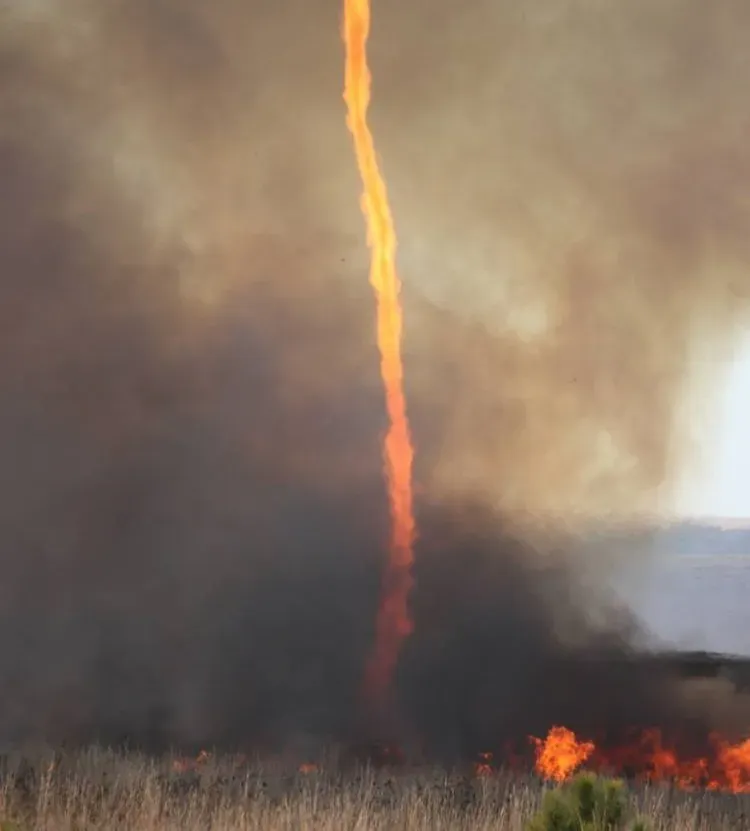
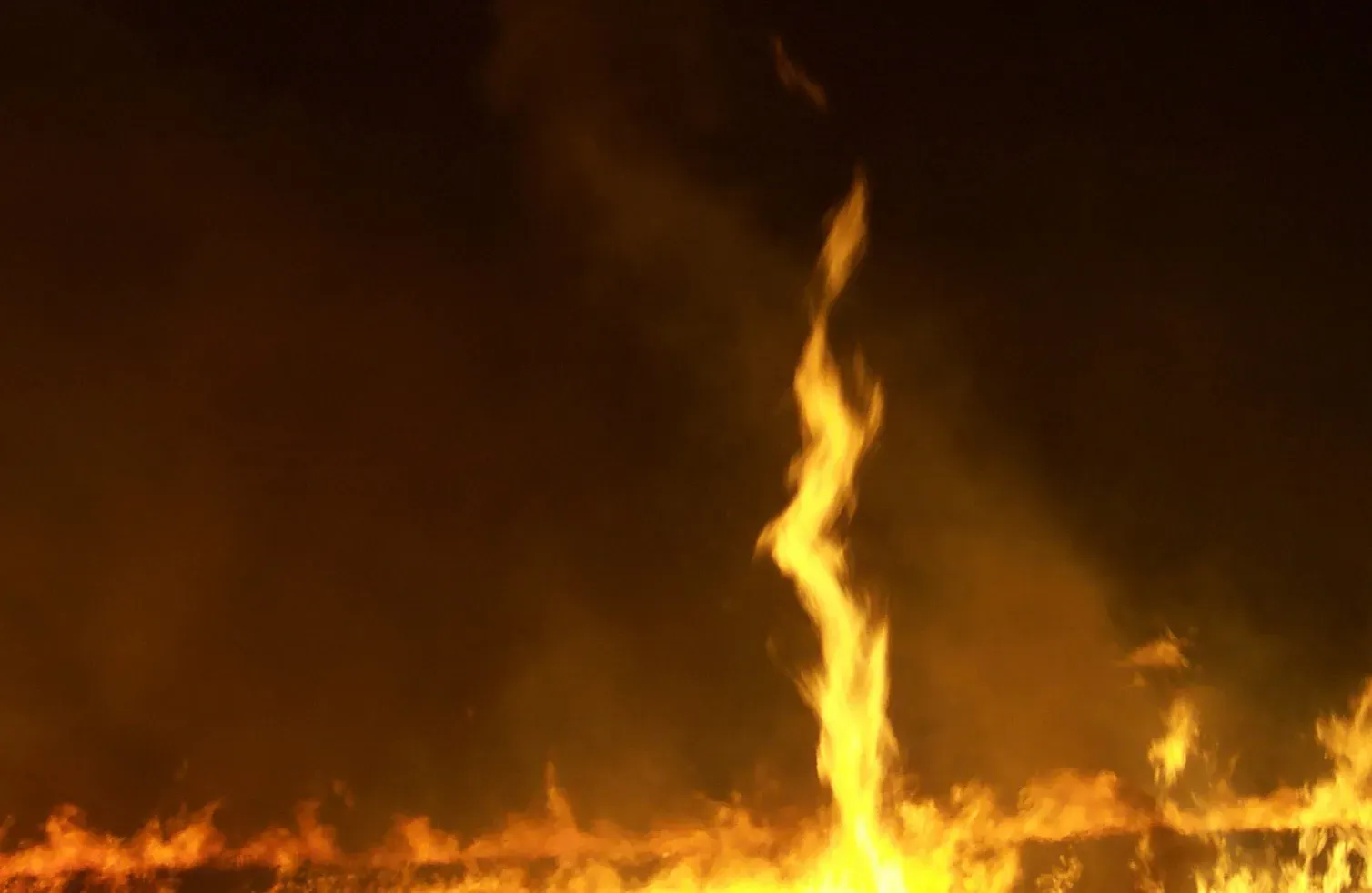
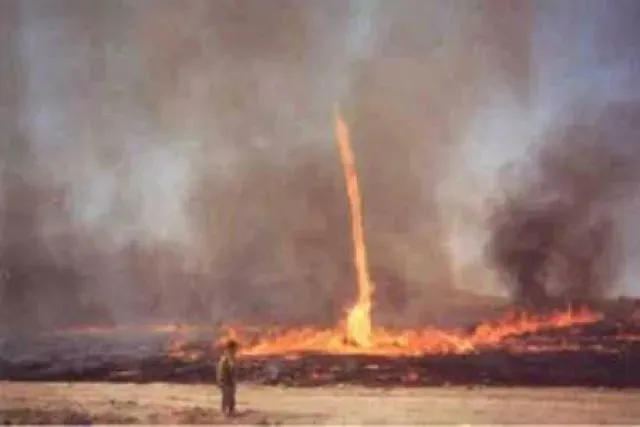
When you hear “fire tornado,” your brain probably jumps to a Hollywood disaster scene, but what you’re really looking at is a vortex of hot, rising air that drags flames, ash, and debris into a spinning column. In milder form, this is called a fire whirl, and you can even see small versions over campfires or industrial flames when conditions are just right. Scale that up over a massive wildfire with intense heat, towering smoke plumes, and unstable air, and the vortex can become stronger, taller, and more dangerous. From your point of view on the ground, a serious fire tornado looks like a twisting pillar of fire and smoke, sometimes as wide as a house and as tall as a skyscraper. Inside that column, winds can reach speeds similar to a strong tornado, lifting embers and pieces of burning material and throwing them far ahead of the main fire. That means a fire tornado is not just a visual spectacle; it can actually create new fire outbreaks and make an already chaotic situation dramatically worse for firefighters and nearby communities.
The Physics Behind Spinning Flames
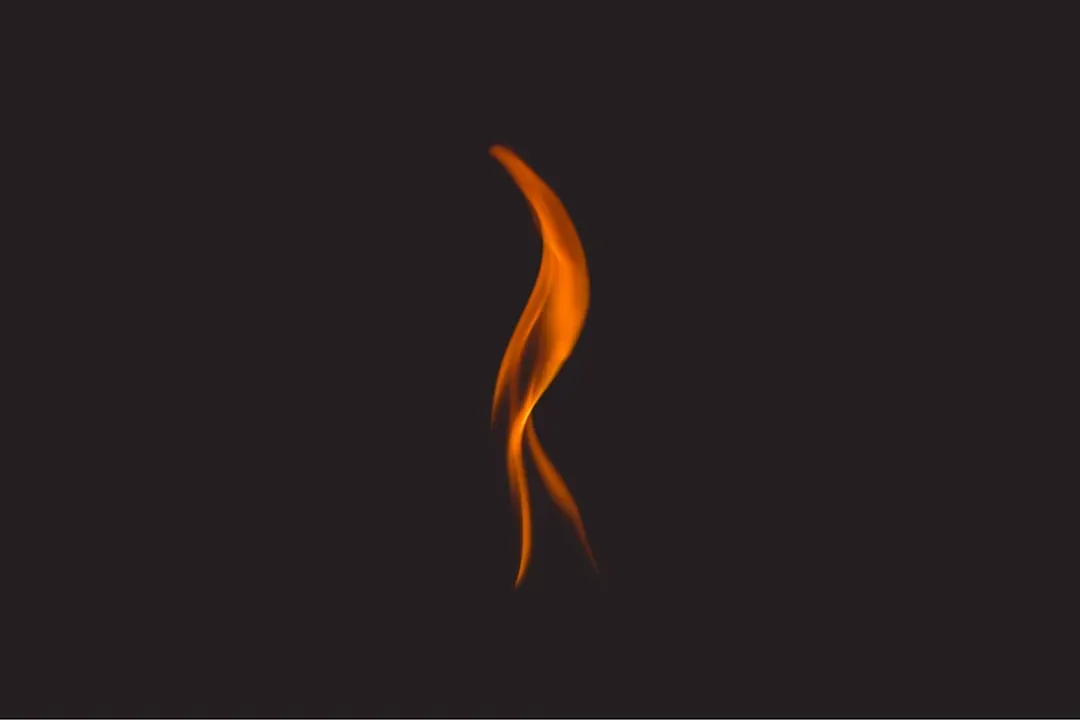
To understand why flames suddenly start spinning, you need to picture how air behaves around intense heat. Wildfire creates a powerful updraft: hot air near the surface rises rapidly, and cooler air rushes in from the sides to replace it. If that incoming air starts to rotate because of nearby winds, terrain, or obstacles like ridges and canyons, the rising column can tighten into a vortex, just like water swirling down a drain. The stronger the updraft and the more organized the rotation, the more impressive and dangerous the resulting fire whirl. You also have friction and turbulence at play. As air scrapes across rough ground, vegetation, and structures, it becomes turbulent and full of eddies. Some of those chaotic swirls can stretch vertically inside a plume of hot air, amplifying their spin. It’s a bit like a figure skater pulling in their arms: as the vortex narrows, it spins faster. In extreme wildfires, the smoke plume can grow tall enough to form its own storm-like structure, which adds another layer of instability that pushes rotating columns into true fire-tornado territory.
From Fire Whirls to Pyro-Supercells
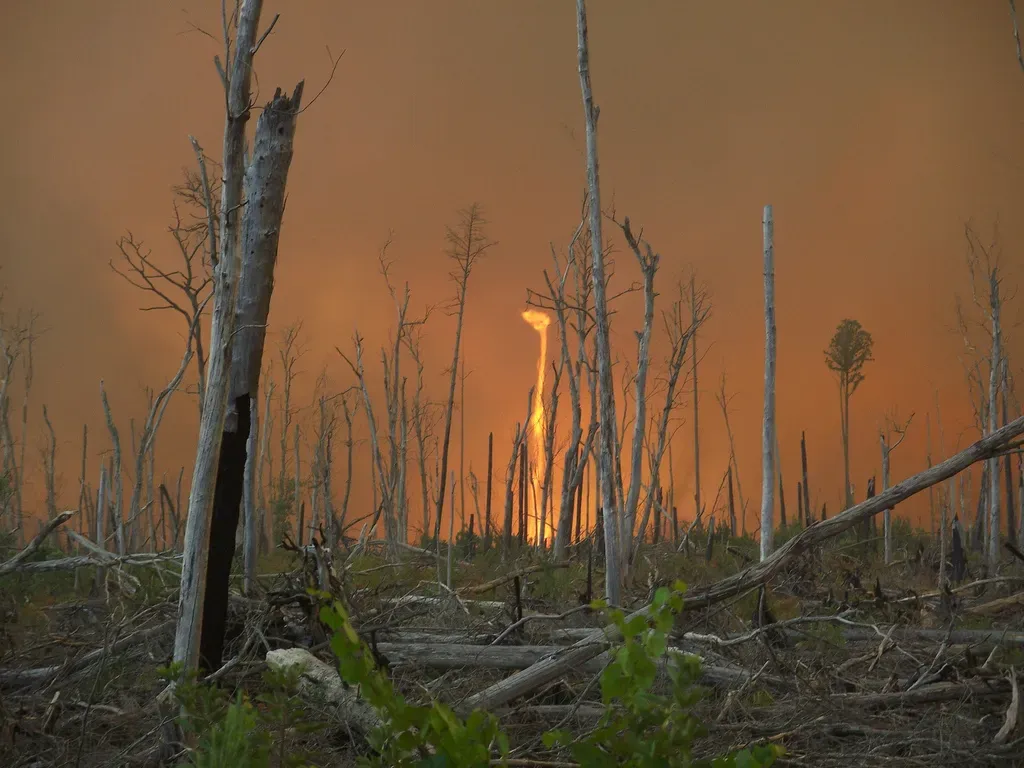
Not every spinning flame is created equal, and you’ve probably seen harmless-looking little fire devils on video that behave like dust devils made of sparks. These smaller fire whirls usually have weaker winds, last a short time, and stay close to the fire line. They are still dangerous, but more in the sense of tossing embers and surprising firefighters than ripping trees out of the ground. You can think of them as the everyday mischief makers of the fire world. At the extreme end, though, a huge wildfire can build a towering smoke plume that punches high into the atmosphere and starts to act like a thunderstorm. That’s when you hear the term “pyrocumulonimbus” or “pyroCb” storm. Inside that kind of plume, you can get lightning, strong downdrafts, and organized rotation similar to a severe thunderstorm. When that rotation extends down toward the ground and couples with the burning surface, you’re looking at conditions capable of producing a genuine fire tornado with destructive, tornado-level winds.
Why the West Is Ripe for Fire Tornadoes Now
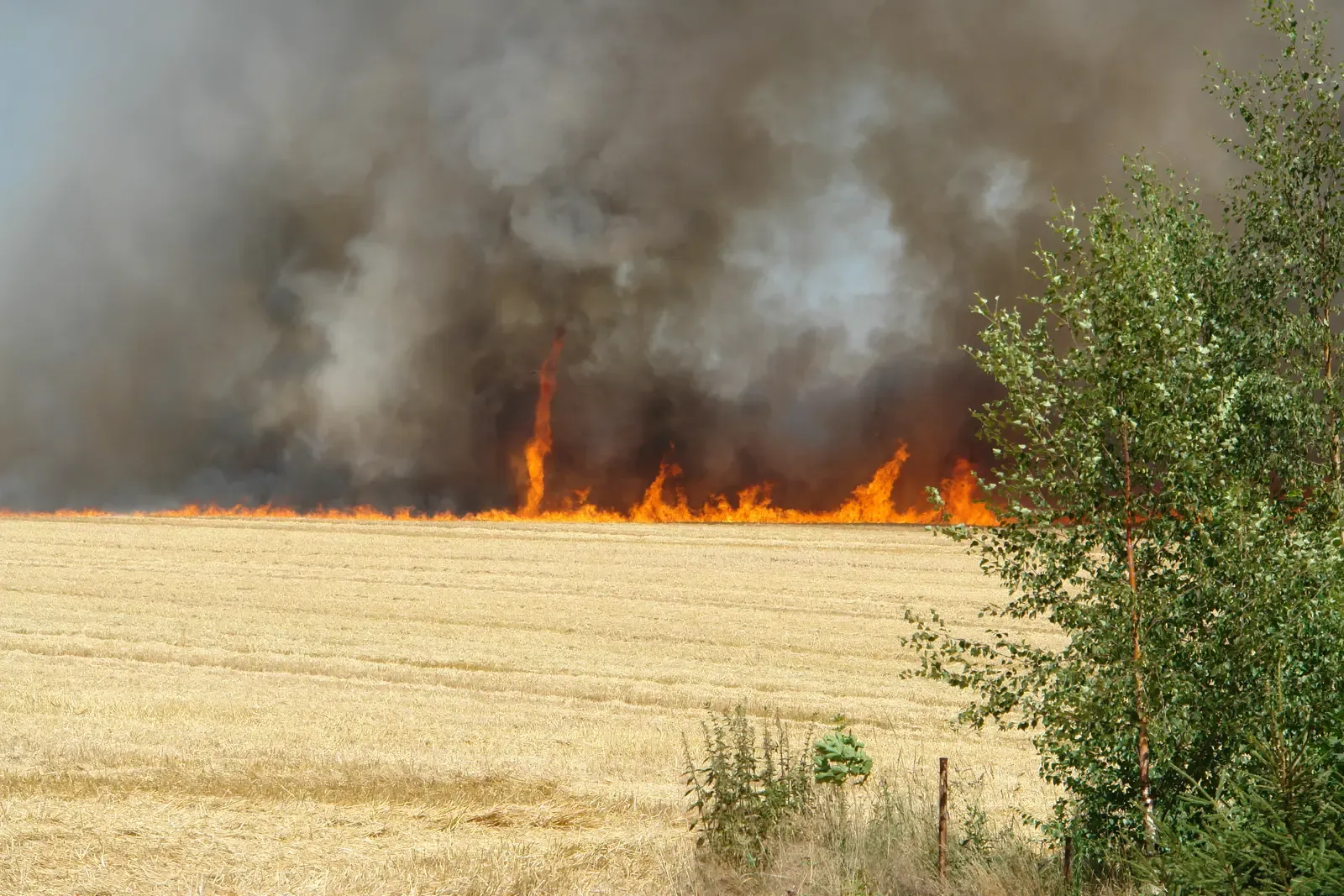
If you live in the American West, you’re sitting in a kind of perfect storm zone for modern megafires: hotter summers, longer dry seasons, and a landscape loaded with fuel after decades of fire suppression. Warmer temperatures dry out vegetation more deeply and for longer periods, so when a fire does start, it can burn hotter and release more energy into the air above it. That extra heat supercharges the updrafts and huge smoke plumes that are a key ingredient for serious fire whirls. On top of that, you have rugged terrain, canyons, and mountain valleys that naturally bend and funnel the wind. When strong regional winds interact with the intense heat from a megafire, the airflow can twist and turn in complicated ways. You end up with just the right cocktail of wind shear, instability, and fuel to turn parts of a wildfire into a rotating furnace. You’re not just dealing with a line of flames anymore; you’re dealing with a fire-driven weather system that can essentially create its own violent behavior.
Climate Change, Megafires, and Extreme Fire Behavior
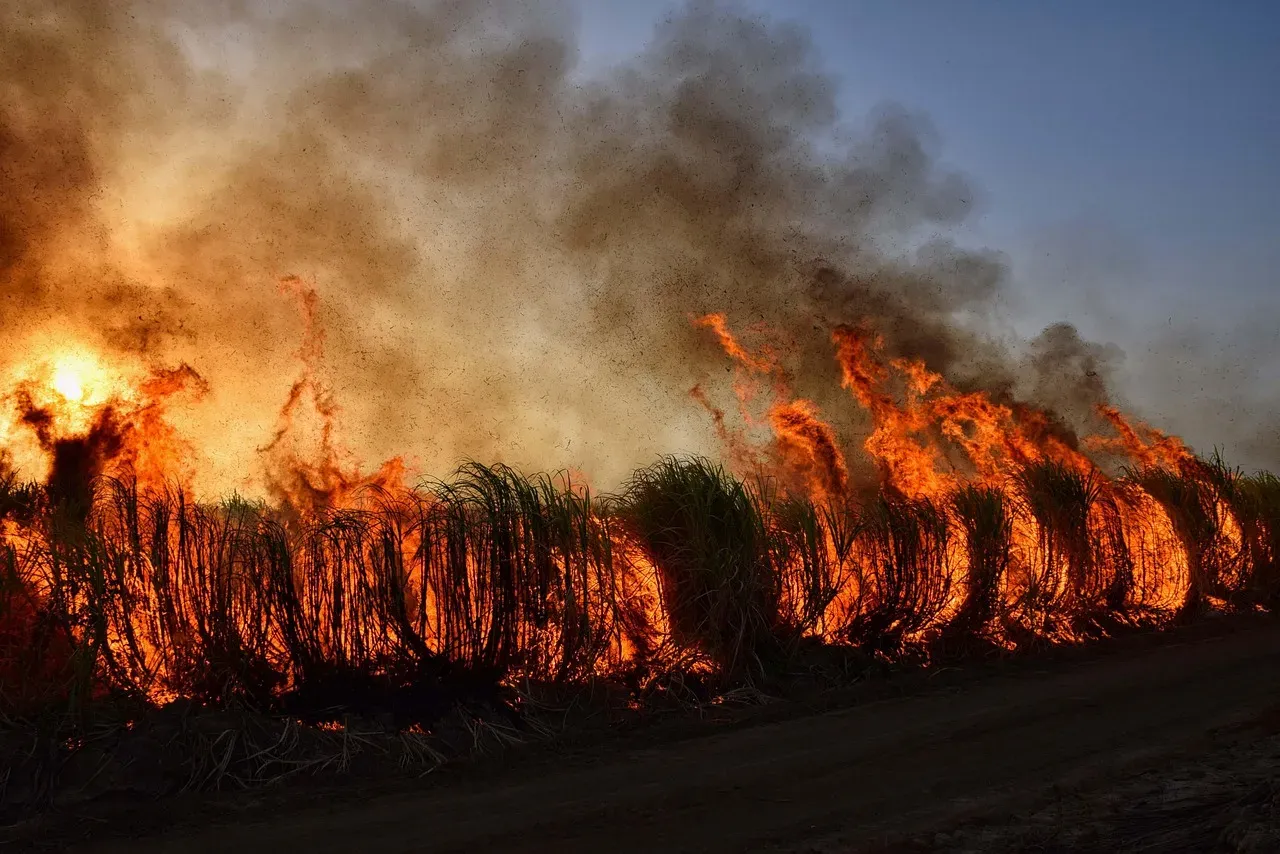
You cannot talk honestly about why you’re seeing more extreme fire phenomena without talking about climate change. Across the West, average temperatures have climbed, snowpack has shrunk in many mountain regions, and the fire season has stretched from a few hot months into something much closer to a year-round threat. Longer, hotter, and drier conditions mean more days when forests and grasslands are primed to burn explosively once a spark appears. That sets the stage for the kind of huge, intense fires that are most capable of spawning fire tornadoes. At the same time, human activity has been pouring more potential fuel onto the landscape for decades. By trying to suppress nearly every fire, land managers often allowed forests to grow thicker and more crowded than they would have under a natural burn cycle. Add in more homes built in fire-prone zones, and you get fires that are hotter, faster-moving, and more unpredictable. In that world, it makes sense that you’re hearing phrases like “unprecedented fire behavior” more often, because the atmosphere and the landscape are both shifting in ways that reward extremes.
How Fire Tornadoes Change Firefighting and Risk
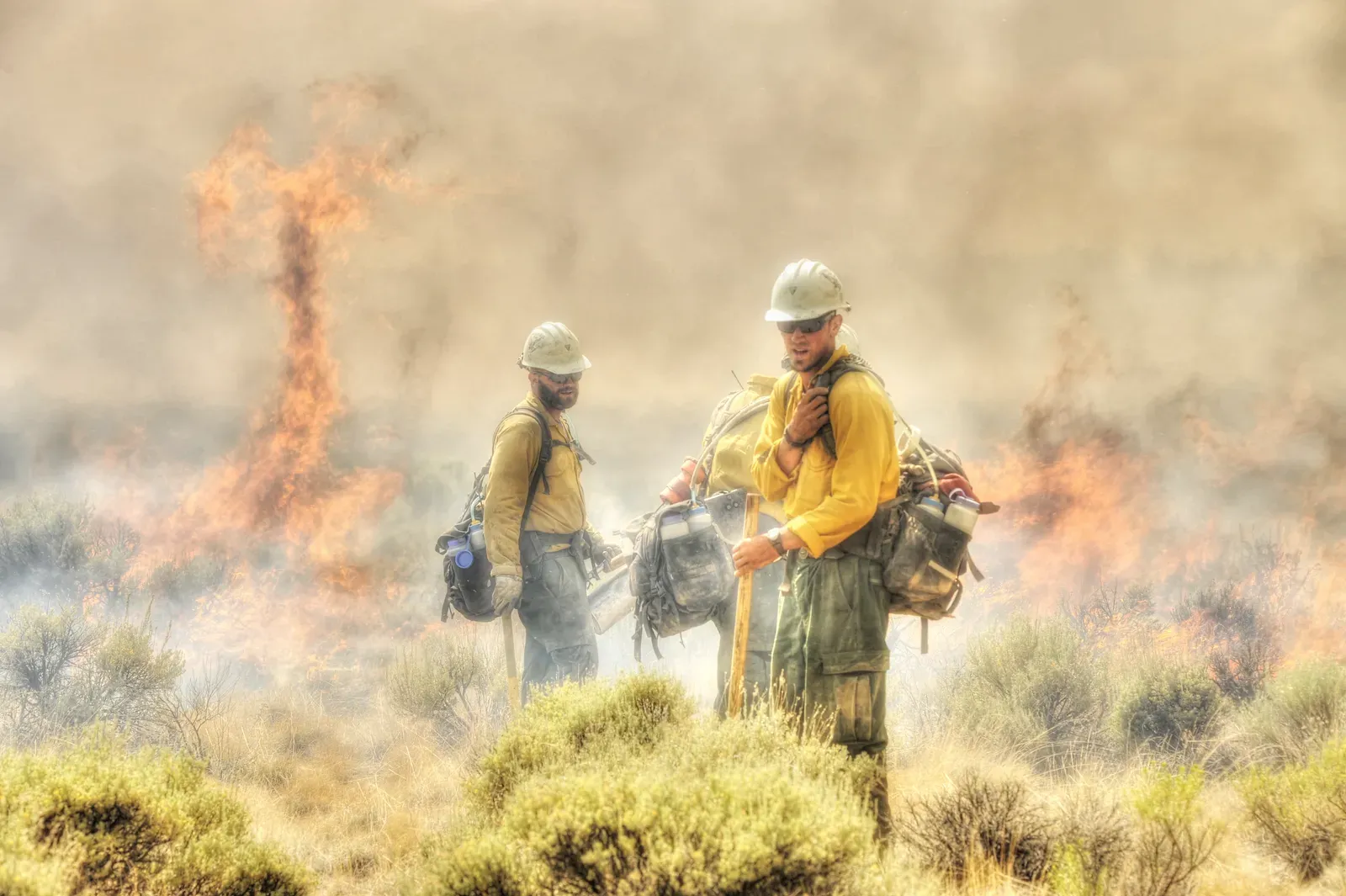
If you’re a firefighter, a fire tornado is not just a dramatic sight; it’s a serious tactical nightmare. Intense rotating columns can toss burning debris far beyond existing fire lines, undoing hours or days of containment work in minutes. Strong, localized winds can suddenly change fire direction, trap crews, and make aircraft operations too dangerous to continue. That kind of behavior pushes firefighting from trying to directly control the fire to pulling back and focusing on life safety and structure protection. For you as a resident or homeowner in fire country, the idea of spinning flames might sound like something you can never plan for, but it really just underscores a larger truth: you’re dealing with fires that can move quicker and behave more erratically than they did a generation ago. Creating defensible space around your home, using fire-resistant building materials when possible, and taking evacuation warnings seriously are no longer overreactions. When embers can be hurled far ahead of the main fire front, you want your property and your plans ready long before the flames are visible.
Living with a Future of More Extreme Fire
If you live in or love the West, the rise of fire tornadoes is a symptom of a deeper shift rather than the main story. You’re entering an era where fire behaves more like a season, not a short-lived emergency. That means your mindset has to move from rare disaster to ongoing risk management, the way coastal communities think about hurricanes. You cannot control the physics of rotating flames, but you can influence how exposed you are when fire weather ramps up. On a bigger scale, you’re part of a society that has choices to make. Reducing greenhouse gas emissions, supporting smarter forest management, and rethinking where and how new homes are built all feed into whether the next few decades bring even more extreme fire events or start to bend the curve back down. The science of fire tornadoes may sound exotic, but it is really a dramatic side effect of very human decisions about climate, land, and development.
Conclusion: What Fire Tornadoes Are Really Telling You
When you watch video of a fire tornado ripping through a burning landscape, it is easy to see it as a freakish one-off event, something so bizarre that it must be rare and random. In reality, that spinning pillar of flame is a flashing warning sign that the background conditions in the West are changing in ways that favor extreme fire. Hotter temperatures, drier fuels, bigger plumes, and complex winds are teaming up more often, and the physics is simply following the script you have written in the atmosphere and on the land. You do not need to become a meteorologist or fire scientist to respond to that warning, but you do need to take it seriously. By understanding what fire tornadoes are, why they form, and what they mean for firefighting and communities, you give yourself a better chance to prepare, to push for smarter policies, and to adapt to a hotter, more fire-prone world. The question for you now is simple: will you treat these fiery spirals as a terrifying curiosity, or as a signal that it is time to change the way you live with fire?