
If you think you know the ocean because you recognize dolphins, sharks, and sea turtles, you’re barely scratching the surface. Just beyond the waves you see from the beach, there’s a hidden cast of strange, beautiful, and surprisingly tough creatures quietly thriving along U.S. coastlines.
Once you start noticing them, you’ll never look at the ocean the same way again. From fish that glow in the dark to worms that build reefs out of sand, these lesser‑known residents are critical to the health of coastal ecosystems you depend on for food, recreation, and even climate stability. You’re about to meet ten of them that almost never make the headlines – but absolutely should.
1. Northern Stargazer – The Grumpy Fish Hiding Under Your Feet
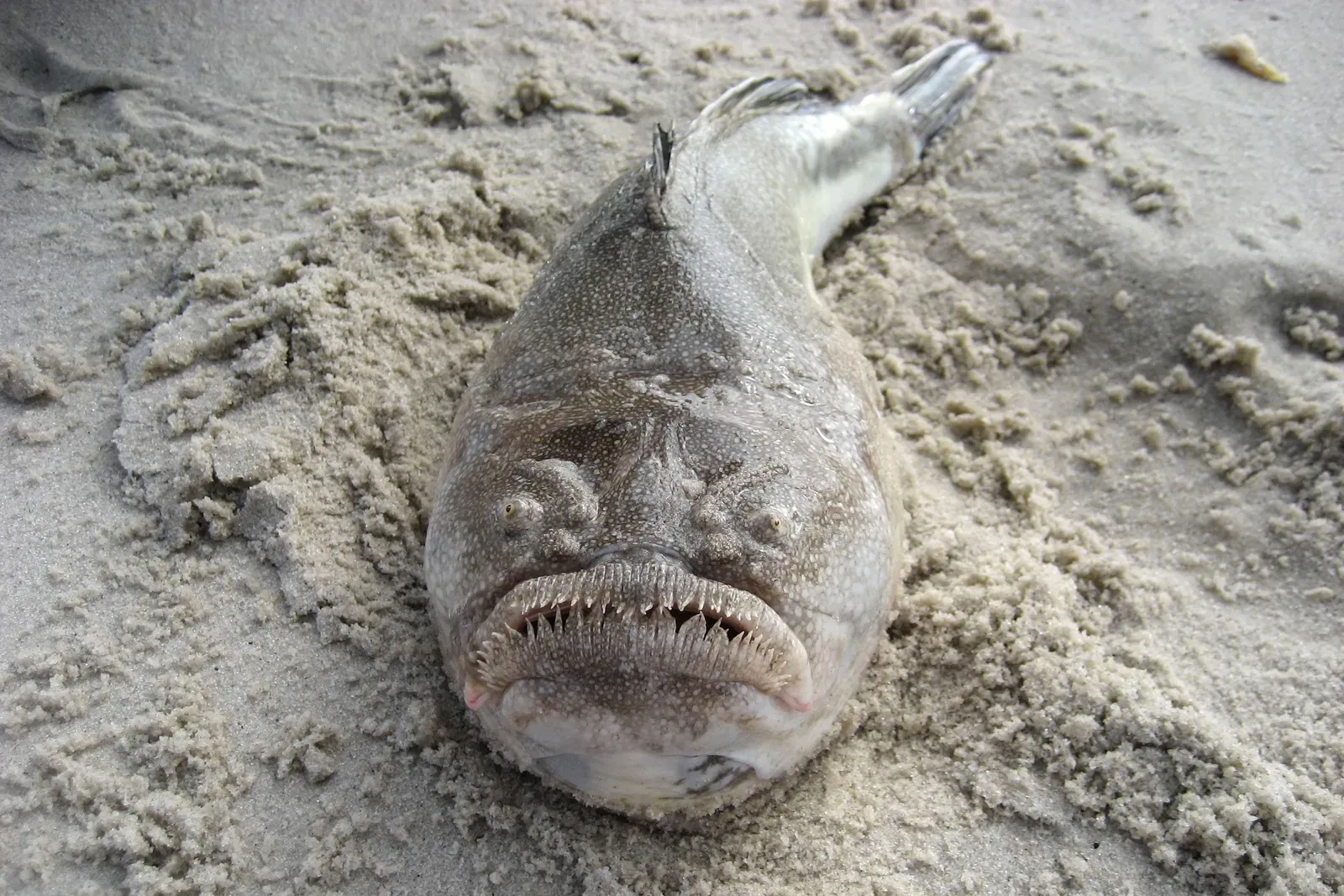
Off the Mid‑Atlantic coast, there’s a fish that literally stares up at you from under the sand: the northern stargazer. You might be swimming right above it without having a clue, because it buries its flat body in the seafloor with only its upturned eyes and mouth poking out like a booby‑trapped manhole. You see the calm, rolling surf; it sees lunch swimming overhead.
As odd as it looks, this fish is perfectly adapted to life in shallow coastal waters from New York down toward the Carolinas. It uses its camouflaged body to ambush small fish and crabs, inhaling them with a sudden vacuum‑like gulp. Some stargazer species can even produce mild electric shocks, which sounds like something out of a sci‑fi movie but is just another clever survival trick in crowded sandy habitats.
2. Basket Star – The Living Nighttime Snowflake
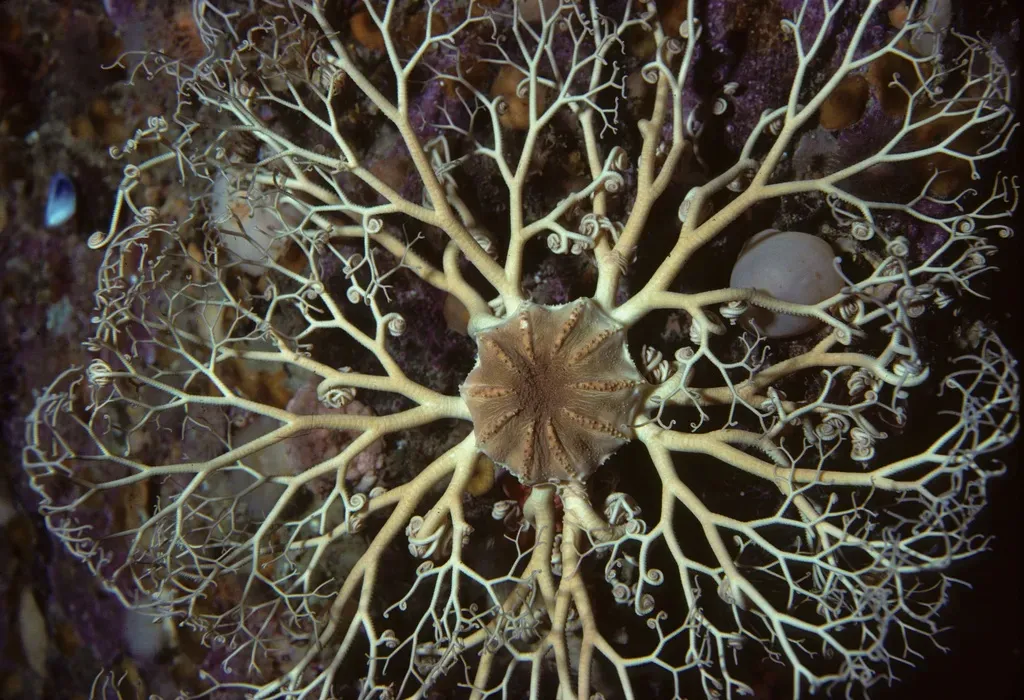
If you ever dive or watch remotely operated vehicle footage from deep rocky slopes off New England or Alaska, you might spot what looks like a delicate, branching snowflake clinging to the bottom. That’s a basket star, a type of brittle star related to sea stars, and it turns feeding into performance art. As night falls or currents pick up, it unfurls its highly branched arms into the water like a lacy net.
Each of those arms splits again and again into finer branches, creating a living filter that snares tiny plankton drifting by. You’re basically watching a slow‑motion fireworks display that doubles as a dinner plate. Basket stars are perfectly built for life in cold, dark waters where speed doesn’t matter, but efficient, low‑energy feeding does – and they quietly help move energy up the food web to larger predators.
3. Deep‑Sea Lizardfish – The Ambush Predator From the Dark
Far beyond where sunlight reaches, off the U.S. Atlantic coast, there’s a long, lean hunter called the deep‑sea lizardfish waiting in near‑freezing water. You’re never going to bump into it on a beach day, but trawls and submersibles regularly find it lounging on the muddy bottom like a reptile crossed with a torpedo. Its mouth is lined with sharp, needle‑like teeth that look more like a horror prop than a real animal.
Down in the deep sea, food is scarce and every meal counts. The lizardfish is built for patience: it lies motionless on the seafloor until an unlucky fish or squid passes close, then lunges with explosive speed. You can think of it as the deep ocean’s version of a crocodile – silent, still, and brutally efficient – playing a crucial role in controlling populations of other mid‑level predators in the depths.
4. Sea Walnut (Comb Jelly) – The Ghostly Light Show in Coastal Waters
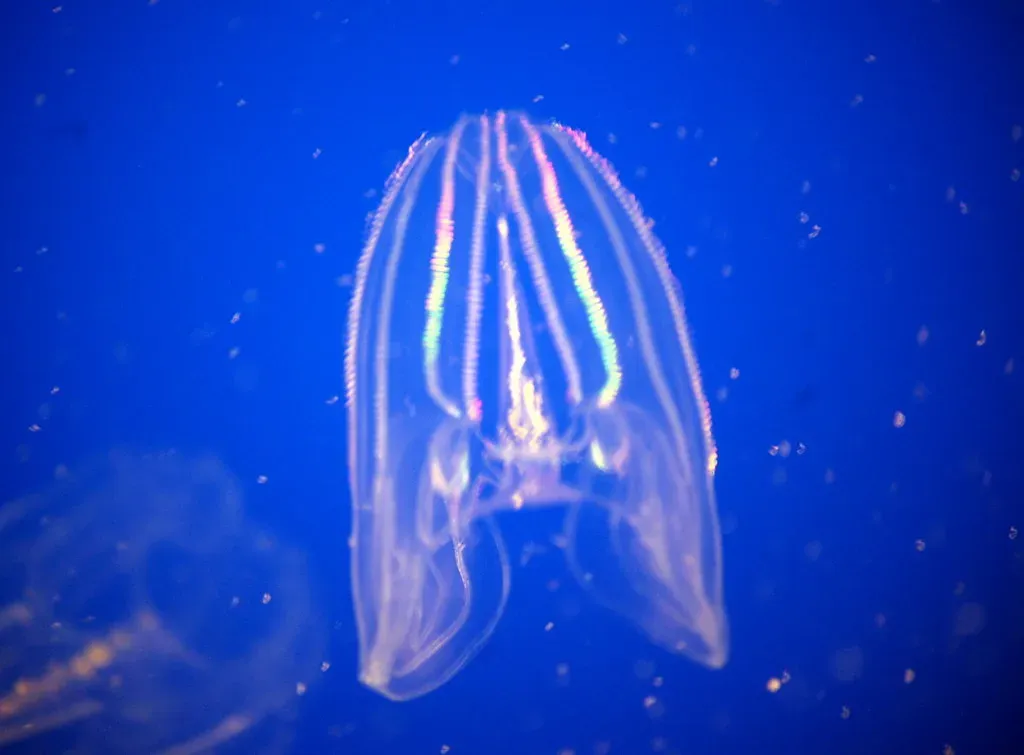
When you hear “jelly,” you probably picture a classic stinging jellyfish, but off the U.S. East and Gulf coasts you’ve got an entirely different drifter: the sea walnut, a type of comb jelly. Unlike jellyfish, it doesn’t have stinging tentacles that target your skin. Instead, its transparent, oval body is covered in rows of tiny hair‑like cilia, which beat in waves to move it through the water.
Here’s the wild part: when light hits those moving cilia, they break it into shimmering, rainbow bands that ripple across the body, like a tiny UFO pulsing with color. At night, many comb jellies can produce their own faint glow. You might not love them if you are a zooplankton or fish egg, because that’s what they’re constantly filtering from the water, but their success shows you how simple body plans can thrive in coastal bays and estuaries that change fast with seasons and storms.
5. Christmas Tree Worm – Miniature Coral Condo Residents
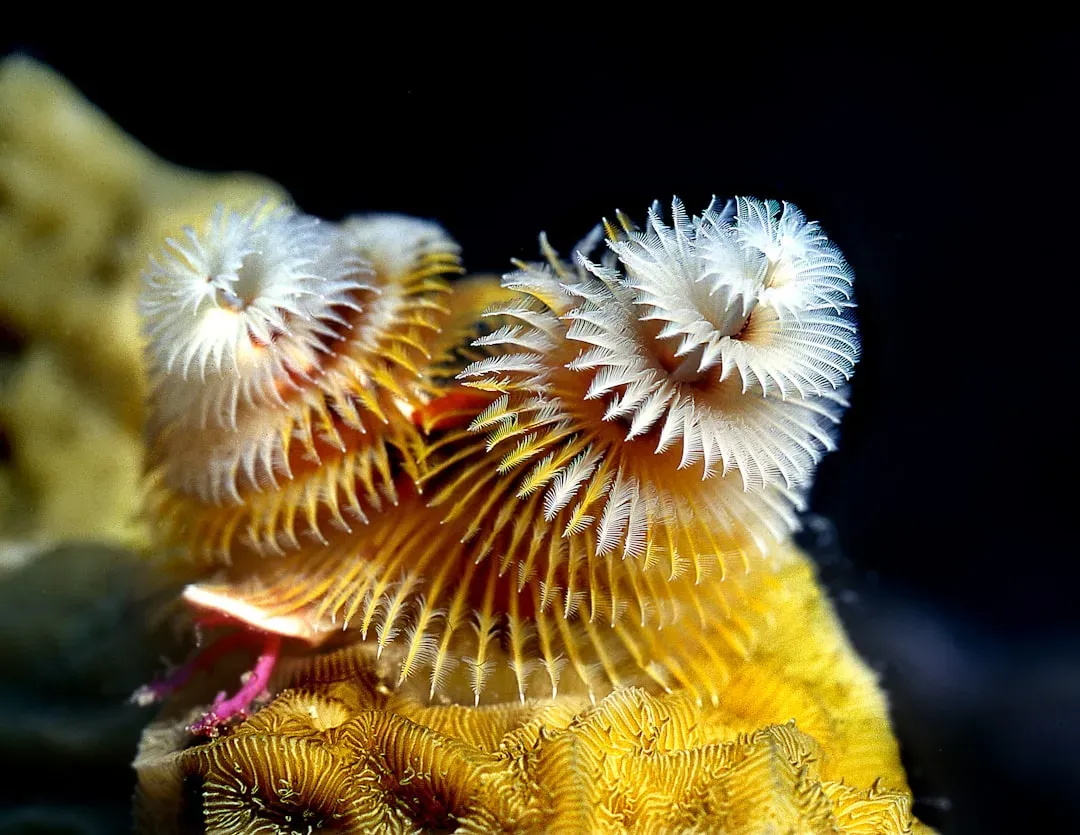
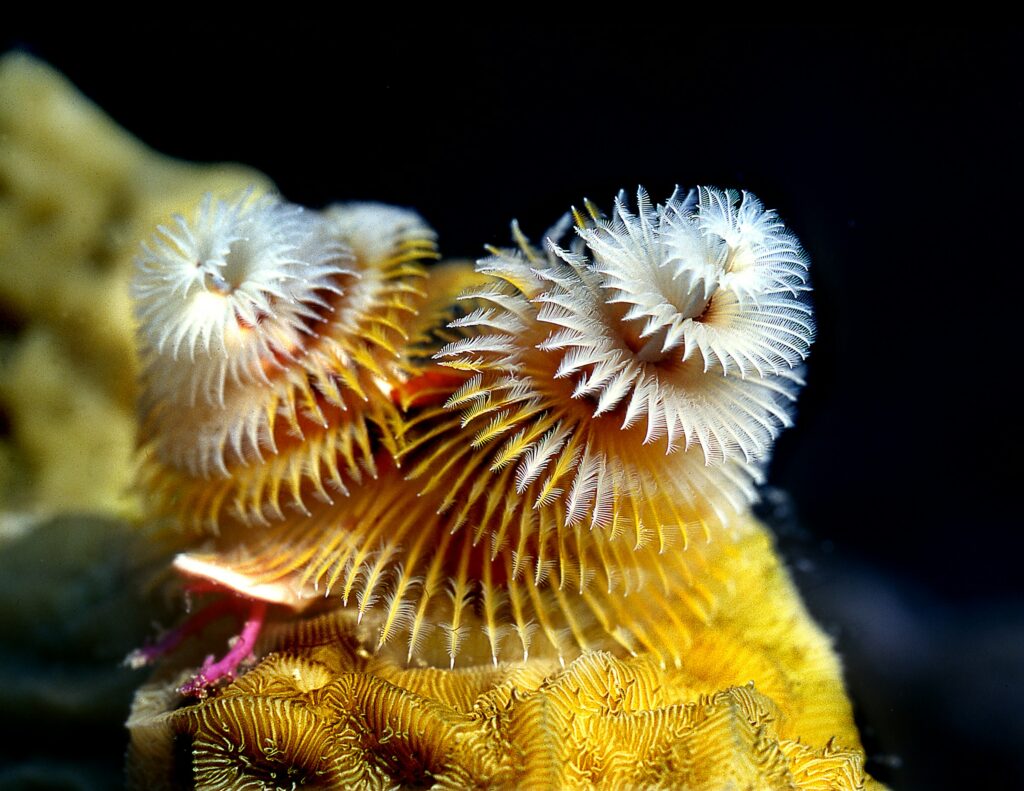
If you’ve snorkeled on Caribbean or Florida reefs and spotted tiny, spiral “trees” popping in and out of coral heads, you’ve already met the Christmas tree worm – you just might not have known it. Each “tree” you see is actually the worm’s twin feeding crowns, shaped like little colored firs sticking out of a tube it has built in the coral skeleton. The body itself stays hidden, tucked safely inside its burrow.
Those spiral crowns act like living fans that grab plankton and tiny food particles from passing water. The second you cast a shadow over them, they dart back into their hole in a blink. As a reef visitor, you might think of corals as the main event, but species like Christmas tree worms show you that reefs are more like high‑rise apartment buildings, packed with discreet tenants that filter the water, recycle nutrients, and add to the reef’s wild color and texture.
6. Feather Duster Worm – The Underwater Flower That Isn’t a Flower
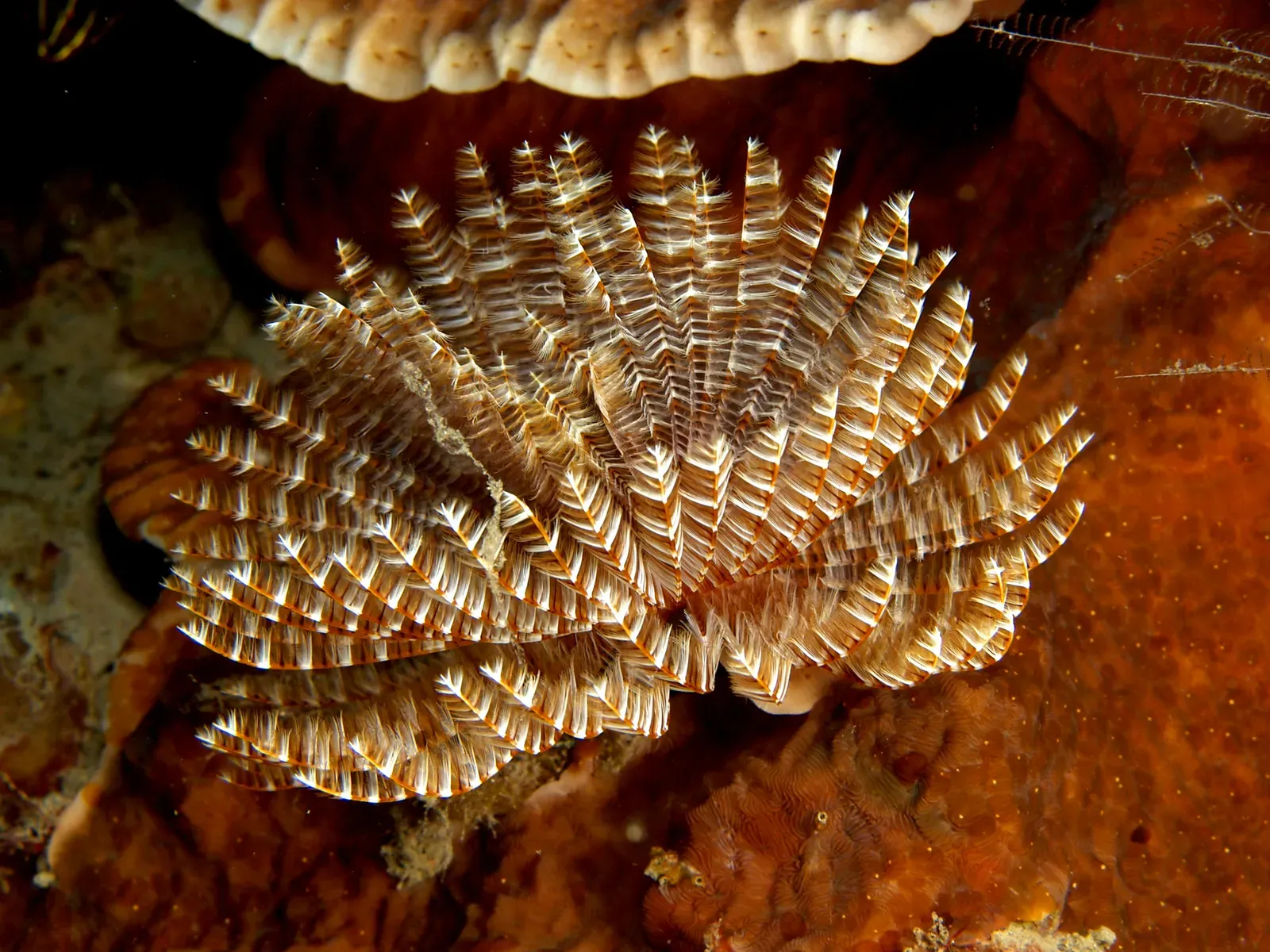
Along rocky and muddy bottoms from New England to California, you can find what looks like an underwater bouquet waving gently in the current. When you look closely, those “flowers” are actually feather duster worms, tube‑building marine worms that anchor themselves to the bottom and extend a crown of feathery tentacles into the water. You’re basically staring at an animal disguised as a plant.
The worm hides inside a tough, parchment‑like tube it builds from sand, mucus, and secreted material. It uses its feathery crown to both breathe and feed, trapping tiny food particles from the water column. At the slightest disturbance, the entire crown snaps back into the tube like a retractable antenna. Once you start recognizing them, you’ll see how they help stabilize soft sediment, provide mini‑habitat for tiny critters, and turn otherwise plain areas into living, breathing gardens.
7. Giant Isopod – The Deep‑Sea “Roach” You Secretly Respect
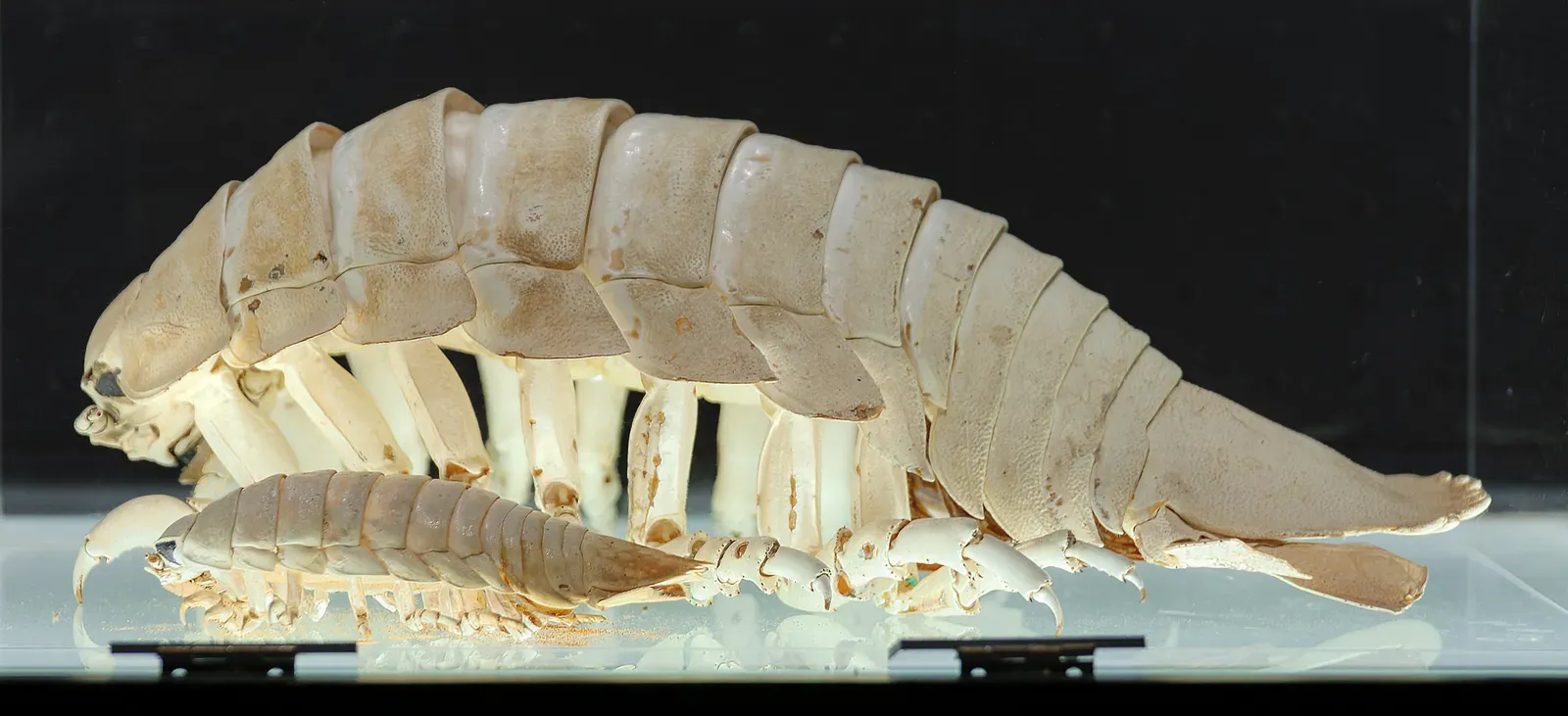
Off the deeper parts of the Gulf of Mexico and Atlantic margin, you’ve got a creature that looks like a pill bug scaled up into a sci‑fi monster: the giant isopod. When you see pictures of one, your first reflex might be to recoil – it really does resemble an enormous, armored roach. But if you push past that reaction, you notice how perfectly it’s designed for deep‑sea scavenger life.
These animals crawl along the seafloor, miles down, searching for carcasses of fish, whales, and other animals that drift from the surface. In a world where big meals are rare and unpredictable, a giant isopod can stuff itself to almost comical levels, then go a long time without eating again. You might not call it cute, but you rely, indirectly, on creatures like this to clean up the deep ocean and recycle nutrients back into the system.
8. Flying Fish – The Gliders of Warm Offshore Waters
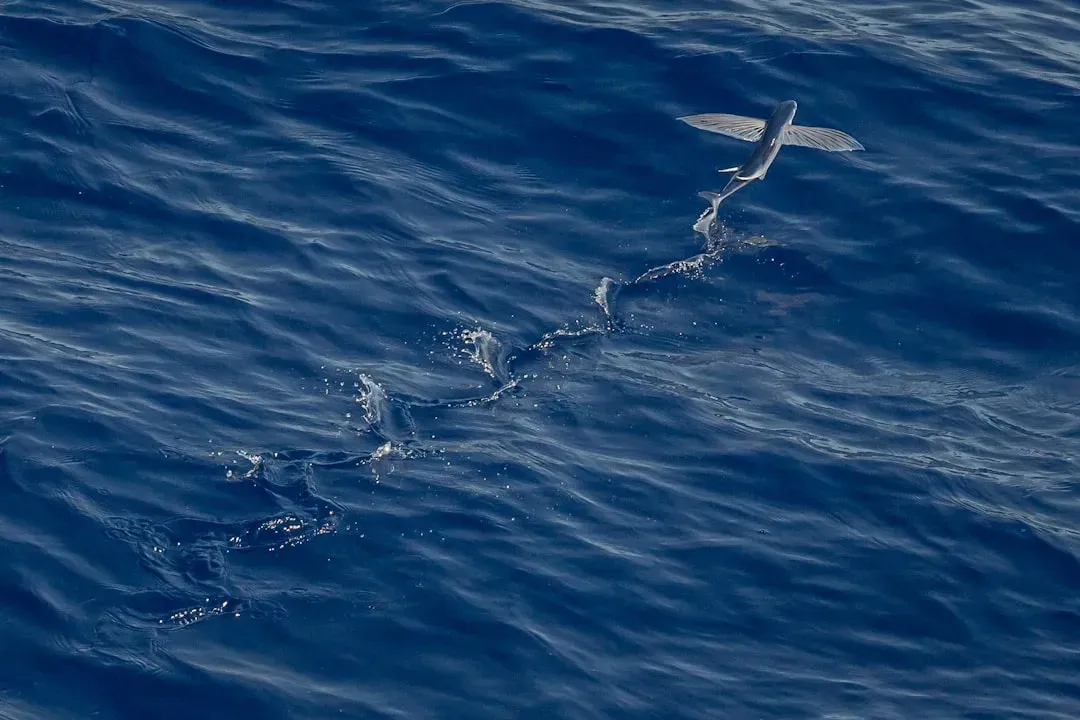
When you picture something “flying” off the U.S. coastline, you probably think of seabirds – but in warmer offshore waters of the Atlantic and Pacific, flying fish regularly steal the show. If you ever take a boat ride in the Gulf Stream or off southern California, you might see what looks like birds skimming just above the waves, then realize they are fish with oversized pectoral fins extended like wings.
These fish don’t truly fly, but they launch themselves out of the water at high speed and glide impressive distances, using their fins to stay airborne and avoid fast‑moving predators like tuna or dolphinfish. The first time you watch a group of flying fish erupt ahead of a boat’s bow, you feel like the ocean has suddenly broken one of its own rules. They’re a reminder that evolution will happily borrow tricks from the air when life in the water gets too dangerous.
9. Warty Sea Cucumber – The Unsung Janitor of the Seafloor
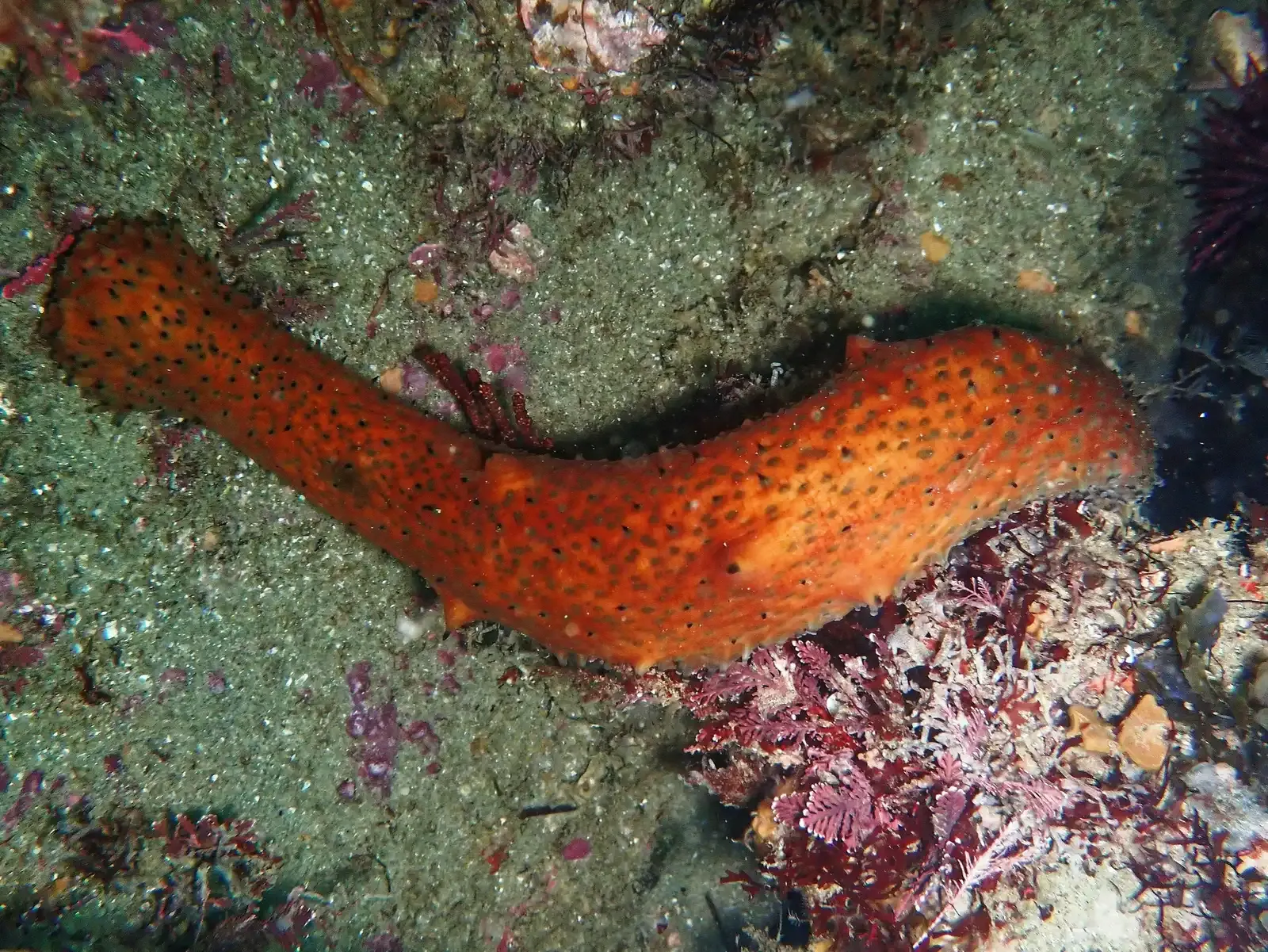
All along the Pacific coast, from Alaska down to California, you can find plump, reddish “sausages” resting on kelp‑covered rocks and muddy bottoms: warty sea cucumbers. At a glance, you might write them off as weird, lumpy blobs. But if you give them a little more attention, you’ll see them for what they are – tireless cleaners that keep the seafloor from turning into a waste dump.
Warty sea cucumbers feed by picking up sediment and detritus with their tentacles, then digesting the organic material and passing the rest back out. In a way, the seafloor goes through their digestive system like soil through an earthworm on land. As they process all that material, they help recycle nutrients and keep the benthic community healthy. Next time you see one in a tide pool exhibit or on a dive, you’re looking at one of the coast’s hardest‑working custodians.
10. Glass Sponge Reefs – Ancient Cities Built From Silica
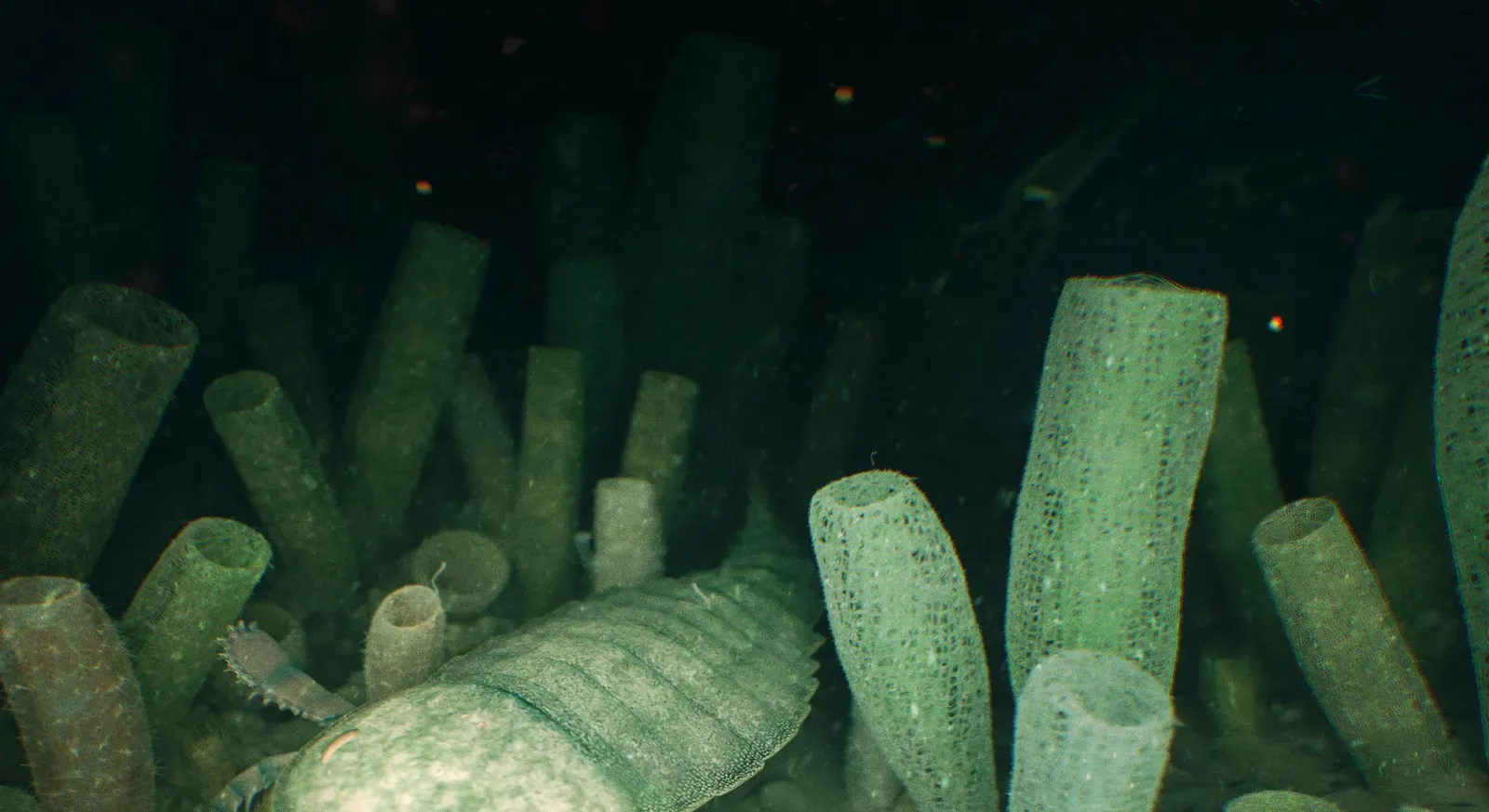
Off the Pacific Northwest, especially in deeper, colder waters, there’s something you probably never imagined existed so close to U.S. shores: reefs built not from coral, but from glass. Glass sponges use silica – basically the same base material as glass – to build intricate skeletons that resemble delicate lattices and vases. When many of them grow together, they form sponge “reefs” that create towering, three‑dimensional habitat on the seafloor.
These glass sponge structures host fish, crabs, and countless invertebrates, functioning almost like underwater skyscrapers in the otherwise sparse deep. They filter massive volumes of water, capturing tiny particles and cycling nutrients. You don’t see them from the surface, and most people will only view them through ROV footage or photos, but they are thriving examples of how unexpected and fragile deep coastal ecosystems can be when water quality and temperature stay within their narrow comfort zone.
Conclusion: Seeing Your Coastlines With New Eyes
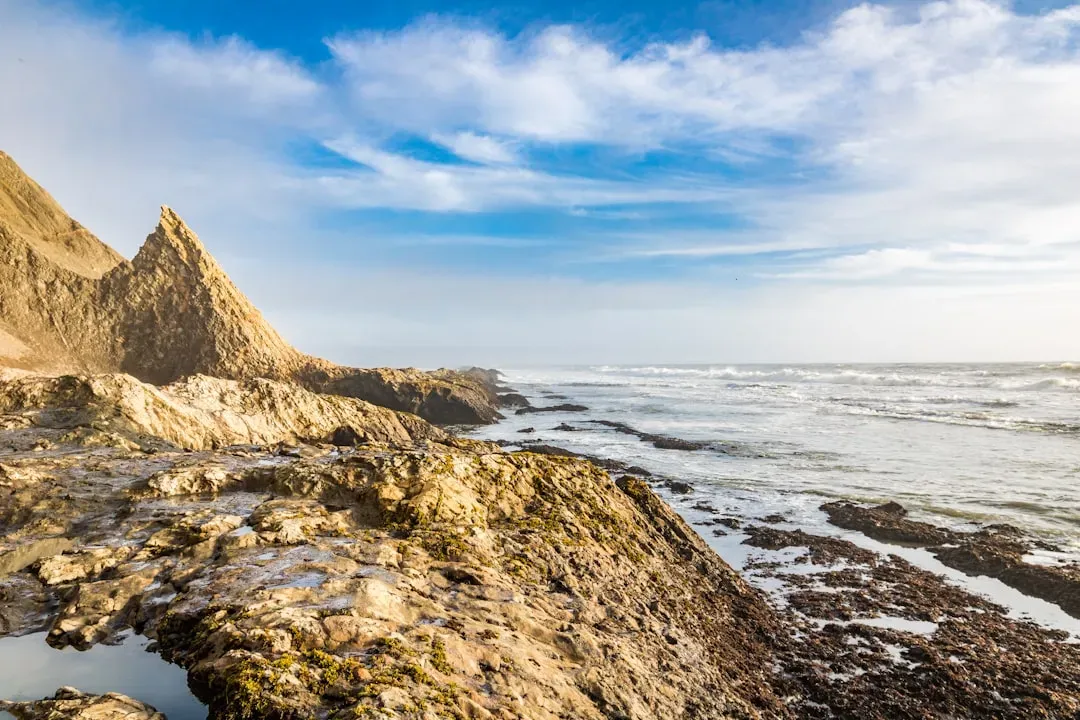
When you walk a U.S. beach, you might feel like you are just looking at waves and sand, but now you know there’s a hidden community thriving just beyond your line of sight. From ghostly comb jellies and armored isopods to delicate basket stars and glass sponges, your coastlines are home to species that would seem almost unbelievable if you saw them anywhere else. They are not side characters – they are engineers, cleaners, hunters, and architects holding entire food webs together.
If you start paying closer attention – to tide pool tanks at aquariums, to nature documentaries from local waters, or to responsible dive trips – you’ll begin to recognize these “strangers” as neighbors. That shift in awareness is powerful: when you see the ocean as full of distinct, remarkable lives, you feel more invested in keeping it healthy. So the next time you stand on a pier or stare out from a beach, you might quietly ask yourself: how many of these hidden species are busy at work beneath the surface right now, and which one are you most curious to meet first?