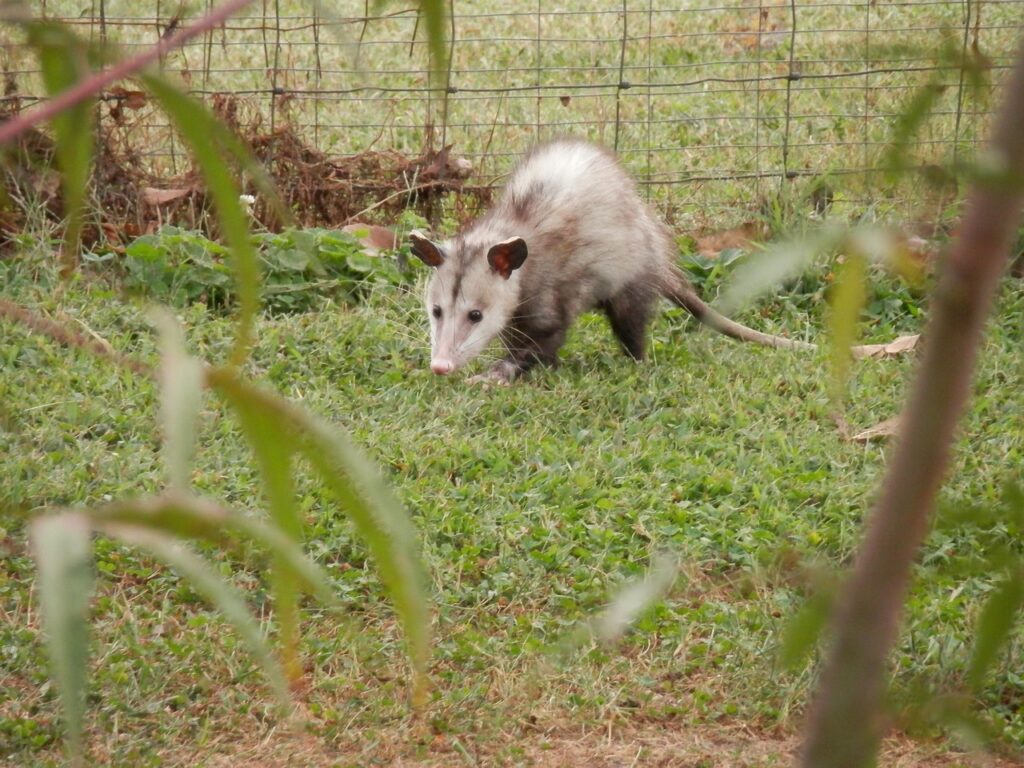

If you grew up thinking opossums were creepy, dirty, or dangerous, you’re not alone. For years, these shy, sharp-toothed night wanderers have been blamed for all kinds of backyard chaos they usually do not cause. Yet when you look at the research and the field observations from wildlife biologists, a very different picture emerges.
In reality, opossums behave more like free overnight pest-control crews and cleanup teams than backyard villains. They quietly patrol gardens, eat things you do not want, and leave your plants mostly alone. Once you see what they are actually doing out there in the dark, it becomes hard not to feel a little grateful the next time those glowing eyes flash in your motion light.
Opossums Are Night-Shift Pest Control Specialists
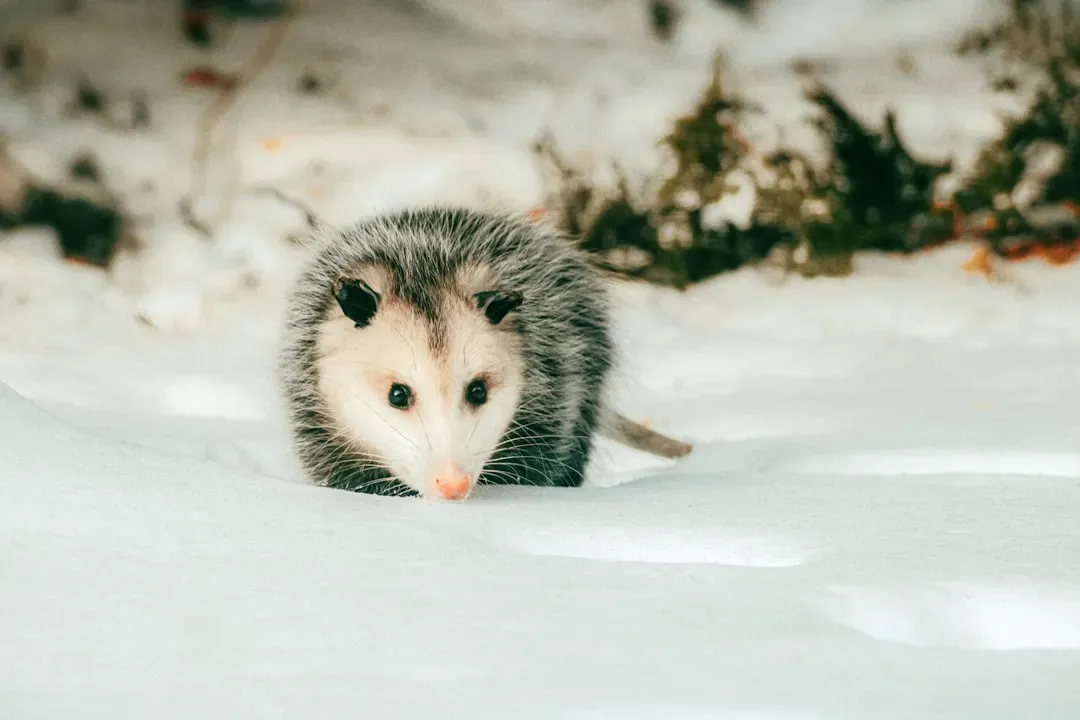
Here is the surprising truth: opossums eat an impressive list of critters that frustrate gardeners. Slugs, snails, beetles, cockroaches, crickets, mice, and even some small rats all show up on their nightly menu. Instead of shredding your lettuce, they are usually hunting the bugs and rodents that would happily do the damage for them.
Think of a single opossum as a slow-moving Roomba for pests, quietly sweeping through the yard while you sleep. They do not dig complex burrows or form big colonies, so they are not tearing up lawns the way some rodents do. By the time the sun rises, the opossum has moved on, and all you see is a garden with fewer pests and no bill from an exterminator.
They Devour Ticks At A Shocking Scale
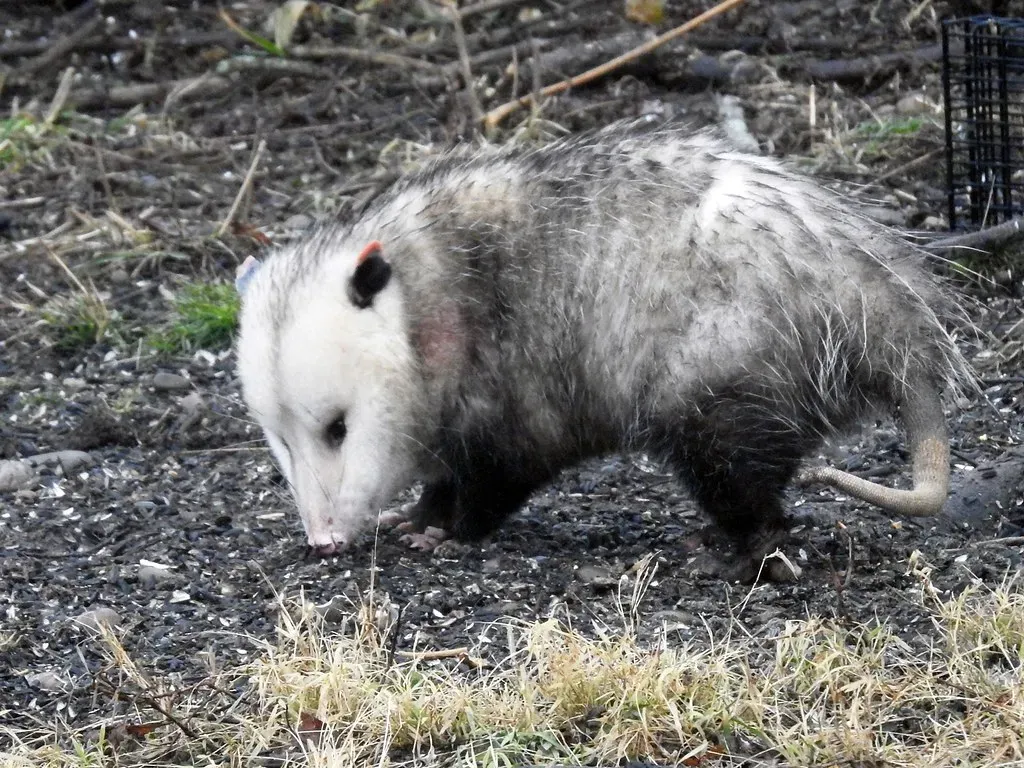
One of the most talked-about benefits of opossums is their appetite for ticks. Studies observing opossums in controlled conditions have found that a single animal can kill thousands of ticks over a season just through normal grooming and foraging. They are not hunting ticks on purpose; the ticks simply latch on and get eaten when the opossum cleans its fur.
In areas where tick-borne illnesses are a real concern, that behavior matters more than most people realize. While no wild animal is a magic shield against disease, having mammals in your yard that remove large numbers of ticks from the environment is an underrated bonus. In a way, opossums act like living filters, intercepting parasites that might otherwise end up on pets, wildlife, or people.
They Rarely Damage Plants Or Gardens Directly
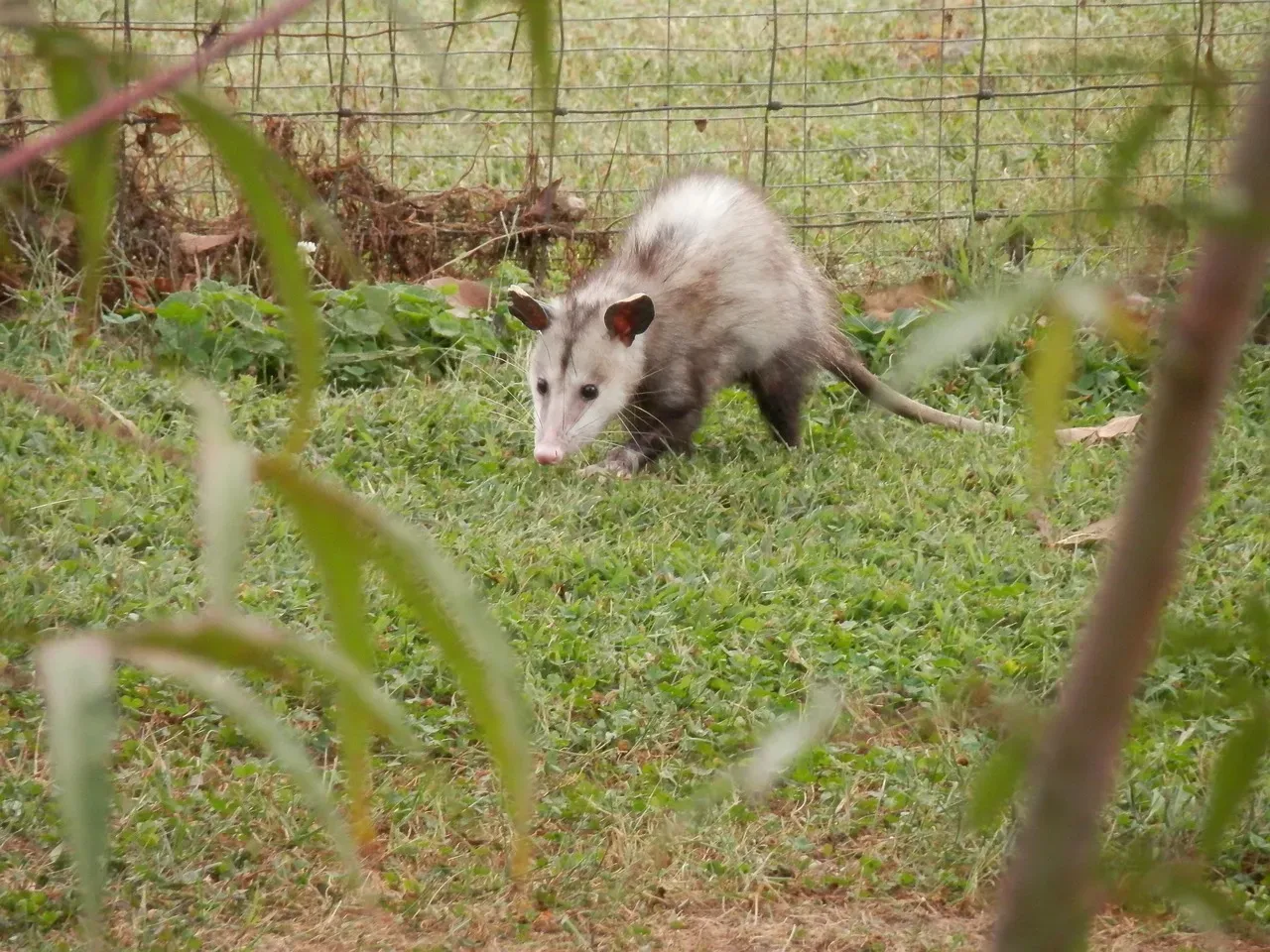
Many gardeners assume that if something is nibbling their vegetables at night, the opossum they saw on the trail cam must be guilty. But wildlife biologists consistently note that opossums are opportunistic omnivores that lean heavily toward insects, carrion, and fallen fruit rather than living plants. A healthy garden simply is not their main target when there are easier meals around.
Of course, an opossum may sample a tomato or chew on overripe fruit, especially if it is already on the ground or split open. Yet compared to rabbits, deer, groundhogs, or voles, their plant damage is usually minor to the point of being negligible. If you had to choose which wild visitor to tolerate, the opossum is often one of the least destructive options.
They Clean Up Carrion Before It Causes Problems
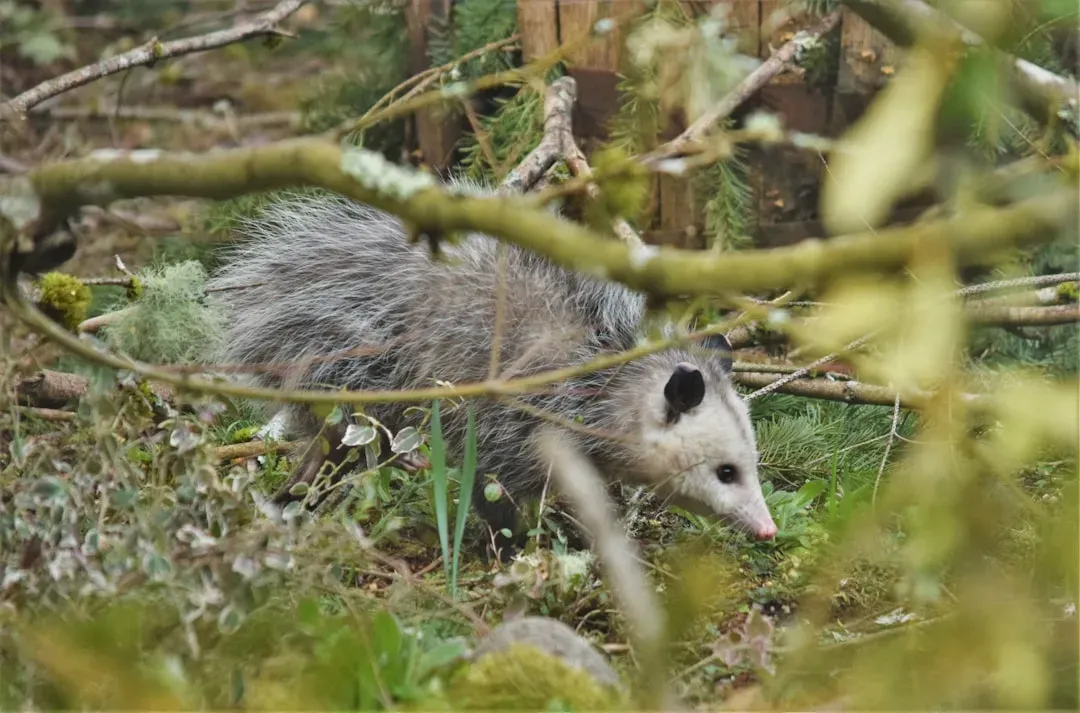
Opossums have a strong scavenging side, which sounds unappealing until you realize what that does for a yard. They will readily eat dead animals they encounter, including roadkill and small carcasses left by predators or outdoor cats. This natural cleanup service removes potential sources of smell, flies, and bacteria before they linger around your home.
In ecological terms, opossums function as part of nature’s sanitation crew, breaking down and recycling what would otherwise rot in place. That reduces the chance that your dog drags home something disgusting, or that flies explode in number around a hidden carcass. You may never see this process happening, but you definitely enjoy the benefits without even knowing it.
They Compete With More Destructive Pests
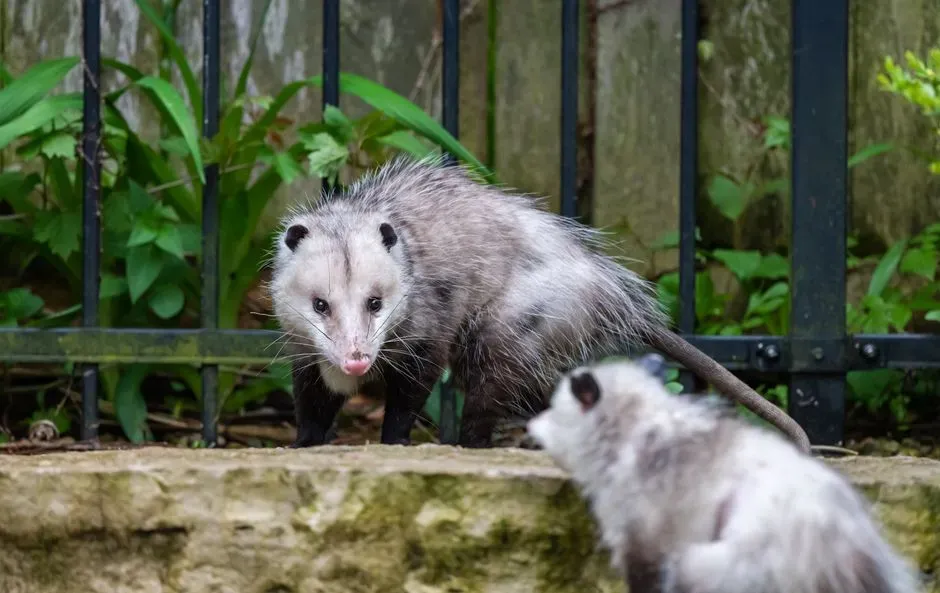
Another subtle advantage is that opossums share space and food sources with animals that actually do serious damage. When an opossum is patrolling your yard, it is eating the same insects, rodents, and food scraps that rats, raccoons, or feral cats might use to fuel much larger populations. In some cases, opossums can indirectly limit those species just by being there first.
This does not mean opossums chase other animals away like tiny night security guards, but they are part of a web of competition. Gardens with some natural predator and scavenger activity tend to have fewer explosive pest outbreaks than completely sanitized spaces. By allowing opossums to exist peacefully, you may be making your property less attractive to the animals you truly do not want around.
They Are Far Less Dangerous Than Their Reputation
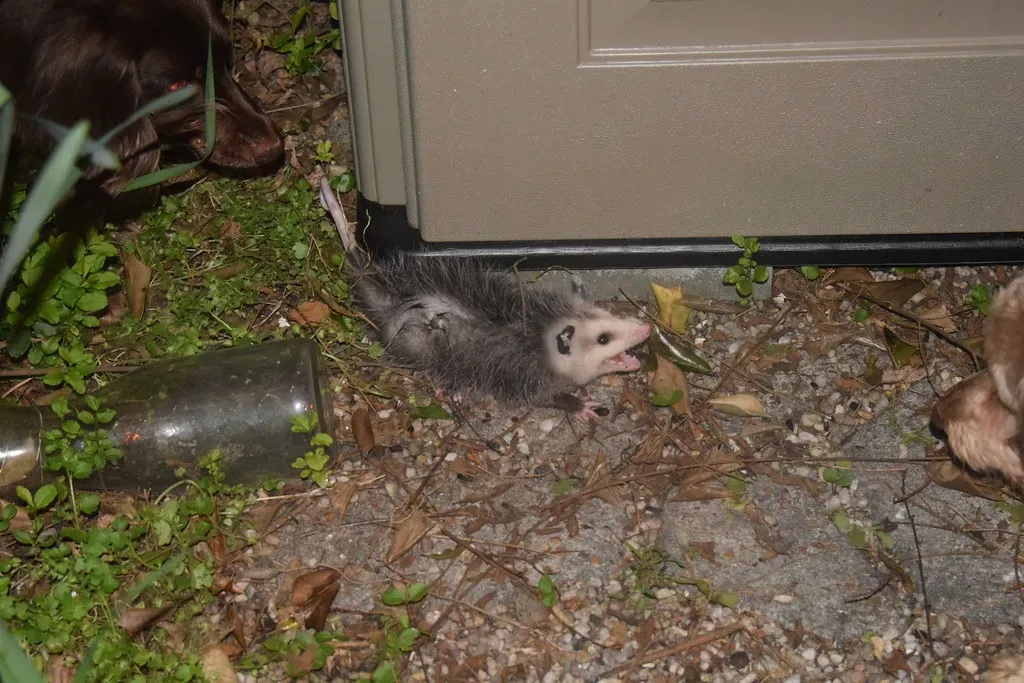
The open mouth, bared teeth, and hissing that people see when they corner an opossum look terrifying at first glance. Biologists point out that this is bluff behavior, meant to scare you off without a fight. In reality, opossums are shy, slow, and strongly inclined to freeze, faint, or quietly shuffle away rather than attack.
They also have some natural resistance to certain diseases that people worry about, including a notably low likelihood of carrying rabies compared with many other mammals. That does not make them harmless or cuddly; like any wild animal, they should never be handled or fed by hand. But if you keep your distance and let them go about their business, the real risk they pose to you or your pets is usually far smaller than people imagine.
They Help Keep Snakes And Other Small Threats In Check
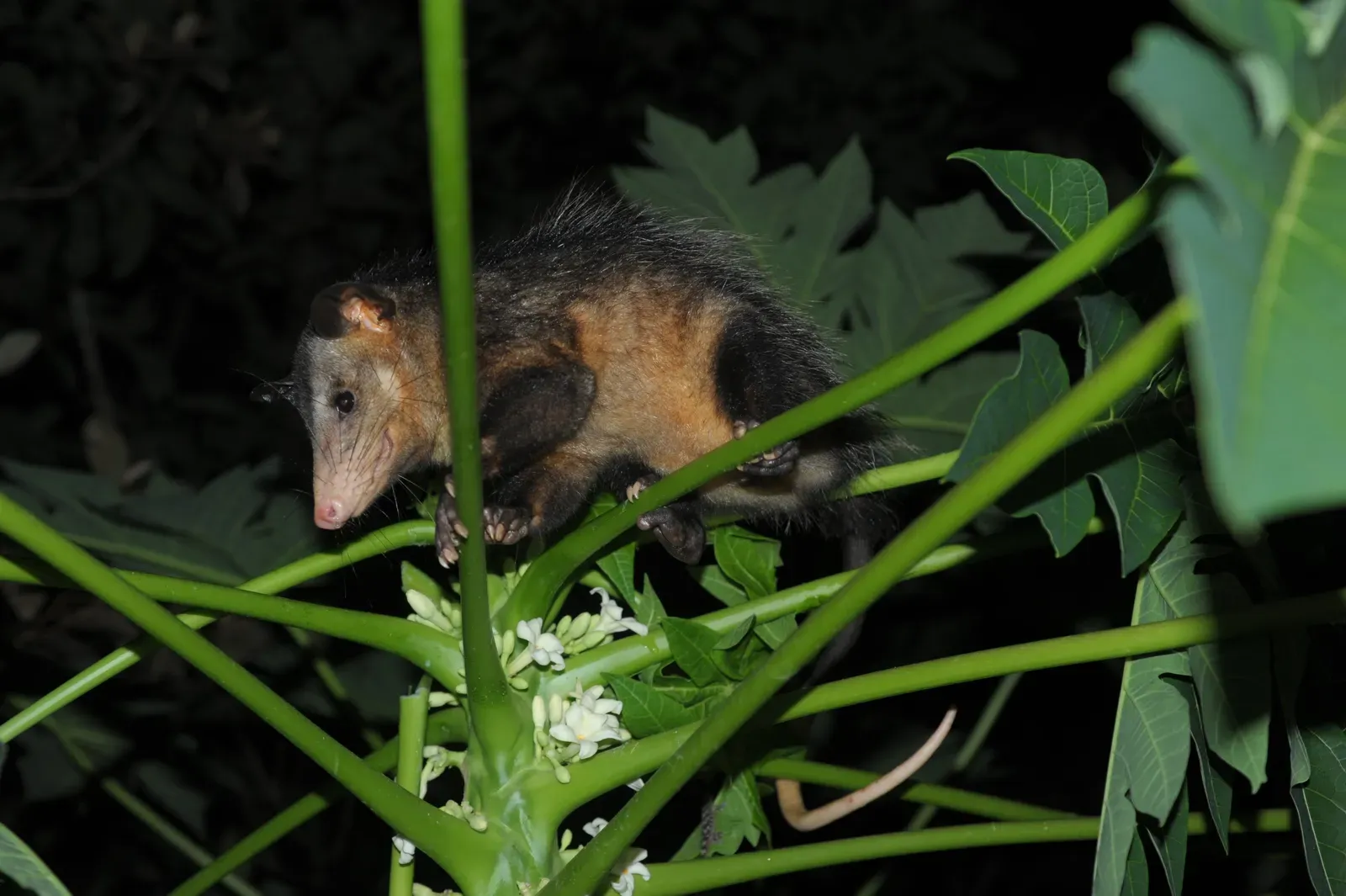
Opossums are known to eat small snakes, including some venomous species when size allows. They do not actively patrol your yard as snake hunters, but their general opportunistic feeding means that a snake that is the right size and in the wrong place may become part of dinner. Over time, this kind of occasional predation helps shape which animals thrive in a given backyard ecosystem.
They will also go after other small vertebrates when they can, such as young rodents or frogs. It is not that opossums eliminate snakes or other wildlife; they simply add another layer of pressure that prevents any one group from dominating. From a gardener’s perspective, that subtle balancing effect is valuable, especially in areas where people worry about venomous snakes taking up residence near homes.
Living With Opossums: Practical Tips For Gardeners
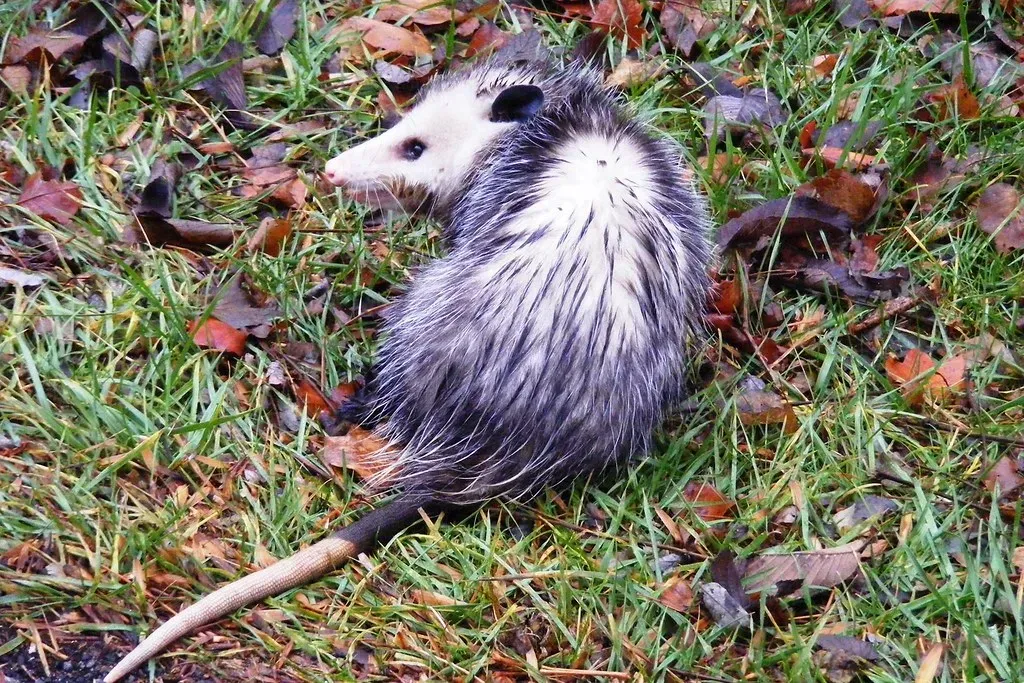
If you want the benefits of opossums without unwanted surprises, the goal is not to tame them but to coexist wisely. Securing trash cans, cleaning up outdoor pet food, and using simple barriers around especially vulnerable crops can keep interactions calm and predictable. These steps reduce any temptation for opossums to linger on porches or root around where you do not want them.
At the same time, leaving a bit of leaf litter, native shrubs, or brushy edges gives them safe cover to move through your property without feeling trapped. Motion lights and loud noises usually encourage them to pass through quickly rather than hang out in open spaces. With a few adjustments, you can let them do their quiet night work while your garden benefits in the background.
Why Gardeners Should Rethink The Impulse To Drive Them Away
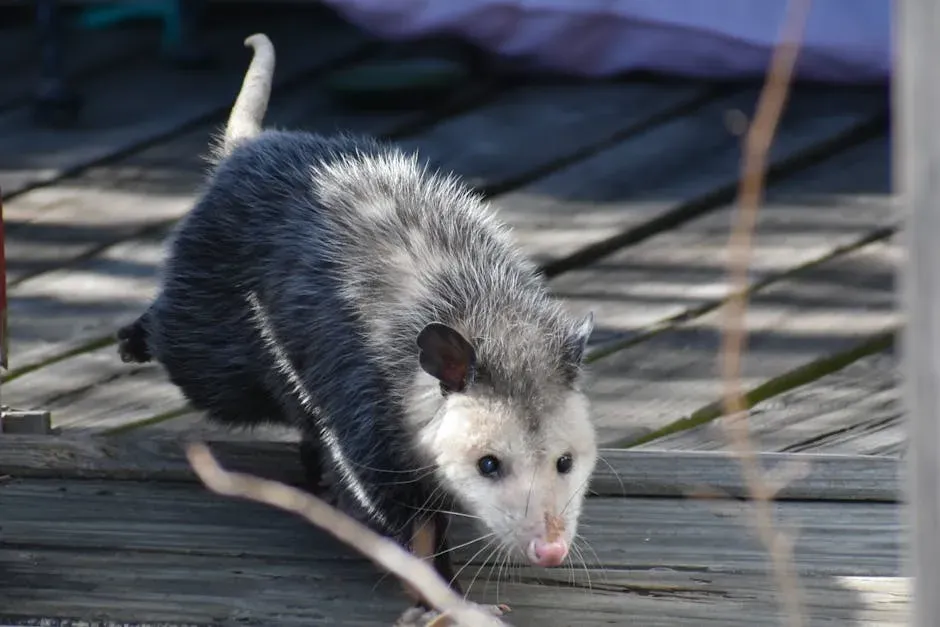
When a wildlife rehabber once told me that opossums were some of her favorite backyard allies, I honestly thought she was joking. After a few years of paying closer attention to what they actually do, I find it hard not to agree. The more we learn, the clearer it becomes that chasing off every opossum just because it looks a bit rough around the edges is a bad trade for most gardens.
In a time when many people are struggling with pesticide overuse, tick concerns, and rodent problems, it seems almost reckless to ignore a free, non-chemical helper just because it is not cute in the usual way. Opossums are not perfect, and they are not magical, but they tip the scales strongly toward being beneficial neighbors. Before you decide they do not belong in your yard, it is worth asking yourself whether losing that quiet, nightly cleanup crew is really in your garden’s best interest.
Conclusion: The Most Misunderstood Ally In Your Backyard
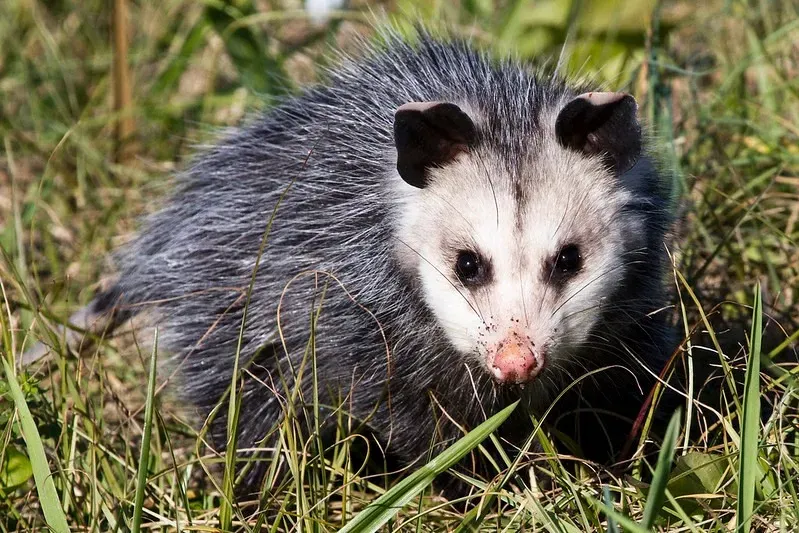
When you strip away the myths and look at opossums through the lens of wildlife biology, the story flips completely. Instead of filthy pests, you start to see hard-working scavengers and pest-eaters that quietly improve the health of gardens, yards, and even nearby ecosystems. They eat ticks, reduce some rodents, clean up carrion, and rarely cause the kind of heavy plant damage people blame them for.
My own opinion is that treating opossums as unwelcome intruders is a holdover from fear and misunderstanding, not from evidence. If anything, gardeners should be more worried about losing these unassuming allies than about having them around. Next time you catch one on a night-vision clip, maybe ask yourself: is this really the enemy, or is it the most underappreciated garden helper you have?