
When most of us picture dinosaurs, we imagine invincible giants: razor‑toothed predators and lumbering, tank‑like herbivores that dominated the planet for millions of years. It can be genuinely jarring to realize that many of them limped, ached, coughed, got infections, and even developed cancer. Strip away the scales and claws, and a lot of their health problems look unsettlingly familiar.
In the past few decades, scientists have quietly been building a medical chart for the Mesozoic world by reading the scars, lesions, and tumors locked inside fossil bones. What they are finding is not a neat, cinematic story of super‑animals, but something far stranger and more human: creatures struggling with arthritis, gout, infections, and malignant cancers long before our species even existed. Once you see that, dinosaurs stop being monsters and start looking like patients.
Ancient Cancer: The Dinosaur Osteosarcoma That Changed Everything
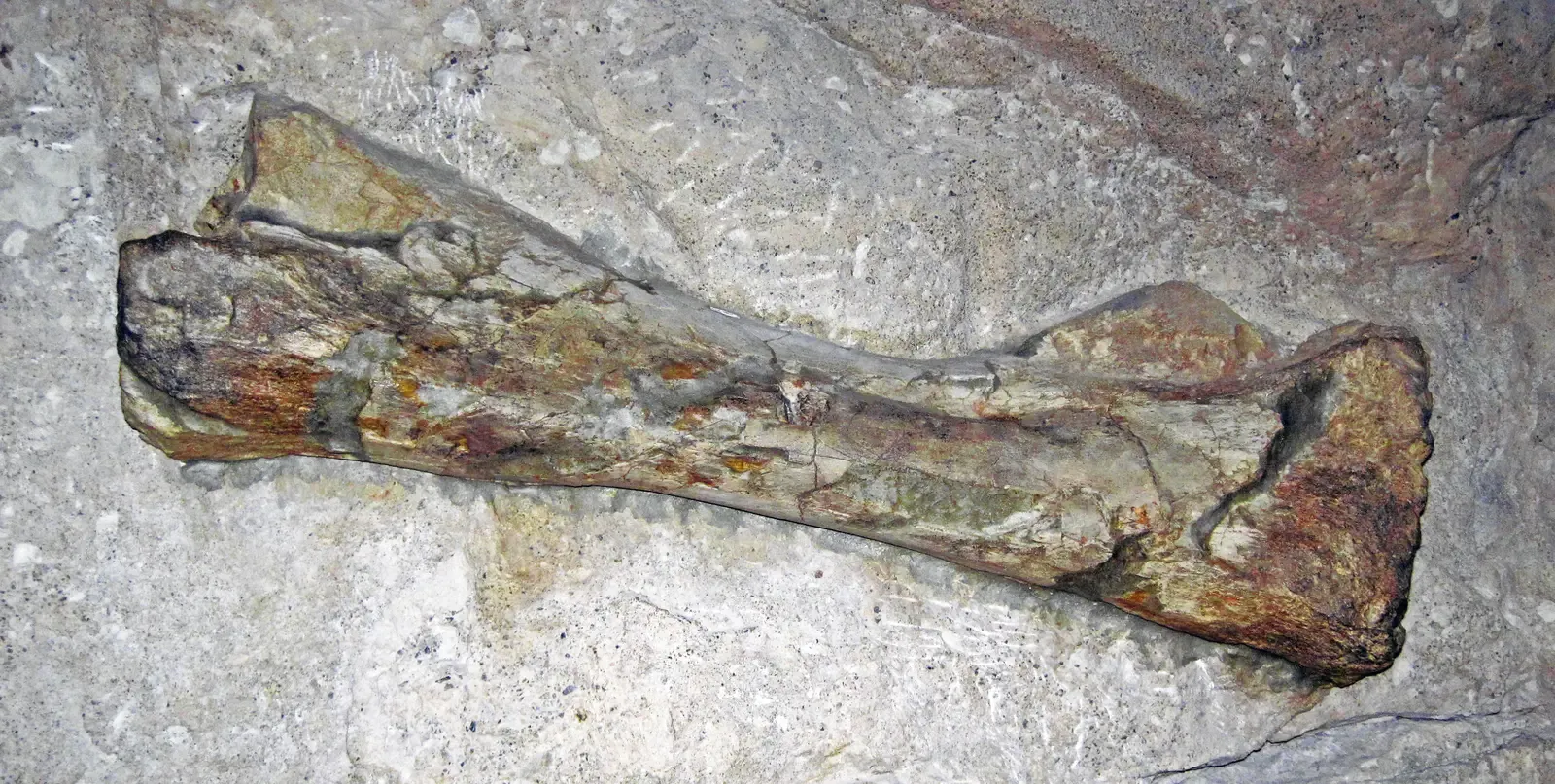
One of the most striking discoveries came from a battered leg bone of a horned dinosaur called Centrosaurus, found in Canada and dating back roughly seventy‑six million years. At first, the fossil looked like it simply had a healed fracture, which is common enough in big, active animals. Only when a team of paleontologists teamed up with modern cancer specialists, used high‑resolution CT scans, and cut thin slices for microscopic study did the real diagnosis emerge: it was an advanced osteosarcoma, the same aggressive bone cancer that still affects humans today.
This was the first time a malignant cancer had been rigorously confirmed in a dinosaur using the same multimodal approach doctors use in hospitals now. The tumor had invaded the bone so deeply that the animal likely carried it for a long time before death, probably suffering pain and weakness. The really haunting part is that osteosarcoma clearly predates us by tens of millions of years, which strongly suggests it is not a “modern lifestyle” disease invented by processed food or phones, but a side effect of how complex vertebrate cells divide and mutate over deep time.
Dinosaurs With Tumors: How Common Were They Really?
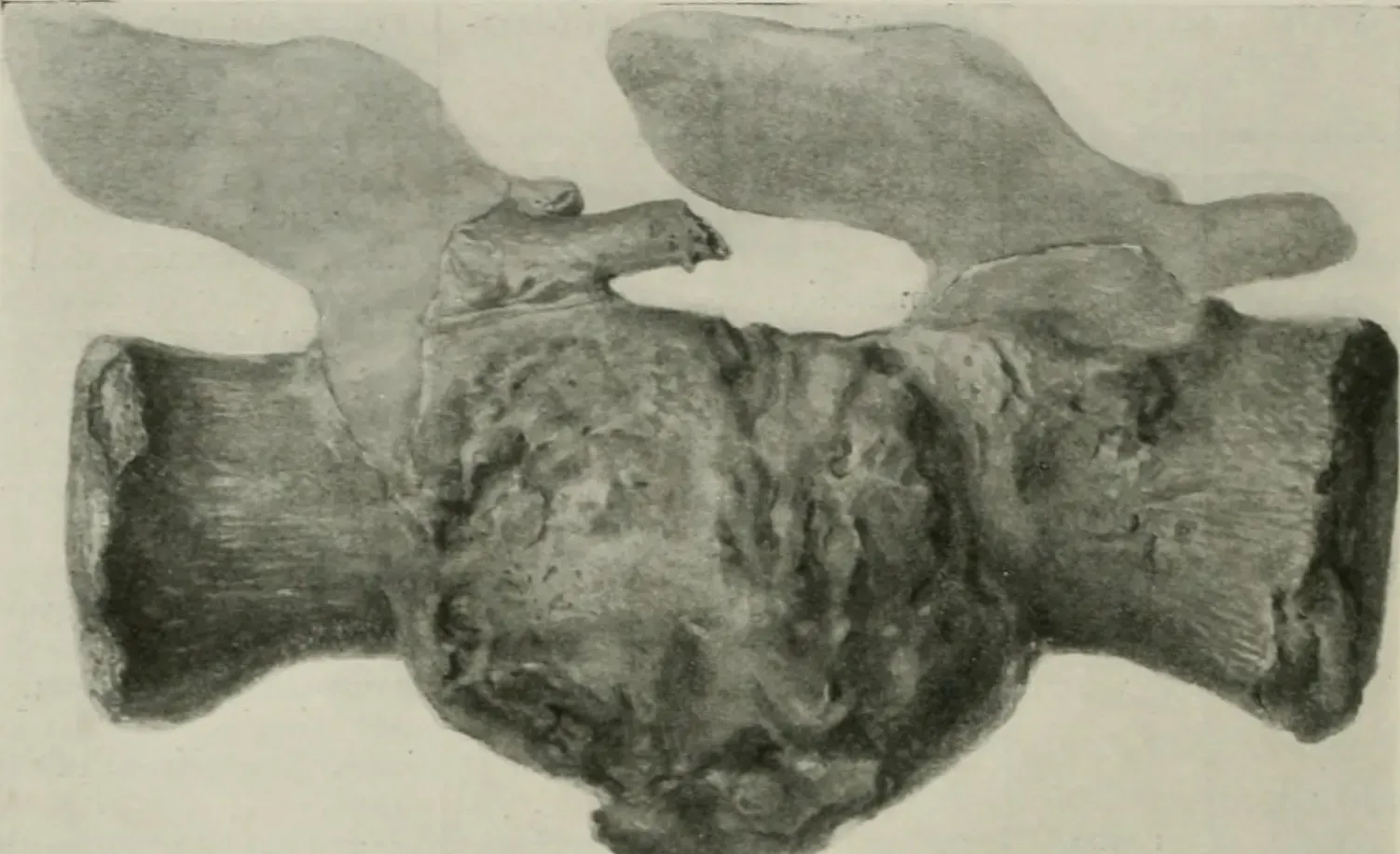
That Centrosaurus was not an isolated medical oddity. Earlier work scanning hadrosaur (“duck‑billed”) dinosaur vertebrae had already revealed a cluster of tumors, including benign growths like hemangiomas, desmoplastic fibromas, osteoblastomas, and even signs of metastatic cancer in the tail bones of several species. These animals were not riddled with disease, but they clearly experienced a range of bone tumors that look remarkably like those seen in humans and other modern vertebrates.
When researchers looked more broadly, they found that tumors show up in only a small minority of dinosaur fossils, and they seem to cluster in certain groups like hadrosaurs. One interpretation is that something about their genetics, rapid growth, or environment made them slightly more prone to particular cancers. Another, more sobering possibility is that cancer has been quietly shadowing large, fast‑growing animals for as long as vertebrates have existed, and we are just now catching glimpses of that shadow in the fossil record.
Arthritis, Gout, and the Dinosaurs That Hurt When They Moved
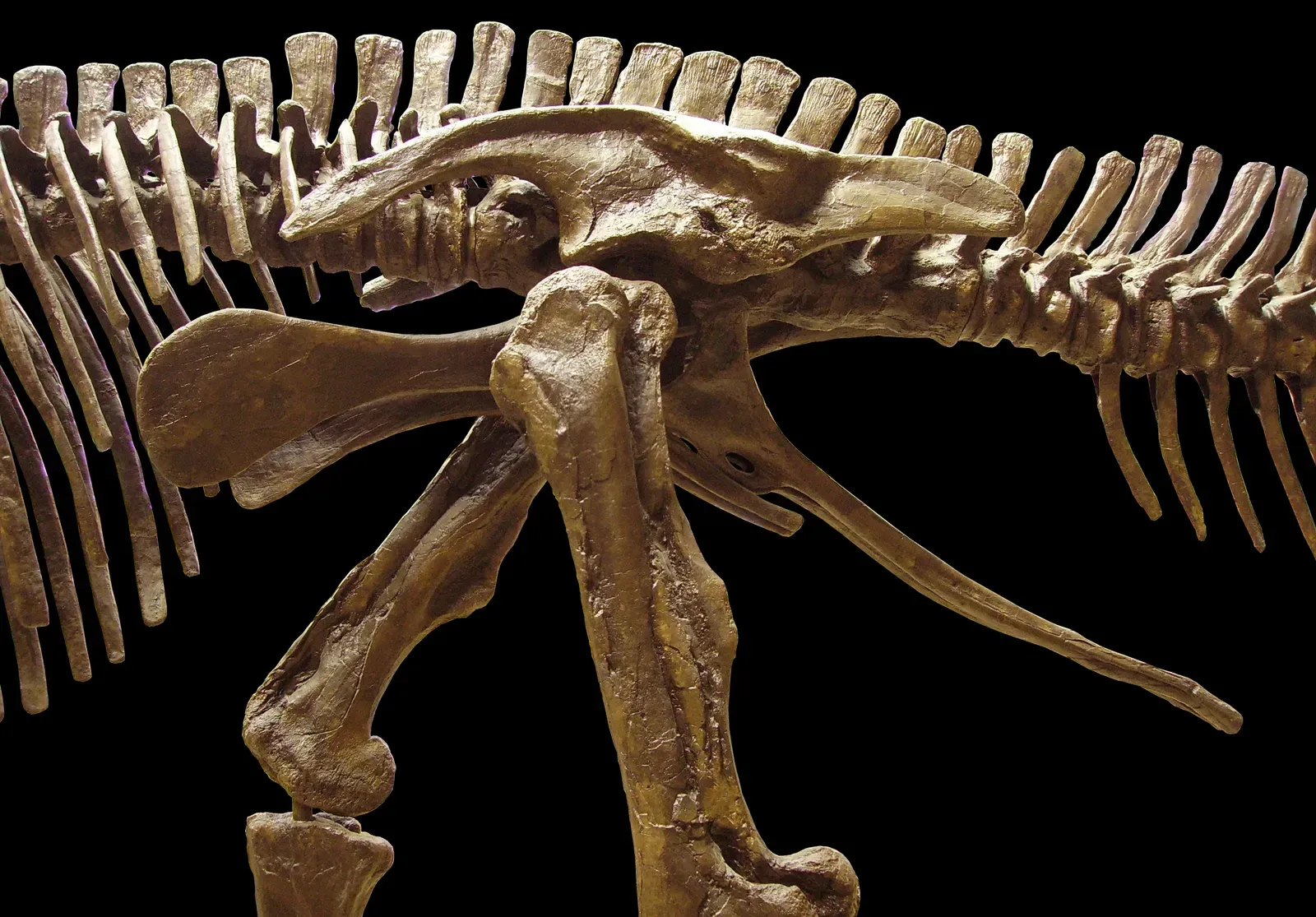
Bone cancer might grab the headlines, but a lot of dinosaur health issues were far more ordinary: sore joints, stiff backs, and painful feet. Paleontologists have documented classic signs of osteoarthritis in several dinosaur skeletons, including fused vertebrae, worn joint surfaces, and spurs of extra bone where cartilage once broke down. In some long‑necked sauropods, entire sections of the tail vertebrae have grown together, a grisly sign of years of chronic joint degeneration.
There is also evidence that at least some theropods, including the famous Tyrannosaurus specimen known as “Sue,” likely suffered from conditions similar to gout. Gout leaves a characteristic pattern of erosion and remodeling in joints as crystals build up and destroy bone. Finding these patterns in dinosaur feet and tails suggests that metabolic and inflammatory joint diseases are not uniquely human problems. It is honestly humbling to think that somewhere in the Cretaceous, a tyrannosaur may have taken a painful step and “felt” something not so different from what a person with gout feels today.
Infections, Abscesses, and Septic Arthritis in the Age of Dinosaurs
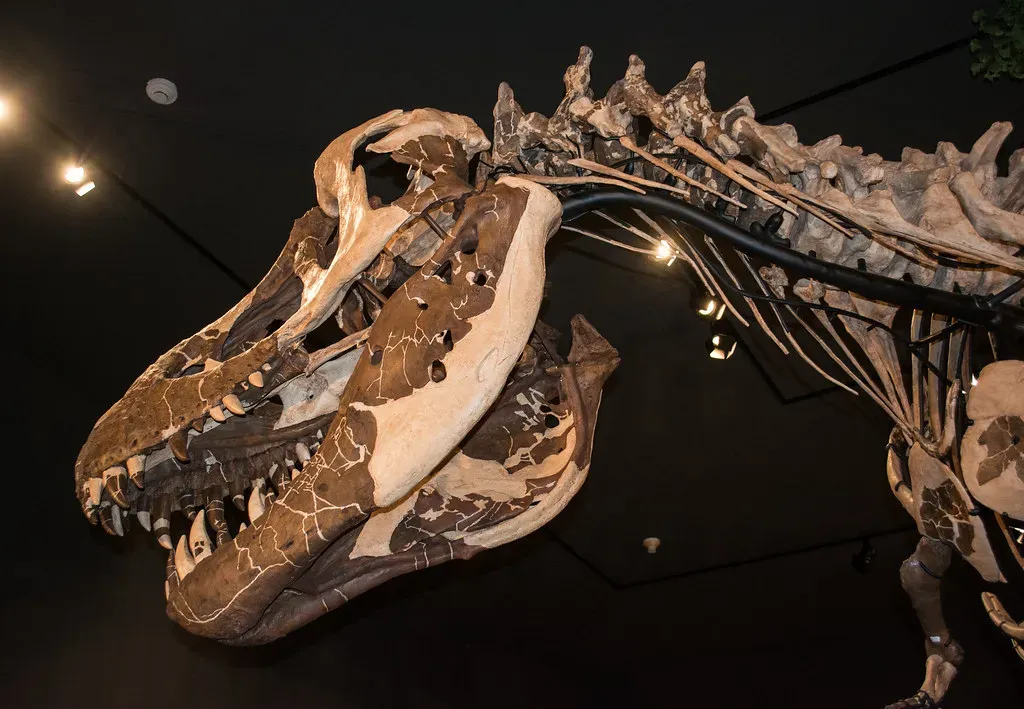
Not all dinosaur pathologies were long, slow degenerative illnesses. Some were brutal and acute, the sort of thing that could kill quickly if the animal was unlucky. Paleopathologists have identified classic signs of bone infections, or osteomyelitis, in many dinosaurs: swollen, irregular bone with drainage channels that match what bacterial attacks do to bone in living animals. One early sauropodomorph from China shows a nasty skull lesion that likely started as a bite wound before pathogens took over and turned it into an abscess.
In another case, a hadrosaur from the Cretaceous was diagnosed with septic arthritis in its elbow joint, using detailed CT imaging and comparisons to modern birds and reptiles. The joint surfaces were deformed and pitted in a way that matched severely infected joints today, suggesting the animal endured prolonged pain and restricted movement. That kind of diagnosis matters because it proves that not only did dinosaurs get infections, but their immune systems reacted in ways that are still recognizable, hinting that basic inflammatory responses have been conserved over hundreds of millions of years.
Parasites and Mystery Illnesses: When Bite Marks Aren’t Just Bite Marks
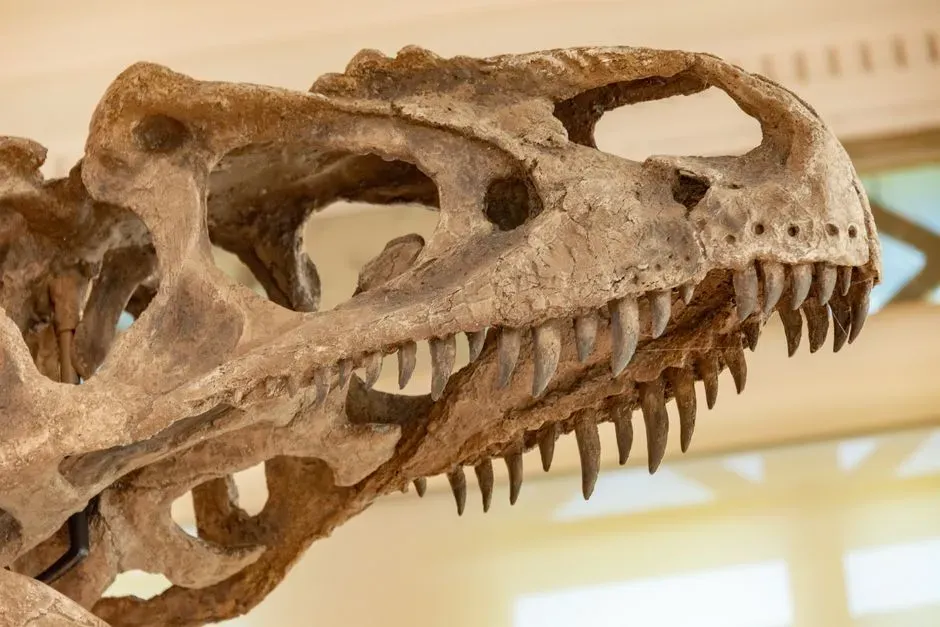
Some of the more intriguing dinosaur diseases show up in places you might not expect: jaw bones and skulls that are pocked, eroded, or riddled with strange holes. In several Tyrannosaurus specimens, including well‑known museum stars, the lower jaws show irregular lesions that were initially blamed on injuries from combat. Later comparisons to modern birds pointed to something more unsettling: a parasitic infection similar to one that afflicts hawks and pigeons today, causing lesions that can eventually make swallowing hard or impossible.
These parallels are based on patterns of damage rather than preserved parasites, so there is still room for debate, but the match is strong enough that many researchers now see at least some of those tyrannosaur jaw lesions as evidence of a bird‑like protozoan disease. If that is right, it means parasites with complex life cycles and devastating impacts were already established in dinosaur ecosystems. It also underscores a bigger point: sometimes the most informative evidence of disease is not a tumor or a fracture, but a subtle pattern of bone erosion that only makes sense when you compare it to the hidden infections of living animals.
How Do You Diagnose a Dinosaur? The Tools of Paleopathology
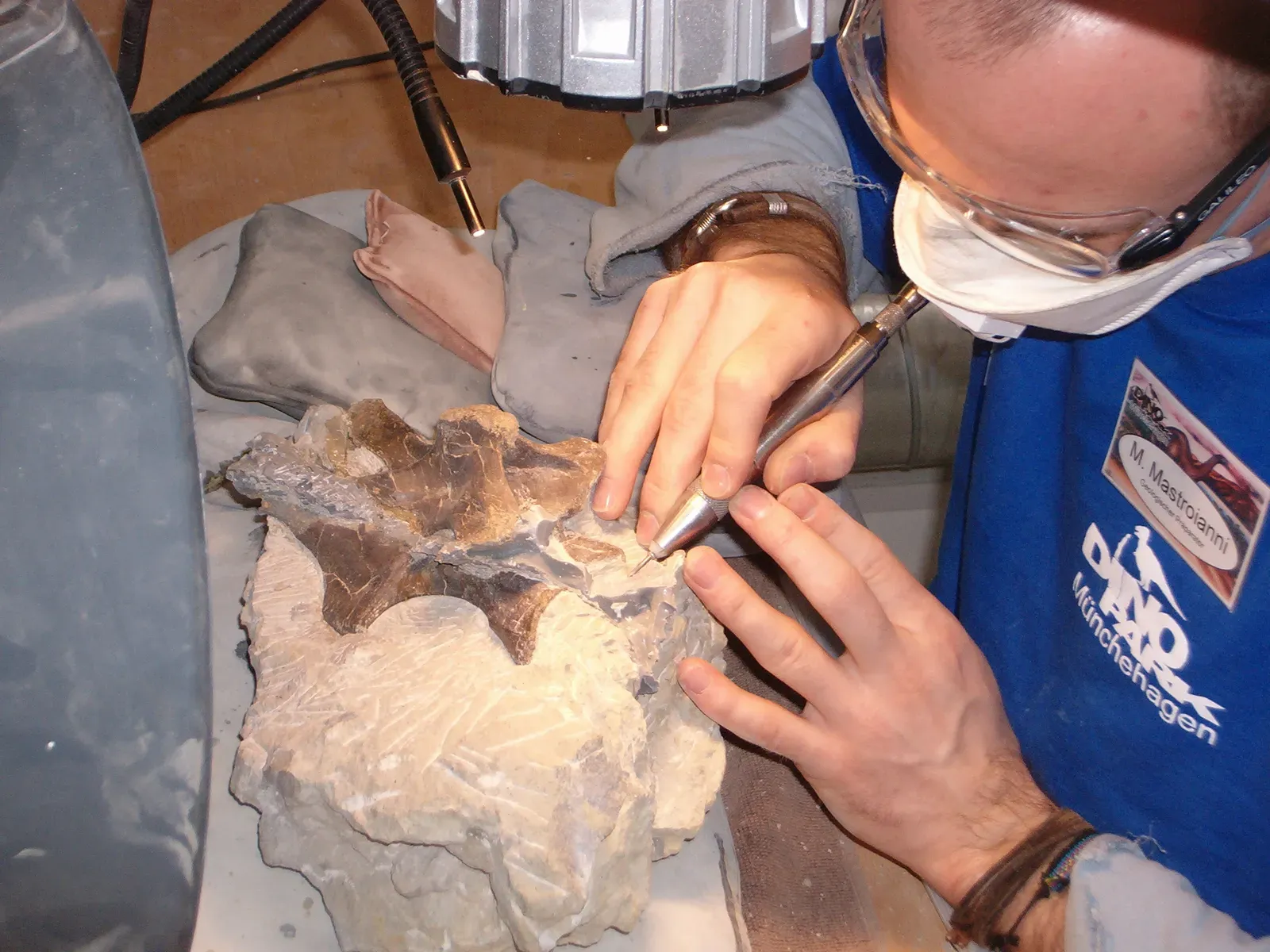
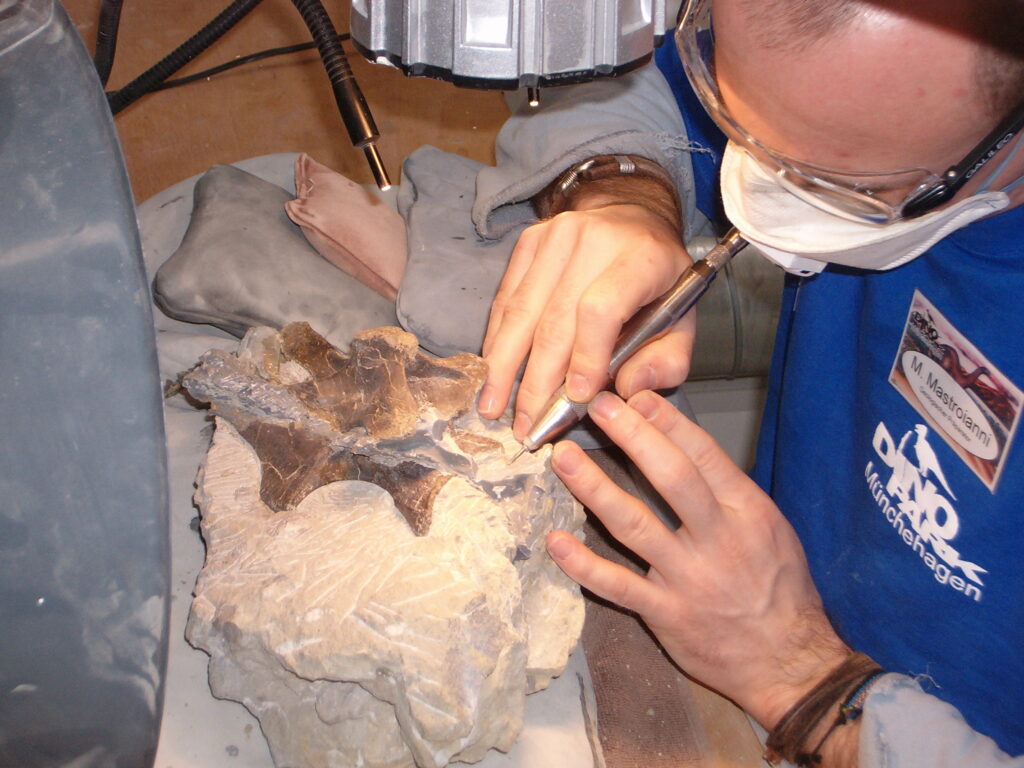
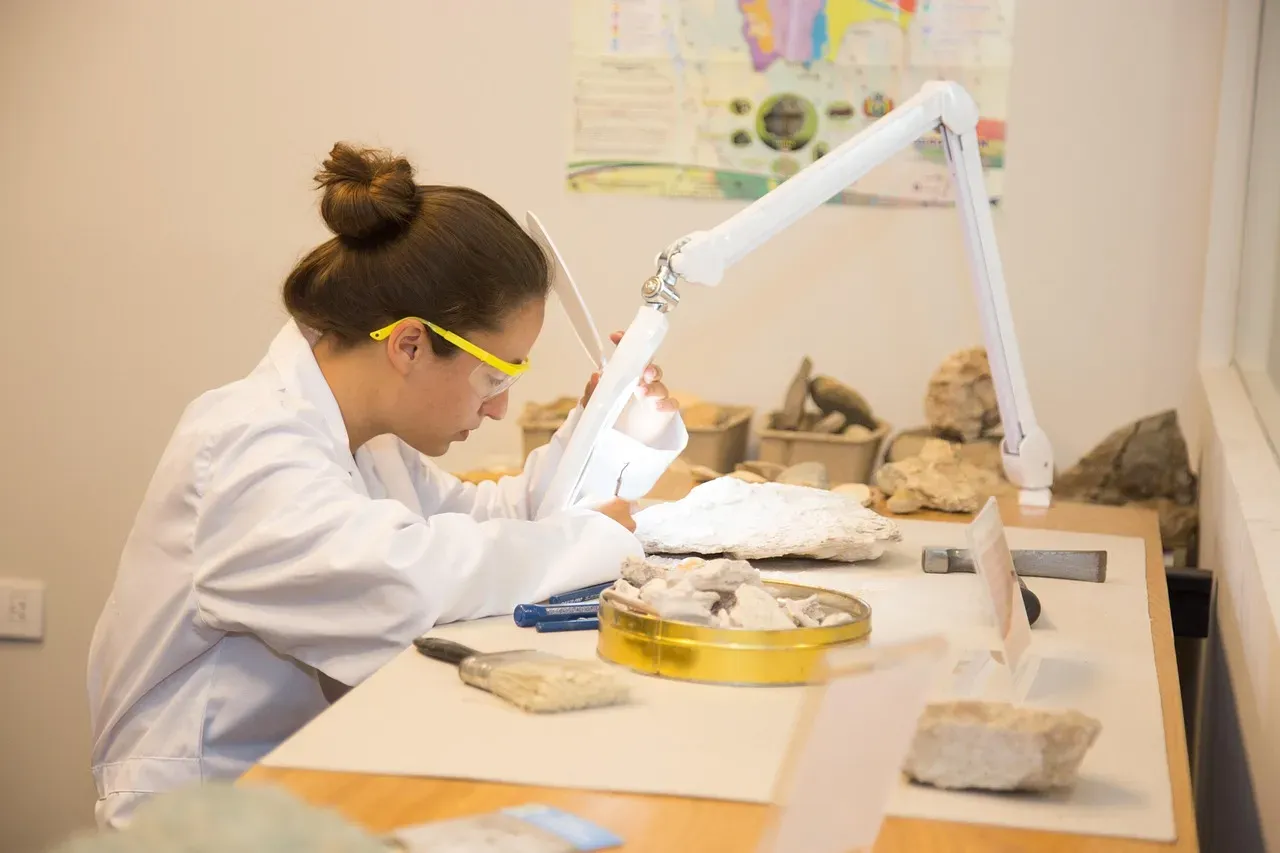
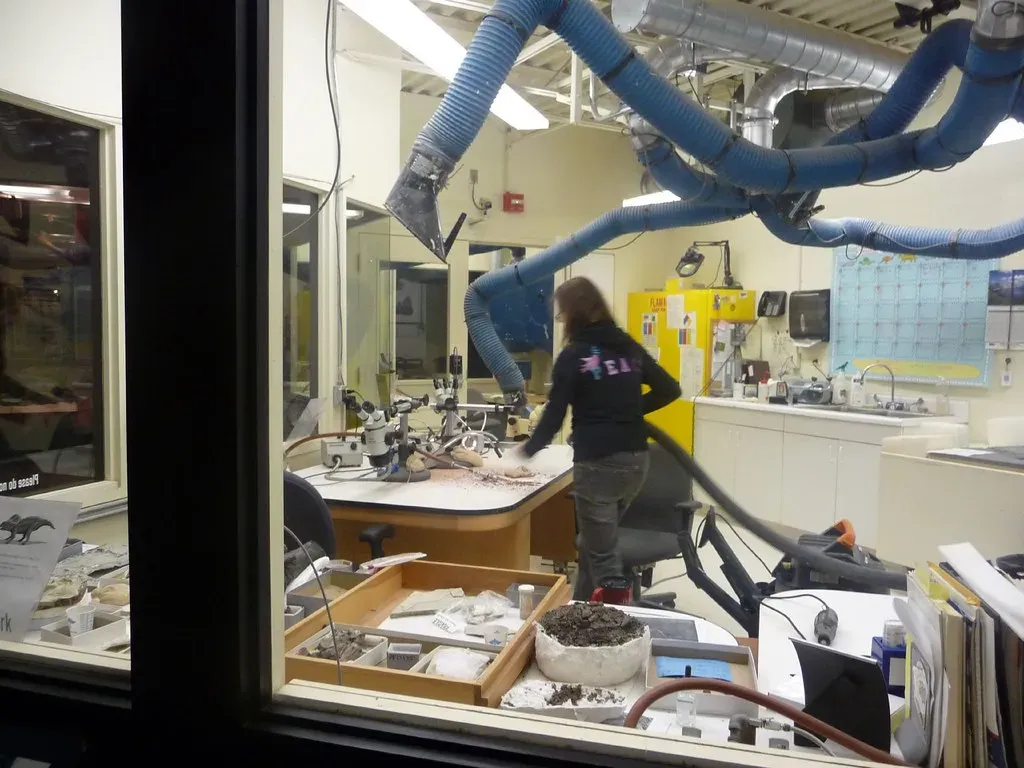
If all of this sounds surprisingly precise, it is because paleopathologists borrow a lot from modern medicine. They use X‑rays, CT scans, and microscopic thin sections of bone to distinguish between trauma, infection, cancer, and normal growth. The same imaging tools that help surgeons plan operations are now aimed at fossil limbs, skulls, and spines. Researchers then compare what they see to large databases of bone disease in living mammals, birds, and reptiles, looking for matches in shape, texture, and growth pattern.
At the same time, they have to be brutally conservative. Fossils can be cracked, crushed, or chemically altered by the burial process, and it is dangerously easy to mistake geological damage for disease. That is why many of the most convincing diagnoses, like the Centrosaurus osteosarcoma or the septic arthritis in a hadrosaur, come from multidisciplinary teams that include radiologists, pathologists, and orthopedic specialists. Personally, I love that detail: it turns out that diagnosing a dinosaur sometimes takes almost the same medical brain trust you would assemble for a complex human case.
Another clever trick is something called phylogenetic bracketing. Dinosaurs sit evolutionarily between modern birds and crocodilians, so if a certain disease process or bone reaction occurs in both birds and crocs today, it is reasonable to infer that a similar pattern in a dinosaur fossil represents the same underlying condition. This approach does not allow wild speculation; instead, it boxes in the possibilities and anchors each diagnosis in how bones behave across related species. It is like using family medical history, but on a deep‑time scale.
What Dinosaur Diseases Reveal About the Evolution of Illness
When you stack all these findings together – cancers, arthritis, gout, infections, possible parasitic diseases – you start to see a bigger story about the evolution of illness itself. Many of the conditions we fear or complain about are not new curses of the modern age, but ancient side effects of being a complex, long‑lived vertebrate made of bone, blood, and fallible DNA. Cancer shows up wherever there are rapidly dividing cells and enough time for mutations to accumulate. Arthritis emerges wherever joints carry heavy loads over many years.
To me, that perspective cuts through a lot of simplistic narratives that blame every disease entirely on modern life. Yes, environment and lifestyle absolutely matter, and things like pollution, diet, and stress can shift risks dramatically. But the dinosaur record reminds us that some baseline risk has always been there, written into the biology itself. Instead of seeing illness as a moral failure or a uniquely modern flaw, we can see it as a very old evolutionary trade‑off: the same genetic systems that let big animals grow fast and live long also create room for things to go wrong. That is a harsh truth, but also a strangely grounding one.
Why This Matters for Us: A Personal Take on Ancient Sickness
Looking at these fossil diseases, I find it hard not to feel a mix of awe and unease. On one hand, it is astonishing that a mangled dinosaur bone can be scanned, sliced, and interpreted with enough confidence to say “this was cancer” or “this was a raging joint infection.” On the other hand, it is slightly terrifying to realize that a teenager with osteosarcoma today shares a very specific biological vulnerability with a herbivorous dinosaur that died millions of years before our species was even an idea.
My own opinion is that these discoveries quietly chip away at the comforting myth that if we just perfect our diets, clean our environments, and optimize our habits, we can completely outrun serious disease. We absolutely should fight for cleaner air, better food, and accessible healthcare; those things save lives and reduce suffering. But the dinosaur bones insist on a more nuanced view: some risks are baked into what it means to be alive and built from cells. Instead of promising a fantasy of total control, maybe we should focus on understanding those risks honestly, using both ancient and modern evidence, and then doing the messy, humane work of prevention, treatment, and care.
In a strange way, diseased dinosaur bones make the past feel more intimate and less mythical. Those animals were not movie monsters; they were living bodies that hurt, healed, and sometimes failed, just like ours. If even the titans of the Mesozoic were not spared cancer and arthritis, it forces us to see illness not as an anomaly, but as part of the shared biological story of complex life. That is not exactly comforting, but it is real – and it might be the kind of realism we need if we are serious about understanding, and ultimately reshaping, our own medical future. Did you expect dinosaurs to make human vulnerability feel this familiar?