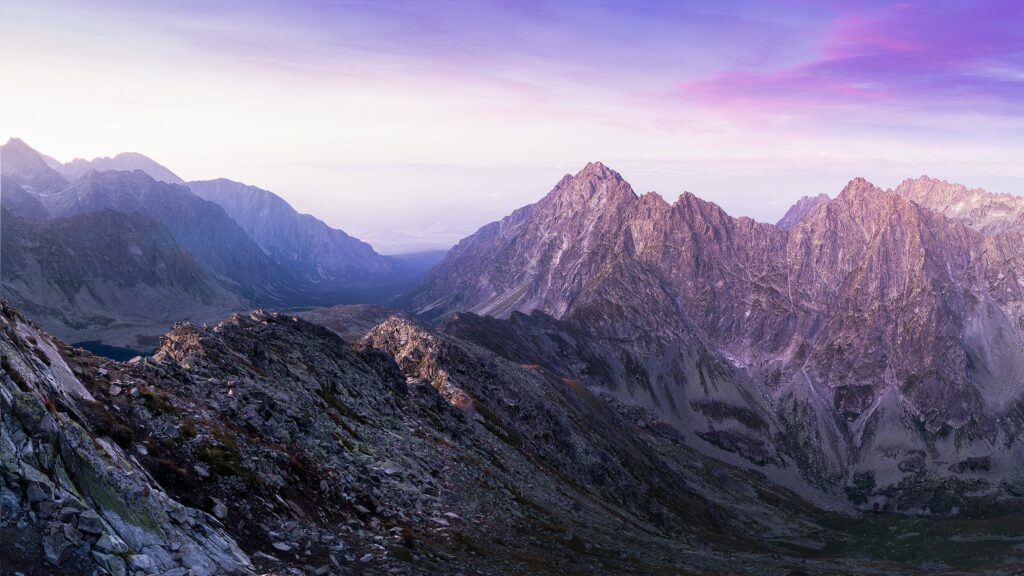

You walk across a wide, empty plain and it feels as if nothing dramatic has ever happened there. No cliffs, no jagged peaks, just calm, open space. But if you could peel back millions of years, you might suddenly find yourself standing on the flanks of a towering mountain range that no longer exists. That idea sounds almost like fantasy, yet a growing body of geological evidence says it is very likely true in more places than you’d expect.
In many parts of the world, scientists now think truly massive mountains once rose where you see prairies, croplands, and gently rolling hills today. You are essentially walking over the ghosts of vanished peaks. To understand how that is possible, you have to zoom out in time, think like a rock detective, and learn how Earth quietly builds, crushes, and erases entire ranges while life on the surface carries on, often completely unaware.
The Shocking Idea: Your Flat Landscape May Be a Mountain Graveyard
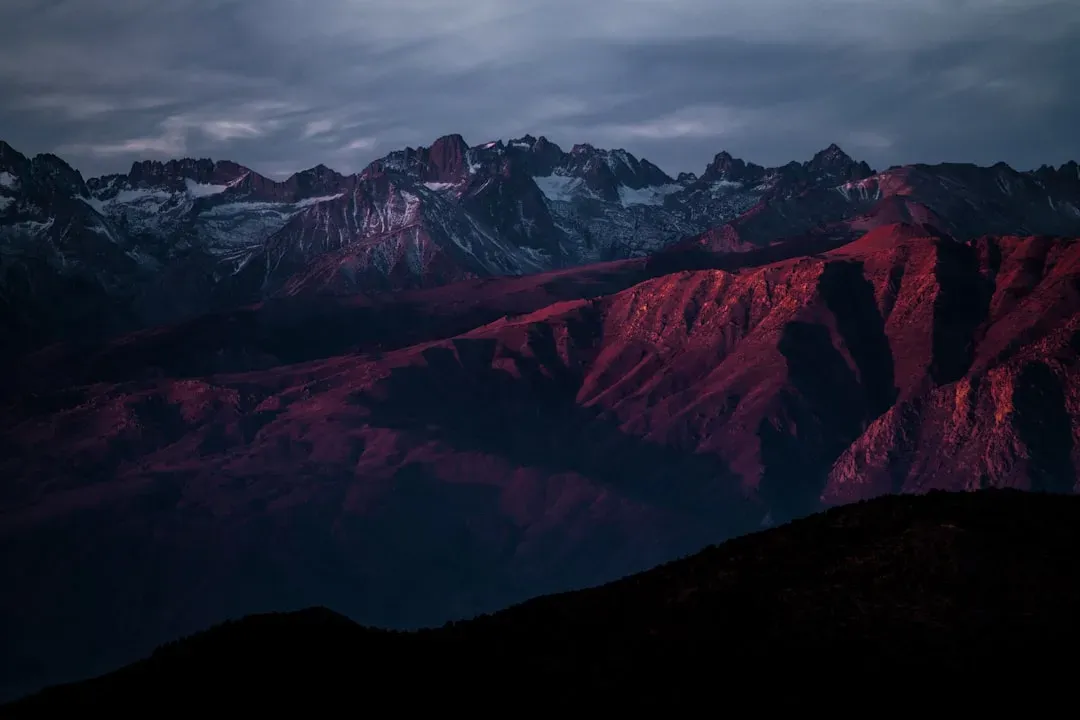
When you look at a flat region, your first instinct is to assume it has always been calm and uneventful. You think of it almost like a blank sheet of paper that has never been drawn on. Geologists would tell you the opposite: that sheet has been scribbled over, erased, folded, and burned countless times, and what you see now is just the latest version.
The big, surprising claim is this: some of the flattest, least dramatic landscapes on Earth may once have held mountains as tall as, or even taller than, the modern Himalayas. You are looking at the end of a very long story, not the beginning. The peaks have been ground down grain by grain, carried away by rivers, glaciers, and wind, and spread out as sand, mud, and silt so thoroughly that only careful clues in the rocks reveal what used to be there.
How Scientists Read Rock Layers Like a Lost Photo Album
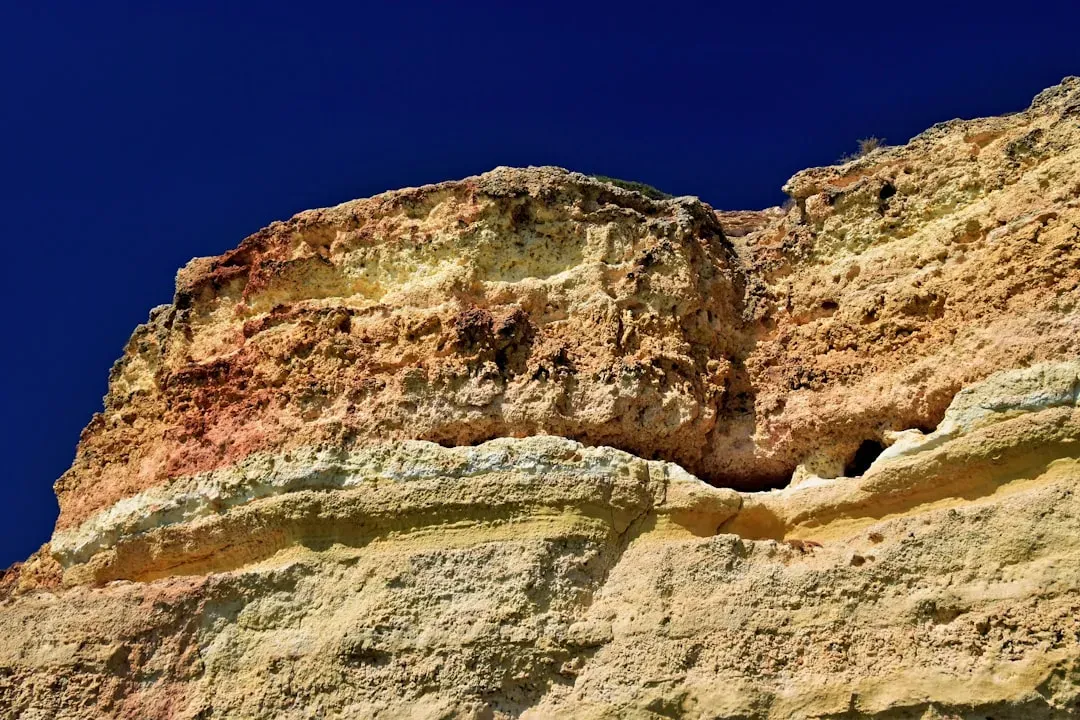
If you want to know whether your flat region used to have mountains, you have to learn to read rocks the way you read an old family album. Geologists do exactly that; they treat rock layers as snapshots of ancient worlds. When you see thick stacks of sandstone, conglomerate, and shale full of broken, worn-down fragments, you’re often looking at the debris of destroyed mountains transported and laid down over time.
You also have things like mineral fingerprints. Certain minerals form only under the high pressures and temperatures deep within the roots of large mountain belts. When those minerals show up at the surface in your region, you can be pretty sure you’re standing where mountains once rose and their deep interiors are now exposed. In a sense, you are peeking into the heart of vanished peaks, their cores lifted and stripped bare after the rest was worn away.
Plate Tectonics: The Invisible Machine That Builds and Destroys Peaks
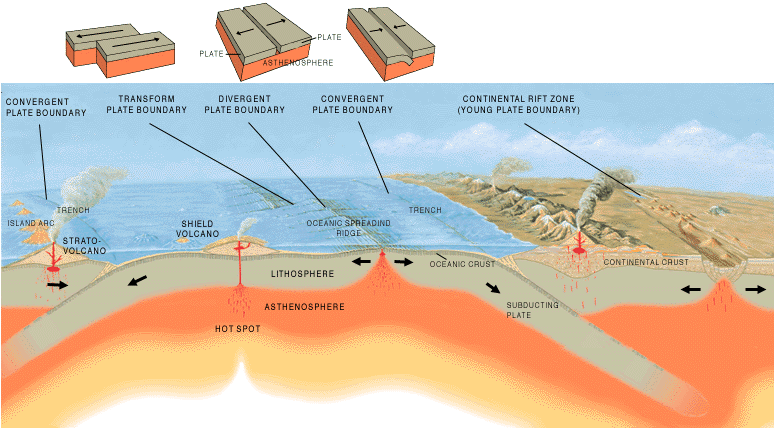
The basic engine behind lost mountain ranges is plate tectonics, the constant shuffling of giant slabs of Earth’s crust. When two of these plates collide, especially when continents slam into each other, the rocks crumple and thicken, and mountains rise the way a rug bunches up when you push it from both ends. If you live near a plate boundary today, you see this process happening in real time through earthquakes and active mountain building.
But plates do not sit in one place forever. Over tens and hundreds of millions of years, they drift, collide, lock together, and later split apart. A collision that once pushed up a huge mountain belt can eventually quiet down, leaving the region sitting in the middle of a stable plate. Erosion then slowly takes over, shaving down the peaks until your majestic range has become a broad, subdued plain. By the time you arrive on the scene, the violent tectonic past is hidden beneath a landscape that looks almost peaceful.
Erosion: The Quiet Force That Can Erase an Entire Mountain Range
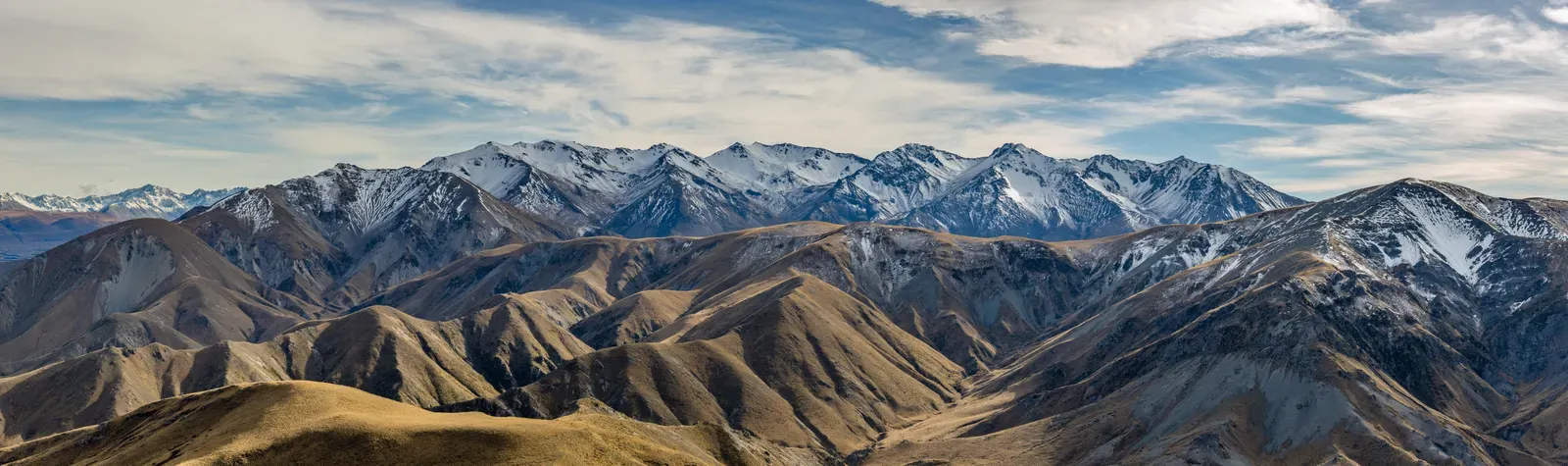
You tend to think of erosion as something gentle, like a stream nibbling at a riverbank. Stretch that image across tens of millions of years, though, and you start to see how terrifyingly powerful it really is. Every raindrop, every freeze–thaw cycle in a crack, every grain of sand pushed by the wind is doing a tiny piece of work dismantling rock and carrying it away.
Over vast time, that constant wear can strip away thousands of meters of rock from the top of a mountain range. You go from sharp, jagged peaks to rounded hills, then to subtle, low swells, and finally to landscapes so flat that you might call them boring. Except they are not boring at all. They are the polished, final stage of a long demolition job that has turned towering summits into the mud beneath deltas, the sand on distant beaches, and the fine sediment buried deep below other regions entirely.
Exposed Roots: When You Stand on the Skeleton of Ancient Mountains
In some places, you are not just walking over the debris of destroyed mountains; you are actually standing on their former roots. When a mountain belt forms, its base gets pushed deep down into the crust, where rocks are squeezed and heated into special metamorphic types. Later, when erosion removes the upper parts, those deep rocks can rise and appear at the surface as broad, modest-looking uplands or even relatively flat plateaus.
From your point of view, these areas might not look dramatic at all: gentle hills, scattered outcrops, forests, maybe farmland. Yet the minerals in the bedrock whisper a different story, one of extreme pressure and heat that only exist under big mountain systems. It is as if you’re walking through a city made entirely of foundations because all the skyscrapers were torn down long ago. The everyday landscape hides the fact that you’re literally on top of the skeletal remains of something once enormous.
Ancient Super-Mountains and Their Impact on Life
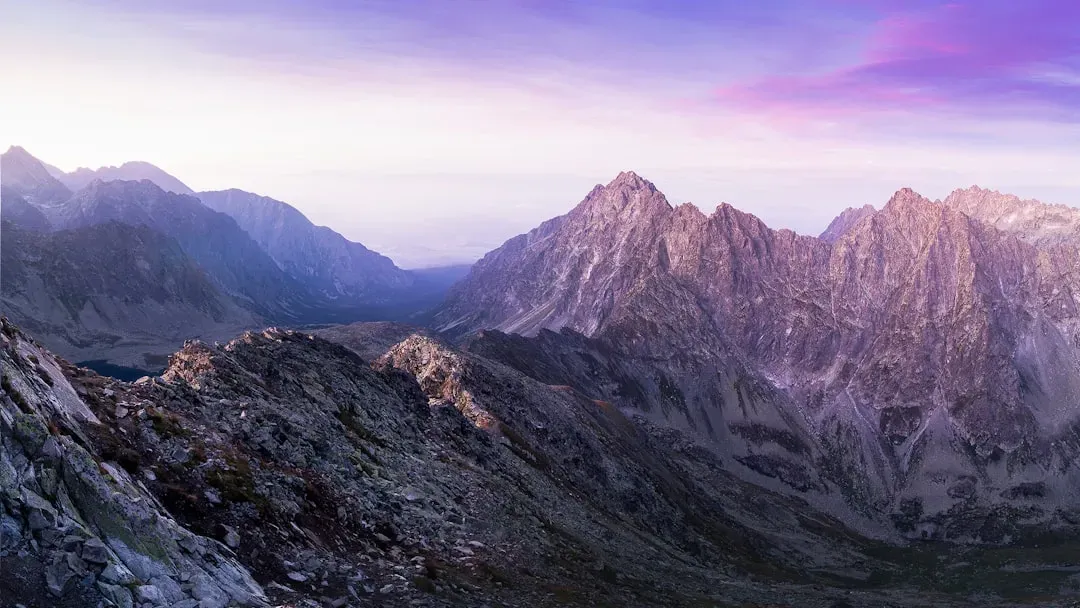
When scientists talk about some of these vanished ranges, they sometimes use terms like super-mountains, meaning belts so long and so tall that they would have rivaled or exceeded anything you see on Earth today. If you could have flown over them when they were young, the scene might have looked more like a sci-fi planet than the familiar Earth you know. These were not just scenic backdrops; they may have helped shape the evolution of life.
As such huge mountains eroded, they would have dumped enormous amounts of nutrients like phosphorus and iron into the oceans. That nutrient pulse could have fueled blooms of microscopic life, shifting the balance of oxygen and carbon dioxide in the atmosphere and oceans. So when you stand on a flat landscape that hides the memory of a super-mountain, you are not just on a geological relic; you might be standing at the quiet remains of a feature that helped make the modern living world possible.
How You Can Spot the Hints of Vanished Peaks Around You
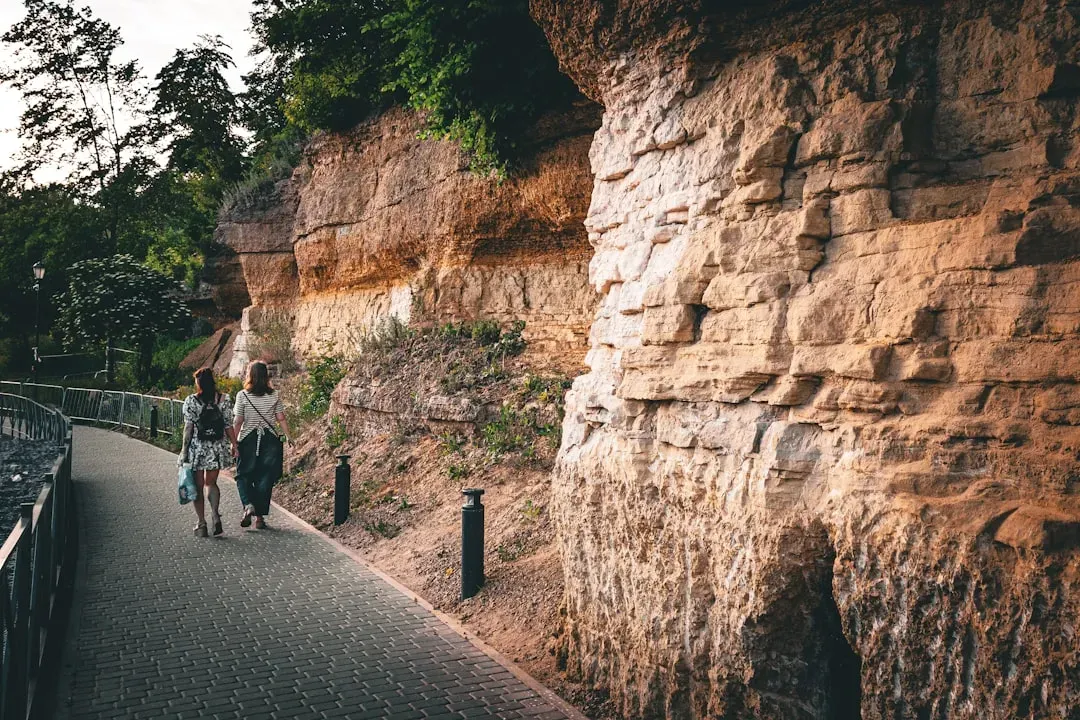
You do not have to be a professional geologist to start seeing signs that your local flatlands might have a dramatic past. You can begin by asking where the sediments under your feet came from. If you look at local road cuts, riverbanks, or quarries and see thick stacks of sedimentary rocks with big, rounded pebbles and coarse material, you are likely looking at old river deposits that once drained high, steep terrain.
You can also pay attention to isolated rocky ridges or oddly resistant knobs that poke out of otherwise gentle topography. Those might be tough cores of ancient structures that survived while the rest was worn down. After a while, you start to look at every plain, every prairie, every quiet agricultural basin and wonder what was towering there before. It changes the way you travel, because you realize that even the calmest scenery can hide a history more epic than any mountain view you have ever seen.
Conclusion: Seeing Flat Country with New Eyes
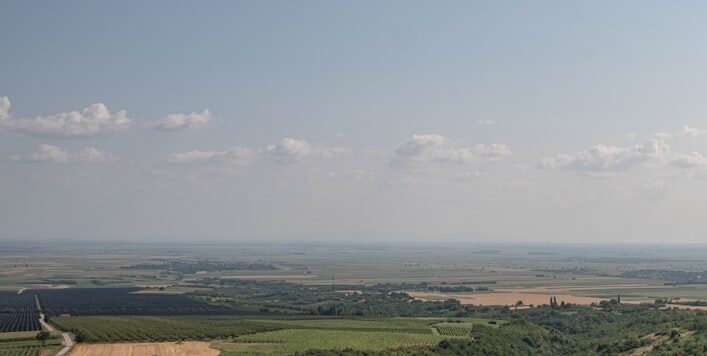
Once you know that massive mountains can rise, crumble, and vanish while leaving behind only subtle clues, you never look at a flat landscape the same way again. You start to see every open plain as a kind of crime scene long after the event, with scattered evidence in the rocks pointing to forces and structures that are gone now but once dominated the horizon.
The next time you cross a seemingly uneventful stretch of country, imagine the skyline crowded with serrated peaks, glaciers chewing at their sides, and rivers rushing away with their sediment. You are moving across the aftermath of titanic changes that shaped the planet beneath you and even influenced life itself. Knowing that, do those calm, level horizons feel a little more mysterious to you now?