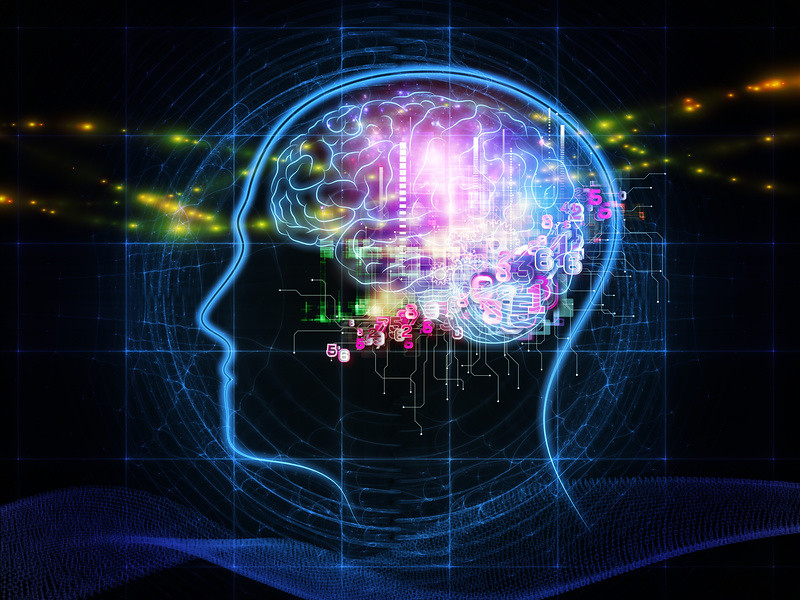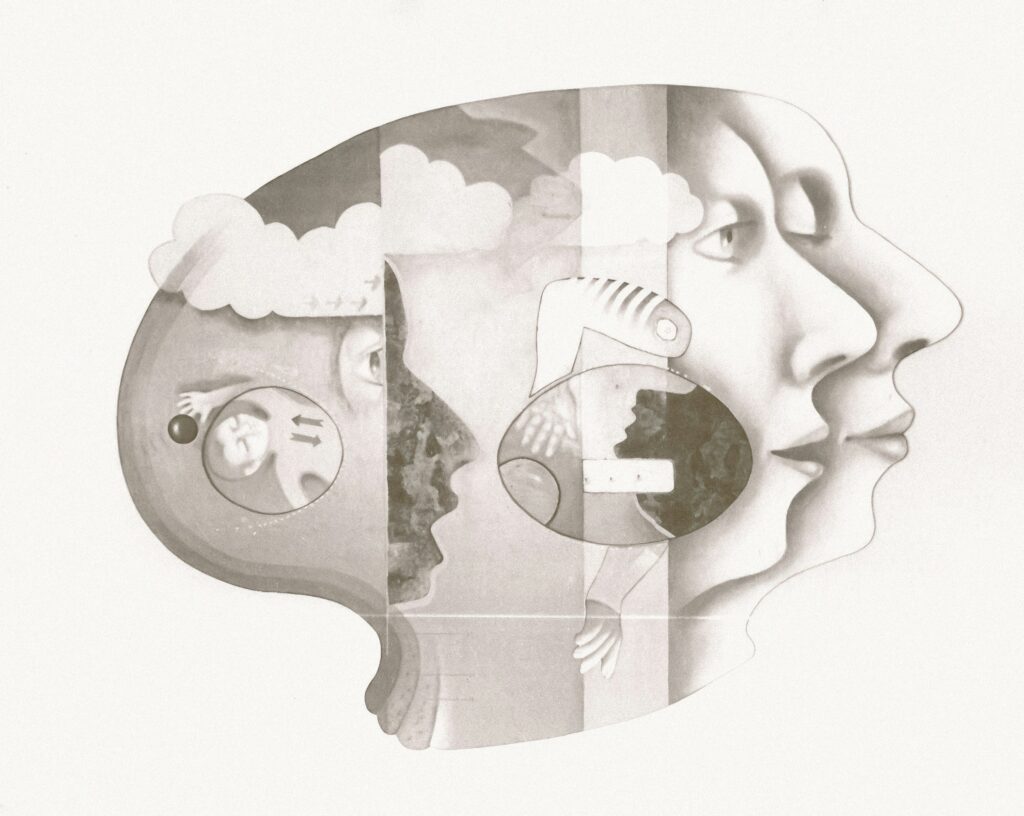

You like to think of yourself as the driver of your own mind. You decide, you choose, you think, and then you act. But what if you are not the driver at all? What if you are more like a passenger in the back seat, watching the scenery and then proudly claiming you picked the route?
That is roughly what some neuroscientists and philosophers are suggesting when they say the self is not the author of thoughts but the audience. In this view, your brain generates perceptions, emotions, and ideas behind the scenes, and your conscious sense of “me” simply shows up late to the party, takes a bow, and calls it free will. It sounds unsettling, but if you stay with it, it can become strangely liberating – and even practical.
You Do Not Choose Your Next Thought: You Just Notice It
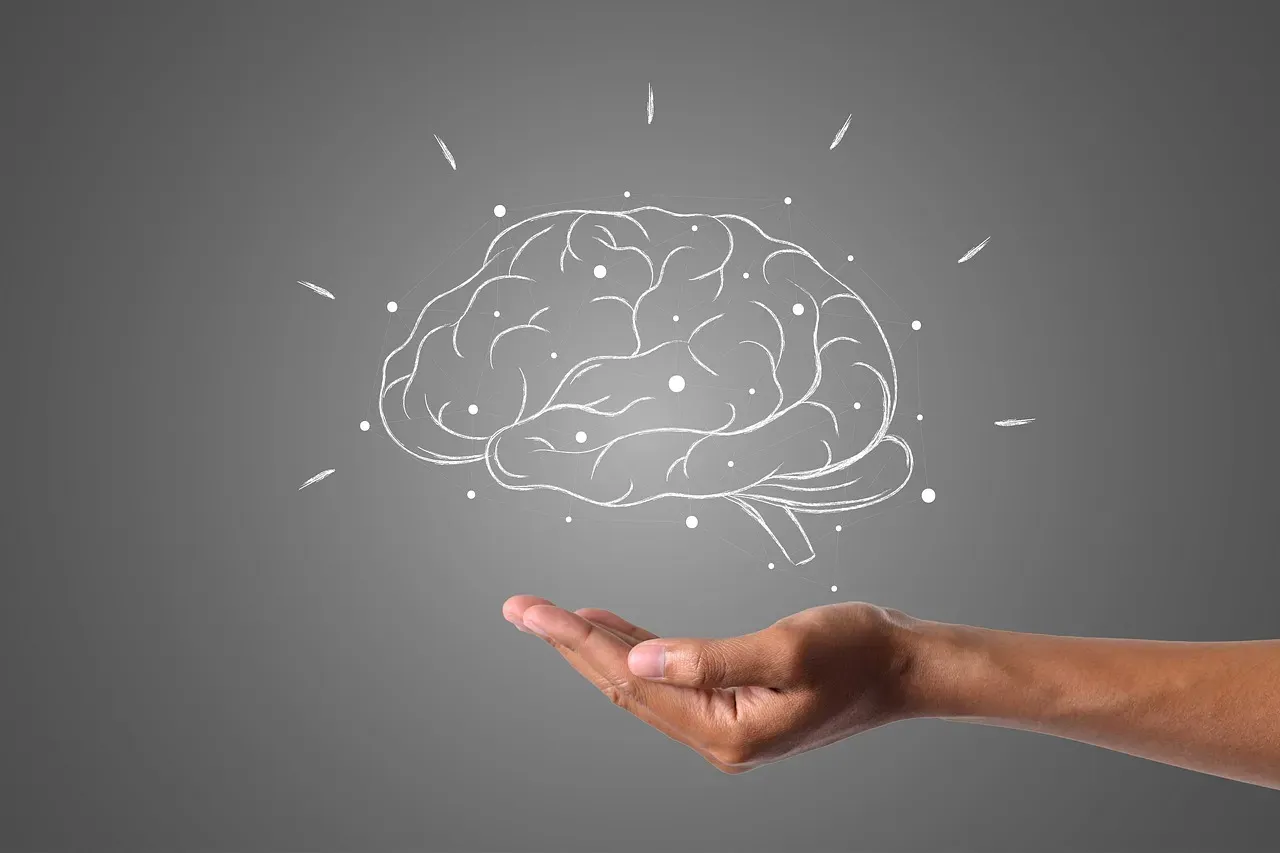
If you pay close attention for a moment, you can see something slightly shocking: you do not really know what your next thought will be. You can decide to think about dinner, but the specific images, memories, and cravings that arise just appear. They show up in consciousness the way a notification pops up on your phone screen – you did not code the app, you just see the alert.
From this perspective, you are more like the person watching thoughts scroll by than the one typing them. You notice a worry, you notice an idea, you notice a memory, but you did not deliberately craft those mental events step by step. Your brain, shaped by genetics, experience, and context, prepared them in the background. Then your conscious self arrives and says: “I thought that.”
Neuroscience Shows Decisions Form Before You Feel You Make Them
Experiments in neuroscience have added fuel to this “you are the audience” idea. In some classic lab tasks, when you are asked to move a finger whenever you feel like it, brain activity that predicts the movement appears a short time before you report the conscious intention to move. In other words, your brain seems to get going before your inner narrator says, “I’m choosing now.”
These results do not prove that you have no free will, but they do hint that your conscious experience of deciding is late to the party. You feel like the author of the action, yet deeper processes have already set things in motion. If you think of yourself as the audience, this makes sense: the show begins backstage, and your sense of intention is more like a live commentator describing what is already underway.
The Self as a Storyteller, Not a Commander
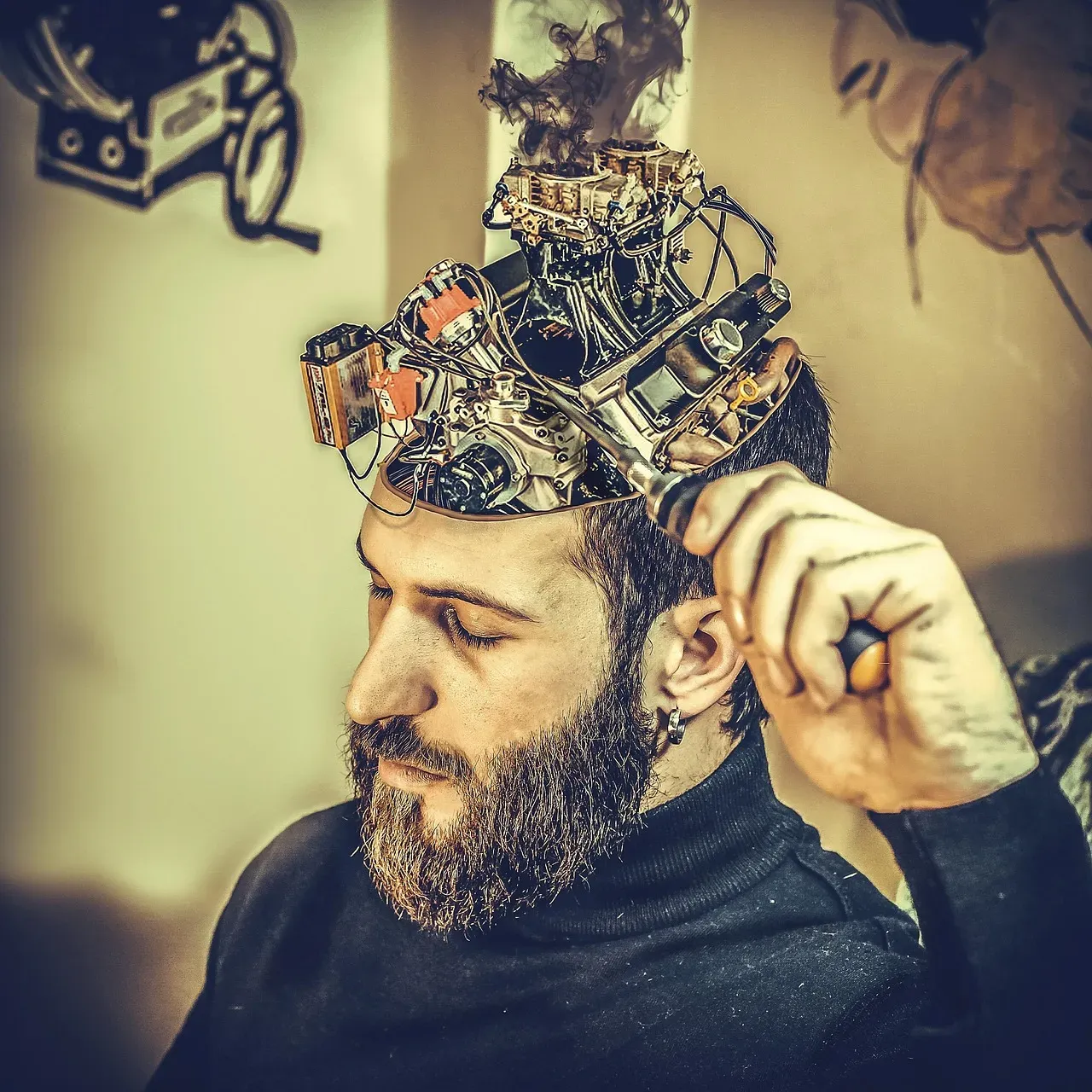
One way to make sense of all this is to see your conscious self as a storyteller. You watch actions, feelings, and thoughts bubble up, and almost instantly you weave them into a neat little narrative about why you chose them. You do not usually notice that the story is being written after the fact because it feels so smooth and convincing.
In daily life, this looks like explaining your decisions by saying that you picked the job because you always wanted stability, or you snapped at your partner because you were tired. Those explanations often sound reasonable, but you are reverse-engineering motives from behavior. The author is not a central commander issuing orders; it is a commentator trying to make sense of a complicated system it does not fully control.
Why Your Brain Needs an Inner Audience in the First Place

If you are mainly an observer, you might wonder why your brain evolved this inner audience at all. One strong possibility is that conscious self-awareness helps you model yourself, predict your own behavior, and coordinate with others. You can imagine how you will react in a situation and how others will see you, which is incredibly useful in social life.
Seen this way, the self is less a boss and more a dashboard. It gives you a simplified summary of what your mind and body are doing so you can navigate the world. You get a sense of “I am angry,” “I am embarrassed,” or “I want this,” and those labels guide your behavior. The underlying machinery is complex and mostly hidden, but the conscious self provides an interface you can understand well enough to function.
Mistaking Witnessing for Willing: How Illusions of Control Arise
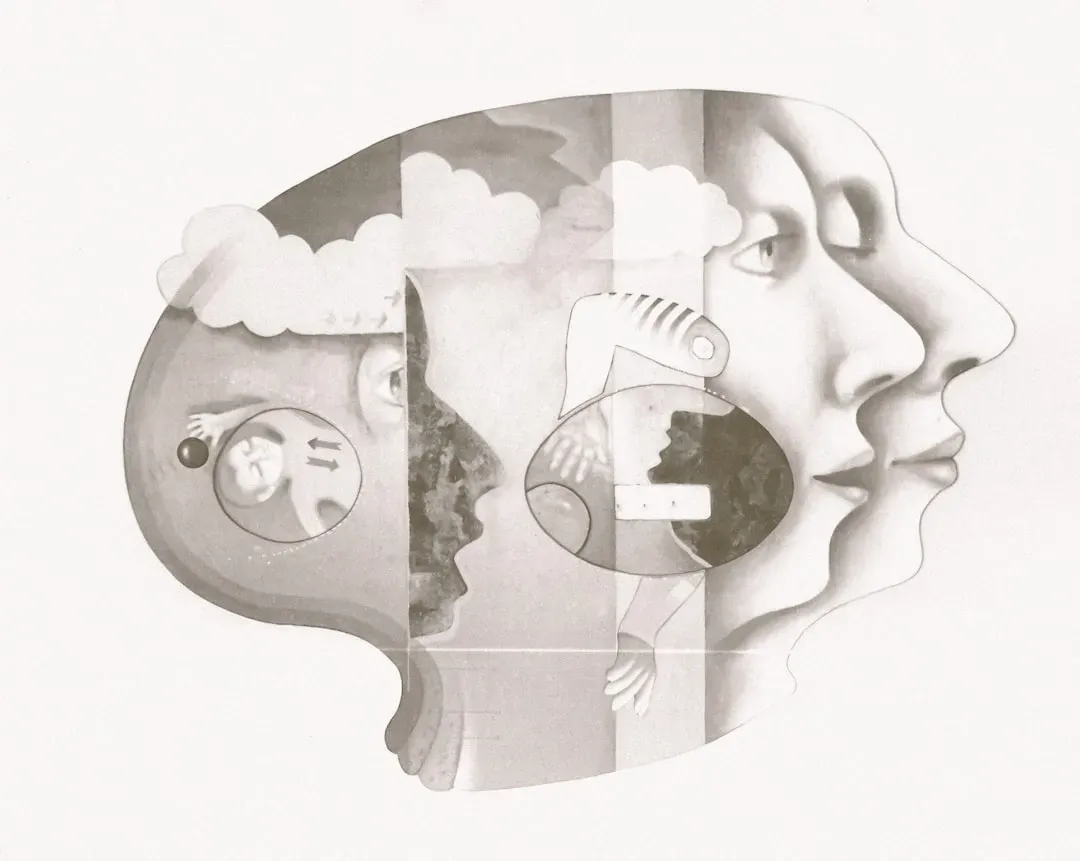
When you watch thoughts and actions unfold and then feel they are “yours,” you are blending two things that are actually separate: witnessing and willing. Your brain generates an action, and your conscious self witnesses it closely in time, so you experience it as something you willed. This tight timing tricks you into thinking your experience caused the event, like hearing thunder right after lightning and believing you somehow triggered it.
This illusion of control shows up in simple ways. You might press an elevator button repeatedly, feeling you are making it arrive faster, or you might feel personally responsible for good outcomes that were mostly luck. Your mind is wired to link what you witness and what happens next. As the audience, you sit in the perfect seat to be fooled into thinking you are also the playwright.
Does This Mean You Have No Responsibility? Not So Fast

It is tempting to hear all this and shrug off responsibility: if you are just the audience, why blame yourself for anything? But the situation is more subtle. You are not a detached camera floating above your life; you are part of the same system that includes your brain, history, habits, and environment. Changing what you expose yourself to, what you practice, and what you believe still shapes what thoughts and actions tend to appear.
Think of it like tending a garden you did not originally plant. You did not choose the soil or the first seeds, but by how you water, prune, and fertilize, you influence what grows next season. In the same way, even if you do not author each thought, you can influence the conditions under which certain kinds of thoughts and behaviors become more likely. Responsibility then becomes less about brute-force control and more about how you cultivate your inner and outer life over time.
How Seeing Yourself as an Observer Can Actually Help You

Once you start seeing thoughts as events you observe rather than commands you must obey, you gain a surprising kind of freedom. When an anxious thought pops up, you do not have to fuse with it or treat it as a direct order. You can notice it as “a worry is appearing,” watch it move through like a cloud across the sky, and then decide how to respond instead of automatically reacting.
This observer stance is at the heart of many mindfulness and acceptance-based practices. You train yourself to watch the flow of experience with a bit more distance and curiosity. Over time, that distance lets you respond more deliberately, even though you are not hand-crafting each thought. The more you experience yourself as the audience rather than the scriptwriter, the less you feel bullied by every story your mind tells.
Living with a Softer, Less Rigid Sense of Self

If the self is not a solid, central author, you do not have to cling so tightly to every identity and opinion. You can see that the version of “you” that shows up at work, with friends, or alone late at night are different performances on the same inner stage. Instead of needing to defend one fixed self-image, you can treat them as shifting characters that appear depending on context.
This softer sense of self can make you less defensive and more open. When someone criticizes you, it stings less if you remember that your current reactions are just one configuration of a very complex system, not the ultimate truth about who you are. You can update, adjust, and experiment without feeling like your entire identity is at stake every time you change your mind or grow in a new direction.
Practices to Explore Being the Audience of Your Own Mind

You do not have to fully buy into the theory to test it in your own experience. You can try simple experiments: sit quietly and watch thoughts for a few minutes, noticing how they appear on their own. Or pause in the middle of a strong emotion and ask yourself whether you actually chose to feel that way at that exact moment, or whether you are just catching the wave as it rises.
You can also play with everyday situations. When you reach for your phone, ask what really initiated that action: a conscious plan, a vague discomfort, a habit loop? When you tell yourself a story about why you did something, gently wonder whether you are describing or inventing. Over time, these little moments reveal an odd but powerful truth: you are both more passive and more flexible than you thought.
Conclusion: A Humbling, Liberating Shift in How You See Yourself
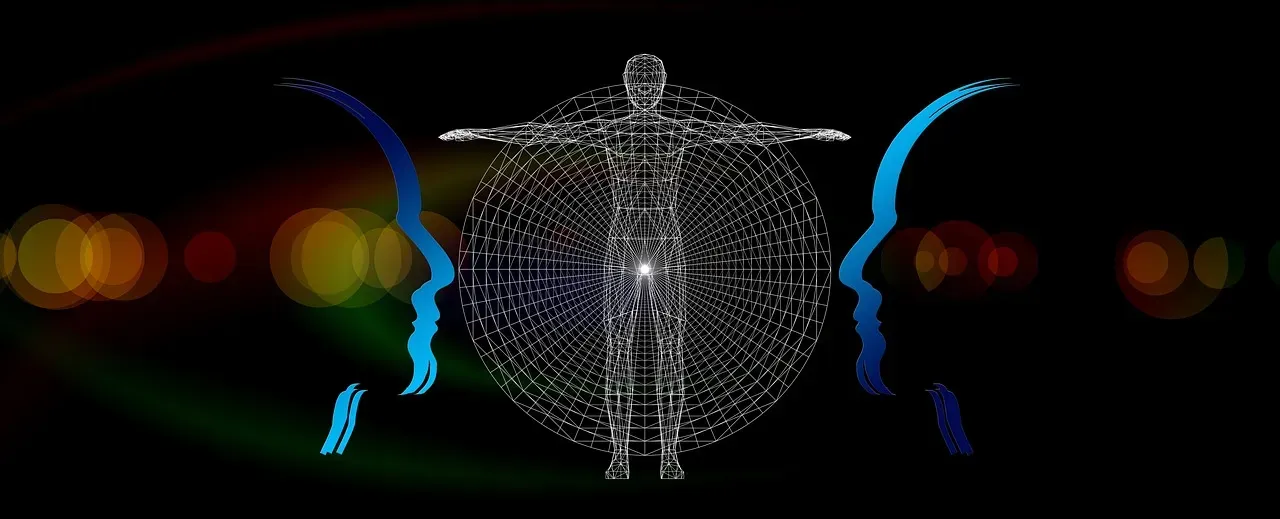
Seeing yourself as the audience rather than the author of your thoughts can feel humbling at first. It undercuts the heroic image of the self as a tiny CEO sitting in your skull, making perfect choices and steering everything with pure willpower. But as that illusion softens, another, more grounded kind of freedom appears: you can stop blaming yourself for every stray thought and start focusing on how you relate to whatever shows up.
In this view, you are a witness traveling through an ongoing stream of mental events, not a magician conjuring them from nothing. You still matter deeply, not as a controlling puppet master, but as the way the system becomes aware of itself and chooses how to respond. If you are not the author but the audience, the real question becomes: how will you watch the show, and how gently will you let it change you along the way?