
You like to think of yourself as independent, rational, and in control. Yet a sideways glance from someone you care about, being left out of a group chat, or walking into a room where nobody looks up can sting more than you’d ever admit. That sharp, almost physical feeling is not you being overly sensitive; it is an ancient survival system lighting up, doing what it has done for humans for tens of thousands of years.
Psychology is increasingly clear on this: your need to belong is not a modern social-media glitch or a personality quirk. It is baked into your biology, as fundamental as your need for food or shelter. When you look at your life through this lens, so many “irrational” reactions suddenly make sense – and once you understand how deep this instinct runs, you can work with it instead of being quietly ruled by it.
You Are Wired for Belonging, Not Just for Thinking

You probably like to imagine yourself as a thinking creature who sometimes happens to feel, but evolution flipped that order. Long before you could solve equations or write emails, your nervous system was scanning for one thing: am I safely connected to others, or am I at risk of being alone? Your brain still runs that ancient script, even in meeting rooms, classrooms, and comment sections.
Modern brain imaging shows that social pain – like rejection or exclusion – activates many of the same regions involved in physical pain. In other words, when someone freezes you out, your brain reacts as if you had been hit. You don’t just “feel bad”; your survival alarm goes off, nudging you to repair the connection, seek support, or change your behavior so you stay inside the group.
In the Stone Age, Being Alone Was a Death Sentence

To really understand your need to belong, you have to zoom out to what life was like for your distant ancestors. They did not survive because they were the toughest lone wolves; they survived because they were part of a pack that shared food, protected one another, and watched for danger together. Being pushed out of that small circle could literally mean starving or becoming an easy target.
Over many generations, humans who cared deeply about being accepted were the ones who survived long enough to pass on their genes. That means you inherited a nervous system that treats social isolation as a threat, even if you live in a city with millions of people and can have groceries delivered with a few taps. Your body doesn’t update as fast as your technology; it still reacts as though being excluded might end very badly.
Your Brain Rewards You for Fitting In (Sometimes Too Much)
When you feel welcomed, noticed, or included, your brain gives you a biochemical high. Social acceptance can release feel-good chemicals that reduce stress and boost your mood, which is why being around people who like you can feel almost physically calming. You are not imagining it when a good conversation feels as satisfying as a great meal.
The flip side is that you can start chasing belonging the way someone might chase any other reward. You might say yes when you mean no, laugh at jokes you secretly dislike, or hide important parts of yourself just to keep that sense of approval flowing. That is your reward system doing its job a little too well, pushing you toward fitting in even when it costs you your values or your peace of mind.
Rejection Hurts Because Your Brain Treats It as Danger

Think about the last time you were left out, ignored, or criticized by someone whose opinion you cared about. Your heart probably sped up, your stomach dropped, and your mind went into overdrive replaying what happened. Those are not signs of weakness. They are classic signs that your threat systems are activated, just as they would be if you heard a twig snap behind you in a dark forest.
Your body prepares you to either repair the relationship or protect yourself from further harm. You might obsess over what you said, scan for more signs of disapproval, or withdraw completely. If you do not realize this is an ancient survival reflex, you can easily turn the pain inward, deciding that you must be fundamentally unlovable. Recognizing the biology behind rejection helps you see that the intensity of the hurt is about your wiring, not your worth.
Belonging Shapes Your Identity More Than You Notice

You like to believe you chose your beliefs, habits, and preferences rationally, but the people around you shape them far more than you think. You subtly adjust your opinions, slang, even your posture to match the groups you care about. This is not fake; it is your brain’s way of signaling, “I am one of you, please keep me in the circle.”
If you switch workplaces, move countries, or join a new community, you may find your views or behavior shifting again. It can be unsettling to realize how fluid your identity is, yet it also shows how powerful belonging is as a force. When you understand that your mind is constantly calibrating itself to fit your “tribe,” you can be more intentional about which tribes you choose.
Loneliness Is Not Just in Your Head, It Is in Your Health

When you feel lonely, you are not just feeling emotionally off; your body is registering a chronic state of threat. Long-term loneliness has been linked with higher stress levels, poorer sleep, and increased risk for a range of health problems. Your system is essentially stuck in low-level survival mode, as if you were always looking over your shoulder.
That is why you might feel exhausted yet wired when you spend too much time disconnected from meaningful relationships. You might scroll endlessly, snack mindlessly, or lose motivation for things that used to matter. Your body is using up energy trying to solve a problem that your ancient wiring sees as urgent: you are not safely anchored in a group, and that feels dangerous.
Modern Life Triggers Ancient Instincts in New Ways

Today, you can be “connected” to thousands of people and still feel like you truly belong nowhere. Social media, remote work, and constant comparison can confuse your ancient systems. A single ignored message or a friend’s photo with other people can feel like a public exile, even if nothing serious has changed in your real relationships.
Because your brain reacts to online social cues almost as strongly as in-person ones, digital interactions can keep your belonging system on edge. You may find yourself checking notifications compulsively, trying to soothe a vague sense that you might be missing out or falling behind socially. Once you see this as your survival circuitry misfiring in a modern environment, you can step back and set boundaries with more compassion for yourself.
You Can Honor Your Need to Belong Without Losing Yourself
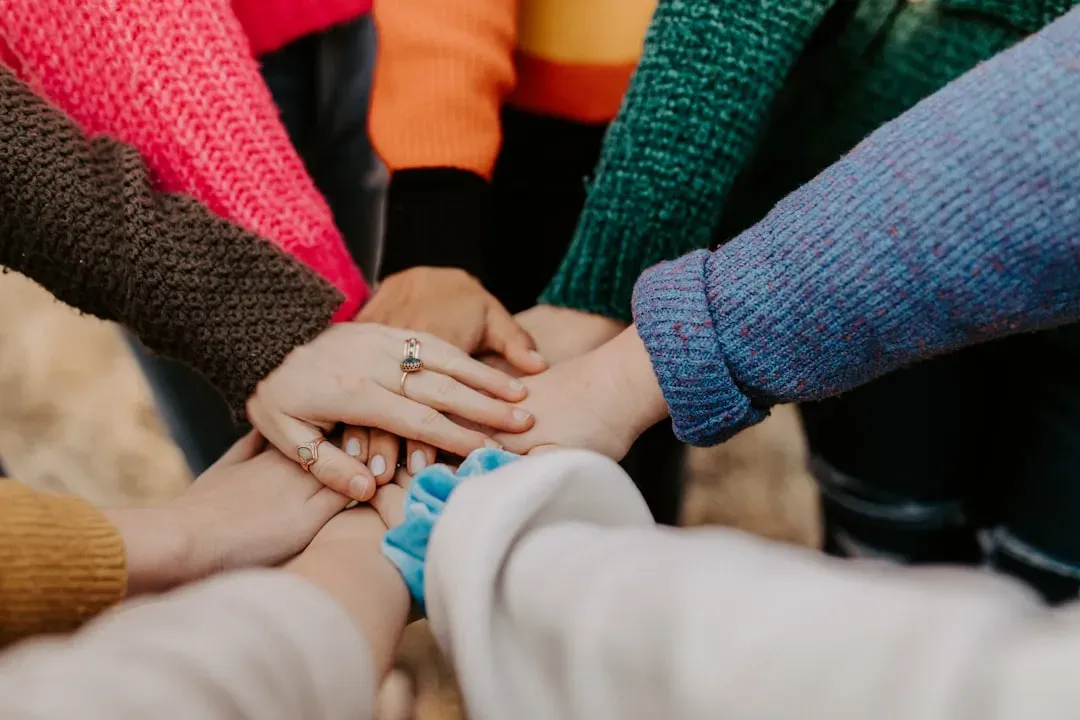
Accepting that you are wired to need people does not mean you have to become a people-pleaser. It just means you stop fighting the fact that connection is as basic to you as oxygen. Instead of pretending you are fine on your own when you are not, you can start asking a more honest question: what kind of belonging actually nourishes you, and what kind drains you?
You might notice that you feel safest with people who let you show your fears, your mistakes, and your weird opinions without flinching. Belonging, at its best, is not about never rocking the boat; it is about feeling secure enough to be seen as you really are. When you choose relationships and communities where you do not have to trade away your authenticity to stay included, you are finally using this ancient instinct in a way that supports your modern life.
Turning an Ancient Instinct into a Modern Superpower

Once you see your need to belong as an old survival program, you can stop treating it like a flaw and start treating it like a powerful tool. It can guide you toward building solid friendships, nurturing family ties, and joining groups that give your life meaning. Your sensitivity to connection can make you more empathetic, better at cooperation, and more motivated to contribute to something larger than yourself.
At the same time, you can learn to notice when this instinct is steering you toward choices that are not truly yours – chasing approval from people you do not respect, hiding your real opinions, or clinging to groups that harm you. In those moments, you are not weak; you are just carrying very old wiring into a very new world. The more you understand that, the more you can choose belonging that feels like home instead of a cage.
Conclusion: Your Need to Belong Is Not a Bug, It Is Your Origin Story

If you peel back your everyday worries – about being liked, accepted, invited, or remembered – you keep bumping into the same ancient question: am I safely connected, or am I at risk of being alone? That question has shaped human behavior for as long as humans have existed, and it is still humming quietly under your daily life. You are not needy for wanting closeness; you are human, built by countless generations who survived because they stuck together.
When you stop shaming yourself for caring so much about belonging, you open the door to using that instinct with more wisdom. You can seek out communities where you feel genuinely seen, protect yourself from groups that demand too high a price, and show up for others who are fighting the same ancient fear of being left out. In the end, your need to belong might be one of the oldest things about you – but what you choose to do with it is completely up to you. If you look at your life right now, where is that instinct quietly steering you?