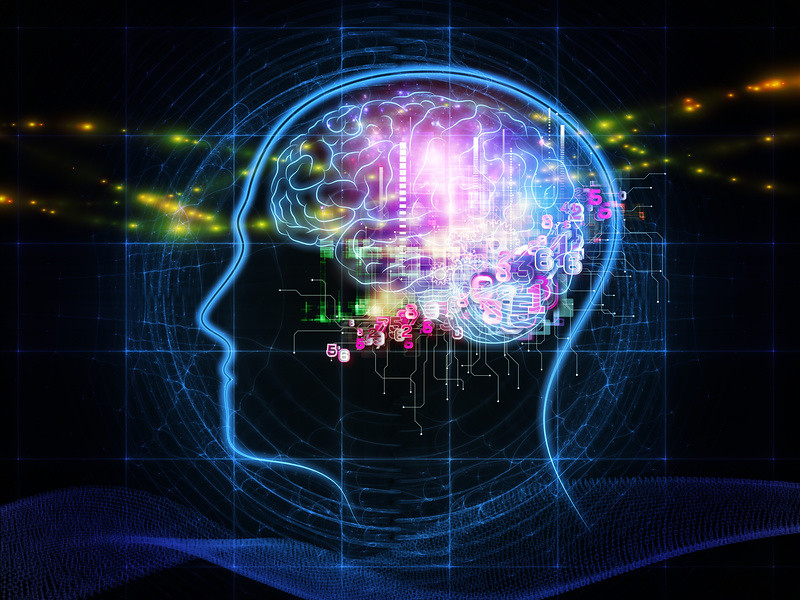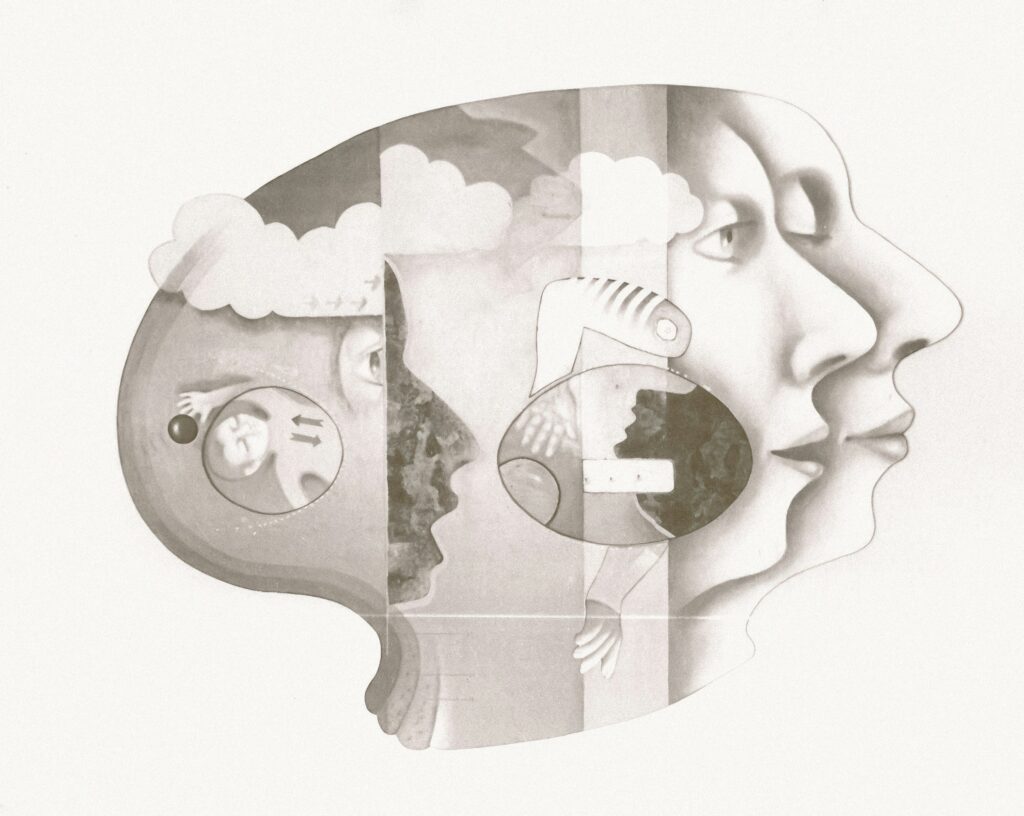

If you’ve ever found yourself doomscrolling late at night, replaying that one harsh comment from your boss instead of all the nice things people said, you’re bumping into one of the oldest parts of your brain. You are not broken, negative, or uniquely anxious. In many ways, you’re doing exactly what your ancestors needed to do to stay alive: notice danger first, ask questions later.
Evolutionary psychology suggests that your mind is not built to make you happy; it is built to keep you alive. That means threats, criticism, and bad news get VIP access to your attention, while good news waits in line. Once you understand this built‑in bias, you can stop blaming yourself for it – and start working with your brain instead of against it.
Why Your Brain Treats Bad News Like an Emergency Alert
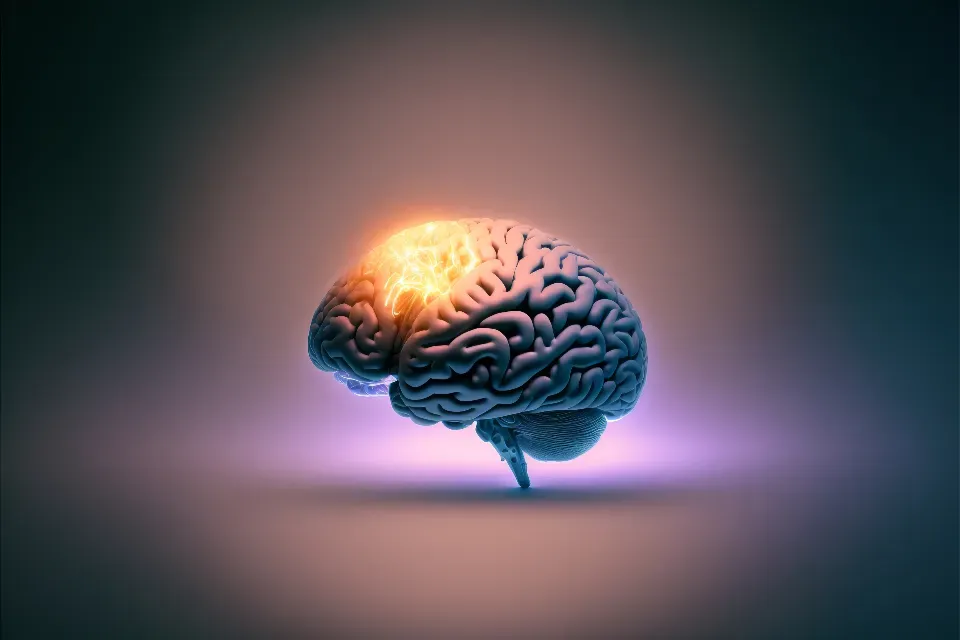
You come from a very long line of humans who survived by noticing what might kill them. If an ancestor heard a rustling in the bushes and assumed it was a predator instead of a breeze, they might have looked paranoid – but they also lived long enough to have children. That survival advantage means your brain has inherited a strong bias toward noticing anything that could be a threat.
Today, the “bushes” are different – headlines, emails, medical tests, bank accounts – but your brain reacts in a similar way. Bad news triggers your threat-detection systems, releasing stress hormones and sharpening your focus, almost like someone just hit a bright red emergency button. Good news feels nice, but it rarely carries the same urgency, so it simply doesn’t grab your attention in the same intense way.
The Negativity Bias: Why One Bad Comment Ruins Your Day

You can probably remember a painful criticism from years ago in crystal-clear detail, but you struggle to recall the many compliments you got last month. That lopsided memory is not a personal failing; it is an example of what psychologists call the negativity bias. Your brain gives more weight, detail, and airtime to negative events than to positive ones, because in your evolutionary past, ignoring something bad could be deadly, while missing something good usually was not.
This is why you may dwell on minor mistakes, replay awkward conversations, and overthink small risks. Your mind is trying to keep you safe by treating any potential harm – social rejection, financial trouble, health scares – as something you must not overlook. The result is that harsh feedback sticks like glue, while praise slides off like water from a nonstick pan, unless you consciously pause and soak it in.
How Threat Focus Helped Your Ancestors Survive

Imagine you are living thousands of years ago, walking across an open field. If you underestimate a rustle in the grass and it turns out to be a predator, you might not get another chance. If you overestimate and run away from the wind, you look foolish, but you survive. Over many generations, that tendency to overreact to possible danger helped shape how your brain works today.
Your nervous system still responds as if you live in that world, even though your “predators” are more likely to be a critical email from your manager or a sudden, sharp noise while you’re driving. The stakes have changed, but the machinery has not. When you jump at a notification, catastrophize a delay in someone’s reply, or spiral over a worrying headline, you are using a threat-focused radar that was incredibly adaptive in a harsher, more uncertain environment.
Modern Life: Ancient Wiring in a Hyper-Connected World

Your brain evolved in small, relatively slow-moving groups, where threats were physical, local, and relatively rare. Now you carry a device that can bombard you with reports of disasters, conflicts, and crises from every corner of the planet, twenty-four hours a day. Your ancient alarm system was never designed to handle that level of incoming fear-triggering information.
Because your attention is wired to scan for danger, you are especially vulnerable to news feeds and platforms that highlight alarming, shocking, or outrage-inducing content. You might feel like you are just “staying informed,” but your nervous system experiences many of those stories as if the danger is close and immediate. Over time, that can leave you feeling more anxious, pessimistic, and exhausted than the actual conditions of your everyday life would justify.
How This Bias Warps Your Decisions and Relationships

When your mind overweights threats, it quietly shapes how you judge situations and people. You might see more risk than is really there, assume the worst about someone’s silence, or interpret neutral feedback as criticism. It becomes easier to spot flaws than strengths, both in yourself and in others, which can slowly erode your confidence and your relationships.
In decision-making, a threat-heavy focus can make you overly cautious. You may stay in an unfulfilling job because you fixate on everything that could go wrong if you try something new, while discounting all that could go right. In relationships, you might cling to tiny signs of trouble and miss clear patterns of care and support. It is as if your internal camera keeps zooming in on cracks in the wall, never panning back far enough to notice the whole solid building.
What the Science Suggests About Your Emotional Reactions

Researchers have repeatedly found that people respond more strongly, more quickly, and for longer to negative events than to equally intense positive ones. You might notice your heart racing and your thoughts speeding up after a worrying message much more than after a joyful surprise. This stronger reaction makes sense if your biological priority is to detect and respond to danger before it harms you.
At the same time, studies also suggest that your brain is capable of reshaping its own patterns. When you repeatedly direct your attention toward positive details, safe experiences, and small daily wins, you gradually train your nervous system to balance out its built-in tilt toward the negative. You are not erasing your evolutionary wiring – you are learning to steer it, so your emotional life is not ruled by worst-case scenarios.
How You Can Gently Rewire Your Attention

You cannot turn off millions of years of evolution, but you can learn to work with it. One powerful step is simply to name what is happening: when you catch yourself spiraling over a minor issue, you can think, “This is my threat system doing its job a little too well.” That small bit of self-awareness puts space between you and the fear, so you are less likely to be dragged along by it.
From there, you can deliberately build habits that highlight the good, not to deny problems, but to give your brain a more accurate picture of reality. You might end the day by writing down three specific things that went well, or by pausing for a full breath whenever something pleasant happens – tasting your coffee, hearing a kind word, feeling the sun on your face. The longer you let those moments land, the more your brain learns that good experiences matter too and deserve your attention.
Practical Ways to Balance Threat and Good News in Daily Life

In everyday situations, you can test your threat-focused reactions with simple questions. When your mind jumps to the worst explanation for someone’s behavior, you might ask yourself, “What are three other, less scary possibilities?” When you face a decision, you can list what could realistically go wrong alongside what could realistically go right, instead of only picturing disaster.
You can also set boundaries around sources that constantly trigger your threat system, like endless breaking news or social media accounts that leave you feeling tense and on edge. Limiting your exposure does not mean you are hiding from reality; it means you are refusing to live in a continuous state of alarm. By consciously seeking out accurate, balanced information and staying grounded in your own direct experience, you give your brain a better, calmer story to work from.
Conclusion: Living Wisely With a Threat-Sensitive Mind

Your brain’s tendency to pay more attention to threats than to good news is not a flaw you need to fix; it is an ancient survival feature that once kept your ancestors alive in a far more dangerous world. But in your current environment, where bad news can flood your attention from morning to night, that same feature can leave you anxious, pessimistic, and disconnected from the good that actually surrounds you.
When you understand this evolutionary bias, you can stop fighting yourself and start making small, intentional choices that rebalance your attention. You can notice danger without being consumed by it, stay informed without being overwhelmed, and give your mind repeated chances to register safety, joy, and connection. Over time, that shift lets you live not as a powerless hostage to your threat system, but as an active pilot navigating with it. Knowing that, what will you choose to pay attention to next?