
Most people picture archaeology as neat shelves of labeled bones and pottery, everything tidy, everything explained. Then a mining crew cracks open a lump of coal and a corroded metal sphere rolls out. A hammer turns up half-swallowed by rock that supposedly predates flowering plants. A human footprint sits, impossibly, next to a dinosaur track. These are the moments that make even calm, credentialed scientists go quiet for a second before reaching for their notebooks.
Some of these cases fall apart under a microscope. A few never had solid evidence to begin with. And one or two remain stubbornly, genuinely strange, the kind of find that keeps geologists arguing at conferences. Here are 11 objects that were reportedly pulled from layers they had absolutely no business being in, and what actually happened when researchers took a closer look.
11. The Klerksdorp Spheres Weren’t Machined 2.8 Billion Years Ago
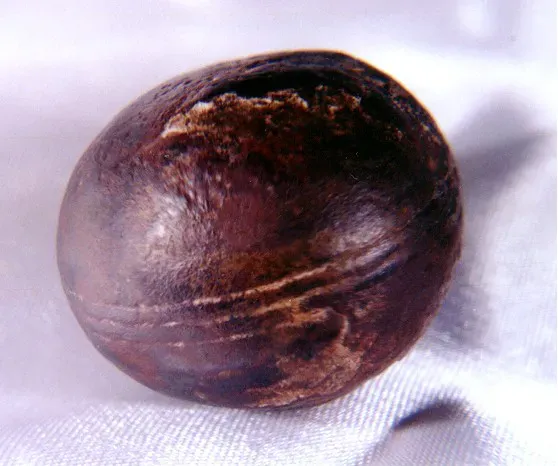
These small, oddly rounded objects came out of pyrophyllite mines near Ottosdal, South Africa, in rock dated to around 2.8 billion years old. At a glance they look manufactured: smooth surfaces, faint grooves, and a symmetry that feels almost too deliberate for nature. That’s exactly the kind of visual that fringe researchers latch onto, arguing the precision proves advanced technology existed long before complex life did.
Under a microscope, though, the story falls apart fast. The spheres show crystalline growth patterns and internal layering identical to natural concretions, minerals that slowly build up around a nucleus over millions of years. Their famous “perfect roundness” also doesn’t hold up in person; plenty of them are lumpy, pitted, and asymmetrical once you’re not looking at a cherry-picked photo. It’s a great example of how a flattering angle can turn ordinary geology into a decades-long internet legend.
10. The London Hammer’s “100-Million-Year-Old” Rock Is Barely Older Than Your Grandparents
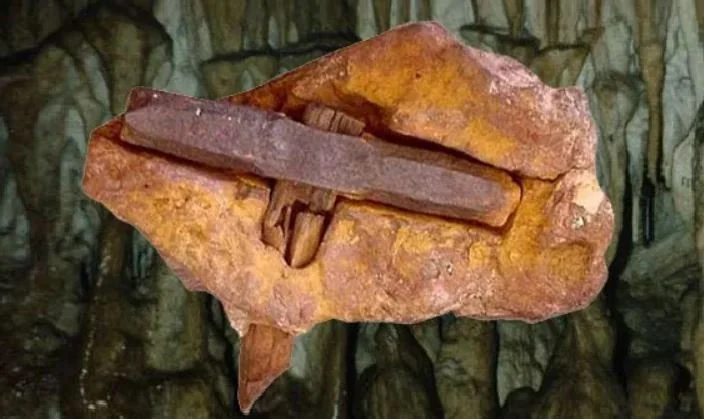
Found near London, Texas in the 1930s, this small iron hammer head with a partly fossilized wooden handle looks like something out of a time-travel thriller: a modern tool half-swallowed by ancient stone. Creationist writers seized on it as proof that humans coexisted with dinosaurs, and it’s easy to see why the photo alone is unsettling. A very human object, sealed inside rock, sitting on a shelf like it’s daring you to explain it.
The explanation is almost anticlimactic. The hammer’s design is clearly 19th-century, matching tools used by local miners and prospectors of that era. The “rock” encasing it is a mineral concretion, the kind that can harden around an object in mere decades as dissolved minerals settle out of groundwater, not the original Cretaceous bedrock. It’s still a neat curiosity worth seeing in a case at the Creation Evidence Museum. It’s just not proof that geology is broken.
Fast Facts
- Found: 1930s, near London, Texas
- Tool design: matches 19th-century mining hardware
- Casing: a mineral concretion, not Cretaceous bedrock
- Formation time: concretions like this can harden in decades, not eons
9. The Coso Artifact Was a Spark Plug the Whole Time
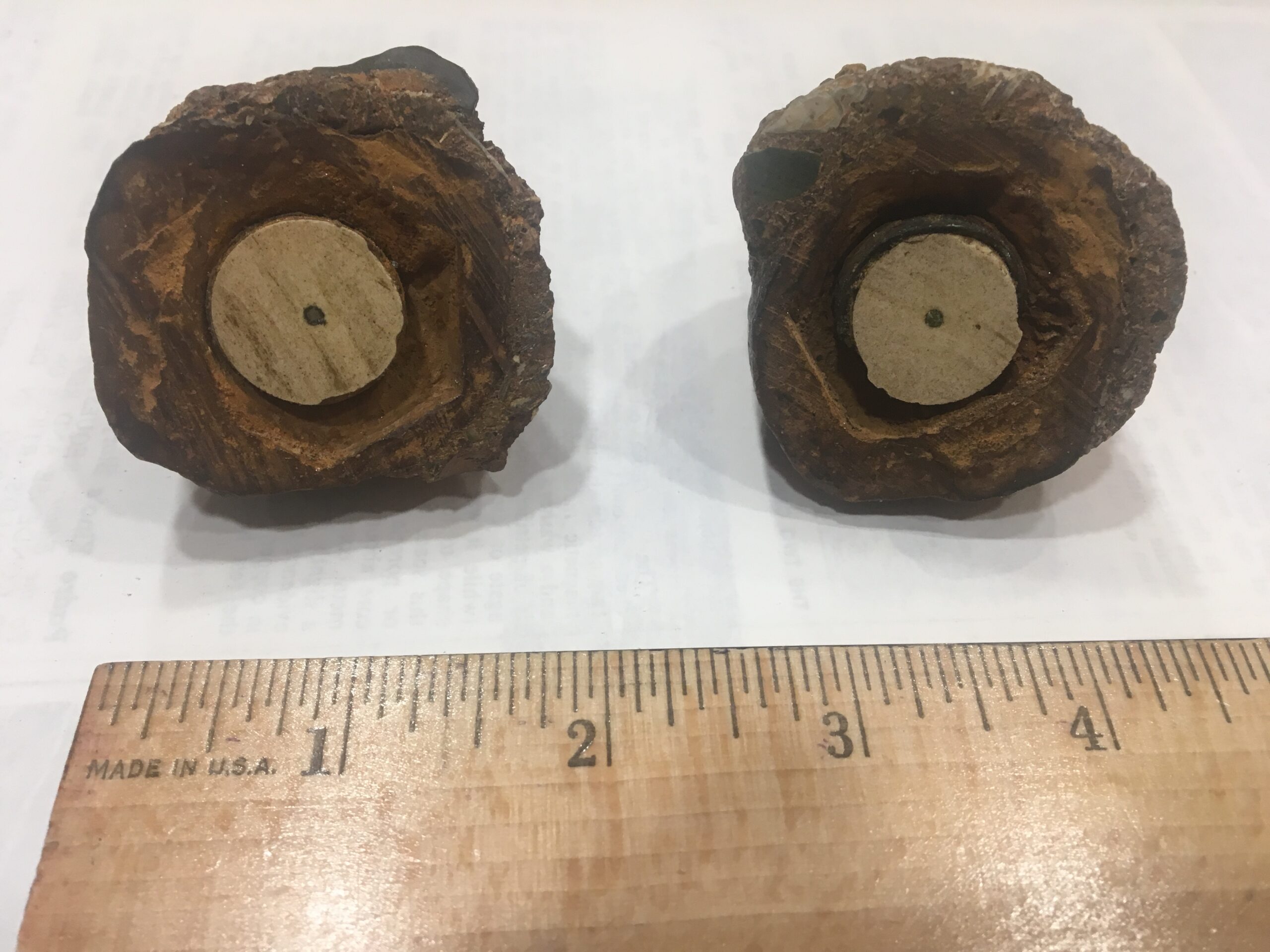
In 1961, three rock hunters near Olancha, California cracked open what they thought was a geode and found a strange cylindrical object inside, complete with a metal shell and ceramic components. Early reports breathlessly claimed it was sealed inside 500,000-year-old stone, which would make it older than modern humans by a wide margin. For years the artifact bounced between private collectors, which only thickened the mystery since nobody outside a small circle could examine it properly.
When better photos finally surfaced, the mystery evaporated almost instantly. The object matches a 1920s-1930s Champion spark plug used in early combustion engines, corroded and encased in a young mineral concretion that had nothing to do with a true geode. The supposed half-million-year age was never based on actual dating of the enclosing material, just an assumption baked into a secondhand story that nobody questioned for decades. It’s a tidy lesson in how fast an unverified claim can calcify into accepted lore.
8. The “Impossible Nails” That Were Never Actually Tested
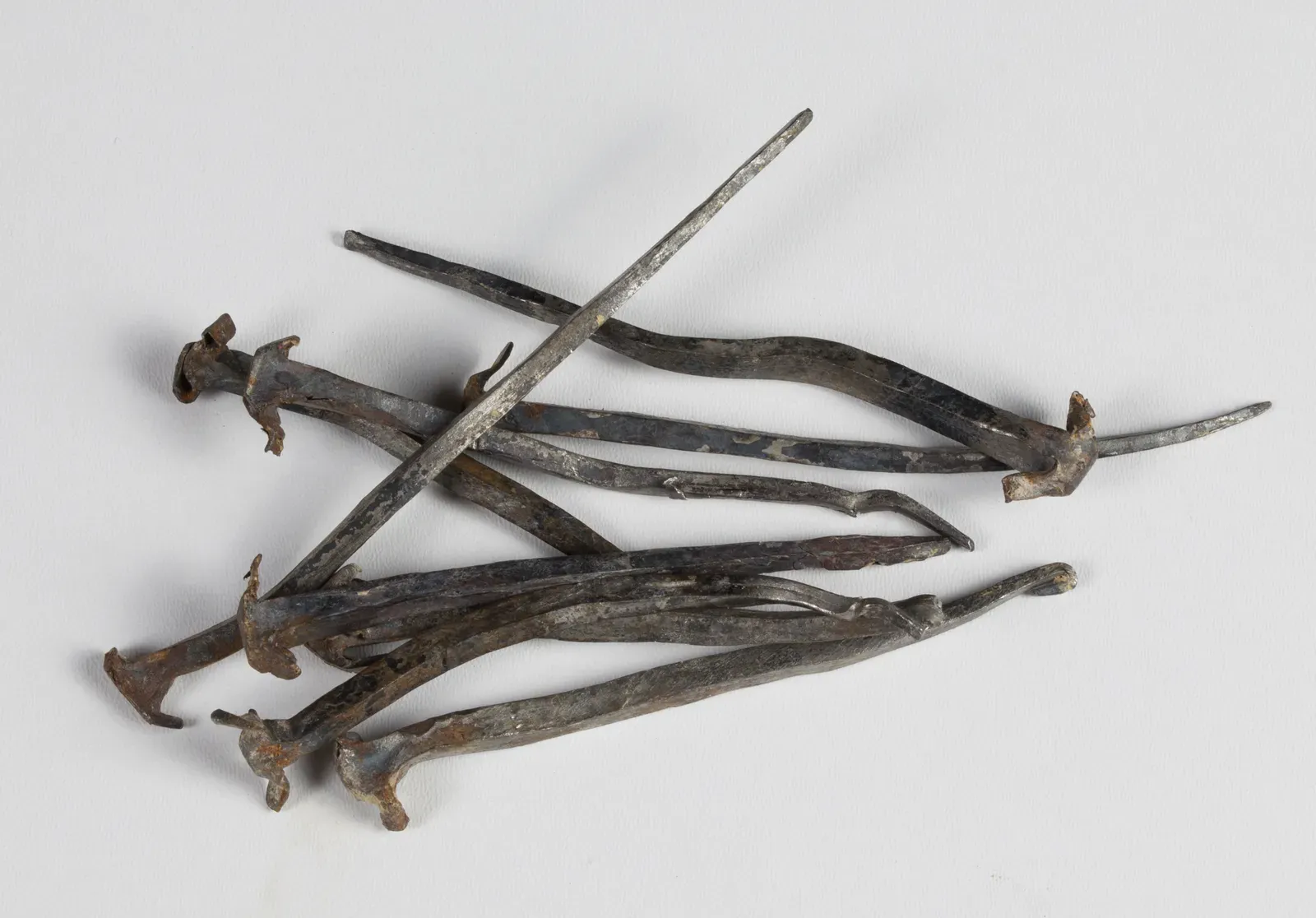
Stories of iron nails supposedly entombed in solid rock go back to the 19th century, with famous cases from Kingoodie, Scotland and Dorchester, Massachusetts. In each version, workers allegedly cracked open naturally formed stone and found a human-made nail running clean through the middle. To anyone without a geology background, that sounds like an airtight contradiction, human metalwork buried inside rock supposedly millions of years old.
What almost never gets mentioned is how easily this illusion forms. A “block of stone” might actually be man-made building material, mortar, or a fractured rock later filled in by hardened sediment and debris. Nails rust, expand, and get surrounded by minerals that solidify, making them look fused into the rock rather than simply embedded in a crack. Worse, none of the original nails from these famous stories survive today. Without a physical sample to date, they’re less scientific evidence and more a cautionary tale about trusting 19th-century newspaper reporting at face value.
7. The Dorchester Vase Vanished Before Anyone Could Actually Test It
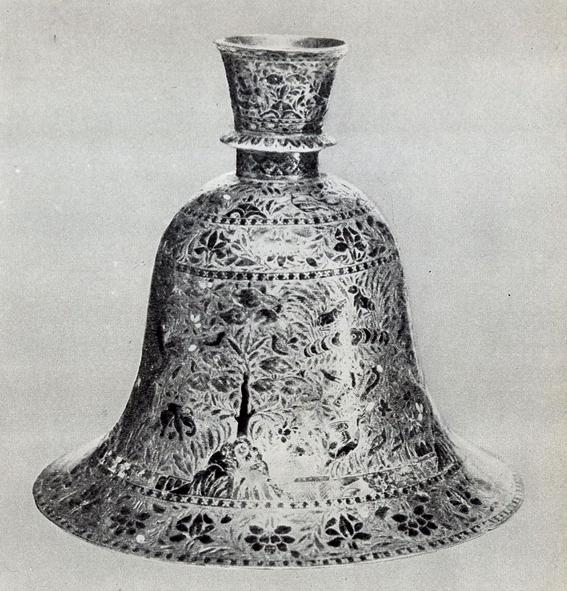
In 1851, a report claimed that quarry workers detonating rock near Dorchester, Massachusetts uncovered a finely crafted, bell-shaped metal vessel with inlaid silver, allegedly pulled from stone dated to roughly 600 million years old. If true, that would mean a decorative metal object predated multicellular life by hundreds of millions of years, an idea so absurd it practically writes its own conspiracy theory. Drawings of the piece show intricate floral patterns that fueled speculation about lost ancient metalsmiths.
The problems here are almost embarrassingly simple. The rock’s age was never documented for that specific find; it was retrofitted later from general regional geology, not from any actual test on the site. And the artifact itself is long gone, known only through sketches, which researchers have since compared to ordinary Victorian-era candlesticks and vases with striking similarity. With no surviving object, no lab work, and a single newspaper article as the entire evidence base, this looks far more like a misreported blast than a discovery that should rewrite Earth’s timeline.
6. The “Human” Footprints Next to Dinosaur Tracks Were Never Human
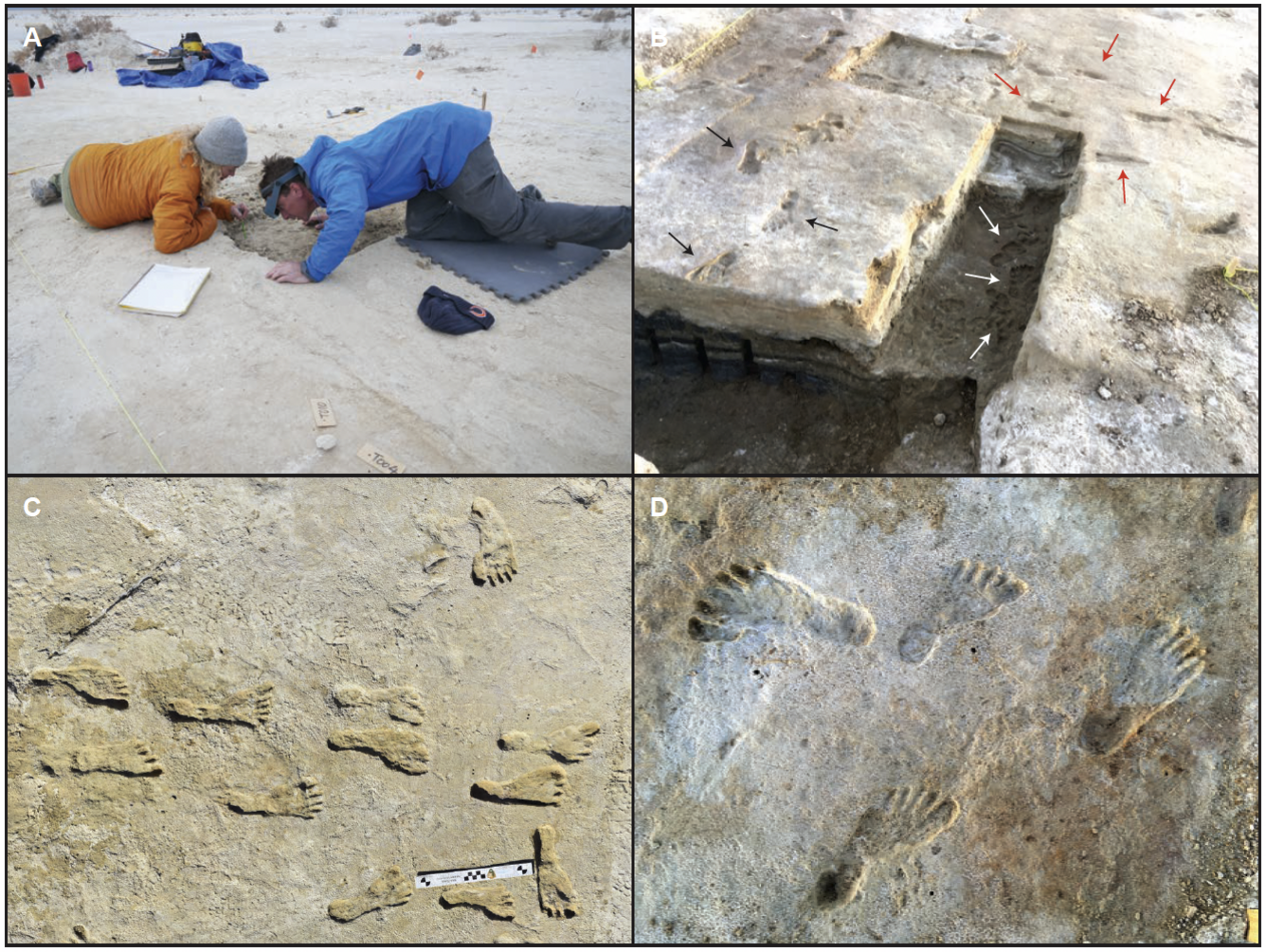
Few claims hit harder emotionally than this one. Sites like the Paluxy Riverbed in Texas have been promoted for decades as places where human footprints supposedly cross paths with dinosaur trackways in the same rock layer. Photos show vaguely foot-shaped depressions running alongside unmistakable dino prints, and for people without training in trace fossils, it’s genuinely persuasive. If true, it would mean the accepted timeline of life on Earth is fundamentally broken.
Ichnologists, the specialists who study fossil tracks, tell a very different story. Detailed analysis of toe placement, stride length, and depth shows that most of these “human” prints are actually eroded dinosaur tracks, overlapping impressions, or in some documented cases, outright carvings made to sell to tourists. Real ancient human footprints absolutely exist elsewhere, but they sit in much younger Pleistocene and Holocene layers that fit perfectly within the accepted timeline. The irony is hard to miss: the genuine human tracks are scientifically fascinating on their own, yet the fake “dino-man” prints still rack up more views online.
Worth Knowing
- Hotspot: the Paluxy Riverbed near Glen Rose, Texas
- Debunked by: ichnologists studying toe placement and stride patterns
- Some “prints” confirmed as carvings made to sell to tourists
- Genuine ancient human footprints exist, but only in far younger Pleistocene and Holocene layers
5. The Fuente Magna Bowl’s “Sumerian” Writing Doesn’t Hold Up to Linguists
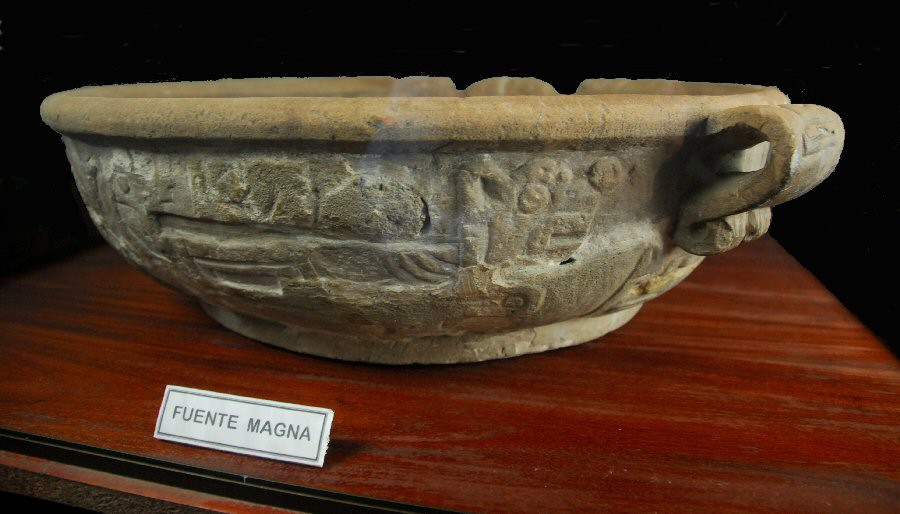
According to the story, farmers near Lake Titicaca in Bolivia discovered a heavy stone bowl covered in symbols that resemble cuneiform and proto-Sumerian script, thousands of miles from Mesopotamia. If authentic, it would suggest transoceanic contact between ancient Sumerians and pre-Columbian South Americans long before any known exploration, an idea that lights up alternative history communities instantly. Independent researchers have even floated tentative “translations” that only add fuel to the fire.
Mainstream epigraphers are far less convinced. The bowl’s exact findspot, discovery date, and stratigraphic context were never properly documented, which is an immediate red flag in serious archaeology. Several linguists argue the symbols show only a superficial visual resemblance to real Sumerian writing, lacking consistent grammar or structure. It may well be a colonial-era or even modern piece influenced by Near Eastern imagery circulating through trade routes and antiquities markets.
Extraordinary claims require extraordinary evidence.
Carl Sagan
4. The Antikythera Mechanism Really Was Too Advanced for Its Century
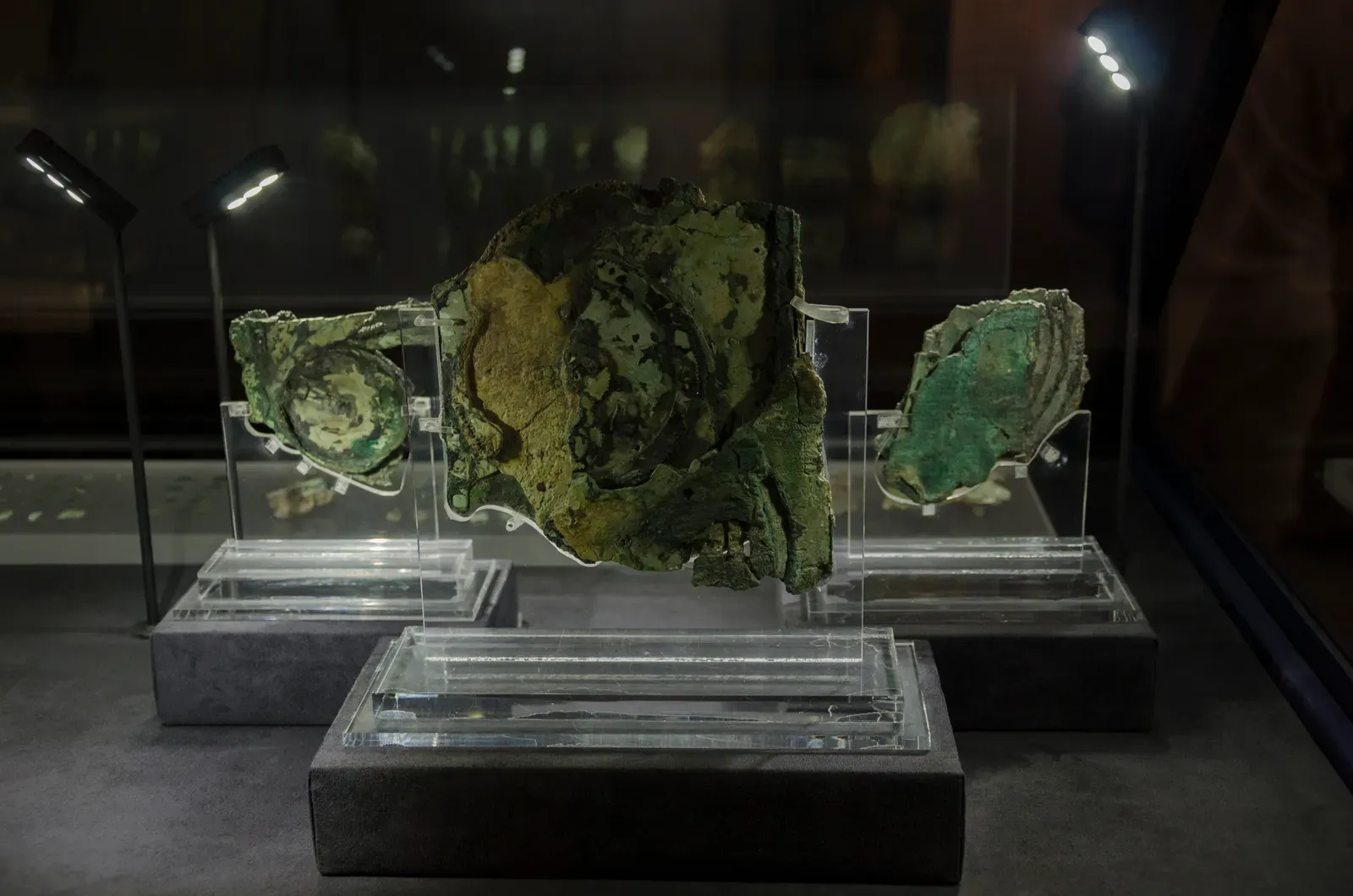
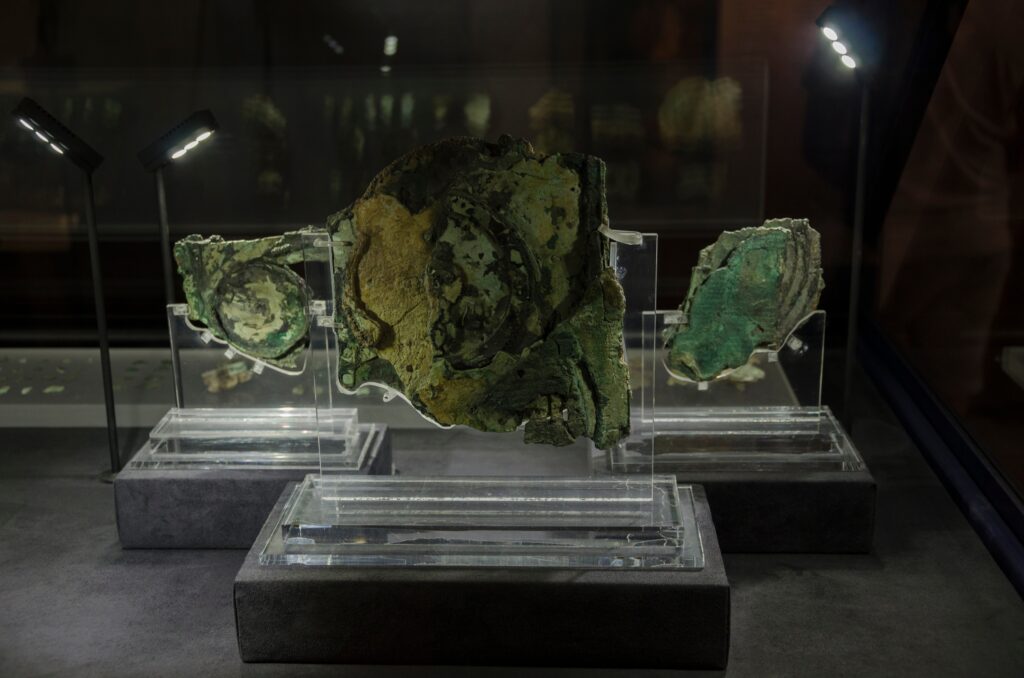
Unlike almost everything else on this list, the Antikythera Mechanism is completely real, and that’s what makes it so unsettling. Pulled from a shipwreck off the Greek island of Antikythera in 1901, the corroded bronze fragments sat largely ignored for decades until X-ray imaging revealed dozens of precisely cut interlocking gears. Modern scans confirmed it functioned as an analog computer, tracking eclipses, planetary motion, and complex astronomical cycles with a level of engineering nobody expected from the 2nd century BCE.
This isn’t a case of the object sitting in the wrong geological layer, it’s sitting in the wrong technological layer of history entirely. Nothing comparably sophisticated shows up again for over a thousand years. It doesn’t prove lost civilizations or ancient aliens; it proves that our surviving record of ancient engineering is painfully incomplete, shaped by whatever happened to survive shipwrecks, fires, and centuries of recycling scrap metal. Ancient Greek writers even hint at similar devices built by Archimedes, but this shipwreck is the only physical proof we have left.
Why It Stands Out
- Recovered: 1901, from a shipwreck off Antikythera, Greece
- Confirmed function: an analog astronomical computer
- Origin: dates to the 2nd century BCE
- No comparably advanced device is known for over 1,000 years afterward
3. The “Ancient Screws” Are Mostly Just Fossilized Sea Creatures
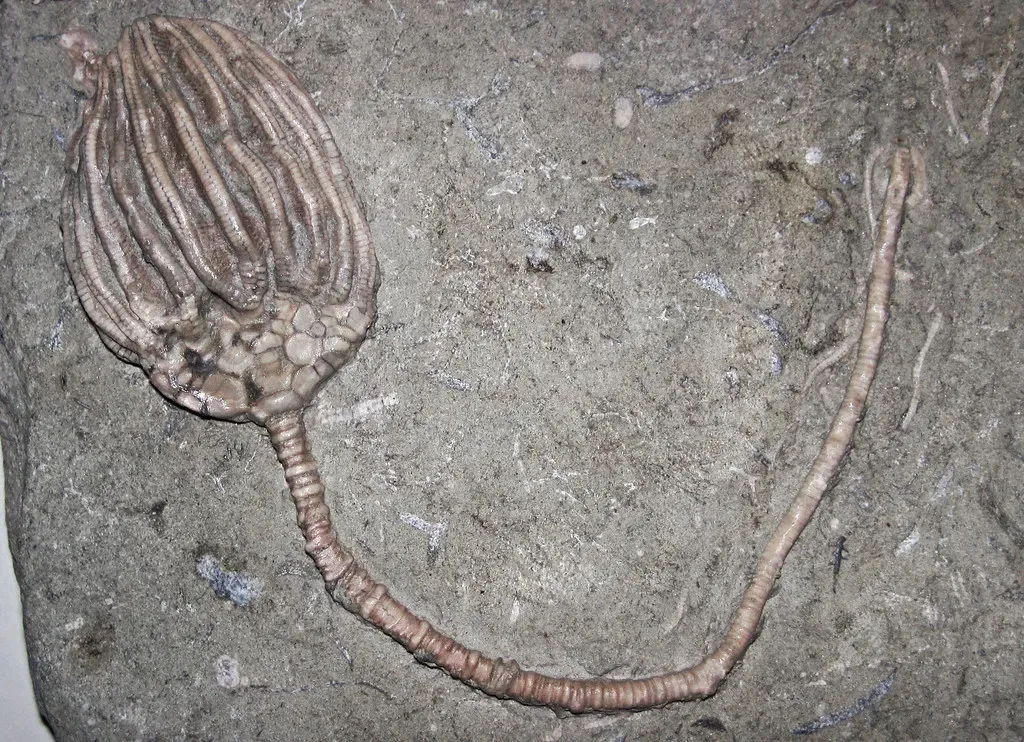
Viral photos from Russia, France, and China show tiny spiral, screw-like shapes embedded in limestone and quartz, sometimes claimed to be hundreds of thousands or even millions of years old. The most famous examples, just 3 to 4 millimeters long, were said to be up to 300,000 years old, sparking wild claims about ancient civilizations or alien implants buried in stone. To the naked eye, the resemblance to a modern threaded screw is genuinely uncanny, which is exactly why these clips rack up millions of views.
Paleontologists have a much less exciting answer: many of these “screws” are fossilized crinoids, marine organisms with naturally spiral or segmented stems that fracture and weather in ways that mimic threaded hardware almost perfectly. In other documented cases, the metal is simply modern contamination, actual screw or wire fragments that fell into soft sediment and got sealed in as it hardened. The real problem isn’t the object, it’s the habit of slapping a dramatic age label onto the surrounding rock without ever directly dating the object trapped inside it.
2. The Aluminum Wedge of Aiud Was Probably Just Excavator Debris
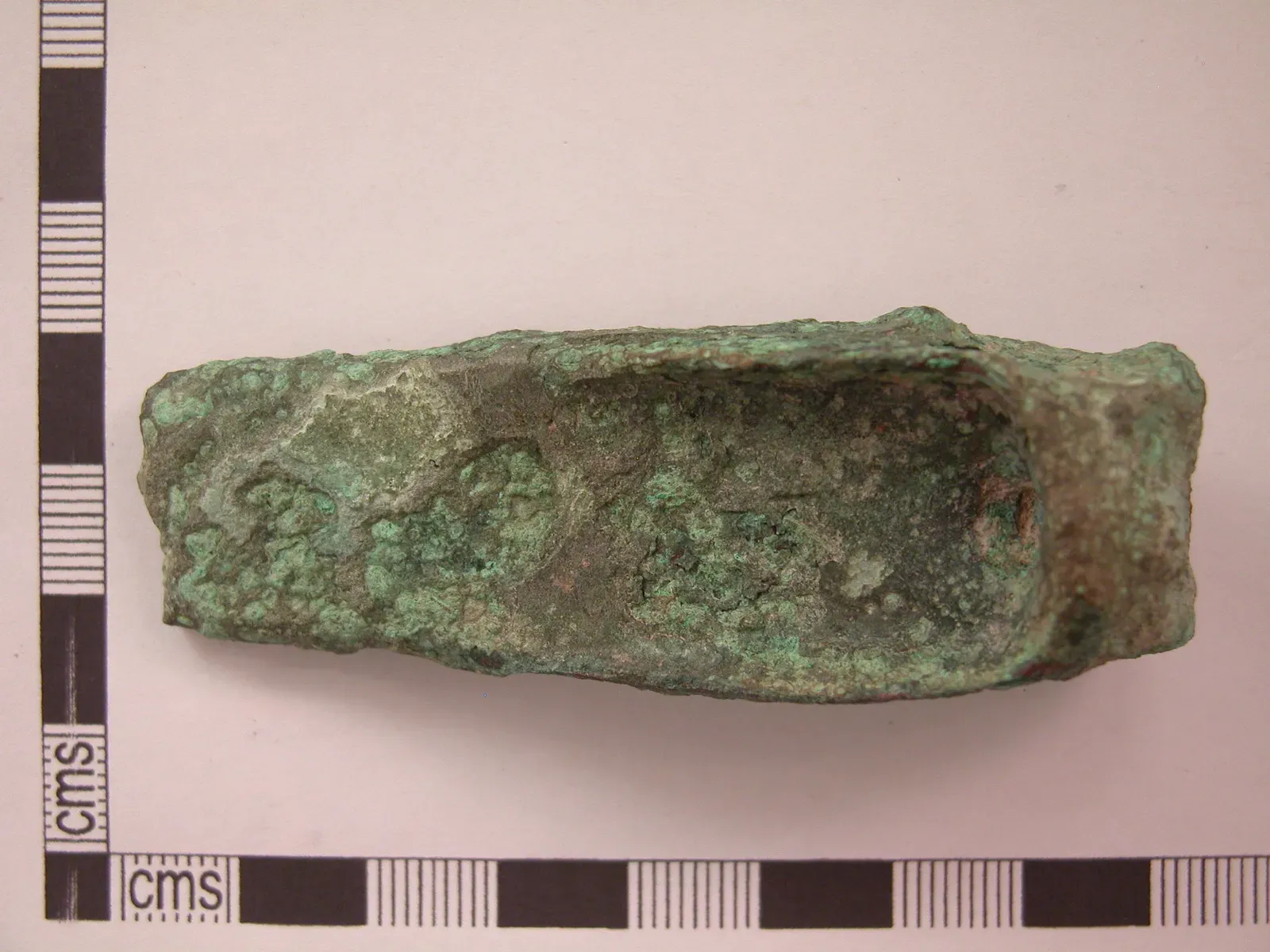
Discovered near Aiud, Romania in the 1970s, this corroded, wedge-shaped chunk of metal was allegedly found roughly 10 meters underground alongside Pleistocene-era mastodon bones. Early press coverage claimed it was mostly aluminum, which matters because smelting aluminum requires serious industrial technology that mainstream history dates to the 19th century at the earliest. If genuine, a real aluminum alloy sitting next to Ice Age fossils would be a massive problem for the accepted historical timeline.
But the documentation trail is a mess: no published peer-reviewed analysis, vague stratigraphy, and no clear chain of custody from discovery to lab. Independent attempts to study the wedge suggest it’s more likely a modern machine part, possibly from construction or excavation equipment, that simply ended up buried in disturbed soil. Some compositional tests even show impurities typical of ordinary industrial alloys rather than some unknown ancient metallurgy. Without rigorous, transparent dating of both the object and the ground around it, calling this a 10,000-year-old artifact is simply not supported by anything solid.
1. The Metal Sphere in “300-Million-Year-Old” Coal Is a Lesson in Bad Context

At the top of the list sits one of the most repeated claims in this entire genre: a perfectly shaped metal sphere allegedly found when workers cracked open a chunk of coal dated to around 300 million years old. Similar stories describe chains, bells, and tools emerging from coal seams across mines in the U.S. and Europe. Taken literally, these finds would mean metalworking civilizations existed hundreds of millions of years before dinosaurs even appeared, a claim so massive it would rewrite every history textbook on Earth.
The reality is far less dramatic. Coal seams crack, shift, and get interlaced with newer sediment, groundwater deposits, and mining debris constantly. A modern metal object can fall into a fracture and later get sealed in by mineralization, creating the illusion that it was entombed for eons when it actually fell in last year. Critically, the age of the coal itself does not automatically transfer to whatever gets lodged inside a crack or pocket within it. Every time one of these objects has actually been recovered and studied properly, it’s turned out to be a recent artifact or a natural mineral formation, not a fossil from a lost civilization.
At a Glance
- Claimed age: around 300 million years old, based on the surrounding coal
- Common culprits: mining debris and later groundwater mineralization
- Key flaw: the coal’s age never transfers to objects lodged in its cracks
- Track record: every properly studied case turned out to be recent or natural
Strip away the hype and almost every one of these cases collapses under the same three failures: bad context, bad dating, and bad documentation. That’s not the same as saying everything is neatly explained. The Antikythera Mechanism alone proves our picture of ancient technology has real gaps, and pretending otherwise is its own kind of arrogance.
But there’s a difference between admitting we’re missing data and jumping straight to secret pre-dinosaur engineers or alien metallurgists. The honest, more interesting truth is that human history and Earth’s geological record are patchy on purpose, built from rare survivals, lucky shipwrecks, and messy 19th-century reporting. Some of these mysteries will probably never get fully resolved, not because anyone is hiding the truth, but because someone lost the original artifact in a drawer back in 1890. My money says the coal sphere and the Dorchester Vase stay legends forever simply because the evidence walked out the door decades before anyone thought to keep it.