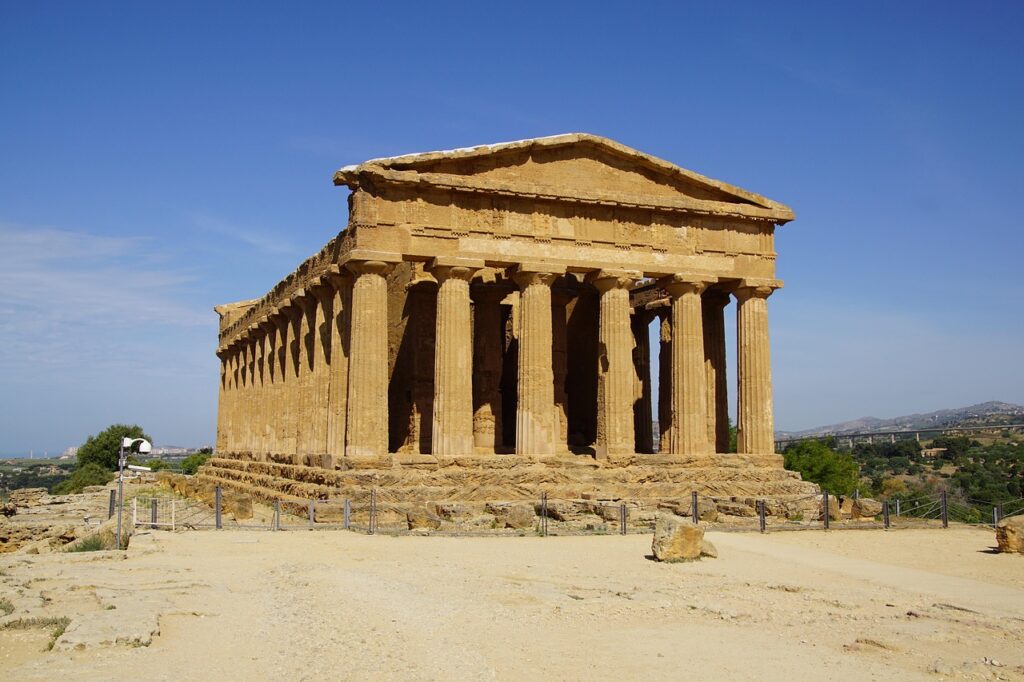

You were taught history climbs a ladder. First the caves, then the farms, then the villages, then finally the shining cities with kings and writing and pyramids. Neat. Logical. Almost comforting.
Except archaeologists keep digging up sites that refuse to follow the script. Places where the “advanced” culture shows up centuries before the “primitive” one it was supposed to evolve from. This isn’t ancient-aliens territory – it’s real stratigraphy, real carbon dates, and real scholars quietly rewriting the textbooks. Here are ten sites where the order got scrambled, and what actually happened.
#10 – Göbekli Tepe vs. the First Farming Villages
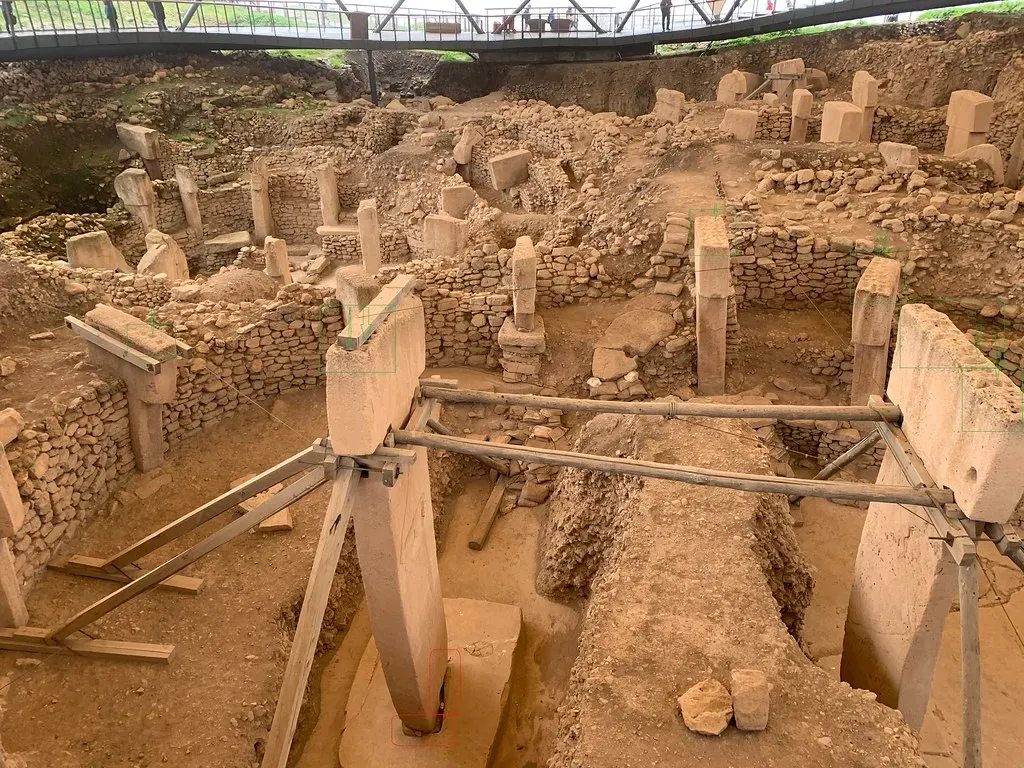
It’s hard to overstate how much Göbekli Tepe embarrassed archaeology textbooks. The site in southeastern Turkey has massive carved stone pillars, animal reliefs, and circular enclosures – and it’s roughly 11,000 to 11,500 years old, older than pottery and older than most known farming villages. For decades the model was simple: first agriculture, then villages, then temples. Göbekli Tepe flips it. Monumental ritual architecture came before permanent farming, not after.
What really scrambles the order is the contrast with early Neolithic villages like Çatalhöyük and Jericho, which come later, with mudbrick houses, domesticated crops, and everyday routine. At Göbekli Tepe, hunter-gatherers were somehow coordinating massive stone-building projects long before classic village life existed at all. Some researchers now argue that shared ritual spaces are what pushed people toward settled agriculture, not the other way around. Plenty of archaeologists still push back on that reversal, and that argument is exactly why this hill in Turkey keeps forcing everyone to redraw the map.
Fast Facts
- First noted in 1963, but its true age wasn’t recognized until Klaus Schmidt’s 1994 survey and 1995 excavation.
- T-shaped limestone pillars stand 3 to 6 meters tall and weigh an estimated 40 to 60 tons apiece.
- Roughly 6,000 years older than Stonehenge and 7,000 years older than the Great Pyramids.
- Inscribed on the UNESCO World Heritage List in 2018.
#9 – Jericho’s Tower vs. Egypt’s Early Dynasties
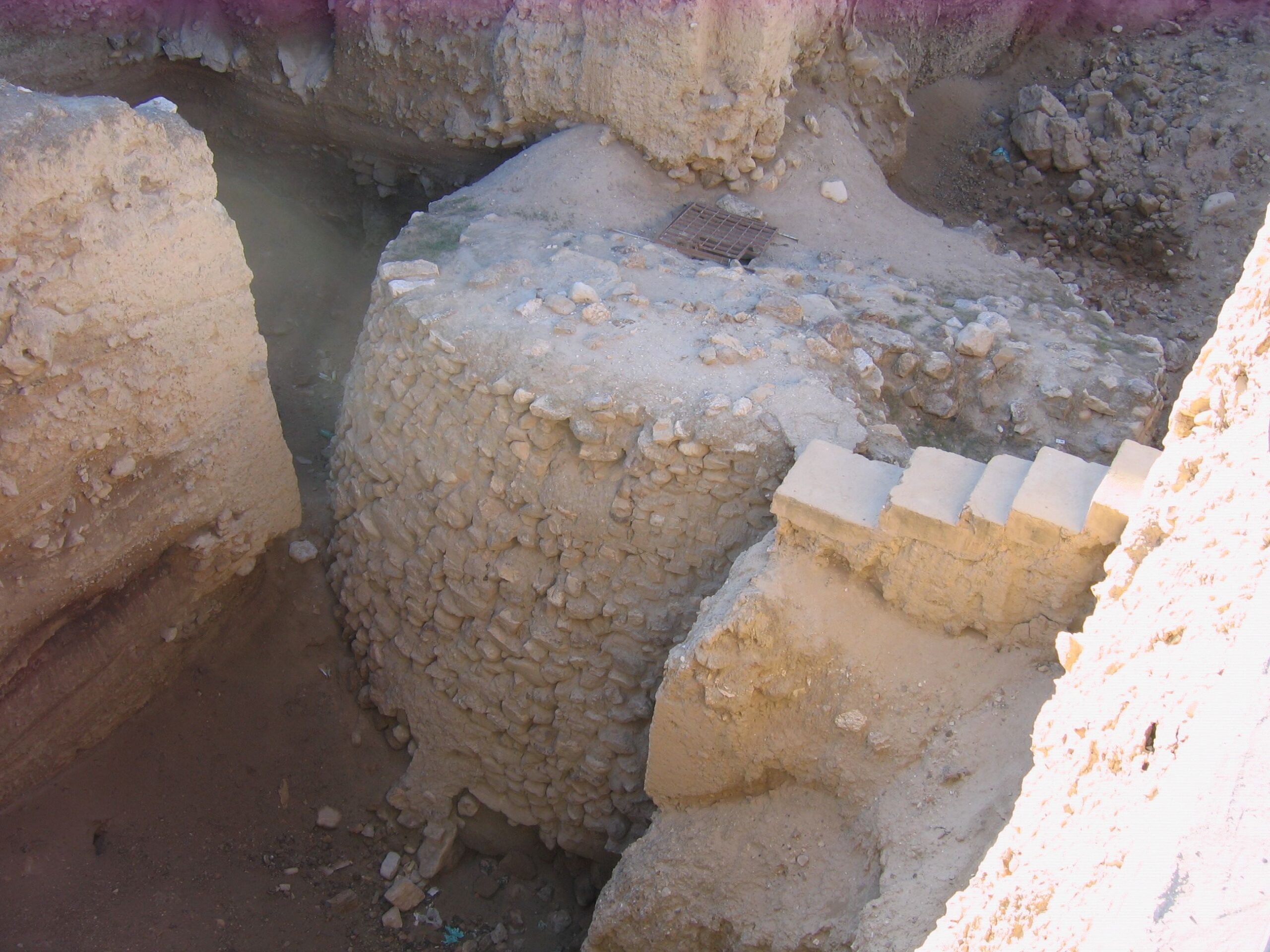
Most people automatically rank ancient Egypt as the ultimate “earliest” civilization with massive stone architecture. The pyramids just feel primordial. But look at Jericho, in the Levant, and the dates go sideways. Jericho’s stone tower and city wall date to around 8000 to 9000 BCE – millennia before Egypt’s first pharaoh ever wore a crown. In blunt terms, Jericho has “city” features before Egypt exists as a state at all.
Here’s the twist, though: Jericho doesn’t look like a later Bronze Age city with writing and kings. It was a Neolithic settlement with fortifications, a big tower, and clear social organization – but no pharaohs, no hieroglyphs, no stone temples. Egypt, by contrast, centralizes power around 3100 BCE and explodes almost overnight into monumental architecture. So in the popular imagination, Egypt gets crowned “first massive builders.” The dirt says otherwise: early urban-style construction shows up in places like Jericho far earlier. We just rank it lower because it looks less impressive on a postcard.
#8 – The Indus Cities vs. “Younger” Bronze Age States
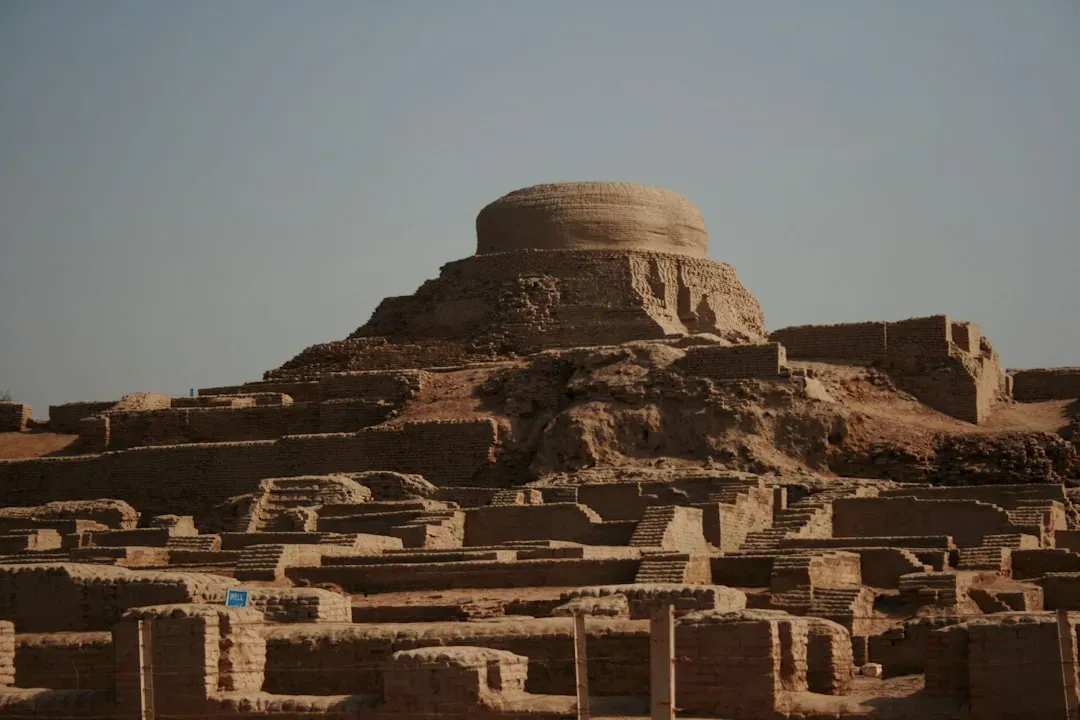
Textbooks long taught Mesopotamia, then Egypt, then everyone else as an afterthought. The Indus Valley civilization got treated like a footnote. Yet major sites like Mohenjo-daro and Harappa show large, carefully planned cities by around 2600 BCE, complete with standardized bricks, sophisticated drainage systems, and evidence of large-scale trade. In some ways, Indus urban planning looks more “modern” than roughly contemporary Egypt and Mesopotamia.
The order feels wrong mostly because Indus script is still undeciphered, so we mentally demote the whole civilization. We assume literacy and pyramids equal advancement, so Mesopotamia and Egypt sit higher on our imaginary chart. But the Indus civilization emerges early, overlaps both, and then collapses or transforms by around 1900 BCE – right while Egypt and Mesopotamia keep rolling on. In the exact same centuries, one part of the world was building empires while another was already de-urbanizing. History doesn’t hand out neat ladders; it hands out overlapping, criss-crossing experiments.
#7 – Minoan Palaces vs. Mycenaean “Conquerors”
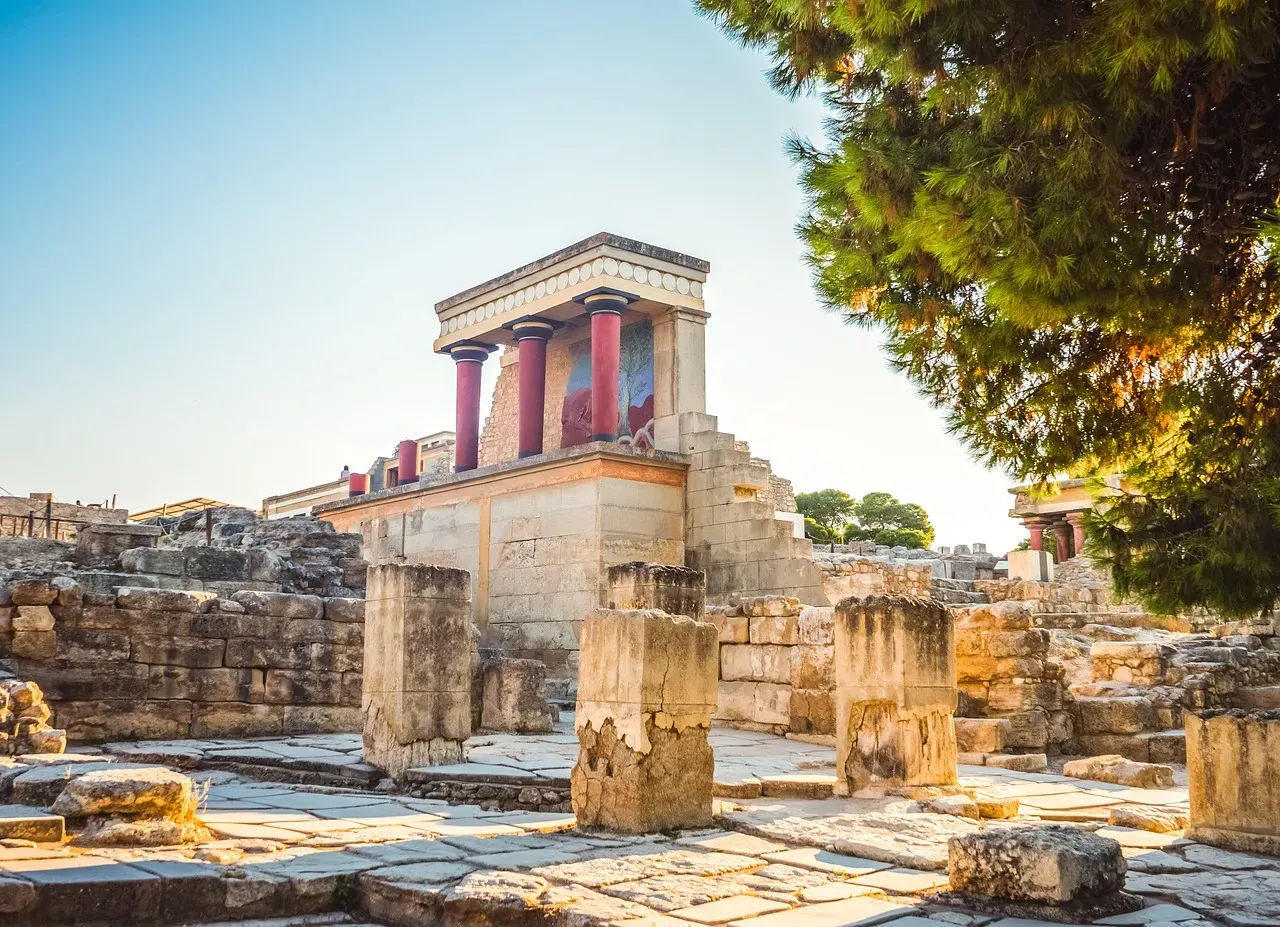
On Greek tourist brochures, Classical Athens dominates the mental timeline. Deep in prehistory, though, the order is far messier. The Minoan civilization on Crete built sprawling palace complexes like Knossos by around 2000 BCE, complete with advanced plumbing, vivid frescoes, and heavy maritime trade. For years, scholars romanticized them as a peaceful, refined “first Europe.”
Then the Mycenaean Greeks show up later, around 1600 to 1200 BCE, more militarized, building fortresses on the mainland, and eventually borrowing or dominating Minoan sites outright. Older Crete often looks more elaborate and cosmopolitan than the mainland that came after it. So the Mycenaeans get remembered as “the first Greek civilization,” even though they were quietly inheriting and overwriting a more sophisticated culture that came before them.
Quick Compare
- Minoan (Crete): Linear A script, still undeciphered today; open, unfortified palaces; peak roughly 2000-1450 BCE.
- Mycenaean (mainland): Linear B script, cracked in 1952 by architect-linguist Michael Ventris; heavily fortified citadels; peak roughly 1600-1200 BCE.
- Because Linear B is readable and Linear A isn’t, the later, more warlike culture gets to “speak” to us – while the earlier, gentler one stays silent.
#6 – Great Zimbabwe vs. Imported “Civilizers”
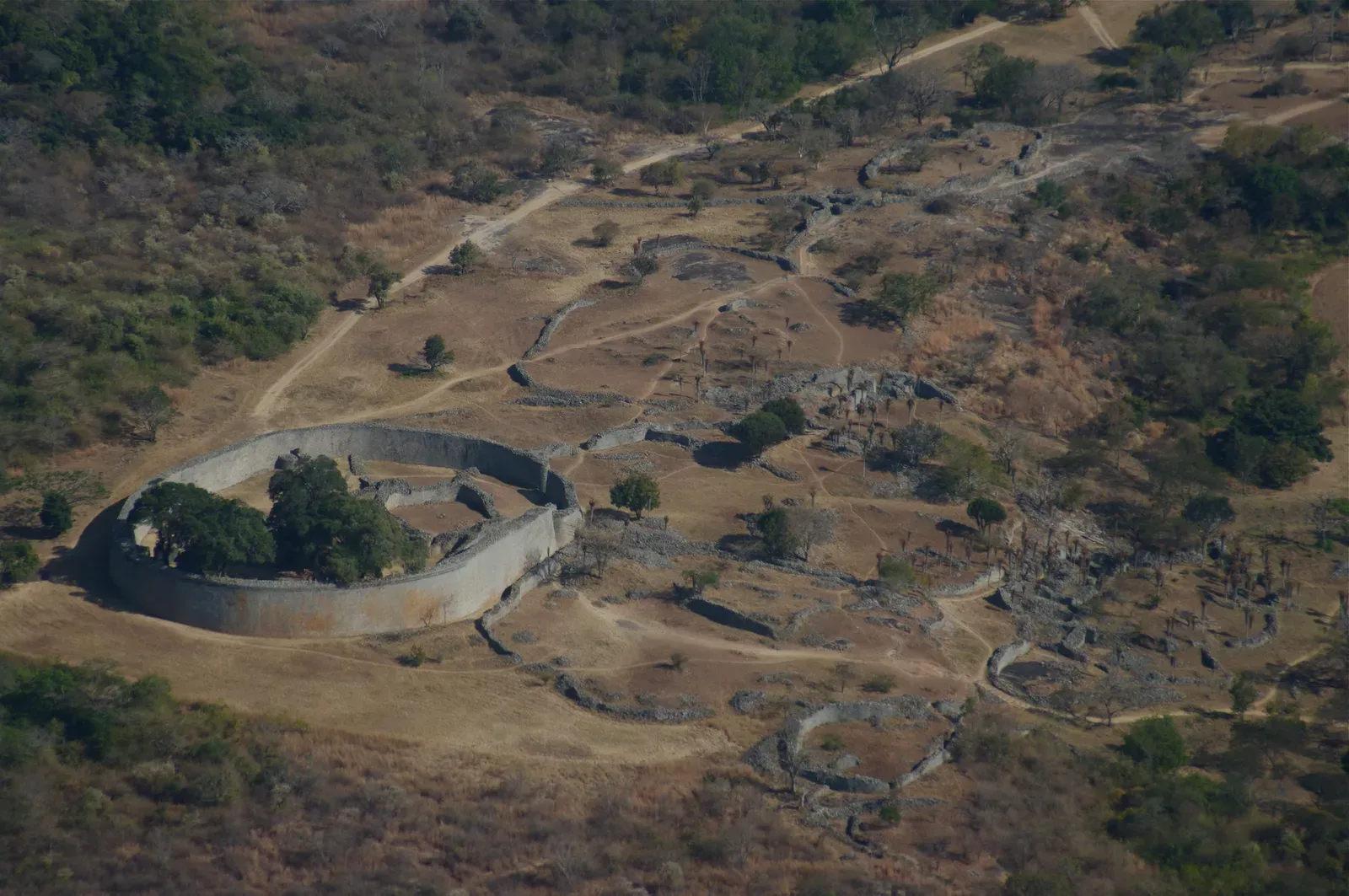
For decades, colonial-era scholars simply refused to believe that sub-Saharan Africans could have built Great Zimbabwe, the sprawling stone complex occupied roughly between 1100 and 1450 CE. They credited Phoenicians, Arabs, even some invented “lost white civilization” – anyone but the people who actually lived there. In their fantasy version, outside civilizers arrived first and local Africans simply followed.
Archaeology tore that story apart. Excavations turned up local pottery, local cattle-herding traditions, and trade links stretching to the Indian Ocean world. The radiocarbon dates are blunt about it: Great Zimbabwe was built entirely by African societies as part of their own political and economic evolution, not as an echo of someone else’s earlier presence. The “wrong order” here was never chronological – it was ideological, invented by people who assumed advanced architecture had to come from outsiders. In reality, African polities were innovating at the same time as Europe’s Gothic cathedrals, and that correction still makes some people surprisingly uncomfortable.
#5 – Olmec Colossal Heads vs. the Maya’s Shining Moment
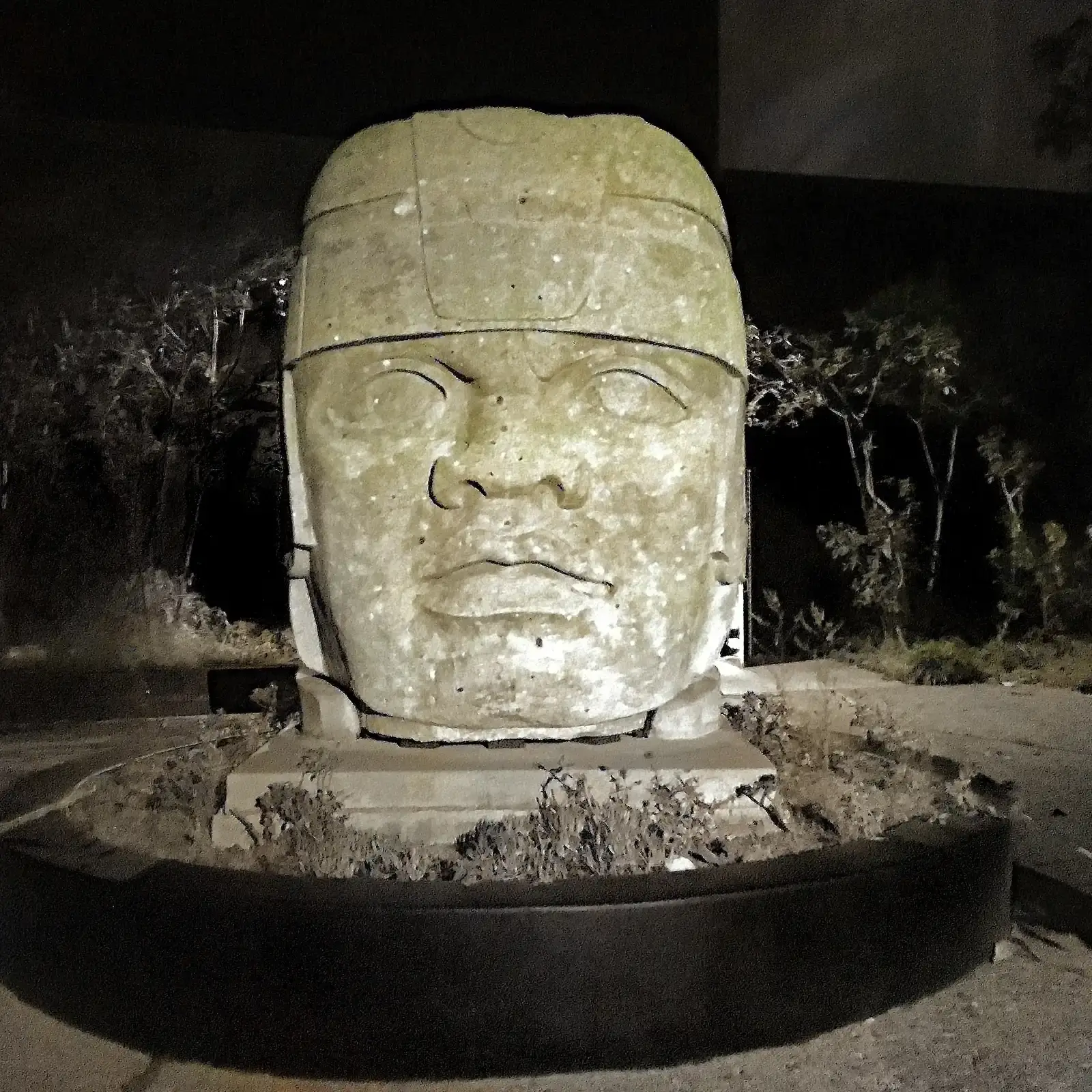
Ask most people to name the first sophisticated civilization in Mesoamerica and they’ll say the Maya or the Aztecs. The Olmec barely get mentioned, yet they appear earlier – around 1500 to 400 BCE – with massive stone heads, ceremonial centers like San Lorenzo and La Venta, and early hints of writing and calendar systems. In several ways, Olmec culture looks like the rough template everyone after them was copying, Maya included.
The order feels inverted because the Maya’s “Classic” period, around 250 to 900 CE, comes much later and is simply better preserved, more photogenic, and heavily marketed to tourists. So the mental order becomes Aztec, then Maya, then maybe a vague Olmec prelude. Reality flips that: the Olmec flourish first, and the great Maya cities rise long after Olmec centers have already been abandoned. Motifs like the feathered serpent seem to echo across the centuries between them, quietly proving the Maya weren’t inventing the region’s ideas from scratch – they inherited them.
#4 – The Hittites vs. “Latecomer” Civilizations
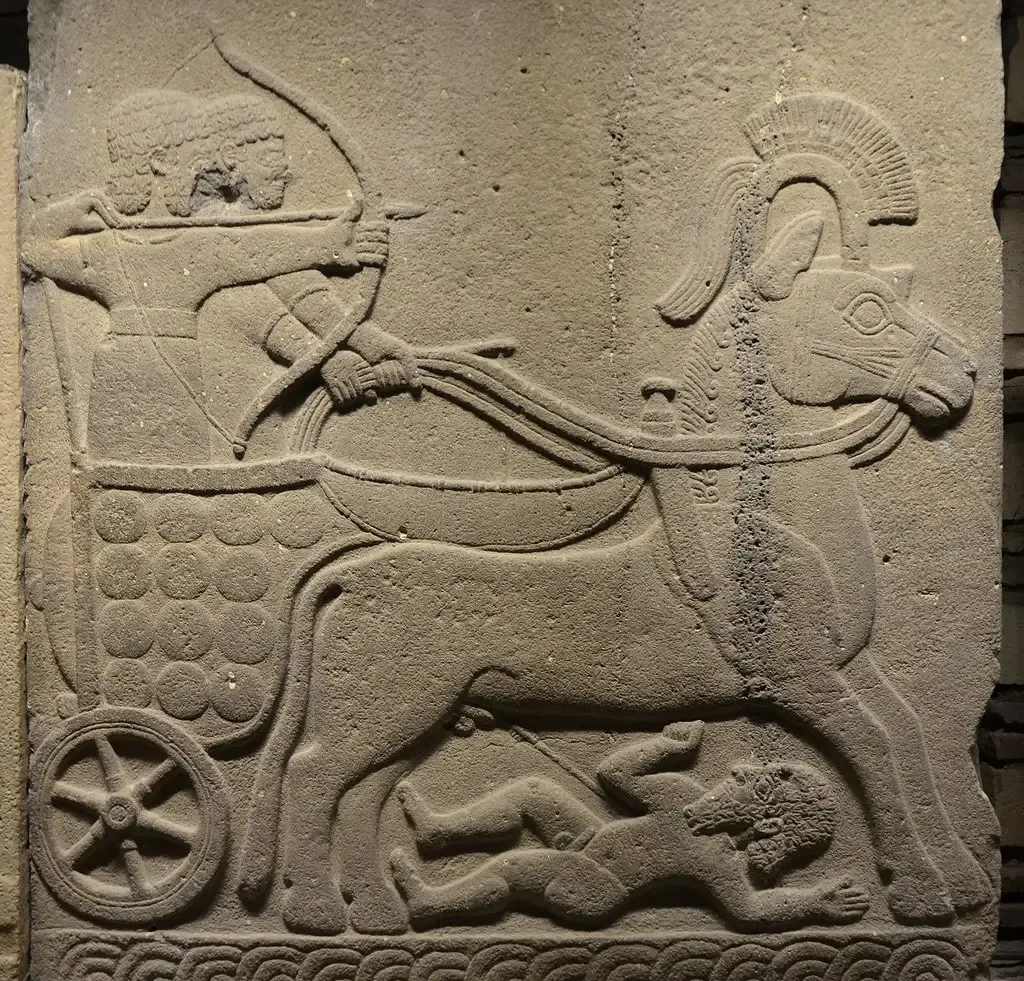
In old-school Biblical archaeology, the Hittites were treated almost like a footnote, occasionally dismissed as semi-mythical. Now we know they ran a major empire across Anatolia, peaking around 1400 to 1200 BCE, right alongside New Kingdom Egypt and Mycenaean Greece. They worked iron, signed the famous peace treaty with Ramses II, and fielded a chariot army nobody wanted to face. They weren’t latecomers – they were peers in a crowded, multi-polar Late Bronze Age world.
The illusion of “wrong order” appears when people assume a tidy progression: Sumer, then Egypt, then Greece, then Rome, then Europe. The Hittites crash into that story sideways. They rise after Sumer but before classical Greece, shape regional politics for centuries, then vanish dramatically in the Late Bronze Age Collapse. Meanwhile smaller, later groups like the Phrygians or Neo-Hittite states pick through the leftovers. To a shallow glance it can look like simpler cultures building first and advanced ones arriving later, when the real imperial peak was sitting quietly in the middle the whole time.
#3 – Angkor vs. the Myth of “Timeless” Village Asia

Tourist imagery suggests Southeast Asia was sleepy villages forever, right up until colonialism showed up. Angkor, capital of the Khmer Empire in modern Cambodia, demolishes that myth completely. At its height, roughly the 9th to 15th centuries CE, Angkor was a massive low-density urban complex with sophisticated water management, road networks, and monumental temples like Angkor Wat. Some researchers argue it may have been one of the largest urban agglomerations on Earth at the time.
The “wrong order” here comes from modern assumptions. People picture Europe’s Late Middle Ages as advanced and Asia’s countryside as lagging behind. In reality, while parts of Europe were still crawling out of feudal fragmentation, Angkor had already engineered vast reservoirs and complex hydraulic systems most European cities could only dream of. After Angkor’s political decline and eventual abandonment, the region reverted to more scattered settlement patterns. Nineteenth-century outsiders wandered in, saw villages scattered among jungle ruins, and assumed that’s simply how the region had always been. The big city came first, the quiet countryside came second – the exact opposite of the story they told themselves.
At a Glance
- Angkor Wat itself was built between roughly 1113 and 1150 CE under Khmer emperor Suryavarman II.
- Airborne LiDAR surveys in 2012 and 2015 revealed a sprawling low-density urban network stretching about 1,000 square kilometers beyond the main temples.
- At its 13th-century peak, Greater Angkor is estimated to have housed 700,000 to 900,000 people – a population in the same range as modern-day Boston.
- That makes it one of the largest urban complexes anywhere on Earth before the industrial age.
#2 – Cahokia vs. Later “Tribes” of North America
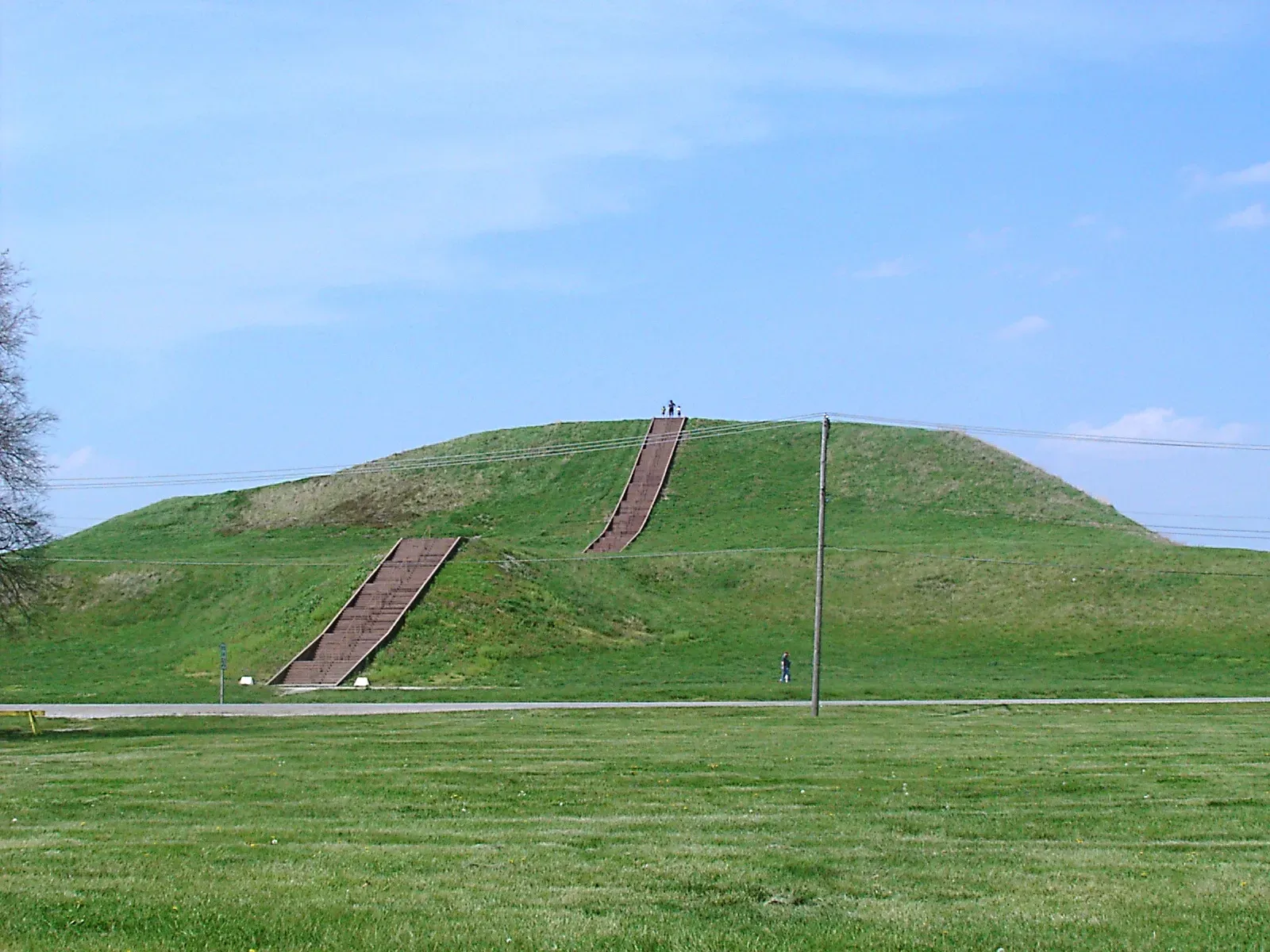
Plenty of history classes jump straight from “prehistoric tribes” to European colonization, as if nothing large-scale ever happened in between. Cahokia, near modern St. Louis, blows that shortcut apart. Around 1050 to 1350 CE, it was a major mound-building center with monumental earthworks like Monks Mound, a grand central plaza, and clear evidence of complex social hierarchy. At its peak, Cahokia’s population may have rivaled or exceeded many European cities of the same era.
The order looks wrong when people see 18th and 19th century Indigenous groups and project backward, assuming small, mobile societies were always the norm. Archaeology tells a different story: some regions went from big, hierarchical centers like Cahokia to smaller, more fragmented societies by the time Europeans arrived. That means colonists were walking into the aftermath of a genuine urban experiment, not a pre-urban wilderness. It’s the equivalent of meeting Europe centuries after Rome’s collapse and assuming there were never any cities there at all – and a lot of American history books still haven’t fully corrected for it.
#1 – Çatalhöyük vs. the “Cradle of Civilization” Story
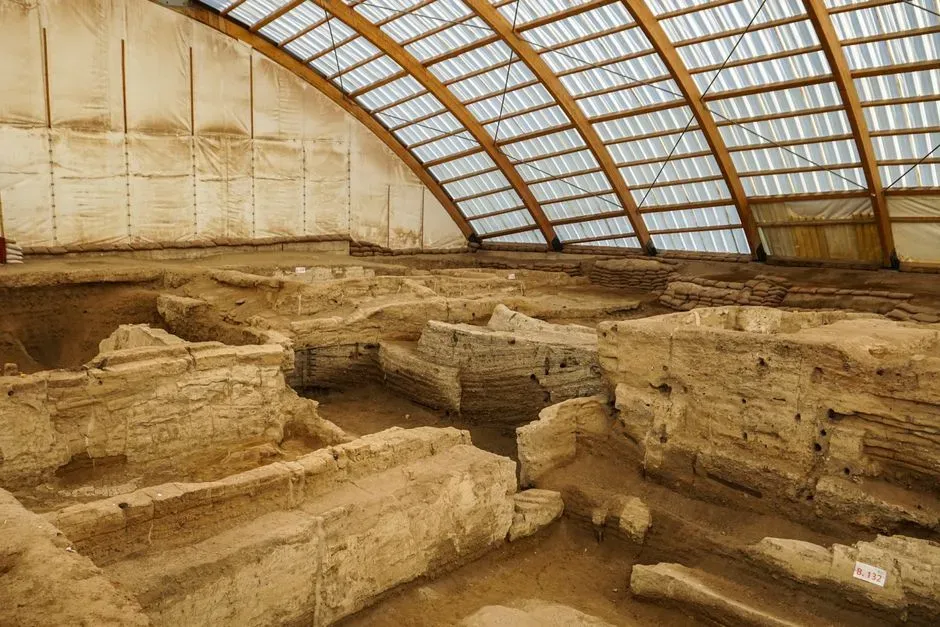
Çatalhöyük in central Turkey may be the single most timeline-warping site on this whole list. Occupied roughly 7400 to 6000 BCE, it’s often described as a large Neolithic “proto-city,” with tightly packed houses, rooftop walkways instead of streets, wall paintings, and clear evidence of complex ritual life. It exists thousands of years before the classic Mesopotamian city-states that schoolbooks love to call the “cradle of civilization.”
Here’s the uncomfortable part: Çatalhöyük doesn’t fit our expectations of a real city, with big public buildings, obvious rulers, or written records. So earlier scholarship quietly filed it under “large village” and moved on, keeping Uruk and early Sumer as the clean, official starting line. But line the dates up side by side, and dense communities with rich symbolic life were clearly experimenting with something city-like long before the “first cities” ever existed. The progression was never a clean line from hamlet to village to Uruk – it was always a messy, overlapping web, and Çatalhöyük is the proof sitting quietly in the middle of it.
Worth Knowing
- First identified in 1958 and famously excavated by British archaeologist James Mellaart between 1961 and 1965.
- No streets at all – houses were packed together honeycomb-style and entered by ladder through rooftop openings.
- Population estimates for the settlement range from roughly 3,000 to 8,000 residents at any given time.
- Added to the UNESCO World Heritage List in 2012, more than five decades after its rediscovery.
The Bottom Line
Line these ten sites up and a pattern emerges fast: history isn’t a staircase, it’s a tangle. Ritual centers like Göbekli Tepe predate settled farming. Towers and walls rise at Jericho long before pharaonic Egypt even exists. Megasites like Great Zimbabwe and Cahokia peak, then quietly empty out, so later outsiders walk into the leftover landscape and assume nothing impressive was ever there.
The civilizations we crown as “first” are usually just the ones that left the clearest, most photogenic traces – not the ones that actually came first. “Advanced” and “primitive” are mostly storytelling tricks we tell ourselves to make the past feel orderly.
The past is never dead. It’s not even past.
William Faulkner
Civilizations rise, experiment, collapse, and get forgotten, and the ones that come after sometimes look simpler, not more evolved. That’s not a glitch in the archaeological record. That is the record – and honestly, it’s a far better story than the straight line we were handed in school.