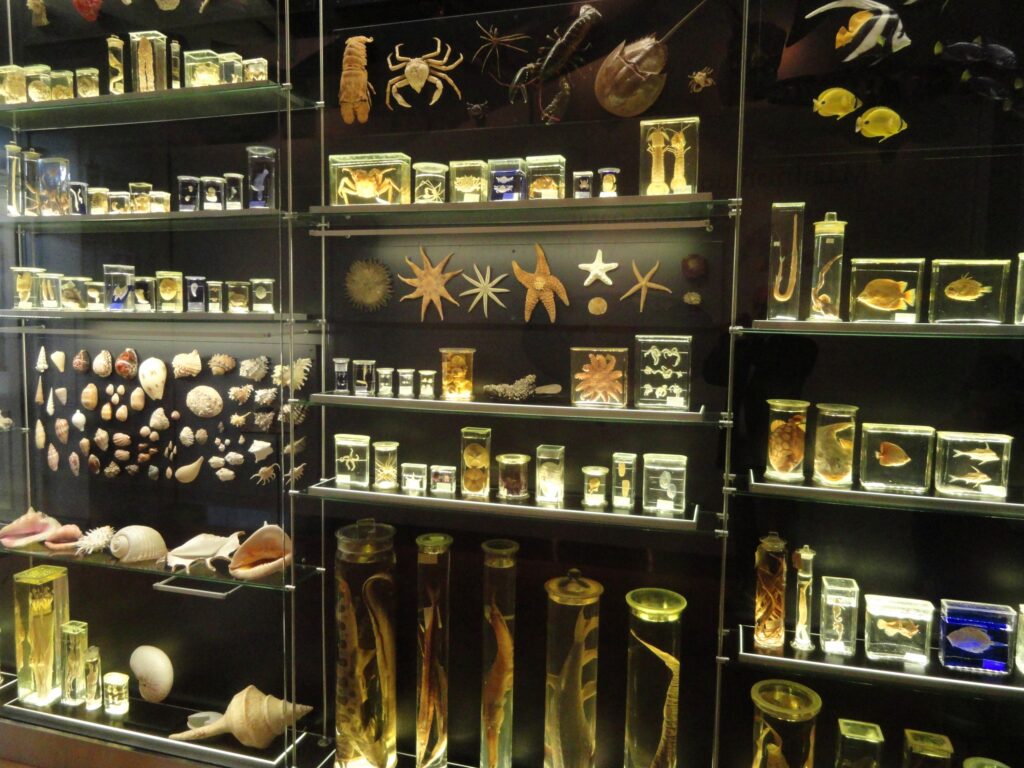

Walk into the back rooms of any major natural history museum and you’ll find drawers of specimens with a label that should be impossible: no species name. Not “unknown yet, working on it” – just permanently, officially unnamed, sitting in scientific limbo for decades.
Most people assume every jarred worm, pinned beetle, and pressed flower in a museum has a tidy Latin name and a clear spot on the tree of life. The truth is messier and stranger. Taxonomists will tell you these collections are packed with organisms science literally cannot name yet – not from laziness, but because life refuses to fit the boxes we built for it. From anonymous deep-sea worms to “ghost” microbes nobody can grow, these 13 mystery specimens are quietly rewriting what we think we know about biodiversity. Here’s what’s really sitting in those drawers.
#13 – The “Barcode-Only” Insects No One Has Ever Described
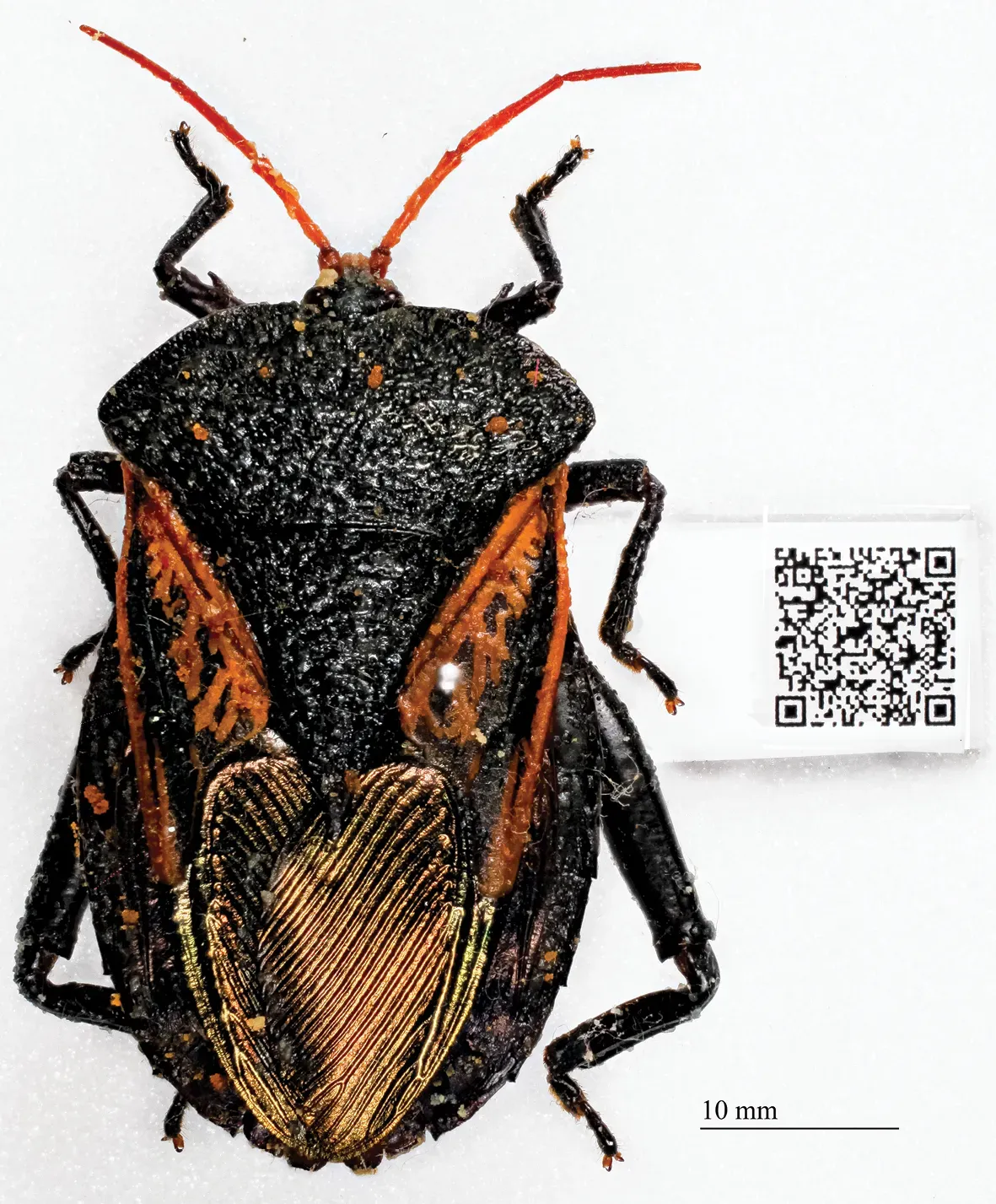
Here’s the uncomfortable truth: museums hold thousands of insect species known only from their DNA, not from any formal name. Over the past two decades, scientists have sequenced a short stretch of mitochondrial DNA (the “barcode”) from millions of insects globally. When they run those sequences through databases, they see huge clusters that don’t match any known species at all. Many come from museum specimens collected decades ago, pinned neatly in drawers, but never given a proper description.
On paper – and in law – these creatures basically don’t exist, even though their genes scream that they’re distinct. Curators call these “barcode-only” taxa. They’re real, they’re different, and they’re often represented by just a handful of damaged specimens from one forest or one fog trap. Naming them requires careful comparison to thousands of existing types, plus new fieldwork that never got funded. Number 12 is even harder to swallow.
Fast Facts
- DNA barcoding typically relies on a roughly 650 base-pair fragment of the COI gene
- The technique became a mainstream taxonomic tool in the early 2000s
- A “barcode gap” of about 2-3% sequence divergence is often treated as a rough species boundary
- Millions of archived museum specimens can now be tested without any new fieldwork
#12 – Deep-Sea Worms Collected Once… Then Never Seen Again
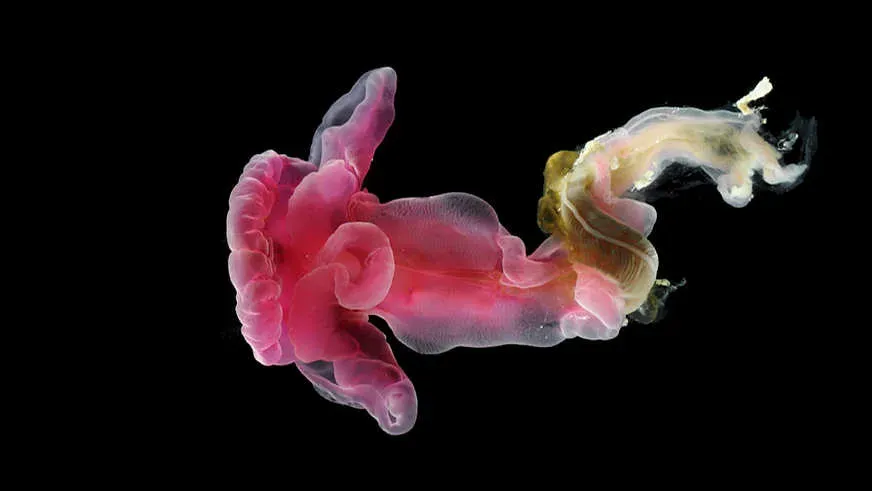
Most people don’t realize that some museum jars hold the only known individuals of deep-sea worms that have never been seen twice. When research vessels drag sleds or grabs over abyssal plains, they pull up soft-bodied worms that look like they were designed by a surrealist: translucent bodies, whisker-like appendages, glowing spots. Some are preserved, logged with vague coordinates, and shelved.
Years later, taxonomists revisit the jars and discover features that don’t match any described family, let alone species. Yet there are no fresh specimens, no photos in life, and often no clear record of the exact depth or habitat. Describing something from a single, shrunken, formalin-soaked body is a scientific minefield – name it wrong and you risk christening a “species” that’s just a weirdly preserved juvenile of something already known. Many experts quietly leave these as “indet. annelid” or “sp. A” in the database. Number 11 breaks the rulebook entirely.
#11 – Hybrid Animals That Break the Species Rulebook
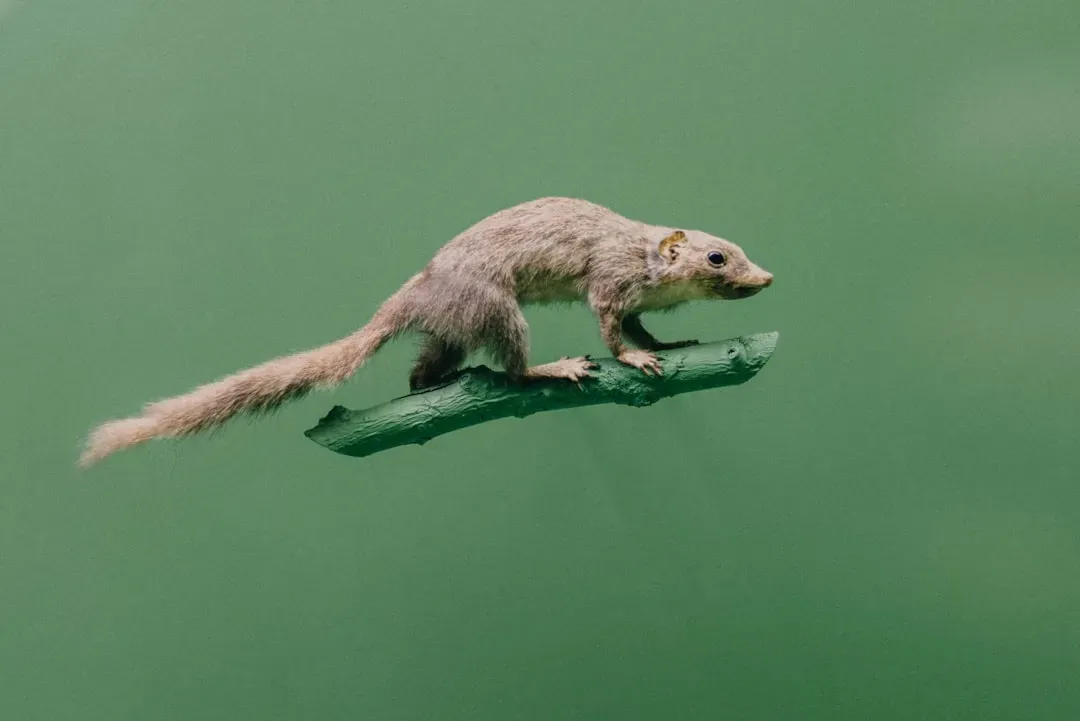
Actually naming some museum animals is a nightmare because they’re hybrids that don’t fit any traditional species box. Think of wolf–coyote crosses, or wildcat–domestic cat mixes. In many regions, museum collections now contain skulls, skins, and tissue samples that look intermediate between recognized species, and DNA confirms they’re genetic blends. In some cases, entire local populations are so hybridized that there’s no clear “pure” reference left.
That makes the classic Linnaean game – one name, one species, one clear boundary – look almost naive. Taxonomists are split. Some argue these hybrids shouldn’t get names at all. Others insist that stable hybrid lineages, especially those with unique ecological roles, deserve formal recognition even if their genomes are mosaics. The result is drawers full of carefully tagged but cautiously unnamed “Canis sp.” and “Felis complex” specimens. Number 10 gets stranger – because these species are already gone.
#10 – Ancient DNA “Ghost Species” in Museum Bones
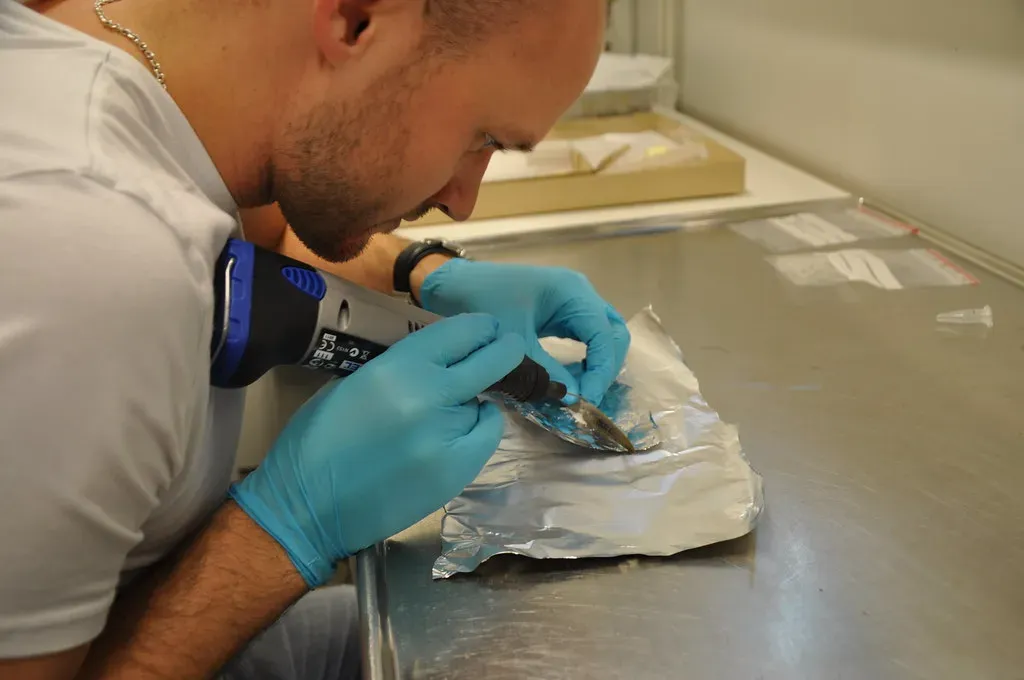
Some of the most unsettling unnamed species aren’t visible to the naked eye at all – they live only in the DNA extracted from old bones. When researchers sequence fragments from museum skeletons – especially from remote islands or caves – they sometimes uncover lineages that never made it into the literature. A bird labeled as a “local subspecies” turns out, genetically, to sit far outside any known species cluster. A rodent jaw in a drawer reveals a mitochondrial genome that belongs to a branch with no modern representative.
These are “ghost species”: clearly distinct lineages that we only detect after they’ve gone extinct. Here’s the catch – you can’t legally name a species from DNA alone under current zoological rules. You need a physical type specimen with diagnostic, observable traits. If the bones are fragmentary, or if all similar material is destroyed or mixed, there’s no defensible way to define that species in the old-fashioned, morphological sense. So they exist only in genetic trees and specialist papers. Number 9 basically lives in a freezer.
Worth Knowing
- Formal zoological rules require a physical type specimen to validate a new species name
- DNA evidence alone, without a designated holotype, cannot officially establish a species under current guidelines
- Ancient DNA can degrade quickly in warm or humid environments, sometimes within just a few thousand years
- Many “ghost species” are only detected genetically after the source population has already vanished
#9 – Microbe Strains That Refuse to Grow (So They Stay Nameless)
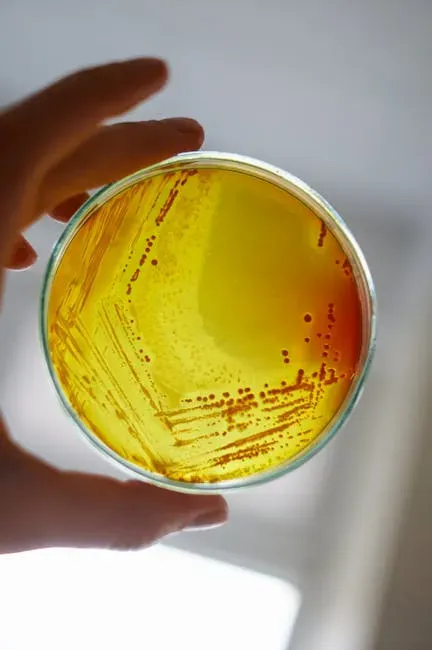
Museum collections aren’t just jars and skeletons – many now have freezers packed with microbial samples that science can’t even keep alive, let alone name. Modern fieldwork often includes swabbing animal skins, soil, or museum-stored tissues, then freezing the DNA-rich material. Sequencing reveals entire bacterial and fungal lineages with no cultured representatives anywhere on Earth.
International naming codes for microbes still heavily favor cultured strains – organisms you can grow, observe, and deposit in a recognized collection. If a microbe can’t be grown, it’s often stuck with an informal tag like “Candidatus” or just a code. Some microbiologists think that’s outdated, given that most microbial diversity is “unculturable” under standard lab conditions. Others warn that relaxing the rules could lead to chaos, with thousands of shaky species names based on short, low-quality gene fragments. The compromise is huge cryogenic collections of unnamed microbes, recorded in databases but shut out of official taxonomy. Number 8 will make you question every frog you’ve ever seen.
#8 – “Cryptic Species” of Frogs That Look Identical but Aren’t
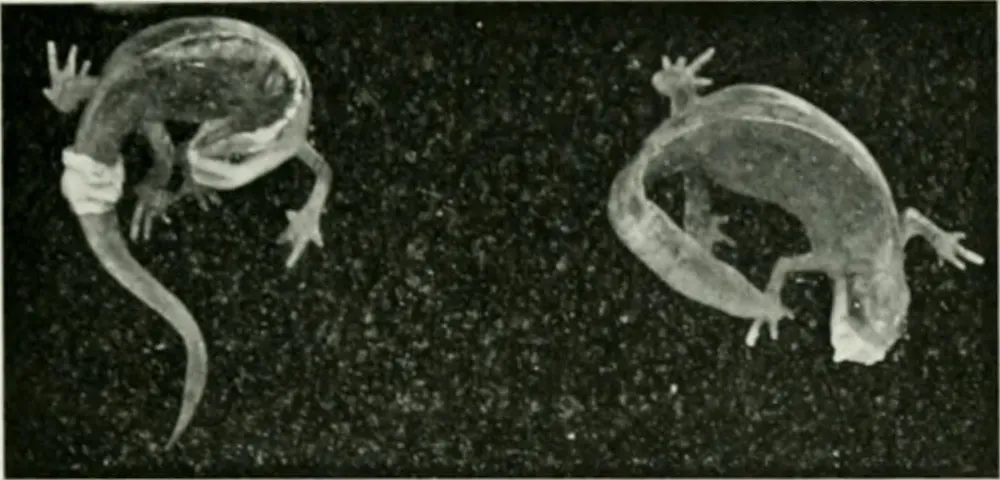
To the naked eye, some frog specimens in museum jars look completely ordinary – until genetic tests show they’re not one species, but several hiding in plain sight. Herpetologists have discovered that what was once thought to be a single widespread frog can actually be a cluster of genetically isolated lineages that diverged millions of years ago. In some tropical regions, a “common” frog jar might hold four or five biologically distinct species whose skeletons, body size, and colors are almost indistinguishable.
It’s the acoustic calls, microhabitat preferences, or subtle skin chemistry that really separate them – but those clues are often lost after preservation. This puts taxonomists in a bind. Do you split them formally based on DNA alone, or wait for new field recordings and ecological data that may never come? As a result, lots of jars are labeled with one old species name plus a nervous note like “species complex.” Everyone agrees there are several species here, but no one is ready to draw the lines. Number 7 is where entomologists really lose sleep.
At a Glance
- Cryptic species are genetically distinct lineages that were classified as one species due to near-identical looks
- Some “single” frog species have turned out to be five or more separate lineages
- Calls, habitat preference, and skin chemistry often separate cryptic species more than anatomy does
- The pattern isn’t unique to frogs – it shows up in insects, fish, and fungi too
#7 – Parasitic Wasps With One Specimen and No Host Info
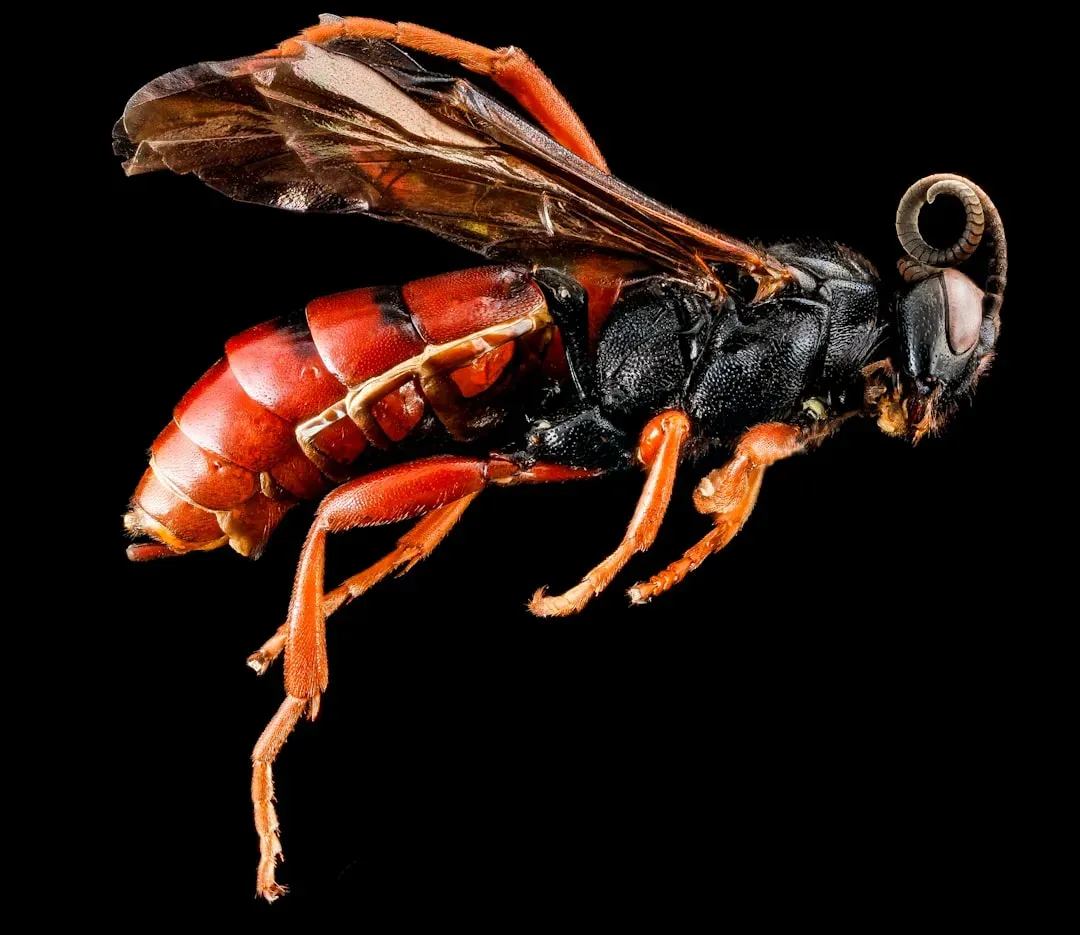
Entomologists will quietly admit: tiny parasitic wasps are where taxonomy goes to die. Museums around the world house micro-wasps collected in alcohol vials, often as bycatch from broader insect surveys. Many represent obviously distinct species – unique wing venation, antenna shapes, or ovipositors never drawn in any monograph.
The killer problem is context. For many of these specimens, we don’t know what host insect they attack, what plant that host feeds on, or even the precise locality beyond a vague region name. The specimen count might be just one or two individuals. Parasitic wasp taxonomy relies heavily on host relationships and fine-scale distribution data to justify new names and avoid re-describing the same species under multiple labels. Without that, describing them feels scientifically irresponsible, so curators slap on “Hymenoptera, Chalcidoidea, sp. 1” and move on, knowing full well they’re shelving a wholly unnamed branch of the food web. Number 6 will ruin your next snorkeling trip.
#6 – Reef “Morphs” That Might Be New Coral Species… or Just Stressed
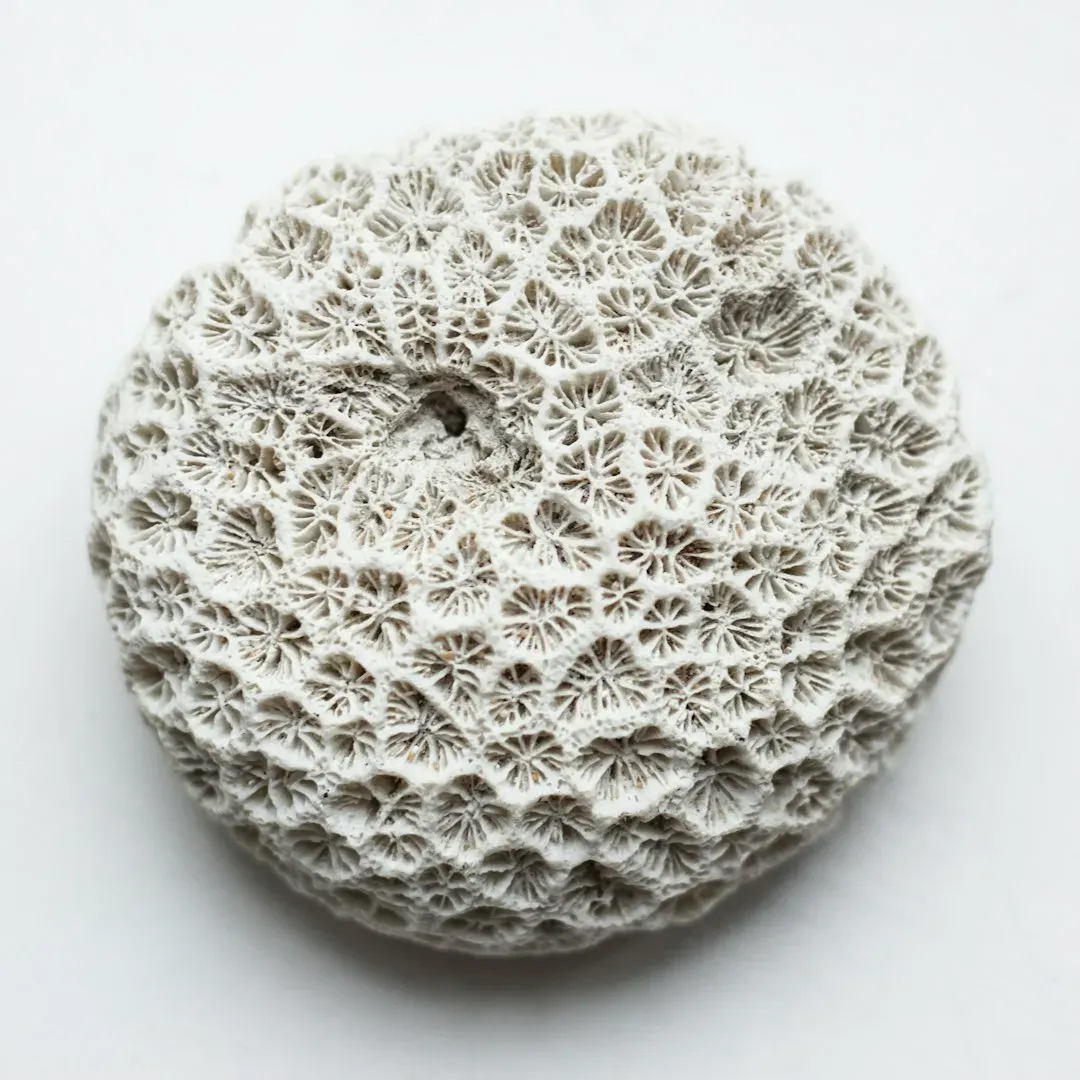
Snorkelers love to argue over coral colors, but coral taxonomists lose sleep over something subtler: museum coral skeletons that might be new species – or just weird morphs. Corals are champions of phenotypic plasticity. The same genetic lineage can build dramatically different skeletons depending on light, water flow, nutrients, and symbionts. Museum drawers are full of colonies with unusual branching patterns or surface textures that don’t match any classic species description.
Some scientists suspect these are genuinely distinct species that exploited microhabitats now gone. Others think they’re just environmental variants. DNA can help, but even that isn’t clean – different coral species sometimes share mitochondrial haplotypes, and historical specimens rarely have well-preserved tissue. That leaves taxonomists squinting at subtle ridge shapes under microscopes, comparing to faded 19th-century drawings, and still not feeling confident enough to erect new names. So these corals linger in limbo as “cf. [known species]” or “Acropora sp. X.” Number 5 might be the saddest entry on this whole list.
#5 – Island Lizards That Vanished Before They Could Be Described
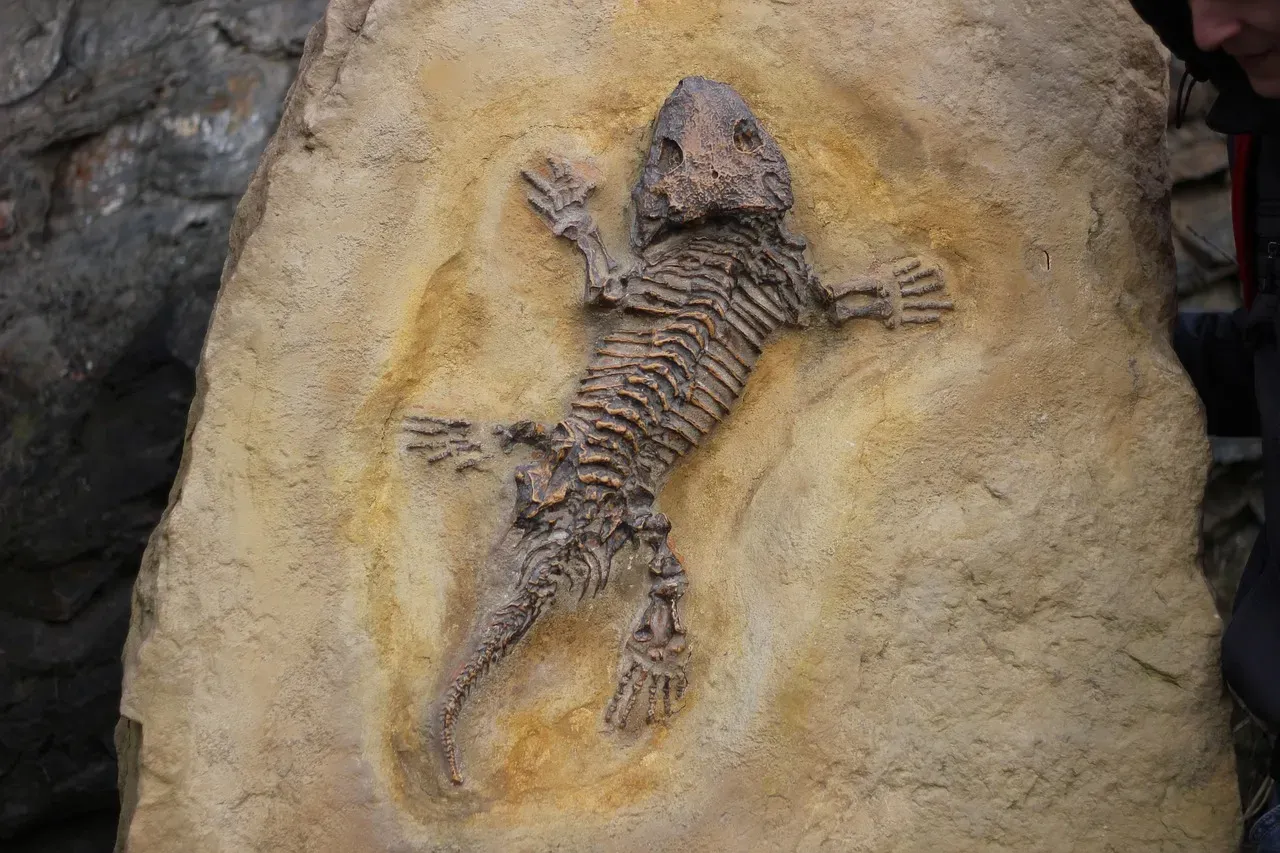
On remote islands, museums sometimes hold the only proof that entire reptile lineages existed at all. Collected during colonial expeditions, a handful of lizards – often labeled with vague locality tags like “Pacific, 1894” – sit preserved in alcohol. Later surveys on those islands find nothing matching them alive. Their scales, limb proportions, or head shapes don’t quite match any named species from nearby archipelagos.
Genetic material, if any remains, is often degraded beyond use. In other words, they look like valid, possibly endemic species that quietly went extinct before anyone wrote a formal description. Naming them posthumously is tricky – with tiny sample sizes and fuzzy locality data, it’s easy to misinterpret variation within a known species as something “new.” Some taxonomists argue we should still name them, to at least acknowledge their lost diversity. Others think that would clutter the literature with shaky taxa. So they sit in drawers, scientifically unnamed, while conservation histories remain incomplete. Number 4 is where paleontology basically admits defeat.
#4 – Fossil “Problematic” Creatures That Defy Classification
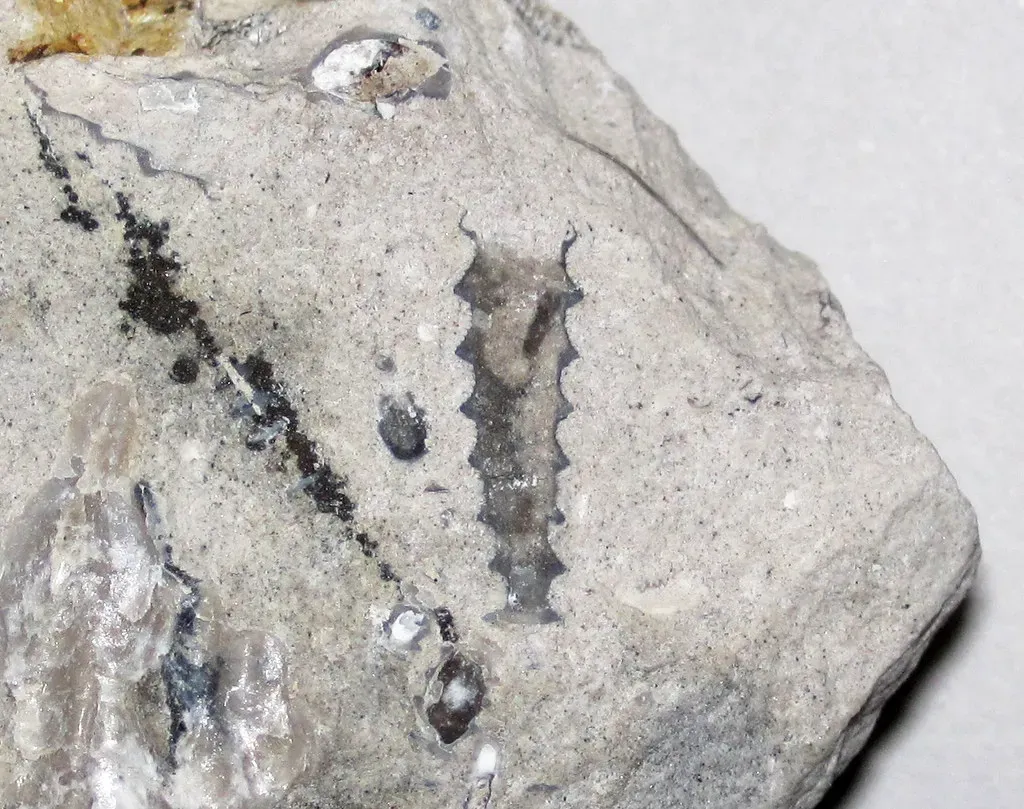
Paleontology has its own rogues’ gallery: fossil organisms that nobody can confidently place anywhere on the tree of life. Some museum slabs preserve soft-bodied forms from ancient seas – ribbed blobs, frond-like structures, or segmented tubes – that have been bounced between phyla for decades. Are they worms? Early relatives of arthropods? Something entirely foreign to modern body plans?
New imaging techniques often reveal more detail, but instead of clarifying things, they highlight bizarre combinations of traits that don’t fit existing categories. Calling them “species” in a traditional sense starts to feel almost dishonest. These fossils typically get placeholder names within catch-all groups, but behind the scenes, specialists will label them “problematicum” in their notes – the polite code for “we genuinely have no idea.” Some may represent extinct side branches that left no descendants; others might just be juvenile stages of better-known forms. Until a smoking-gun relationship is found, they remain named in form but effectively unnamed in biological meaning. Number 3 hides in nearly every polar ice core ever pulled.
Quick Compare
- Early arthropod relative: segmented body, hints of jointed limbs, no clear head
- Independent, extinct phylum: a body plan that matches nothing alive today
- Juvenile of a known form: odd traits may just reflect an immature growth stage
#3 – Polar Nematodes Nobody Bothered to Describe
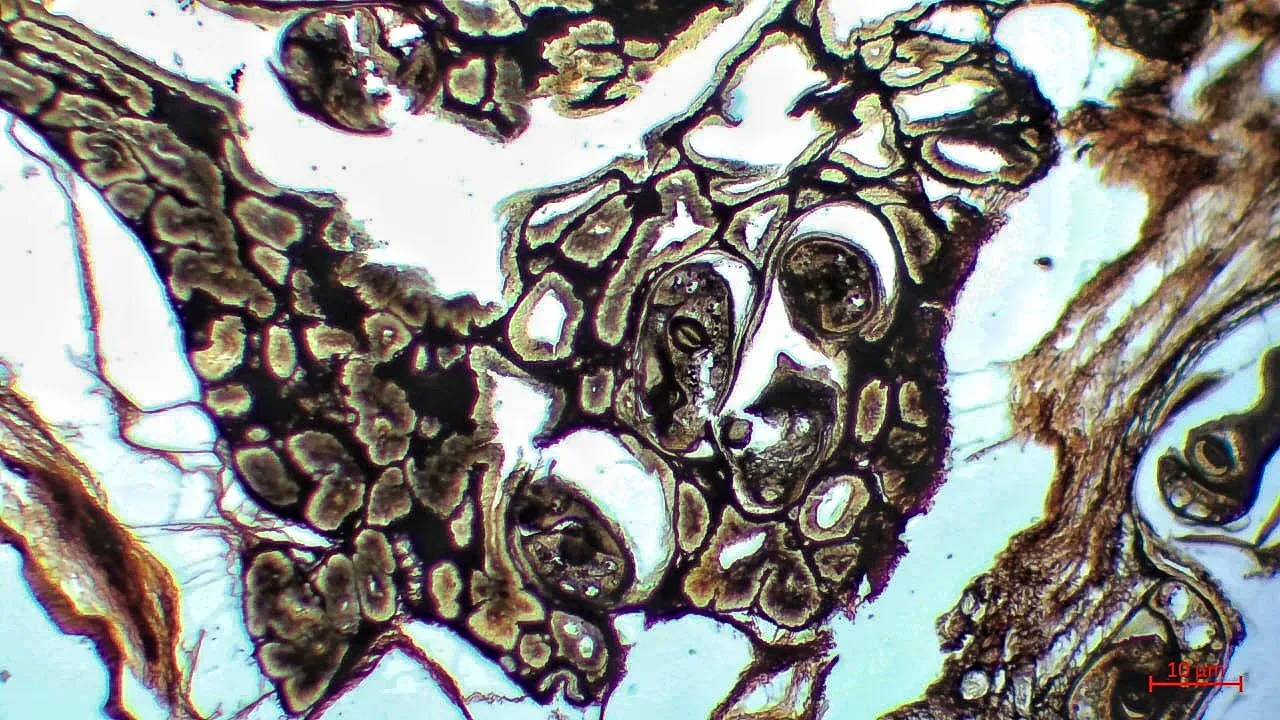
Under the ice, the least charismatic animals might be the most neglected: microscopic nematode worms from polar soils and sediments. Expeditions routinely return with cores and samples packed with these resilient creatures. Under microscopes, taxonomists see distinct morphologies – different mouthparts, tail shapes, cuticle ornamentation – yet for many, there’s no matching description in the literature, no type specimens to compare, and no funding line dedicated to grinding through their taxonomy.
They get labeled with generic genus names and a code number, then preserved in slides or ethanol. Here’s the awkward part: those “little worms” often drive nutrient cycling, influence microbial communities, and may signal how polar ecosystems respond to climate change. By not naming them, we’re effectively pretending that part of the system doesn’t exist in policy and monitoring frameworks. In a world obsessed with megafauna and charismatic ice-dependent species, polar nematodes stay in the taxonomic shadows, nameless and overlooked. Number 2 is stranger than fiction.
#2 – Herbarium Sheets Hiding Entire Unrecognized Plant Lineages
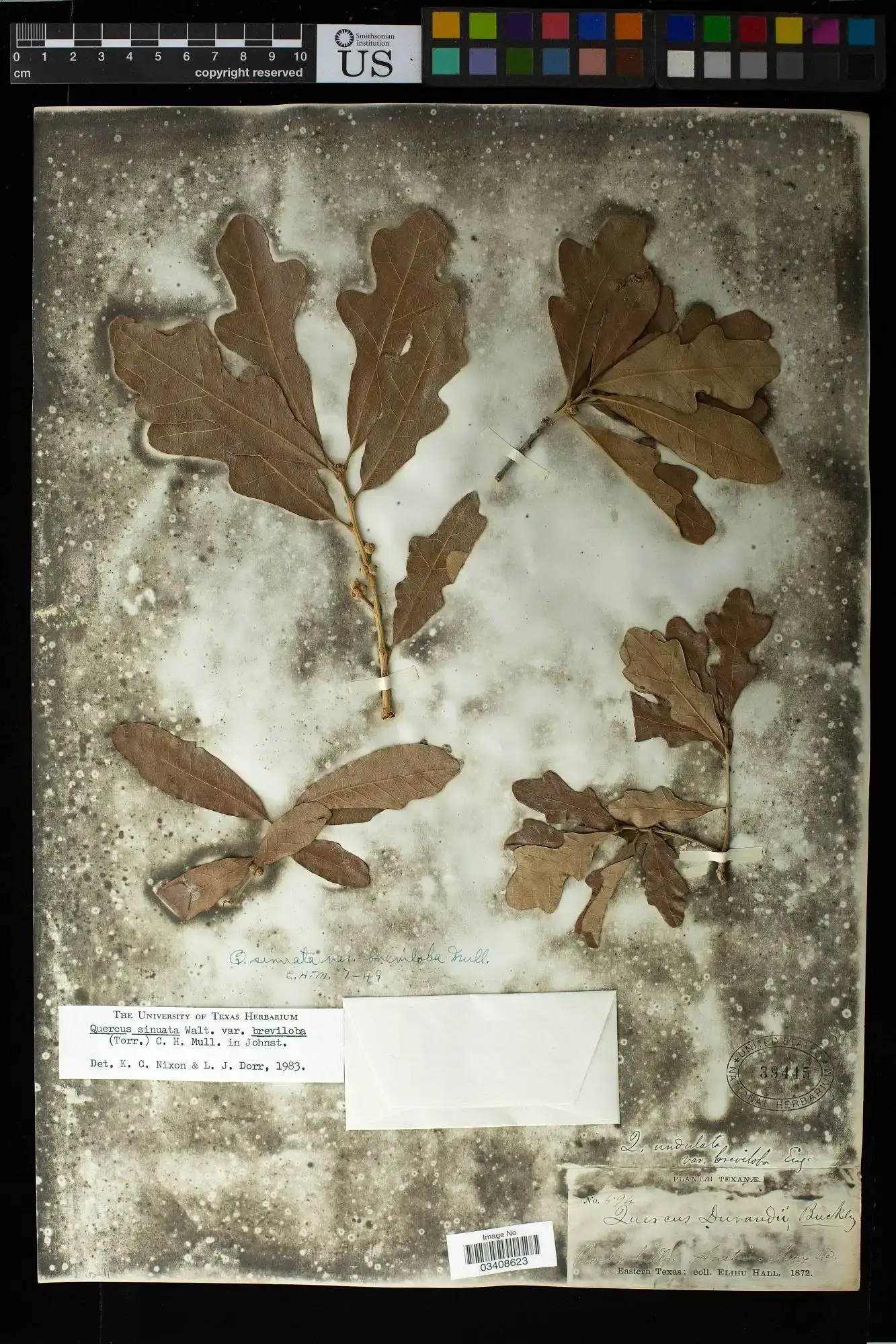
It sounds impossible, but some plant specimens in herbaria represent entire reproductive strategies or lineages we still haven’t fully parsed. In dioecious plants (separate male and female individuals), historic collectors often favored showy flowering branches – usually one sex. Later, when genetic work begins, botanists realize that what’s labeled as a single species might actually be multiple, long-isolated lineages or cryptic species segmented across valleys or soil types.
Worse, some sheets represent rare sex forms or polyploid lineages that don’t occur in current field surveys but clearly existed a century ago. Botanists are notoriously conservative about splitting species based only on fragmentary herbarium evidence, especially when traits like leaf shape vary with light or altitude. So they recognize “lineage A” and “lineage B” in internal notes and molecular phylogenies, but stop short of naming them under formal codes. That leaves herbaria holding perfectly pressed, beautifully annotated plants that are biologically unnamed in any official sense. And number 1 might be the strangest, and biggest, entry of all.
#1 – Museum Tissues Revealing Entire “Dark Branches” of the Tree of Life

The most radical unnamed species aren’t pinned, pressed, or on display – they’re tiny tissue samples in ultra-cold freezers revealing whole dark branches of life. Over the last 20 years, museum genomics programs have quietly assembled massive cryobanks of liver snips, blood drops, feather tips, and skin pieces. When researchers sequence them deeply – not just barcodes, but full genomes – they sometimes find lineages that sit far outside any recognized family or even order.
These aren’t just new species; they’re evidence that our higher-level classification is flat-out wrong in some groups. Yet formally naming them would require overhauling entire taxonomic systems. On top of that, some of these tissues come from individuals already lost in the wild, from localities transformed or destroyed – no one can go back to collect more material or observe their behavior, reproduction, or ecology. So curators keep them cataloged as “GenBank lineage X” or “clade Y” with no Latin binomial. In effect, we’ve glimpsed entire unseen branches of the tree of life – then filed them under “to be determined.”
Why It Stands Out
- Full-genome sequencing can reveal genetic distances far larger than typical species-level differences
- Some lineages appear so divergent they hint at entirely unclassified families or orders
- Naming them could force a rewrite of higher-level classification, not just a new species label
- Several source specimens come from populations or habitats that no longer exist
The Bottom Line
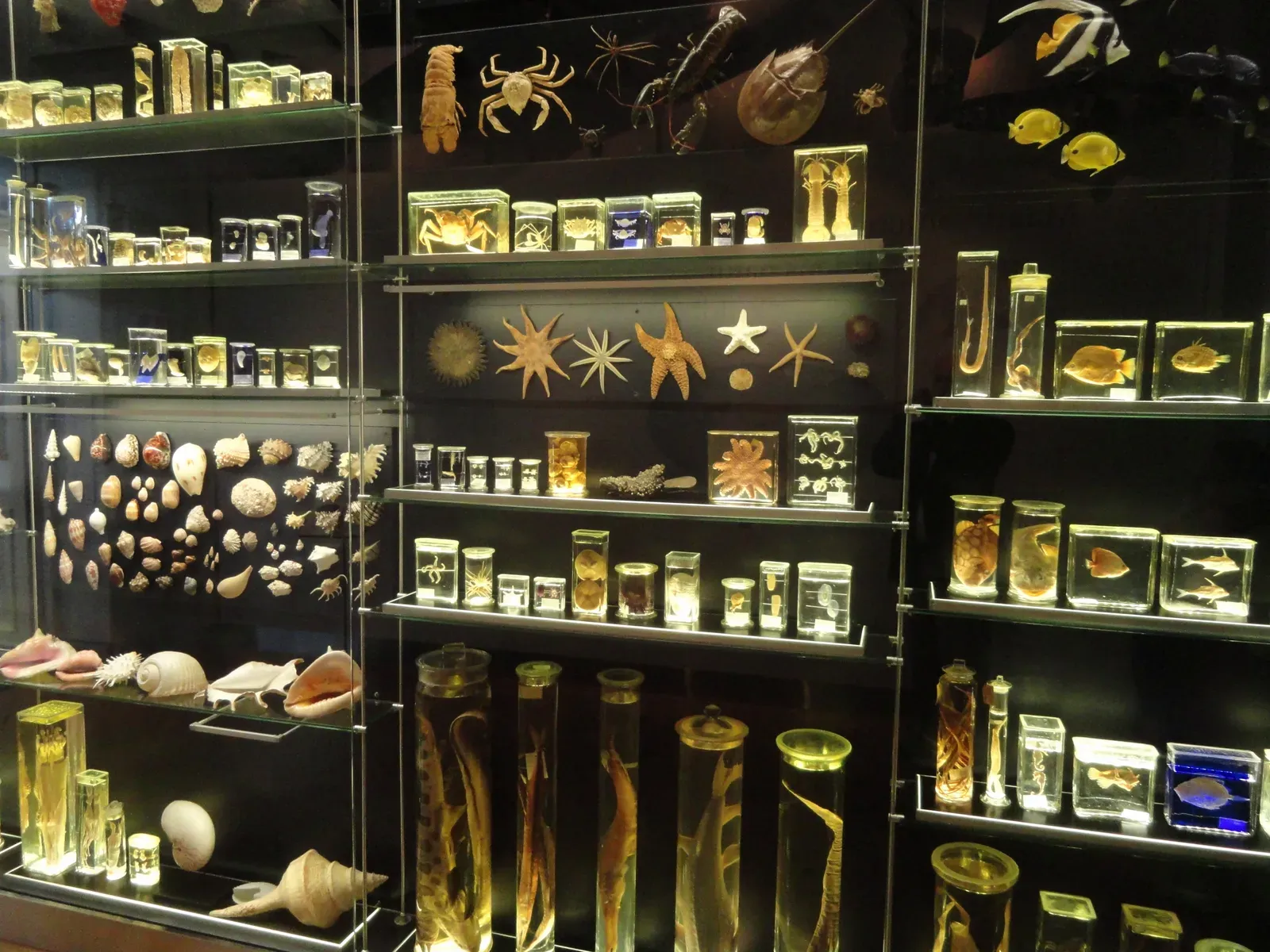
Museum insiders know a blunt truth the public rarely hears: we are nowhere near having names for all the life forms we’ve already collected, let alone those still out there. Barcoded insects, hybrid mammals, cryptic frogs, lost island lizards, ghost microbes – these aren’t fringe oddities. They’re symptoms of a taxonomic system built for a slower, simpler world, now straining under genomic data, accelerating extinctions, and chronic underfunding.
Some scientists argue we should loosen naming rules and start describing species from DNA or tiny tissue samples alone. Others fear that would flood biology with unstable names and make conservation even more confusing.
My take? The bigger mistake is pretending unnamed diversity doesn’t matter. Those “sp. A” labels aren’t administrative shrugs – they hide real evolutionary histories and real ecological roles, sitting quietly in drawers while the world outside changes faster than we can catalog it. If anything on this list surprised or unsettled you, ask yourself: which of these thirteen would you push to name first, and what would we lose by waiting any longer?