
Imagine walking through an ancient city, hearing a commanding voice in your head telling you what to do next – and never once thinking, “That’s me.” Instead, you believe a god, ancestor, or spirit is literally speaking to you. That eerie, almost cinematic image is at the core of the bicameral mind hypothesis, one of the most provocative ideas ever proposed about how human consciousness might have formed.
The theory suggests that for much of early human history, people did not experience an inner, unified “I” the way we do today. Instead, they heard their own thoughts as if they were external voices and attributed them to deities. It sounds wild, almost like science fiction. But the argument pulls together archaeology, literature, neurology, and anthropology into a story about how consciousness itself may have emerged. Whether you ultimately buy it or not, exploring this hypothesis forces you to ask a radical question: what if our modern sense of self is not universal, but a recent invention?
What Exactly Is the Bicameral Mind Hypothesis?
The bicameral mind hypothesis, proposed in the late twentieth century by psychologist Julian Jaynes, argues that ancient humans did not possess introspective consciousness as we typically define it today. Instead of a continuous inner narrative, they allegedly operated with a divided mental system: one “part” generated auditory commands, while the other part obeyed them. These commands, experienced as clear voices, were interpreted as coming from gods, kings, or supernatural agents rather than from the individual’s own brain.
In this framework, the left hemisphere (especially language-related regions) produced the verbal hallucinations, and the right hemisphere helped encode and structure them as authoritative messages. People did not look inward and reflect on their own thoughts; they simply heard orders and acted. Only later, as cultures changed and these voices weakened, did humans begin to reinterpret that inner activity as “my thoughts” instead of “my god.” If that sounds like an origin story for consciousness itself, that’s exactly how the hypothesis presents it.
How Could Someone Hear Their Own Thoughts as a God?

From a modern standpoint, hearing voices is usually associated with mental illness, but the bicameral theory flips that assumption on its head. It suggests that in early complex societies, hearing authoritative voices was a normal, functional part of cognition. Imagine your brain running a script: when you face stress or need guidance, a strongly verbal, emotionally loaded “voice” speaks, and you have no concept that it could be internal. There is no mental category for “self-generated thought,” so the only available explanation is divine or external agency.
Think of it like using a GPS before you knew what satellites were. You hear instructions, they seem precise and helpful, and you just follow them, never asking who, exactly, is talking. The bicameral mind was, under this idea, a stable neurocognitive adaptation for controlling behavior in large, hierarchical societies. The gods were not metaphorical – they were literally perceived as distinct, audible beings. Only when the system began to break down did people start to ask: if the voice goes silent, who am I when I have to decide for myself?
Ancient Texts as Evidence: The Strange Voices in Early Literature

One of the most compelling arguments for the hypothesis comes from how early texts depict inner life, or more accurately, how they often do not. In many ancient epics and inscriptions, characters rarely describe personal introspection or private doubt. Instead, decisions are framed as commands from gods who appear, speak, or send messages. Heroes do not agonize over moral choices in their own heads; they receive instructions from deities and act as instruments of a higher will.
When you read some of the oldest surviving works, you can notice an almost eerie absence of phrases that sound like “I thought to myself” or “I wondered silently.” Instead, gods intervene frequently and concretely, issuing direct guidance. Some proponents of the bicameral view argue that this pattern is not just stylistic or religious convention, but a window into a fundamentally different mental world – one where inner speech had not yet been recognized as belonging to the self, and so was narrated as divine voice instead.
Brains, Hemispheres, and Hallucinated Commands
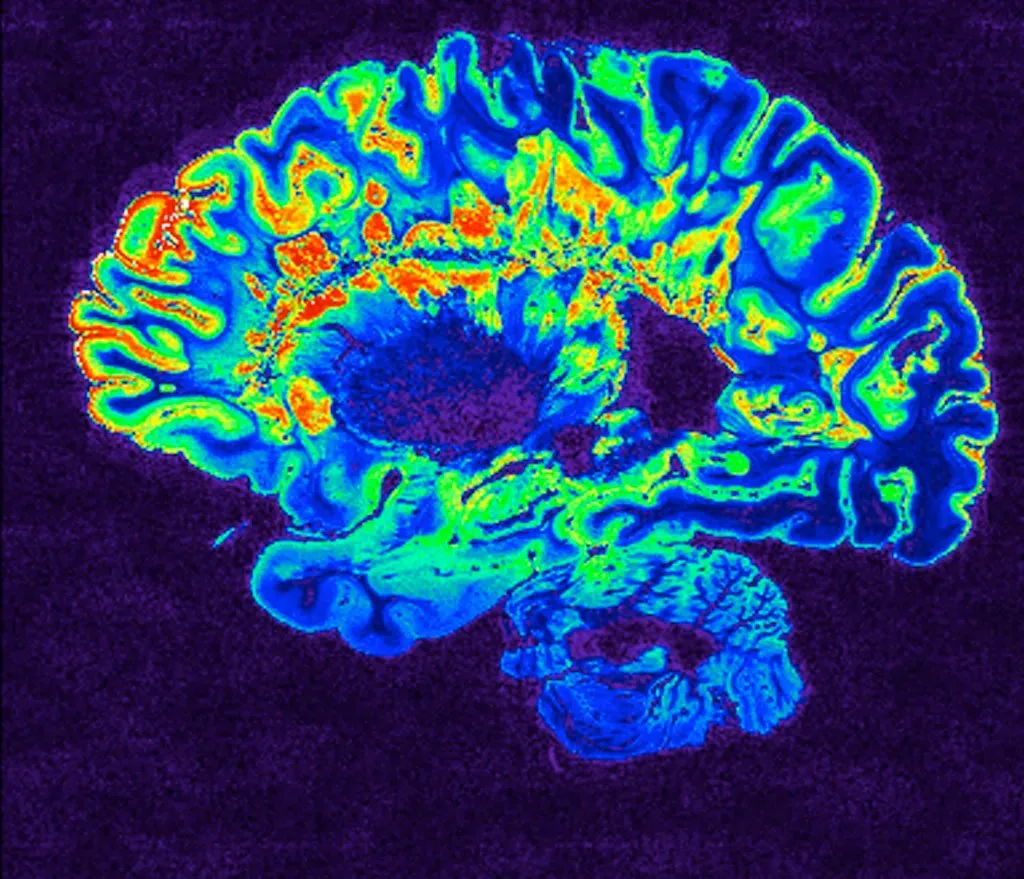
Neurologically, the bicameral mind is tied to how the two hemispheres of the brain communicate. Language is usually more dominant in the left hemisphere, while the right hemisphere contributes emotional tone, spatial awareness, and aspects of self and social understanding. The hypothesis proposes that in earlier stages of cultural evolution, these systems were organized so that certain stressors triggered the right hemisphere to “speak” through the left, resulting in vivid verbal hallucinations experienced as external commands.
We know today that auditory hallucinations can arise from abnormal patterns of activation in brain regions tied to speech perception and production. People who hear voices often report them as distinct, with their own personalities and authority, even though they originate within the brain. The bicameral theory essentially suggests that what we now consider a symptom of disorder may once have been a widespread, structured feature of healthy cognition, tightly woven into social and religious life, until cultural pressures reshaped how the brain’s two halves cooperated.
That does not mean ancient people were neurologically damaged or less intelligent; it means their brains may have stabilized around a different style of self-regulation. Just as different cultures can develop different ways of perceiving color or time, the idea here is that entire civilizations may have developed a different way of perceiving inner speech and agency. Modern consciousness, in this view, is not inevitable biology – it is a historical achievement.
From Divine Commands to Inner Voices: The Collapse of the Bicameral Mind
According to the theory, the bicameral mode eventually broke down under pressure from social complexity, warfare, trade, and the stresses of rapidly changing civilizations. When cities grew, empires expanded, and crises multiplied, fixed command voices were no longer flexible enough to guide behavior. People encountered conflicting orders, new situations, and disrupted traditions that the old scripts could not handle, causing those authoritative voices to falter and become unreliable.
As these hallucinated gods “fell silent,” societies had to develop new ways of decision-making. This is where introspective consciousness supposedly emerges: instead of waiting for an external-seeming voice, individuals begin to narrate, rehearse, and evaluate their own options. Laws, philosophies, and moral codes start shifting from divine decree to written rules and human reasoning. You can think of it like switching from being a character in a game who always follows the narrator, to becoming the player who has to plan moves, weigh consequences, and own the outcome.
Modern Parallels: Hearing Voices Today and What They Might Tell Us

One of the most intriguing aspects of the bicameral hypothesis is how it reframes modern experiences of hearing voices. Today, such experiences are usually pathologized, associated with certain mental health conditions or extreme stress. Yet cross-cultural research shows that some communities interpret voices more positively, seeing them as helpful ancestors or spiritual guides, and this can change how distressing they feel. That flexibility in interpretation echoes the idea that the way we label inner phenomena is culturally learned, not purely biological.
If a significant portion of modern people, under certain conditions, can hear voices that feel external and authoritative, it suggests the basic capacity is still there in the human brain. The difference is how we contextualize it. In a world where we are told we should “own” our thoughts and feelings, a commanding inner voice is alarming. In a world framed by gods who speak, the exact same experience might be reassuring and normal. The bicameral mind theory pushes us to admit that the boundary between “me” and “not me,” especially in our own heads, is less fixed than we like to think.
Why the Hypothesis Is Fiercely Controversial
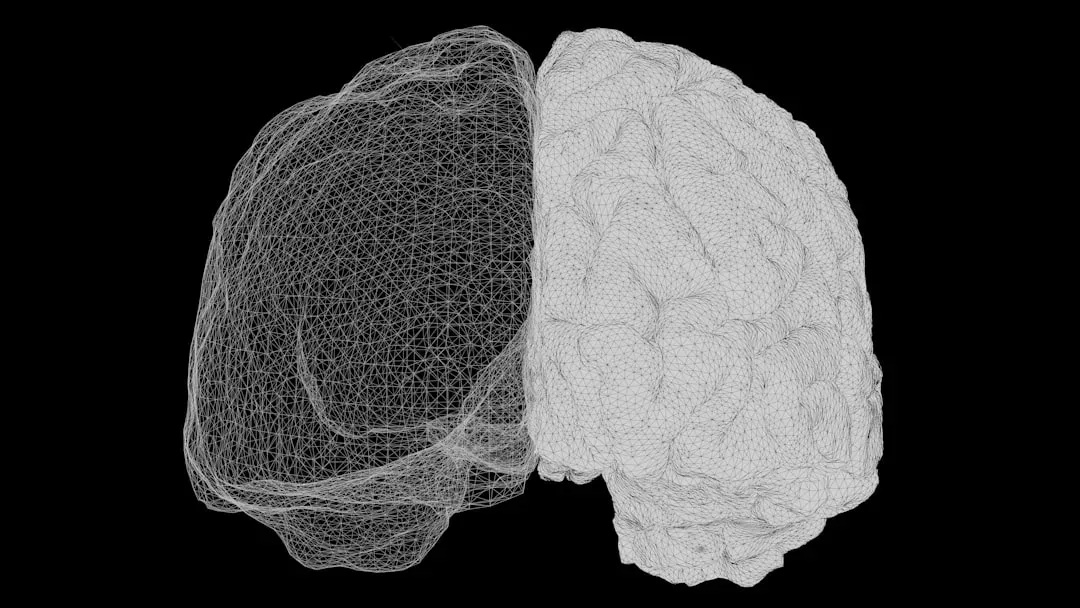
For all its originality, the bicameral mind hypothesis is highly controversial and far from widely accepted in psychology or neuroscience. Many scholars argue that the evidence from ancient texts can be explained in simpler ways: literary convention, religious storytelling, or a lack of interest in describing inner life in the way modern authors do. Others point out that archaeology and brain science do not show a clear, sudden change in human cognition that would match the kind of dramatic shift the theory proposes.
Critics also highlight that humans likely had rich social understanding, planning abilities, and self-awareness long before the time periods the hypothesis focuses on, as suggested by tool use, art, and complex burial practices. It is one thing to say that cultures evolve new metaphors and self-descriptions, and another to say that basic consciousness itself only recently emerged. From this angle, the theory risks overstating cultural differences and underestimating how deep-rooted core aspects of human awareness probably are.
The Bigger Question: Is Consciousness a Cultural Invention?
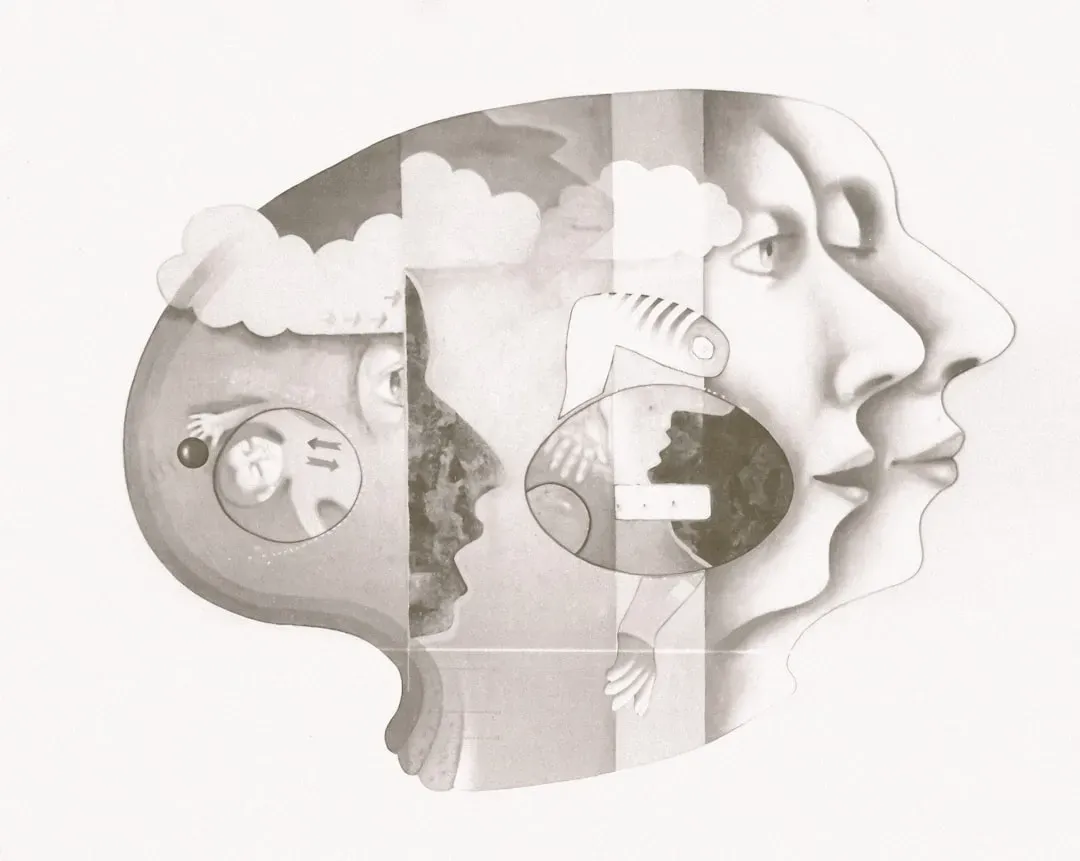
Even if parts of the bicameral theory turn out to be wrong or exaggerated, the deeper question it raises is incredibly powerful: how much of our inner life is shaped by culture rather than hardwired biology? The idea that the very experience of having a single, unified “I” might be historically contingent is unsettling. It suggests that consciousness, as we describe it today, might be less like an on–off switch and more like a culturally trained skill, refined over generations through language, stories, and social norms.
Think about how children learn to talk about feelings and thoughts. They are taught words like “I,” “want,” “decide,” and “regret,” and slowly build a model of themselves as an inner agent who makes choices. Different cultures emphasize this more or less strongly, and research already shows that concepts of self can vary widely. The bicameral hypothesis pushes that variability even further, hinting that in some ages and places, people might have organized their minds around gods and voices instead of an inner ego. It may not be the final word on consciousness, but it forces us to stop assuming our way of being is the only possible one.
Opinionated Conclusion: A Brilliant Wrong Turn We Still Need
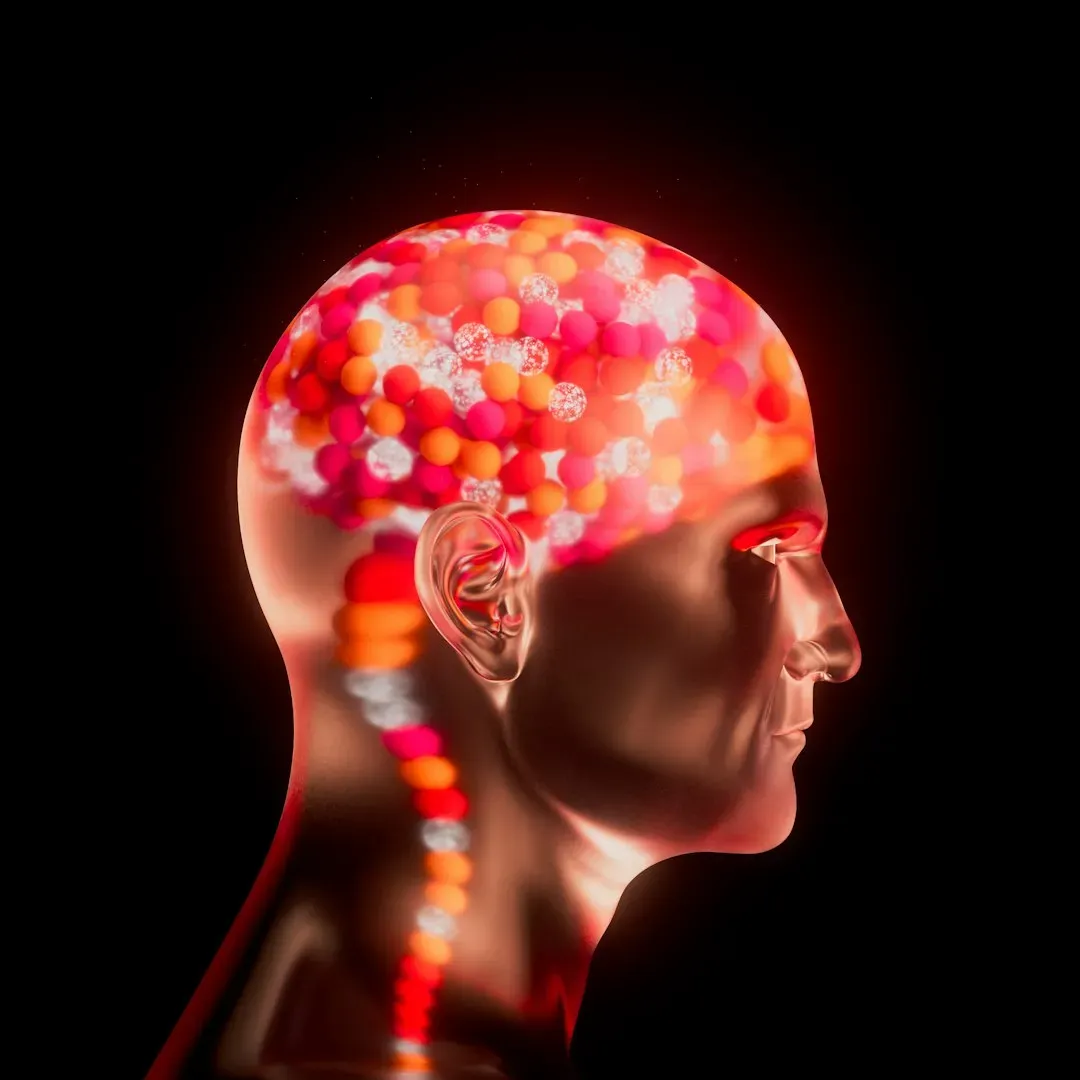
Personally, I do not think ancient humans were walking around literally unconscious until a few thousand years ago. The archaeological, cognitive, and evolutionary evidence makes it hard to believe that language, art, long-term planning, and social complexity could flourish without some form of inner awareness. In that sense, I see the bicameral mind hypothesis as probably wrong in its strongest, literal form. But I also think dismissing it outright is a mistake, because the questions it asks cut far deeper than most tidy academic models ever dare to go.
To me, its real value is not in the claim that gods were once hallucinated brain processes, but in the provocative suggestion that how we experience “self” is not fixed. It invites us to treat consciousness as something historical, malleable, and culturally sculpted, not a static object sitting in the skull. In a world where we increasingly outsource memory to phones, decisions to algorithms, and social validation to digital platforms, we might already be drifting toward new, hybrid forms of selfhood that our ancestors would not recognize. If consciousness can shift once, it can shift again – and that should make us ask, with some urgency: what kind of minds are we collectively building next?