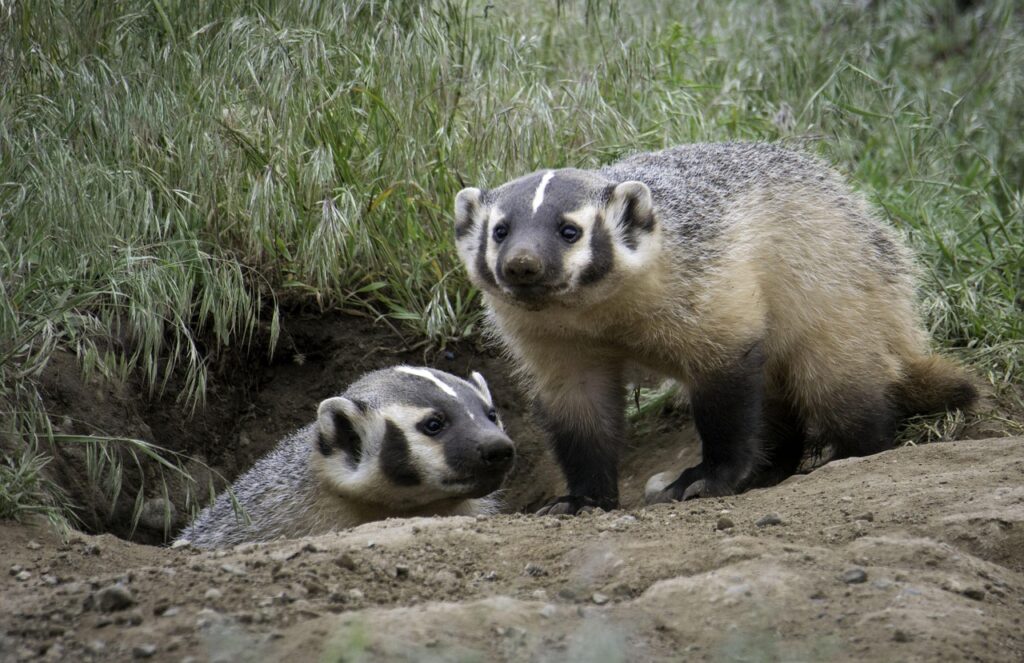

If you only spot American badgers as a blur of fur crossing a dirt road at night, it’s easy to write them off as just another grumpy carnivore. But down beneath those grasses and sagebrush, an entire hidden world is being remodeled by their claws. Biologists are discovering that American badgers are not just predators; they are ecosystem engineers quietly rewriting the rules of life on the prairie from below the surface.
Once you start following the tunnels, a different picture appears: soil turned over like a plowed field, seeds shuffled to new locations, abandoned burrows sheltering animals that never dug a day in their lives. It’s as if the prairie has a secret underground construction crew, and the badger is the foreman. The more scientists look, the clearer it becomes that understanding these prickly excavators is key to understanding the prairie itself.
The American Badger: A Surprisingly Specialized Prairie Predator
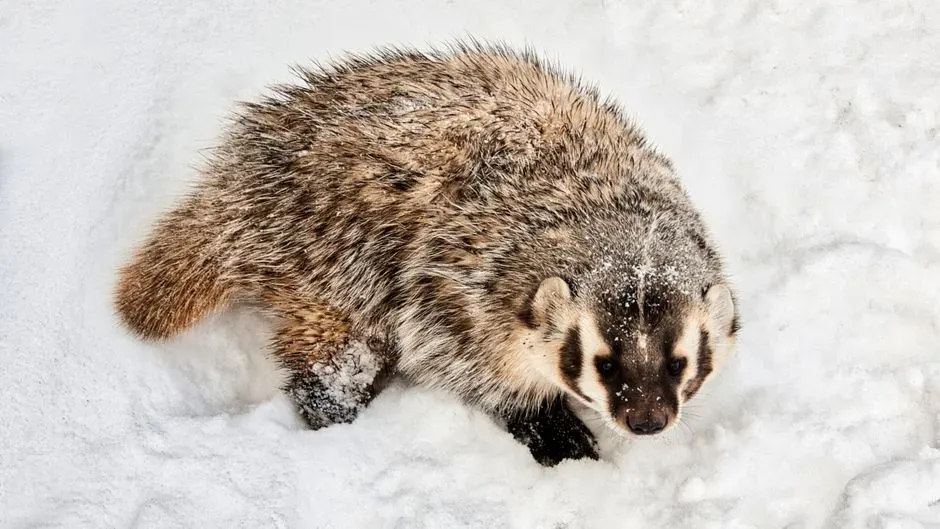
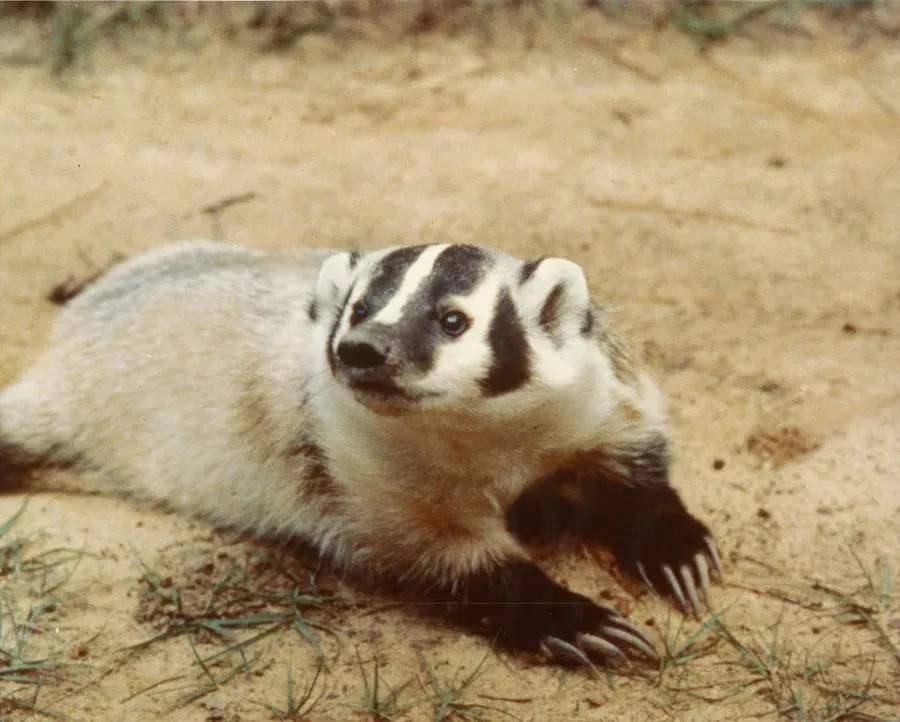
At first glance, American badgers look like compact bundles of muscle with a bad attitude, but biologically they are highly specialized hunters built for life in open country. Their bodies are low and stocky, like a living bulldozer, with heavy forelimbs and long claws designed to slice through soil and hard-packed burrow walls. That trademark white facial stripe and dark mask are not just for style; they help break up the outline of the animal in open grasslands and scrub.
Unlike forest predators that rely on stealth through dense cover, badgers are adapted to habitats where hiding above ground is hard. They lean on stealth of a different kind: they vanish underground, chasing prey where it thinks it is safest. Their range stretches across much of western and central North America, from dry deserts to higher grassland plateaus, but the shared theme is open habitat and plenty of burrowing prey. When you see a landscape pocked with mounds and holes, there is a decent chance a badger helped write that story.
Masters Of Excavation: How Badger Digging Transforms The Ground
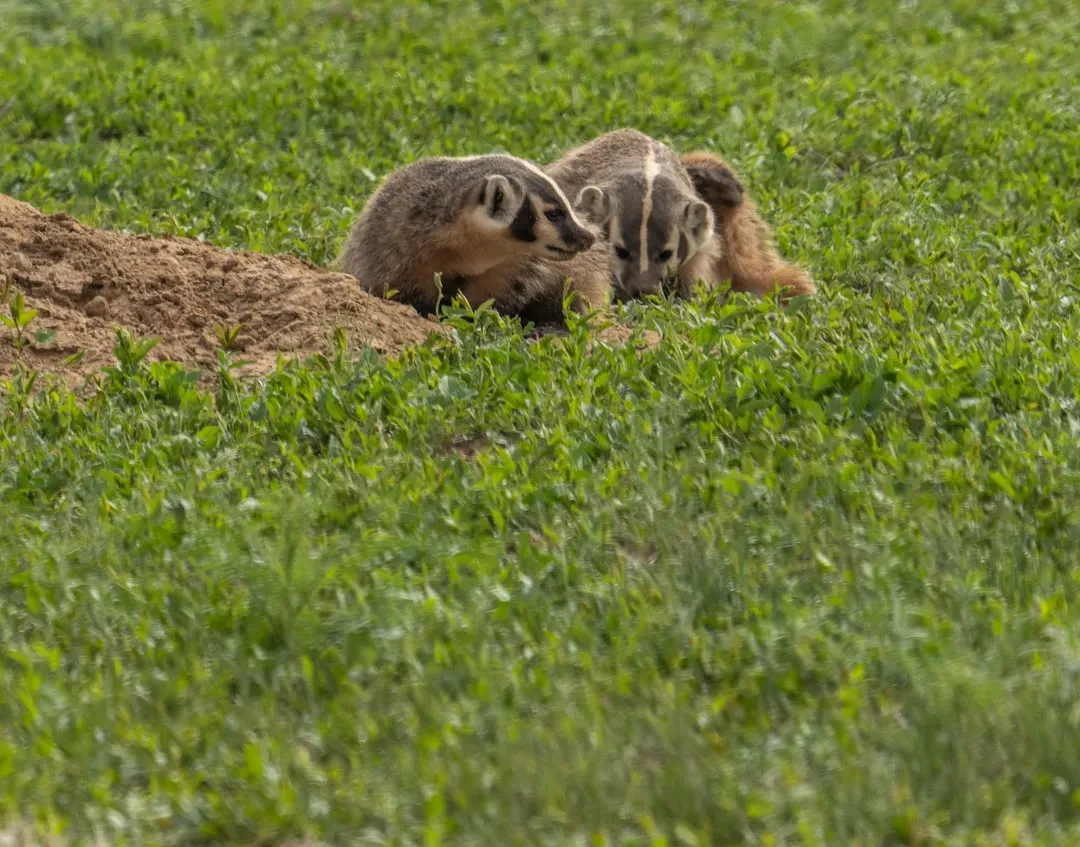
If you measured the volume of soil an active badger moves in a single night, you might be shocked at the sheer scale. Persistent digging creates a patchwork of mounds, pits, and open burrows, churning soil that has not been disturbed in years. This constant excavation breaks up compacted layers, mixes organic material downward, and pulls deeper soil up toward the surface where plants can reach nutrients more easily.
Ecologists have long known that soil disturbance can be a powerful ecological force, and badgers are one of the prairie’s main natural disturbers. Their mounds are like tiny construction sites that change how water pools after a storm, how seeds get buried, and where microbes and invertebrates thrive. Over time, these repeated small disturbances scale up into visible patterns on the land, subtle but influential, similar to how countless tiny earthworm burrows can soften a garden bed without you ever seeing the worms at work.
Rodent Control From Below: Badgers And Their Burrowing Prey
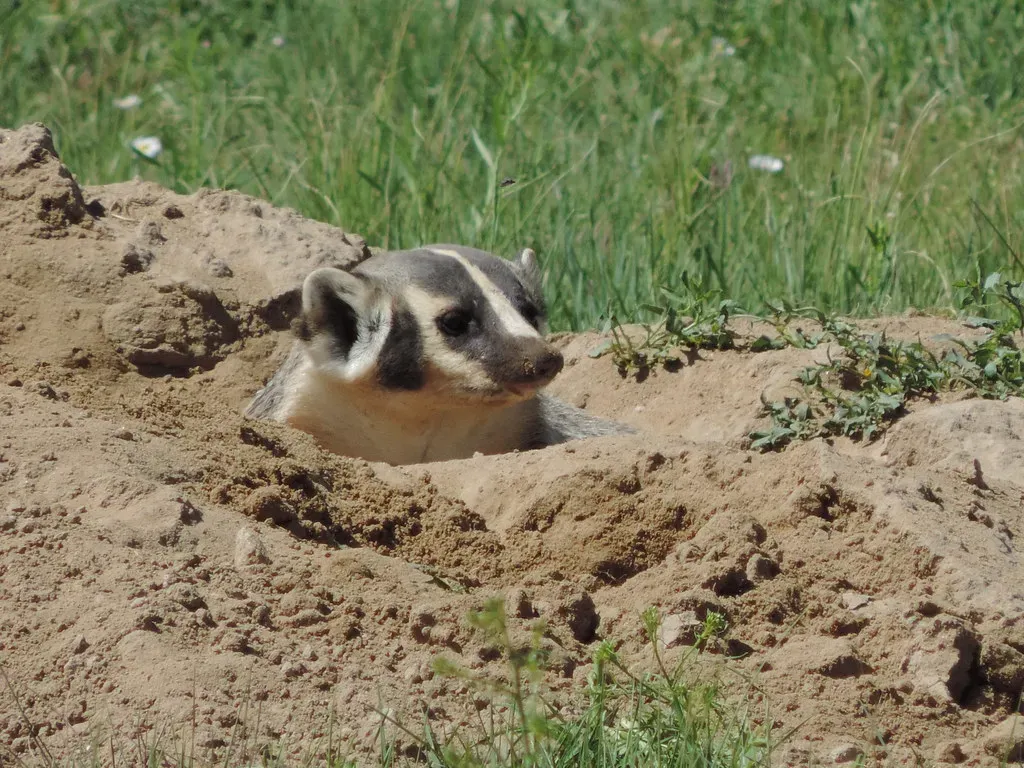
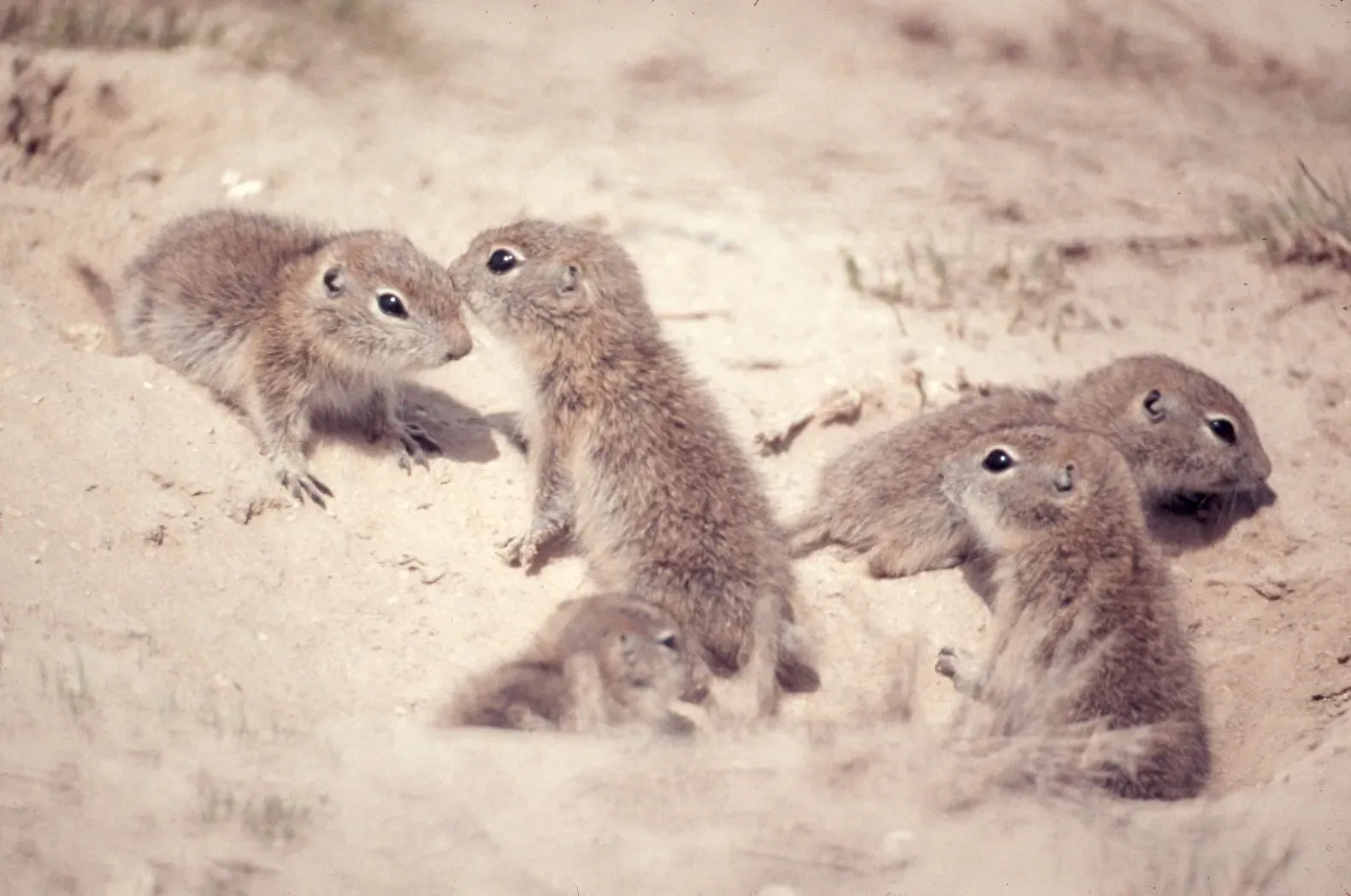
American badgers eat a lot of small mammals, and a large portion of that menu is made up of other burrowers: ground squirrels, prairie dogs, pocket gophers, and voles. Instead of waiting patiently above ground like a fox might, badgers often go straight into the tunnel systems, digging down and following their prey into the earth. This hunt-from-below strategy gives them access to animals that many other predators simply cannot reach as effectively.
That appetite has real consequences for prairie ecosystems, because burrowing rodents can dramatically reshape vegetation and soil when their populations explode. By preying heavily on these animals, badgers add an important check on how large those colonies can grow. They are not the only predators in the system, but they are among the few that combine strong digging ability with a diet centered on underground prey, making them a unique piece of the prairie’s population control puzzle.
Accidental Gardeners: Seed Movement And Plant Diversity Around Burrows
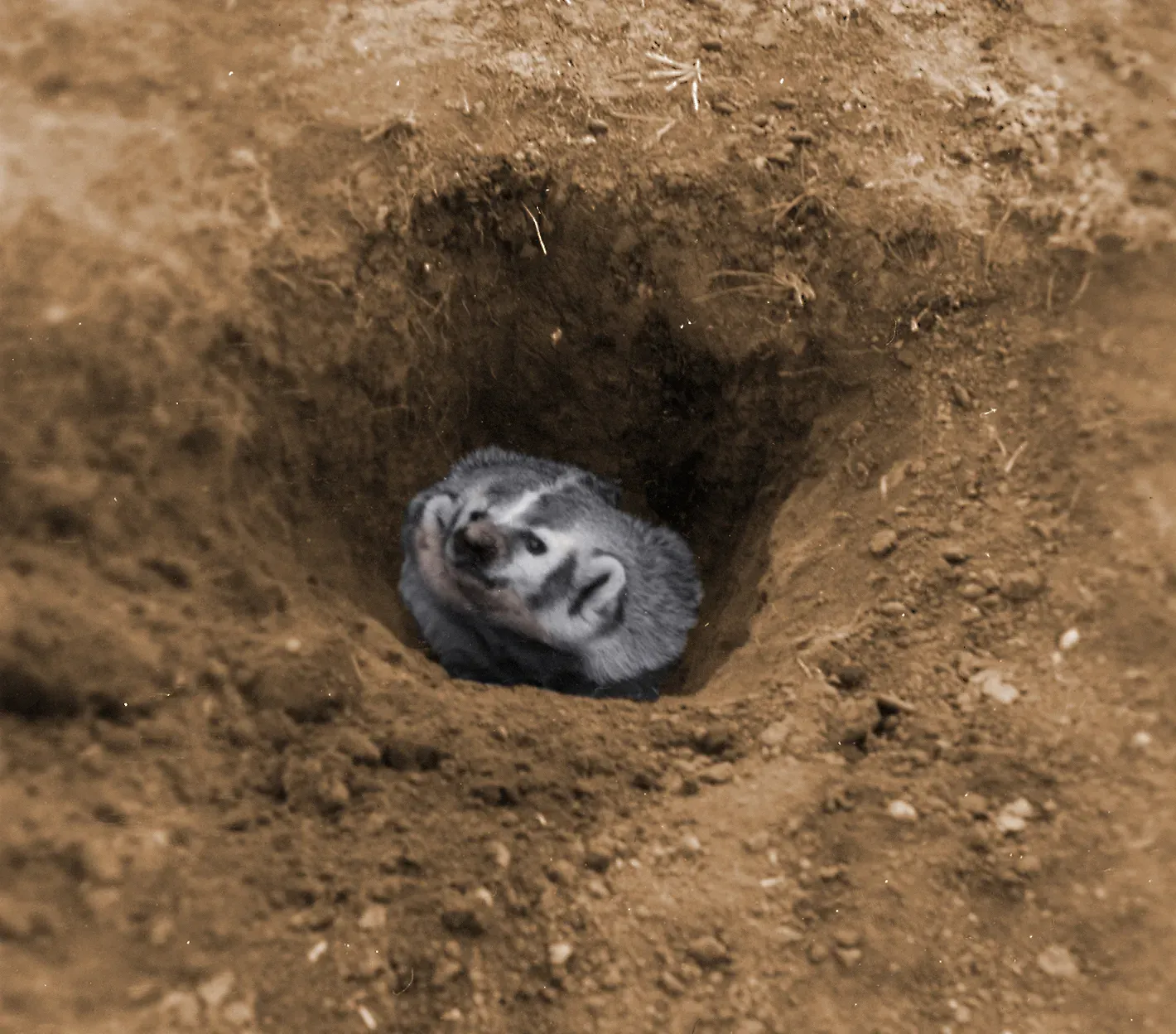
Every time a badger opens up soil, it is also creating a new microhabitat where seeds can land, rest, and sometimes finally sprout. Seeds blown by the wind or dropped by birds tend to get trapped in disturbed soil, especially in loose mounds around burrow entrances. Some seeds that would have remained buried too deeply get moved closer to the surface, where light and warmth can trigger germination.
Over time, those mounded patches can host a slightly different mix of plants compared to the undisturbed grass nearby. You might see more opportunistic forbs and wildflowers appearing around badger digs, adding subtle splashes of color and structural variety to the prairie. In a way, badgers are accidental gardeners: they never intend to create plant diversity, but their relentless search for food lays out patches of habitat that plants are quick to exploit.
Burrows As Refuge: Free Housing For Dozens Of Other Species
For many animals, digging a safe hole is hard work; for a badger, it is just another night. That difference creates a surprising side effect: abandoned badger burrows turn into valuable real estate for a large cast of other creatures. Small mammals, reptiles, amphibians, and even some birds will move into old burrow systems, using them as shelter from predators, heat, cold, and fire.
On hot summer days, the temperature several feet below ground can be dramatically cooler than at the surface, while in winter those same burrows buffer freezing conditions. For a ground-nesting owl or a snake seeking refuge during a grassland wildfire, that ready-made tunnel can be a lifesaver. When you multiply that across a landscape with hundreds of old burrows, you start to see how badgers indirectly support a broader community, simply by walking away from yesterday’s home and digging a new one.
Soil Health Engineers: Nutrients, Microbes, And Water Flow
Turn over a spadeful of rich garden soil and you can smell the life in it; badgers are doing this on a much grander scale without the shovel. When they churn soil layers, they redistribute organic matter like roots and decaying plant material, bringing it into contact with oxygen and microbes that accelerate decomposition. That process can help release nutrients that plants then take up, supporting more vigorous growth in and around disturbed patches.
Their digging also influences how water moves through the ground. Burrow networks and loose soil around them can increase infiltration after rainfall, temporarily storing water like tiny underground reservoirs. In dryland prairies where every rain event matters, those extra pockets of moisture and aeration can change which plants survive drought or bounce back fastest. Badgers are not the only animals altering soil processes, but their large, deep tunnels put them in a different league than the average invertebrate.
Keystone Behaviors: Why Ecologists Call Badgers Ecosystem Engineers
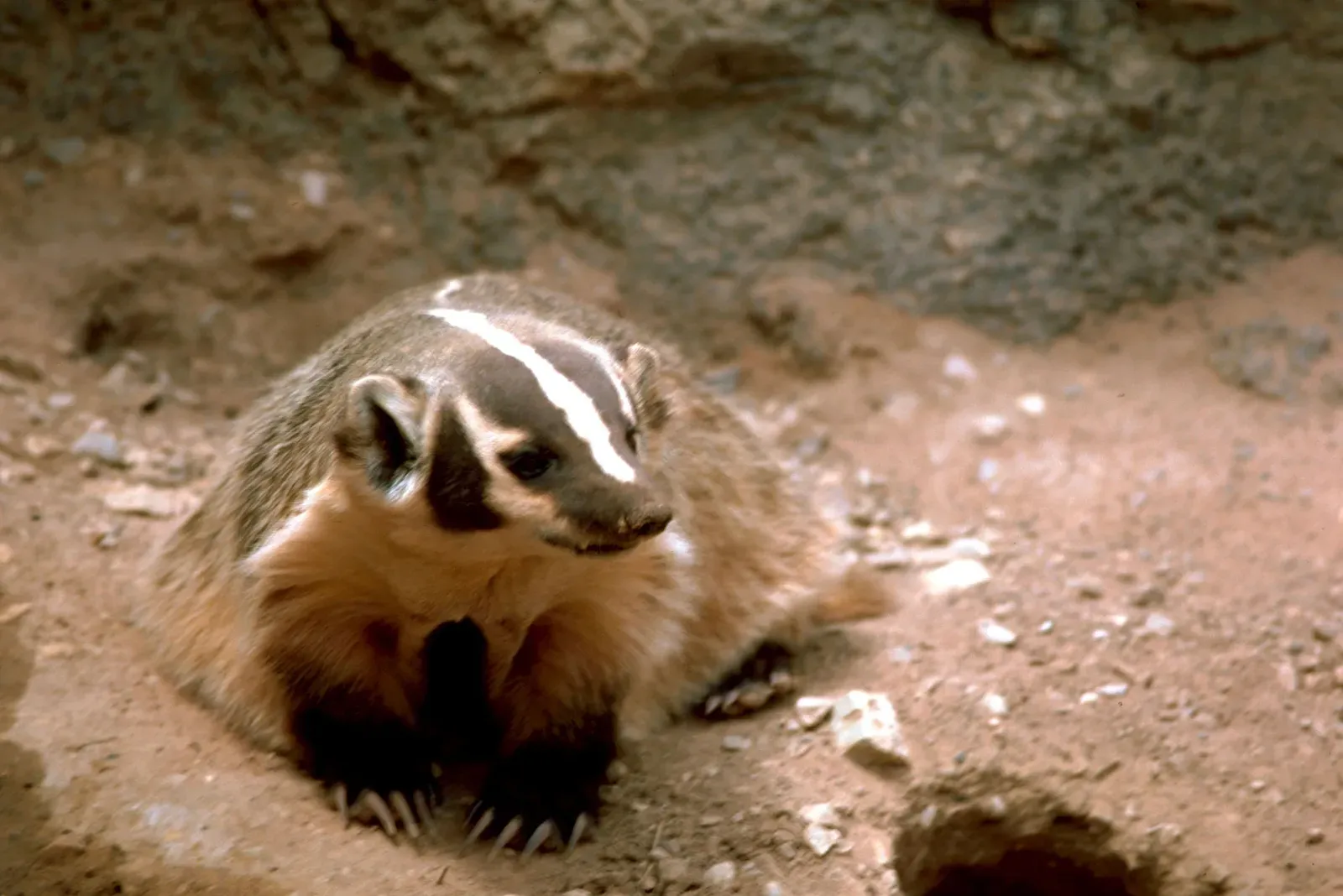
When scientists use the phrase ecosystem engineer, they are talking about species whose actions reshape their environment in ways that cascade through many other organisms. American badgers certainly fit that description, even if they do not always get mentioned beside famous engineers like beavers. Their hunting, digging, and burrow-building alter habitat structure, resource distribution, and the physical template that countless other species depend on.
Some ecologists argue that losing badgers from a prairie would not just remove one predator; it would erase a whole set of functions that are hard to replace. Fewer burrows would mean fewer shelters, less soil mixing, and different patterns of plant growth and rodent populations. In that sense, badgers punch well above their weight, and underestimating their role just because they are elusive and mostly nocturnal is a mistake the land itself would eventually reveal.
Badgers, Ranchers, And Farmers: Conflict, Coexistence, And Misunderstandings
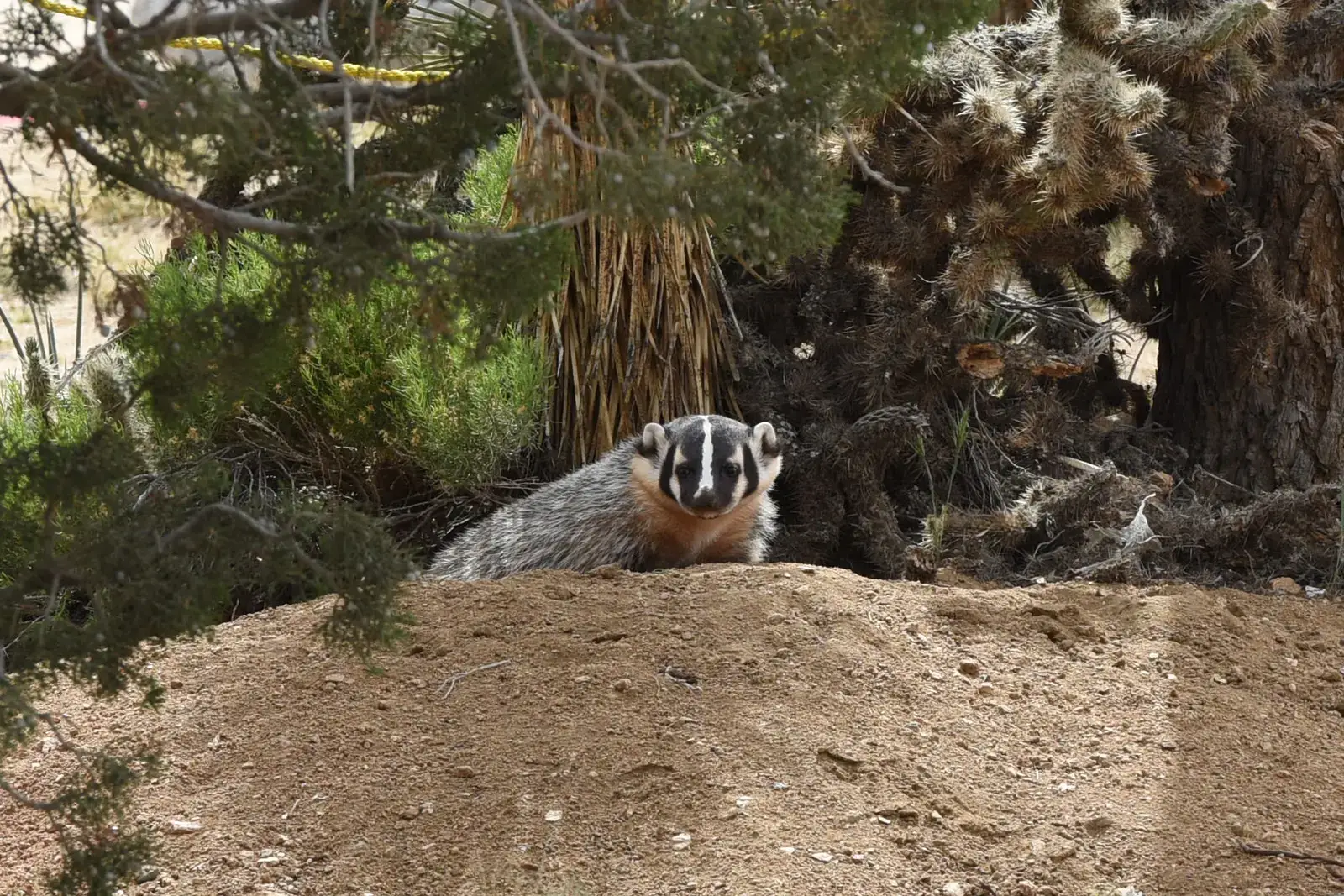
From a producer’s perspective, a badger hole in a pasture can look like a twisted ankle waiting to happen for livestock or a hazard for equipment. That understandably earns badgers a bad reputation in some rural communities. Add in a general perception that any carnivore must be a threat, and these animals often end up blamed for damage that is sometimes shared among multiple species or even natural erosion.
But when you zoom out, the story becomes more complicated. By eating rodents that chew crop roots and carry disease, badgers can provide a kind of natural pest control that would otherwise cost money and chemicals. Their burrows may be inconvenient in some places and valuable in others, especially if they help maintain healthy soils over the long term. The challenge is less about choosing sides and more about learning where coexistence makes sense, where targeted deterrence is justified, and how to avoid demonizing a species doing exactly what evolution designed it to do.
Climate Change, Fragmented Prairies, And The Future Of Badger Landscapes
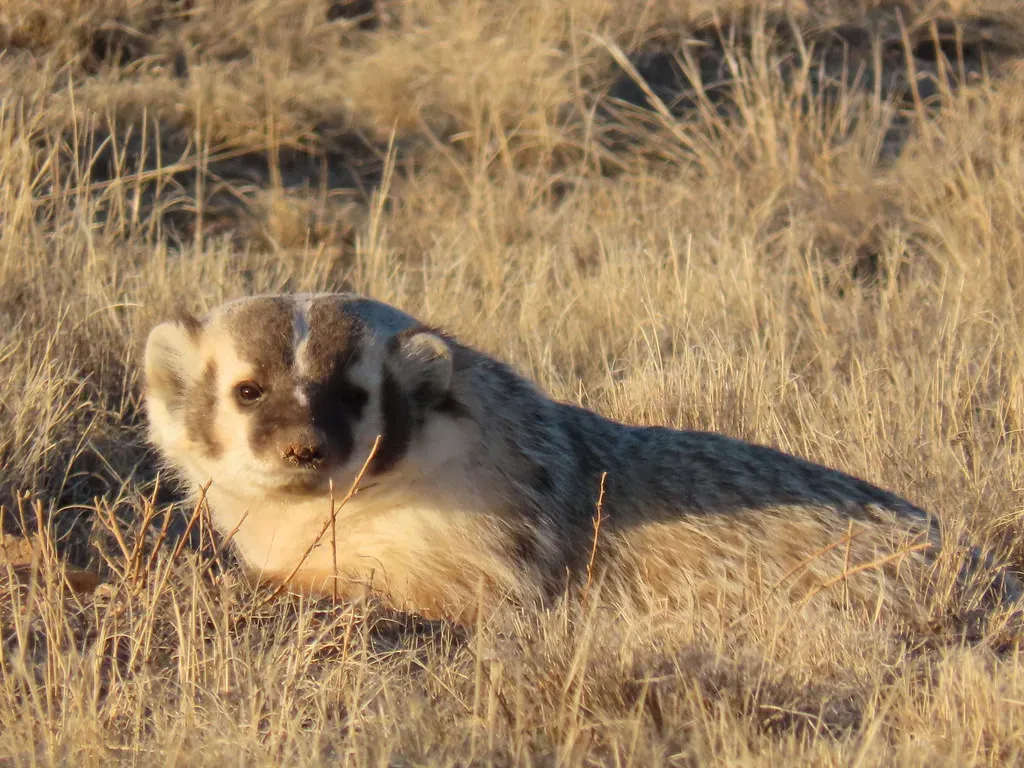
North American prairies have already been sliced up by agriculture, roads, and expanding towns, and badgers feel those changes in very physical ways. Fewer large, connected grasslands mean fewer safe places to dig without running into fences, traffic, or development. As climate patterns shift, with more intense heat waves and altered precipitation, the timing of prey availability and soil conditions for digging can also change, adding another layer of stress.
Yet badgers are not fragile. They have survived massive environmental shifts before and can adapt to a wide range of conditions, as long as some core ingredients remain: open habitat, enough prey, and space to move. In a warming, fragmented world, their burrows may even become more important refuges for other species fleeing extreme heat or fire. The real question is whether we will leave enough room and connectivity on the map for these underground architects to keep doing their quiet work.
What Protecting Badgers Really Means For Prairie Conservation
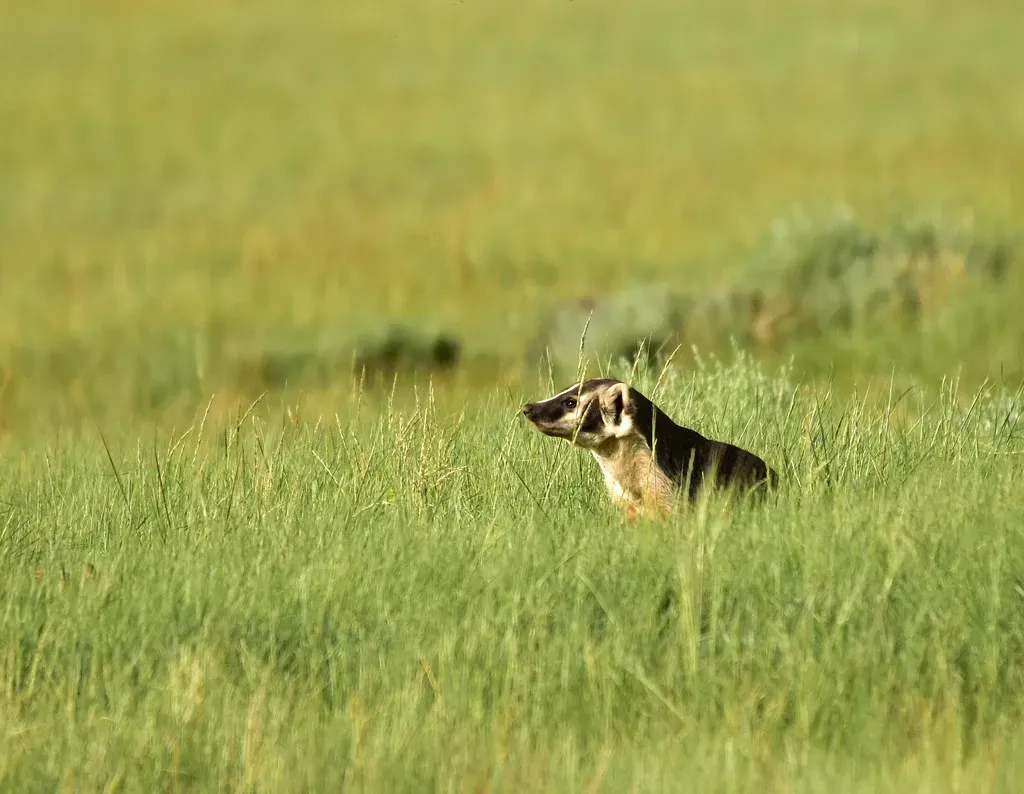
Protecting American badgers is not about turning them into mascots or romantic symbols of the wild West; it is about recognizing that their everyday behaviors help keep the system functional. Conservation plans that account for badger needs tend to prioritize intact grasslands, healthy small-mammal communities, and reduced persecution, all of which benefit a wide range of other species. In that way, badgers become a practical focal point for thinking about whole-ecosystem health rather than single-species fixes.
Personally, I think we have spent too long treating prairie predators as optional extras instead of built-in features. When you see badgers as engineers, not nuisances, it changes how you read a landscape dotted with mounds and burrows. Those scars in the soil are signs of an ecosystem that still has its original tools. The more we let badgers keep shaping the ground from below, the more resilient these grasslands will be when the next drought, wildfire, or human decision hits.
Conclusion: The Prairie’s Underground Architects Deserve A Seat At The Table
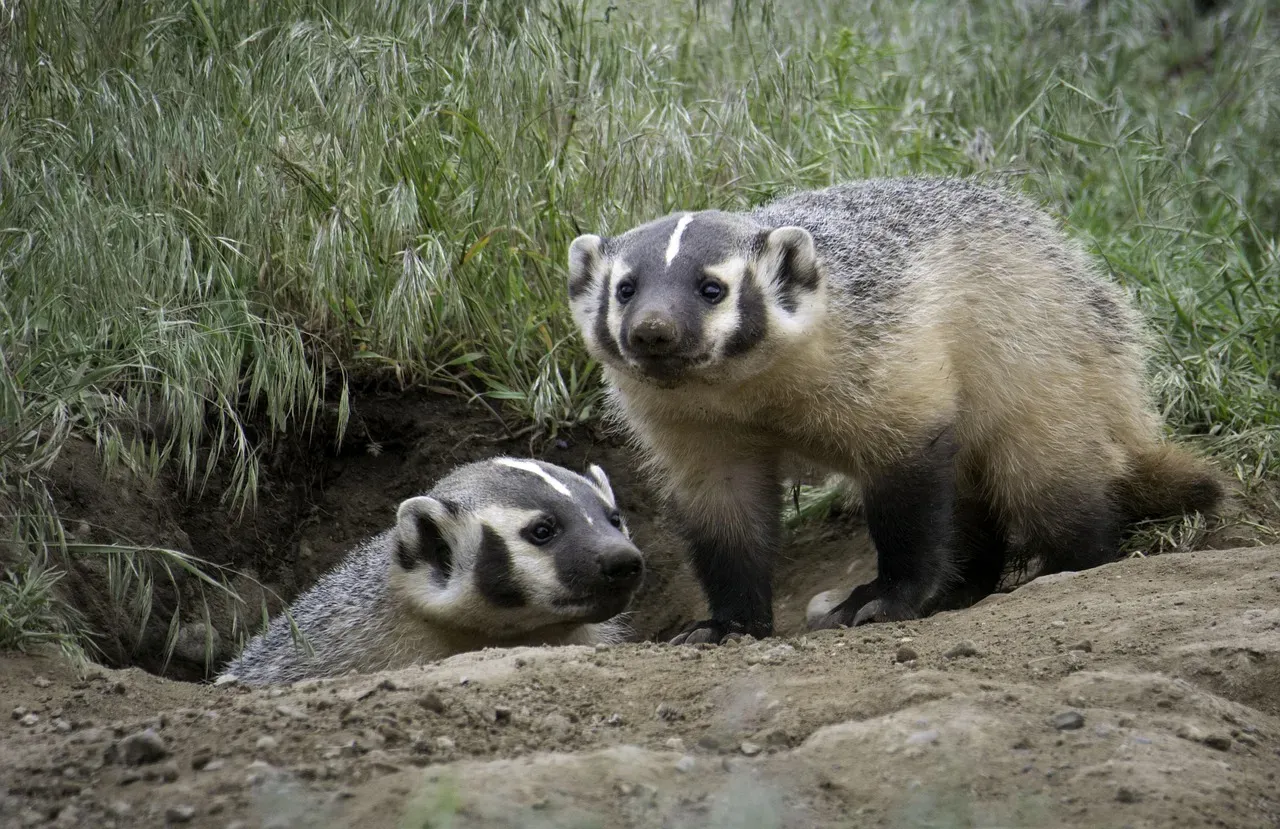
Once you put all the pieces together, it is hard to see American badgers as anything but essential players in prairie life. They regulate burrowing rodents, shuffle seeds, engineer refuge for other animals, and repeatedly remodel the soil itself in ways that ripple outward. Ignoring that influence because they work at night and mostly underfoot feels like judging a building without ever checking the foundation.
My take is simple: if we are serious about conserving grasslands, then badgers cannot be an afterthought. They are part of the operating system, not an optional app you can delete without consequences. Next time you spot a fresh mound or a yawning burrow entrance in a pasture, it might be worth pausing before cursing it and instead asking what kind of quiet, long-term work that hole represents. In a world that keeps scraping away wildness from the surface, maybe it is the underground engineers we most need to keep around – did you expect the prairie’s future to depend so much on a stocky digger you rarely even see?