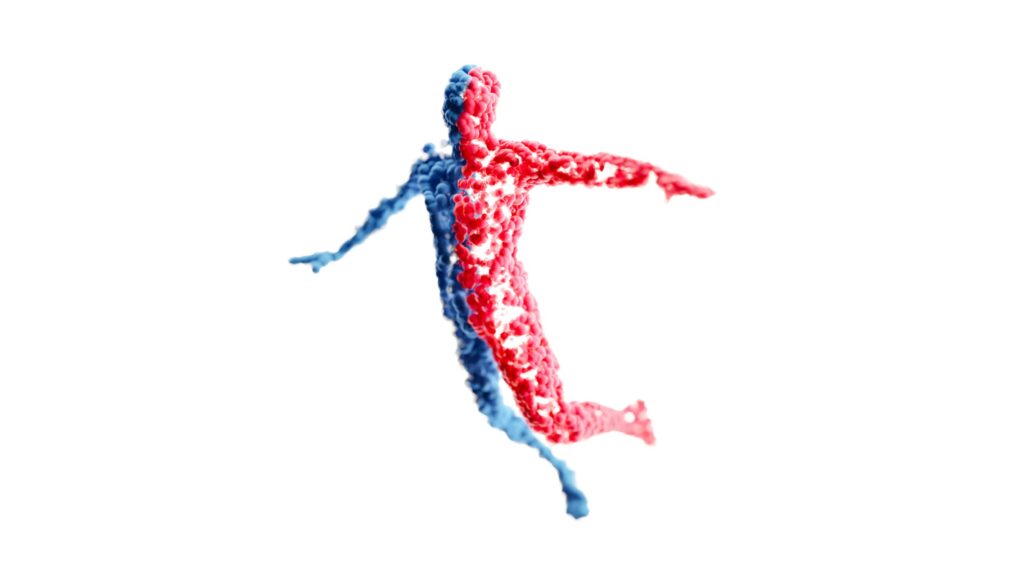

You have probably been told that your brain is where your mind lives, full stop. Yet when you zoom in, you do not find a single place where consciousness clearly sits waiting to be discovered. Instead, you find a bustling city of cells talking in electrical pulses and chemical whispers. The cellular consciousness hypothesis asks you to entertain a bold idea: maybe those cells are not just dumb building blocks, but tiny participants in something much bigger. In this view, your conscious life would be what happens when trillions of microscopic “flickers” of awareness get woven into a unified stream. It is a provocative thought, and it sits at the intersection of biology, neuroscience, philosophy, and even a bit of spirituality. You are not asked to believe it blindly; you are invited to use it as a lens, to see whether it makes some of the stranger facts about life and mind a bit easier to understand.
Why Your Cells Might Not Be As Unconscious As You Think
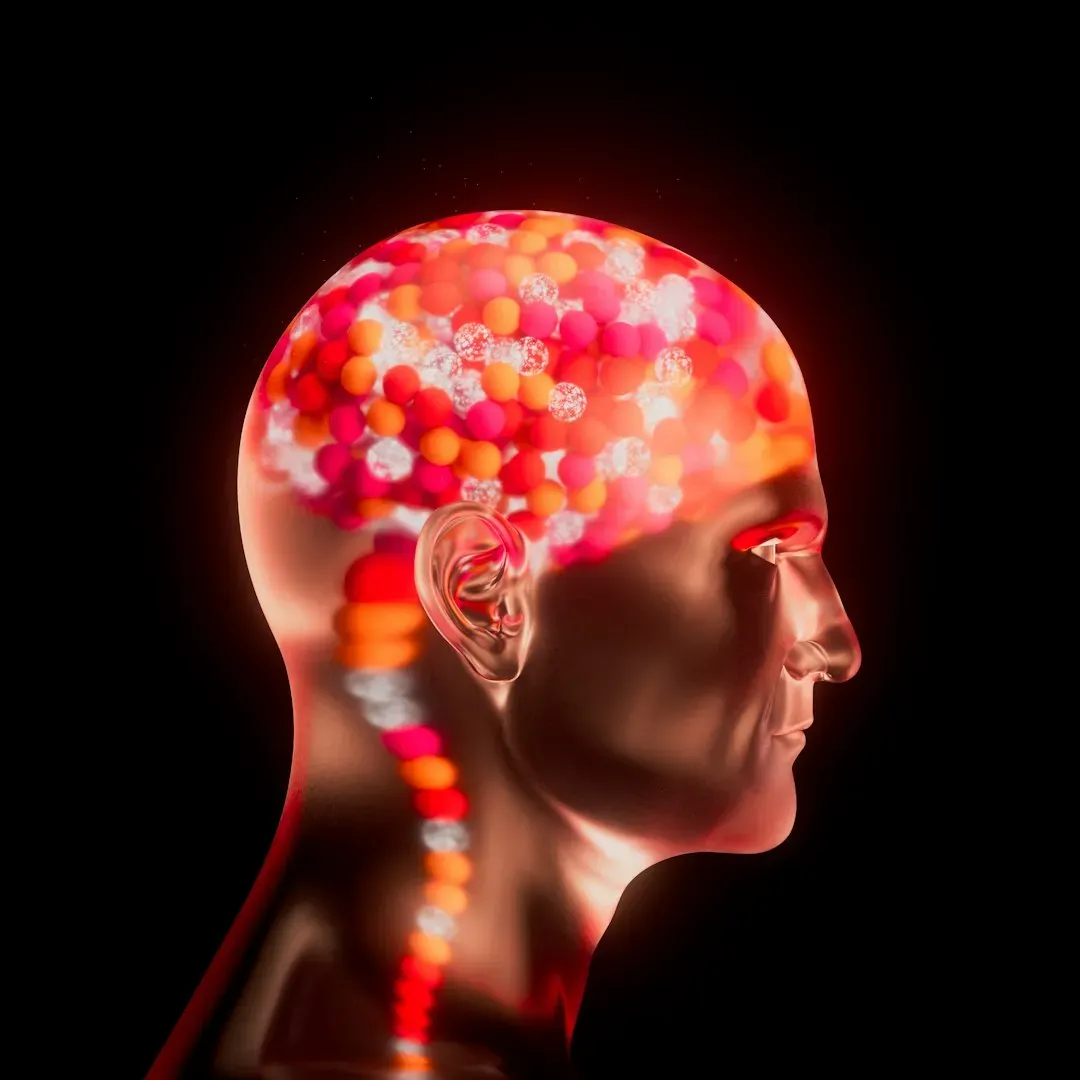
When you hear the word consciousness, you probably picture thoughts, memories, inner speech, maybe even a sense of self. But your individual cells obviously are not worrying about their to‑do lists or reading novels, so calling them “conscious” feels like a stretch. The cellular consciousness hypothesis suggests something much more modest: each cell might have a primitive way of sensing, evaluating, and “preferring” some states over others, a kind of ultra-simple proto-awareness. You already know your immune cells can recognize threats, change strategies, and “remember” past infections, all without any central commander issuing orders. Nerve cells adjust their connections depending on your experiences, strengthening some pathways and weakening others, almost like they are “learning.” When you step back, you see little agents constantly sensing, responding, and coordinating. The hypothesis says: what if what you call mind is what it feels like from the inside when unimaginably many of those tiny evaluations happen together?
How Trillions of Micro-Experiences Could Add Up to a Mind
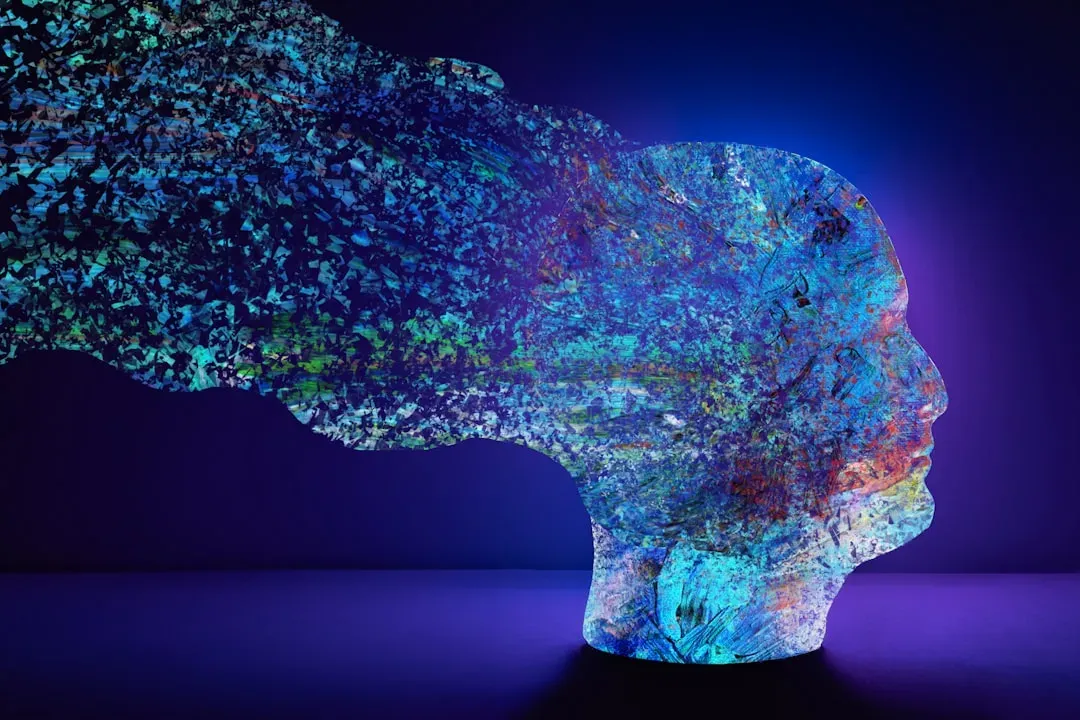
You can think of your consciousness as a kind of crowd event. One person shouting at a concert is just noise, but tens of thousands of voices singing in unison become an unmistakable roar. No single voice is “the crowd,” yet you experience the crowd as one thing. In a similar way, the cellular consciousness hypothesis imagines that each cell contributes a vanishingly small “micro-experience,” and what you feel as your unified awareness is the emergent pattern of all of them combined. This is not just poetic language. In neuroscience, you constantly see examples where large patterns matter more than individual parts: brain rhythms synchronize across regions, networks form stable “attractor” states, and groups of neurons fire together to represent a word, an image, or a memory. If those networks are built from micro-agents that have their own tiny evaluations of the world, then your conscious moment could be the integrated result of that massive negotiation.
What Current Neuroscience Actually Supports – And What It Does Not
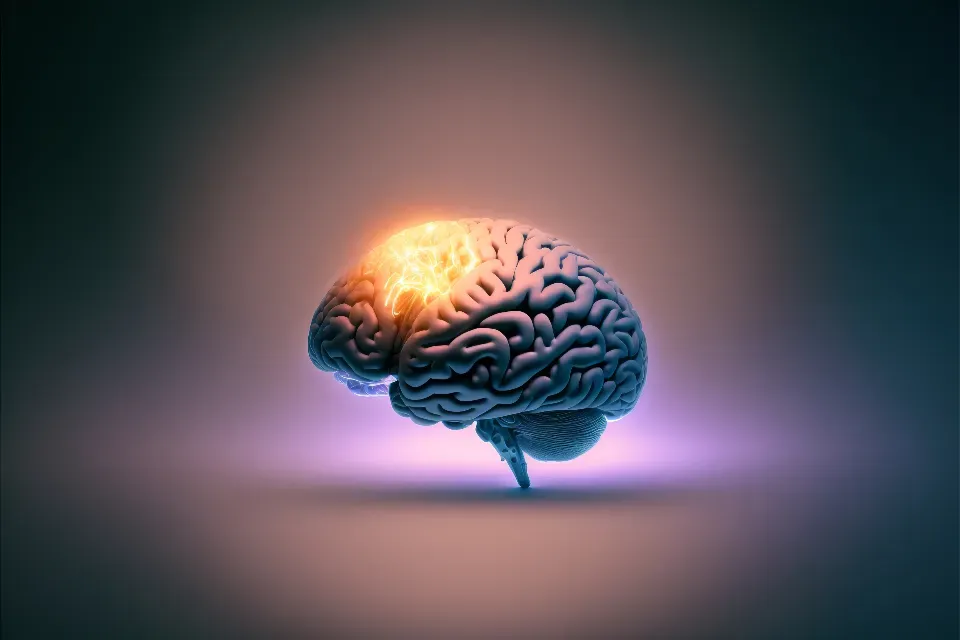
You need to be clear about what is well-supported and what is still speculative. Modern neuroscience strongly backs the idea that consciousness depends on large-scale brain activity: networks across the cortex, thalamus, and other regions have to be active and communicating. When those networks break down, as in deep anesthesia, coma, or certain kinds of brain injury, your conscious experience fades or disappears, even though your cells are still alive and working. What is not supported yet is the claim that individual cells are literally conscious in any robust sense. That is a philosophical leap. You can safely say cells sense, respond, learn, and coordinate. You cannot honestly claim that science has proven they have inner feelings. The cellular consciousness hypothesis lives in that gray zone: it takes well-known cellular abilities and asks whether it is reasonable to treat them as very primitive forms of “feeling what is going on,” without pretending this is settled fact.
Where This Idea Connects to Existing Theories of Consciousness
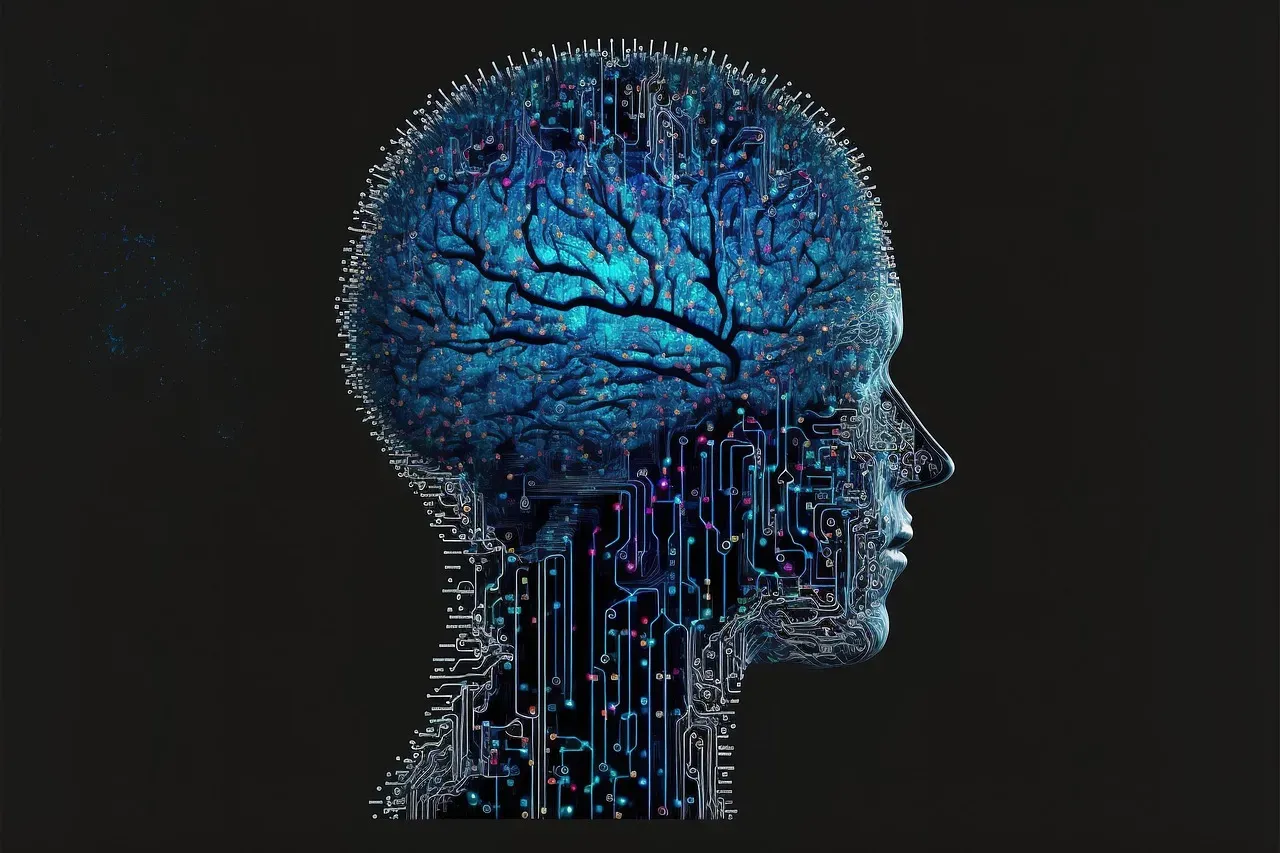
You might wonder how this fits with mainstream theories instead of clashing with them. Integrated Information Theory, for example, suggests that consciousness corresponds to how much information a system can integrate into a unified whole. From that angle, any system with even a tiny bit of integrated cause-and-effect structure might have a speck of experience. That naturally opens the door to the idea that a cell, or even simpler systems, could host a very faint kind of awareness. Other frameworks, like global workspace theories, focus on how information becomes globally available to different brain subsystems. If you adopt the cellular hypothesis, you could say that the “global workspace” is built on top of a substrate of countless local micro-workspaces inside and between cells. You do not have to throw away existing neuroscience; you simply shift your perspective from thinking about consciousness as something that appears suddenly at some scale, to something that gradually intensifies as structure and integration grow.
Why Evolution Might Favor Tiny Glimmers of Awareness
From an evolutionary perspective, you might ask why any kind of proto-awareness would be useful. Think of a cell swimming in a chemical gradient, moving toward nutrients and away from toxins. It already processes information, weighs options, and changes behavior accordingly. If even the slightest trace of “feeling” those differences helps it respond more flexibly, that tiny advantage can be amplified across countless generations. You do not need a grand self-reflective mind at the cellular level, just a better way to pick life over death. As multicellular organisms evolved, those capacities for sensing and choosing did not disappear; they were repurposed and coordinated. You can picture early nervous systems as ways to tie together the experiences and preferences of many cells into a shared decision-making process. Over time, those networks became more layered and integrated until you ended up with brains like yours, where the combined effect feels like a clear, continuous stream of awareness instead of a cacophony of microscopic struggles.
How This Changes the Way You See Your Body and Mind
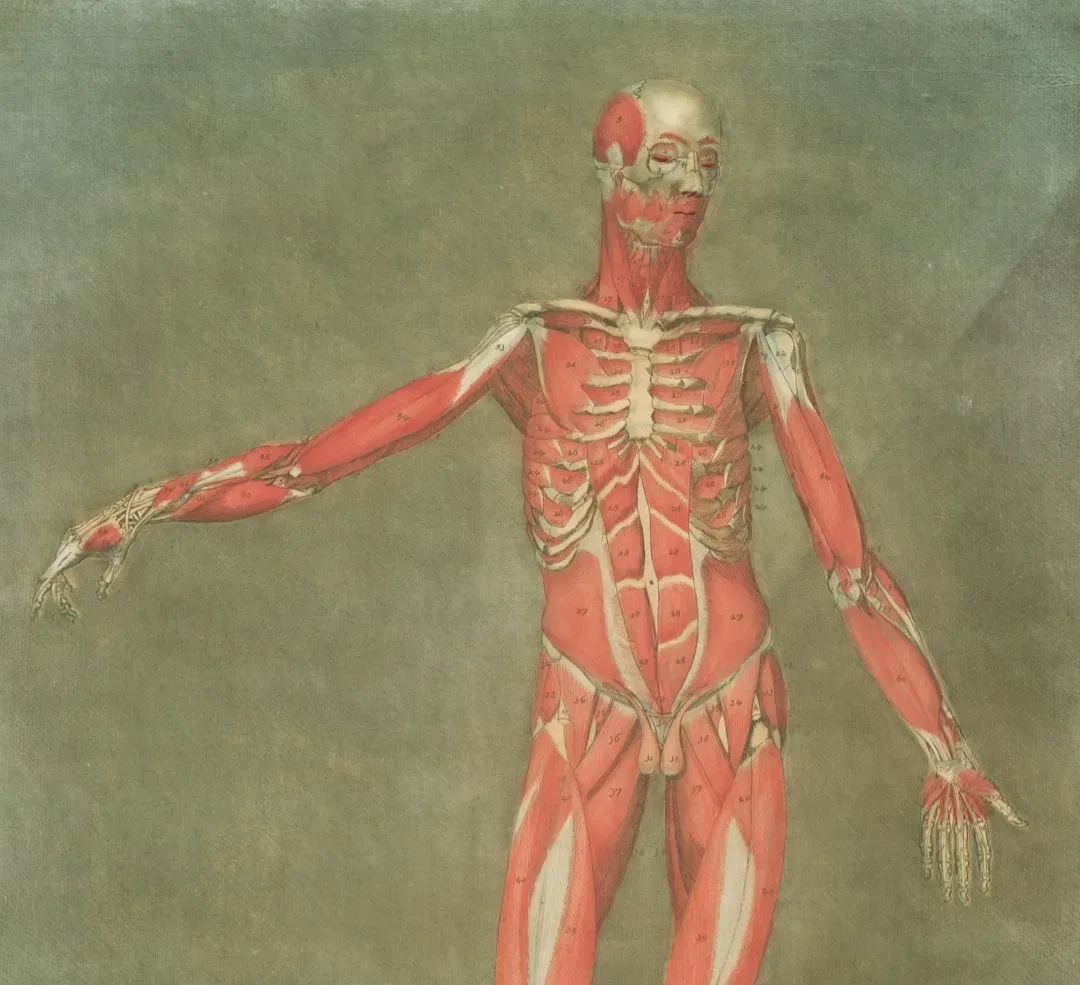
If you take this hypothesis seriously, your relationship with your own body subtly shifts. You stop seeing yourself as a ghost in a machine made of dead matter, and instead as the emergent voice of a vast living community. Every heartbeat, every thought, every gut feeling becomes the outcome of conversations among trillions of cellular players, each doing its best with the information it has. That can make you feel oddly humbled and strangely supported at the same time. It also reframes how you think about health, stress, and behavior. When you get good sleep, eat decently, move your body, and manage stress, you are not just “helping your brain”; you are improving the conditions under which your cellular community can coordinate itself. When you ignore your body’s signals, you are effectively tuning out the messages those tiny agents are trying to send upward. You might find yourself a bit more patient with your own fluctuations when you remember how many moving parts are involved in every mood swing.
Common Objections You Need To Consider Honestly
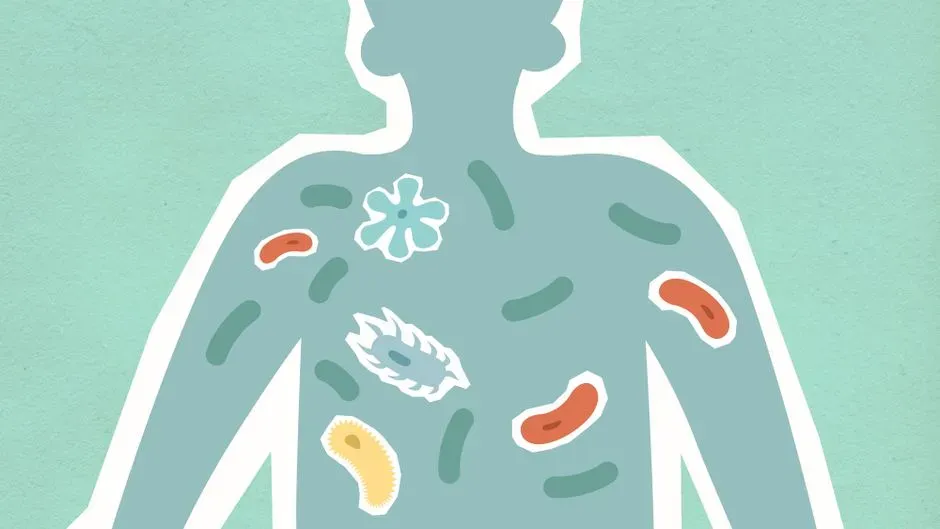
You might already hear the main objection in your head: if every cell is even slightly conscious, then where do you draw the line? Do bacteria feel? Do single proteins? Does a thermostat? Critics worry that you end up saying everything has some kind of mind, which feels uselessly vague. This concern is real, and you should not sweep it aside. The more you stretch the word consciousness, the more you risk emptying it of the richness it has when you talk about human or animal experience. There is also the hard problem of combination: how would countless tiny experiences blend into the single, unified “you” that seems to sit behind your eyes? Nobody has a fully convincing account yet. You can describe the patterns of neural activity that correlate with your experiences, but explaining how or why they feel like anything from the inside is still unresolved. The cellular hypothesis does not magically solve this; it just pushes the mystery down a level and invites you to explore it from a different angle.
How You Can Use This Hypothesis Without Treating It as Dogma
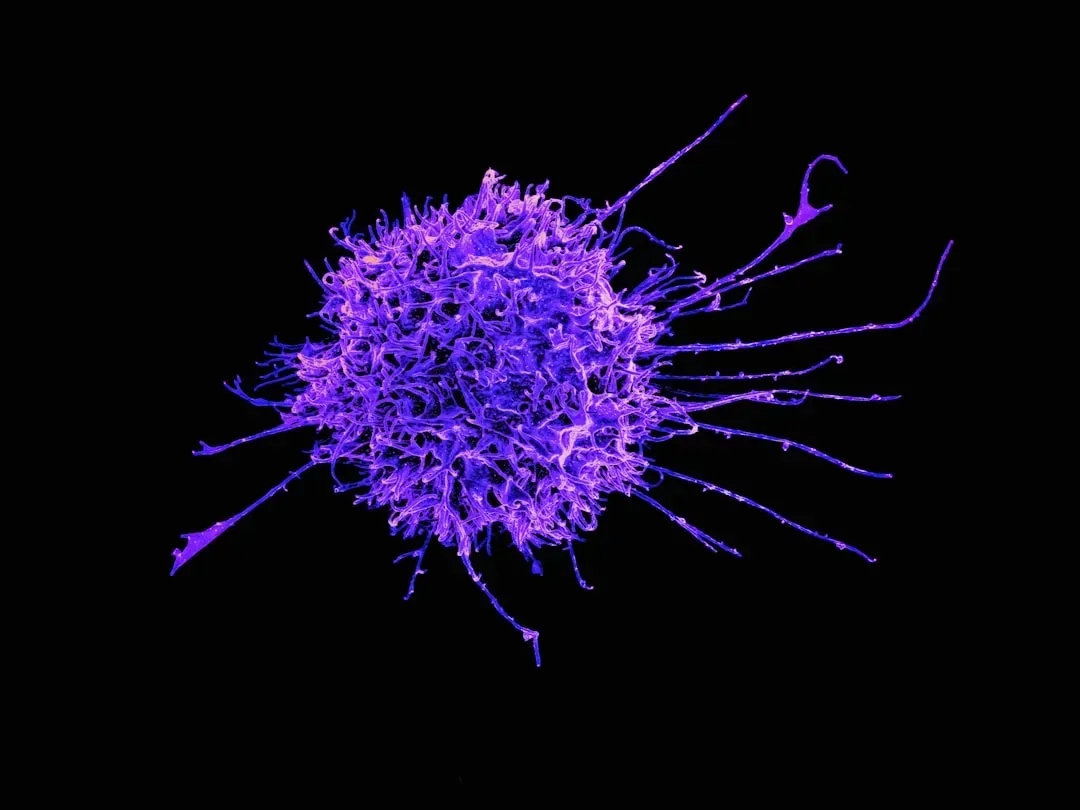
Even if you remain skeptical, you can treat the cellular consciousness hypothesis as a working metaphor that sharpens your attention. When you imagine cells as tiny points of view, you start asking better questions: How do they communicate? How do they coordinate? What happens when some groups “disagree” about what the body should do? Those questions often lead you toward real, testable biology: immune conflicts, hormonal imbalances, neural misfiring, and more. You can also use this lens in your everyday life. When you feel mentally scattered, you might picture your internal networks as desynchronized, like a choir out of rhythm, and look for practical ways to restore coherence: rest, breathing, social connection, meaningful focus. When you feel deeply aligned, you can imagine many layers of your organism pulling in the same direction. You are not required to swear allegiance to the hypothesis; you are invited to let it change how curious and compassionate you are toward your own living system.
Conclusion: Living as the Chorus of Your Cells
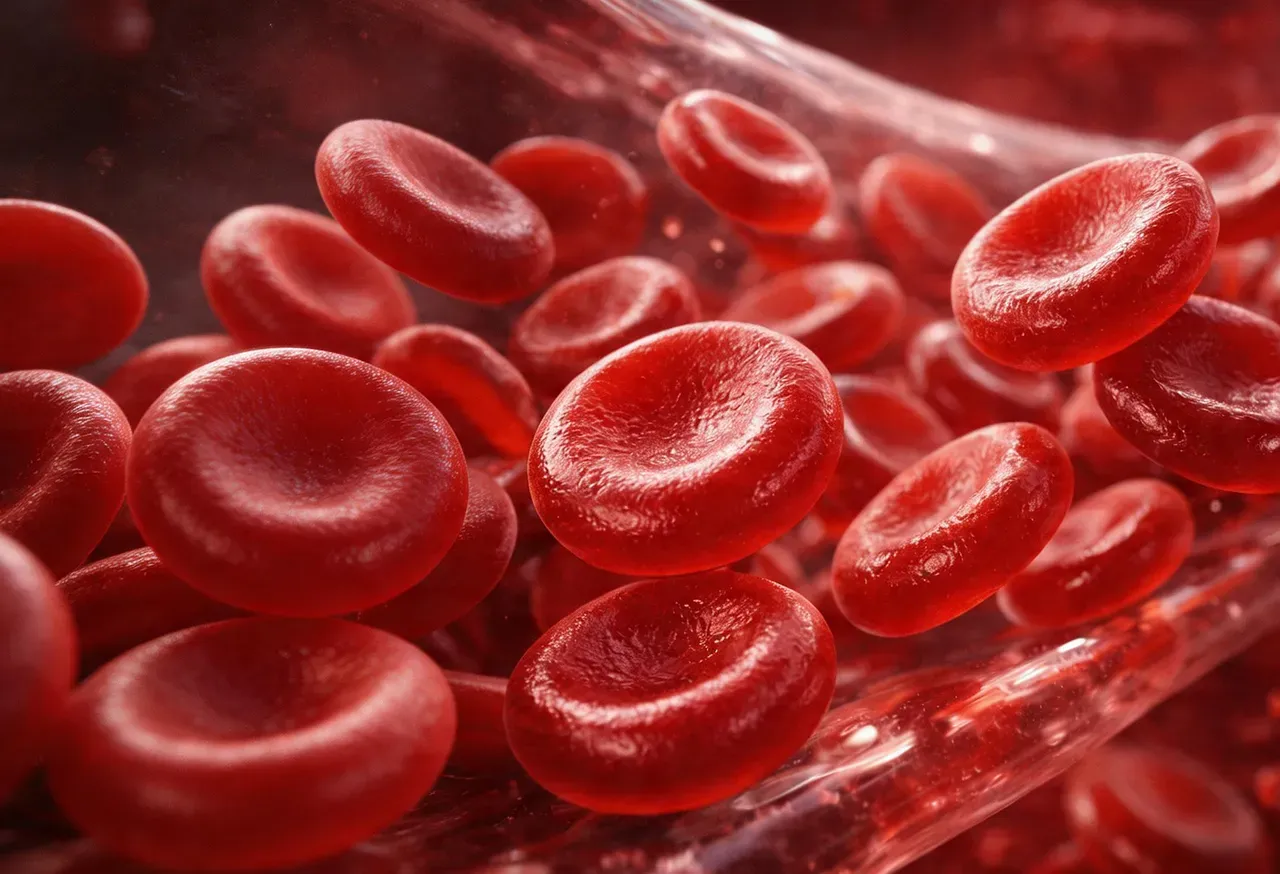
In the end, you do not yet know whether each of your cells has any sort of genuine inner life. What you do know is that they behave like agile, adaptive agents woven into astonishingly complex networks, and your conscious experience rides on top of that activity. The cellular consciousness hypothesis gives you a way to honor that complexity without pretending you have solved the mystery of mind. If you let this idea sink in, you may start to feel less like a solitary self sealed inside a skull and more like the temporary song sung by a vast cellular choir. You, as you experience yourself, are that song in motion, for as long as the choir can keep performing together. The real question you are left with is simple and unsettling at the same time: now that you see yourself as a community, how will you choose to live with all the lives that make you possible?