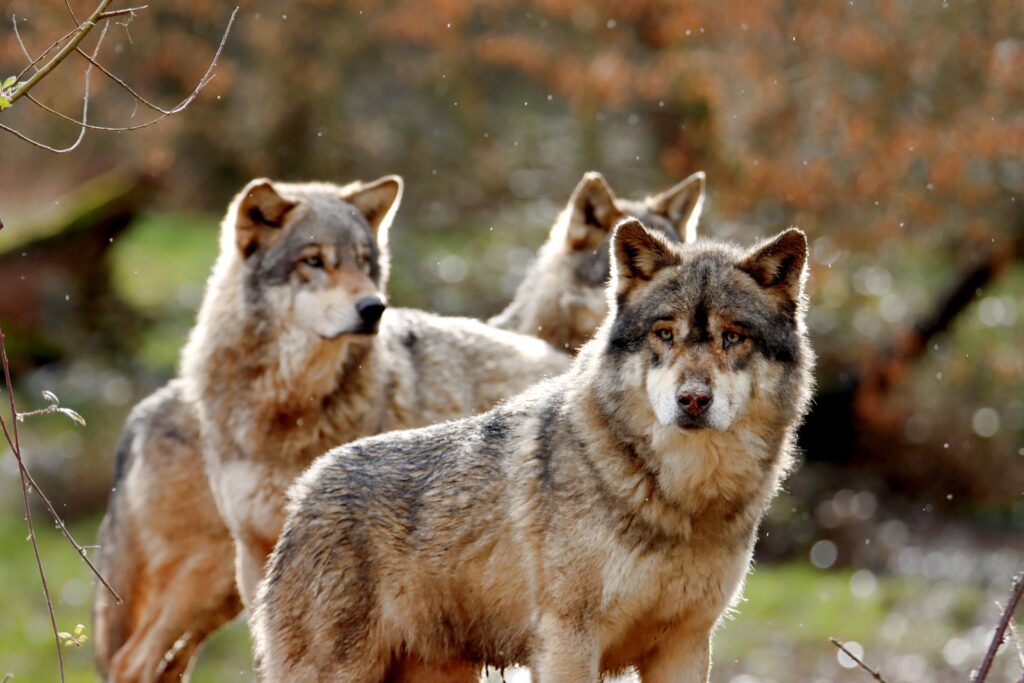

Picture a winter night in the Appalachians: a small fire, a circle of listeners, and somewhere beyond the tree line, the distant call of a wolf. For the Cherokee, that sound was never just background noise. It was a reminder that another nation lived in those forests, a four‑legged people whose loyalties, losses, and loves were not so different from our own.
In many Cherokee stories, wolves are not mindless threats on the edge of the village. They are teachers. They show what it means to stand by your family, to endure hardship together, and to keep your promises even when it costs you. When you look closely at the tales and then compare them with what modern science knows about wolf packs, something striking appears: the old stories were onto something deep and surprisingly accurate about how wolves live, love, and grieve.
Wolves as a Sacred “Nation” Beside the Cherokee People
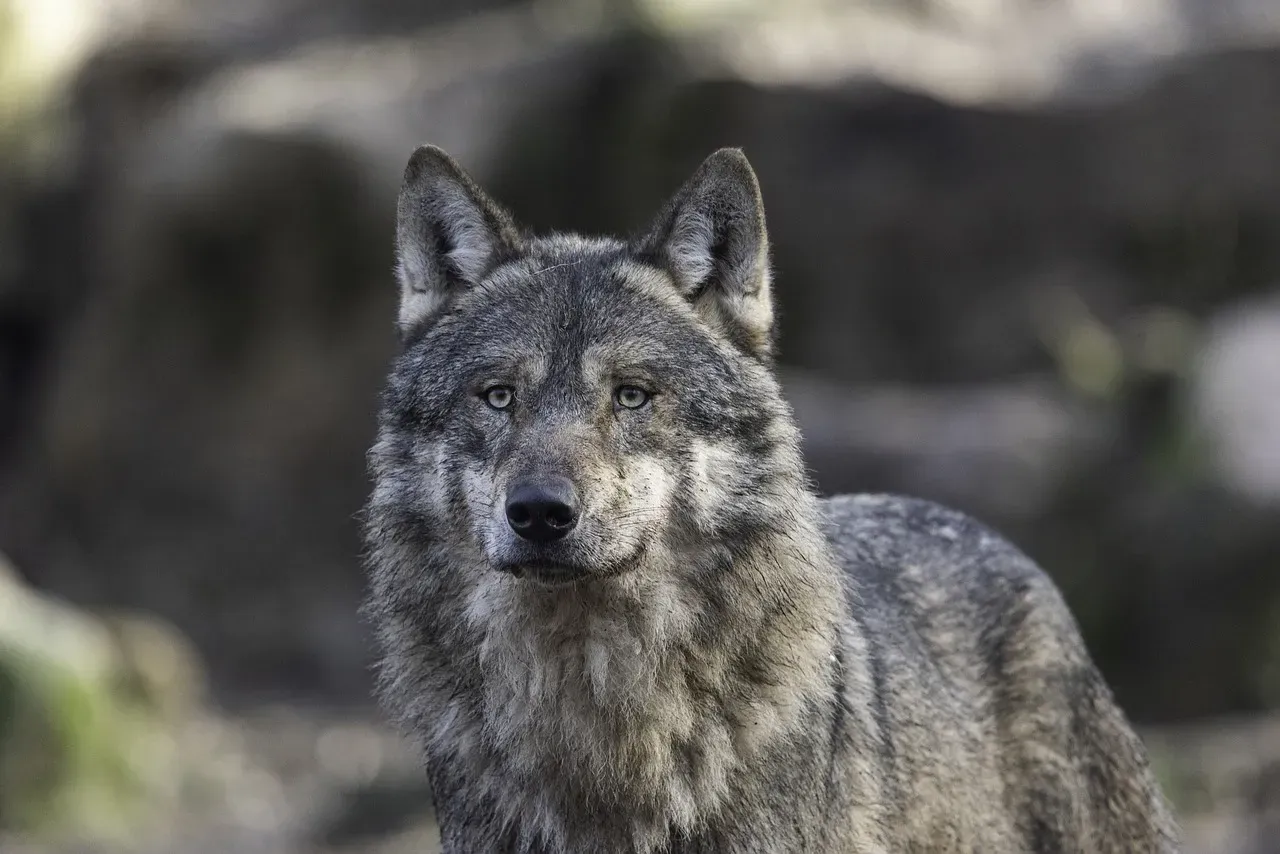
One of the most powerful ideas in traditional Cherokee thought is that animals are more than background scenery. They are nations, with their own laws and ways, living parallel to humans. Wolves, in particular, were sometimes seen almost like cousins: close enough in spirit that a broken promise to them could echo back into human lives. That is a far cry from modern monster‑wolf movie posters and horror stories.
This way of seeing the world created a built‑in respect. When wolves appeared in a story, they were not there just to scare children; they were there to reveal something about courage, loyalty, and responsibility. To the Cherokee, the wolf people were not “other” in the way we often talk about animals today. They were neighbors whose behavior could either shame or inspire the human community, depending on how you chose to live.
Loyalty in Story: Why Killing a Wolf Broke More Than a Rule
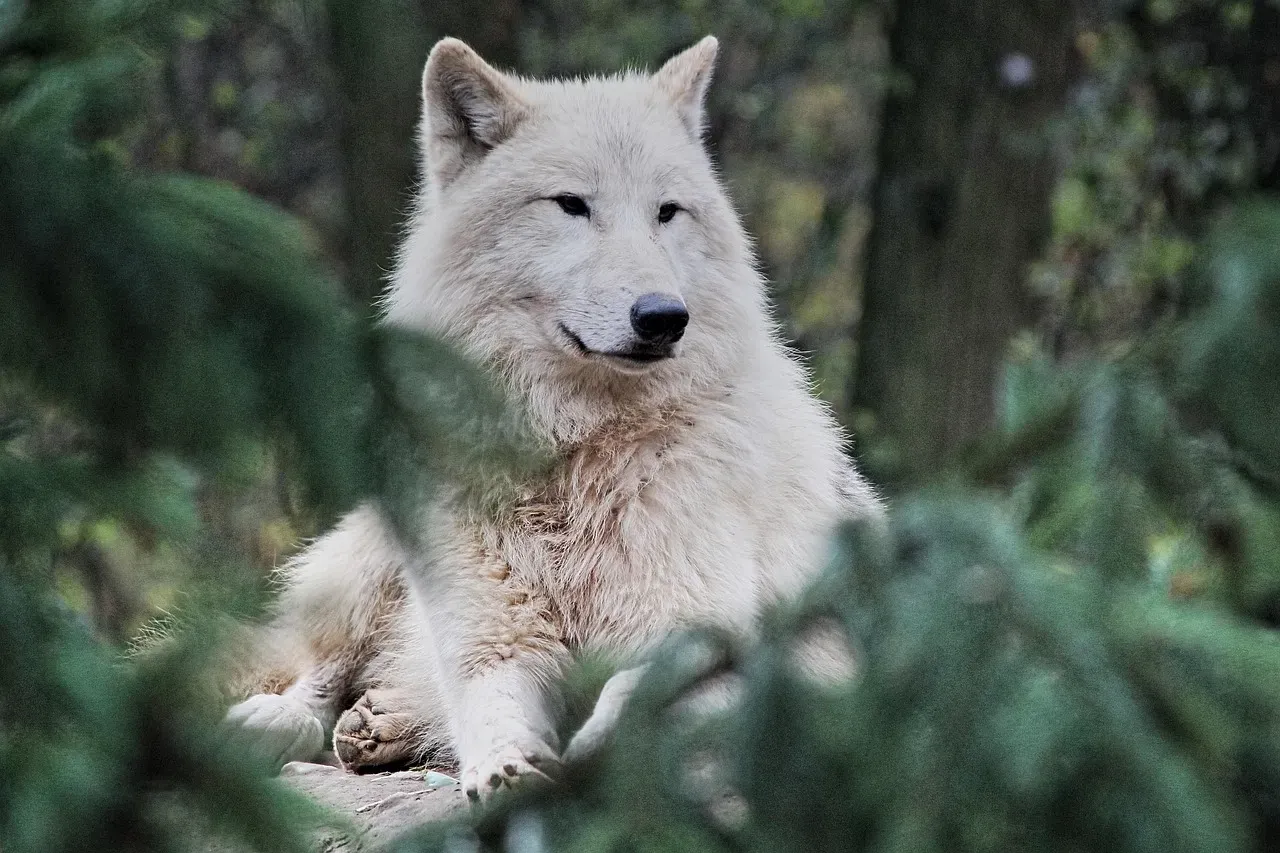
In many Cherokee stories, harming a wolf is not just a practical issue; it is a moral one. If a person breaks a promise to a wolf, or kills one without good reason, the stories often show serious spiritual and social consequences. The message is blunt: betrayal of a loyal being stains your own character. Wolves become a kind of living test of whether you keep your word when nobody is watching.
These stories do not describe loyalty as a sweet, sentimental feeling. Loyalty is more like a binding thread between beings who share trust. To hurt a wolf unjustly is to cut that thread and show that your own sense of duty is weak. That is part of why some Cherokee accounts speak of humans and wolves “sharing fate” in certain ways: if you turn your back on those who stand with their family, you might eventually find yourself alone when you need your own people most.
How Modern Science Backs Up the Old Stories About Packs
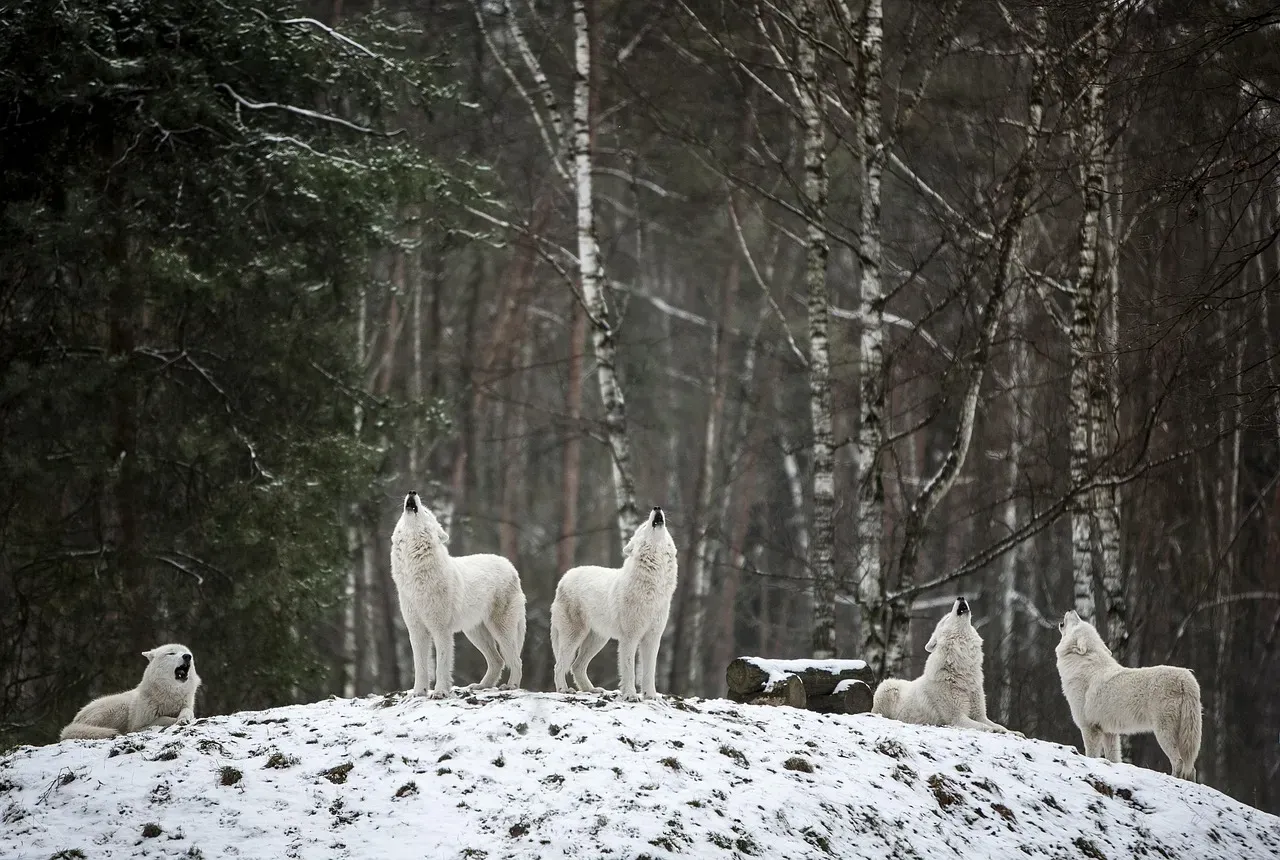
What makes these tales even more compelling today is how closely they line up with modern research on wolf behavior. Field studies in places like Yellowstone and other protected areas have shown that real wolf packs are basically extended families. Most packs are made up of a breeding pair and their offspring from several years, traveling, hunting, and raising pups together. That looks a lot more like a tight‑knit household than a chaotic gang.
Researchers have watched wolves share food, care for injured pack members, and even adopt orphaned pups. Older siblings babysit and bring meat to younger ones. Wolves have been observed returning again and again to the spot where a pack mate died, showing what many biologists cautiously interpret as grief. When Cherokee storytellers pointed to wolves as models of sticking together through hardship, they were not being naive. They were describing behaviors that science is still slowly learning to measure and name.
Family Over Ego: What a Wolf Pack Can Teach Human Households
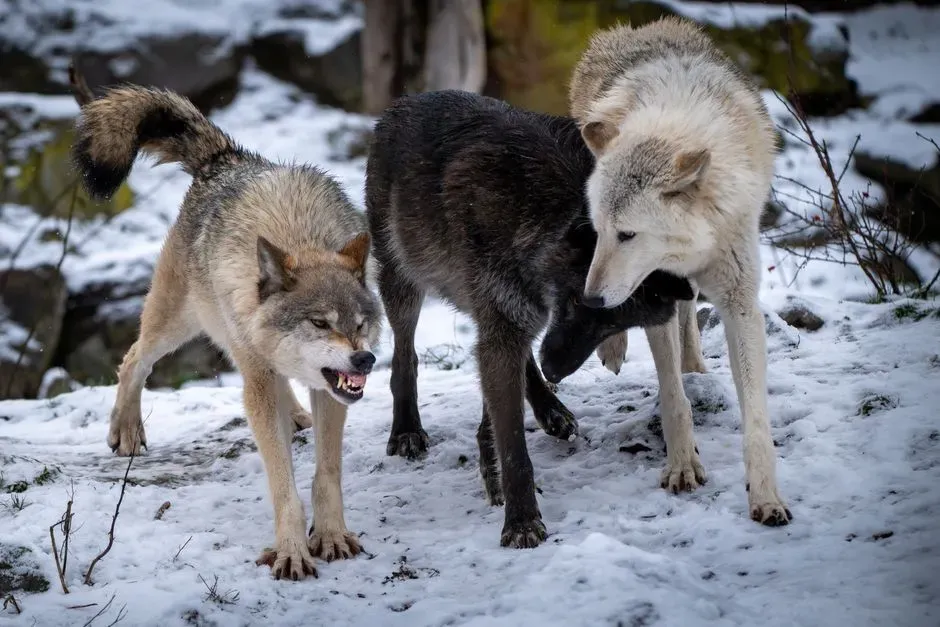
If you have ever seen footage of a wolf pack taking down a large elk, it is obvious that no single wolf could pull that off alone. Every individual matters, from the scouts that test the herd to the ones that move in last and help bring the animal down. The reward is shared, and so is the risk. In that sense, a pack is like a family business where survival depends on everyone doing their part, not on one flashy star taking credit.
Cherokee stories often draw clear parallels between how wolves cooperate and how human families ought to pull together. A parent who drifts away from their responsibilities is like a wolf who abandons the hunt halfway through. A sibling who refuses to help with younger children is like a pack member that never brings food back to the den. The underlying lesson is not subtle: you may be clever on your own, but you only truly thrive when you move in rhythm with your people.
Wolves, Grief, and the Cost of Losing Your Own
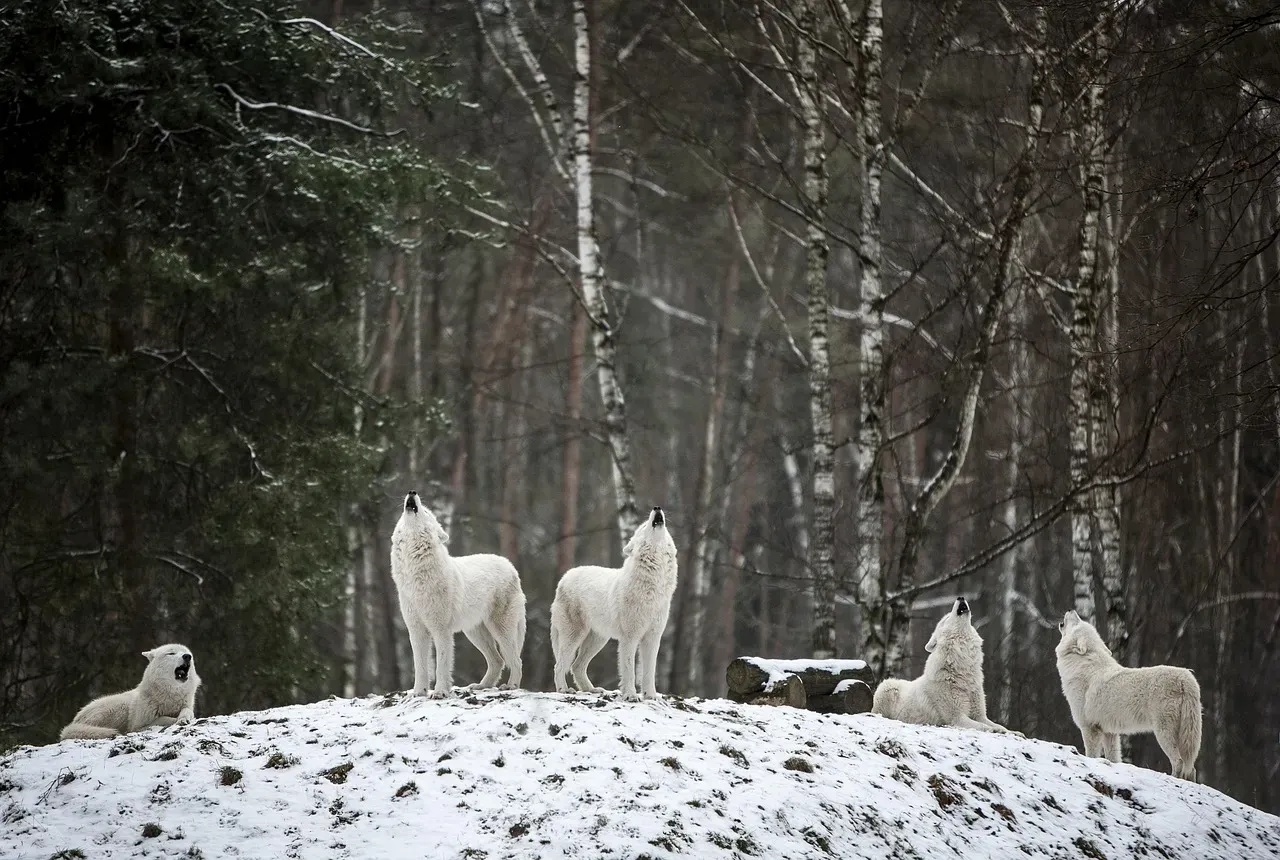
One of the most haunting overlaps between Cherokee storytelling and modern wildlife observation is the way both treat wolf grief as real. When a pack member dies, scientists have watched surviving wolves search, howl, and withdraw. Hunting success can drop after the loss of a key adult, and the whole group may weaken. Loss is not just emotional; it is practical. The absence of a single experienced wolf can echo through every hunt, every pup’s chance of survival.
Cherokee tales use that kind of loss as a mirror. They warn that when a community stops honoring its elders or letting experienced voices guide the young, it starts to forget how to survive together. I remember the first time I read about a lone wolf still howling at the edge of the territory, long after its pack had vanished. It felt uncomfortably close to watching a human elder left in a nursing home, far from the family they helped raise. The stories suggest that both situations are a sign something has gone wrong with our sense of kinship.
Rejecting the “Ruthless Alpha” Myth in Favor of Real Leadership
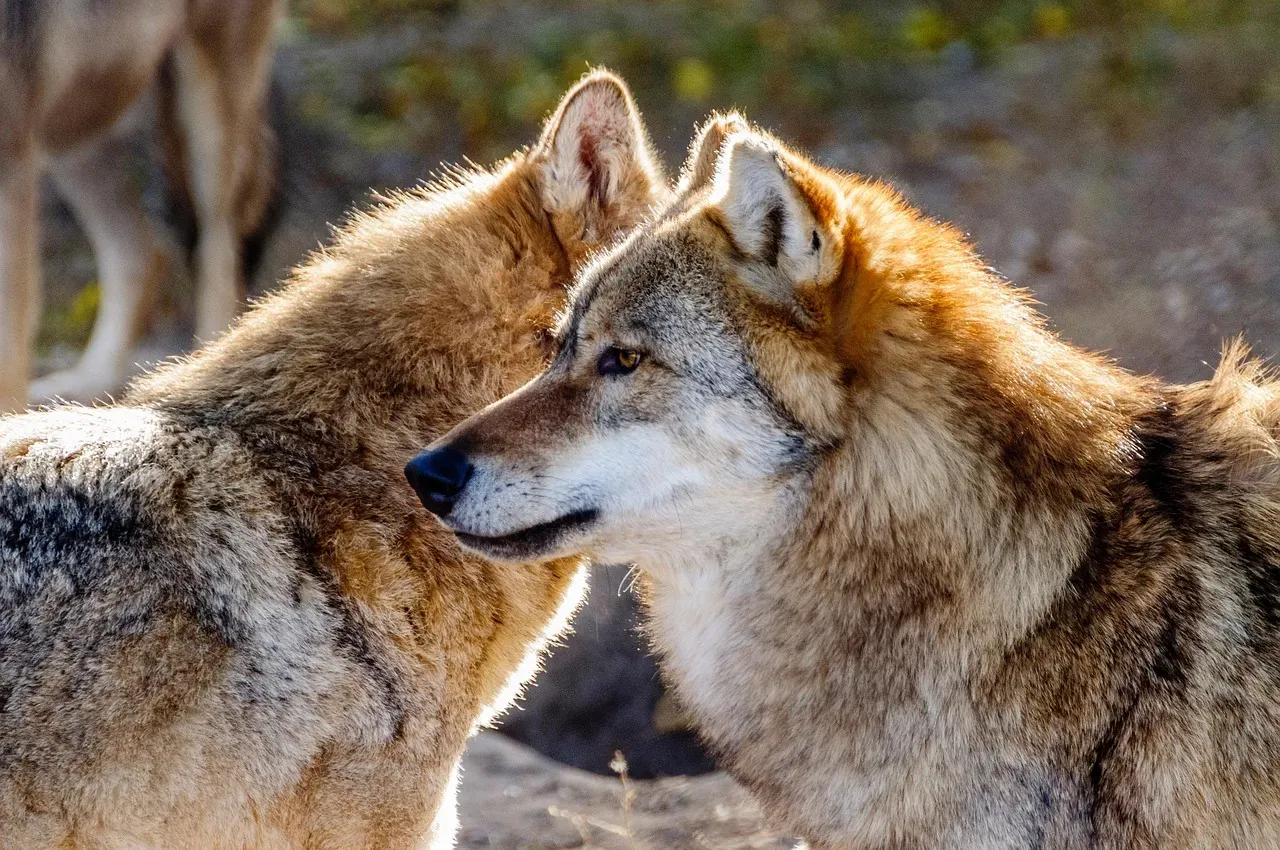
Popular culture has sold us a stubborn myth of the wolf: the ruthless alpha crushing rivals to sit at the top of a hierarchy. Modern research has torn that picture apart. In natural packs, the so‑called alpha pair are usually just the parents. Their authority looks less like domination and more like experienced guidance. They lead hunts, settle disputes, and make decisions about when to move, but their power is rooted in responsibility, not fear.
This makes Cherokee respect for wolves look surprisingly modern. Stories do not glorify bullying leaders. Instead, they lift up guardians who protect the young, share the burden, and do not abandon their people when things get rough. In an age when leadership so often looks like ego and self‑promotion, the wolf model is a quiet rebuke. Real leaders eat last, take the hardest watch, and are measured not by how many they command, but by how many they keep safe.
Shared Trails: Hunters, Wolves, and the Ethics of Respect
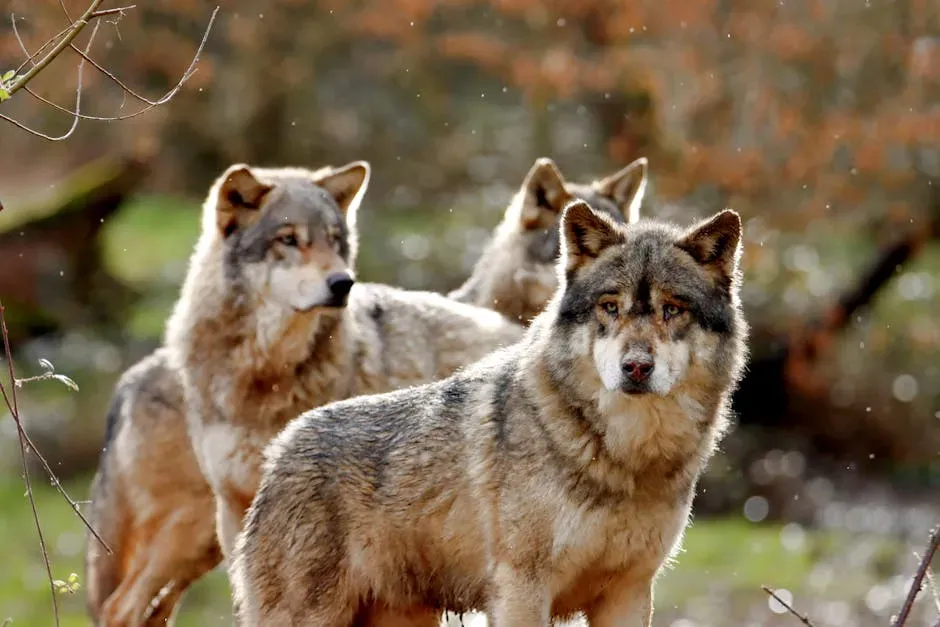
Historically, Cherokee hunters and wolves moved through some of the same forests, tracking many of the same prey. That overlap forced a kind of ethical negotiation. If you see another family hunting the same deer, do you view them as enemies, competitors, or fellow travelers trying to feed their own? Stories that talk about wolves with respect suggest the answer leaned toward that last option, at least in an ideal sense.
This did not mean wolves were romanticized as harmless. They were dangerous, powerful, and fully capable of killing. But they were also seen as beings with their own needs and boundaries, not as problems to be erased. That mindset feels incredibly relevant now, when human expansion pushes predators into smaller and smaller fragments of land. The Cherokee attitude offers a hard but necessary challenge: maybe coexistence is less about loving wild animals in the abstract and more about accepting that your neighbors, human or not, will sometimes want the very same thing you do.
Why These Old Stories Still Matter in a Confused Modern World
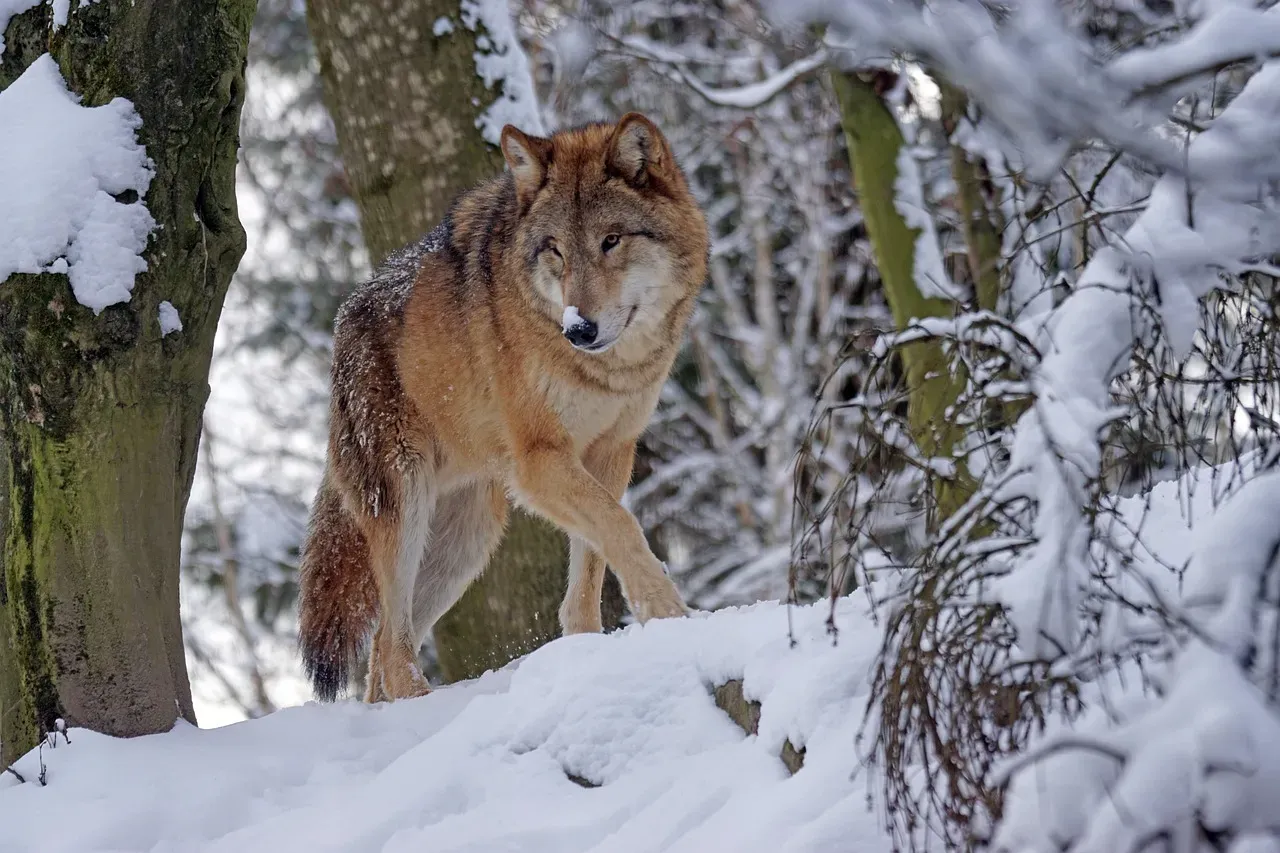
It is tempting to treat indigenous stories about animals as lovely but outdated folklore, interesting for museums and classroom posters but not for real life. Yet when you put Cherokee wolf stories side by side with modern ecological science, they suddenly look less like relics and more like early field notes written in the language of metaphor. They recognized family structure, cooperation, grief, and long‑term bonds long before biologists used those words in journals.
To me, that is a humbling reminder that expertise does not only live in labs and universities. Sometimes it lives in oral traditions, carried through winters by people whose survival depended on reading the land accurately. When we ignore those stories, we are not just being disrespectful; we are throwing away a layer of data about how humans and wolves coexisted for generations. In a moment when ecosystems are buckling under pressure, that seems like an expensive kind of arrogance.
Conclusion: The Wolf Standard for Loyalty and Family
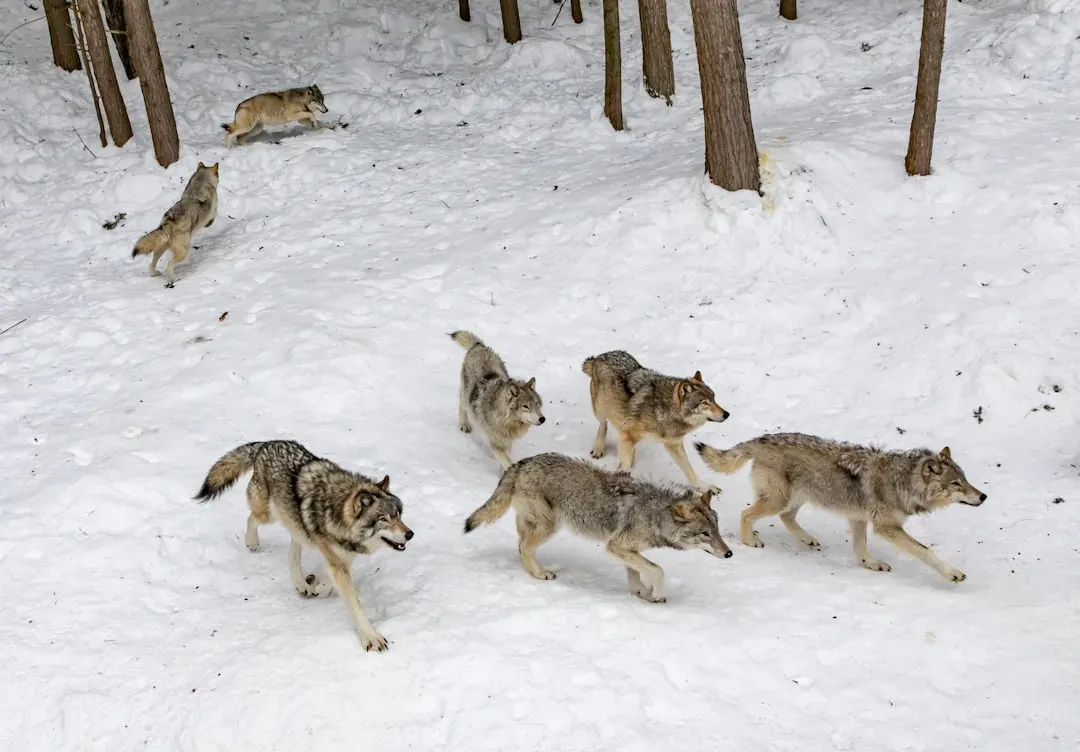
When you strip away the myths, the fear, and the movie‑poster drama, Cherokee stories leave you with a blunt standard: if you want to know whether you are loyal, look at how a wolf treats its pack. Do you show up when it is inconvenient, or only when things are easy? Do you share the burden when someone in your family stumbles, or do you quietly drift away and let them fend for themselves? Measured against that wolf standard, a lot of modern talk about “family values” suddenly feels pretty hollow.
My own opinion is that we have it backward: wolves are not monsters to be tamed by civilized humans; they are a mirror that exposes how domesticated our excuses have become. The Cherokee did not worship wolves, but they did pay close attention, and they were honest enough to admit that sometimes the four‑legged nation lived up to its duties better than we do. Maybe the real question is not whether wolves are loyal and family‑minded. The evidence for that is strong. The uncomfortable question is whether we are willing to catch up. If your life were a story told around a fire, would anyone say you loved your people as fiercely as a wolf?