
Here’s an uncomfortable question for anyone who trusts a lab coat over a housecat: what if the pigeon outside your window has been outperforming multi-million-dollar sensors for millions of years? Not metaphorically. Literally. Biologists keep running into the same humbling pattern – animals were detecting magnetic fields, invisible light, faint electrical currents, and pre-earthquake tremors long before humans built a single instrument sensitive enough to prove it.
This isn’t a “nature is neat” listicle. It’s a running tally of moments when our best technology finally caught up to what a shark, a moth, or an elephant already knew. Some of these will make you side-eye your smartwatch. Stick around for #1 – it’s the one that makes every gadget on your desk look a little embarrassed.
#21 – Earth’s Magnetic Field: Birds Had a Built-In Compass Before We Had Iron Needles

For centuries, sailors trusted compasses while assuming birds simply “followed the coastline.” Turns out many birds literally see the planet’s magnetic field. Evidence suggests species like European robins and pigeons carry a quantum-level compass wired into their eyes, letting them read geomagnetic lines the way we read street signs.
Humans didn’t start accurately mapping magnetic fields until 19th-century magnetometers came along. Meanwhile migratory birds were already correcting course mid-flight after storms blew them off route, matching tiny shifts in magnetic inclination with pinpoint accuracy. Scientists still argue over whether birds “see” magnetism as a visual overlay or feel it as a separate sense entirely – but either way, they had the hardware first.
#20 – Pre-Earthquake Vibrations That Made Dogs Whine Days Before Disaster

Farmers have reported strange animal behavior before earthquakes for generations, and for just as long, scientists rolled their eyes. Then sensitive accelerometers and broadband seismometers confirmed something wild: tiny pre-seismic vibrations and ground deformations really do occur hours to days before some quakes, often below the thresholds we could once detect.
Dogs whining for no reason, snakes abandoning winter burrows, toads fleeing ponds in droves – these weren’t superstition. Lab research now shows many animals pick up ultra-low-frequency vibrations through specialized organs in their feet, whiskers, or lateral lines. Whether they’re sensing micro-tremors, gas releases, or electromagnetic shifts is still debated, but the timing lines up too often to dismiss.
#19 – Storm Pressure Drops That Fish and Bees Feel Before Any App Pings You

You check a weather app; a bee just quietly canceled its shift. Birds, fish, and even insects respond to slight barometric pressure drops long before we ever built a precise barometer. Fishermen noticed fish biting harder right before a storm rolled in – now we know tiny atmospheric pressure shifts trigger real physiological and behavioral changes across species.
Hawks and swallows feed aggressively just before a front arrives, while bees cut their foraging short and some spiders tear down their own webs as pressure falls. Modern barometers and data loggers have tied these reactions to specific millibar changes we can now quantify precisely. The kicker: some animals react to pressure swings so subtle that a human standing next to a calibrated weather station wouldn’t notice a thing.
#18 – Electric Fields So Faint They’re Basically Sharks’ Night Vision
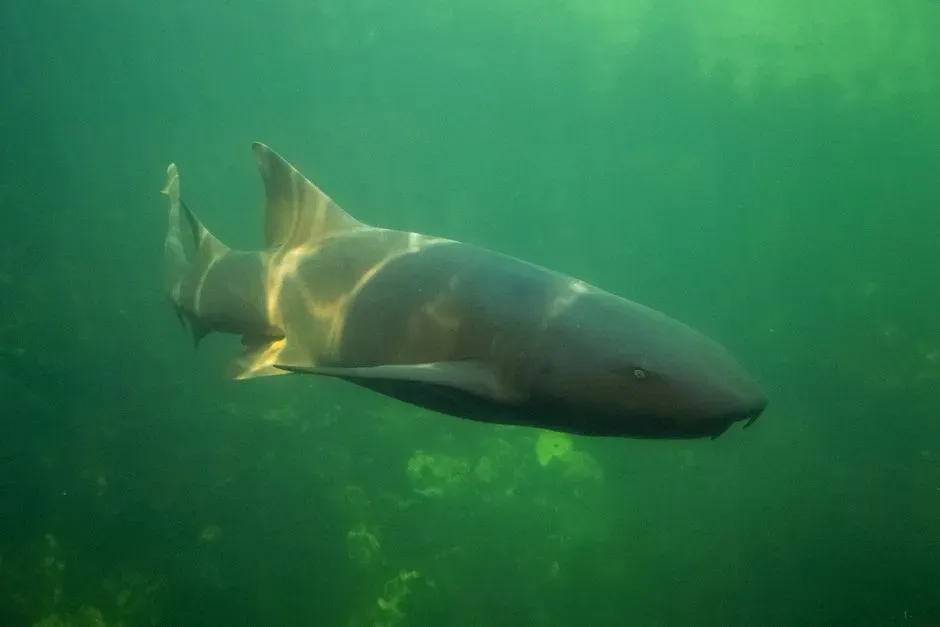
Humans needed carefully shielded electrodes and amplifiers to detect weak bioelectric fields. Sharks, rays, electric fish, and even some amphibians have been reading them all along. Through organs called the ampullae of Lorenzini, they detect electrical gradients as low as billionths of a volt per centimeter – an always-on voltage meter wired directly into their faces.
This lets them track prey by muscle contractions alone, even in water too murky for eyes to matter. Some freshwater fish take it further with active electrolocation, emitting weak discharges and reading the distortion that bounces back like a living 3D scanner. Engineers only recently built field instruments good enough to consistently replicate that resolution – for these animals, it’s just background noise they’ve always understood.
Fast Facts
- Sharks and rays sense electrical fields through ampullae of Lorenzini, tiny jelly-filled pores on the snout.
- These organs pick up voltage gradients as faint as billionths of a volt per centimeter.
- Some fish go further with active electrolocation, emitting their own weak electric pulses.
- The trick works in zero visibility, murky water, or total darkness.
#17 – The Secret UV Bullseyes Hiding on “Plain” Flowers

For a long time, humans assumed most flowers and bird feathers were just one flat color. Then UV-sensitive cameras and spectrometers revealed hidden patterns completely invisible to our naked eyes. Bees, butterflies, and many birds have UV vision built into their photoreceptors, turning “boring” petals into glowing landing runways.
A daisy isn’t just white – to a bee, it may show a bold UV bullseye pointing straight at the nectar. Some birds that look identical to us are dramatically different in UV, enough for females to pick mates and dodge rivals based on signals we simply cannot perceive. Only with modern spectrophotometers did we finally map these reflectance curves and confirm what animals had been reacting to the whole time.
#16 – Polarized Light Vision That Turns Cloudy Skies Into a Map
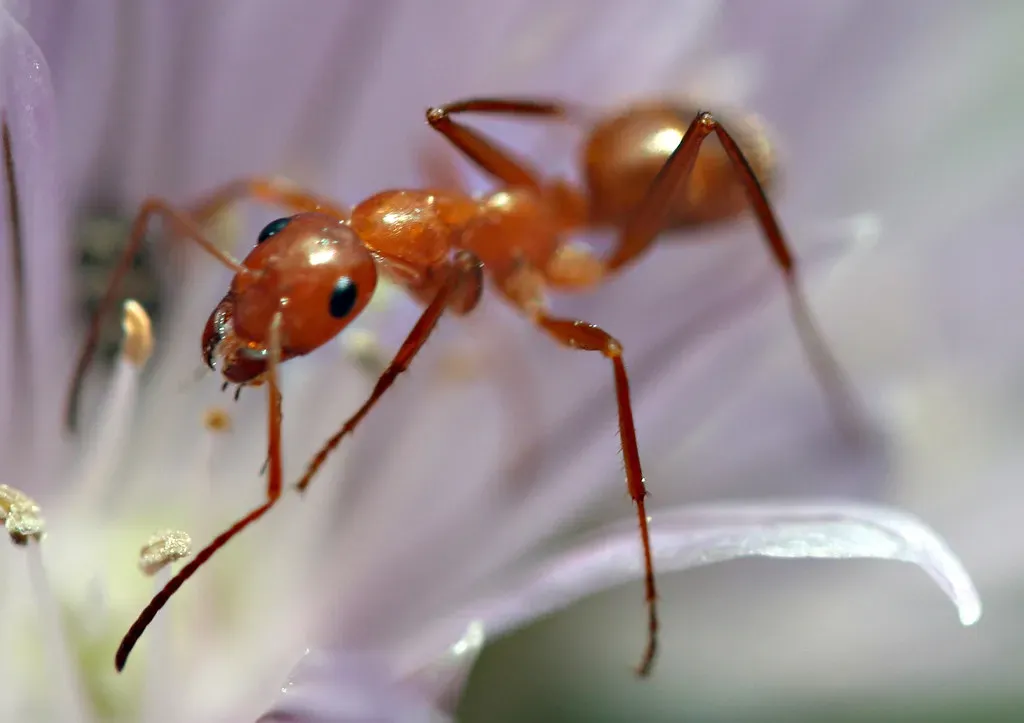
Polarized sunglasses are a recent human trend; plenty of animals have had that filter built in from the start. Ants, bees, cuttlefish, and some fish can detect the orientation of light waves directly. Scientists only recently measured sky polarization patterns accurately using polarization cameras and radiometers – and realized they match the navigation tricks insects have used for ages.
Even under overcast skies, polarization patterns around the sun stay structured enough to navigate by. Desert ants use this as a built-in compass to find their way home after long, winding foraging routes, while cuttlefish exploit polarization contrast to spot transparent prey that looks invisible to us. Without specialized equipment, humans literally couldn’t see what these animals were reading the whole time.
#15 – Infrared “Heat Vision” That Beats Military-Grade Thermal Cameras
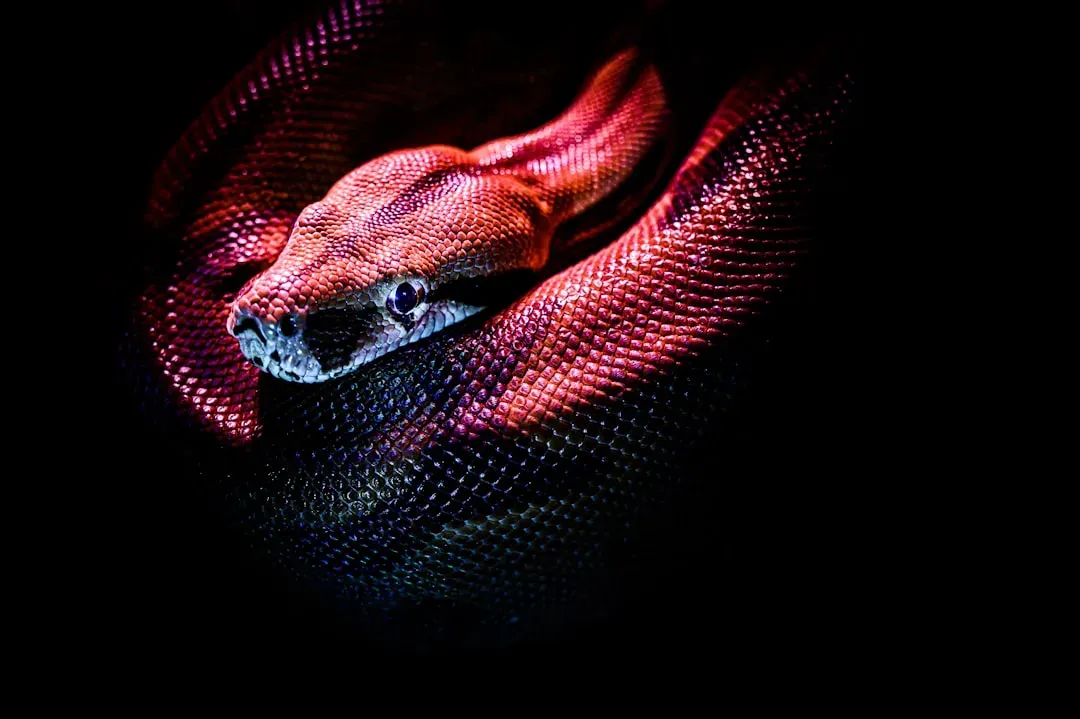
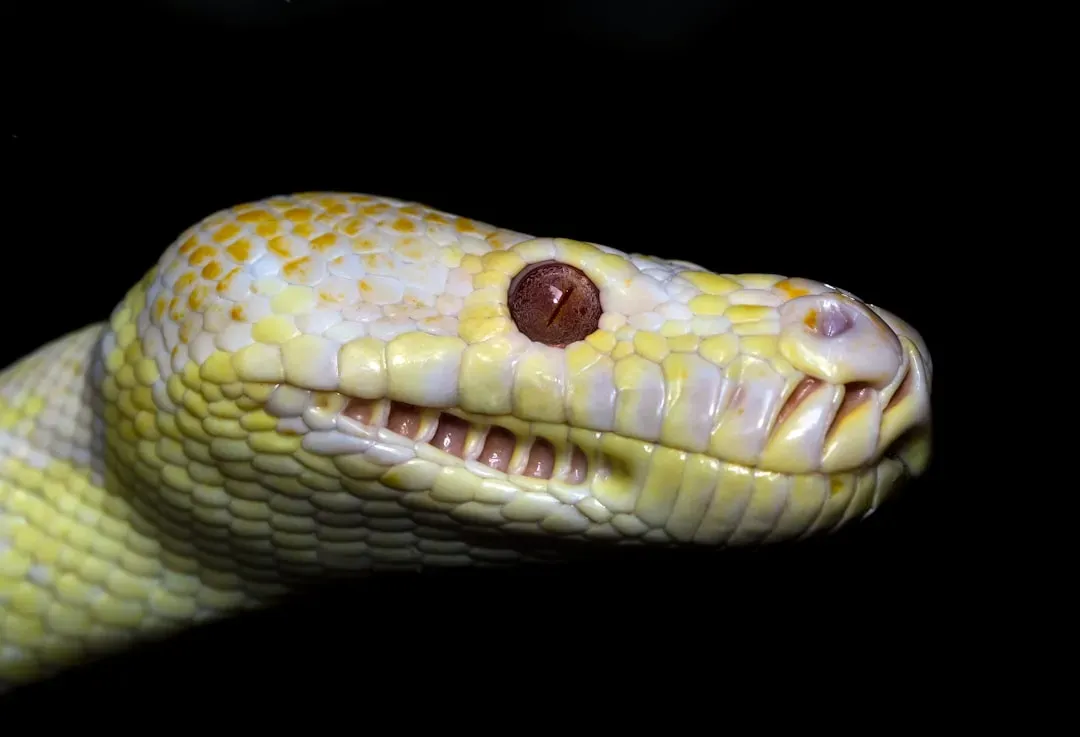
Most people associate thermal imaging with expensive military gear. Yet pit vipers, pythons, and boas have specialized facial pits that function like biological infrared sensors. Recent measurements show these organs detect temperature differences of less than 0.003°C at short range – rivaling advanced thermal cameras built by actual engineers.
These snakes effectively overlay a low-resolution heat map onto their vision, spotting warm-blooded prey in total darkness. Modern bolometers and IR cameras confirmed the exact wavelengths and sensitivities involved. Even weirder: some beetles that lay eggs in freshly burned wood can detect distant wildfires kilometers away via heat and infrared radiation, a feat our instruments only quantified once satellite IR arrays became standard.
#14 – Infrasound: The Planet’s Hidden Soundtrack Elephants Never Missed
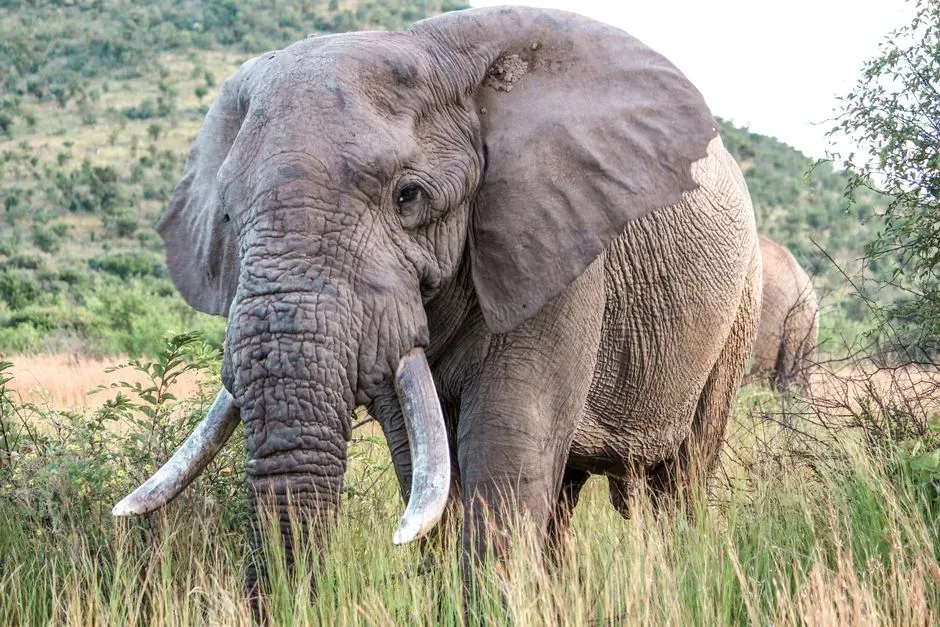
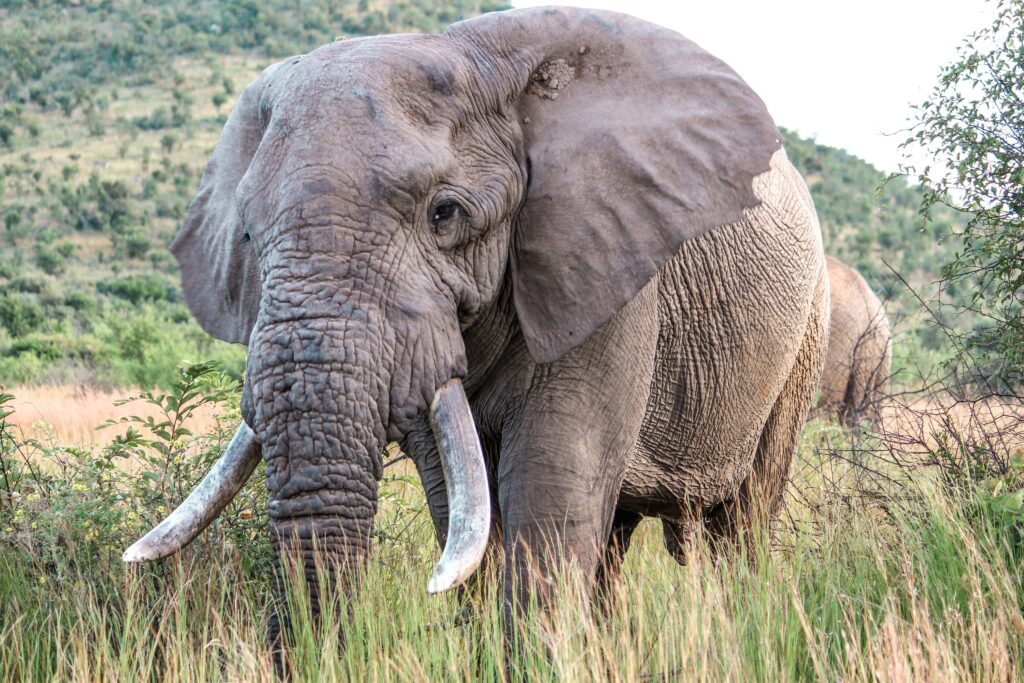
We didn’t even know the atmosphere hummed with infrasound until the 20th century, when specialized microphones and microbarographs picked up long, low-frequency waves from storms, ocean waves, and explosions. Elephants, whales, and some birds had been tuned into this planetary broadcast the entire time.
Elephants communicate with rumbles that travel kilometers through ground and air, far below human hearing range, while whales may coordinate over ocean-basin scales using ultra-low calls. These frequencies overlap with infrasound from thunder, surf, and volcanic activity. Once instruments could map how far these signals travel, some “mysterious” animal movements before storms and tsunamis suddenly made a lot more sense.
#13 – Parts-Per-Billion Water Chemistry That Salmon Read Like a Street Address
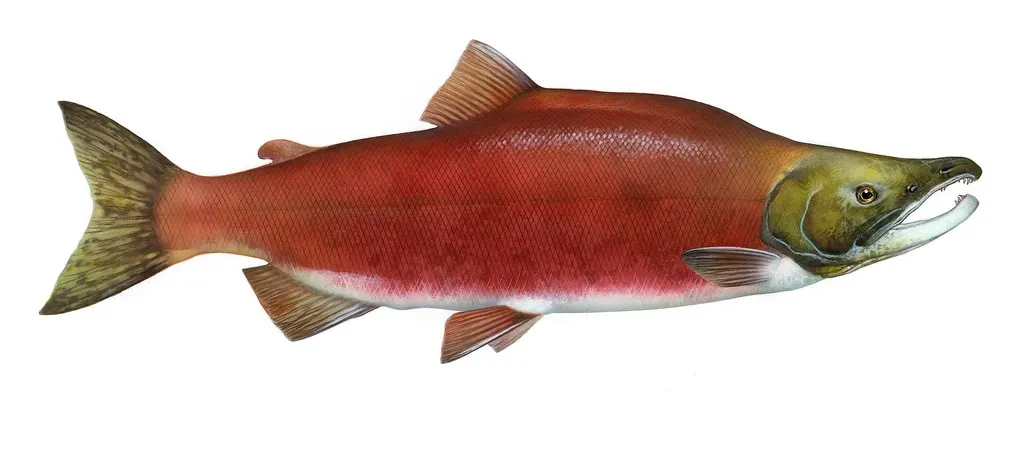
To most people, water is either clean or dirty at a glance. Fish, crustaceans, and amphibians operate on a wildly finer scale, with taste receptors not just in their mouths but across skin, whiskers, and gills. Many aquatic animals detect parts-per-billion shifts in chemicals, pH, and dissolved gases – sensitivity our lab instruments only started matching in the last century.
Salmon smell their home river’s unique chemical signature and navigate back to spawn with accuracy that embarrasses plenty of GPS field tests. Some invertebrates react to trace pollutants or oxygen drops before our basic field kits even flag a problem. Environmental scientists now use these animal reactions as early-warning bioindicators, then confirm the changes afterward with sensitive spectrometers – meaning regulators often trust the machine, even when the animal noticed first.
#12 – The Exact Second Fruit Turns Perfectly Ripe, According to a Bat’s Nose
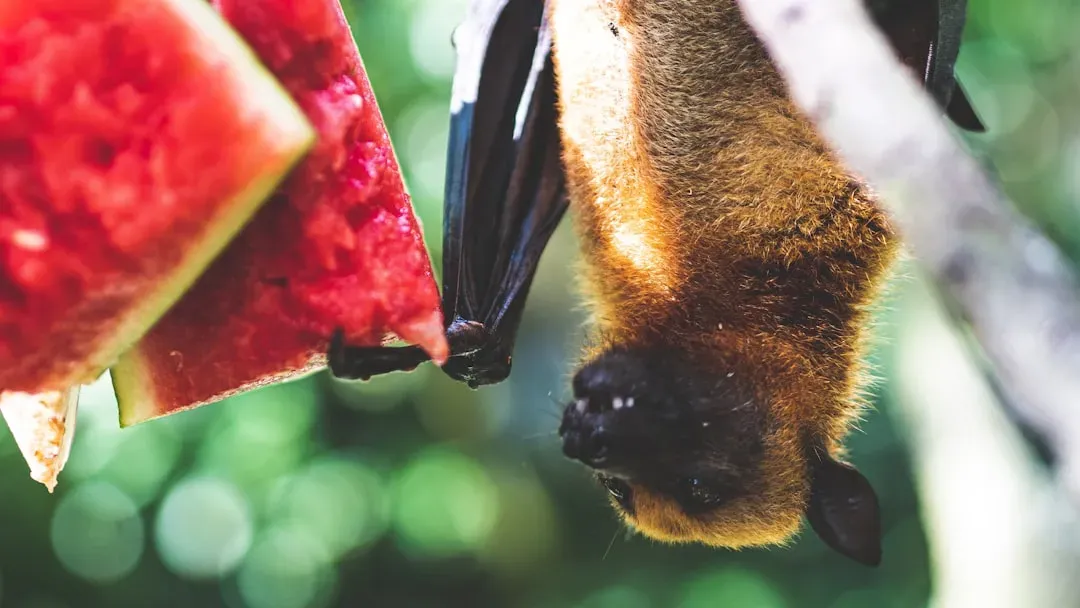
Human chefs sniff and squeeze fruit; bats are running a full chemical analysis with every breath. Fruit bats, primates, rodents, and insects detect subtle volatile organic compounds marking precise ripeness and early fermentation – compounds we only quantified with gas chromatography and mass spectrometry in recent decades.
Certain fruit-eating bats target trees at the exact sugar peak, ignoring others that look identical to us, keying into specific ester and alcohol profiles that signal maximum energy payoff. Micro changes in CO₂ around fermenting fruit guide insects the same way. Our instruments now confirm these volatile “scent fingerprints” shift hour by hour – animals just ride that gradient in real time, no expiration date required.
#11 – The CO₂ Shift That Warns Your Dog Before Your Smoke Alarm Does

We like to think CO₂ monitors and oxygen sensors keep us safe indoors. Yet many animals, from insects to mammals, have chemoreceptors tuned to tiny shifts in CO₂ and O₂ that predict crowding, suffocation, fire, or disease risk. Neuroscientists only recently mapped these pathways, right around when engineers finally built precise electrochemical gas sensors.
Mosquitoes hone in on your breath plume, tracking elevated CO₂ from meters away. Burrowing animals detect oxygen drops and carbon dioxide buildup in tunnels before it turns lethal, and social insects adjust nest ventilation based on CO₂ gradients we couldn’t even measure inside a colony until recently. Uncomfortable but true: your dog probably knows your living room’s air quality better than you do, no sensor required.
#10 – “My Dog Knew I Was Sick” Turns Out to Be Real Science

It sounds like folklore, but controlled studies now back it up: animals detect tiny shifts in body odor linked to infections, stress hormones, and metabolic changes. Only with modern mass spectrometry and metabolomics did scientists start identifying the exact volatile compounds responsible.
Dogs trained to detect cancers, diabetes, or viral infections often outperform early-stage lab tests. Rodents avoid sick companions using scent alone, reading immune status through cytokine-induced odor changes – and humans do the same thing, just far less efficiently. The unsettling part is simple: your immune status might already be obvious to a passing animal, long before any blood panel catches it.
Worth Knowing
- Medical detection dogs have been trained to flag certain cancers, low blood sugar, and oncoming seizures before symptoms show.
- Rodents avoid sick companions using scent cues alone, not sight or sound.
- The compounds involved trace back to immune and hormonal shifts, not illness in general.
- Human noses pick up faint versions of the same signals, just far less precisely.
#9 – Seeing by Starlight: Animals That Detect Single Photons
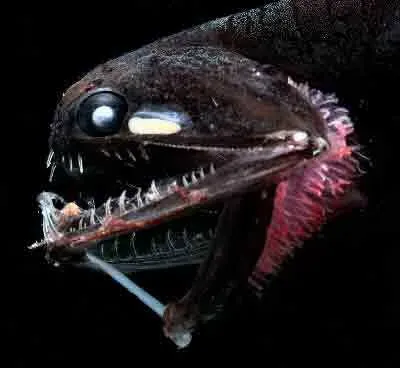
We treat night-vision goggles as peak technology. Yet some animals detect light at levels that pushed our best instruments for decades. Certain deep-sea fish, nocturnal insects, and amphibians respond to light intensities approaching just a handful of photons – a threshold only exquisitely sensitive photomultipliers and CCD sensors could confirm.
Some species appear to see star- and moonlight in slow-motion detail where we’d see nothing but black. Tiny flashes from bioluminescent plankton become high-contrast beacons against total darkness. The measurement devices needed to even approximate these detection limits had to be cooled, shielded, and painstakingly calibrated – meanwhile, these animals do it with tissue.
#8 – Built-In Accelerometers That Keep Bees Steady in a Gust
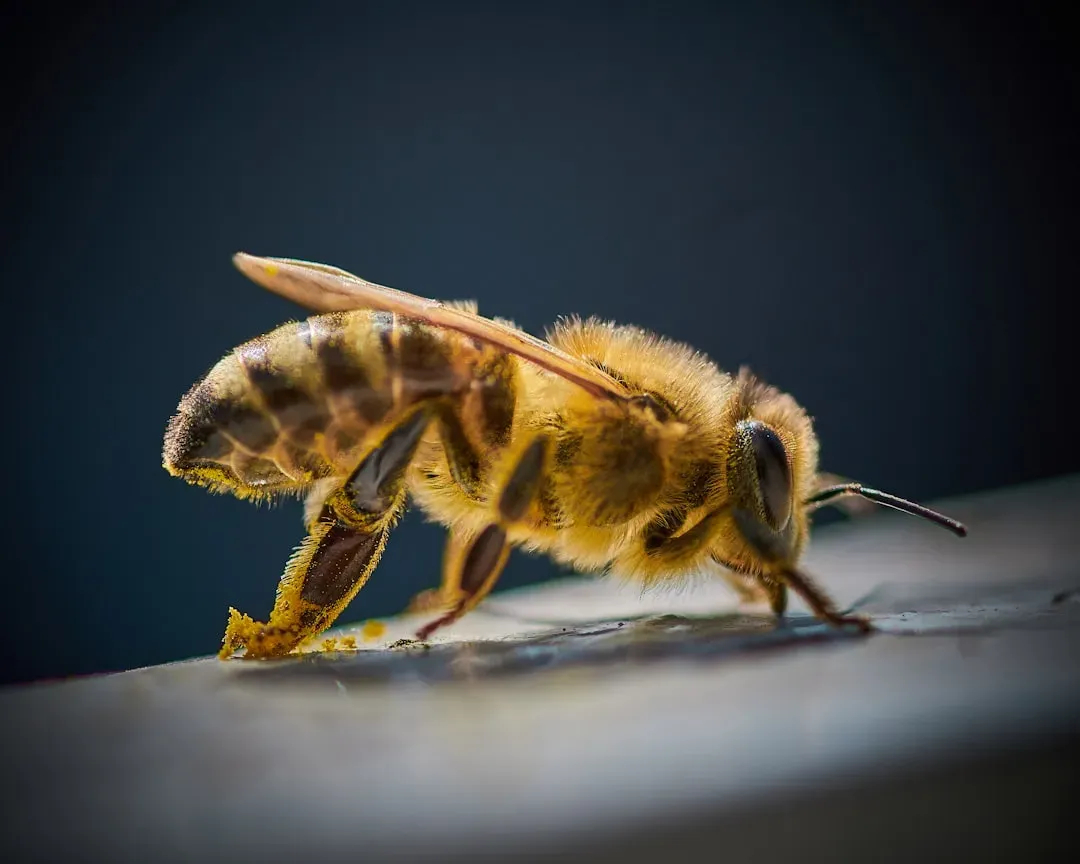
Gravity feels constant to us, but many animals act like they carry built-in accelerometers. Statocysts in invertebrates, otolith organs in vertebrate inner ears, and specialized stretch receptors let creatures notice subtle shifts in acceleration, tilt, and possibly even tiny variations in gravitational pull – effects only precision gravimeters and accelerometers let humans quantify.
Fish maintain perfect orientation in turbulent water; bees stabilize against gusts in milliseconds while navigating complex flight paths. Spaceflight experiments with animals revealed just how finely tuned these systems are to Earth’s gravitational baseline. Our instruments now map micro-g changes for engineering and geophysics, but animals have been running fallback orientation systems since long before anyone built a plane.
#7 – The Earthquake-Predicting Debate That Refuses to Die
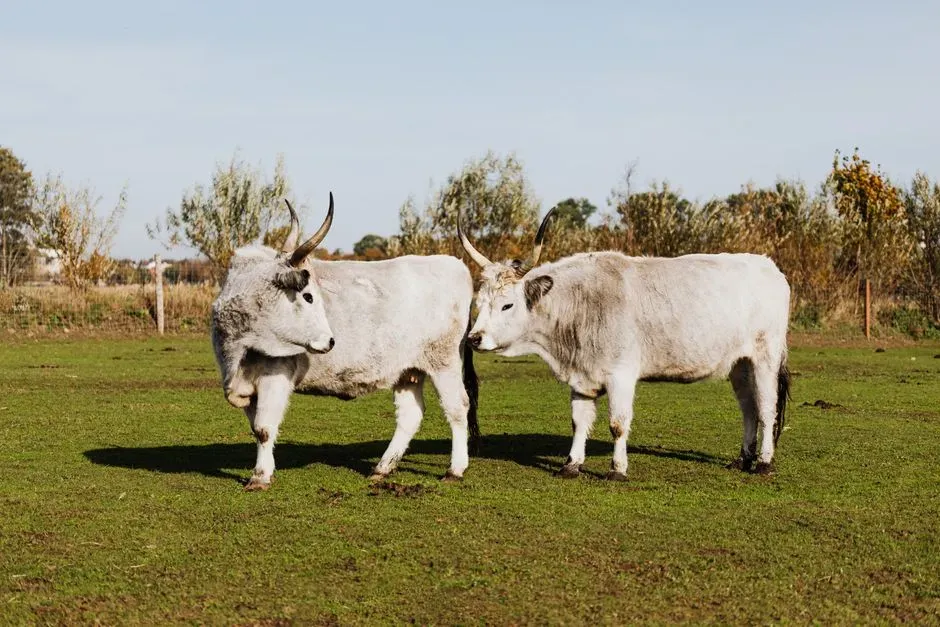
This one is controversial, and that’s exactly why it keeps scientists up at night. Before modern geodesy, reports of strange animal behavior before quakes were dismissed outright. Today, satellite-based GPS, InSAR radar, and sensitive groundwater sensors show measurable crustal strain and fluid shifts before some earthquakes, and a growing camp of researchers suspects animals are picking up these cues.
Changes in groundwater chemistry, slight ground tilting, altered gas emissions, and electrical field variations all occur at levels now detectable by instruments. Livestock, rodents, and even zoo animals sometimes react hours to days before measurable seismic activity. Is it consistent? No. Are we sure which signal they’re using? Not yet. But the fact that our newest tools finally see pre-event anomalies animals apparently noticed all along should humble every “pure tech” optimist in the room.
#6 – Ocean Currents That Turtles Read With Their Skin
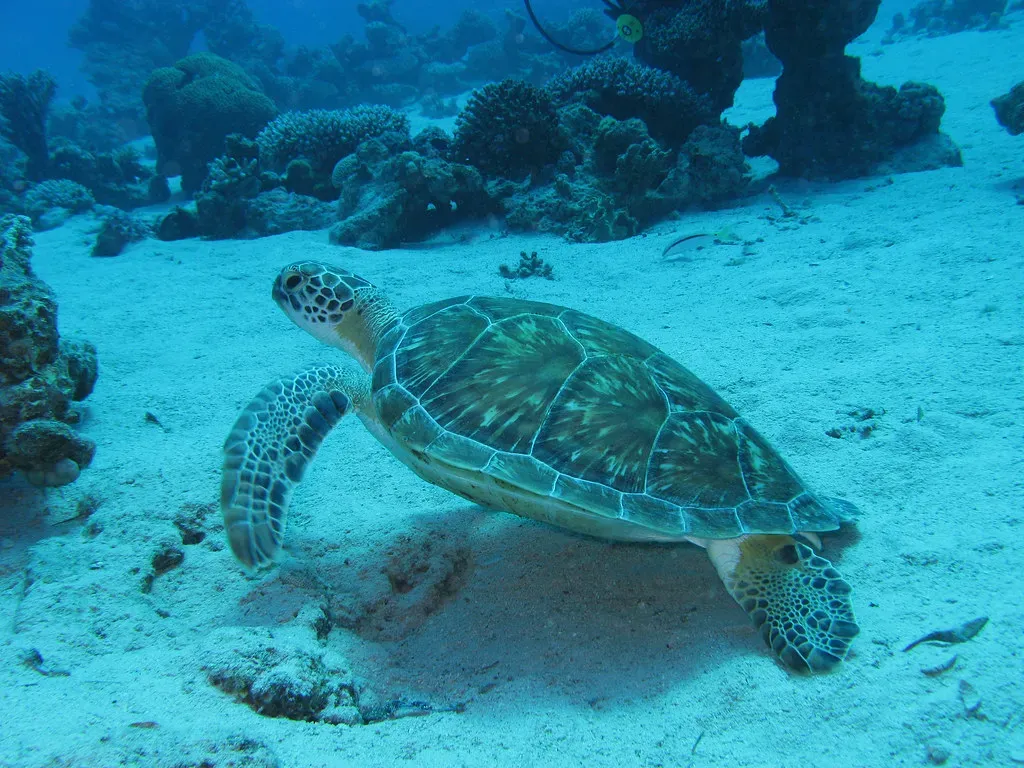
We use satellite altimeters, drifting buoys, and acoustic Doppler current profilers to map ocean currents. Many marine animals do this by feel alone. Turtles, tuna, and plankton-feeding giants like whale sharks exploit tiny shear forces, turbulence structures, and temperature micro-gradients that high-resolution instruments only recently learned to characterize.
In lab flumes and open-ocean tagging studies, animals consistently choose paths that align with energy-efficient currents and nutrient-rich upwellings. Their skin, lateral lines, and whiskers read fluid motion with accuracy that rivals fine-scale current meters. “Random” movement patterns turn out to line up perfectly with mesoscale eddies and fronts we only recently mapped by satellite – a turtle’s flipper is essentially an analog sensor suite tuned to the same physics we needed a spacecraft to see.
Quick Compare
- Human tech: satellite altimeters, drifting buoys, and acoustic Doppler profilers mapping currents from above.
- Marine animals: skin, lateral lines, and whiskers reading turbulence and shear forces directly.
- Result: both approaches land on the same mesoscale eddies and fronts, just at wildly different costs.
#5 – The Wingtip Vortices That Let Birds Fly for Free

Birds and bats fly in formations that save energy – something aerodynamicists only fully quantified with wind tunnels, smoke trails, and CFD simulations. These animals feel microscopic pressure differences and vortices around their wings that our instruments long struggled to sample in real time.
Feathers and skin receptors detect local airflow changes, letting birds surf the rising air off a neighbor’s wingtip with millimeter precision. High-speed cameras and dense pressure sensors now show exactly how these structures shift mid-flight. Swifts and starlings in murmurations adjust to their neighbors based on fluid dynamics we had to model with supercomputers – the birds, meanwhile, just feel it.
#4 – The Electromagnetic Noise That Confuses Migrating Birds

This one sits on the edge of what we can comfortably explain, but the evidence keeps getting harder to ignore. Some experiments suggest certain animals respond to very low-level electromagnetic fields, possibly including fluctuations linked to cosmic and terrestrial radiation, that we only started measuring with Geiger counters and magnetometers in the last century.
Migratory birds and some rodents seem sensitive to electromagnetic “noise” that interferes with their navigation, at levels barely above what our most sensitive equipment can detect. Honeybees and other insects sometimes shift behavior near high-voltage lines or radio sources long before humans realized these installations were altering the local EM environment. Are they “sensing radiation” like a dosimeter? Probably not. But they’re clearly detecting something we once assumed was too weak to matter.
#3 – Spider Webs: The Original Nanometer-Precision Sensor Array
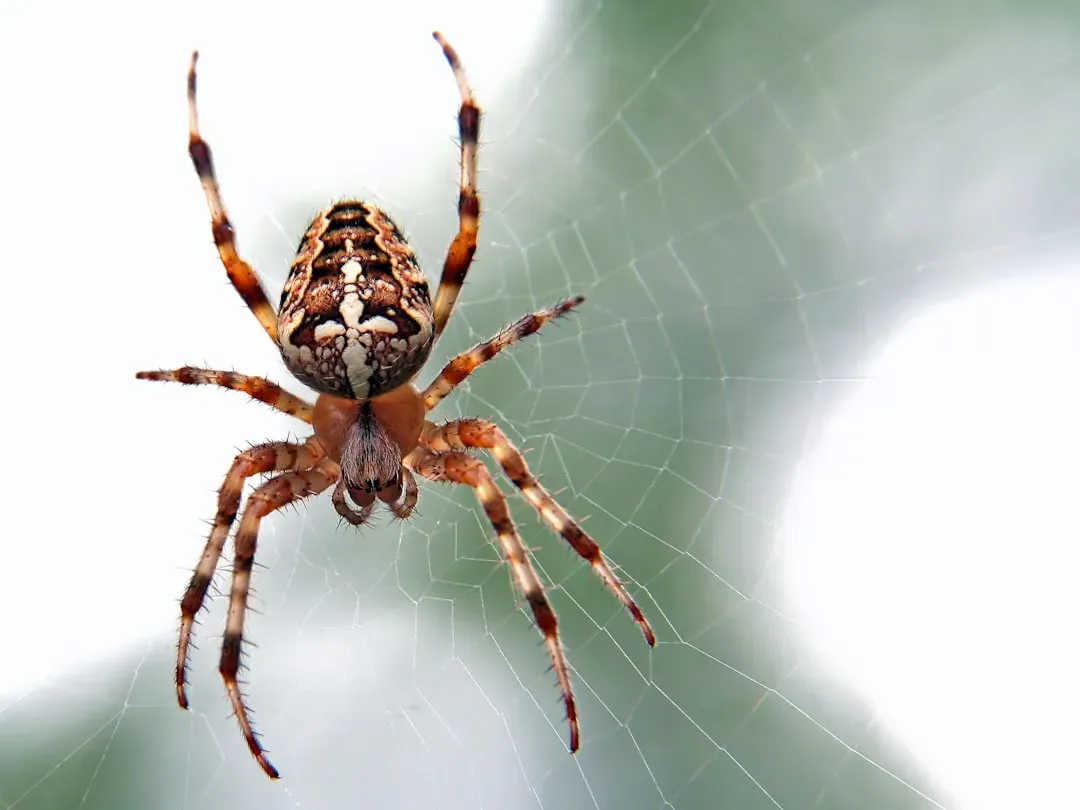
Spider webs look delicate, but to a spider, they’re a precision sensor array. High-speed lasers and atomic-force-level vibration measurements now show web threads transmit nanometer-scale vibrations over surprisingly long distances, encoding prey size, location, and even species – signals spiders interpret instantly.
Some web-builders adjust strand tension to tune frequency response, much like an engineer tuning a filter. Burrowing insects and rodents show similar sensitivity through soil, detecting footfalls or digging from far away. We can now measure these vibrations in labs and match spider response thresholds to exact displacement amplitudes – while humans debate “smart homes,” spiders have been running real-time signal processing that would make an engineer jealous.
Why It Stands Out
- Silk threads carry nanometer-scale vibrations across the entire web structure.
- Spiders can adjust strand tension to tune which frequencies come through clearest.
- The web functions almost like an external extension of the spider’s nervous system.
- Replicating this in a lab requires lasers and atomic-force-level equipment.
#2 – “Smelling Fear” Is Literal, and Animals Are Better at It Than Any Machine
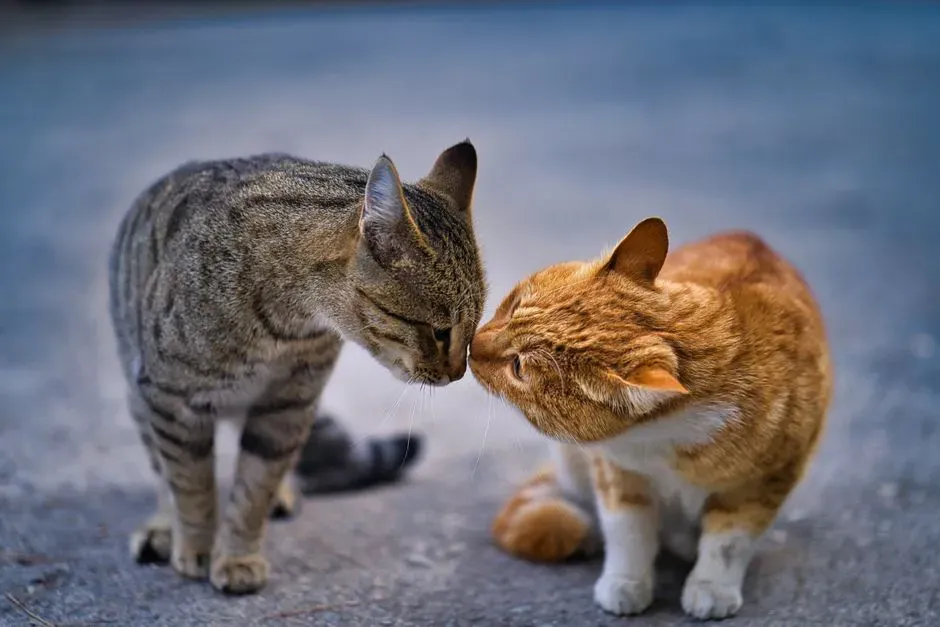
We talk about smelling fear like it’s a figure of speech. It’s not – and animals are far better at it than any device on the market. Only in the past few decades have analytical tools become sensitive enough to detect the complex cocktails of pheromones, stress metabolites, and social chemicals that saturate air and surfaces in animal societies.
Rodents distinguish dominant from subordinate individuals by scent alone, and many mammals shift behavior when exposed to chemical traces of predators or traumatized companions. Gas chromatographs and mass spectrometers now detect these molecules at vanishingly low concentrations, matching specific compounds to distinct behavioral patterns. The brutal truth: your social status, mood, and recent stress probably leave a traceable chemical wake every time you walk into a room.
#1 – Reading Everything at Once: The Sense Our Instruments Still Can’t Copy
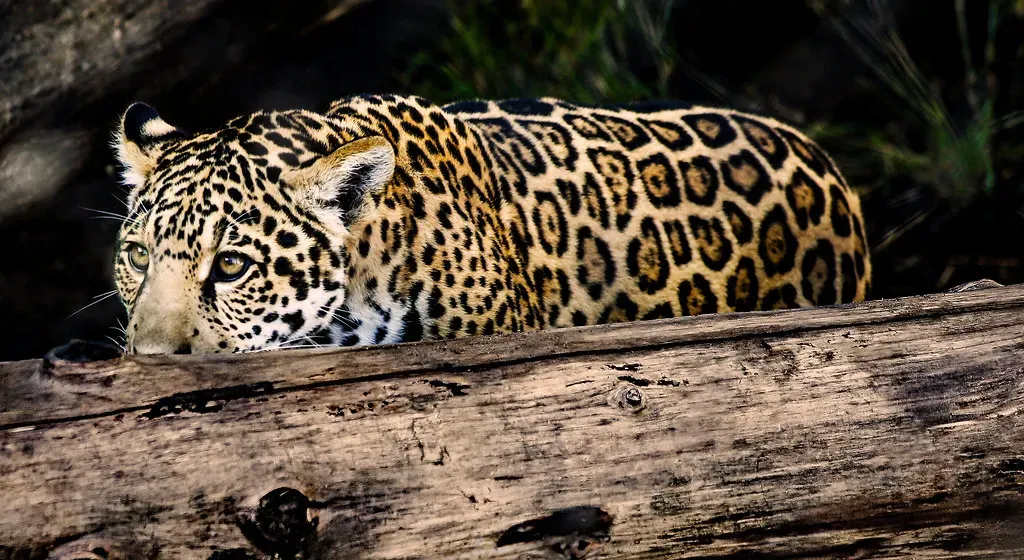
Here’s the part nobody who worships gadgets likes to admit: animals don’t detect one thing at a time. They integrate many of these signals simultaneously, in ways our instruments still struggle to mimic. A migrating bird might be reading magnetic inclination, polarized skylight, barometric trends, scent cues, star patterns, and low-frequency sounds all at once, as a single unified picture.
We had to invent separate devices for each of those – compasses, cameras, barometers, spectrometers, seismometers – then write software to fuse the data together. Even then, our “sensor fusion” is crude compared to an animal’s nervous system. The most advanced GPS-tagging and data-logging studies still routinely underestimate how accurately wildlife predicts weather shifts, resource booms, and danger zones, because we’re measuring one channel while they’re living the whole pattern.
The Bottom Line
The more precisely we measure the world, the more embarrassing the comparison gets. Animals were effectively “using” magnetometers, barometers, spectrometers, accelerometers, infrared cameras, and infrasound arrays long before humans named those devices, let alone built them. Modern instruments haven’t dethroned animal senses – they’ve mostly just confirmed we were right to be impressed.
The uncomfortable part is integration. We build one sensor at a time, calibrate it for months, and call it innovation. A pigeon or an elephant runs a full-stack environmental analytics platform in real time, for free, with no firmware updates. That doesn’t make animals mystical – it means our tech optimism was a little naive. Evolution had billions of years and merciless selection pressure to work with; of course it beat us to these thresholds.
The smart move isn’t pretending our instruments won this one. It’s admitting that for certain signals, we’re still the interns, and the animals have been the senior engineers all along. Did we underrate one of these senses, or did we overhype our own tech a little too soon? Drop your take in the comments.