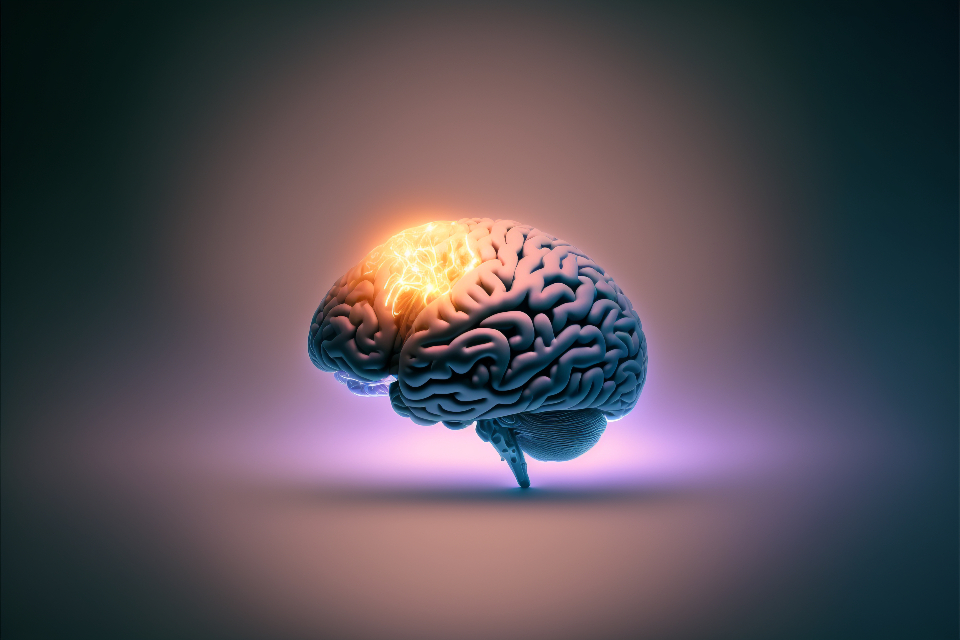

Ask most people how sleep works and they’ll shrug: REM, dreams, circadian rhythms, case closed. Ask the neuroscientists actually running the experiments, and you get a much more uncomfortable answer. Whole brain networks go dark for reasons nobody can pin down. Memories get sharpened one night and erased the next. A small number of people run on four hours of sleep with zero damage, and nobody can tell you why they get away with it.
The truth is that the deeper researchers dig into sleep, the less “solved” it looks. Some of the biggest names in the field will now say, quietly and on the record, that the basic *why* behind sleep is still a mystery. Here are 12 things about sleep that neuroscience still can’t actually explain.
#12 – Why We Even Need Sleep In The First Place
Neuroscientists can describe sleep in exhausting detail, but the core question – why is it biologically necessary at all – is still unsolved. Theories compete instead of agreeing: energy conservation, brain “cleaning,” memory consolidation, emotional reset. Each one explains a slice of sleep, but none explains why nearly every animal species risks predation and death by going unconscious for hours instead of evolving a safer workaround.
Textbooks like to present a tidy model, but insiders admit the real picture is messier: sleep doesn’t map to one single job. It behaves more like a mysterious system reboot that touches metabolism, immunity, learning, and mood all at once. That’s a strange thing to accept when missing a few hours can raise your accident risk to the level of being legally drunk.
If sleep does not serve an absolutely vital function, it is the biggest mistake evolution ever made.
Allan Rechtschaffen, sleep researcher
#11 – How Dreams Actually Form In The Brain

You’d think by now we’d know how dreams work. We don’t, not really. Researchers can track REM sleep, eye movements, and which brain regions light up on a scan. But how random neural firing turns into a full-blown movie – complete with plot, emotion, and sometimes a genuine life-changing insight – is still a black box.
Theories range from emotional processing to predictive coding to pure electrical noise, and none of them fully explain hyper-real, narrative dreams. Here’s the strange part: the prefrontal cortex, your rational planning brain, goes partially offline during REM. Yet dreams sometimes solve problems people have wrestled with for years. How does a “less rational” brain state produce highly structured, symbolic stories that can reshape your behavior the next morning? Researchers can correlate the activity. They cannot explain the mechanism.
#10 – Why Some People Thrive On 4 Hours Of Sleep

Every sleep expert hammers the same message: adults need 7 to 9 hours. Yet there’s a small group of genuine “natural short sleepers” who function beautifully on 4 to 6 hours, with none of the usual cognitive or health fallout. Genetic studies point to rare mutations in genes like DEC2 and ADRB1, but those only explain a handful of cases and say nothing about how their brains dodge the damage sleep debt causes everyone else.
Here’s the part that unsettles researchers most: in lab testing, some short sleepers actually outperform normal sleepers on memory, mood, and reaction time, even under stress. Either we’re measuring the wrong kind of damage, or their brains use sleep radically more efficiently in a way current theories simply don’t account for. Meanwhile, millions of people insist they “do fine” on five hours and then show textbook deficits the moment they’re tested. Why a lucky few are biologically exempt is still a total mystery.
Fast Facts
- Researchers first discovered the DEC2 gene mutation in 2009 when studying two women who slept six hours per night and did not seem to suffer expected adverse health consequences.
- In 2019, scientists identified another mutation, ADRB1, in a family who slept closer to four hours per night, and it’s estimated to be present in roughly four of every 100,000 people.
- Mutations on four genes – DEC2, ADRB1, NPSR1, and GRM1 – have now been linked to significantly shorter sleep without observed cognitive or health detriments.
- All of these mutations remain exceedingly rare, so most people who claim to “do fine” on five hours are simply running an unpaid sleep debt, not a genetic shortcut.
#9 – Why Sleep-Deprived Brains Sometimes Snap Back Overnight

Chronic sleep loss wrecks people, slowly and predictably. But every so often, someone runs on fumes for days, gets one solid night of sleep, and performs almost like the exhaustion never happened. Lab studies confirm partial recovery after a single night, but the speed and completeness of that reset in some people still catches researchers off guard. There’s no precise model for how a brain repairs days’ worth of neural stress that fast.
It gets stranger from there. Some forms of depression actually respond to staying awake – a full night of sleep deprivation can lift mood temporarily, only for it to crash again after the next night’s sleep. That flatly contradicts the simple “more sleep is always better” story we’ve all been fed. It suggests sleep isn’t just restorative; it’s an active regulator of mood and brain networks in ways nobody fully understands yet. How your brain decides when to bounce back versus when to stay impaired is still an educated guess.
#8 – Why The Brain Paralyzes The Body (And Still Sometimes Fails)

During REM sleep, your brain deliberately shuts down most of your muscles so you can’t physically act out your dreams. We know the rough wiring: brainstem regions switching off motor neurons. What we don’t know is why evolution picked this high-risk strategy instead of something safer, like simply dampening movement. One misfire in that system, and you either wake up terrified in sleep paralysis, or you start throwing punches in your sleep with REM behavior disorder.
Here’s the part that keeps neurologists up at night, literally: in REM behavior disorder, people physically act out violent dreams, and this condition is one of the strongest early warning signs of Parkinson’s disease and other neurodegenerative disorders, sometimes appearing years before any other symptom. Nobody can fully explain why a breakdown in REM paralysis would predict future brain degeneration that far in advance. REM control is clearly tied to deep brain health. How, exactly, is still a wide-open question.
#7 – Why Sleep Architecture Changes So Dramatically With Age
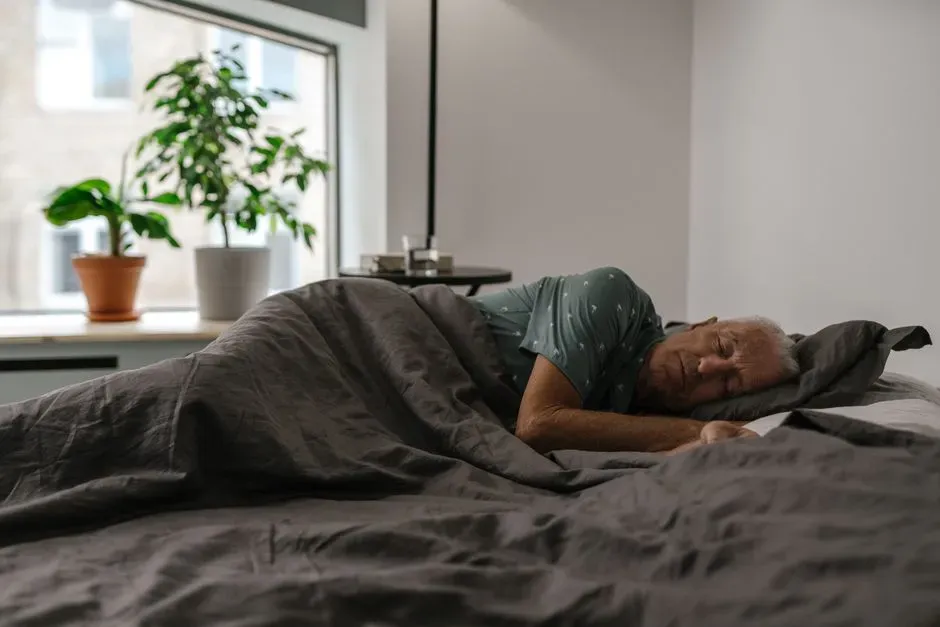
Everyone knows kids sleep differently than adults, but the scale of that difference is staggering. Deep slow-wave sleep plummets as we age. REM patterns shift. Older adults wake more often, sleep more lightly, and frequently insist they “sleep fine” while the data flatly disagrees with them. No leading theory fully explains why the brain radically rewires its own sleep stages over a lifetime.
Is it a cause of aging, or a consequence of it? That debate isn’t close to settled. Some data suggest reduced deep sleep might accelerate memory decline, while other studies hint the aging brain may intentionally scale back certain sleep stages as its networks change. The uncomfortable truth is we don’t know if age-related sleep changes are a protective adaptation, a symptom of underlying disease, or both at once – and nobody can say with confidence whether restoring “youthful sleep” in an older brain would even help.
#6 – How Exactly Sleep “Cleans” The Brain
You’ve probably heard the popular line that sleep is when your brain “takes out the trash.” It’s based on the glymphatic system, where cerebrospinal fluid washes through brain tissue more aggressively during sleep, flushing out metabolic waste like beta-amyloid. It’s a compelling story for a headline. It’s also full of holes nobody talks about.
We still don’t know exactly how this fluid flow is coordinated with different sleep stages, or why some brain regions seem to get cleaned more thoroughly than others. More awkwardly for the tidy version of the story, some studies show waste clearance happening during wakefulness too, just less efficiently – and direct evidence in actual humans is far thinner than the headlines suggest. The glymphatic idea is powerful, but it doesn’t explain why some people with terrible sleep never develop dementia, while others with decent sleep still do. Something else is going on with vascular health, inflammation, and brain immune cells, and nobody has the full map yet.
Fast Facts
- The glymphatic system was discovered and named by neuroscientist Maiken Nedergaard in 2012.
- Science magazine named the discovery one of its Breakthroughs of the Year in 2013.
- The system is primarily active during sleep and shuts down again shortly after waking.
- The discovery has significantly reshaped the scientific community’s understanding of sleep’s role in maintaining brain function and preventing neurodegenerative diseases.
#5 – Why Some Memories Strengthen And Others Vanish Overnight
“Sleep helps memory” is the slogan version. The reality is messier. After a normal night’s sleep, some information becomes rock-solid, while other details vanish completely, even if you studied both with equal effort. Researchers can watch certain patterns replay in the hippocampus, like the brain rerunning a maze it learned earlier that day, but how it decides which experiences get replayed and locked in is still murky.
Emotional events tend to get priority, but that’s not the whole story – boring, unremarkable facts sometimes survive intact, while intense, memorable moments fade anyway. There’s also a genuine paradox where sleep can strip the emotional sting out of a bad memory while leaving the factual content perfectly intact. That kind of selective editing is something we simply don’t know how to model yet. Put plainly: your brain is curating your life story every single night, using rules nobody has decoded.
Quick Compare
- Often kept: emotionally charged experiences and information replayed in the hippocampus during sleep.
- Often lost: neutral facts and details that were never replayed overnight, no matter how hard you studied them.
- The paradox: some emotional memories lose their sting but keep every factual detail – the exact opposite of what a simple “delete vs. keep” model would predict.
#4 – How Sleep And Mental Illness Feed Each Other
The link between sleep and mental health isn’t subtle. People with depression, anxiety, bipolar disorder, PTSD, and schizophrenia almost always have disrupted sleep. But the direction of cause and effect is still a genuine headache for researchers. Sometimes fixing someone’s sleep improves their mood. Other times, changing their sleep pattern can trigger a manic episode or worsen symptoms in ways clinicians can’t reliably predict.
Take PTSD, where nightmares and fragmented sleep are core features of the condition. Bluntly suppressing REM sleep isn’t a magic fix, and for some patients it actually makes daytime flashbacks worse. Or consider antidepressants that heavily alter REM sleep: some patients feel noticeably better, others feel flat and emotionally blunted. The comforting idea that “good sleep cures mental illness” is scientifically lazy. What’s actually happening is a tangled, two-way relationship where tiny tweaks in sleep architecture can reshape someone’s entire emotional life, and nobody fully understands why it swings positive for one person and negative for the next.
#3 – Why Circadian Rhythms Differ So Wildly Between People

Being a “morning lark” or a “night owl” gets treated like a lifestyle preference. Neuroscience says otherwise. The master clock in the brain’s suprachiasmatic nucleus is genetically tuned, but why some people’s clocks run several hours off from everyone else’s, and why that shift sometimes changes with no clear trigger at all, remains unexplained. Light, temperature, and social cues all interact in ways researchers still can’t fully untangle.
Here’s the inconvenient part: strict 9-to-5 schedules are biologically hostile to a large chunk of the population. Teenagers, for example, are naturally phase-delayed, and forcing early school start times reliably produces worse mood, worse grades, and higher accident risk. Yet some teens function fine at 6 a.m. while others are zombies until 10. We can measure melatonin levels and core body temperature all day long, but we still can’t predict, with any real precision, how one specific person’s internal clock will react to shift work, jet lag, or nightly screen exposure.
Worth Knowing
- The American Academy of Pediatrics recommends that school districts push start times to 8:30 a.m. or later for middle and high schools.
- Adolescents experience a natural sleep phase shift that inhibits them from falling asleep before 11 p.m. and keeps their brains in “sleep mode” until about 8 a.m.
- One district saw car crash rates drop by 16.5 percent after moving its school start time just one hour later.
- Yet even with identical biology on paper, some teens adapt fine to early starts while others stay chronically sleep-deprived – proof the clock isn’t as one-size-fits-all as the guidelines suggest.
#2 – The Bizarre Phenomenon Of Lucid Dreaming

Lucid dreaming, realizing you’re dreaming and sometimes steering the dream itself, shouldn’t be possible under our current sleep models. Logic and self-reflection are supposed to be dampened during REM. Yet in lucid dreams, some prefrontal regions appear to “wake up” inside a sleeping brain, creating a hybrid state of consciousness nobody fully understands. It’s a bit like two operating systems running on the same machine at the same time.
Experiments where lucid dreamers signal from inside their dreams using pre-agreed eye-movement codes prove this isn’t folklore. It’s real and measurable. But researchers still can’t reliably induce or control it in most people. Even stranger, training people in lucid dreaming sometimes helps with recurring nightmares or PTSD, while for other people it appears to increase sleep fragmentation or dissociation. This “aware but asleep” state breaks our neat sleep-wake binary completely, and there’s no coherent theory yet for what consciousness even is in that in-between zone.
#1 – Where Consciousness “Goes” When You Fall Asleep
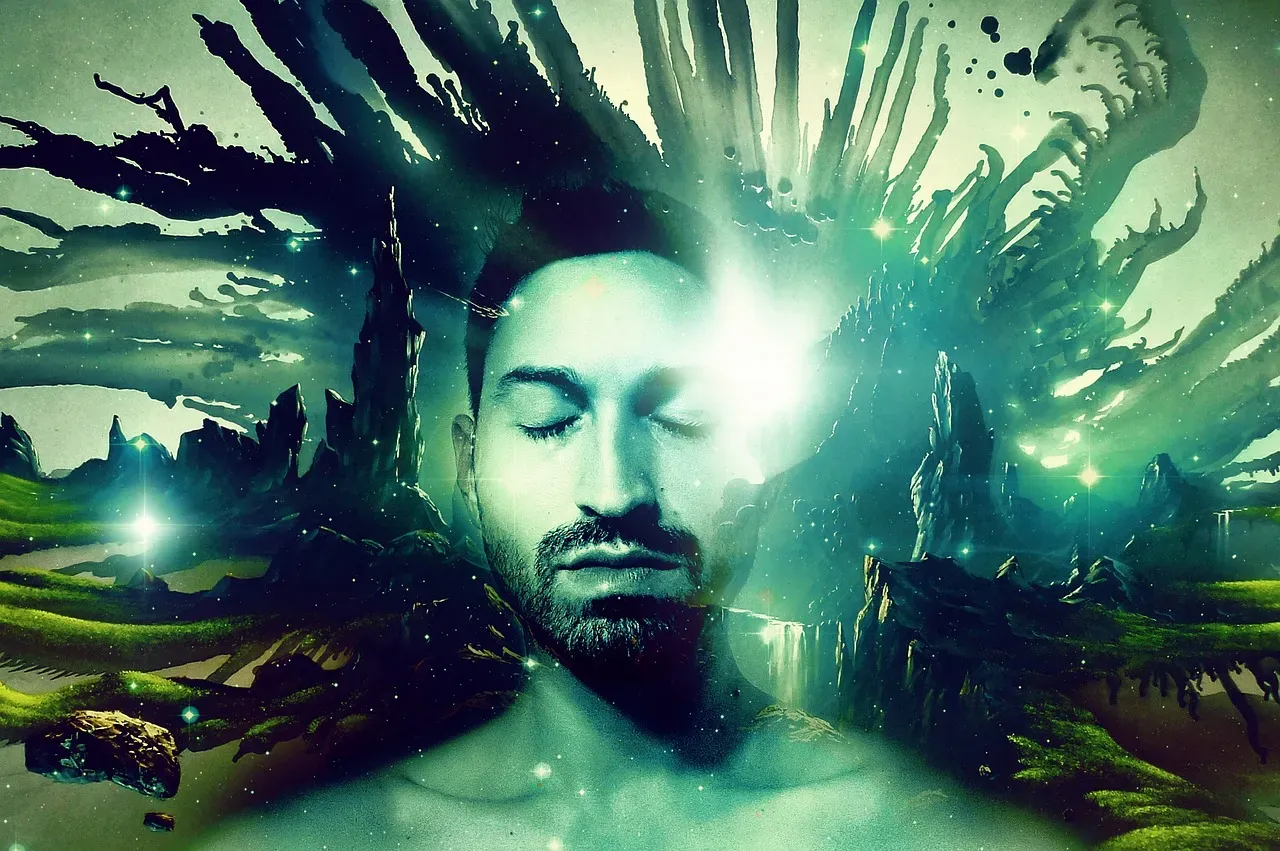
Here’s the most uncomfortable question of all: when you pass from wakefulness into deep sleep, what actually happens to your conscious experience? It doesn’t switch off like a light. There’s a fading, a fragmentation, then usually nothing you can remember at all. And yet you can still respond to certain sounds, keep breathing steady, and even move during specific stages. So who, exactly, is “in there” during those blank hours?
Neuroscientists can track changes in brain connectivity, complexity, and signaling patterns, but none of that directly translates into the felt disappearance of self. Under anesthesia, in deep sleep, during certain seizures, and in coma, the brain shows overlapping signatures, yet people’s subjective reports, on the rare occasions they have any, don’t line up cleanly across these states. The brutal truth is this: nobody yet knows how to connect the physics of sleeping neurons to the plain human fact that your entire world disappears every single night. Until that’s solved, everything else on this list is just surface detail.
The Bottom Line
Pull back the curtain, and modern sleep science looks a lot less like settled fact and a lot more like educated confusion running on better machines. Researchers can name the stages, chart the brain waves, and correlate sleep with almost every aspect of health you can think of. They still can’t tell you why some brains thrive on four hours, why some memories survive the night and others don’t, or where your sense of self actually goes between lights-out and the alarm clock.
The gap between what sleep labs can measure and what they can actually explain is far bigger than most public health messaging is willing to admit. That’s not a reason to blow off sleep advice or stay up doom-scrolling out of spite. It’s a reason to stop pretending science has this fully figured out, because it doesn’t, not even close. Every night, your own brain runs an experiment on you that it refuses to fully explain. So which one of these twelve mysteries bothers you the most, and do you still trust the standard sleep “rules,” or do you suspect we’ve got more of this wrong than anyone in a lab coat wants to admit?