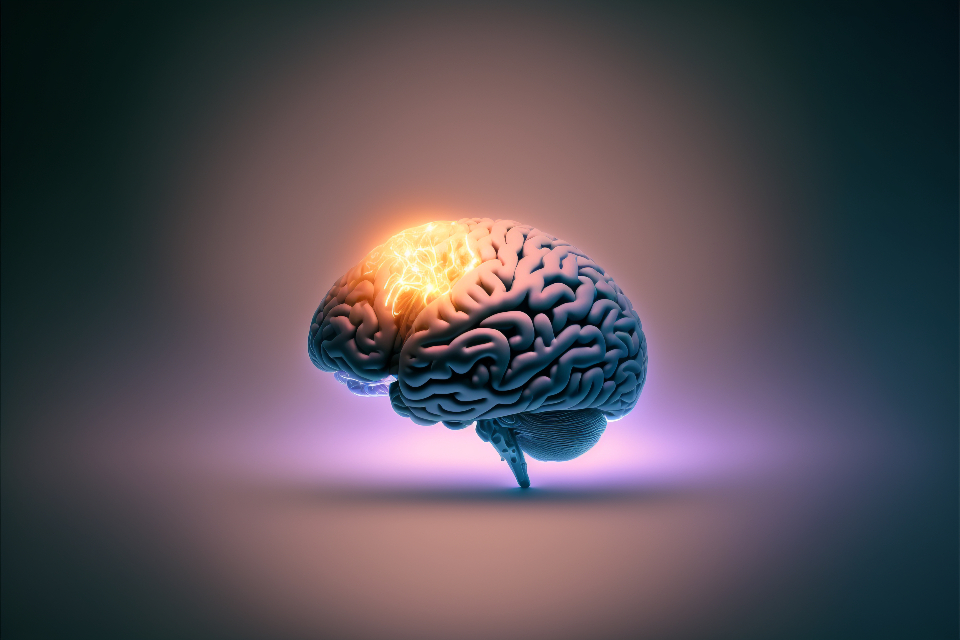

You’ve probably heard the quiet flex before: humans are the pinnacle of awareness, the species that finally figured out how to perceive reality. Better eyes, bigger brains, sharper instincts than anything else crawling, swimming, or flying around us. Biologists who actually study animal nervous systems have mostly stopped believing that story.
Some of what’s coming is well-documented lab science. Some of it is still debated fiercely at conferences, the kind of argument that gets researchers red in the face over coffee. But once you see the full list, you’ll understand why more than one scientist has quietly admitted that humans might be the limited ones in the room.
#13 – Earthquake Sensing Before We Feel a Thing

Pet owners have said it for generations: the dog got restless, the cat hid under the bed, and hours later the ground shook. Scientists used to roll their eyes at this. Now there’s real evidence that animals may detect subtle vibrations and low-frequency signals long before any human notices a thing.
Fish, rodents, and even farm animals seem to pick up on tiny seismic or infrasound changes that precede major quakes, possibly through ultra-sensitive vibration receptors in their feet, whiskers, or inner-ear structures tuned to frequencies we simply can’t register. Proving it in a controlled setting is brutally hard since earthquakes don’t book lab appointments, but the pattern shows up often enough that research teams now seriously study animal behavior as a potential early-warning system.
#12 – Shockingly Precise Electric Field Detection
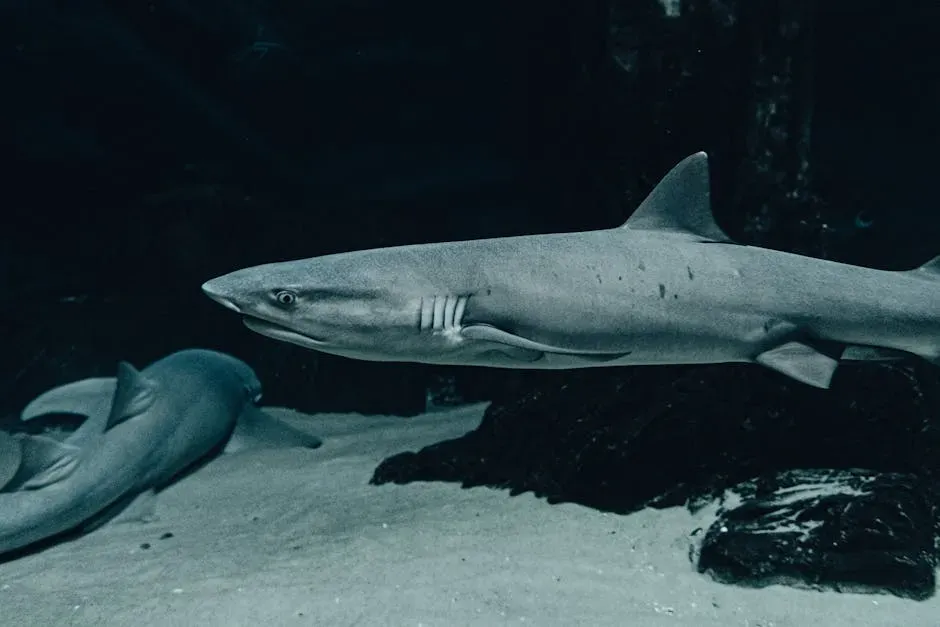
Humans barely register a static shock. For sharks, rays, electric fish, and even the duck-billed platypus, electricity is an entire sense, tuned to detect fields as weak as a few billionths of a volt per centimeter. That’s the equivalent of sensing a battery leak from across a murky river.
This ability, called electroreception, lets animals locate hidden prey by the electric fields their muscles generate and navigate in total darkness without ever needing light. Sharks carry organs called the ampullae of Lorenzini, essentially built-in voltage meters wired straight to the brain, and some fish generate their own electric fields and then read the distortions, like an underwater sonar. Humans have no equivalent organ and no meaningful electroreceptive brain circuitry; we can fake this with instruments, but sharks are simply born knowing how to do it.
Fast Facts
- Sharks and skates can sense electric field changes as small as 5 nanovolts per centimeter, even through canals traveling up to 25 cm of tissue.
- That sensitivity is roughly equivalent to detecting the charge from a 1.5-volt battery stretched across the entire width of the Atlantic Ocean.
- Sharks average around 1,500 of these electroreceptor pores clustered on their heads.
- Electric eels can discharge jolts strong enough to stun prey and deter predators, all generated internally without any external power source.
#11 – True Magnetic Compass Navigation

Most people assume only migratory birds use Earth’s magnetic field to get around. In reality, magnetic sensing shows up in birds, sea turtles, lobsters, salmon, bats, mole-rats, and probably far more species we haven’t tested yet. These animals aren’t vaguely “feeling direction” – many appear to carry a built-in compass, and possibly even a map, based on the planet’s magnetism.
Two mechanisms are the leading suspects: microscopic magnetite crystals acting like tiny compass needles, and quantum-level chemical reactions in the eye that shift with magnetic field direction. The strangest part is that birds hold their course on cloudy nights, in unfamiliar territory, with zero visual landmarks, and can correct their route after being artificially displaced, as if reading an internal “you are here” pin. Humans, without a compass app, are magnetically clueless; fringe claims of a weak human magnetic sense exist, but there’s still no solid, repeatable evidence we can consciously use one.
#10 – Polarized Light Vision
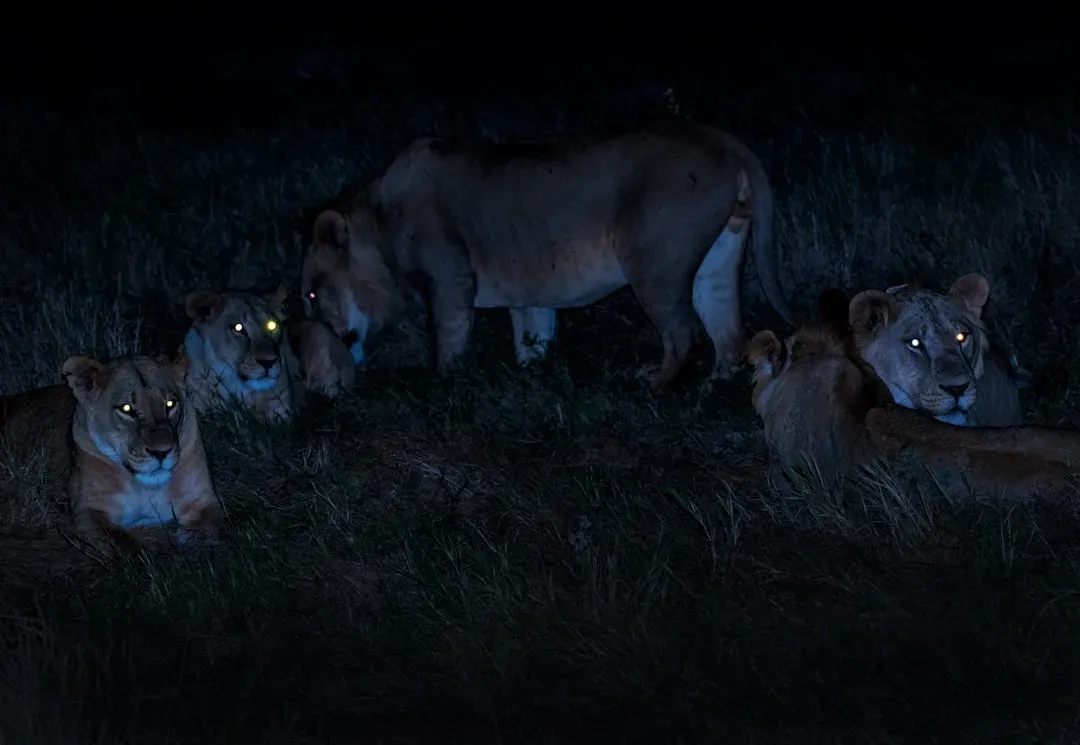
When you look at the sky, you see blue gradients and maybe a nice sunset. Bees, ants, crickets, some crustaceans, and even certain birds see something layered underneath all of that: the polarization pattern of light, the invisible vibration direction of light waves crossing the sky, like a secret compass overlay we never knew existed.
Bees use this pattern to navigate even when clouds or trees hide the sun outright, and desert ants use it to march in dead-straight lines across featureless sand before heading directly home. Cuttlefish and mantis shrimp go even further, using polarization for hidden signaling invisible to predators and for sharper contrast in cluttered underwater scenes. Humans technically experience a faint version called Haidinger’s brush, but it’s not a usable sense; meanwhile mantis shrimp carry polarization detectors that outperform high-end cameras.
#9 – Ultraviolet Vision and Secret Color Channels
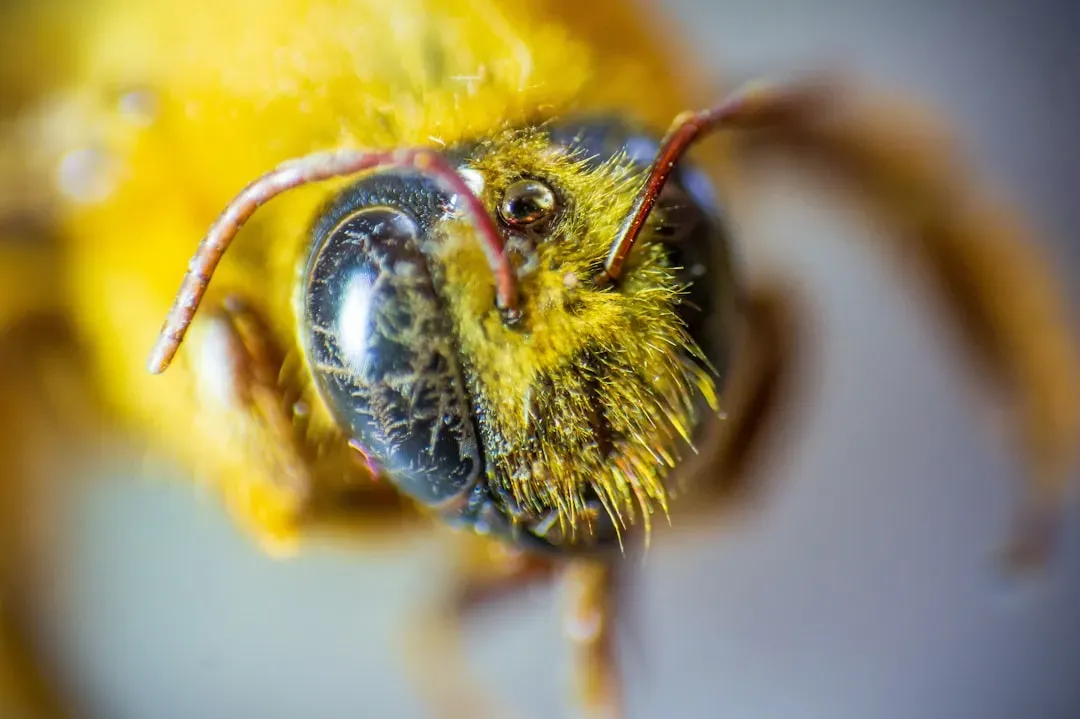
We like to brag about seeing millions of colors, but plenty of animals see colors we literally cannot imagine. Birds, bees, some fish, and many reptiles detect ultraviolet light, giving them a fourth color channel stacked on top of our standard red-green-blue system.
A flower petal that looks plain yellow to us might glow with UV bullseyes and runway stripes pointing straight to the nectar for a bee. Birds use the same UV channel to spot the urine trails of small mammals on the ground and to judge mate quality from plumage that looks completely ordinary to human eyes. Even reindeer see UV, which helps them spot predators and lichen against snow; our lenses largely block UV light entirely, so biologists now argue that “true color” in nature is fundamentally inaccessible to us – our world is, quite literally, under-saturated.
#8 – Insanely Fine-Tuned Vibrational Hearing
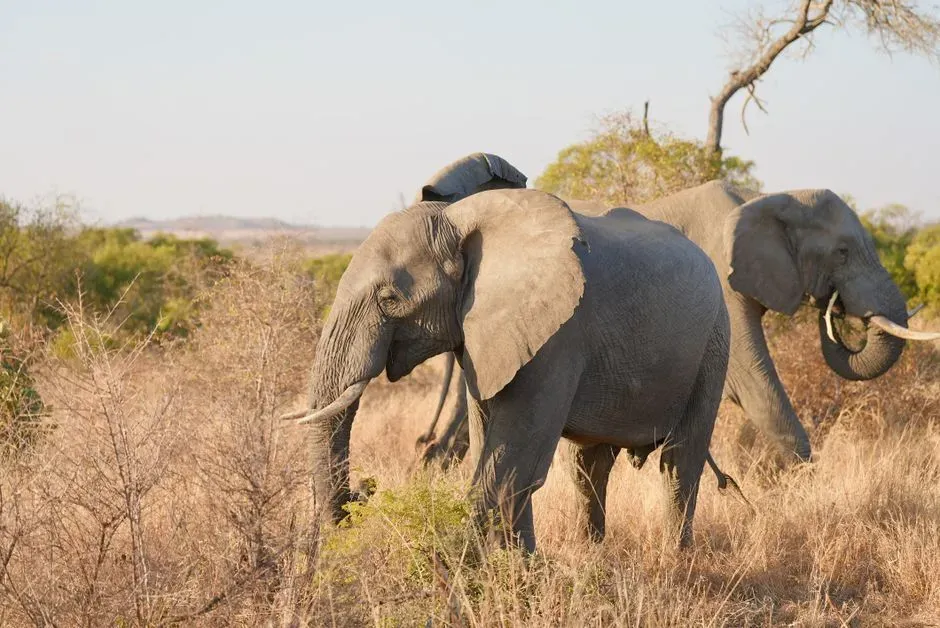
We treat hearing as sound traveling through air. Many animals extend that into a full vibration sense that blends touch, hearing, and something we don’t have a name for. Spiders feel web vibrations through hair-like sensors so sensitive they can detect the air movement from a flying insect several feet away.
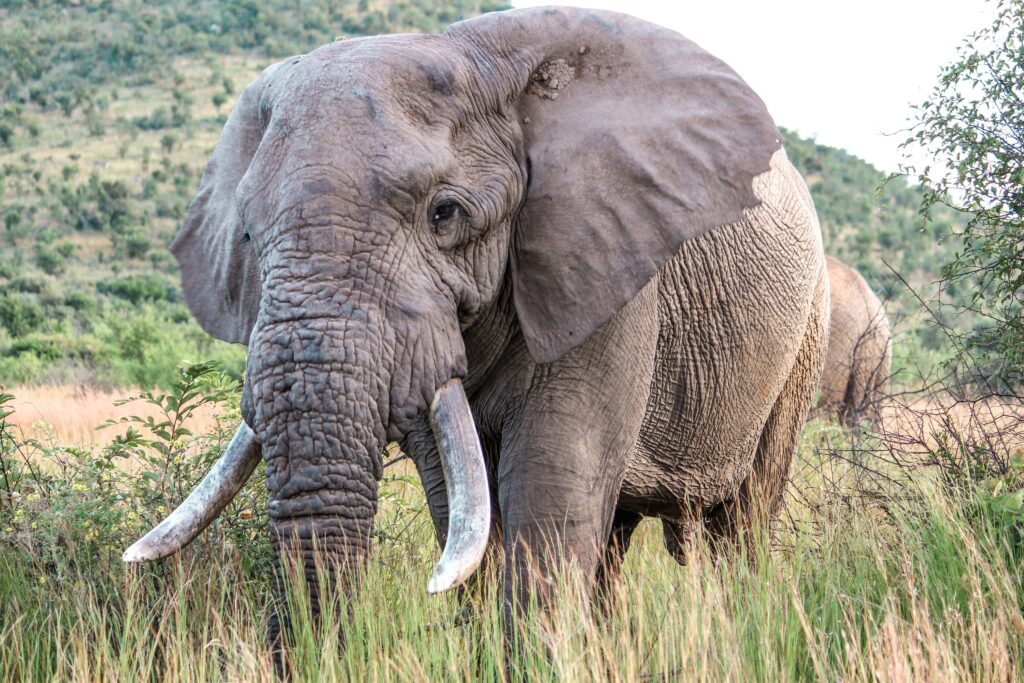
Elephants communicate through low-frequency rumbles that travel through the ground and get picked up through their feet and trunks, while burrowing animals like mole-rats sense vibrations through skull and body bones in dense soil. Humans have mechanoreceptors in skin and ears, sure, but nothing close to the spatially precise vibration arrays these animals rely on. A spider on its web is essentially running a 360-degree vibrational radar system; we need a seismometer or contact mic just to approximate it.
#7 – Ultrasonic Worlds Above Our Hearing
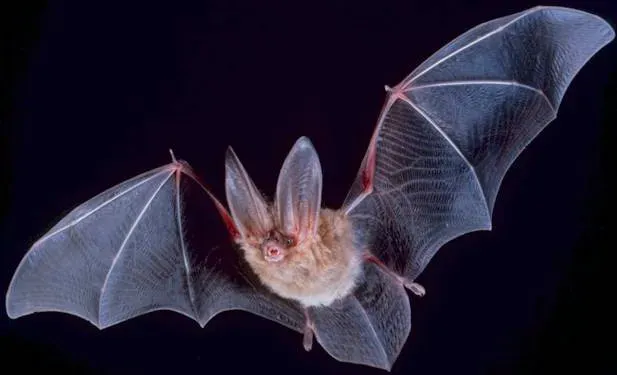
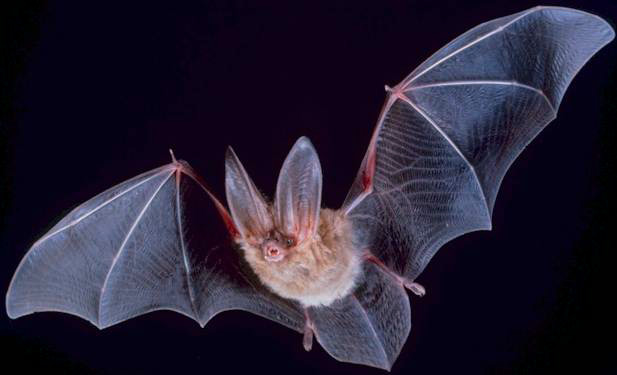
Human hearing tops out around 20 kHz in childhood, and it only declines from there. Bats, dolphins, toothed whales, shrews, some rodents, and certain moths operate in ultrasound frequencies well above 100 kHz, and they don’t just detect it, they actively shape and analyze it in real time.
Echolocating bats and dolphins devote enormous chunks of brain tissue to emitting precisely shaped ultrasonic pulses and timing the returning echoes down to the microsecond, building full 3D maps out of pure sound. Some moths have even evolved ears tuned specifically to bat calls, giving them a last-second escape response humans can’t perceive at all. To us, a hunting bat overhead is silent; to its prey, the sky is screaming with information.
Quick Compare
| Species | Upper Hearing Limit |
|---|---|
| Humans | about 20 kHz |
| Dogs | up to 47,000-65,000 Hz |
| Bats | as high as 200,000 Hz |
| Dolphins | up to 150,000 Hz |
| Greater wax moth | up to 300 kHz, the best hearing recorded in the animal kingdom |
#6 – True Echolocation as a Spatial Sense
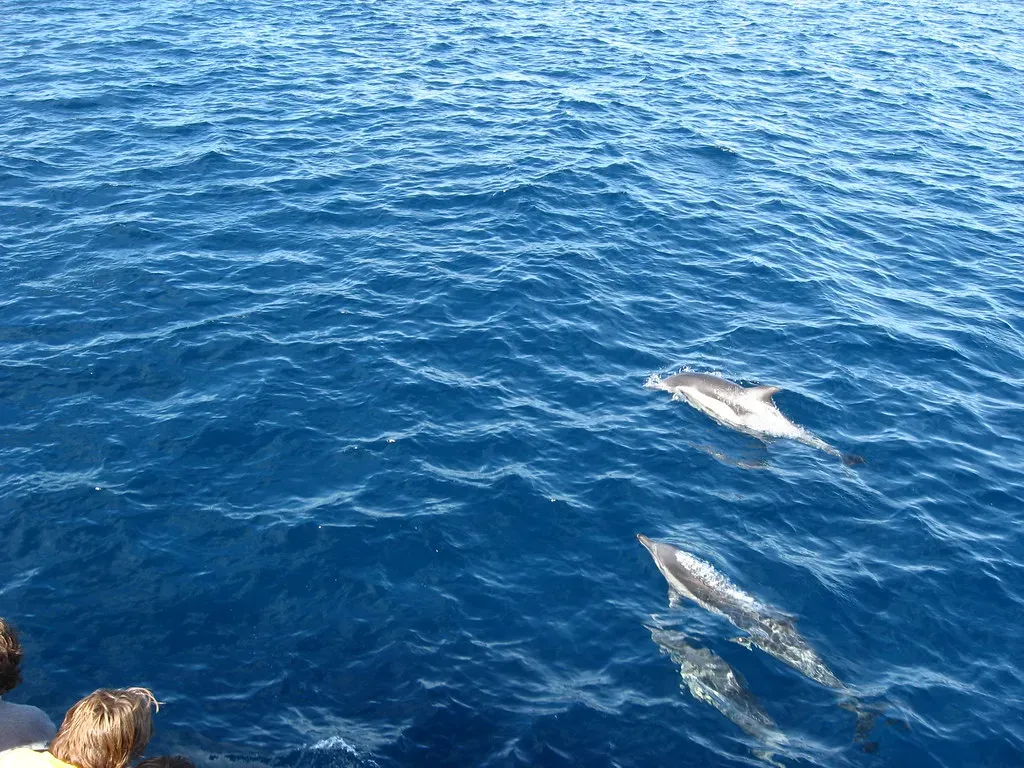
Echolocation isn’t just “really good hearing” – it’s its own category of sense entirely. Bats and toothed whales send out sound pulses and read the returning echoes to build detailed 3D models of their surroundings, including size, distance, texture, and even the motion of nearby objects, all in total darkness or murky water.
Their brains fuse auditory timing, frequency shifts, and echo patterns into something that functions almost like vision, letting them track multiple moving targets at once while adjusting their calls on the fly. Humans can train a crude version of “click sonar,” but that’s a workaround using ordinary hearing and cognition, not a dedicated echo-mapping circuit. Bats have entire brain regions tuned only to specific echo delays and Doppler shifts – for them, space itself is visible in sound.
#5 – Extreme Infrared and Heat Detection
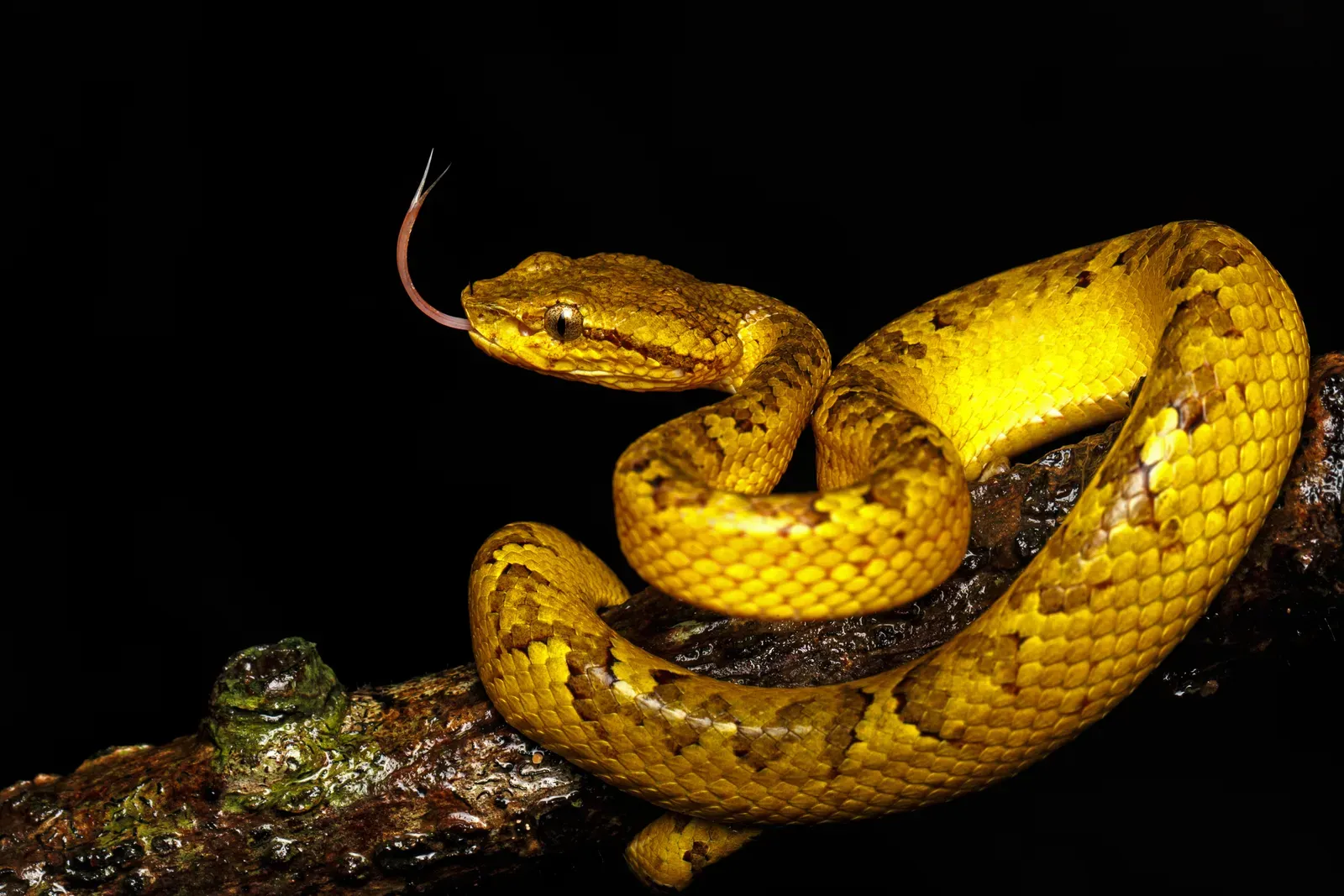
We feel warmth on our skin, but that sense is slow, blunt, and mostly about comfort. Pit vipers, some pythons, and boas have infrared-sensitive pits that detect minute temperature differences at a distance, effectively letting them “see” warm-blooded prey in complete darkness.
These pits aren’t just glorified thermometers; the brain maps the signal as a low-resolution thermal image layered right on top of normal vision, so a mouse hiding behind leaves lights up as a warm blob against a cool background. Vampire bats carry a similarly precise heat-sensing system around their noses, and certain beetles can detect fires more than 100 kilometers away to find freshly burned wood for laying eggs. When humans strap on infrared goggles, we’re faking a sense these animals simply live inside every day.
#4 – Hyper-Specialized Chemical Senses Beyond Smell
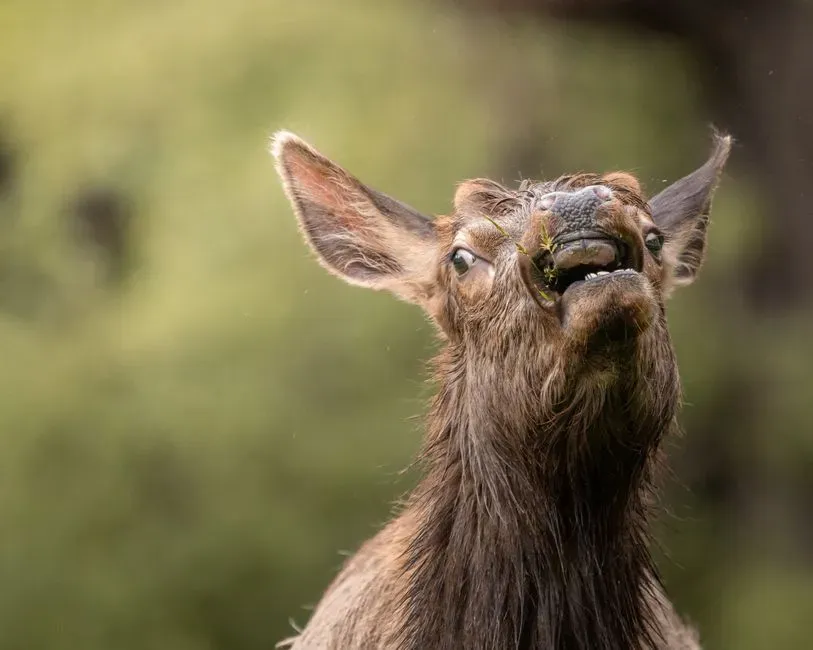
We lump everything nose-related into one category called “smell,” but many animals split chemical detection into entirely separate senses. Mammals, reptiles, and even amphibians use a vomeronasal organ, also called Jacobson’s organ, that detects pheromones and heavy, non-volatile molecules most of us never register.
Snakes flick their tongues to collect chemical particles and deliver them straight to this organ, effectively tasting the air around them, while many rodents depend on it entirely for mating, territory marking, and social recognition. Humans either have a vestigial version of this organ or none that’s convincingly functional – the science is still debated. When a cat curls its lip in the classic “flehmen response,” it’s routing chemicals into a sensory world we’ve essentially lost access to altogether.
Worth Knowing
- A snake’s forked tongue samples scent from two separate points at once, letting the brain compare signal strength side-to-side to figure out which direction a trail gets stronger.
- The vomeronasal organ routes information through the accessory olfactory bulb, a brain pathway that runs entirely separate from ordinary smell processing.
- The flehmen lip-curl response shows up in cats, horses, giraffes, and many other mammals as they pull air directly into this specialized organ.
- For many rodents, this channel isn’t a bonus sense – it’s the primary way they recognize mates, rivals, and territory boundaries.
#3 – True Long-Distance Chemosensory Tracking

Most people assume dogs just have “better smell.” That massively undersells what’s actually happening. Dogs, bloodhounds, wolves, many insects, and sharks can follow concentration gradients and chemical time-signatures in a way that functions like an extra navigational sense, not simply stronger olfaction.
They can track a specific individual’s scent over days and across complex terrain, tell apart overlapping trails to choose the freshest one, and in the case of sharks, detect tiny amounts of blood and swim up-current straight to the source. Humans can detect odors, sure, but we’re terrible at using them spatially. For these animals, a chemical plume is like an invisible river they can swim upstream, a directional, map-like skill built on receptor diversity and olfactory brain regions we simply don’t possess.
#2 – Hydrodynamic “Water Flow” Vision
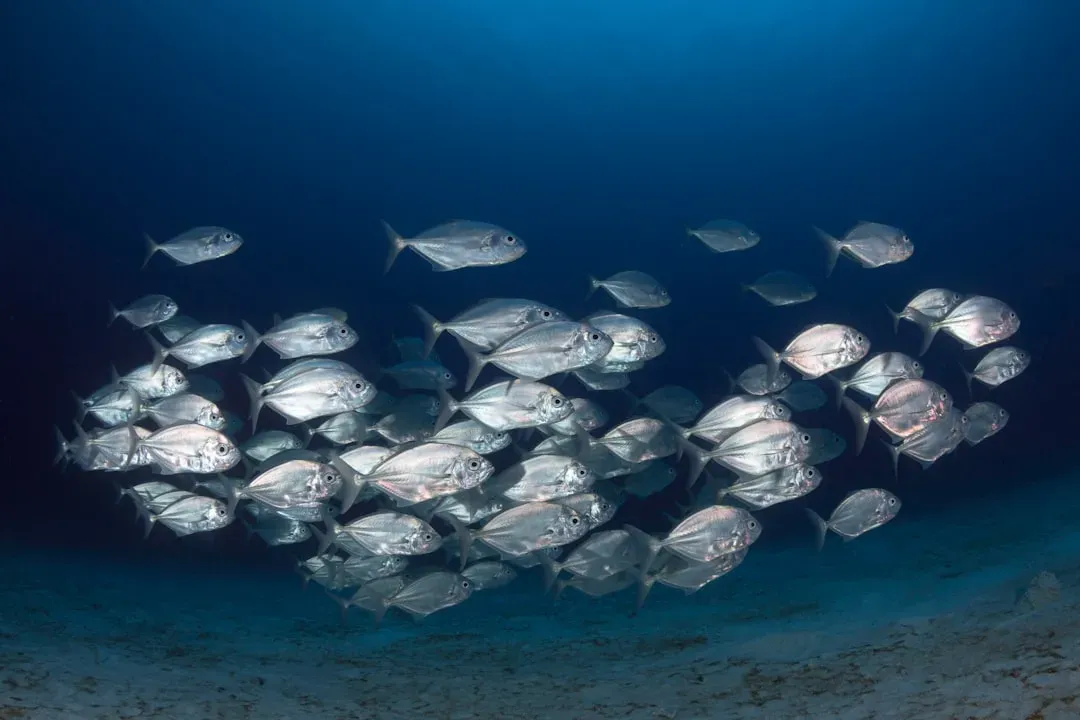
Fish, amphibian larvae, and some aquatic invertebrates carry a lateral line system: rows of tiny mechanoreceptors running along the body that detect water movement and pressure changes. For these animals, water isn’t just “wet” – it’s a textured, dynamic field they can feel at a distance.
This lets them school in tight formation without colliding, detect a predator or prey approaching from behind, and navigate through total darkness by reading current patterns alone. Each sensory unit along the lateral line responds to a different flow direction and speed, feeding a continuous “flow map” straight to the brain, so another fish swimming nearby literally reshapes the water field around it – and that shape is sensed instantly. Humans, even mid-swim, only feel blunt impacts or waves against the skin; we have no dedicated organ built for this kind of fine-grained fluid sensing.
#1 – Full-Body Proprioceptive Superpowers
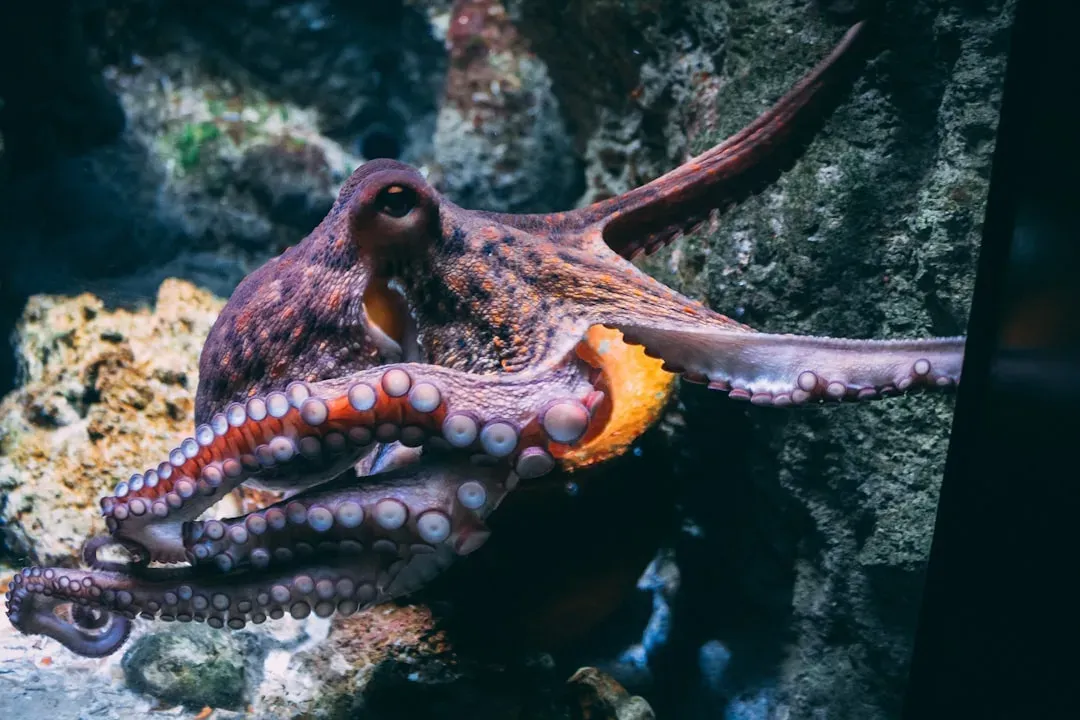
Humans do have proprioception, the sense of where our body parts are in space, but plenty of animals have it cranked up to levels that feel almost alien. Birds in flight, octopuses, and insects integrate limb position, air or water flow, joint angle, and muscle tension with such precision that their entire bodies function as hyper-responsive sensory arrays, not just limbs being moved around.
Insects carry strain sensors called campaniform sensilla that monitor stress on their exoskeletons and let them adjust wing beats within milliseconds, while octopuses control boneless, endlessly flexible arms using thousands of independent motion units guided by distributed sensors and local “mini-brains.” Flying insects and some birds even use feather and hair sensors to read micro-turbulence and correct their flight instantly. We technically share this sense, but we lack both the distributed architecture and the resolution these animals rely on – it’s a bit like claiming your old flip phone has the same capability as a modern supercomputer. Technically not wrong, but it misses the entire point.
At a Glance
- Octopuses are packed with over 500 million neurons, but more than two-thirds of them sit in the arms and body rather than the central brain.
- Each arm can taste, touch, and move without waiting for direct instruction from the brain.
- Campaniform sensilla on an insect’s exoskeleton detect microscopic strain changes, allowing wingbeats to self-correct within milliseconds of a gust or turbulence.
- Birds use tiny feather-base sensors to read airflow changes across their wings in real time, adjusting posture faster than conscious thought could manage.
The Bottom Line
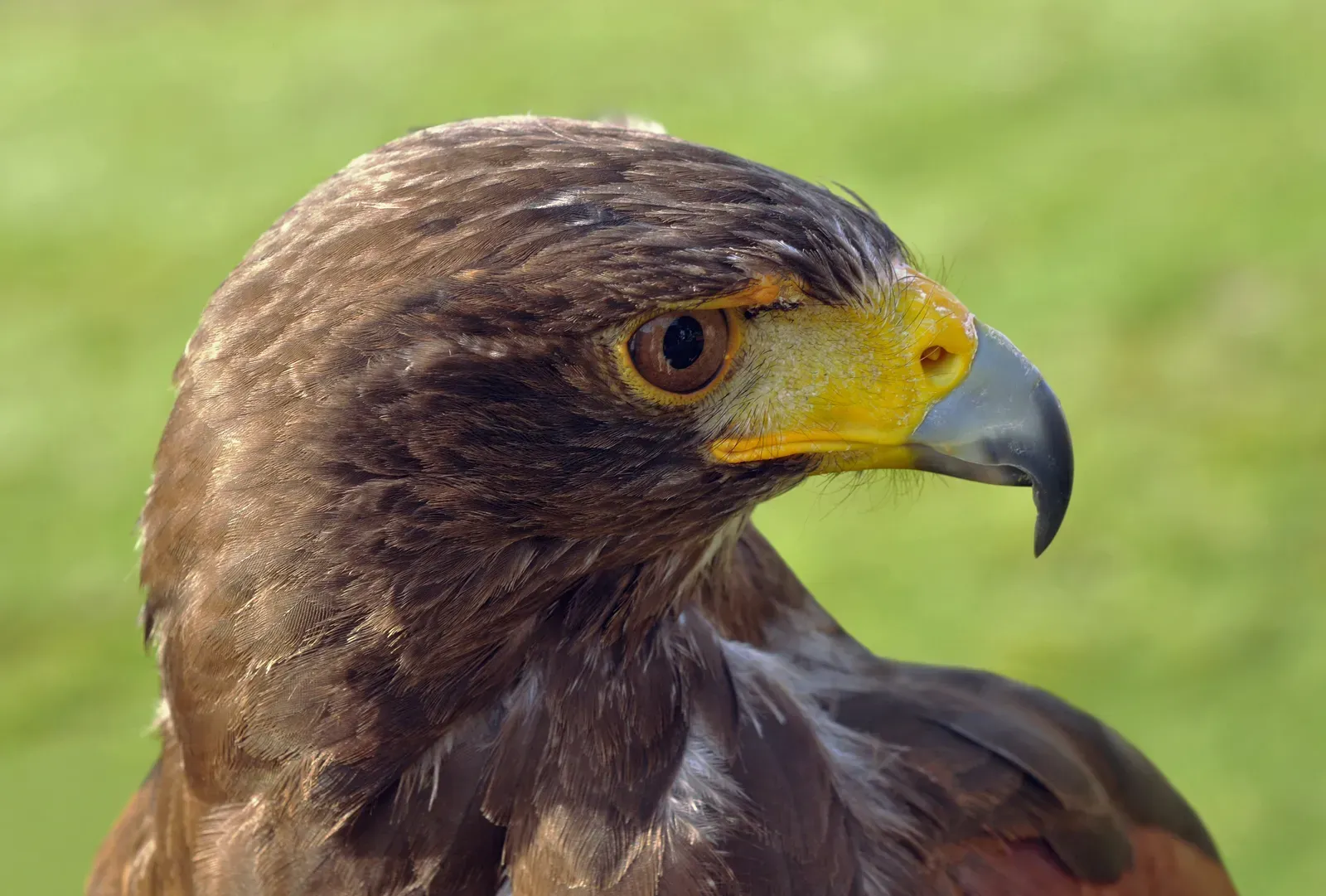
For decades, humans assumed we were the sensory gold standard and everything else was some kind of downgrade. The evidence quietly wrecks that assumption. Plenty of animals don’t just out-perform us at the senses we already know about – they run entirely different sensory operating systems: electroreception, magnetic compasses, polarized and UV vision, hydrodynamic flow detection, pheromone channels we simply never evolved.
The honest truth is that we inhabit a thin slice of reality while other species swim through a far richer perceptual ocean. That doesn’t make humans lesser, but it does make our usual arrogance look scientifically outdated. If anything, we’re the sensory weirdos of the animal kingdom – overconfident primates running a narrow feed, fully convinced we’re seeing the whole picture.
Which of these animal-only senses would change how you feel about the world the most if you could borrow it for a single day?