
The next time a crow watches you cross a parking lot instead of flying off, it might be doing something scientists spent decades swearing a “bird brain” couldn’t pull off. For most of the 20th century, crows were filed under nuisance wildlife: noisy, opportunistic, not worth serious study. Cognitive scientists reserved their respect for chimps, dolphins, and maybe elephants.
Then the data started rolling in, and it wasn’t polite. One by one, researchers who’d publicly dismissed crow “tricks” as folklore or coincidence had to reverse themselves in their own journals. What follows is the list of abilities that got laughed off first and taken seriously later – starting with a habit that turns city streets into a bird’s personal nutcracker.
#12 – Turning Red Lights Into Nutcrackers
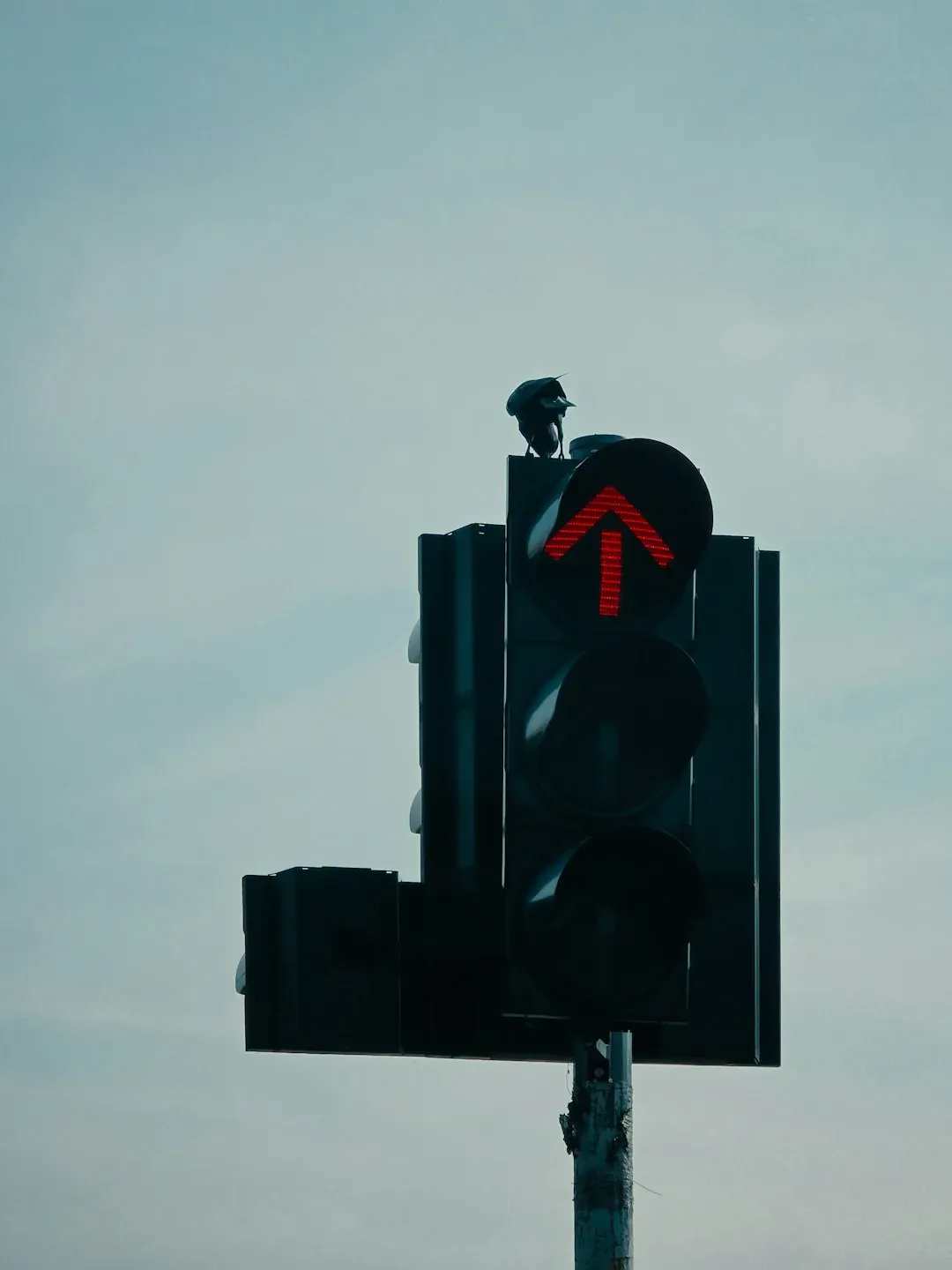
For years, stories of crows “using traffic” got treated as cute urban legend, the kind of thing a bird-watcher tells at a dinner party. Then someone actually pointed a camera at it. On city streets in Japan, the U.S., and Europe, crows have been filmed dropping hard nuts onto the road, waiting for cars to crush them, then swooping in the moment the light turns red.
The skeptical explanation was simple: birds happen to drop food, cars happen to run it over, no intelligence required. But the pattern didn’t hold up. Some crows drop nuts only at crosswalks, wait on wires until a signal actually stops traffic, and adjust their drop spot when traffic patterns change. That last detail is the uncomfortable one – it suggests these birds aren’t relying on luck, they’re running a working mental model of how cars behave.
#11 – Remembering Human Faces for Years
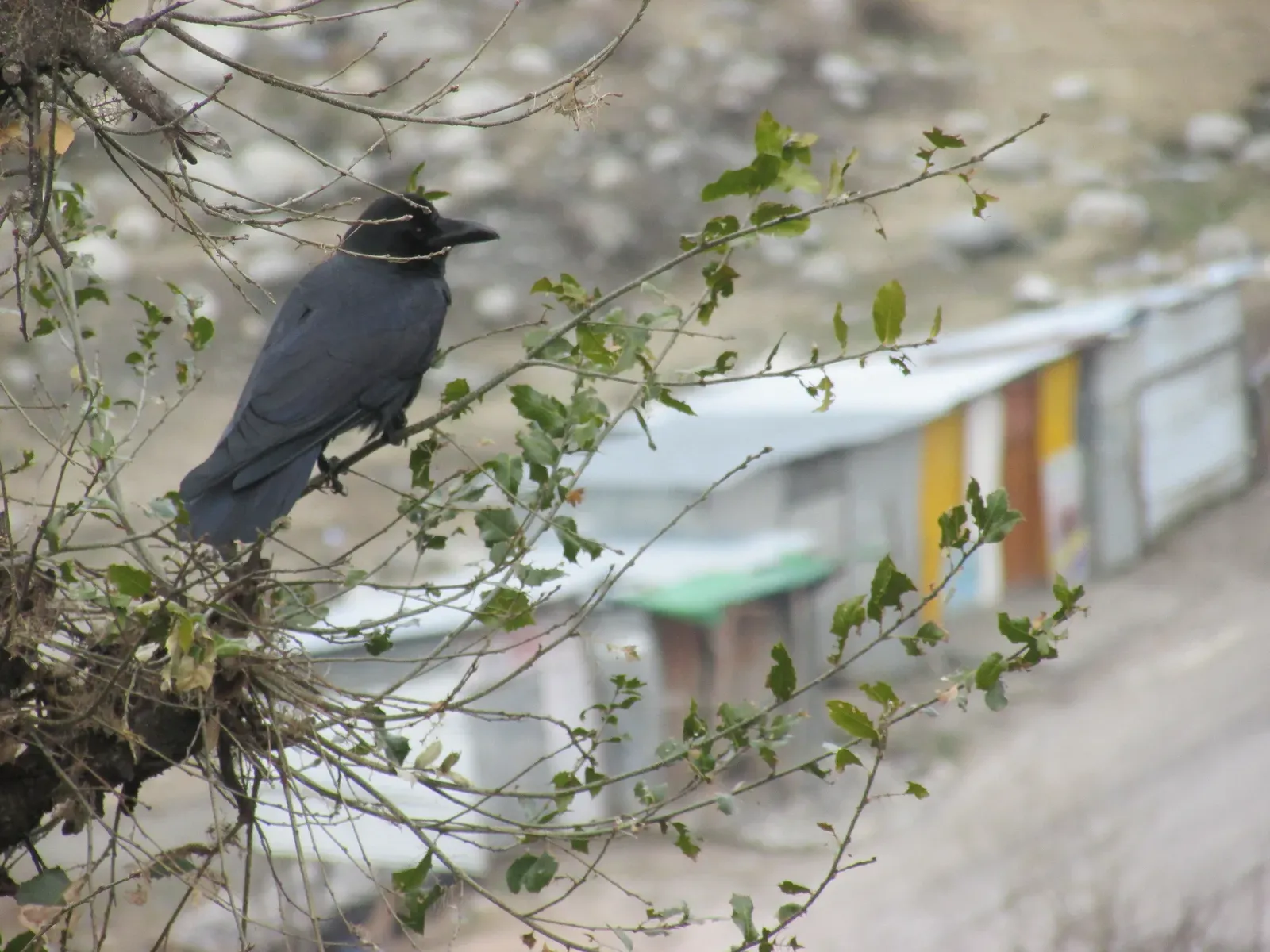
The claim that a wild bird could remember one specific human face sounded like a stretch even to people who liked crows. Then a research team in Seattle tested it directly. Wearing distinctive “danger” masks, they trapped and banded local crows – and years later, crows in that same neighborhood still went after anyone wearing that exact mask, while completely ignoring neutral ones.
What broke down the skepticism wasn’t just the hostility, it was how long it lasted and how far it spread. The danger mask still triggered alarm calls more than five years after the original trapping, and young crows who weren’t even alive during the incident joined the mobbing anyway, having apparently learned the grudge socially. Birds with brains the size of a walnut were tracking who wronged them – and telling their kids about it.
Fast Facts
- 2006: The University of Washington mask study began after researchers trapped and banded seven crows on campus while wearing a “dangerous” mask.
- 47 of 53: On one later walk through campus, that’s how many crows scolded the mask-wearing researcher on sight, far more than the original seven captured.
- 17 years: How long the grudge lasted before a masked walk in 2023 finally passed without a single scolding crow.
- A neutral mask worn during feeding sessions never triggered the same hostility, showing the birds were reacting to a specific face, not just any human.
#10 – Passing Down Local “Culture” Across Generations
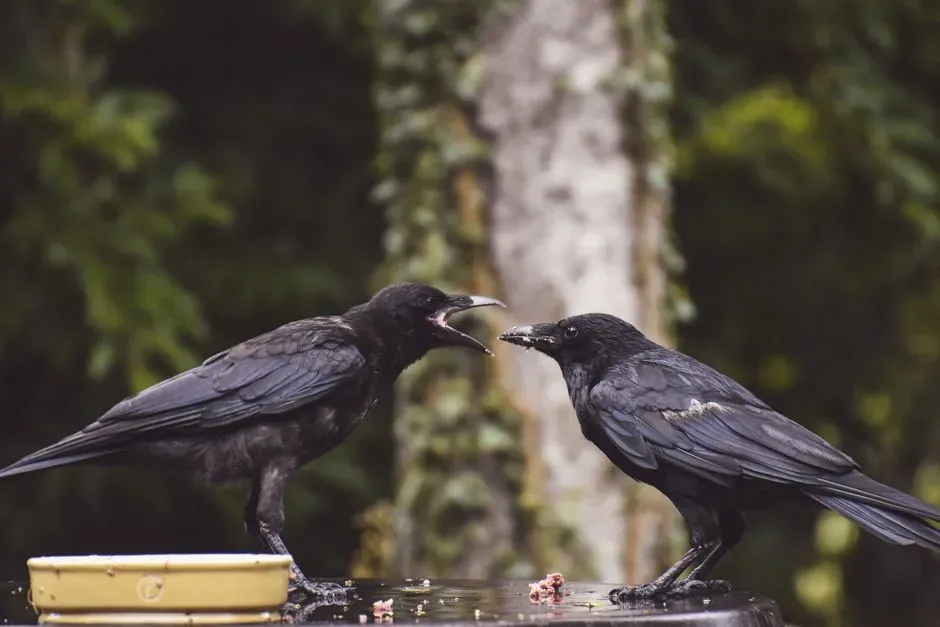
For decades, “culture” was a word scientists reserved for humans, and grudgingly, maybe great apes. Crows have quietly complicated that. In several populations, researchers have documented local traditions – unique calls, specific food-opening techniques, particular ways of mobbing a predator – that spread socially and outlast the individual birds who started them.
When young crows move into a new territory, they tend to adopt the local dialect and local tricks instead of reinventing their own. The Seattle mask study captured this in an unsettling way: juveniles who never witnessed the original trapping still attacked the mask years later, having simply copied their parents and neighbors. That’s learned behavior, shared behavior, stable over time – you don’t have to love the word “culture,” but calling this pure instinct stopped making sense a while ago.
#9 – Bending Tools Into Shapes No Crow Had Ever Needed
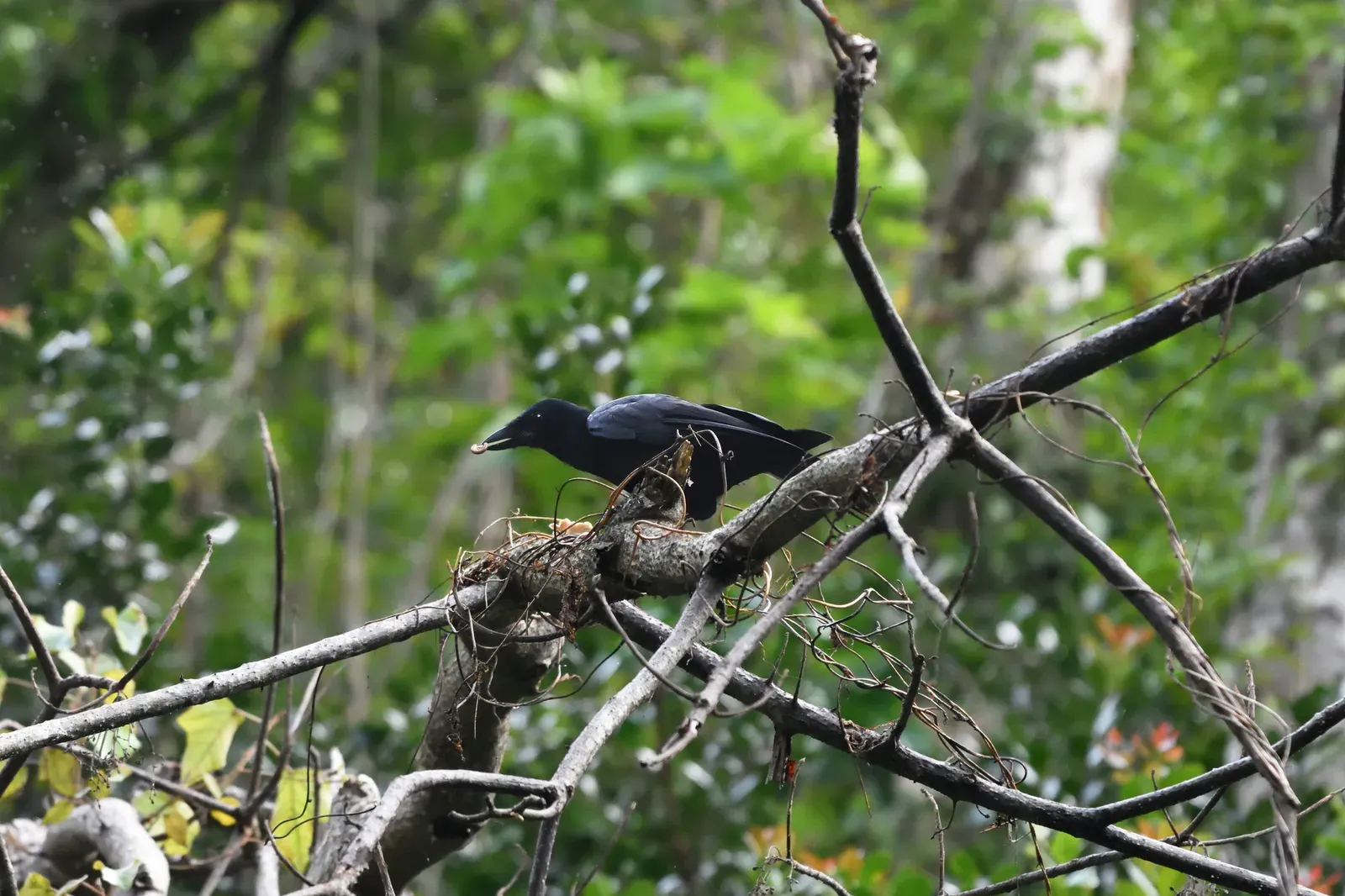
For a long time, tool use in animals had a magic line drawn through the animal kingdom: chimps and maybe dolphins were on the smart side, birds were not. Then came the New Caledonian crow, an island species that naturally crafts hooks from twigs and barbed leaves to fish grubs out of tight holes. Early critics called this rigid, hardwired behavior – basically an inherited reflex dressed up as cleverness.
Lab studies wrecked that explanation. New Caledonian crows have been recorded bending straight wire into a hook on the very first try, solving a problem shaped nothing like anything in their natural environment. Even more inconvenient for the “just instinct” camp: different individuals favor different tool shapes, and some crows visibly improve their designs with practice. That’s not a fixed program running on autopilot – that’s flexible problem-solving with a touch of actual engineering.
#8 – Solving Multi-Step Puzzles Like They Planned It
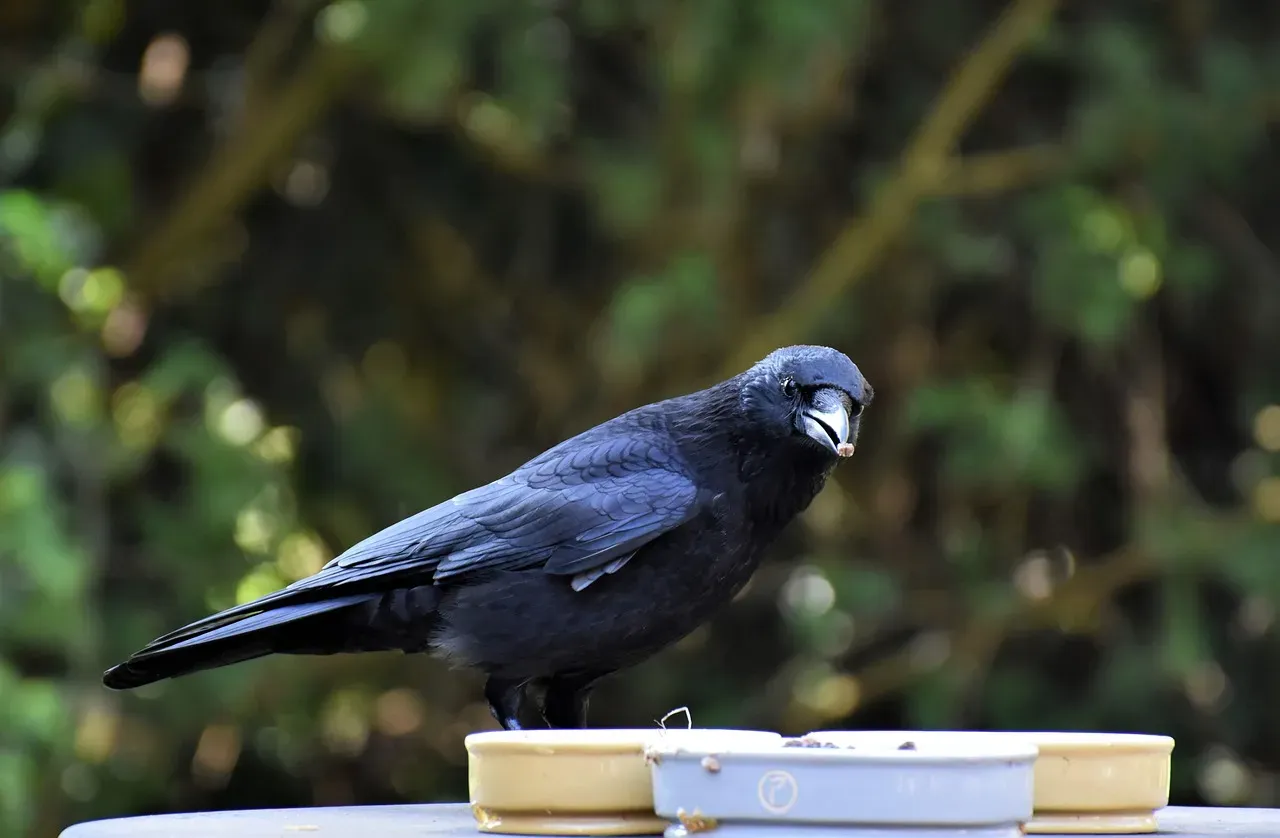
When researchers first put crows in front of puzzle boxes with several stages, the expectation was that the birds would get stuck early and stay stuck. Instead, many of them breezed through sequences that stump human preschoolers. In classic experiments, crows faced a series of tools where each one was needed to unlock access to the next, with a final reward only reachable after three to eight correct actions in the right order.
Critics initially waved this off as elaborate trial and error. But in more controlled setups, crows used the right tool at the right moment in the right sequence on their very first attempt, with zero prior training on that exact puzzle. That pattern only makes sense if the birds were mentally rehearsing steps before acting. One crow was even observed abandoning a less effective strategy mid-task to switch to a smarter one – which looks uncomfortably close to changing its mind.
#7 – Cracking Aesop’s Fable in Real Life
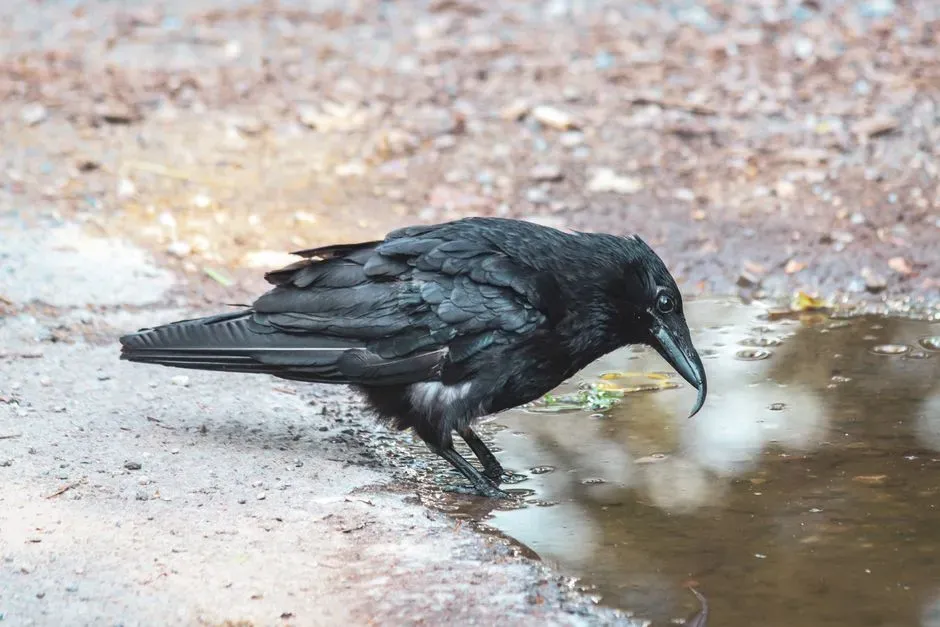
The old fable about a crow dropping stones into a pitcher to raise the water level used to be filed under “myth, not science.” Then experiments started recreating the exact scenario. Researchers gave crows a floating treat inside a narrow tube of water, along with a pile of assorted objects, and watched what happened.
Many birds quickly learned to select denser objects that actually raised the water enough to bring the food within reach, while ignoring lightweight objects that did nothing. They weren’t grabbing at random – their choices tracked which objects worked. Nobody is claiming crows have an abstract grasp of physics; researchers are careful to note they show a practical sense of cause and effect that breaks down once a task gets too artificial. But a bird brain linking volume, density, and outcome is still an uncomfortably good impression of intuitive physics.
Quick Compare
- Solid, dense objects: Consistently chosen – they sink and raise the water level, bringing the floating treat within reach.
- Hollow or lightweight objects: Usually ignored or dropped quickly once they fail to move the water.
- Narrower tubes: Preferred over wider ones, since less material is needed to raise the level enough to matter.
- Overly artificial setups: Success drops off sharply, suggesting practical cause-and-effect learning rather than true abstract physics.
#6 – Reading Who’s Allied With Whom
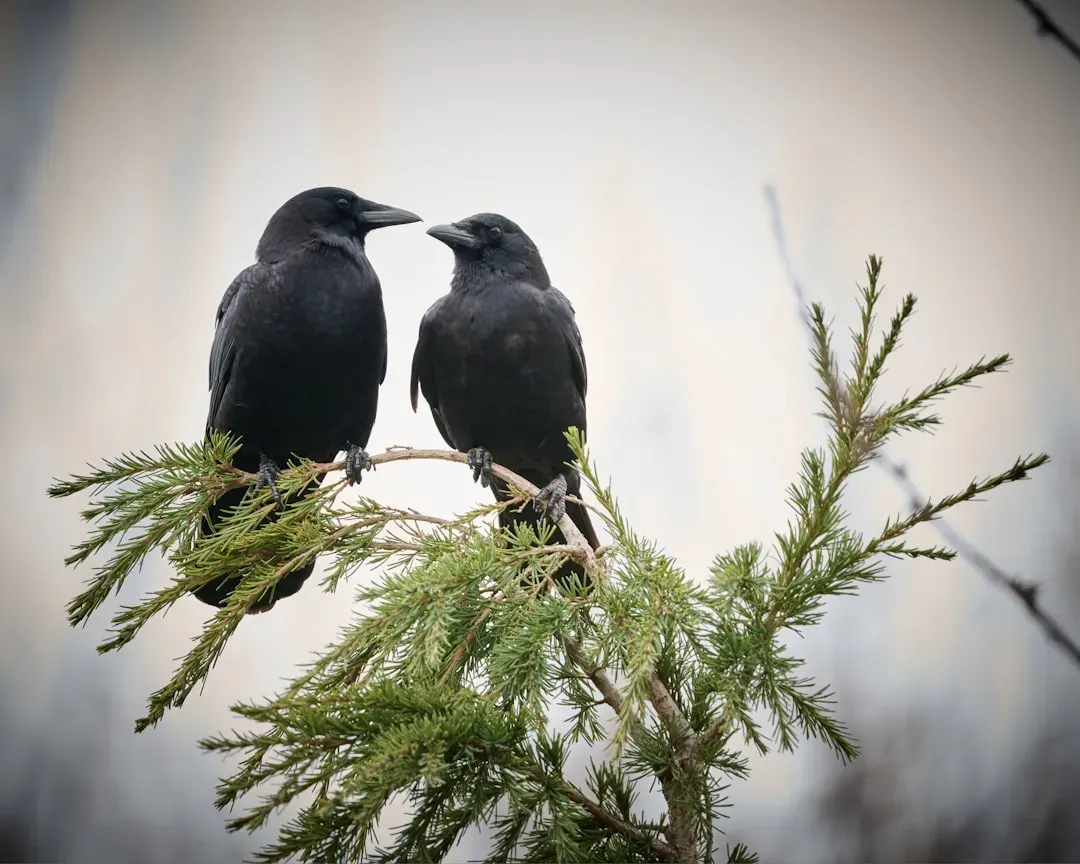
Most people assume social complexity is a primate specialty – big troops, shifting alliances, constant politics. Crows quietly check a lot of those same boxes. Long-term field studies show many crow species live in intricate social groups built around alliances, family helpers, dominance hierarchies, and coalitions that shift over time.
More striking, experiments suggest crows track not just who did what to them personally, but who is allied with whom around them. Some crows dial their aggression up or down depending on whether a rival is alone or standing near a known ally, and seem to register when two other birds are operating as a team. Nobody claims crows are running complex political strategy – but the idea that they’re only tracking “who pecked me” instead of “who matters to whom” is getting harder to defend.
#5 – Remembering the Past to Plan for the Future
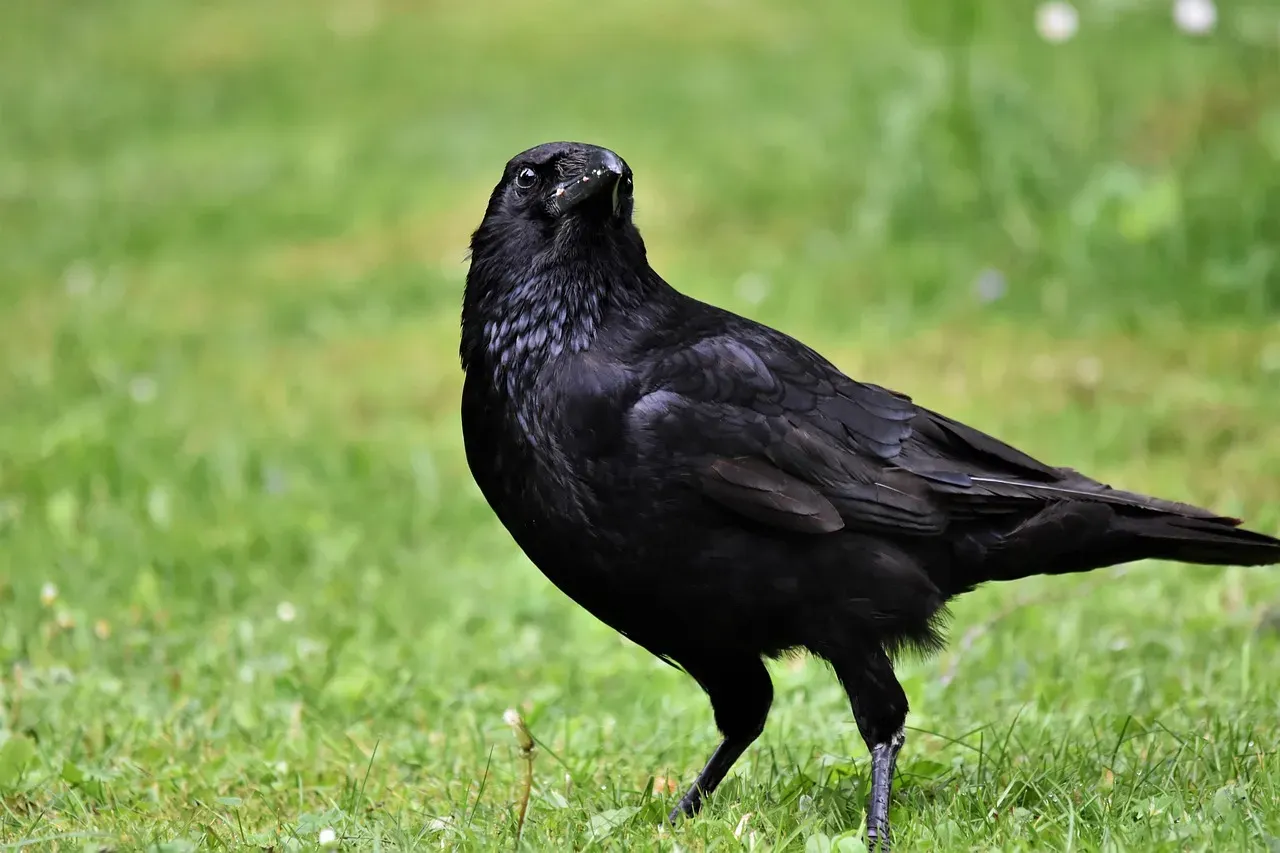
For years, the official line was that animals lived almost entirely in the present, guided at best by a vague emotional memory of past pain or pleasure. Crow research has chipped away at that story piece by piece. In both wild and lab settings, crows show what researchers cautiously call “episodic-like memory” – recalling specific events, places, and timing well enough to guide a later decision.
Some crows can recall exactly where they stashed food, how long ago they hid it, and whether it’s likely spoiled by now, adjusting their behavior accordingly. Even more controversial: crows that were watched while caching food often re-hide it later in a less visible spot, or move it entirely once the observer leaves – implying a memory of who saw what and a prediction of possible theft. Nobody thinks crows mentally time travel the way humans describe it. But they’re clearly not bouncing from moment to moment like a goldfish, either.
#4 – Distinct “Words” and Regional Accents
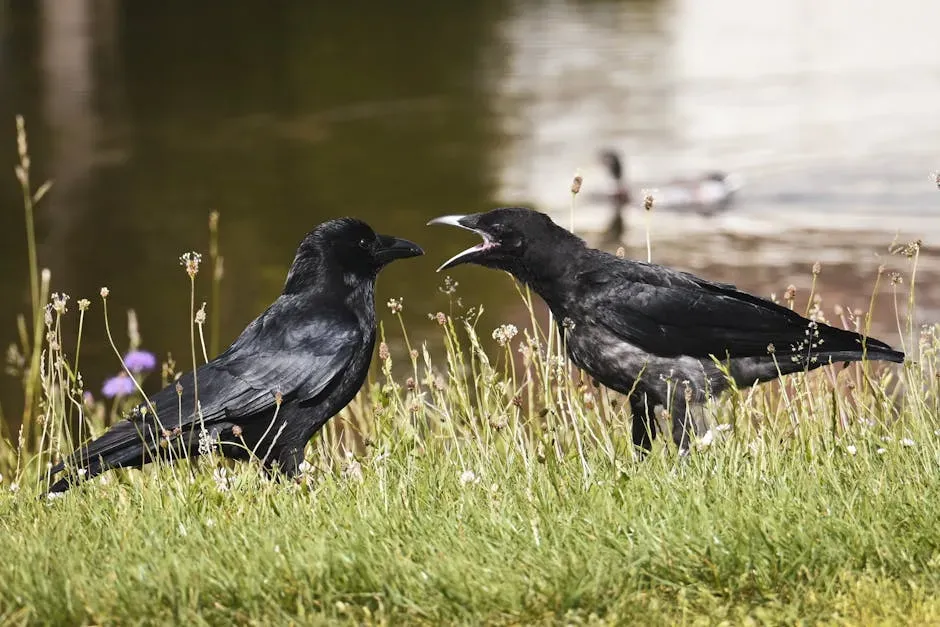
For a long time, bird calls were treated as simple, blunt signals: alarm, contact, mating, end of story. Crows keep wrecking that oversimplification. Acoustic analysis of crow calls reveals rich variation tied to context, individual identity, and even region – enough that some researchers now openly use the word “dialects.”
Crows from different areas use slightly different versions of the same calls, and a translocated bird can sound noticeably “foreign” to its new neighbors until it adjusts. Just as inconvenient for the old view: some alarm calls are fine-tuned to specific threats, with different patterns for a hawk overhead versus a human on the ground, and playback experiments suggest crows can tell who is calling, not just what’s being said. Nobody is claiming full language here. But the idea that these were crude, one-note signals is dead – this is a layered, flexible vocal system with real social nuance built in.
At a Glance
- Crow calls vary by context, individual identity, and regional dialect – not just volume or urgency.
- Alarm calls differ depending on the threat: aerial predators get one pattern, ground-level humans get another.
- Playback experiments suggest crows can identify who is calling, not only what the call means.
- Relocated crows can sound noticeably “foreign” to their new neighbors until they adjust to the local dialect.
#3 – Grief Responses That Look Painfully Familiar
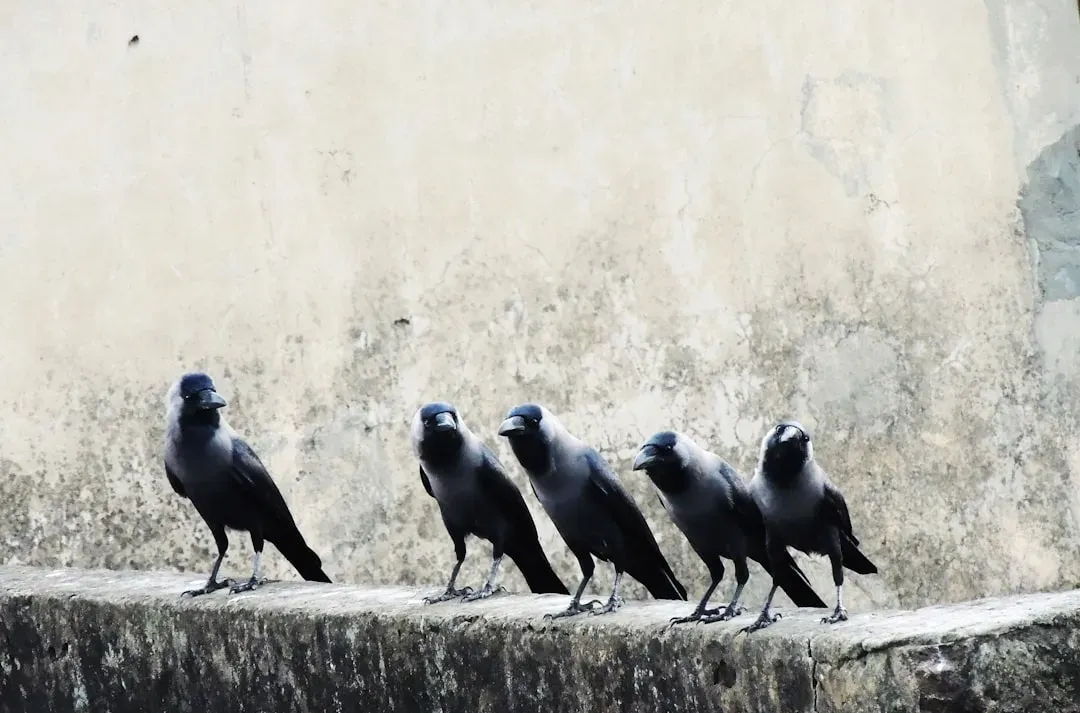
Even scientists rolled their eyes when people first claimed crows “hold funerals.” Then researchers started systematically recording those gatherings, and the eye-rolling got harder to justify. When a crow dies, nearby crows often converge on the spot, calling loudly and watching the body from surrounding trees or rooftops for extended periods.
Early on, biologists assumed this was pure risk assessment – a dead crow is simply a warning sign that danger is nearby, nothing more. That’s still likely part of it. But some observations show extended vigils, reduced play, and altered behavior stretching over hours or days, which is harder to explain away as cold threat analysis alone. No serious scientist claims crows grieve exactly like humans do, but they clearly respond differently to dead crows than to dead animals of other species, and sometimes revisit the death site later with visible caution. Strong, lasting emotional responses to loss are apparently not a uniquely human trait, and plenty of people don’t love hearing that.
#2 – Strategic Deception and Playing Mind Games
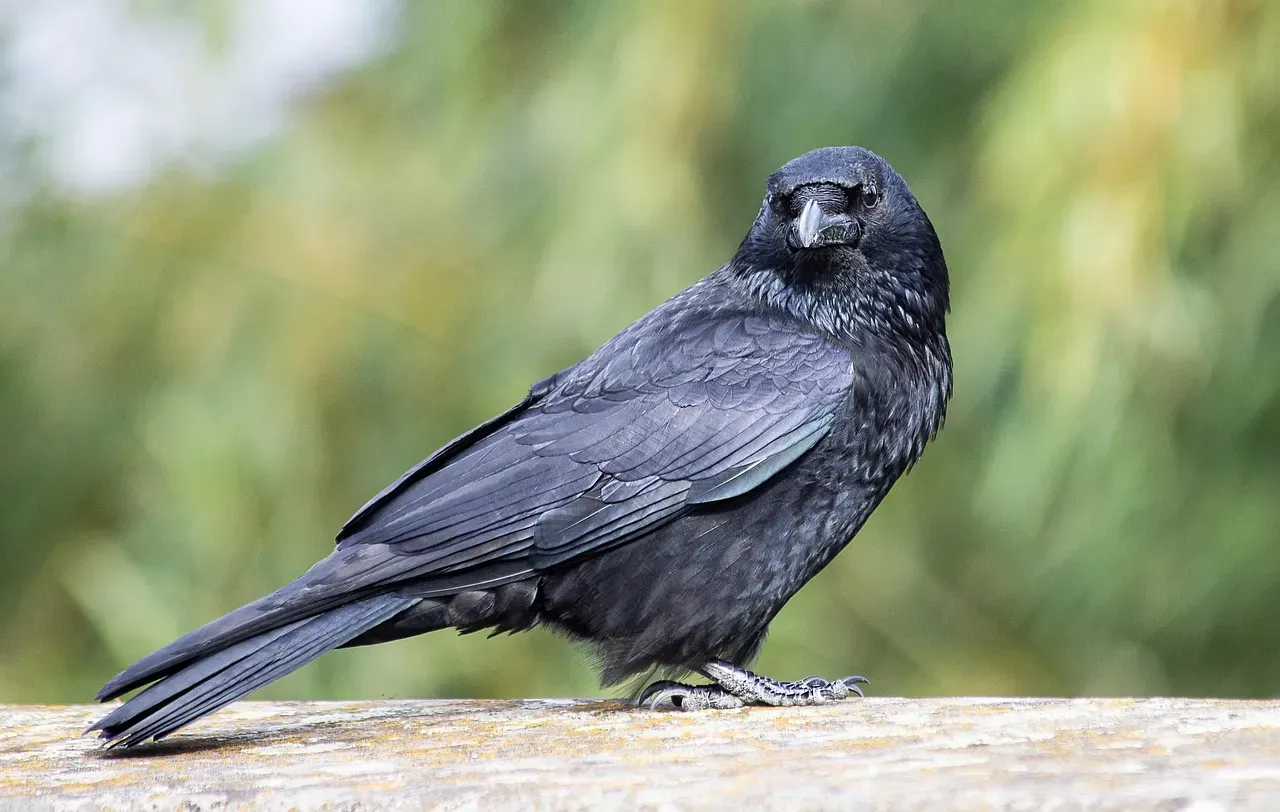
The idea that a bird could lie on purpose made a lot of researchers deeply uncomfortable, and honestly, it still should. Yet caching behavior keeps hinting at exactly that. When other crows are watching, some individuals fake-hide food in one obvious spot while secretly stashing the real cache somewhere else, or wait and relocate it later once a potential thief has wandered off.
In experiments, crows that had themselves stolen from other birds were more likely to use these deceptive tactics, almost as if they understood, from firsthand experience, exactly how their own trick could be used against them. That points to at least a rough, working sense of “what I know” versus “what you know,” and how to exploit the gap between the two. It’s probably not full human-style theory of mind. But it’s strategic behavior built around another individual’s perspective – precisely the kind of thing textbooks once insisted birds couldn’t manage.
#1 – A Walnut-Sized Brain Built Like Nothing We Expected
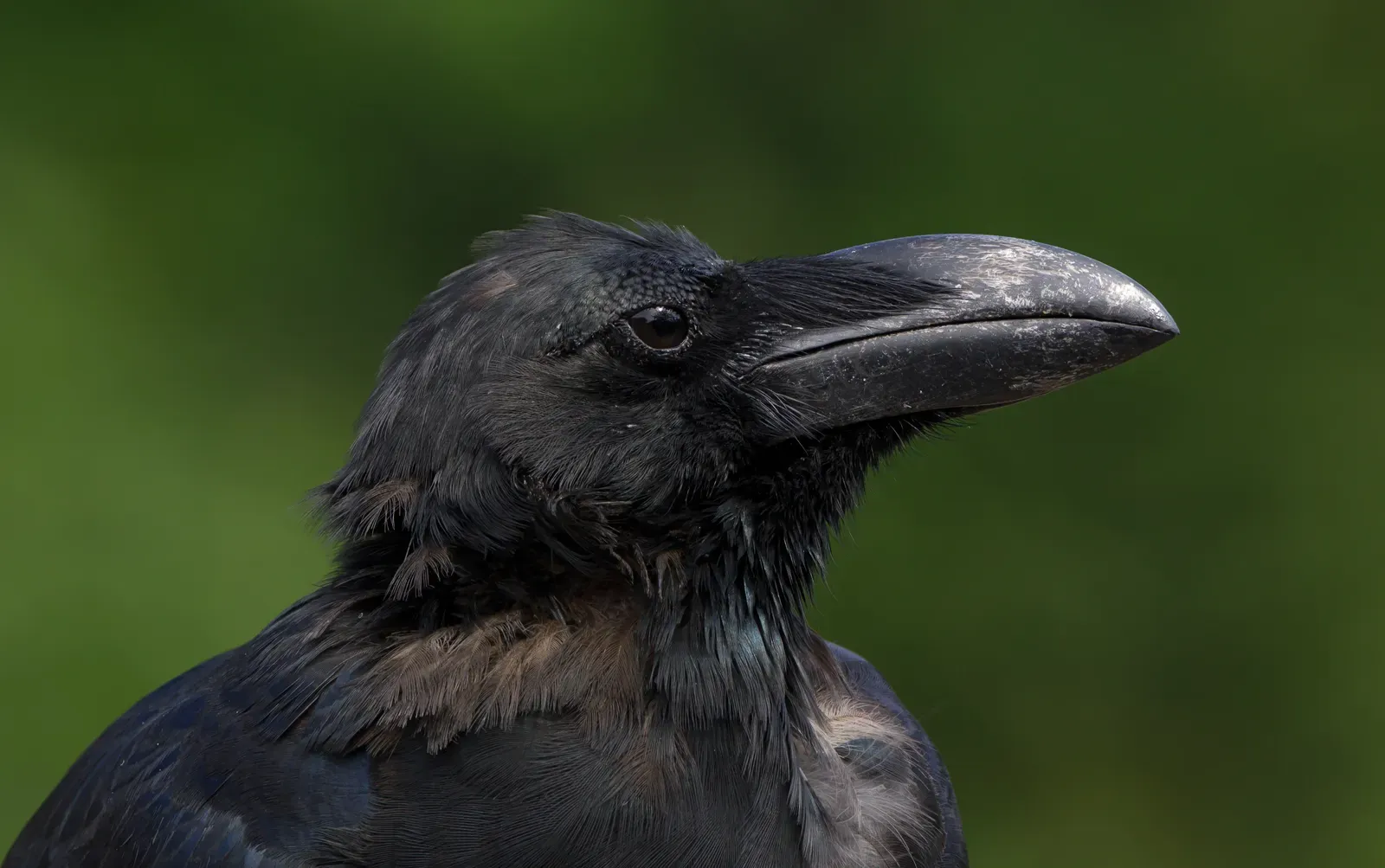
Here’s the most humbling part of the whole list: everything above runs on a brain roughly the size of a large walnut. For decades, that single fact – tiny brain, feathers, done – was used as the entire argument against taking crow intelligence seriously. Then neurobiologists actually looked closely at the tissue, and the picture flipped hard.
Corvids, crows included, pack unusually dense neuron counts into their forebrains, with circuits that parallel key functions of primate cortex even though the physical layout looks nothing alike. In plain terms, crows cram enormous computational power into a small package: some crow species have forebrain neuron counts comparable to small monkeys, and brain imaging during tasks shows activity patterns that look strikingly mammal-like. The real surprise isn’t that a crow can solve a puzzle. It’s that our entire yardstick for intelligence – big brain equals smart, small brain equals dumb – was lazy from the start.
Worth Knowing
- A landmark 2016 study found that brains of songbirds and parrots contain very large numbers of neurons, at neuronal densities considerably exceeding those found in mammals.
- Those extra neurons cluster in the forebrain, so large parrots and corvids have the same or greater forebrain neuron counts as monkeys with much larger brains.
- Pound for pound, avian brains pack roughly twice the neurons of a primate brain of the same mass.
- Crow brains have no neocortex at all – the same jobs appear to run through a differently structured region called the pallium.
The Bottom Line
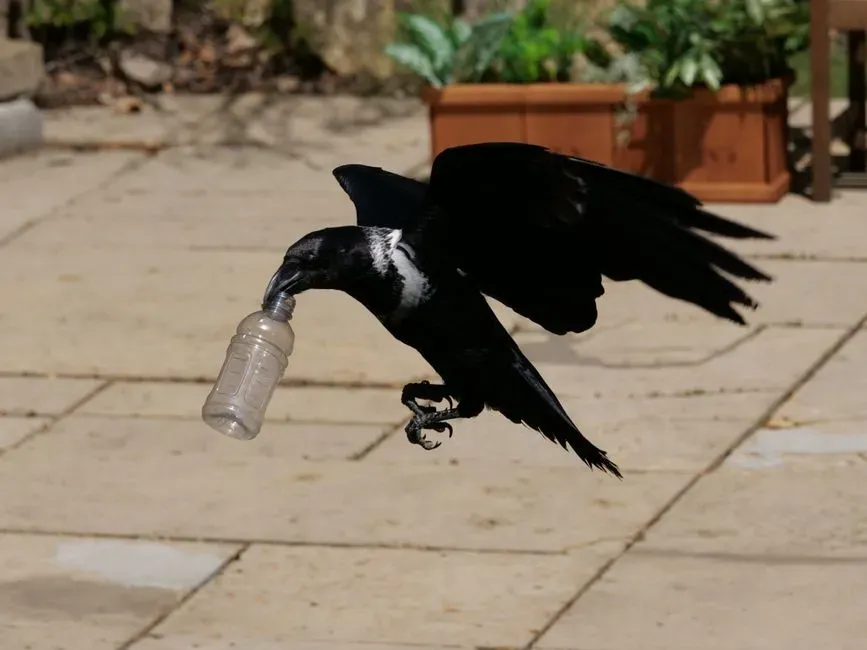
Taken together, these once-dismissed abilities paint a picture plenty of people still resist: crows aren’t feathered automatons, they’re strategic, socially savvy, emotionally responsive animals running surprisingly advanced software on compact hardware. Researchers who once laughed off tool innovation, face recognition, or funerals as folklore are now the same ones carefully publishing papers about those exact behaviors.
My honest take is that the science has moved faster than public opinion, and it’s worth sitting with that gap for a second. Crows were dismissed for so long not because the evidence was weak, but because admitting a walnut-sized brain could out-plan us on a bad day was genuinely uncomfortable. The real takeaway isn’t that crows are secretly geniuses – it’s that human intelligence is one flavor of cognition among many, and not always the most efficient one. If we were this wrong about the black birds yelling over our parking lots, it’s worth asking where else we’re underestimating the minds around us.