
Most people think animal superpowers are either myths or clever nature-doc editing tricks. But in just the last ten years, scientists have quietly confirmed abilities that sound closer to comic books than biology papers: fish that remember human faces, birds that see Earth’s magnetic field, and octopuses that literally edit their own genetic messages on the fly.
These aren’t fringe studies. They’re peer-reviewed, replicated, and forcing researchers to rewrite textbooks – and yes, some of your favorite “fun facts” from school turn out to be flat-out wrong. Here’s what the latest research actually says, starting with a bird trick that sounds impossible until you see the data.
#11 – Birds That See Earth’s Magnetic Field
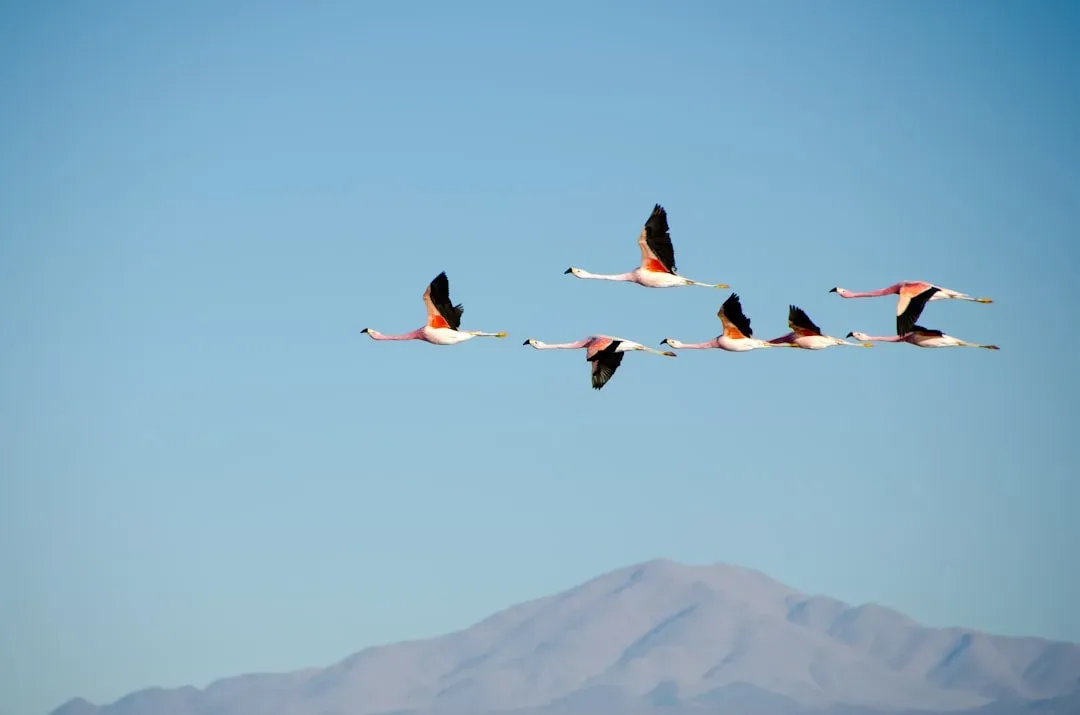
It’s not just “good navigation.” Some birds are effectively born with a built-in GPS display layered over their eyesight. Recent work suggests many migratory birds use a quantum-level chemical reaction in their retinas to literally perceive Earth’s magnetic field as a visual pattern.
This isn’t guesswork anymore. When scientists tweak the ambient magnetic field or alter the proteins involved, the birds’ orientation shifts in predictable ways. The mechanism seems to rely on cryptochromes – special photoreceptor proteins that react to blue light. Paired electrons briefly enter a quantum state subtly influenced by Earth’s magnetic field, and the bird’s brain reads that shift as part of its visual scene, like a faint overlay on everything it sees. A robin’s view of the world is different from yours in a way you can’t even imagine.
Fast Facts
- The magnetic sense is tied to cryptochrome proteins found in the retinas of migratory songbirds like European robins.
- The reaction depends on blue light, meaning a bird’s compass may work differently under different lighting.
- Weak radio-frequency fields can disrupt orientation, a signature clue that a quantum radical-pair process is involved.
- The magnetic signal appears to layer onto normal vision rather than replace it, like a faint overlay on the scene.
#10 – Fish That Recognize Individual Human Faces
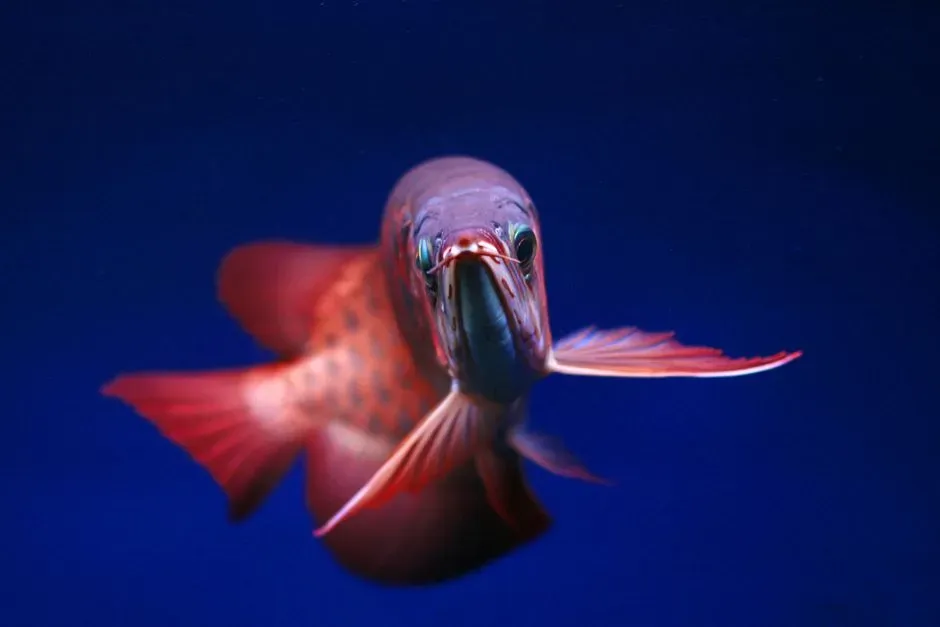
If you thought “fish memory” was a joke, science has been quietly roasting you for it. In the past decade, experiments with archerfish showed they can recognize individual human faces with impressive accuracy, even in photographs. Researchers trained the fish to spit water at one face among dozens, and their accuracy rivaled what we typically see in birds and mammals.
Keep in mind, this is happening with a brain the size of a small pea and no neocortex. The fish weren’t locking onto one obvious feature either – they still picked the right person after researchers changed the angle, the lighting, and even removed cues like hair. A supposedly “simple” fish is tracking subtle visual patterns well enough to pick you out of a crowd. Next time you tap the glass at an aquarium, remember: it might actually be you they’re staring at.
#9 – Octopuses That Edit Their Own RNA in Real Time
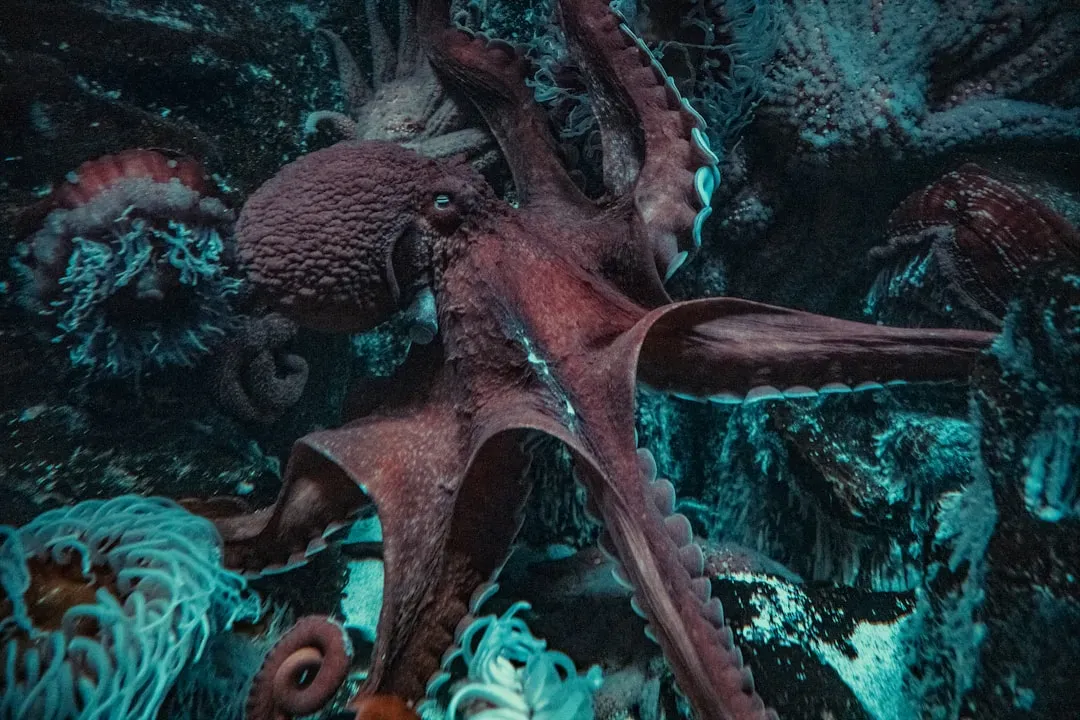
Most animals are stuck with whatever proteins their DNA encodes. Octopuses cheat. Research over the last decade has confirmed that octopuses routinely edit their own RNA, changing how their genes are expressed on the fly. Instead of rewriting the DNA blueprint, they correct or customize the working instructions as they go – especially in the nervous system.
That’s like updating your computer’s operating system without ever touching the hard drive. In some species, tens of thousands of sites across the genome are actively edited, concentrated in neurons. The leading theory is that this gives octopuses extra flexibility to tune their brains to temperature, environment, and maybe even experience. There’s a trade-off – they evolve more slowly at the DNA level – but clearly it works, because these are already some of the most behaviorally complex invertebrates on the planet.
#8 – Bees That Understand the Concept of Zero
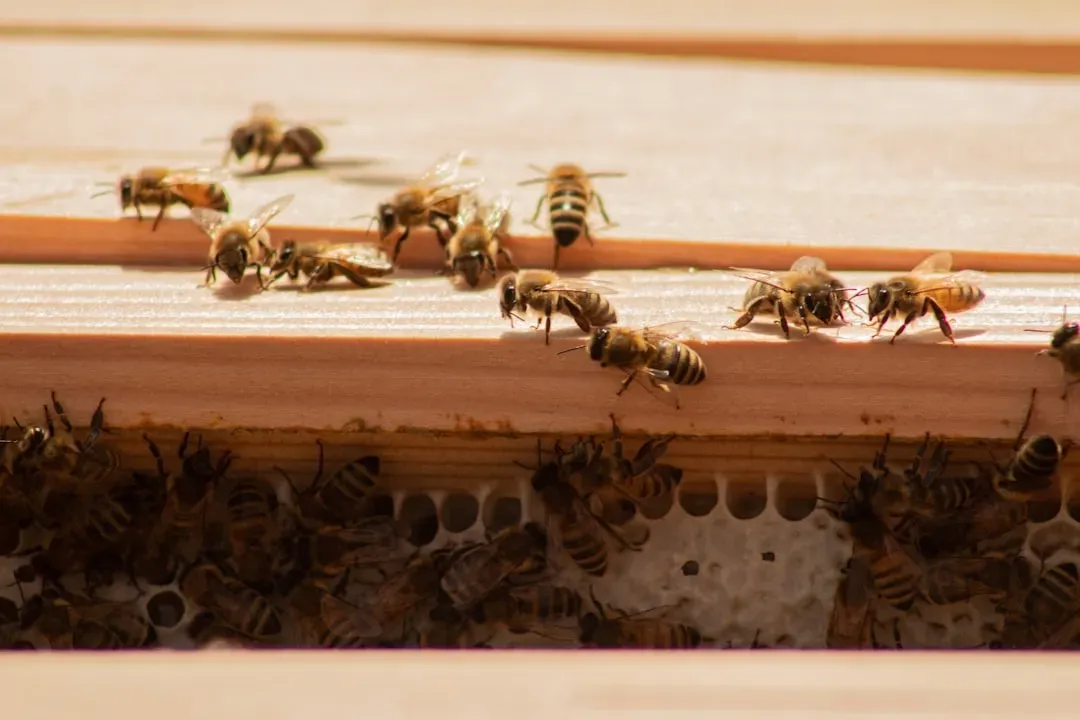
Most people barely remember learning what “zero” really means, and your math teacher definitely never mentioned that bees can handle it too. In controlled experiments, honeybees were trained to choose images with fewer elements to earn a reward. They treated a blank panel as “less than” panels with one or more shapes, effectively grasping zero as a quantity.
For an insect brain running on under a million neurons, that’s a genuinely big deal. Even more surprising, bees seemed to place zero correctly on a mental number line – their choices implied an ordered understanding, 0 less than 1 less than 2, and so on. That nudges zero out of the “advanced human abstraction” category and into a cognitive toolkit shared with creatures that have no language, no schools, and no calculators.
#7 – Crows That Plan for the Future and Don’t Need Your Help
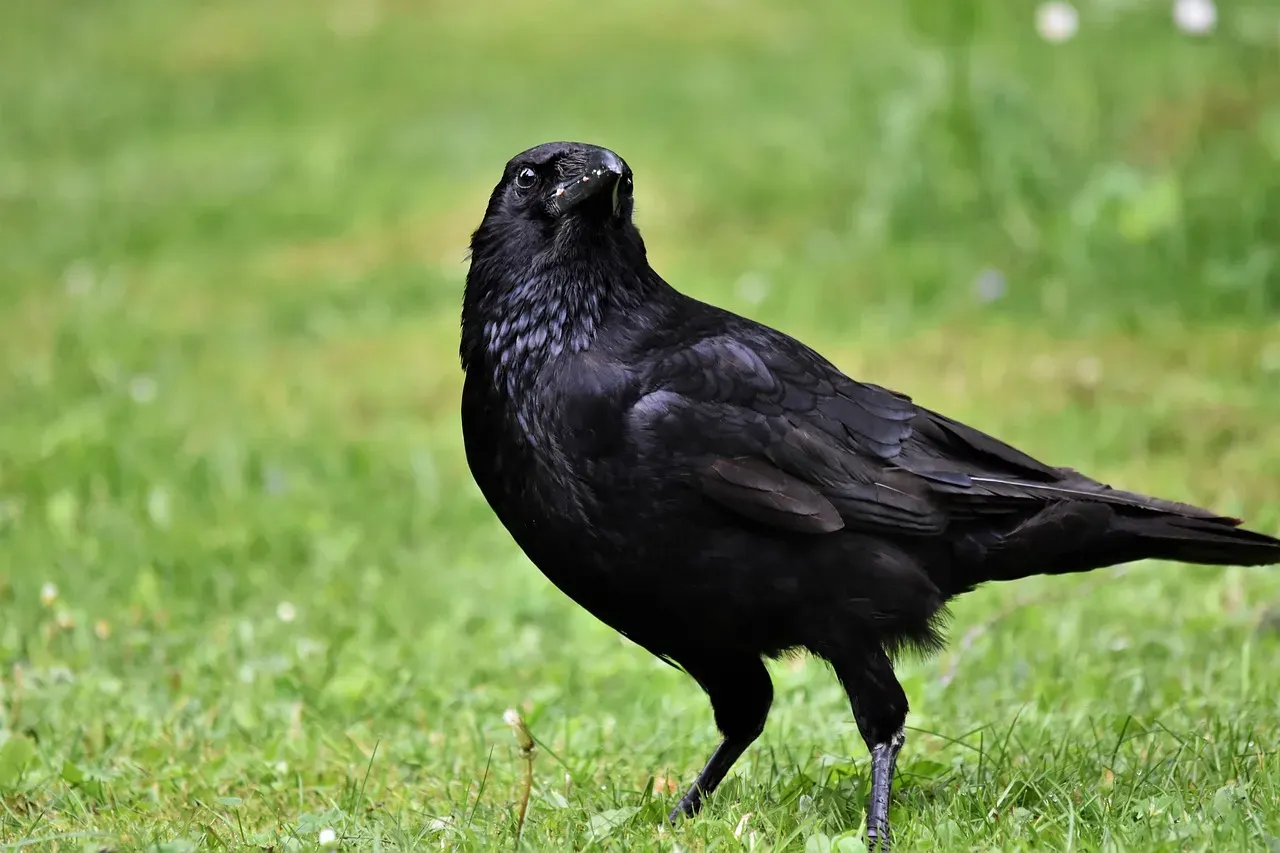
Crows have always had a reputation, but recent studies confirmed something a little uncomfortable: they can plan for future needs in surprisingly human-like ways. In experiments, crows were given tools that were only useful much later, in a completely different context. They reliably kept and transported the right tool, then used it exactly when the opportunity appeared. That’s not instinct. That’s foresight.
This kind of planning was once treated as uniquely human, or at least uniquely primate. Crows and other corvids keep smashing that assumption. They cache food in varied locations, remember who was watching when they did it, and sometimes re-cache later specifically to prevent theft. Put bluntly, they’re running a mental simulation of other minds plus a time horizon stretched across hours or days.
Worth Knowing
- Crows in tool-use experiments chose and carried an item they wouldn’t need until much later, purely for future use.
- Some corvids will trade an item with no immediate value if they’ve learned it earns a reward down the line.
- Caching behavior changes depending on who’s watching, and birds often re-hide food later if they were seen the first time.
- This mix of foresight and social awareness was long assumed to be limited to great apes and humans.
#6 – Dogs That Smell Time and Human Stress Hormones

Everyone “knows” dogs have good noses, but science has only recently spelled out what that actually means. Newer work suggests dogs can detect changing odor patterns over time so precisely that they may build something like an “olfactory timeline” – effectively smelling how long ago something happened. Add in the confirmed ability to detect human stress hormones like cortisol in sweat and breath, and your dog starts looking less like a pet and more like a full-time emotional surveillance system.
In trials, trained dogs correctly distinguished between baseline and stress samples taken from the same person after a challenging task – and they weren’t reading body language, they were going off scent alone. That tracks with what dog owners insist anecdotally: their animals seem to react to anxiety before any visible signs appear. We still argue about how far this goes, but the basic point holds – your emotional state leaks into the air, and your dog is constantly reading you.
#5 – Bats That Use Social “Names” and Voiceprint Recognition
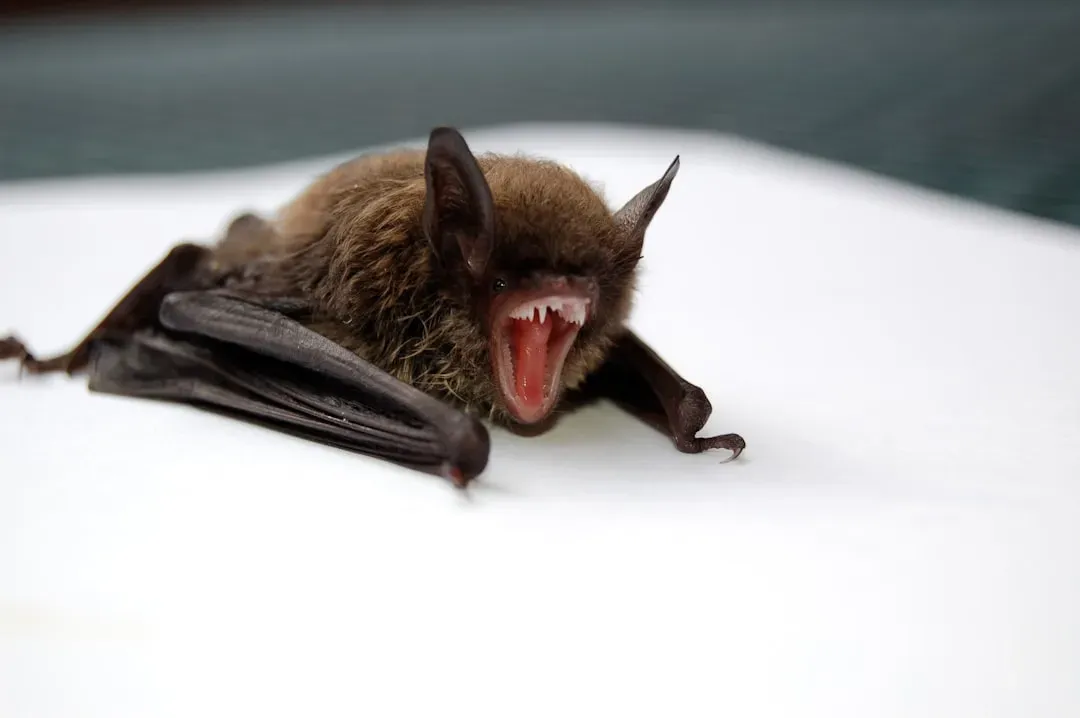
Bats were long treated as flying rodents with sonar. The last decade shredded that stereotype. Recordings and playback experiments in some species show individualized call patterns that function like names, with bats responding more strongly when their own signature call gets played back. They can even distinguish who is calling whom in a crowded roost, using vocal cues the way we rely on timbre and accent.
Some bats maintain stable social groups over years, remember previous partners, and react differently to calls from allies versus strangers. They’re essentially running a social network based entirely on sound. Most people still picture “blind, rabid cave creature,” but the data is quietly pushing bats into the same conversation as parrots, dolphins, and primates when it comes to sophisticated vocal communication – which means disturbing a roost is probably more like bursting into a crowded workplace than shooing birds off a tree.
#4 – Cuttlefish That Delay Gratification Better Than Many Kids
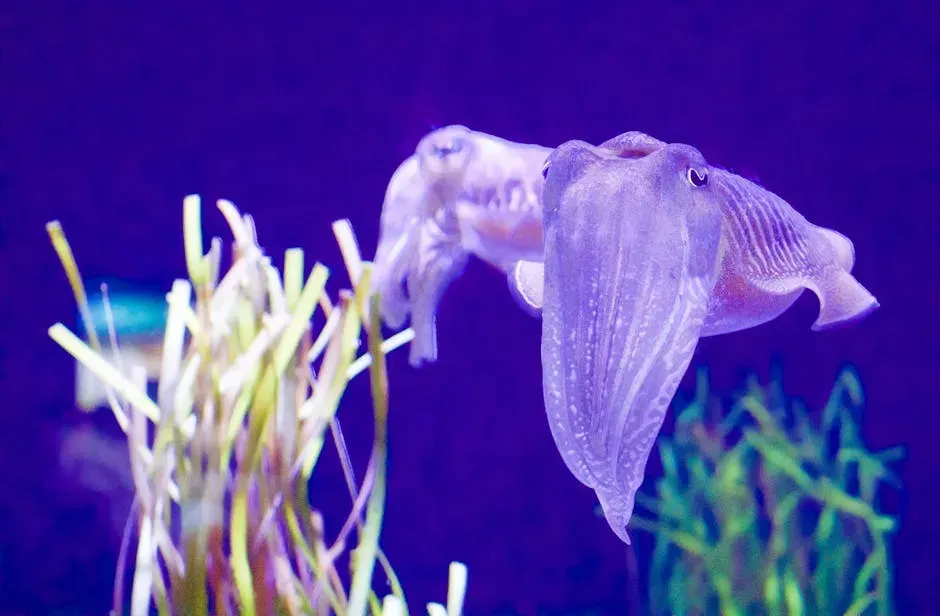
The famous “marshmallow test” for children now has an invertebrate competitor. Recent experiments show cuttlefish can wait for a higher-value food reward instead of grabbing a lower-value snack immediately, sitting in tanks where an easy snack was always available while a much better one only appeared if they held off. Many of them waited, sometimes for impressively long stretches.
What’s even stranger is that the cuttlefish who showed better self-control also performed better on separate learning tasks – the same link psychologists have long argued for in humans. So an animal with no backbone, three hearts, and a brain wrapped around its own esophagus just walked into a core debate about willpower and intelligence. If “complex vertebrate brain” is still your automatic gold standard, this decade’s data disagrees.
At a Glance
- Cuttlefish held off on an available snack when a better food reward was coming, mirroring the classic human delay-of-gratification setup.
- Wait times varied by individual, but several cuttlefish tolerated notably long delays for the preferred reward.
- Cuttlefish that showed stronger self-control also tended to perform better on separate memory and learning tasks.
- The pairing of self-control with learning ability is the same link researchers have long debated in humans and primates.
#3 – Rats That Show Empathy and Free Each Other
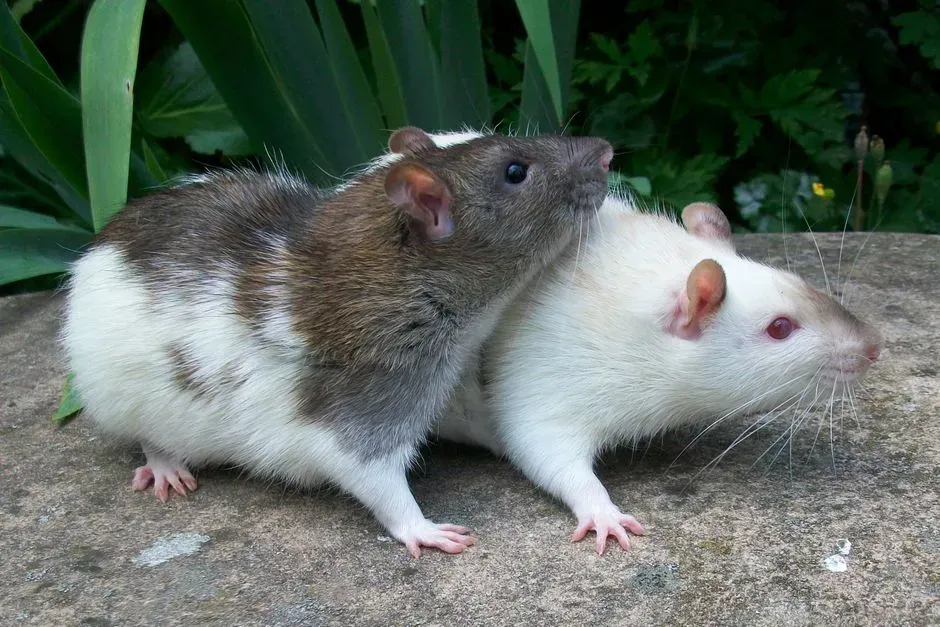
Rats already get blamed for everything, and the evidence that they actively work to free trapped companions, even with no personal reward involved, isn’t going to make that any easier to sit with. In controlled conditions, rats learned to open a restrainer holding another rat, and they did it even when no food or benefit was on the table – often before going after treats of their own. In some setups, they split chocolate with the peer they had just freed.
The more you know about a species, the more you realize how much they resemble us in surprising ways.
Frans de Waal
You can argue semantics – is this empathy, pro-social behavior, or a hard-wired response? But behaviorally, it looks a lot like something we’d call “moral” in humans. The same animals show clear distress when their companions are in pain, and they adjust their behavior afterward to avoid causing that suffering again. If you still dismiss rats as mindless pests after that, it says more about your cognitive flexibility than theirs.
#2 – Elephants That Recognize Human Languages and Intent
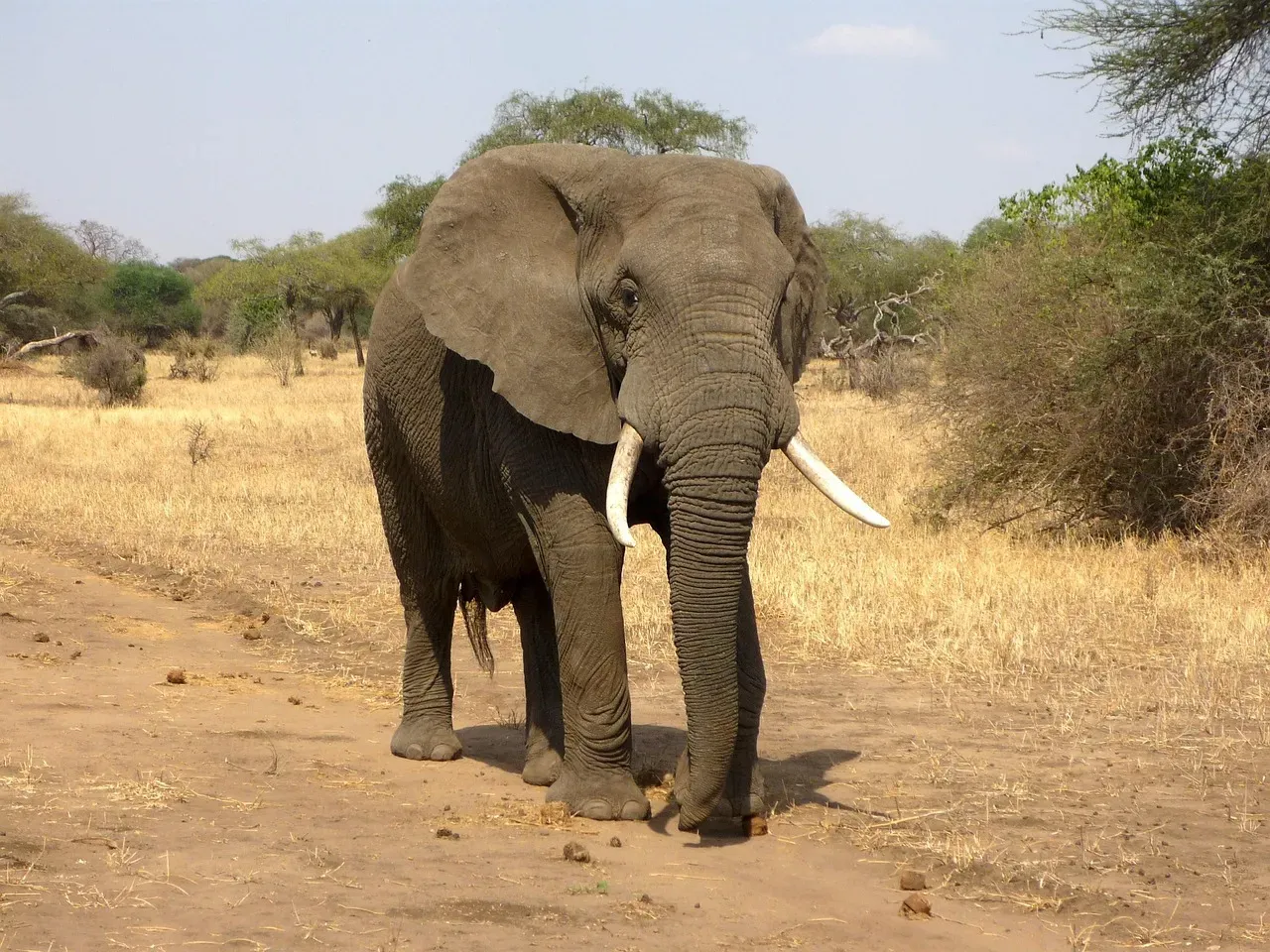
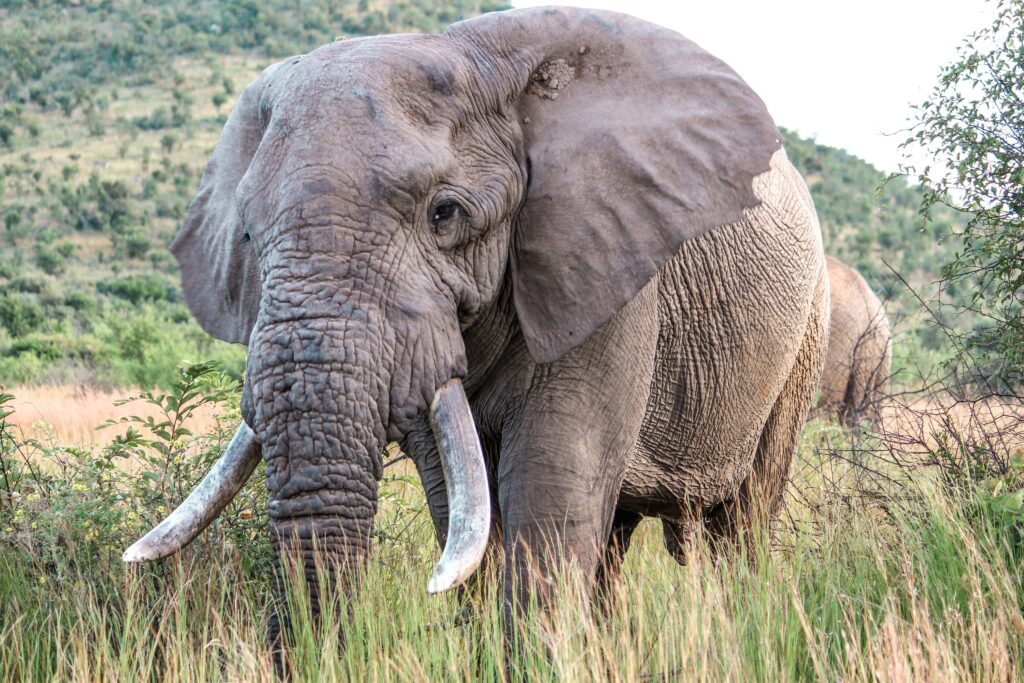
We’ve known elephants are smart and emotional for a while, but only recently has research clarified just how sharply they read us. Field studies show elephants distinguish between different human languages, accents, and even age or sex categories – and change their behavior based on perceived threat level. Recordings of local men from historically dangerous groups triggered defensive clustering and retreat, while non-threatening voices barely registered.
They’re not just reacting to volume or tone. In some tests, swapping the language while keeping the content “neutral” still changed elephant reactions, meaning they’re parsing patterns in human speech at a level that borders on eerie. Combine that with long-term memory for individuals, complex mourning rituals, and coordinated group decisions, and you get an animal that isn’t just aware of us – it’s running a persistent human model in its head, understanding us collectively as a specific category of predator.
#1 – Corals That “Hear” and Respond to Ocean Soundscapes
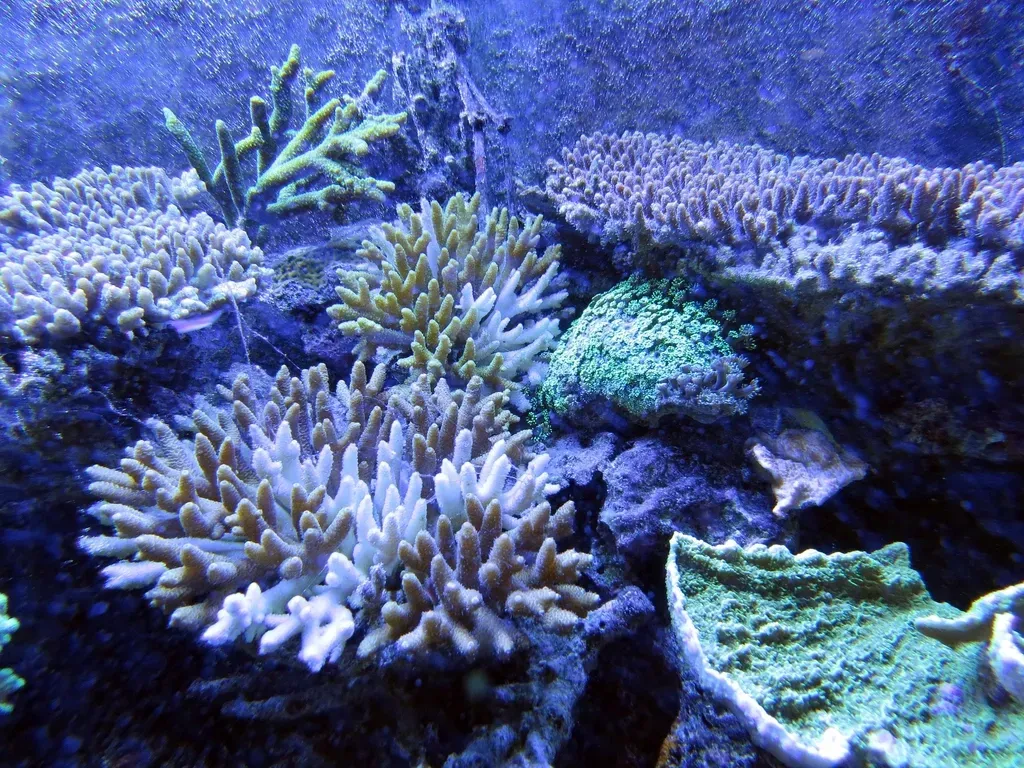
Most people think of corals as colorful rocks, not active animals. Over the last decade, scientists revealed that corals and their larvae respond strongly to underwater soundscapes, using reef noise to guide settlement and growth. When researchers broadcast healthy reef sounds near damaged or artificial structures, coral larvae were more likely to settle there, and fish recruitment improved along with it. In silence, the whole system stalls.
A reef isn’t just a visual ecosystem – it’s an acoustic one. Healthy reefs crackle with shrimp snaps, fish calls, and low rumbling currents, and corals “listen” to that noise to decide where life can take hold. That makes human noise pollution, shipping, and drilling more than background disturbance; they’re fundamentally jamming the cues corals use to rebuild. Treating reefs as static scenery was always a mistake, and the newest evidence says they’re active participants in a sound-driven conversation we’re only just beginning to hear.
Why It Stands Out
- Coral larvae settled more readily near speakers playing healthy reef sound than near silent controls.
- Reef soundscapes are built from snapping shrimp, fish grunts, and low-frequency rumble, not random noise.
- Degraded reefs measurably go quieter, which may create a feedback loop that discourages new coral settlement.
- Some restoration projects are now testing underwater speakers as a tool to draw larvae back to damaged reefs.
The Bottom Line
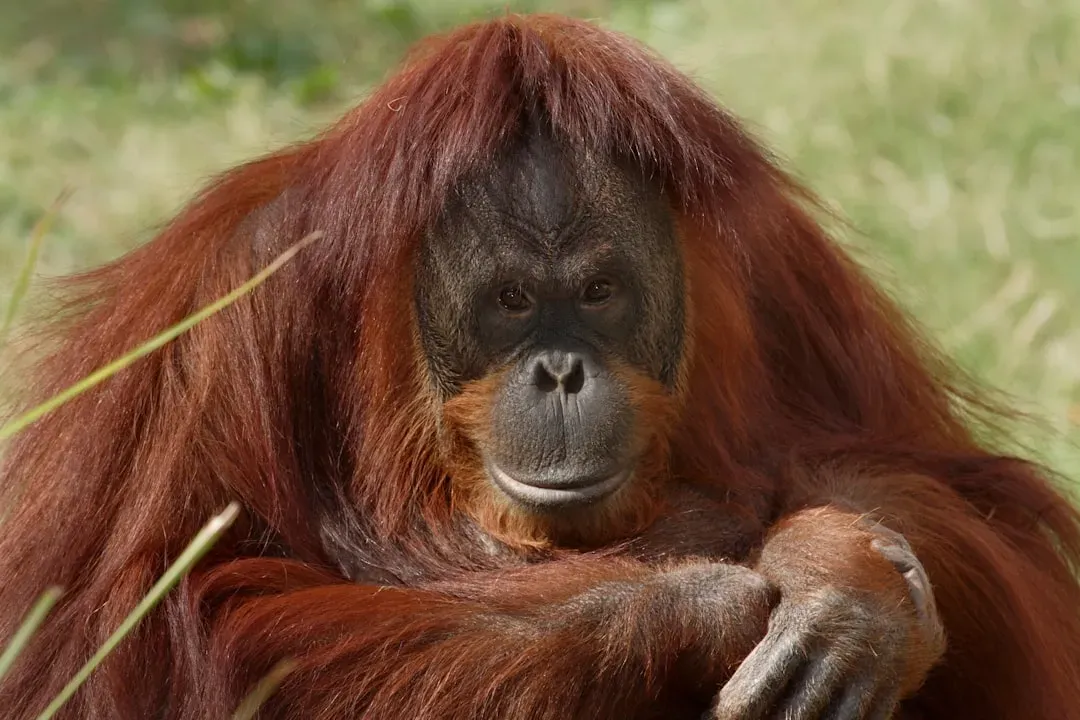
The last decade has quietly demolished the comforting ladder where humans sit neatly on top and everything else slots in below. From fish that remember our faces to bees that grasp zero and octopuses that rewrite their own RNA, this isn’t a handful of quirky outliers. It’s a pattern – we’ve been systematically underestimating animal minds because it made our stories about ourselves cleaner.
The science isn’t saying animals are “just like us.” It’s more irritating than that – they’re intelligent in ways that don’t map tidily onto our categories at all. And honestly, the real shock isn’t any single ability on this list. It’s how young this research is. If we learned all of this in about ten years, what does the next ten do to our ideas about consciousness, morality, and even rights?
So here’s the uncomfortable question worth sitting with: which ability on this list do you still find yourself resisting, and why?