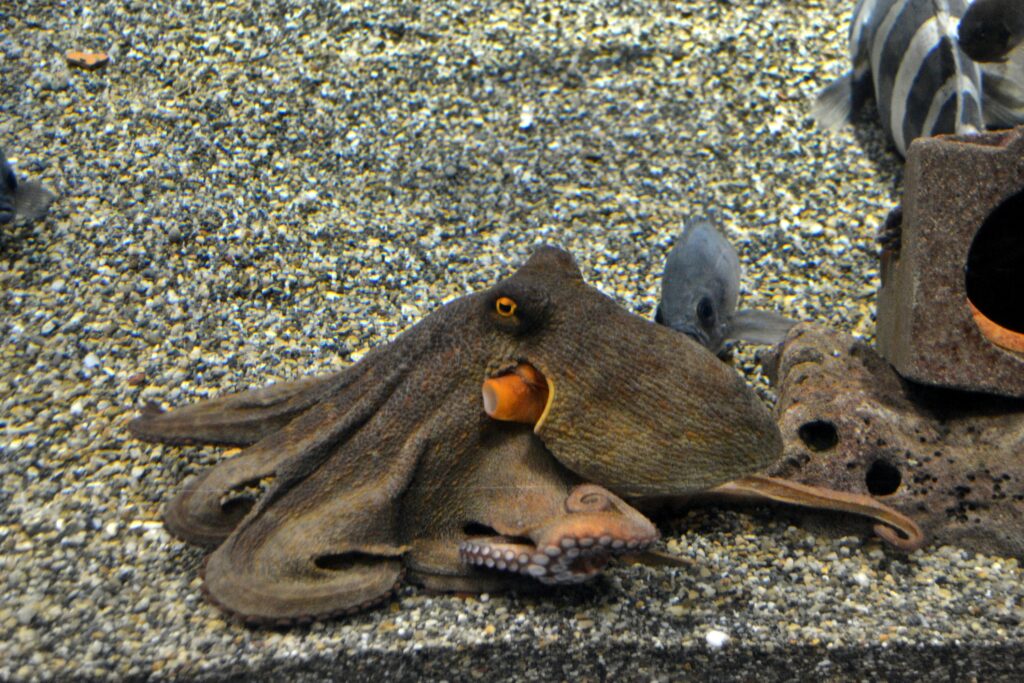

Picture a creature with no bones, a lifespan shorter than a golden retriever’s, and a brain that looks nothing like ours. Now picture that same creature picking a lock, holding a grudge, and quitting a bad plan halfway through to try something smarter. That’s not science fiction. That’s Tuesday in an octopus tank.
For decades, cephalopods got filed under “weird sea creature,” somewhere between jellyfish and coral. Pure instinct, no inner life, nothing worth studying beyond the ink and the tentacles. Then the cameras got better, the experiments got sneakier, and the data got embarrassing for anyone still clinging to that story. Here’s what marine biologists are now willing to call, out loud, actual problem solving.
11. Building Armor From Coconut Shells and Trash
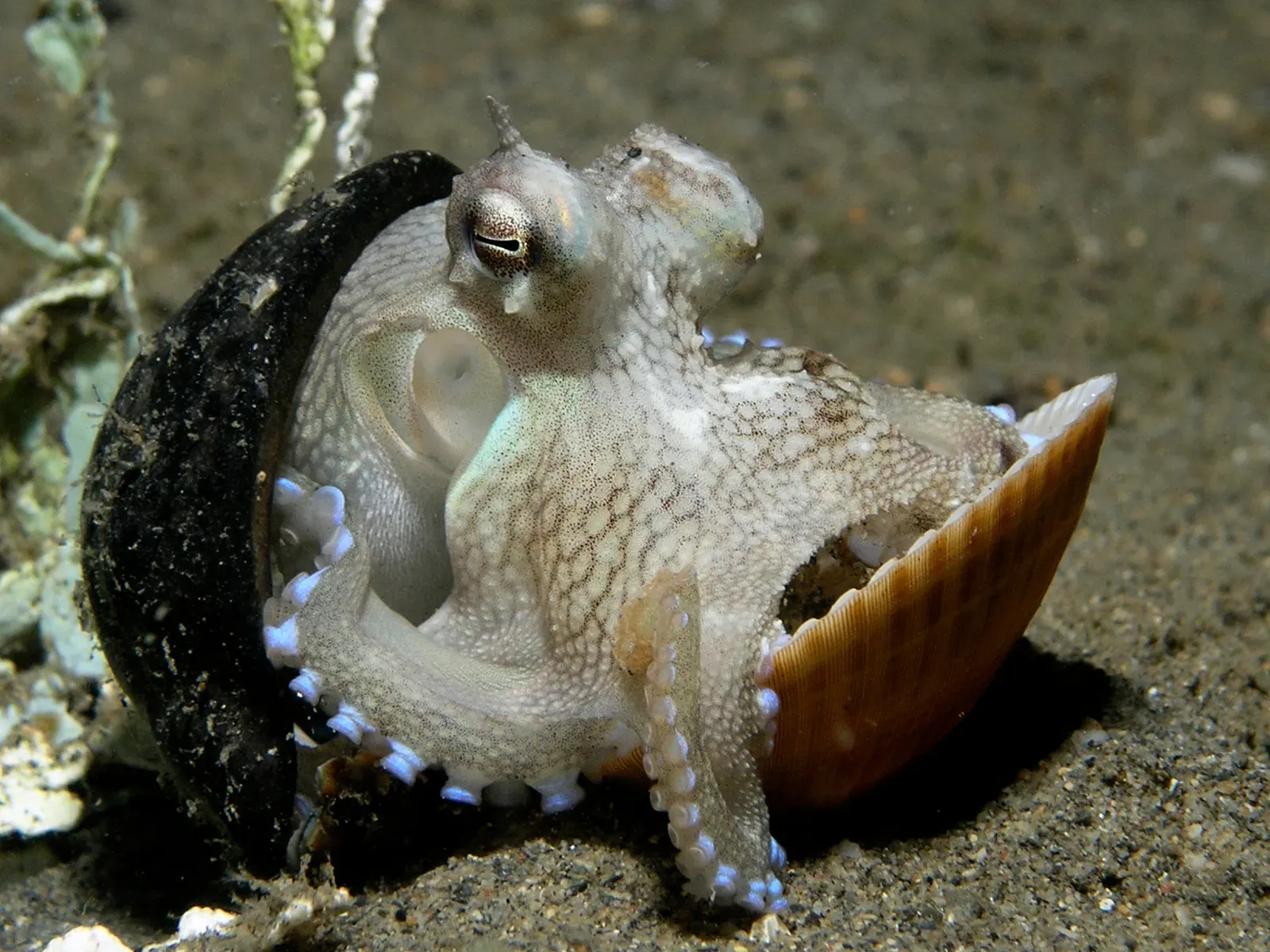
Marine biologists used to scoff at the phrase “tool-using octopus.” Nobody’s scoffing anymore. Field researchers have filmed octopuses collecting discarded coconut shells, hauling them awkwardly across the seafloor, and reassembling the pieces later into a portable bunker. That’s not a twitchy reflex. That’s a multi-step project with a payoff that doesn’t arrive until later.
What unsettles scientists most is how flexible the behavior gets. Some octopuses grab clam shells. Others go straight for human trash, whatever’s lying around that might work. They’re not running a rigid script; they’re improvising with available junk, the same way a crow or a kid building a backyard fort would. Suffering a clumsy, exposed walk across open sand just to gain safety later is a trade-off, and making that trade-off on purpose is exactly what problem solving looks like.
Fast Facts
- The veined octopus (Amphioctopus marginatus) is the species most closely linked to coconut-shell tool use.
- Some individuals carry two shell halves at once and click them together later like a portable clamshell home.
- Researchers first documented this shell-carrying behavior in detail back in 2009.
- It’s still cited as one of the earliest confirmed cases of tool use in an invertebrate.
10. Breaking Out of Tanks Like Undersea Houdinis
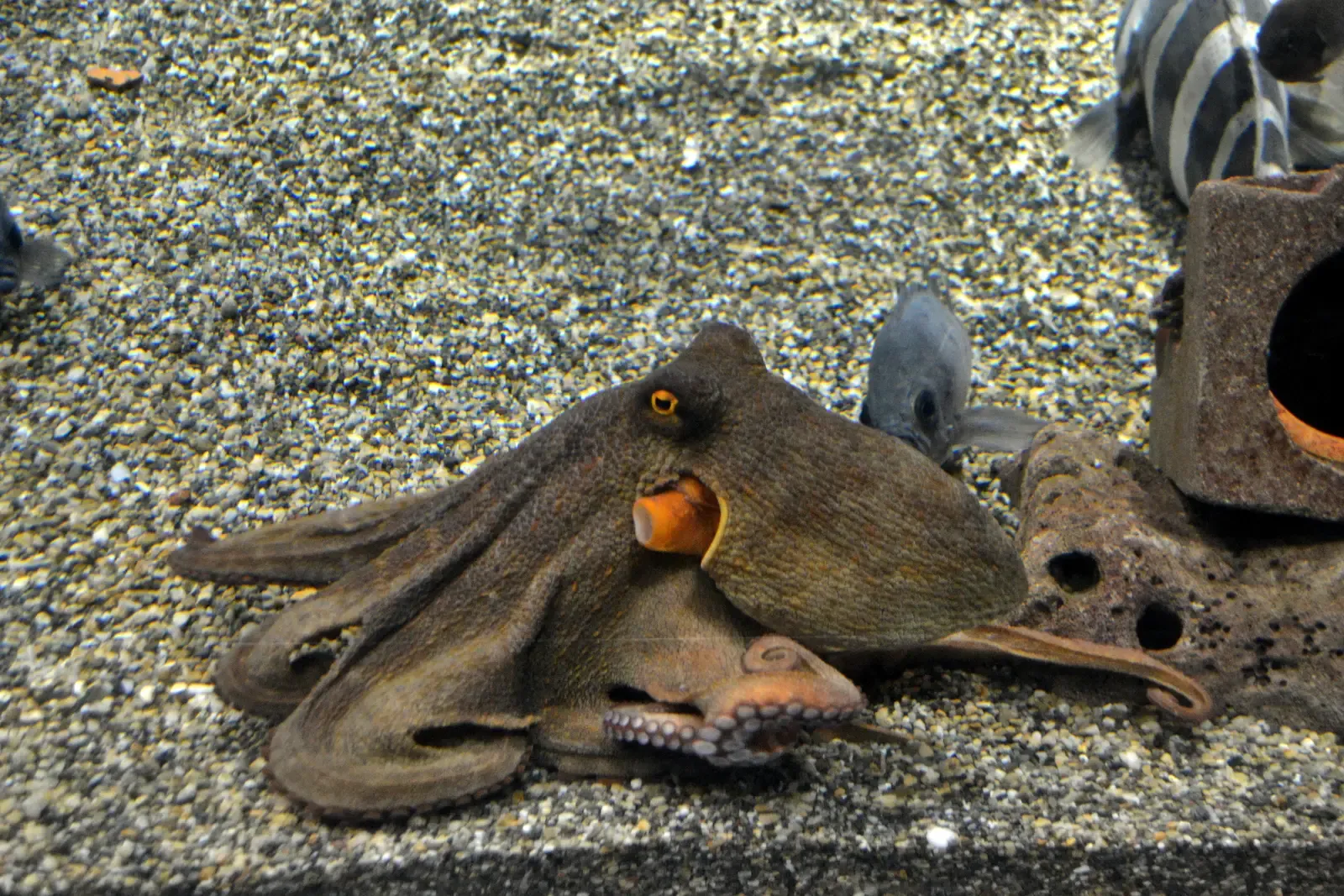
Aquarists have a brutally honest saying about octopuses now: they don’t escape if they can, they escape when they can. In labs and public aquariums, octopuses have been caught unscrewing drain plugs, squeezing through gaps barely an inch wide, and quietly memorizing staff schedules to slip out unnoticed at night.
One of the most famous cases involved an octopus that learned the sound of a specific feeding door, waited for exactly the right moment, snuck into a neighboring tank to snack on fish, then returned home before anyone clocked in for the morning shift. That requires mapping space, tracking time, and adjusting a plan based on what actually works. Skeptics wrote these off as flukes, until the same animal repeated the trick, then switched tactics the second humans patched the hole. That’s not luck. That’s an animal reverse-engineering its own enclosure.
9. Cracking Jars, Latches, and Mazes for a Snack
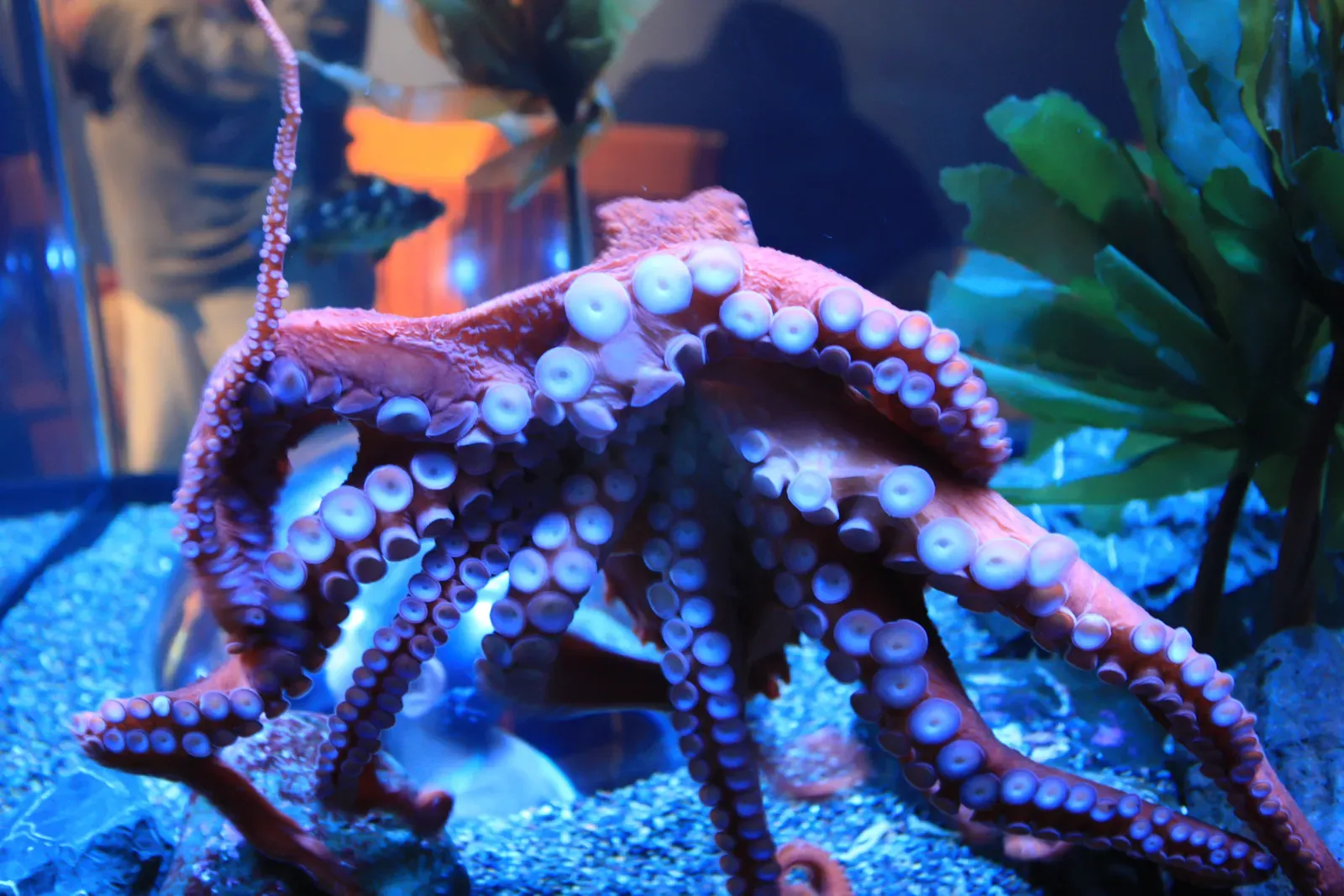
Give a cephalopod a screw-top jar with a crab inside, and it won’t just claw at the glass hoping for a miracle. It learns the rule. Researchers have handed octopuses multi-step boxes with latches, sliding doors, and mazes where only one path leads to food, and watched them go from clumsy fumbling to clean, fast execution.
Some individuals open jars in under a minute and then repeat the exact same sequence later with almost no wasted motion, as if they’ve built a mental script and filed it away. Rearrange the puzzle, and the octopus doesn’t freeze up. It probes the new setup, tests what changed, and finds a fresh solution. Lobsters and cod don’t do this. Calling it “instinct” at this point is starting to sound like an excuse.
8. Holding Grudges Against the Humans Who Hurt Them
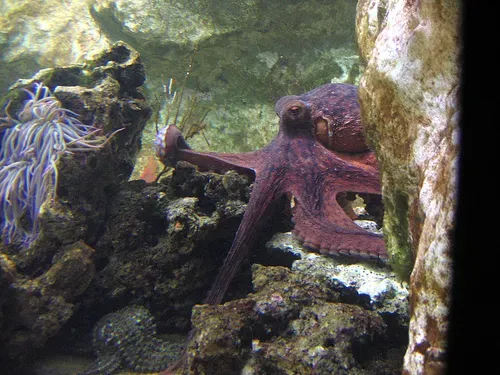
Here’s the finding that makes people squirm: octopuses form opinions about specific people. In controlled setups, one researcher consistently fed the animal while another handled the poking, prodding, and uncomfortable procedures. Within days, the octopus reacted completely differently to each person, calm and curious with the “nice” one, hostile and ink-ready with the “mean” one.
Some aquarists report octopuses jetting water specifically at staff they seem to dislike while ignoring other people standing right next to them. That’s not a vague sense of smell doing the work. That’s stored social information being pulled up and used later, which looks a lot less like a reflex and a lot more like a grudge.
Octopuses are a separate experiment in the evolution of the mind.
Peter Godfrey-Smith, philosopher and author of Other Minds
7. Reading the Room Before They Camouflage
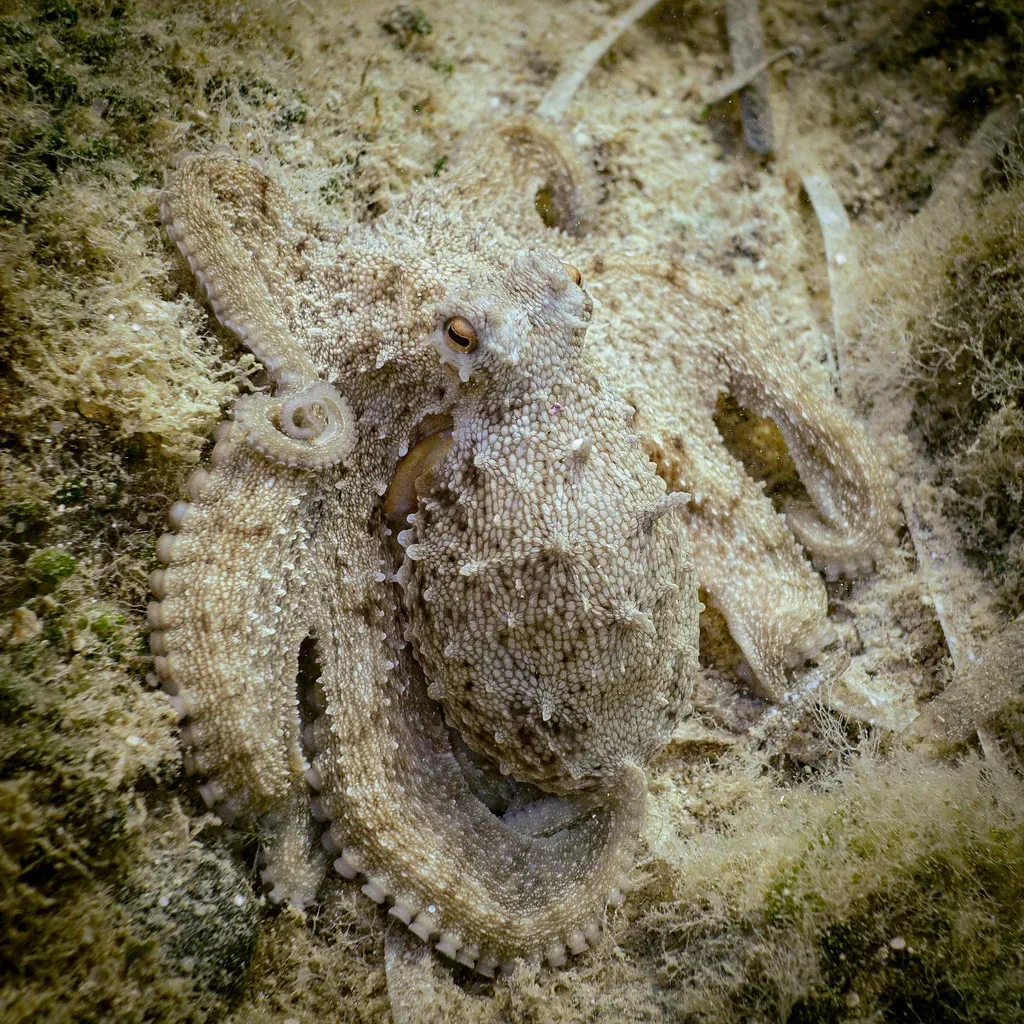
Everyone knows octopuses change color. Fewer people realize how context-aware that camouflage actually is. An octopus under threat doesn’t just blend into the nearest rock. It reads the background texture, pebbles versus smooth sand, picks a matching posture, spiky, flat, or lumpy, and sometimes mimics an entirely different species, like a lionfish or a sea snake.
Even stranger, there’s growing evidence they adjust the choice based on who’s watching. A fish predator triggers one pattern. A human diver gets another. Cuttlefish have gone further, selecting different camouflage strategies when given visual cues in lab experiments, almost like they’re reading the room before deciding how to disappear. That’s not pre-wired panic. That’s a tailored answer to the question, “how do I not get eaten right now?”
Quick Compare
- Sandy seafloor: flattened body, speckled skin pattern to match grain texture.
- Rocky reef: bumpy skin texture and mottled, patchy coloring.
- Fish predator nearby: freeze-and-blend response with minimal movement.
- Human diver nearby: quicker pattern shifts or a cautious retreat.
6. Passing Their Own Marshmallow Test
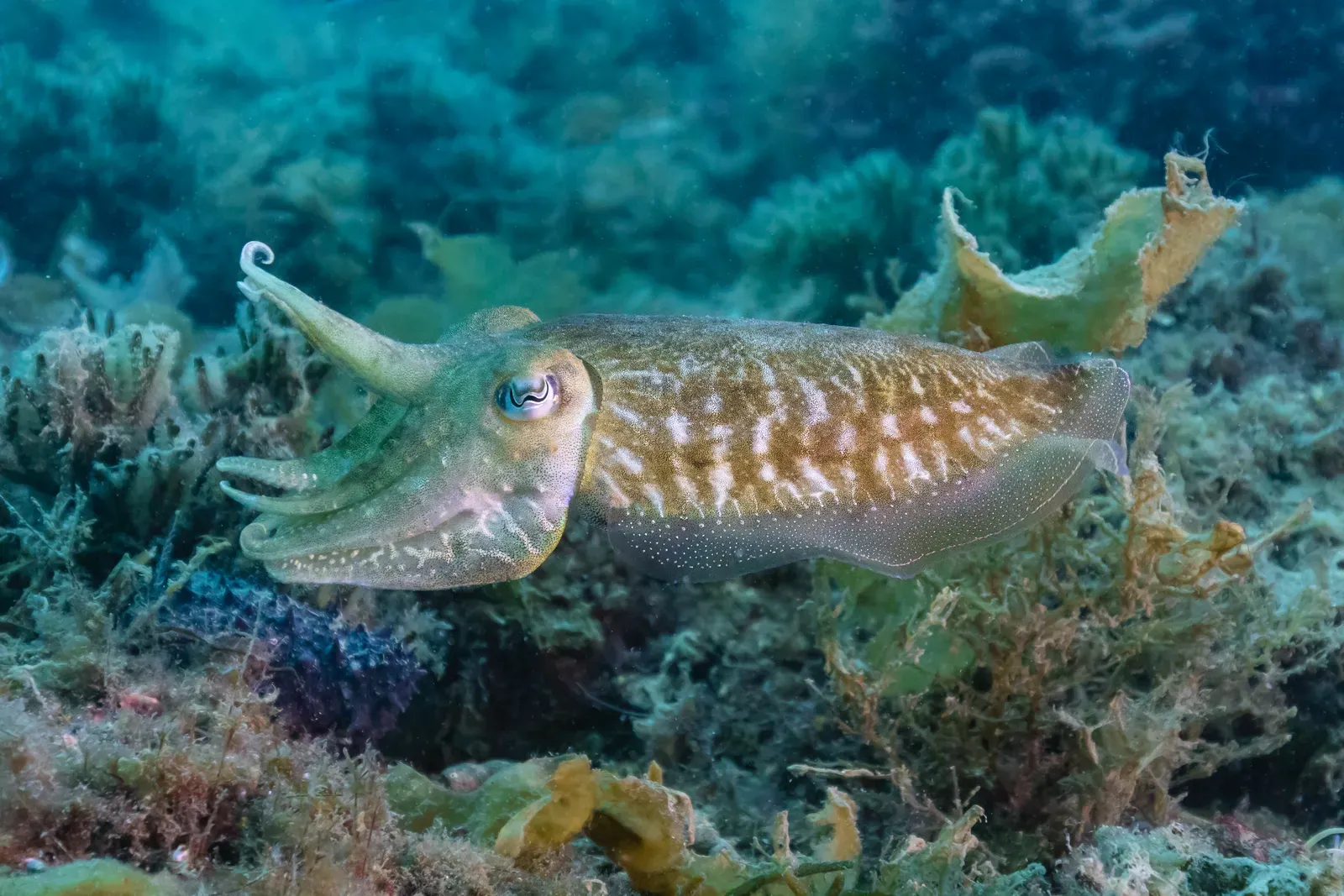
Impulse control sounds like a distinctly human hang-up, but cephalopods are gate-crashing that club. In a cuttlefish version of the famous marshmallow test, animals were offered a choice: eat a small snack immediately, or wait for a bigger, tastier reward. Some cuttlefish chose to wait it out, ignoring available food until the better option showed up, and they kept doing it consistently once they’d learned the pattern.
That’s future-oriented behavior from an animal that might not even live two full years. The plot thickens further, because the individuals who waited longer also performed better on separate learning tasks, mirroring a link between self-control and cognitive performance that’s well documented in humans. If a cuttlefish can hold out for the better deal, it’s hard to keep calling that raw conditioning.
5. Playing With Toys for No Reason but Fun
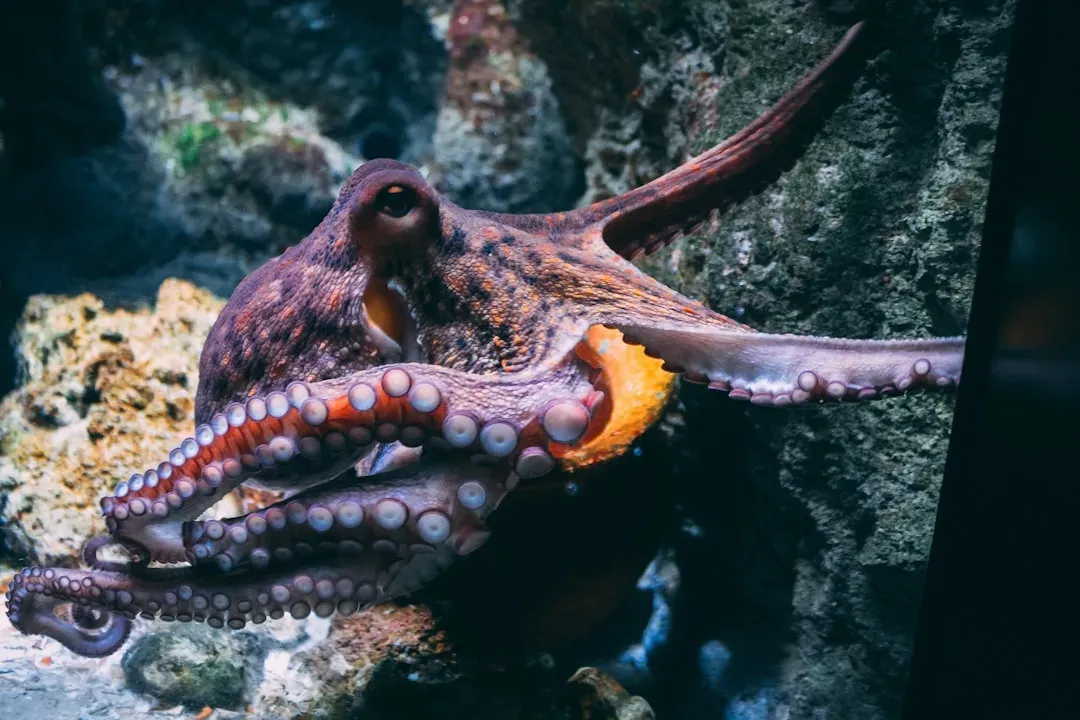
Play is one of the most controversial behaviors in animal cognition, mostly because it’s nearly impossible to explain without admitting the animal is curious. Cephalopods keep showing up on the “maybe they actually play” list anyway. In tanks, octopuses have been filmed batting bottle caps around like underwater cats, jetting water at floating objects just to watch them bounce back and forth, and repeating the whole routine even when there’s zero food involved.
Some individuals will change how they interact with an object mid-play, as if testing what happens if they try it differently. That’s exploratory play, not hunting, not fleeing, just experimenting for its own sake. Critics call it misread feeding behavior, but the pattern is stubborn: repeated actions, deliberate variation, obvious engagement even on a full stomach. And play, in mammals and birds, is strongly tied to flexible problem solving.
4. Letting Their Arms Think for Themselves
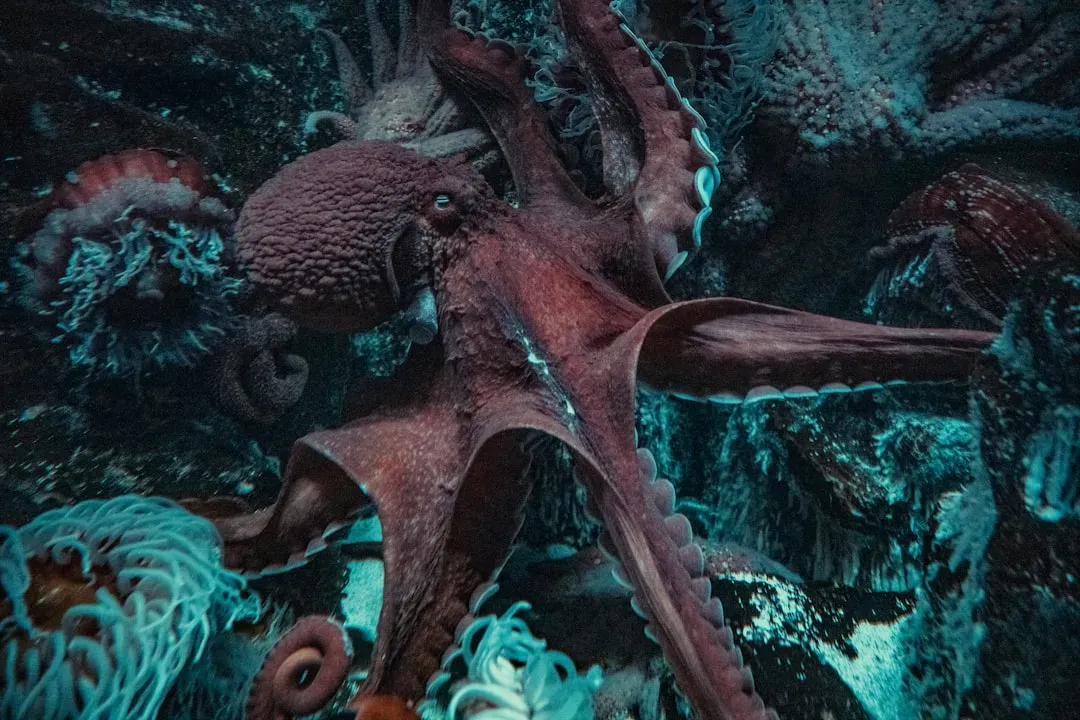
Here’s the strangest engineering puzzle any animal has ever solved: how do you run eight arms, each one packed with its own mini nervous system? Roughly two-thirds of an octopus’s neurons live in its arms, not its central brain, giving each limb a genuine degree of autonomy. In experiments, individual arms explore crevices on their own, grasp objects without waiting for central orders, and adjust grip strength based on local feedback alone.
Somehow the whole animal still behaves like a coherent unit. Watch an octopus work a puzzle box and you’ll see arms feeling around in different directions, sharing information, then converging on one coordinated move. That’s distributed problem solving, a central brain setting the goal while local processors work out the messy details. Computer scientists have started borrowing this exact model for decentralized robotics, which says something about how well it actually works.
Worth Knowing
- About two-thirds of an octopus’s total neurons are located in its arms rather than its central brain.
- Each arm carries its own cluster of neurons, letting it process touch and taste information locally.
- A separated arm can still react to stimuli on its own for a short time.
- Engineers studying soft robotics have looked to this arm-level autonomy as a design model.
3. Never Falling for the Same Trick Twice
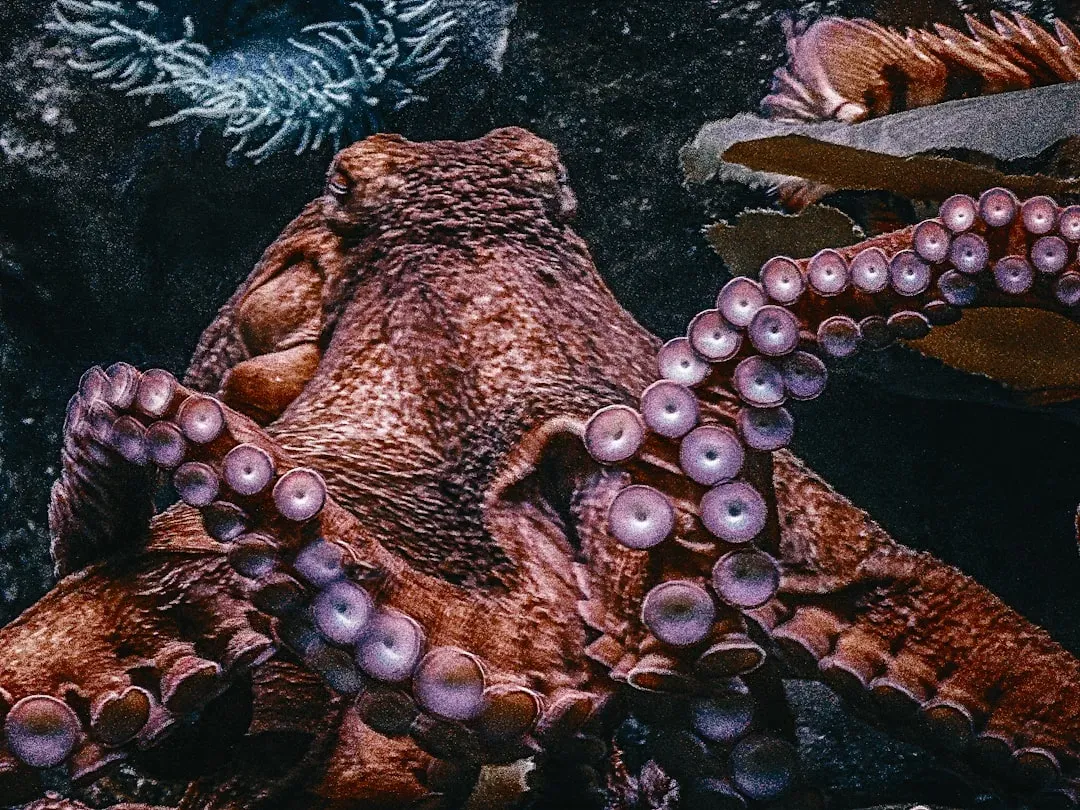
Cephalopods learn fast, especially when pain or danger enters the picture. In some studies, an octopus that gets a mild shock while exploring a specific object or spot will avoid that exact object or area later, even after the whole environment gets rearranged. It’s not blanket fear of anything unfamiliar. It’s a remembered detail being flagged and avoided on purpose.
Even more telling, they don’t always generalize the fear to everything similar, which would be the lazy, easy reflex. Some individuals cautiously test the boundary instead, approaching from a new angle, touching lightly, then deciding whether to withdraw or continue. That looks a lot like hypothesis testing. Critics call it simple associative learning, but associative learning this specific, this flexible, and this quickly folded into future decisions is exactly how vertebrates handle real problems too.
2. Improvising New Hunting Tactics Mid-Chase
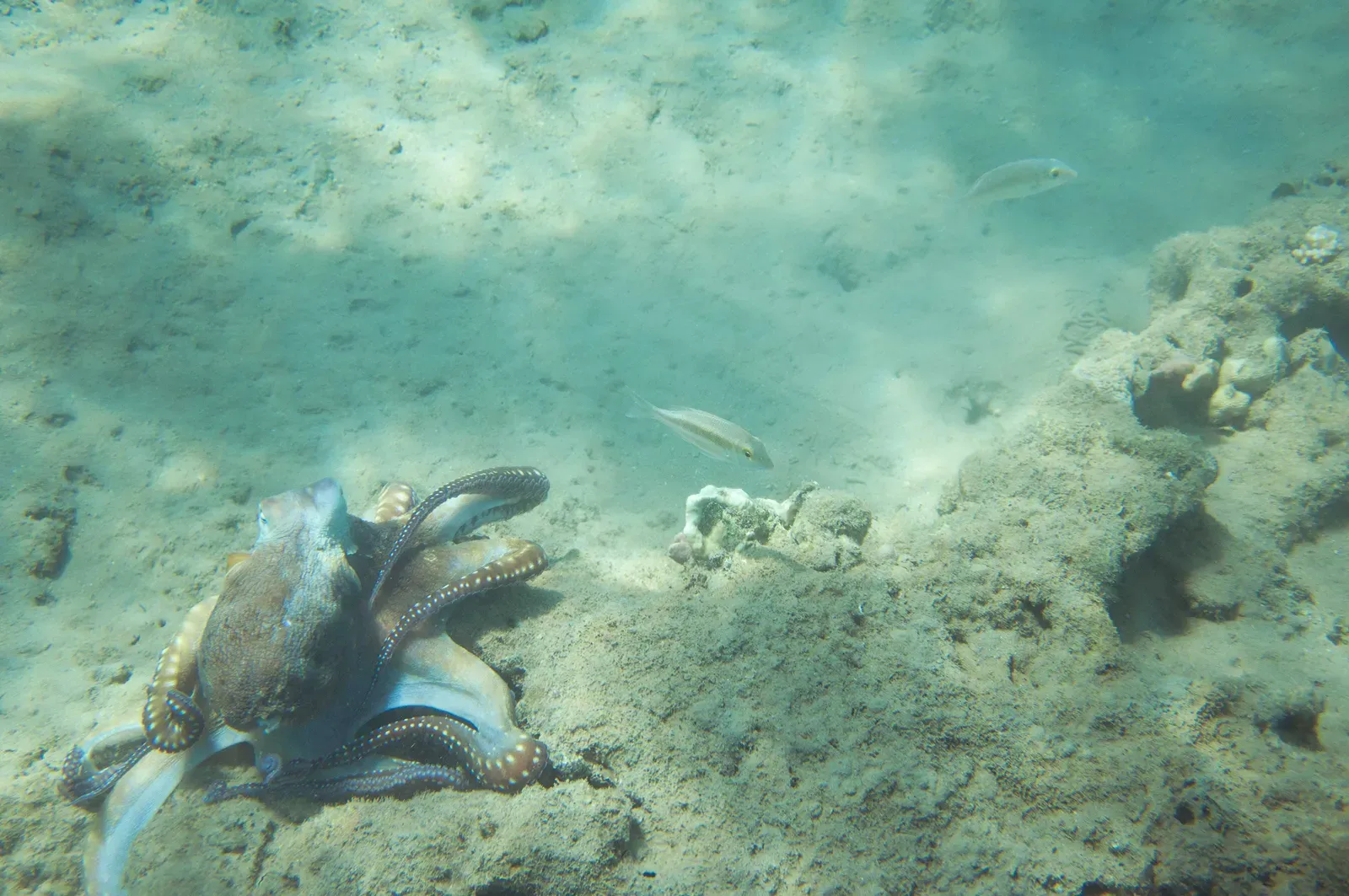
Want to see cephalopod problem solving in real time? Watch one hunt. It plays out like a live strategy game, not a fixed routine. Octopuses stalk prey from a distance using camouflage, then shift mid-approach into a sudden pounce if the target moves, sometimes blocking every escape route with their arms like a living net.
In some observations, one arm distracts or startles the prey while another sneaks around from behind, a move that looks suspiciously like a planned tactic rather than luck. Cuttlefish adjust their hypnotic light displays depending on the prey, slow mesmerizing waves for some fish, sharp abrupt flashes for others. Most fish run the same hunting playbook every single time. Cephalopods keep editing theirs, and when a favorite move stops working, they drop it and try something new, which is the textbook definition of problem solving.
At a Glance
- Stalking mode: slow, camouflaged approach that shifts into a sudden pounce if prey moves.
- Team-arm tactic: one arm distracts while another circles in from behind.
- Adaptive lighting: cuttlefish vary hypnotic flash patterns depending on the prey species.
- Quick pivot: a stalled tactic gets dropped fast in favor of a fresh approach.
1. Applying Old Lessons to Brand New Problems
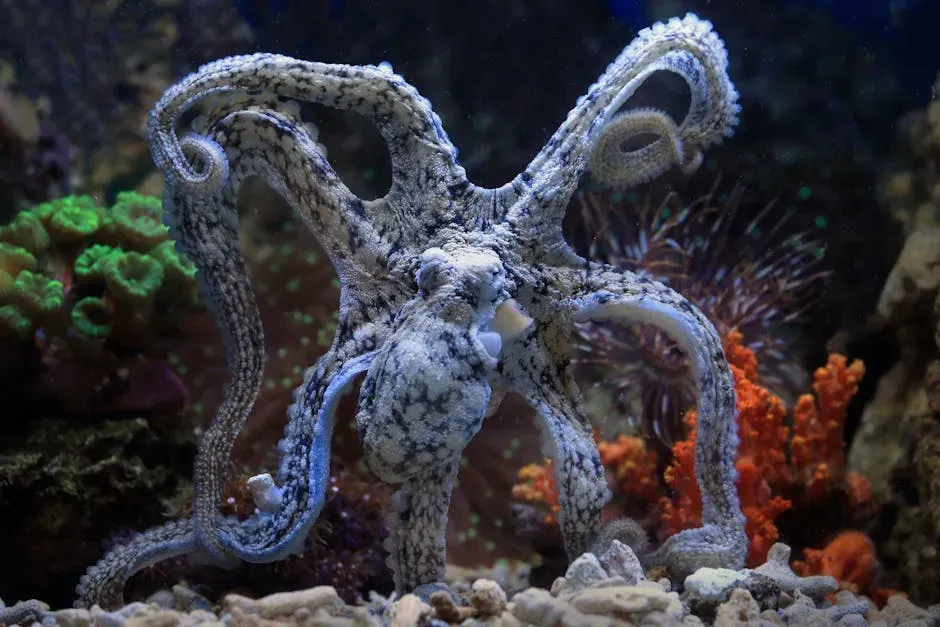
The most impressive thing cephalopods do is also the easiest to overlook: they generalize. In visual experiments, cuttlefish and octopuses learn that a certain pattern means food, then apply that same rule to new, slightly altered patterns they’ve never encountered before. In some setups, they distinguish between shapes, arrangements, or even basic quantities, and still pick the rewarded option after everything gets shuffled around.
They’re not memorizing single images. They’re extracting a rule and carrying it forward, and that same skill shows up outside the lab too. An octopus that figures out how to crack one kind of shell often adapts the same technique to a completely different shell or container. It’s not repeating a hard-wired move. It’s solving “how do I get into closed things,” as a general problem. Give a small primate this level of transfer learning and nobody would hesitate to call it real intelligence.
The Bottom Line
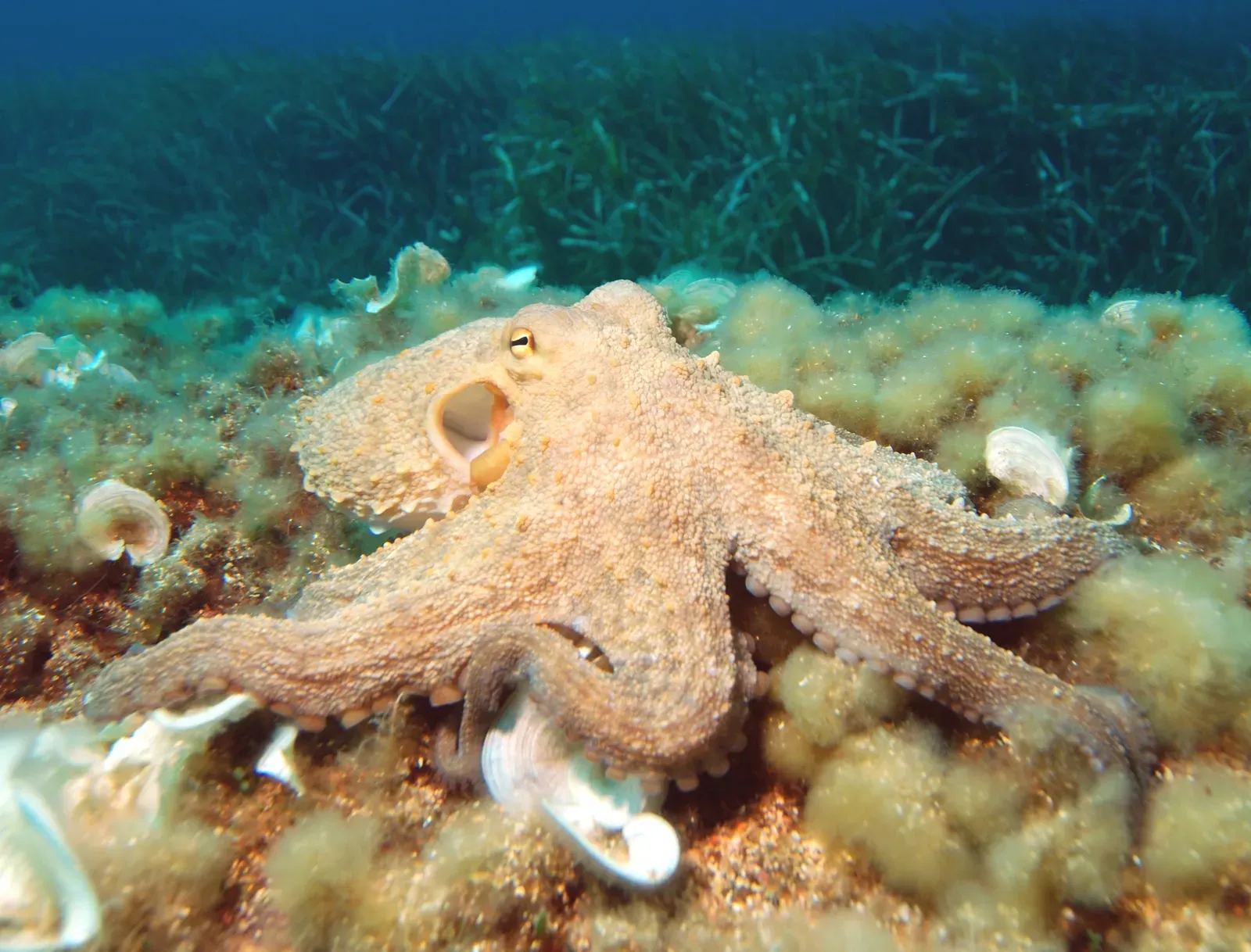
For years, cephalopods got downgraded because their brains don’t look like ours and their lives are short. That bias is falling apart fast. Across tool use, escape artistry, puzzle solving, delayed gratification, grudges, and improvised hunting, these animals keep turning short-term problems into reusable strategies. That’s not instinct dressed up in a costume. That’s what problem solvers actually do.
Here’s the opinion that makes some researchers squirm: if cephalopods aren’t “really” solving problems, then our definition of problem solving is broken, not the octopus. Intelligence was never supposed to be about owning a big primate brain in the first place. It’s about what you can figure out with the body and brain you’re stuck with. A boneless animal with a lifespan shorter than some houseplants is clearing cognitive bars we used to reserve for dogs, crows, and toddlers, and honestly, we underestimated it for far too long.