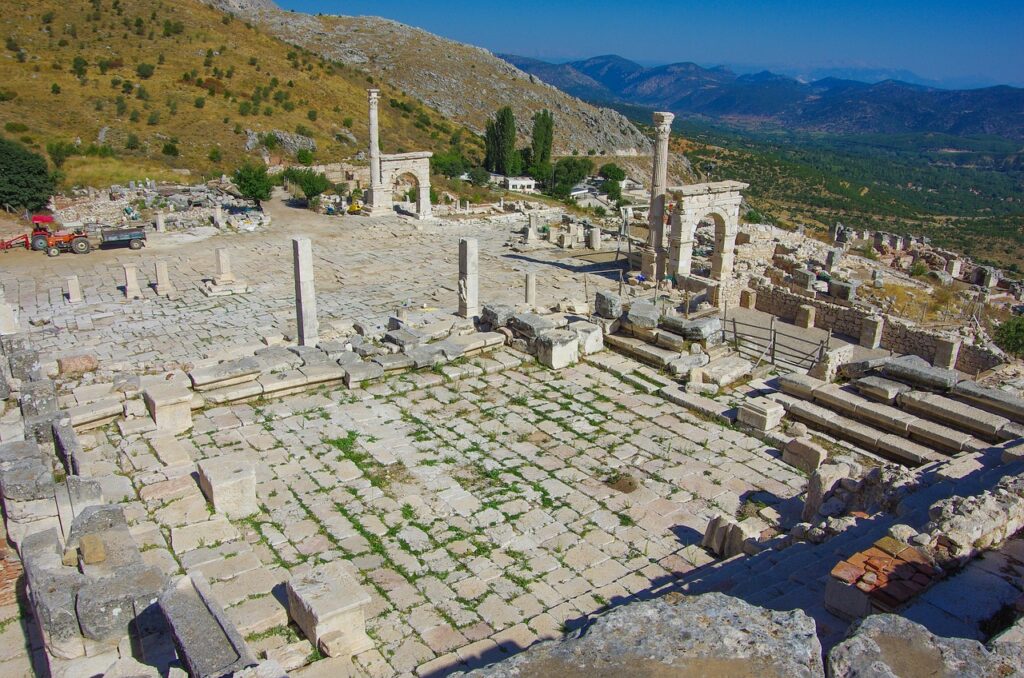

Imagine grabbing a coffee on your usual street corner, then finding out that a lost temple, a vanished neighborhood, or an entire harbor is buried right under your feet. That’s not a movie plot; that’s everyday reality for archaeologists working in some of the world’s busiest cities. As skylines climb higher, the ground beneath them is quietly giving up secrets that were locked away for hundreds, sometimes thousands, of years.
What makes these discoveries so gripping isn’t just the age of what’s uncovered, but the way they collide with the present: subway tunnels slicing through Roman streets, fiber-optic cables brushing past ancient tombs, foundations for luxury condos hitting medieval walls. Below are ten of the most fascinating archaeological finds that lay forgotten beneath modern cities, only to re-emerge and force us to rethink what we thought we knew about those places.
1. The Roman Amphitheater Beneath London’s Financial District
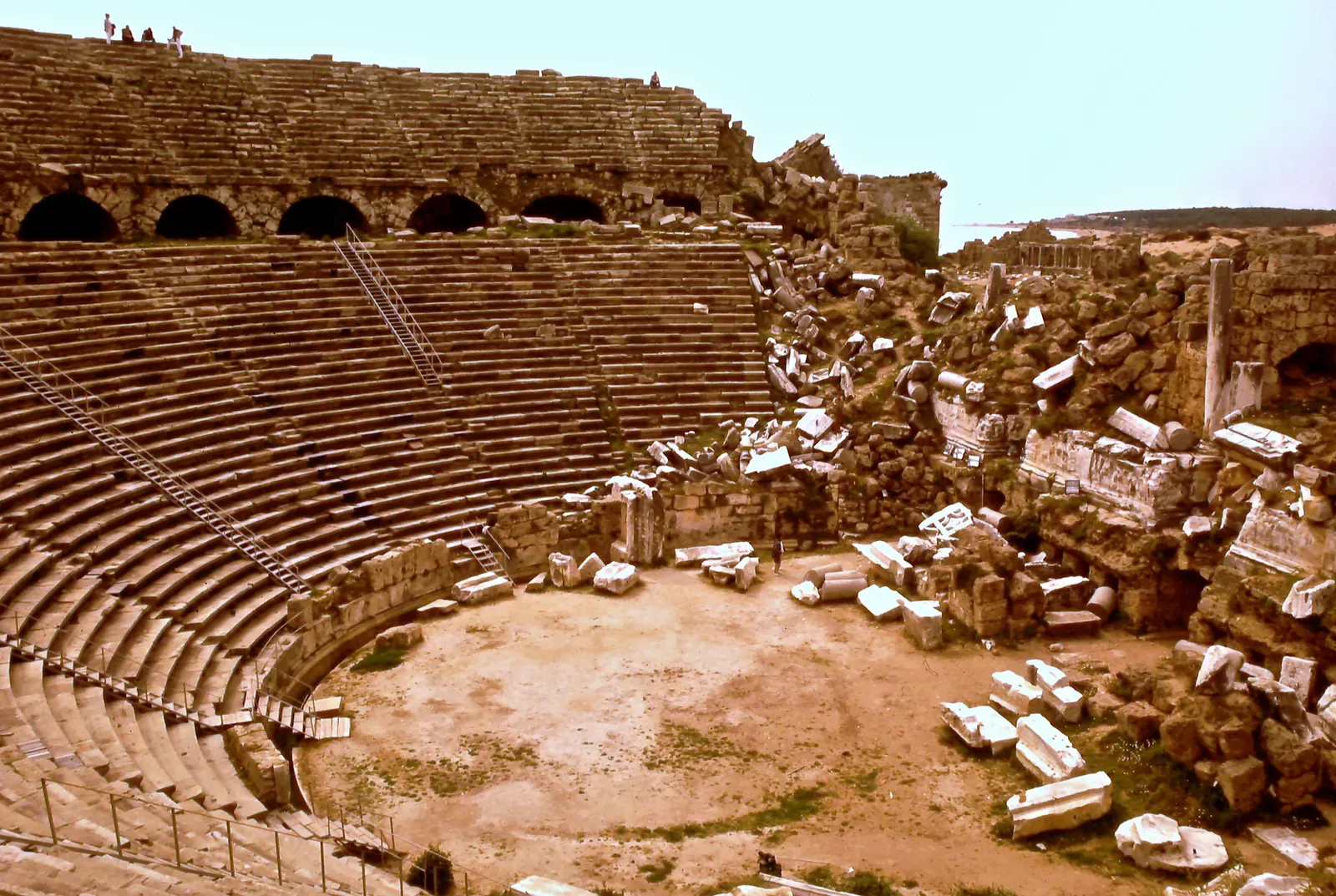
In the heart of London’s financial powerhouse, the City of London, builders in the late twentieth century were not expecting to hit the remains of a Roman amphitheater. Yet that is precisely what turned up beneath Guildhall Yard, hidden under centuries of rebuilding, fires, and modernization. For a long time, people suspected Roman London had major public buildings, but the exact location of its amphitheater was pure speculation.
The discovery did more than just confirm guesses; it physically rewired how Londoners saw their own city. Modern glass offices now sit atop a venue where crowds once watched gladiatorial shows and public spectacles, bridging two worlds that could not be more different. Walking through the preserved remains today, with the financial markets humming overhead, you get a jarring sense that cities are like layer cakes of ambition and entertainment stacked on top of each other.
2. Mexico City’s Templo Mayor Hiding Under Colonial Streets
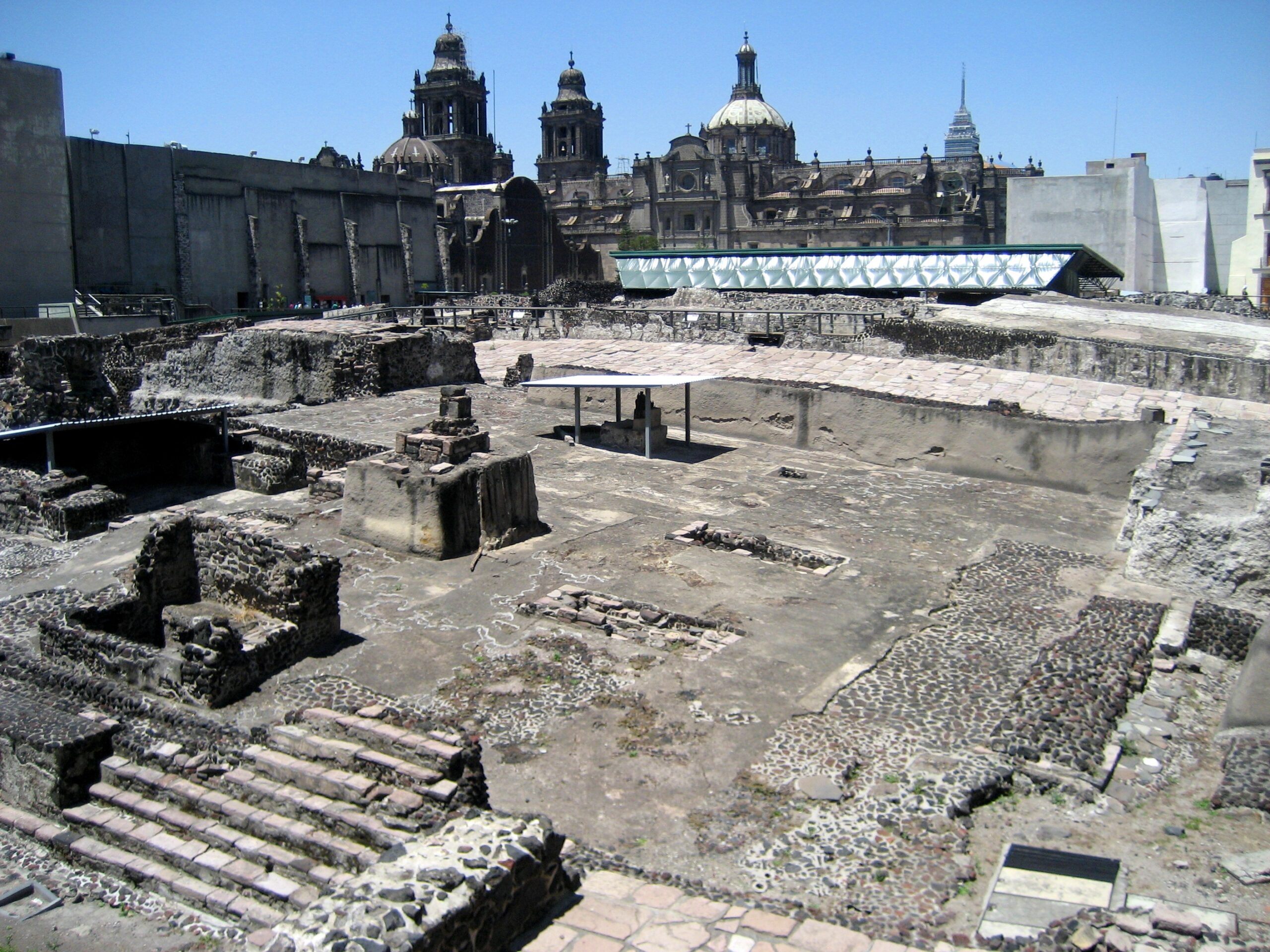
In Mexico City’s crowded historic center, traffic, vendors, and office workers move across what looks like any other dense Latin American downtown. Yet beneath those streets, the main ceremonial complex of the Aztec capital Tenochtitlan sat forgotten for centuries. When Spanish colonizers toppled the Aztec Empire in the early sixteenth century, they built their new city right on top of the old one, literally burying temples beneath churches and plazas.
The full significance of the Templo Mayor only began to emerge in the late twentieth century when workers accidentally hit massive stone sculptures and carved offerings during construction. Excavations revealed layered temples, rebuilt again and again as rulers added to the complex. It turned the ground under Mexico City into a kind of time machine, where neon signs and traffic fumes hover directly above sacred altars and ceremonial platforms that had not seen daylight since the age of Moctezuma.
3. The Medieval Blackfriars and Lost River Under Central London
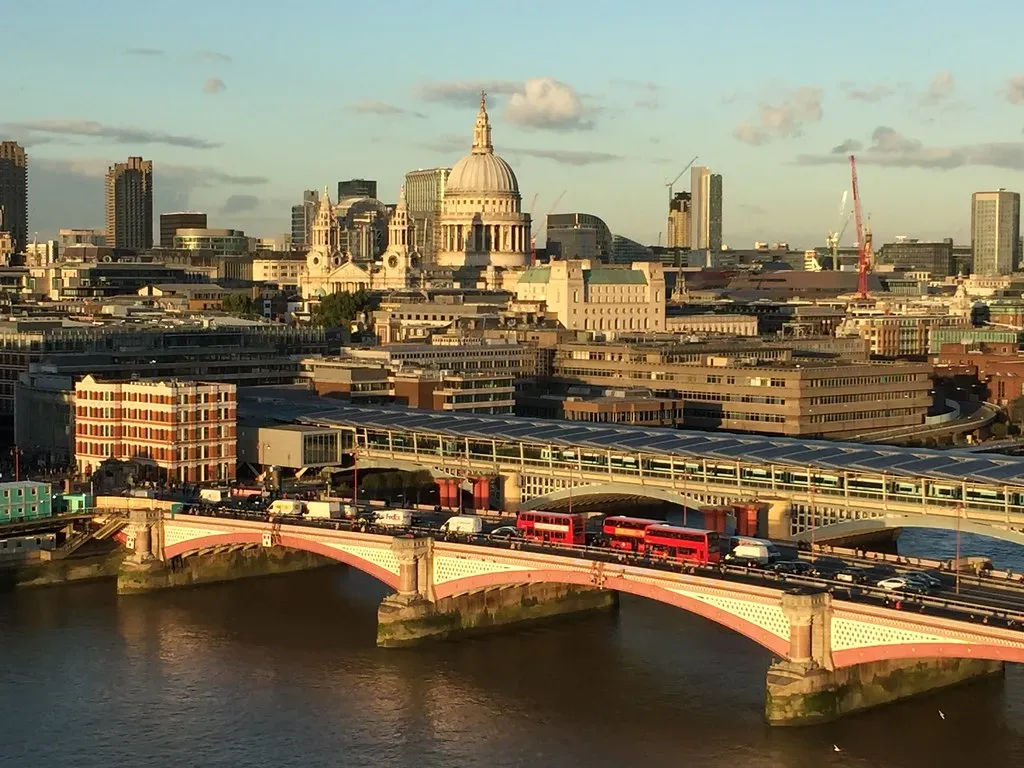
Central London has a habit of swallowing its own history, and the area around Blackfriars is a perfect example. During modern construction and railway works, archaeologists have uncovered the remains of a major medieval Dominican priory, long demolished and almost erased from public memory. Under streets and office blocks, foundations of cloisters, chapter houses, and burial grounds slowly reappeared, forcing planners to work around bones and stone walls that predated many countries’ existence.
Alongside these monastic remains runs the ghost of the River Fleet, a once-open waterway that became an open sewer and was eventually bricked over and turned into part of London’s drainage system. Today, millions commute above this buried river every week with no idea that an entire river valley and a powerful religious institution lie just below them. It is hard not to feel that the city is quietly haunted, not by myths, but by the very real infrastructure and institutions it paved over.
4. Naples and the Subterranean Roman City Beneath the Streets
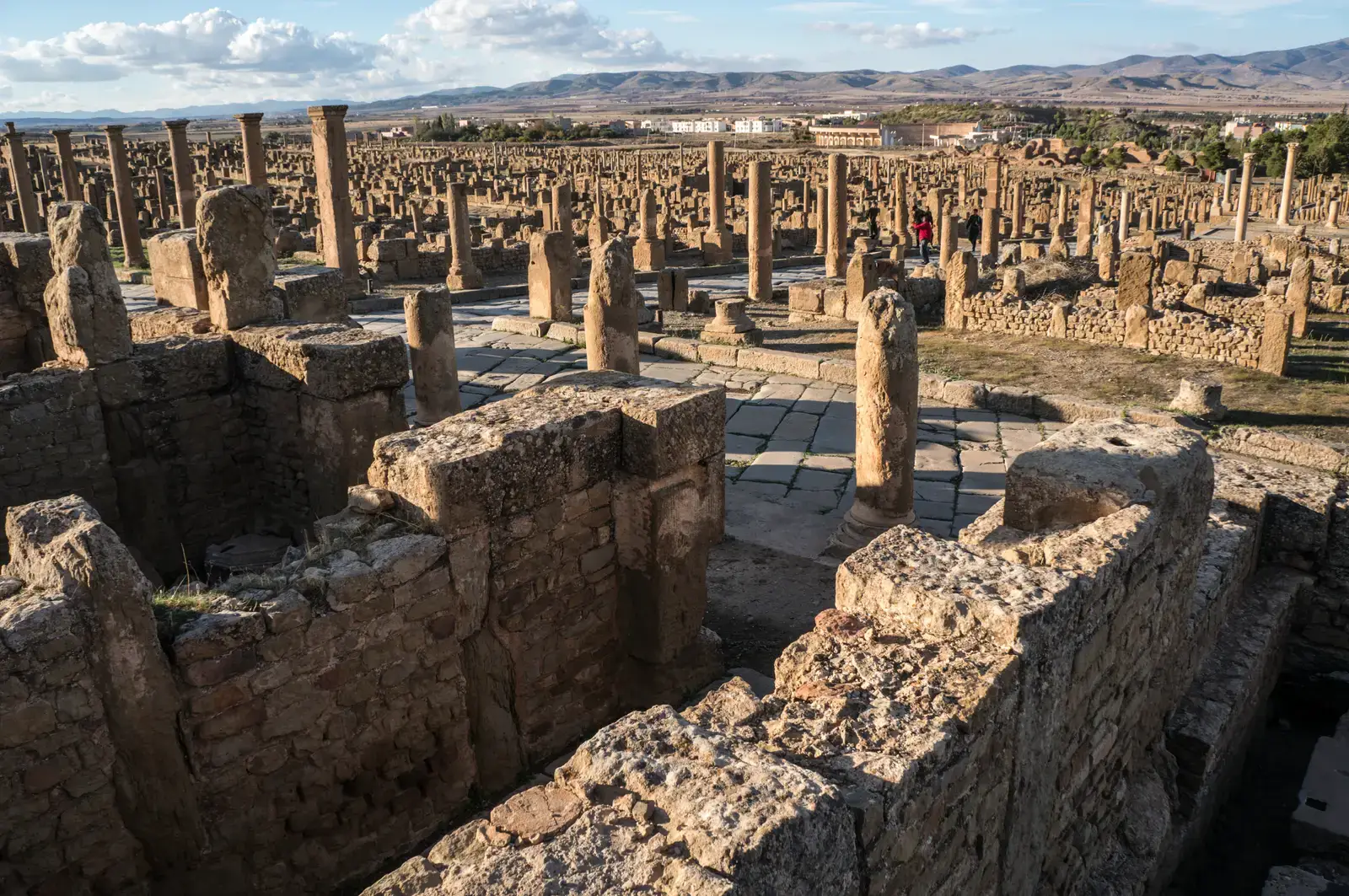
Naples is one of those places where the idea of “above ground” and “below ground” feels almost meaningless. Under the chaotic traffic and laundry-strewn balconies lies a sprawling underground world of Roman streets, aqueducts, cisterns, and quarries. Large portions of ancient Neapolis were essentially entombed as later generations hollowed out stone for building and then built right across the voids they had created.
When modern engineers and archaeologists descend into this underworld, they find arches, staircases, and fragments of daily life frozen in eerie silence, while scooters buzz by overhead. The contrast is almost cinematic: pizza ovens and phone shops perched above stately Roman masonry that would be museum pieces anywhere else. Living in Naples, you get the sense that the city never truly leaves its past; it just builds another floor on top and keeps going.
5. The Viking Ship Burials Hidden Beneath Trondheim and Oslo

In Norwegian cities like Trondheim and Oslo, sleek Scandinavian design and high-tech infrastructure sit on ground that once held Viking power centers. Recent archaeological surveys using ground-penetrating radar and rescue excavations connected to construction have revealed ship burials and ceremonial landscapes lurking under farmland, roads, and suburban developments. Some of these finds turned up shockingly close to modern buildings, almost like the ships had been camouflaged by the passage of time.
Unlike the famous museum pieces that were carefully excavated a century ago, these more recent discoveries were never meant to be seen again after burial. They represent elite individuals given ship burials, with vessels serving as symbolic vehicles into the afterlife. The fact that housing projects, parking lots, and industrial sites sprouted on top of them without anyone knowing shows just how thin the line is between the Viking age and today’s Norway, no matter how polished the modern surface looks.
6. The Roman Harbor and Roads Beneath Modern Marseille
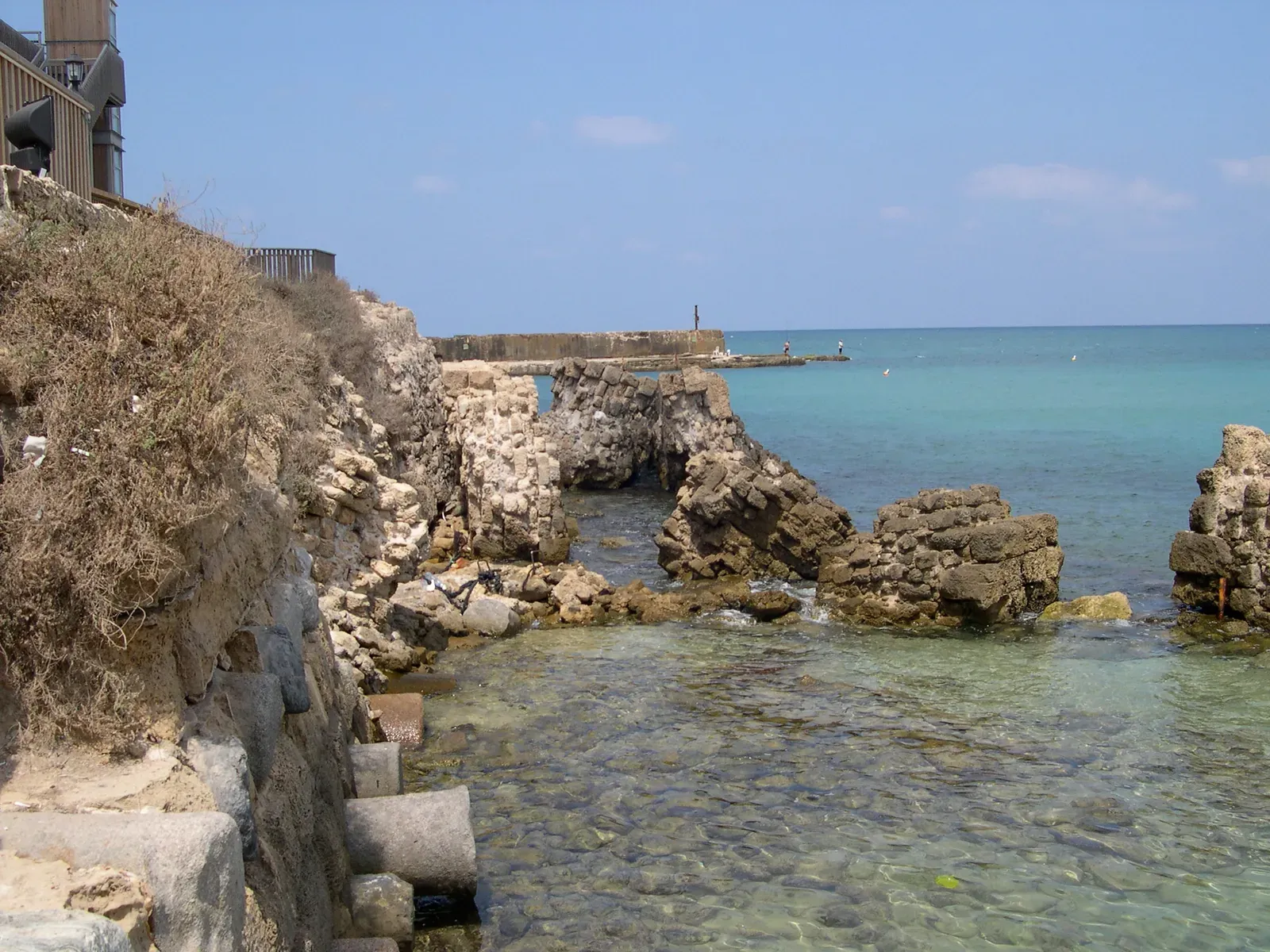
Marseille markets itself as a gritty, modern port city, but when workers dug for the construction of a new stretch of road and buildings in the twentieth century, they stumbled on the bones of its ancient Roman harbor. Under asphalt and concrete lay quays, warehouses, and sections of the old shoreline that had been swallowed by centuries of silt and urban expansion. It was as if the city’s original front door to the Mediterranean had quietly waited below the traffic for someone to notice.
These finds reshaped historians’ understanding of how bustling and strategic ancient Massalia and later Roman Marseille really were. They also forced city planners to make an uncomfortable choice: pause and preserve, or keep building and risk losing the delicate remains. The compromise has been to integrate remnants of the harbor into public spaces and museums, so shoppers and commuters can suddenly find themselves face to face with mooring rings and stone blocks that saw ships long before the idea of France even existed.
7. The Submerged Byzantine Harbor Under Modern Istanbul
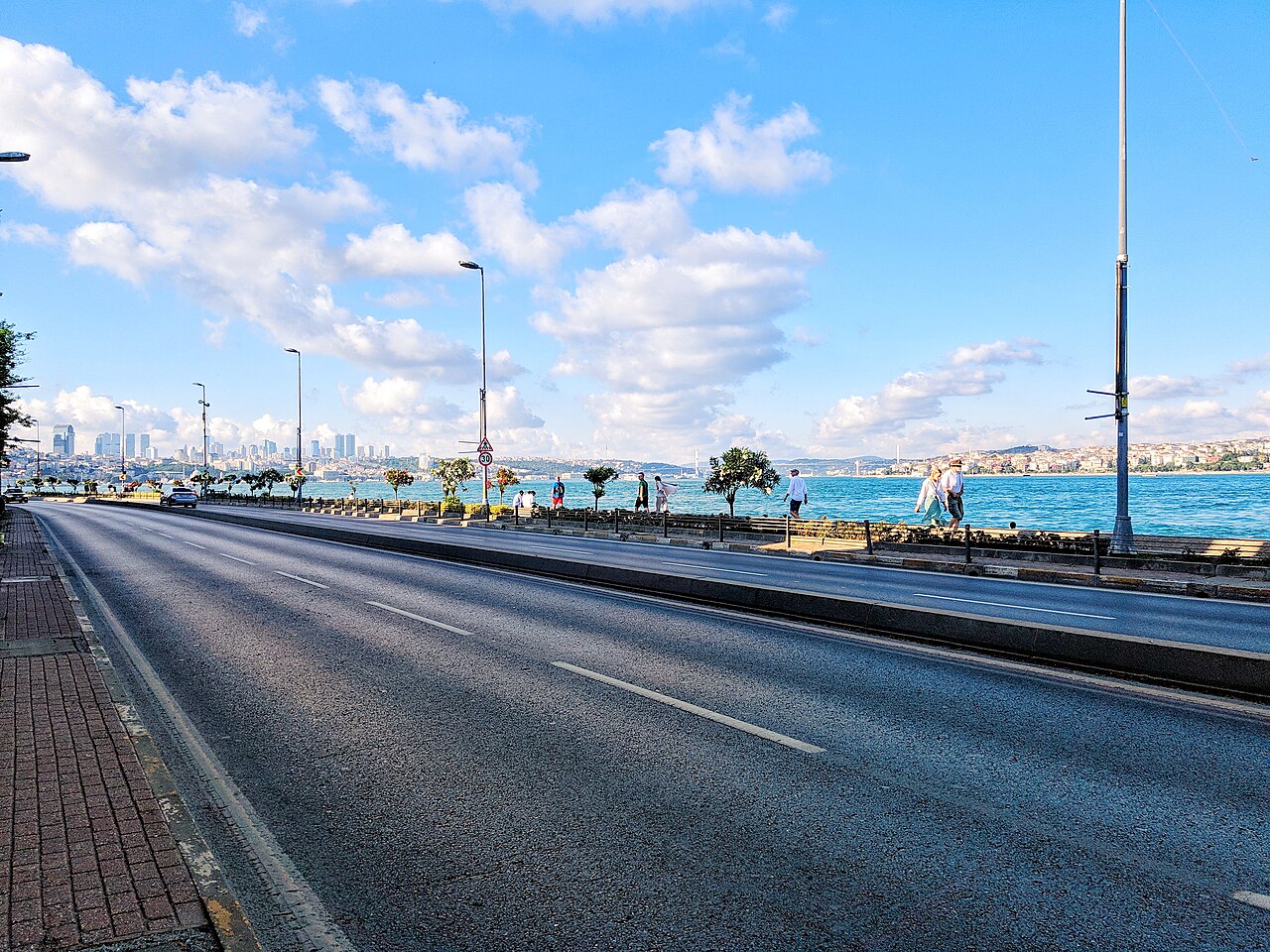
When Istanbul expanded its rail network with a major undersea tunnel project, nobody expected to uncover one of the best-preserved harbors of the Byzantine world. During excavations at Yenikapı, under layers of fill and modern development, archaeologists found the remains of an enormous ancient harbor of Constantinople, including dozens of shipwrecks and cargoes. For centuries, the spot had been just another busy urban district, with people living and working above a completely forgotten maritime complex.
The discovery forced massive delays and redesigns, but it also delivered an archaeological jackpot, revealing details of shipbuilding techniques, trade goods, and even everyday items from the Byzantine and later periods. Standing in that area now, it is strange to think that trains zip through tunnels laid only after planners mapped every last hull and anchor. Istanbul likes to say it connects continents; this harbor proved it has also been stitching together very different eras stacked on top of each other.
8. Pompeii-Like Neighborhoods Under Modern Rome
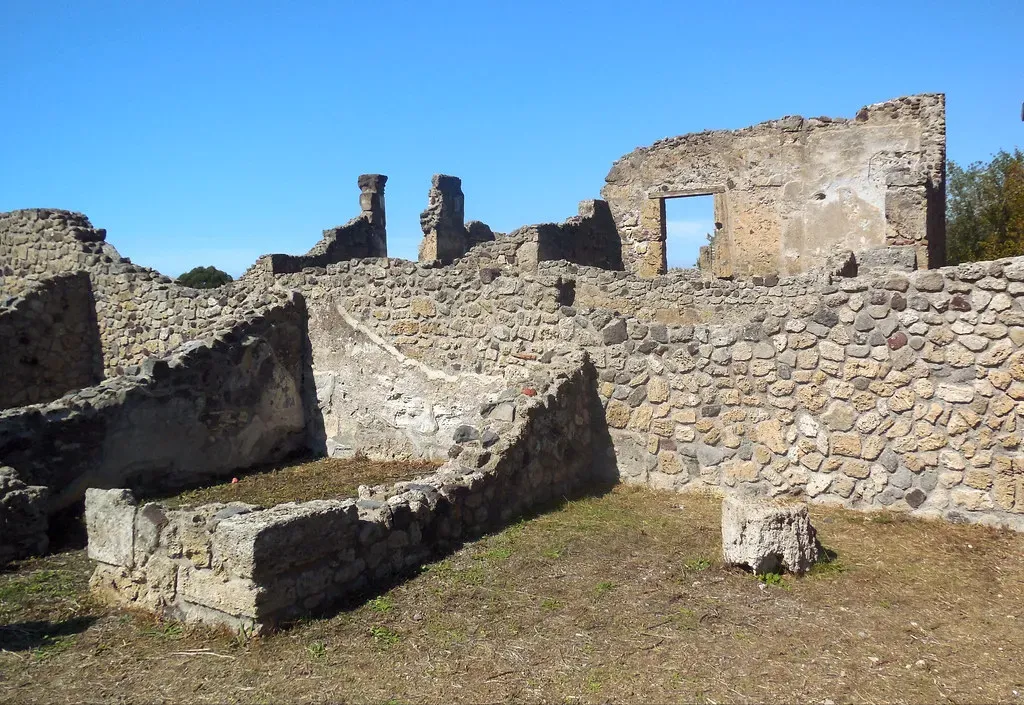
Rome is famous for ruins, but many of its most surprising finds have not been obvious toppled columns or crumbling arches. During subway construction and building projects around the city, archaeologists have repeatedly uncovered entire slices of everyday Roman neighborhoods, almost like mini Pompeiis hidden under apartment blocks and traffic circles. These include apartment buildings, workshops, taverns, and courtyards, sometimes with frescoes and mosaics still intact.
What makes these buried districts so powerful is their ordinariness: they show how regular Romans lived, not just how emperors and elites projected their power. When workers punch a tunnel through a wall and suddenly find a painted dining room or a tiny shrine, it grounds history in messy, familiar domestic life. Modern Rome may groan about construction delays, but these discoveries are priceless reminders that the Eternal City is not just preserving its past above ground; it has been quietly carrying whole forgotten communities below the streets the entire time.
9. Ancient Carthaginian and Roman Layers Under Tunis
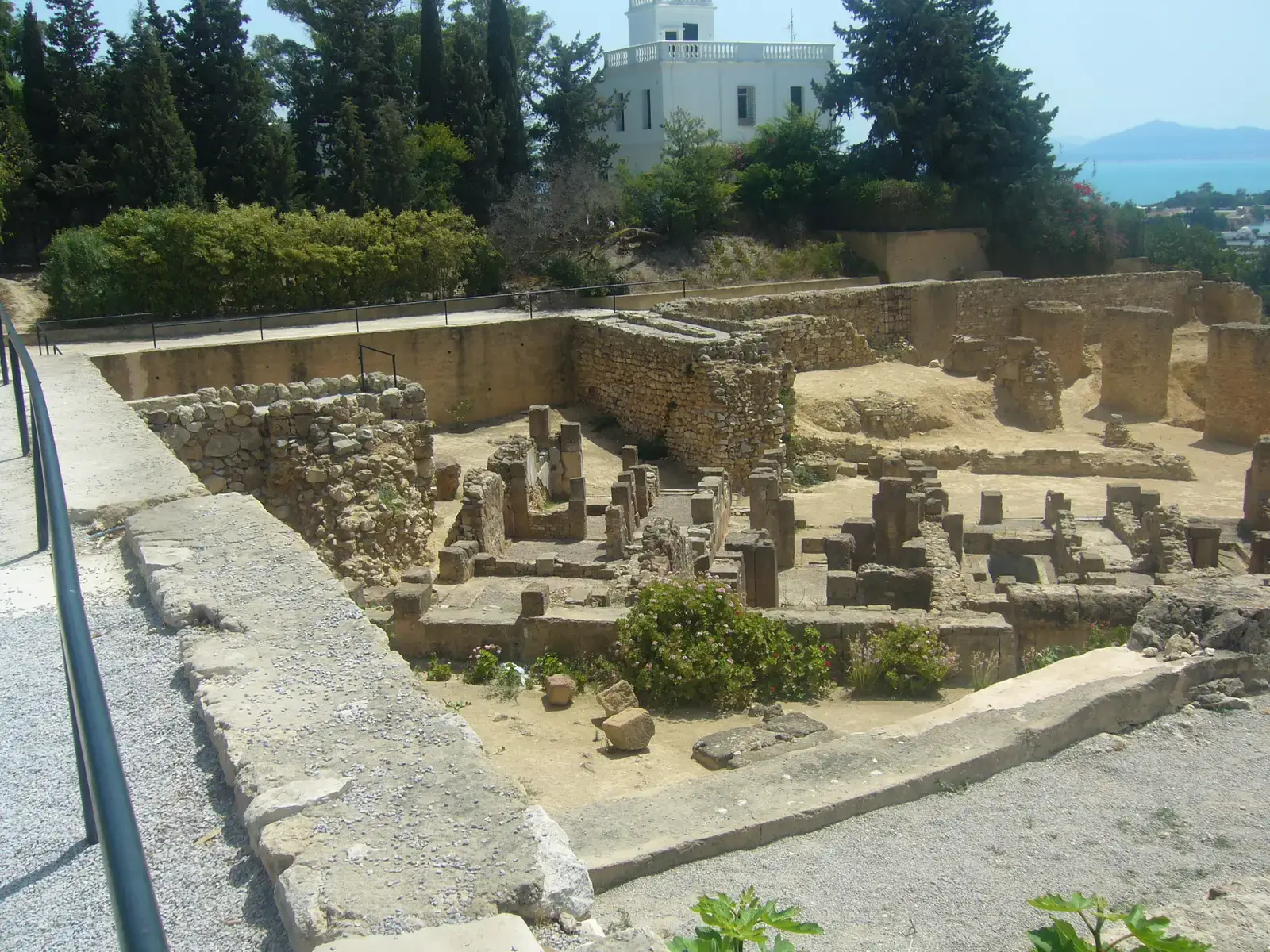
In Tunis, the capital of Tunisia, layers of ancient Carthaginian and Roman occupation lie under modern neighborhoods, offices, and road networks. While nearby Carthage is known as an archaeological zone, the urban sprawl of Tunis has crept across areas that once held suburbs, cemeteries, and infrastructure tied to those earlier cities. Rescue digs connected to new construction have brought up tombs, building foundations, and inscriptions that had slipped entirely out of local memory.
These surprises are a reminder that political and cultural narratives can change much faster than the ground itself. Carthage went from imperial rival to Rome’s enemy, then to a Roman metropolis, and eventually to a half-forgotten ruin fringed by new cities. Every time a new road or building project in Tunis hits an ancient grave or wall, it complicates today’s story with older, layered identities beneath. Living there is a bit like sitting on a palimpsest, where the old text never quite disappears, even when you write something new on top.
10. The Buried Medieval Streets and Wells Under Edinburgh’s Old Town
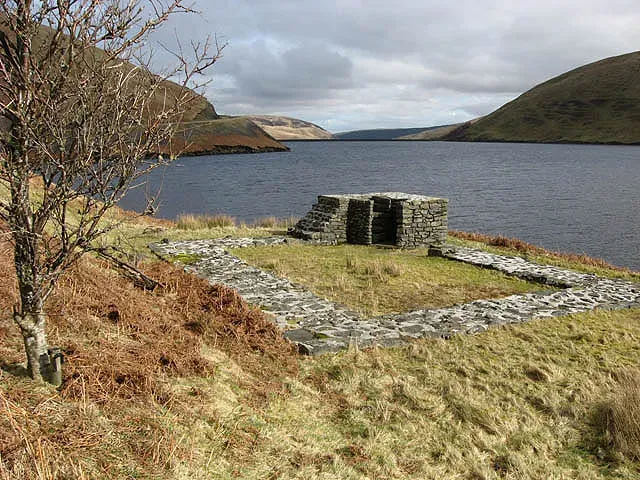
Edinburgh’s Old Town already looks ancient on the surface, but what most visitors miss is that there are older streets and dwellings sealed below the cobbles. Over time, officials responded to overcrowding, disease, and changing urban plans by literally building over certain closes, alleys, and even homes. Parts of those forgotten streets and wells were eventually rediscovered and explored, revealing cramped living spaces, artifacts, and architectural details that had been sealed off for centuries.
What makes this urban layering particularly unsettling is how recent some of it feels compared to Roman or Aztec remains. These were not distant civilizations; they were people whose concerns and surroundings were oddly familiar, yet their physical world was deliberately entombed to make way for a cleaner, more modern city. Walking through the preserved underground closes, you get a chill not because of ghost stories, but because of the realization that entire ways of life can be paved over so fully that they survive only as an accidental time capsule beneath a busy tourist street.
Conclusion: Cities Never Really Forget, They Just Cover Things Up
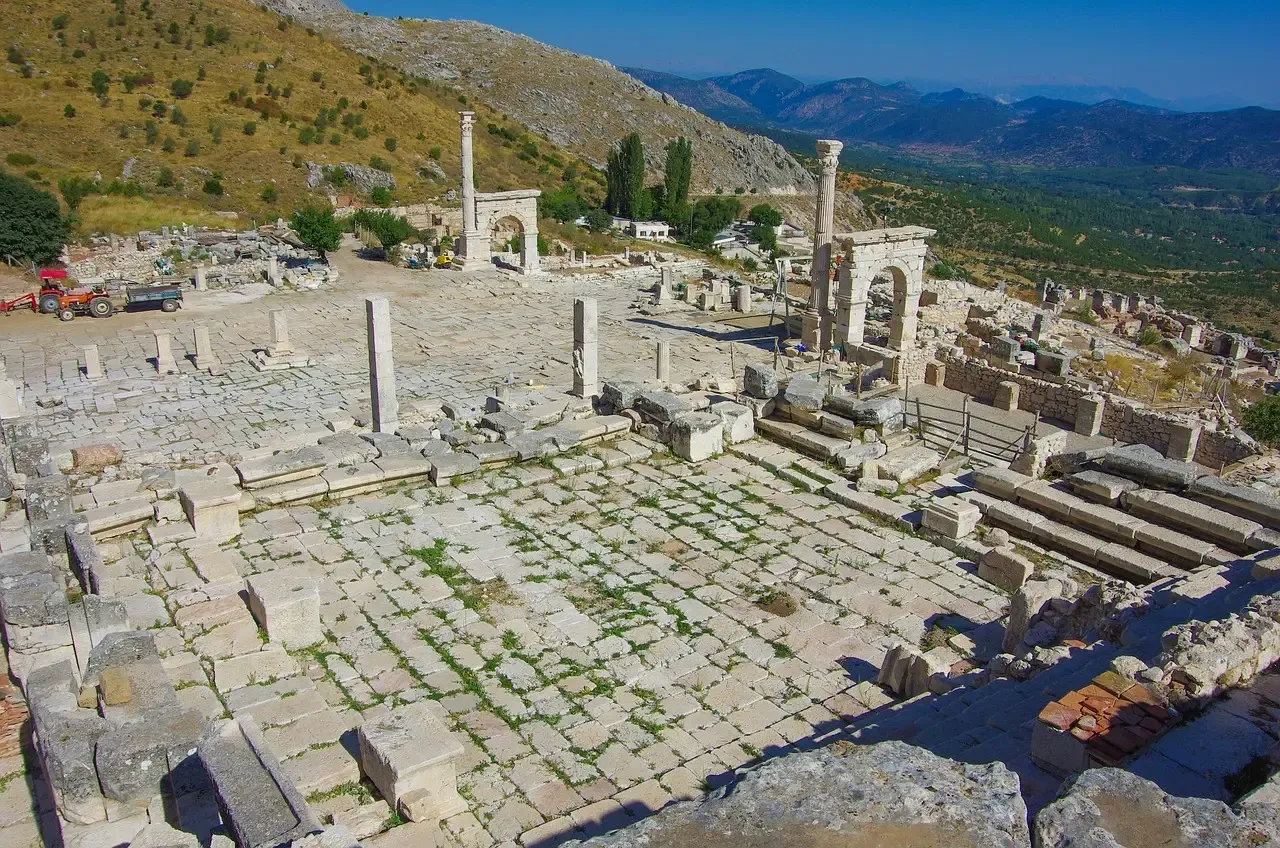
What all these buried discoveries under modern cities really drive home is that urban life is not a straight line; it is a pileup. We like to pretend that the present is a fresh start, but every foundation trench, subway tunnel, and cable ditch proves otherwise. Under banking districts, subway platforms, cafés, and apartment blocks, there are amphitheaters, harbors, ship burials, lost rivers, and cramped medieval bedrooms that were never meant to resurface. They were not just forgotten; in many cases they were intentionally overwritten, the way you might save a new file over an old one and assume the past is gone.
Personally, I think these finds are a quiet rebuke to the idea that progress wipes the slate clean. Instead, they show that progress mostly builds scaffolding on top of what came before, whether we know it or not. The next time a building site in a big city grinds to a halt because a bucket hits ancient stone or bone, it might feel like an annoyance, but it is also the city remembering itself. And that raises a surprisingly intimate question for anyone living in a modern metropolis: if this much can be hidden beneath our streets, how much of our own time will one day be rediscovered the same way?