
Most people picture scientific breakthroughs as clean, triumphant stories: genius has an idea, writes it up, world applauds. The truth is messier. Some of the most important results in the history of physics almost never left the desk drawer, because the people who found them were embarrassed, terrified, or flatly convinced they’d made a mistake.
What follows isn’t a list of eureka moments. It’s a rundown of near-misses – letters nobody wanted to send, papers softened into near-invisibility, and careers that hung on ideas too strange to say out loud in a seminar room. Some of these findings sat quietly for decades before the universe forced everyone to take them seriously. Here are 13 cases where physics nearly buried its own biggest discoveries.
#13 – The Cosmic Microwave Background
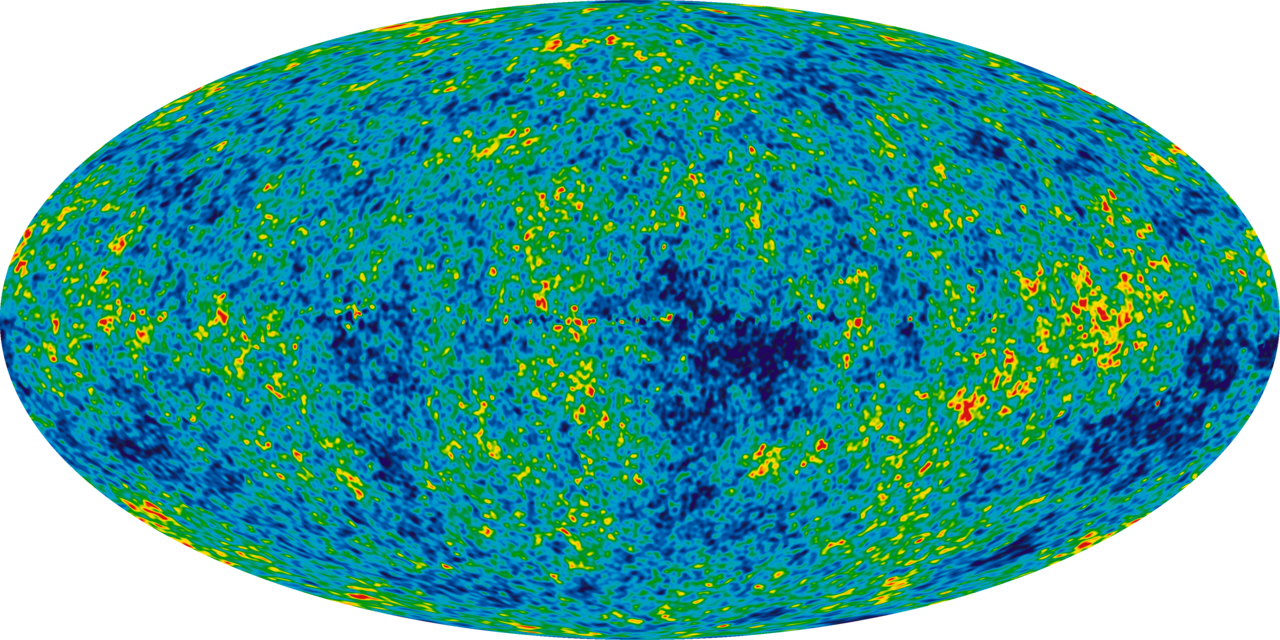
Arno Penzias and Robert Wilson weren’t hunting for cosmology’s Holy Grail in 1964 — they were just trying to kill an annoying hiss in Bell Labs’ microwave antenna. The noise showed up no matter where they pointed the dish, day or night, winter or summer. Before they’d even entertain the idea that they’d stumbled onto the afterglow of the Big Bang, they blamed pigeon droppings, faulty wiring, and stray radio interference from New York City.
Only after exhausting every mundane explanation did they nervously call physicists at Princeton, who instantly recognized the exact signature predicted by Big Bang cosmology. Even then, Penzias and Wilson wrote up their find in a short, almost apologetic paper — basically saying “here’s this weird excess noise, we have no idea what it is.” It won them the Nobel Prize anyway, for a discovery they nearly filed under building maintenance.
Fast Facts
- The CMB sits at a temperature of 2.725 Kelvin, almost perfectly uniform across the entire sky
- The hiss was first traced in 1964 from a horn antenna in Holmdel, New Jersey
- Penzias and Wilson shared the 1978 Nobel Prize in Physics for the find
- The light itself dates back to roughly 380,000 years after the Big Bang
#12 – Neutron Stars
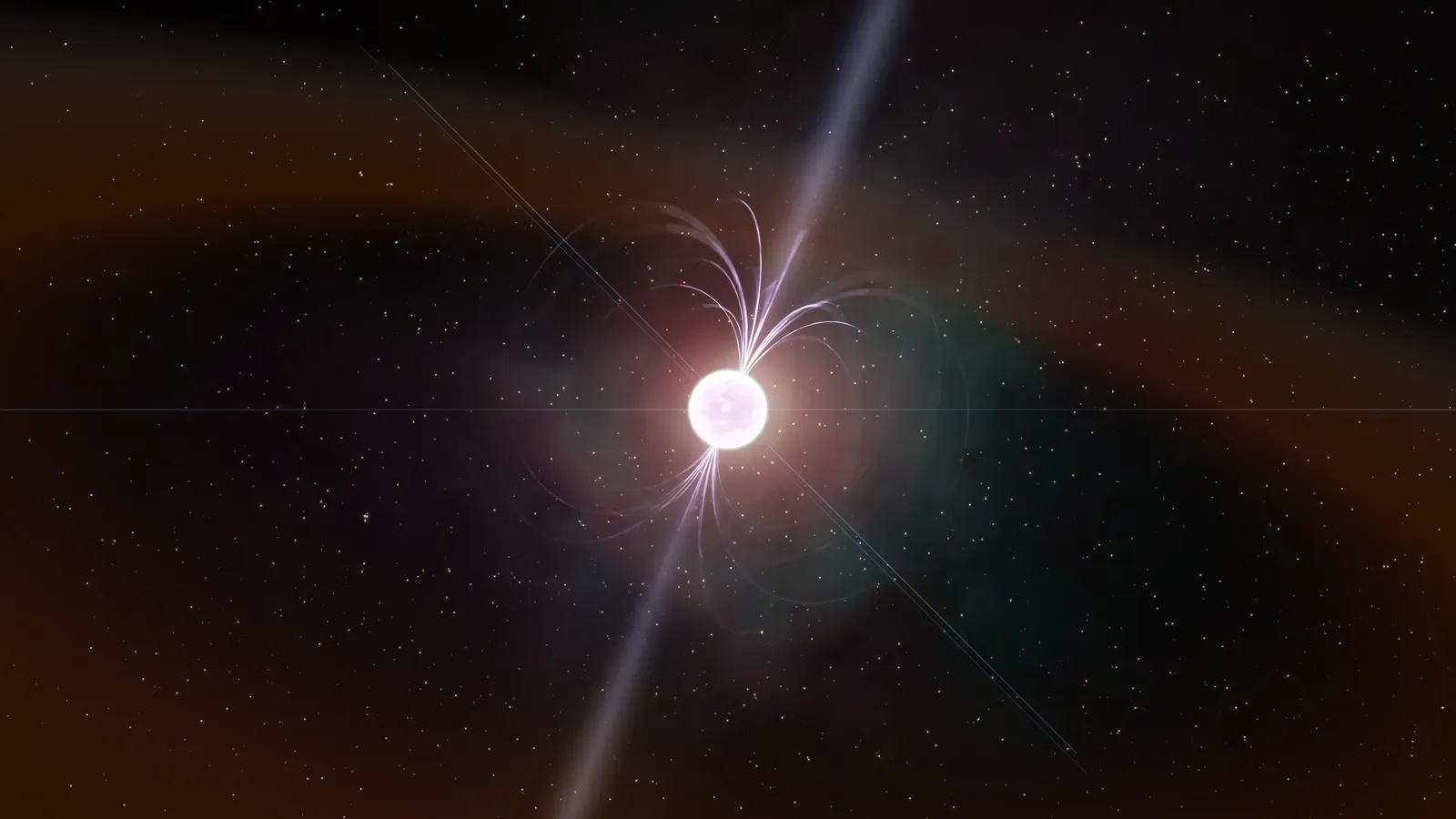
In 1933, a young theorist named Lev Landau was chasing an idea so extreme it embarrassed him before anyone else got the chance. If gravity crushed a dying star hard enough, electrons and protons could get smashed together into neutrons, packing more mass than the Sun into a sphere only 10 to 20 kilometers wide.
There was no observational evidence — just equations pointing somewhere absurd. Landau reportedly worried the idea would read like a “theoretical fairy tale” that could wreck his credibility, so early work on neutron stars got toned down or quietly shelved instead of shouted from the rooftops. It took the discovery of pulsars in the 1960s, three decades later, to prove the fairy tale was real.
#11 – Dark Matter
In the 1930s, astronomer Fritz Zwicky noticed something that shouldn’t have been possible: galaxies in the Coma Cluster were moving so fast they should have flung themselves apart, unless something invisible was holding them together. He called that invisible mass “dunkle Materie” — dark matter — and got treated like astronomy’s eccentric uncle for saying so.
Decades later, Vera Rubin and Kent Ford found the same ghost while mapping how stars orbit spiral galaxies: stars far from the center moved just as fast as ones near it, flatly breaking the rules of gravity everyone understood. Rubin reportedly assumed her own instruments were wrong and rechecked everything obsessively before accepting the result. It was the kind of thesis-killing anomaly most people learn to quietly bury — instead, it forced physics to admit that most of the universe might be invisible.
#10 – The Expanding Universe
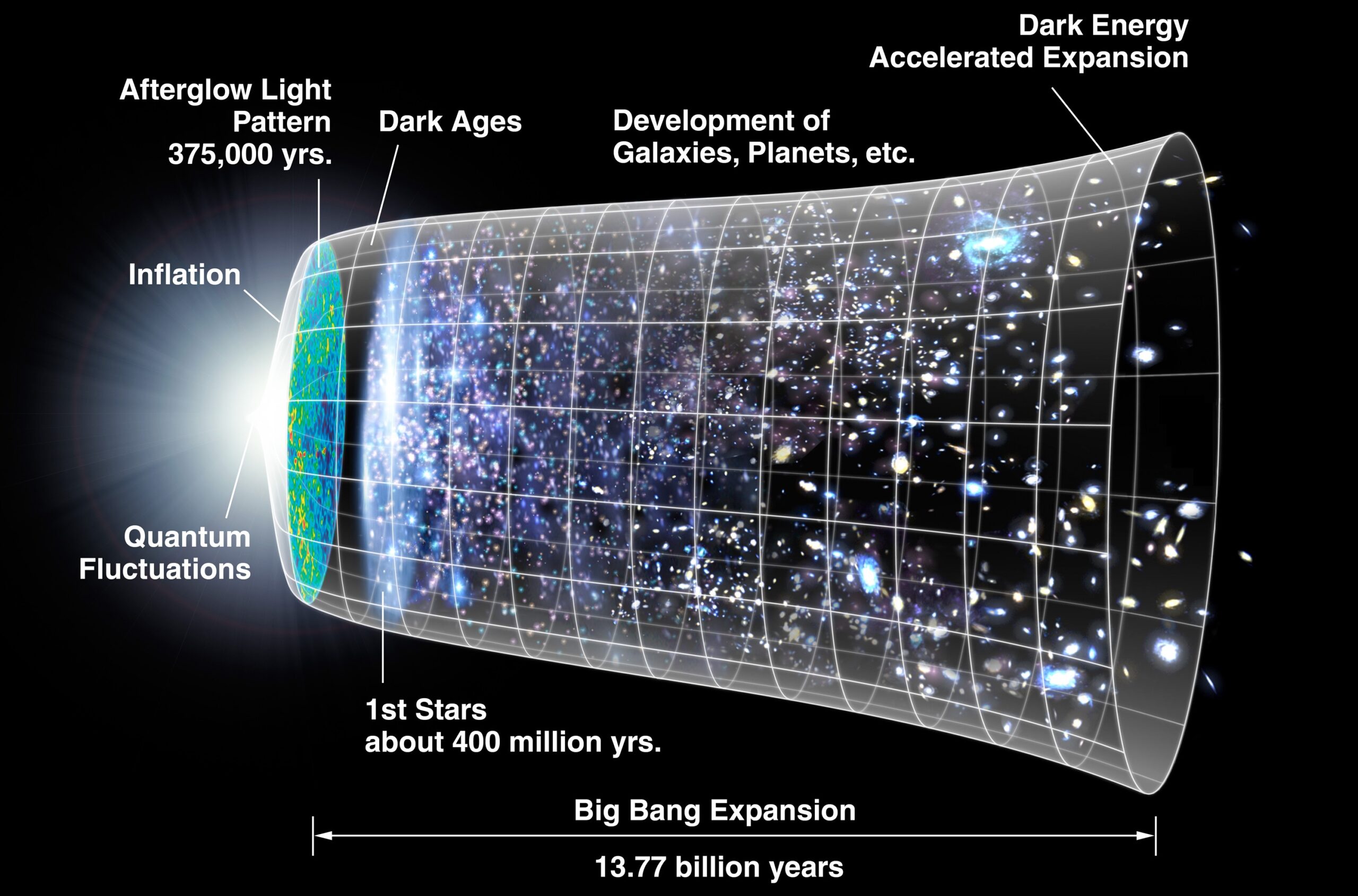
By the late 1920s, Edwin Hubble and Milton Humason had measured something that broke cosmology’s biggest assumption: the farther away a galaxy sat, the faster it seemed to be racing away from us. That pointed straight at an expanding universe — a direct contradiction of the static, eternal cosmos that even Einstein preferred.
Georges Lemaître had already worked out the theory and the math, but he published it in a fairly obscure journal and described it almost sheepishly. Big chunks of his landmark 1927 paper went unnoticed for years. Hubble, protective of his own reputation, kept his language cautiously observational instead of declaring a cosmic revolution — leaving one of the biggest ideas in science to spread quietly instead of with a bang.
#9 – Quantum Tunneling
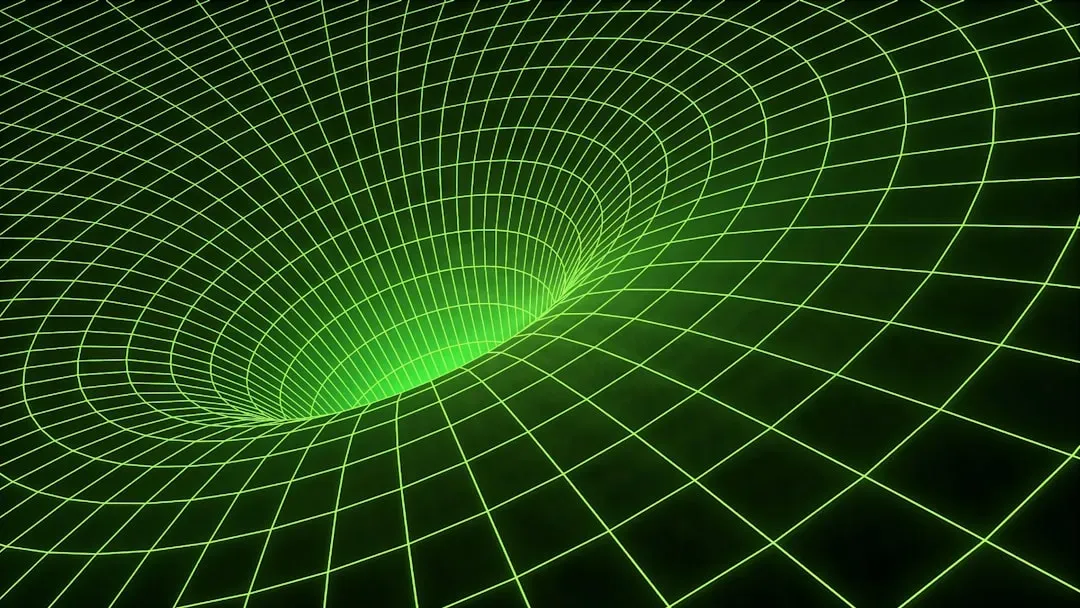
In the 1920s, the math of quantum mechanics spat out something that sounded like nonsense: particles have a real, nonzero chance of passing straight through energy barriers they should never be able to cross. Today we call it quantum tunneling. At the time, even the physicists who derived it treated it like an odd mathematical quirk rather than something that actually happens.
Emphasizing the literal, physical reality of tunneling felt risky — quantum theory was controversial enough without making it sound mystical. So for years it sat in the literature as a slightly embarrassing “yes, the equations say so, but let’s not get carried away” footnote. It wasn’t until nuclear physics explained alpha decay, and engineers started building transistors and scanning tunneling microscopes, that tunneling went from awkward footnote to the backbone of modern electronics.
#8 – Radioactivity
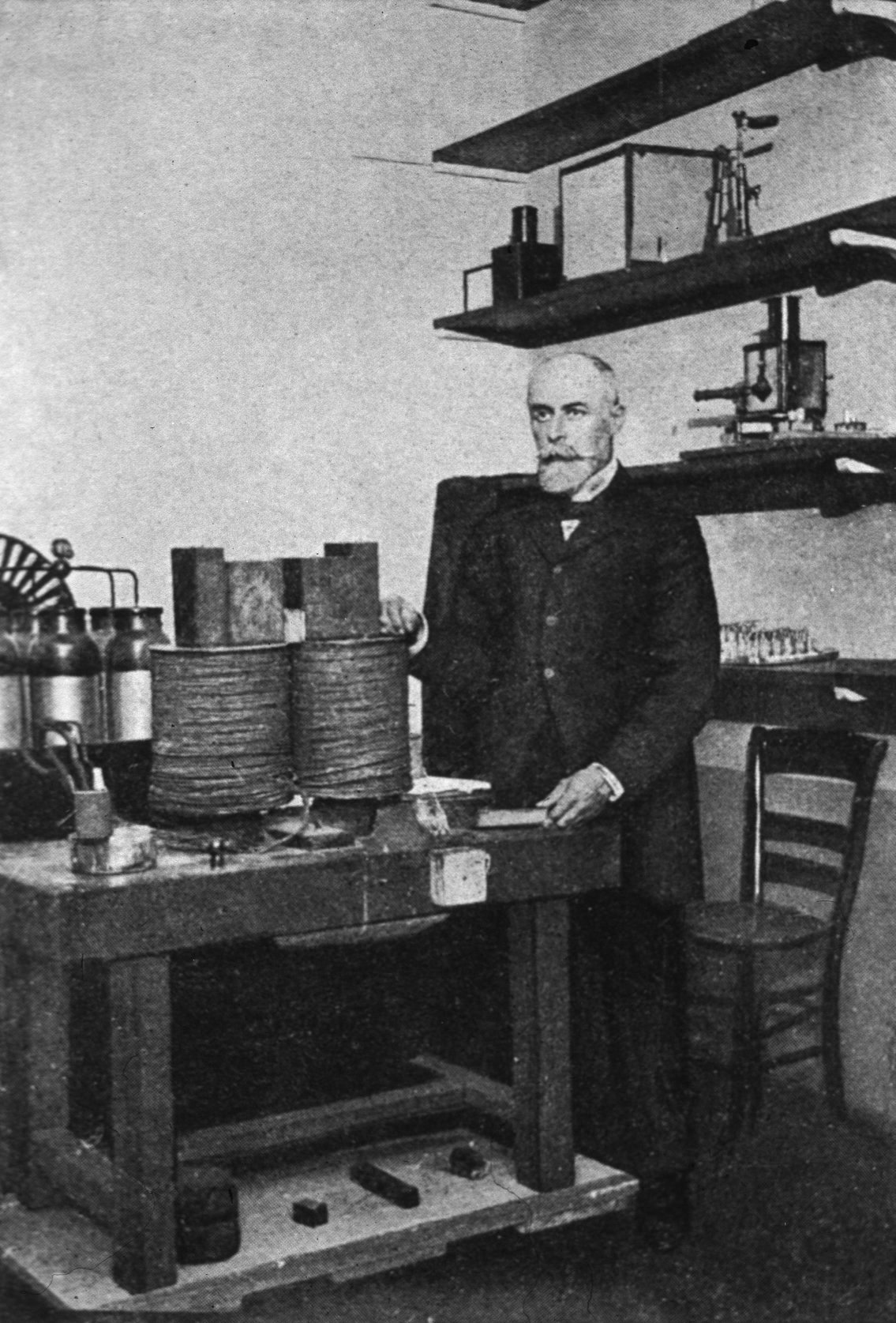
In 1896, Henri Becquerel noticed uranium salts could fog a photographic plate sealed away in total darkness, with no light source anywhere near it. He’d stumbled onto radioactivity, but his first instinct wasn’t excitement — it was suspicion of his own setup: leftover phosphorescence, contamination, anything but atoms spontaneously falling apart.
That instinct made sense, since physics at the time treated atoms as permanent, indestructible building blocks. Becquerel’s early reports were cautious to the point of reluctance, and even after Marie and Pierre Curie pushed the idea further, colleagues quietly suggested tightening up the experiments before making bold claims about atoms disintegrating on their own. The “shaky” phenomenon everyone tiptoed around became one of the sturdiest pillars of modern physics and medicine.
#7 – Quasars: The “Ridiculous” Redshifts That Sat in Notebooks
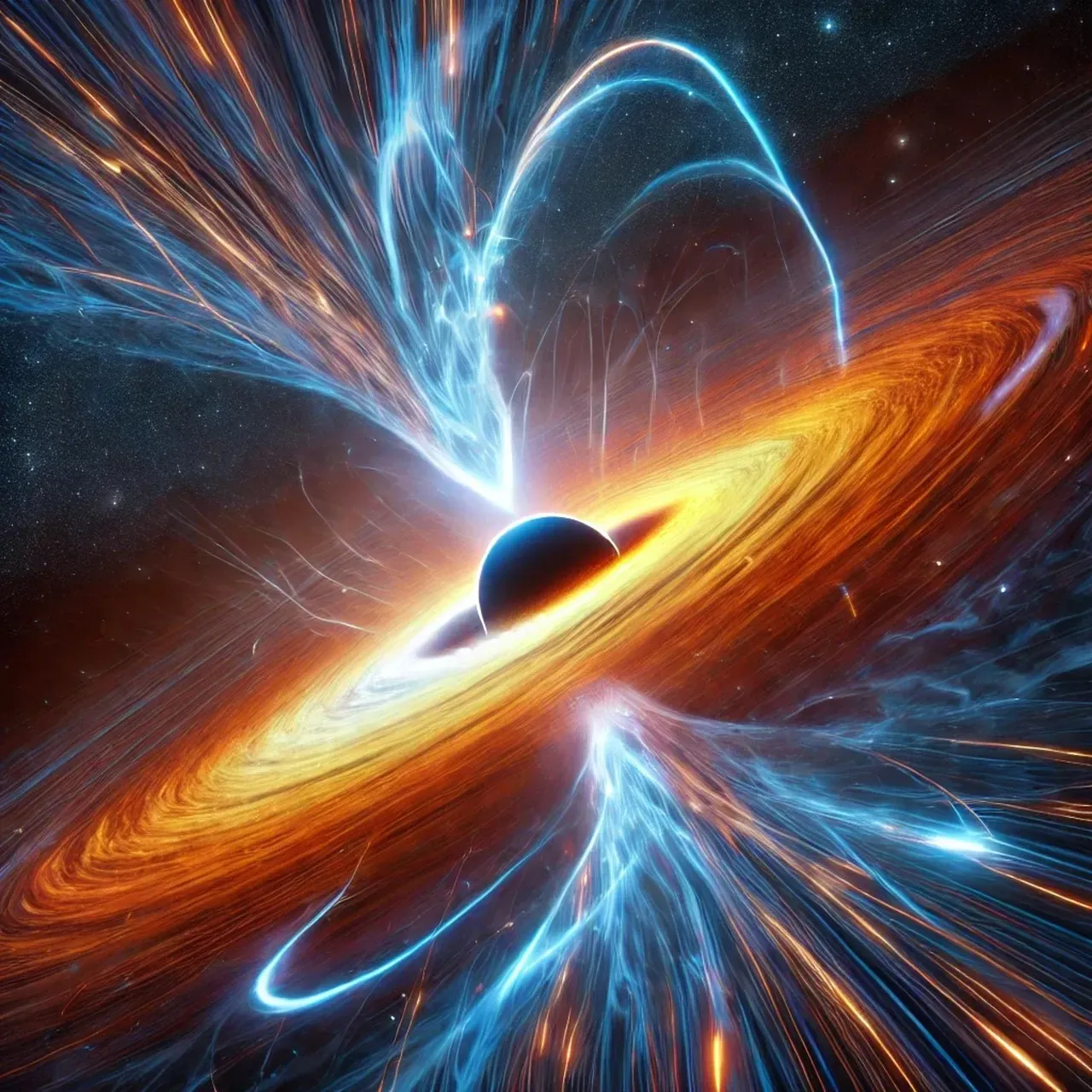
In the early 1960s, astronomers pointed their instruments at radio sources like 3C 273 and 3C 48 and got numbers that made no sense: redshifts implying distances so enormous that these objects would have to outshine entire galaxies just to be visible. If the numbers were right, quasars were the brightest single objects in the known universe.
Most researchers assumed the spectra had been misread, and some quietly chased alternative explanations that kept the sources closer and less ridiculous. Reviewers pushed back, instruments got blamed, and the simplest explanation sat in limbo for years. It took Maarten Schmidt and others insisting that the outrageous answer was the correct one before astronomers accepted these were unimaginably distant objects powered by supermassive black holes.
Worth Knowing
- 3C 273, one of the first confirmed quasars, sits roughly 2.4 billion light-years away
- A single quasar can outshine an entire galaxy of hundreds of billions of stars
- Maarten Schmidt cracked the redshift puzzle of 3C 273 in 1963
- The extreme brightness comes from a supermassive black hole devouring surrounding gas and dust
#6 – The Neutrino
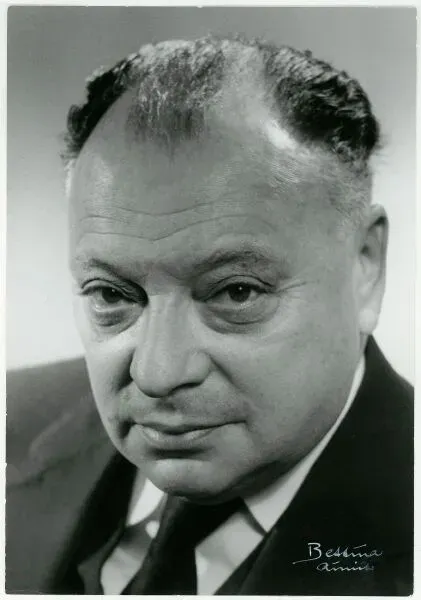
In 1930, Wolfgang Pauli had a problem: beta decay experiments seemed to violate the conservation of energy, one of physics’ most sacred laws. His fix was to propose an invisible, practically undetectable particle that could carry away the missing energy — an idea so uncomfortable he didn’t dare write a formal paper. Instead, he floated it in a letter read aloud at a conference.
He knew exactly how it sounded, and he said so.
I have done a terrible thing, I have postulated a particle that cannot be detected.
Wolfgang Pauli
For 26 years the neutrino existed as more rumor than particle — discussed cautiously, referenced quietly, hunted for by a handful of experimentalists. It wasn’t until 1956 that Reines and Cowan finally caught one coming off a nuclear reactor, turning Pauli’s most embarrassing guess into one of the most important particles in the universe.
#5 – Mantle Convection: The Physics Geologists Feared to Quantify
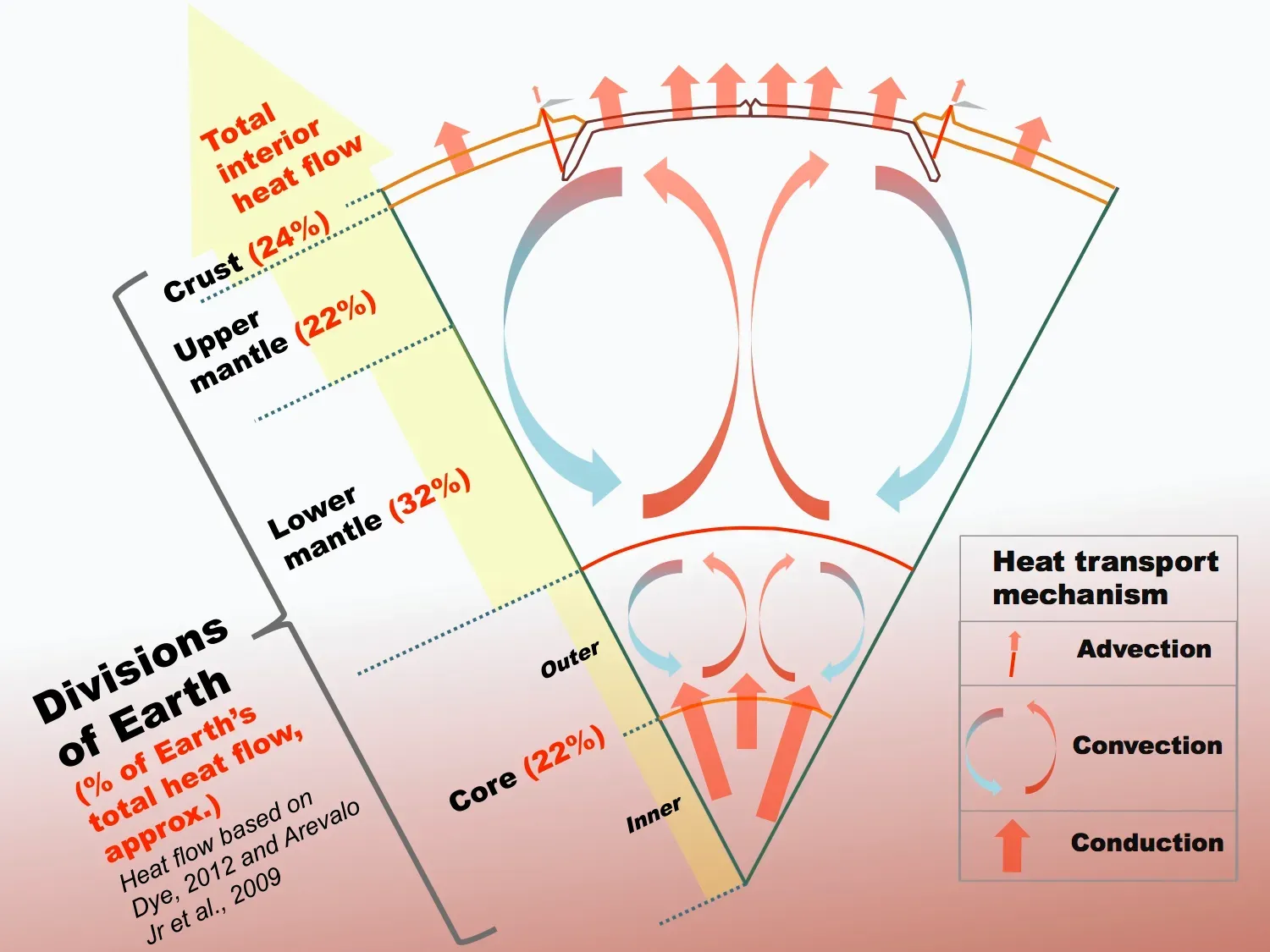
Plate tectonics isn’t officially “pure” physics, but its engine is: slow-motion convection currents in hot rock, patient enough to drag entire continents across the globe over millions of years. By the mid-20th century, a handful of physicists and geophysicists ran the heat-flow and viscosity numbers and got an uncomfortable answer — mantle convection wasn’t just possible, it looked inevitable, and continents had to be moving.
The trouble was timing: senior geologists were still mocking continental drift as crackpot science. Younger researchers running the convection math faced a real choice — commit fully to the tectonic implications, or publish something narrower and safer. Many chose safer, quietly downplaying the link to moving continents to avoid a fight they couldn’t win yet. It wasn’t until magnetic striping was discovered on the seafloor that physics and geology finally converged, exposing some of those cautious old convection papers as heavily self-censored revolutions.
#4 – Gravitational Waves
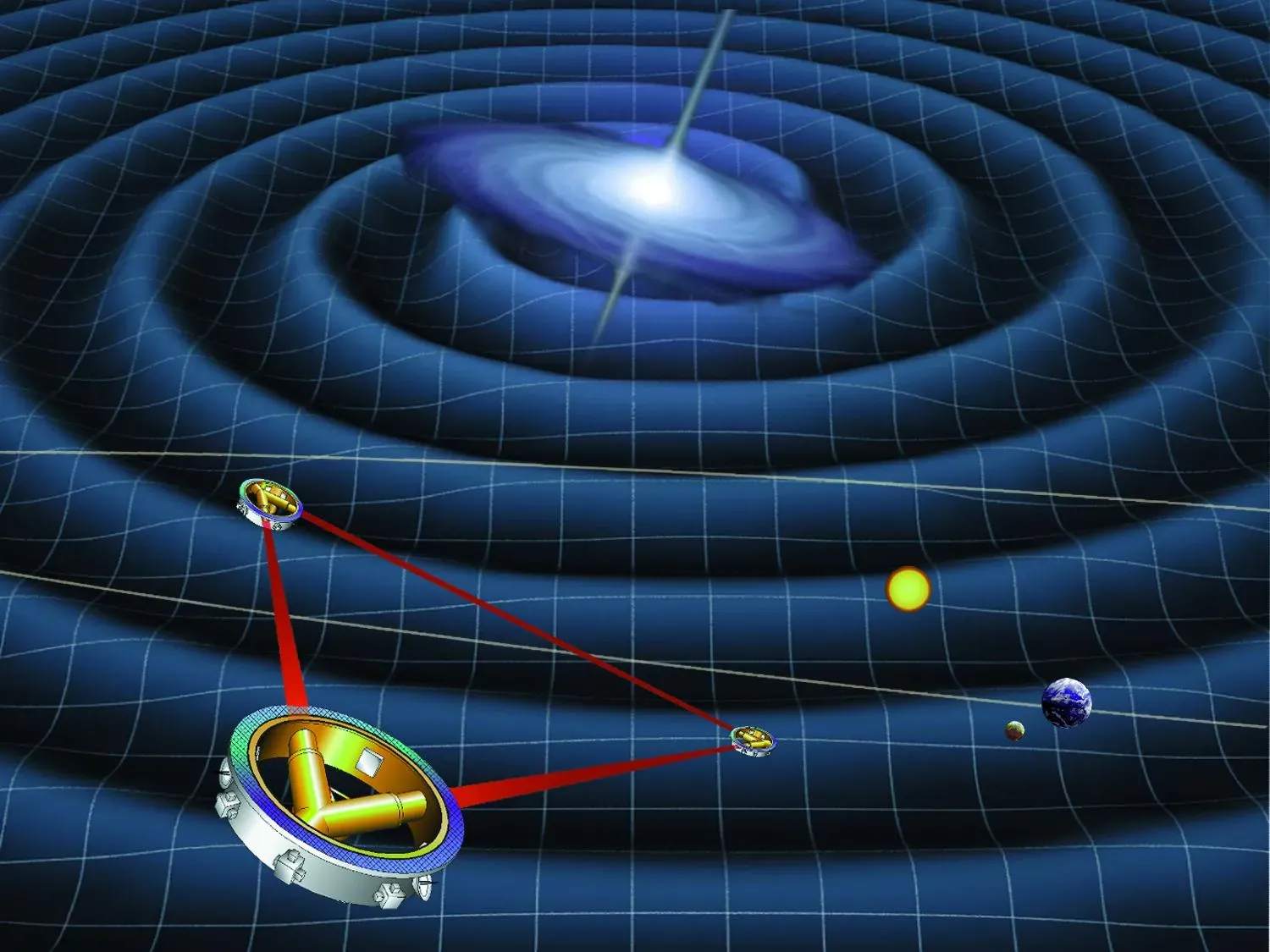
Long before LIGO’s 2015 headline-grabbing detection, physicist Joseph Weber spent the 1960s and ’70s building bar detectors and claiming he’d caught gravitational waves shaking massive aluminum cylinders. His results were controversial, ultimately couldn’t be reproduced, and left the whole field gun-shy about announcing anything short of airtight.
That history haunted everyone who came after him. When interferometric detectors started picking up tantalizing signals near the edge of their sensitivity, teams didn’t rush to publish — they buried themselves in blind injections, calibration checks, and internal reviews instead, terrified of repeating Weber’s fall from grace. Even once the real detection, GW150914, was locked down, the LIGO/Virgo collaboration reportedly kept things quiet internally at first, determined not to let excitement outrun the evidence.
At a Glance
- GW150914, the first confirmed detection, arrived on September 14, 2015
- The signal came from two merging black holes roughly 1.3 billion light-years away
- LIGO announced the discovery publicly on February 11, 2016
- The 2017 Nobel Prize in Physics recognized the scientists behind the LIGO detection
#3 – Quantum Entanglement
In 1935, Einstein, Podolsky, and Rosen pointed out something quantum mechanics predicted that offended their sense of how reality should work: particles could stay correlated across vast distances in a way that looked like “spooky action at a distance.” They meant it as a takedown, arguing the theory had to be incomplete.
For decades, most physicists agreed it was too weird to build anything on and treated entanglement as a philosophical curiosity rather than real physics. When John Bell turned the debate into a testable theorem in 1964, his paper landed in a little-read journal, and senior physicists quietly steered young researchers away from “foundations” work as a career risk. It took Alain Aspect’s experiments and the rise of quantum computing decades later to turn physics’ most embarrassing-sounding feature into its most valuable resource.
#2 – The Cosmological Constant
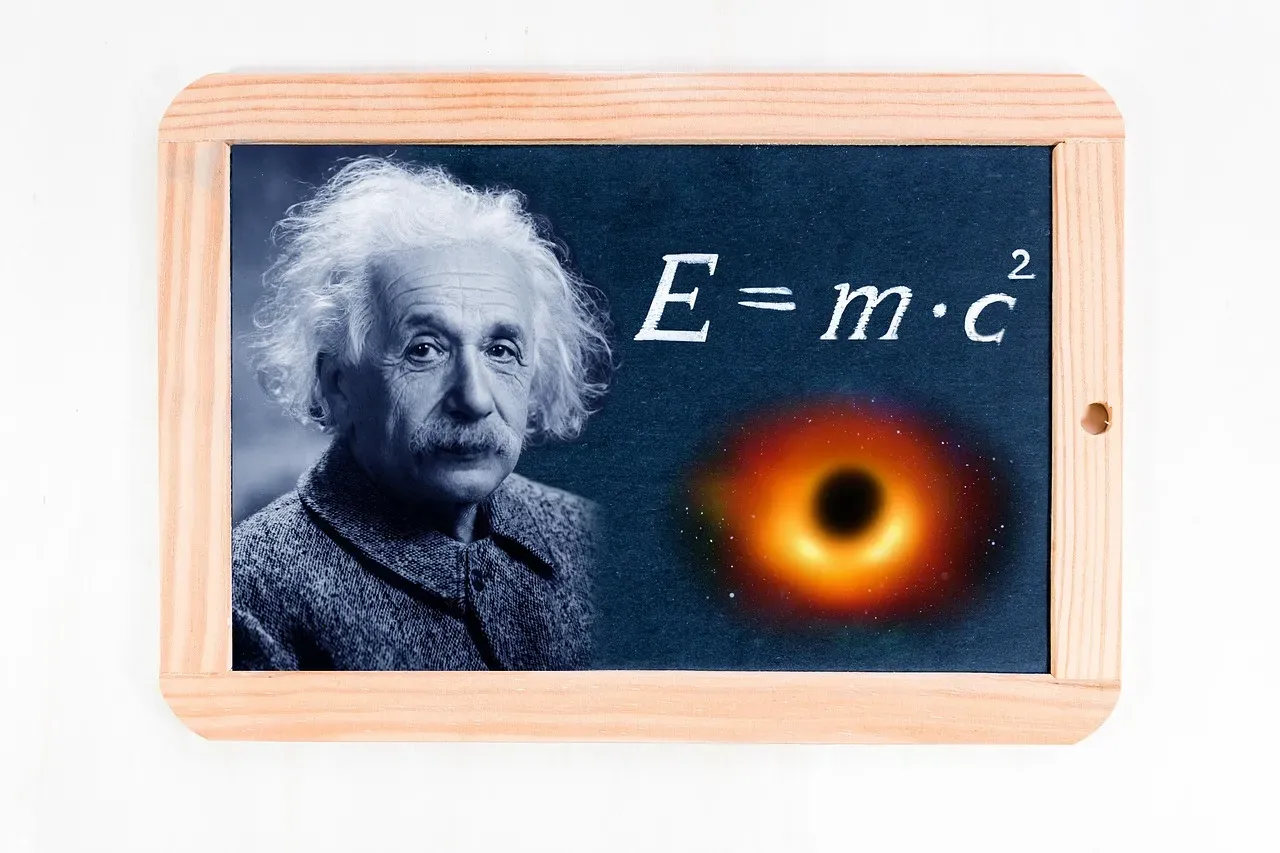
In 1917, Einstein added a term to his own equations — the cosmological constant, Λ — specifically to force the universe to stay static. When the data proved the universe was expanding instead, Einstein reportedly called Λ his “biggest blunder” and publicly abandoned it.
That public regret made Λ radioactive for decades; including it in your model could make you look like you hadn’t gotten the memo. But mathematically, it never actually broke anything, and a handful of physicists kept quietly testing Λ-dominated models in low-key papers instead of bold ones. Then in the late 1990s, supernova observations showed the universe’s expansion was accelerating, and the term Einstein wanted the world to forget came roaring back as dark energy — arguably the dominant force in the universe today.
#1 – Black Holes
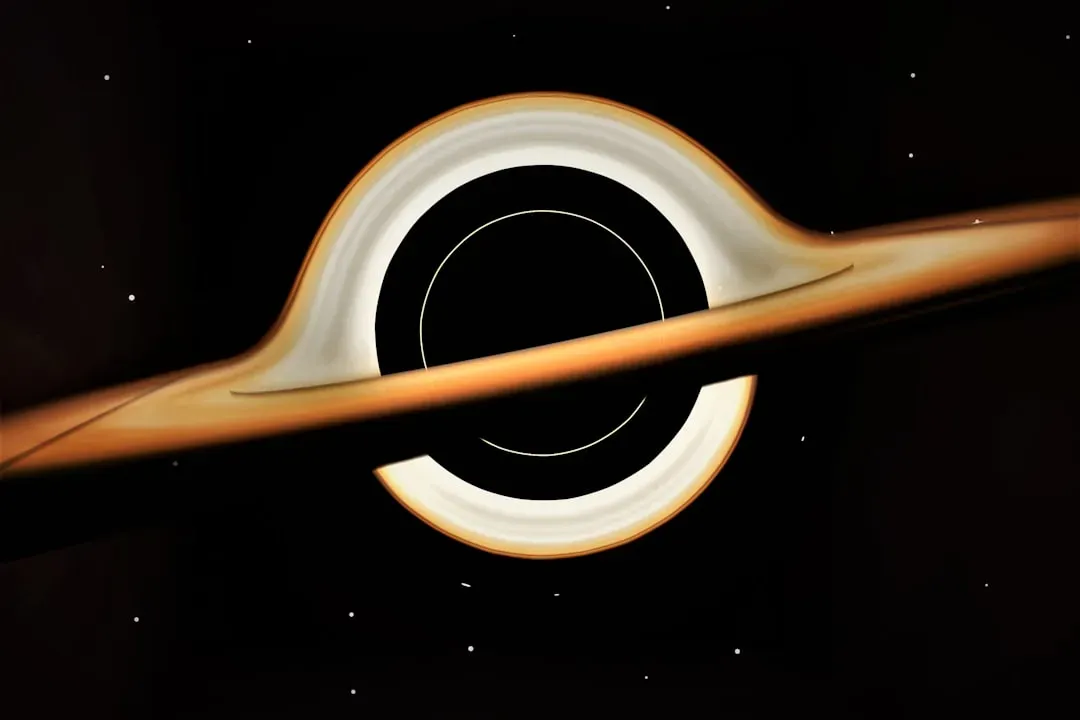
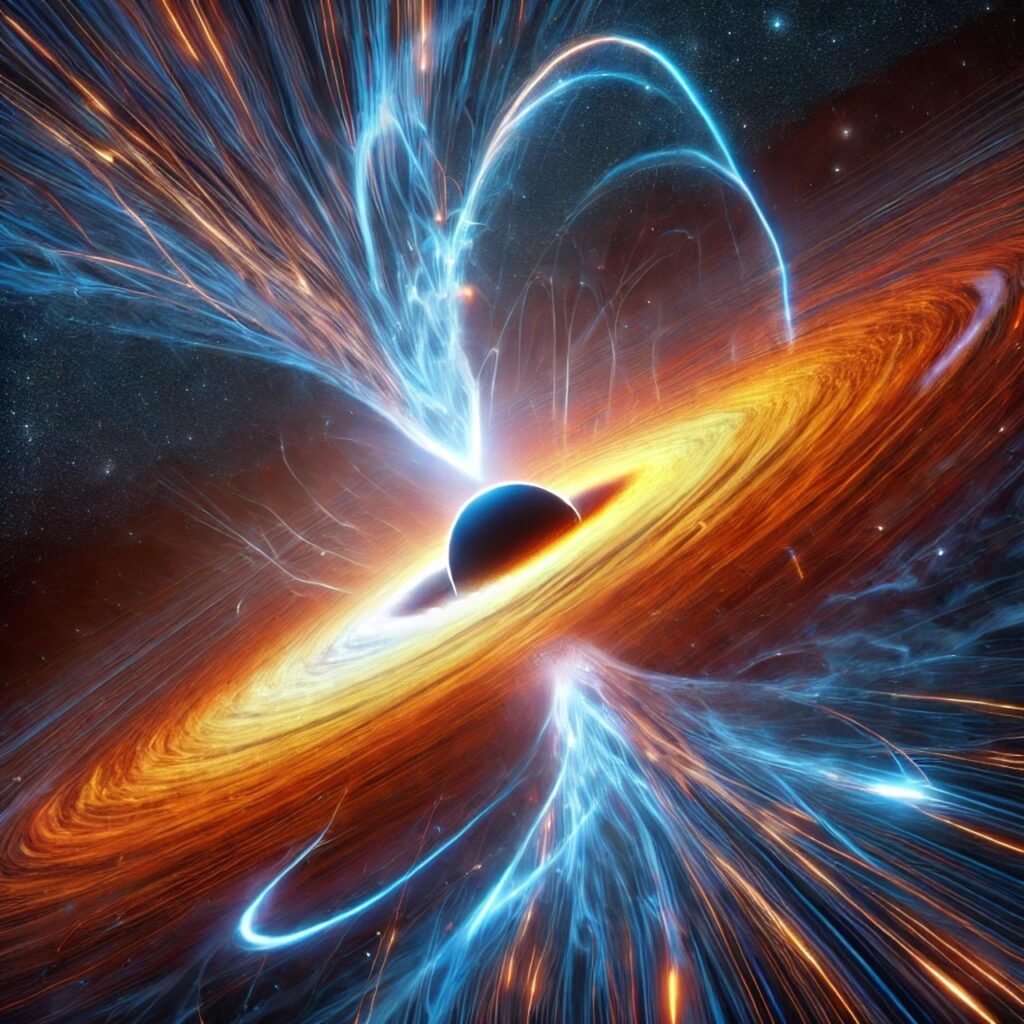
Karl Schwarzschild solved Einstein’s equations in 1916 and found something monstrous hiding inside the math: a region where gravity is so strong that not even light can escape. The solution was mathematically clean, but for years, major physicists — Einstein included — insisted nature would find some way to avoid anything so extreme.
Papers essentially argued the math worked but surely didn’t describe anything real; event horizons got discussed in careful, hedged language, and singularities were framed as proof the theory broke down rather than as anything that could actually exist. Even astronomers who spotted compact, impossibly massive objects in X-ray binaries and galactic centers avoided the phrase “black hole” in early drafts. It took until direct images and gravitational-wave detections decades later for the “unphysical” curiosity to become the single most famous object in modern physics.
Why It Stands Out
- Schwarzschild published his solution just months after Einstein’s general relativity debuted in 1916
- The Event Horizon Telescope captured the first-ever direct black hole image in 2019
- Black holes range from stellar-mass objects to supermassive giants billions of times the Sun’s mass
- Gravitational-wave detections since 2015 have directly confirmed black hole mergers
The Bottom Line
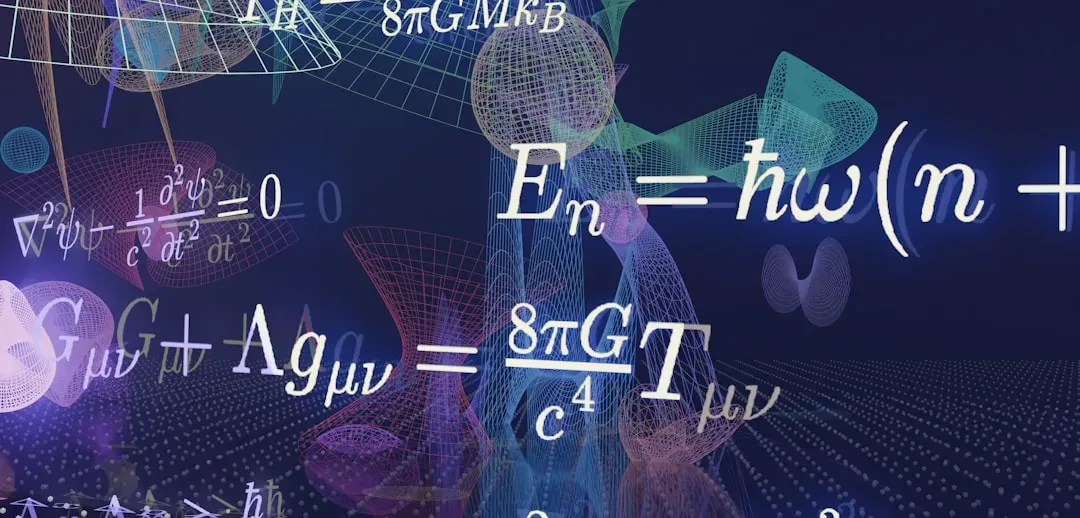
Taken together, these thirteen stories expose something physics doesn’t like to admit about itself: it isn’t just equations, it’s egos, fear, and reputation management. The findings that challenged the deepest assumptions — stable atoms, a static universe, particles that supposedly don’t exist, stars made of pure neutron soup — faced the harshest resistance from the very people who found them.
Sometimes that caution was healthy skepticism doing its job. Other times it delayed entire fields by decades for no better reason than nobody wanted to look ridiculous first. Dark matter, entanglement, black holes, even the Big Bang itself all spent time in a kind of scientific witness protection program because they sounded too outrageous to be true.
My honest read: physics would move faster if researchers trusted the math a little more than they feared the room. The pattern is too consistent to ignore — what gets laughed out of a seminar in one decade quietly becomes the textbook chapter of the next. Which makes you wonder what’s sitting in someone’s desk drawer right now, too weird to publish, just waiting for the rest of us to catch up.