
If you think reality is just what you see, touch, and scroll past on your phone each day, science has some shocking news for you. Over the last few centuries, a handful of theories have completely shattered the old, comfortable picture of the world and replaced it with something far stranger, but also far more beautiful and powerful.
As you walk through your normal routines, you probably do not notice that time stretches, space curves, particles behave like ghosts, and your own mind actively edits what you think is “real.” In this article, you will step into five big ideas that quietly rule your life from the shadows. You will not just read about them; you will see how they pull at the threads of your daily experience and reshape what you mean when you say the word “reality.”
1. Relativity: Time and Space Are Not What You Think
You grow up thinking of time as a steady, universal clock and space as a rigid, unchanging stage, but relativity tells you that both are flexible and deeply personal. According to Einstein’s theory of special relativity, if you move very fast, time actually slows down for you compared with someone standing still, and lengths in the direction of motion shrink. That means your sense of “now” is not absolute; it depends on how you are moving, so two people in different states of motion can honestly disagree on whether two events happened at the same time.
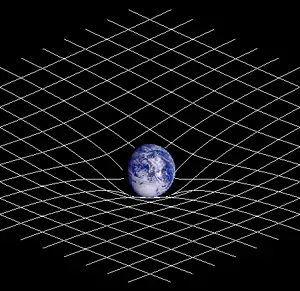
General relativity takes this even further by telling you that gravity is not a mysterious force pulling you down but the bending of space and time themselves around massive objects. You can imagine a heavy bowling ball on a rubber sheet creating a dip that a rolling marble naturally falls into; in a similar way, Earth curves space-time and your body simply follows the curved paths. This strange idea is not just theory: you rely on it every time you use GPS, because satellites need relativity corrections so your map app does not think you are driving through a lake. Once you really take relativity seriously, you are forced to admit that reality is not a flat stage but a warped, dynamic fabric, and you are surfing on it every second.
2. Quantum Mechanics: Particles That Refuse to Be Just Things
Quantum mechanics asks you to let go of the comforting picture of tiny billiard balls bouncing around to explain the world. At very small scales, an electron or a photon does not behave like a neat little bead in a fixed place; instead, it is described by a wave of possibilities, meaning you can only talk about the chance of finding it here or there. When you measure it, you get one concrete result, but before that, you have to accept that reality is smeared out into a cloud of maybes rather than a single, sharp fact.
On top of that, quantum mechanics insists that certain pairs of properties, like position and momentum, cannot both be exactly known at the same time. This is not because your tools are clumsy; it is built into the structure of reality, forcing you to abandon the idea of a perfectly precise, clockwork universe. To make things even stranger, quantum entanglement tells you that particles can become linked so strongly that measuring one instantly affects the description of the other, even if they are far apart. Yet this ghostly connection does not let you send signals faster than light, so you are left staring at a world that is deeply nonlocal and yet still respects cosmic speed limits. When you accept quantum mechanics, you are admitting that reality at its core is not a set of solid objects, but a game of probabilities and relationships that only shows its face fully when you look.
3. Evolution by Natural Selection: Life Without a Script
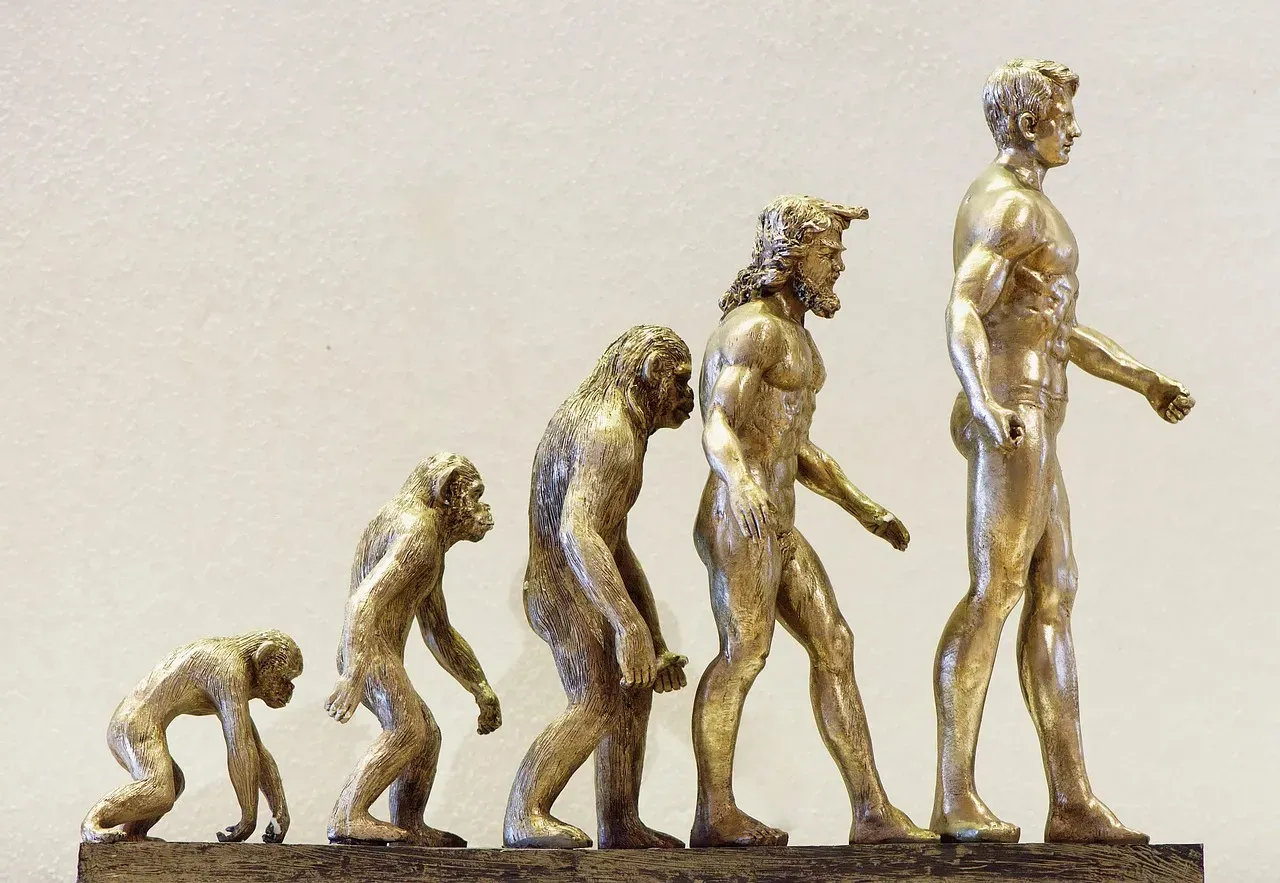
If you have ever looked at a complex organism and felt it must have been designed with a careful plan, evolution by natural selection challenges you to see order arising without a script. The core idea is simple but incredibly powerful: small variations appear in living things, and some variations help them survive and reproduce a bit better in their environment. Over many generations, those helpful traits spread, while less helpful ones fade away, building complex forms and behaviors step by tiny step, without any master designer laying out a blueprint in advance.
This theory does more than explain fossils and finches; it changes how you think about your own place in the world. You are not dropped into reality as a finished, separate being; you are part of a long, continuous story stretching back through countless ancestors, all shaped by the harsh filter of survival and reproduction. Even your mind, your emotions, and your sense of morality carry fingerprints of this process, because traits that helped your ancestors cooperate, bond, and protect each other had a better chance of surviving. Once you see evolution clearly, you stop picturing life as a tidy ladder with humans on top and start seeing a tangled, ongoing experiment, with you as one temporary expression of something much older and much bigger.
4. Heliocentrism and Cosmology: You Are Not at the Center
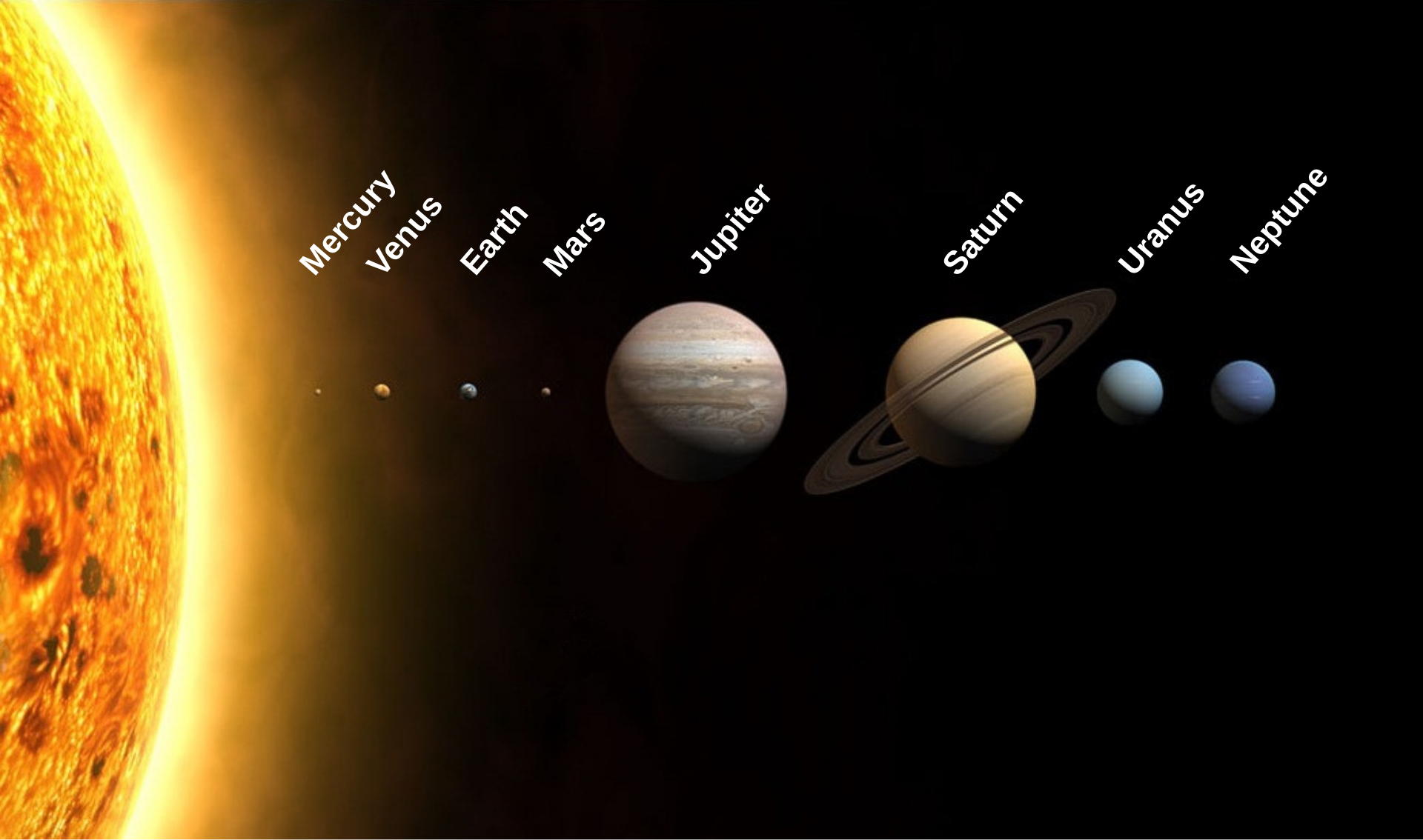
For a long time, it felt natural to imagine Earth as the center of everything, with the heavens turning neatly around you. The shift to heliocentrism, the idea that Earth orbits the Sun, started to move you out of that comfortable spotlight, but modern cosmology finishes the job in a far more dramatic way. You now know that your Sun is just one fairly average star among hundreds of billions in your galaxy, and your galaxy is one of countless others scattered across a vast, expanding universe.
Cosmology also tells you that the universe had a hot, dense beginning and has been stretching out over billions of years, with space itself expanding like a rising loaf of bread. This means the night sky is not just a pretty backdrop; it is a time machine letting you look back into the early stages of cosmic history. Dark matter and dark energy add more twists by reminding you that most of what shapes the universe is invisible and not yet fully understood. When you absorb these ideas, you are forced to trade the comfort of being central for the awe of being a tiny, conscious part of a universe that is older, larger, and stranger than your ancestors could have imagined.
5. Neuroscience and Cognitive Science: Your Brain Is Constructing Your Reality
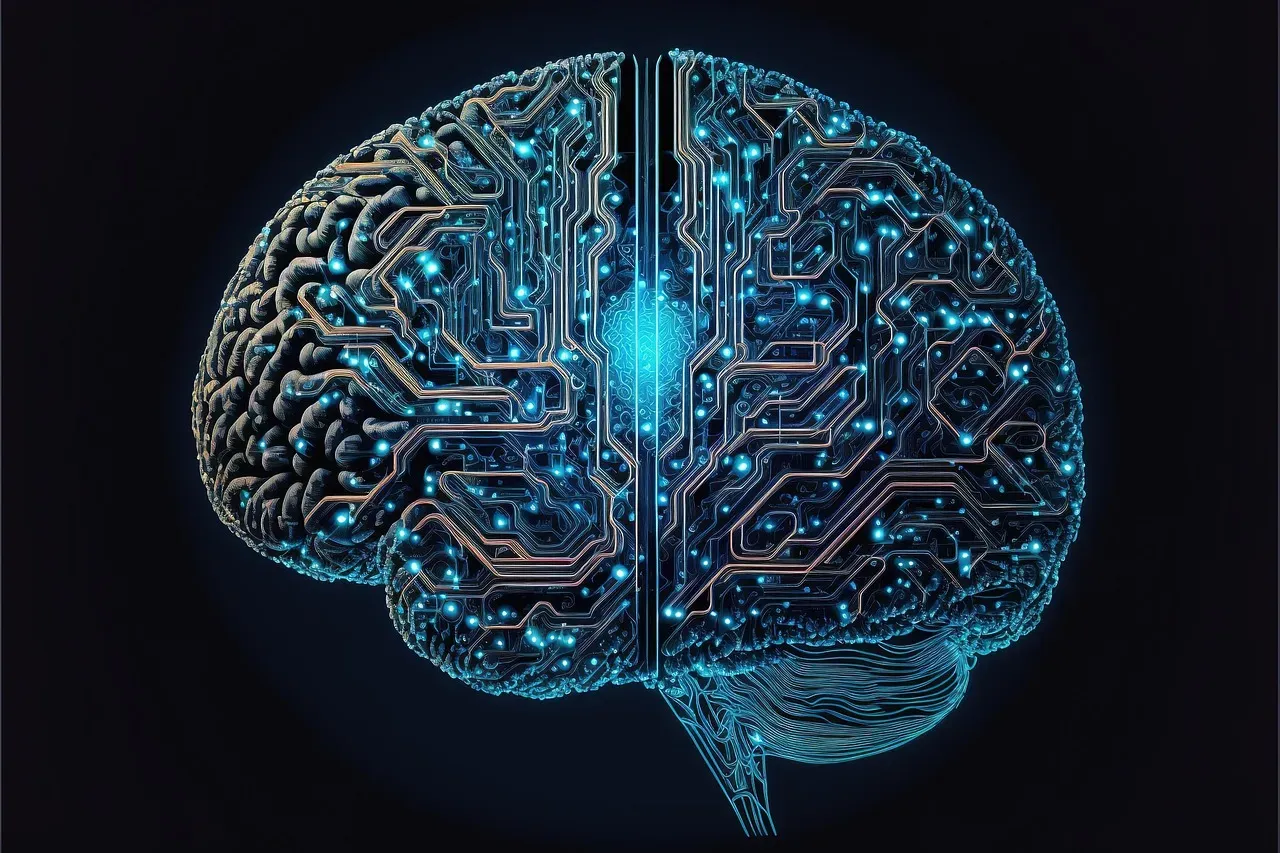
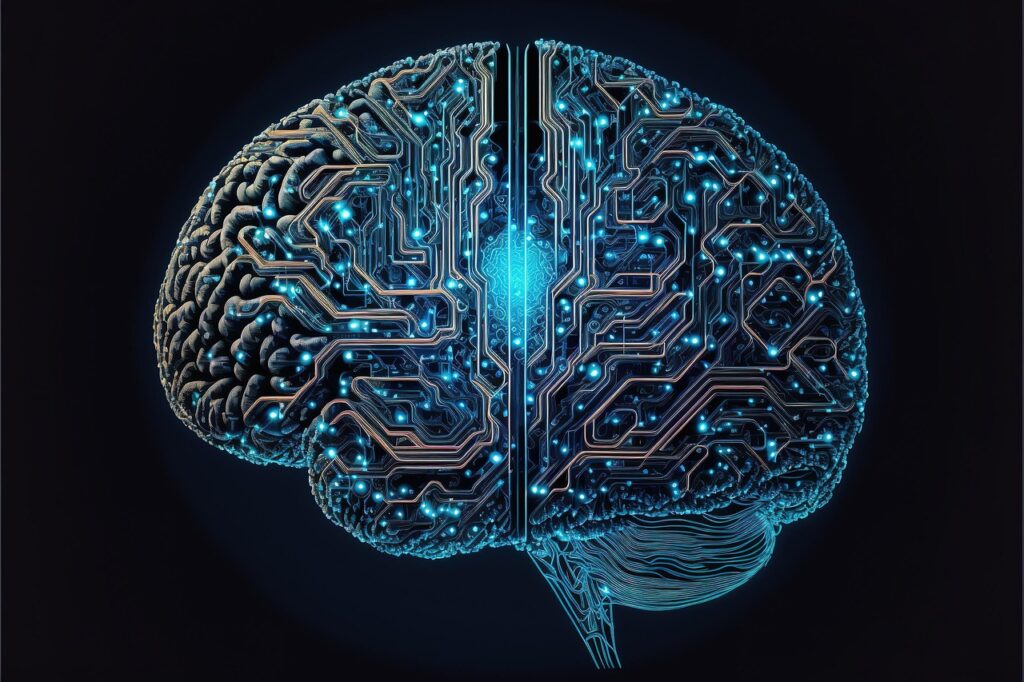
You like to trust your senses, but neuroscience tells you that what you experience as reality is a carefully edited construction created inside your brain. Your eyes, ears, and other senses send in scattered, noisy signals, and your brain stitches them together, fills in gaps, and even predicts what should be there before it fully arrives. You do not see the world as it is; you see the world as your brain has decided is most useful and efficient to show you at that moment.
This becomes obvious when you look at visual illusions, memory errors, and the way your attention can make entire objects disappear from awareness when you are focused on something else. Your sense of a single, unified “you” observing reality is also something your brain assembles from many parallel processes that can sometimes come apart, as in split-brain studies or certain neurological conditions. Once you understand this, you realize that reality, for you, is always filtered, interpreted, and sometimes outright edited by biological machinery you do not directly control. That can feel unsettling, but it also gives you a powerful reason to stay humble about your certainty and to be curious about how your own mind might be bending what you think is true.
Conclusion: Living in a Stranger, Richer Reality
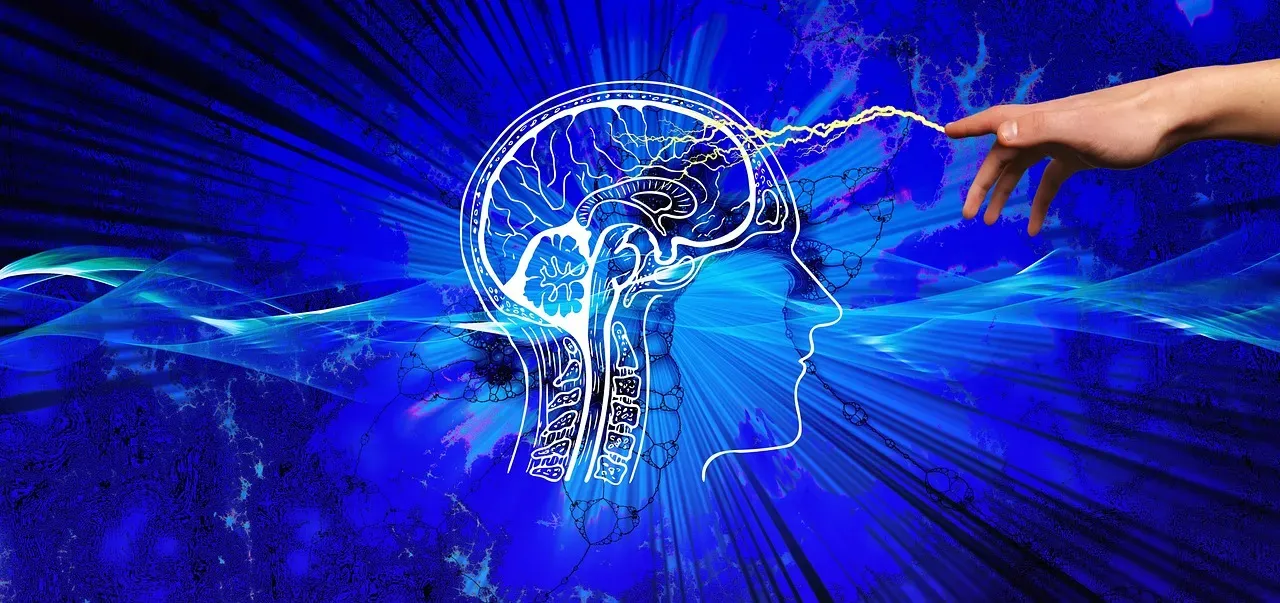
When you put these theories side by side, you see a pattern: each one invites you to let go of a simple, comforting picture of the world and replace it with something more complex, but also more honest. Relativity bends your sense of time and space, quantum mechanics shakes your belief in solid, definite objects, evolution removes the script from the story of life, cosmology pushes you from the center of the universe, and neuroscience reminds you that your experience of all this is a construction, not a raw feed.
Instead of shrinking you, these ideas can actually deepen your sense of meaning, because they show you just how layered and surprising reality really is. You are not just a spectator in a flat, predictable universe; you are a thinking, evolving, universe-aware creature, briefly awake inside a cosmos that plays by rules far stranger than common sense. The real question is not whether these theories make you uncomfortable, but how you choose to live once you know the ground beneath your feet is this deep and this mysterious. So now that you have peeked behind the curtain a little, how will you look at your everyday “reality” the next time you step outside and just feel the world going by?