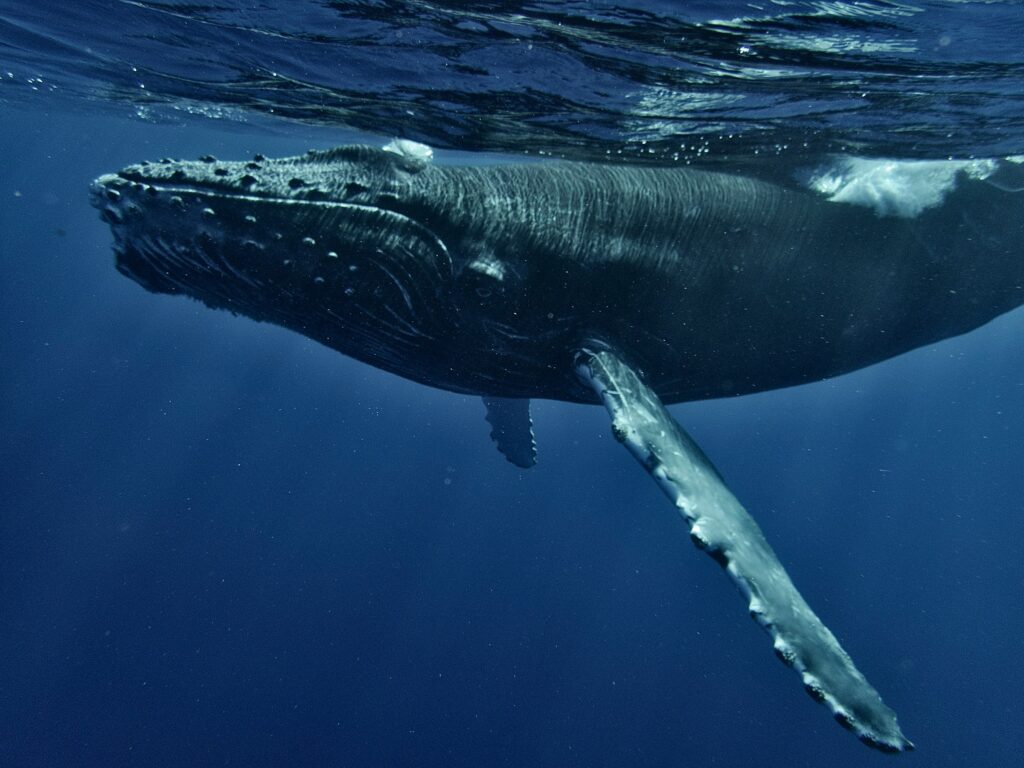

If you have ever thought of culture as something uniquely human, whales quietly blow that idea out of the water. Across entire ocean basins, males of certain whale species end up singing the same elaborate song, even when the groups trading these songs never physically meet. Within just a few months, a new tune can sweep from one region to another, as if the sea itself were passing along a secret melody.
Marine biologists have been tracking these changes for decades, and what you see is not random noise but a structured, evolving cultural system. You are looking at something that behaves a lot like the spread of new music or slang in human societies, only it happens underwater, across thousands of miles, with no clear physical mechanism you can point to. That mystery is what makes whale songs one of the most fascinating stories in modern biology.
You Are Listening to the Largest Cultural Experiments on Earth
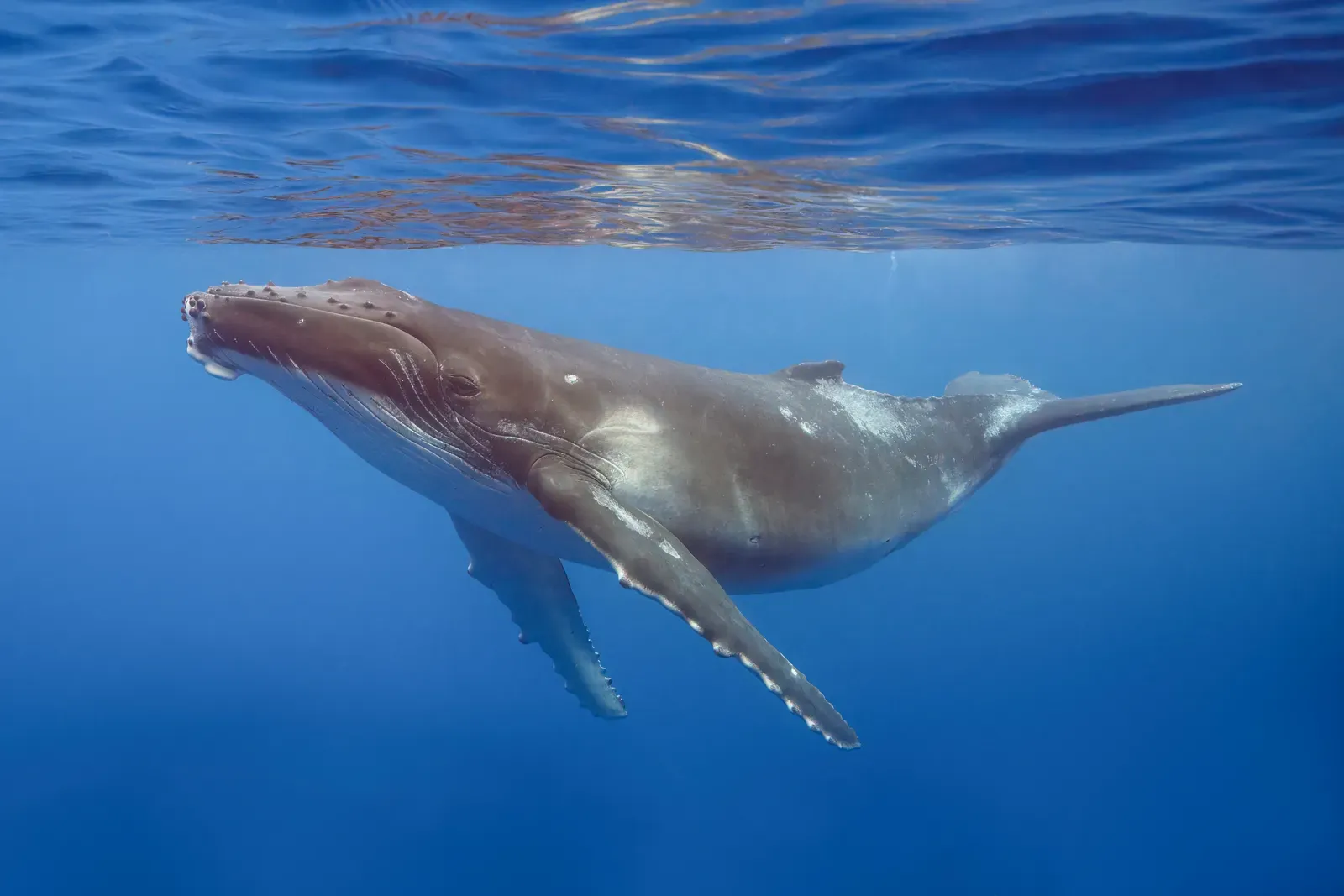
When you picture culture, you probably think of language, music, or shared traditions. Yet in the open ocean, humpback whales are building something remarkably similar, using long, patterned songs that every male in a population learns and performs. You are not just hearing sound; you are hearing a shared cultural code that can rise, spread, and disappear over time.
What makes this so striking is the scale. Entire populations separated by thousands of miles end up converging on the same song, with a consistent structure and sequence of themes. You could think of it like a global hit song on repeat, except the DJ is the ocean, you never see the performers meet, and somehow they still end up in sync in a way that is hard to explain with simple chance.
How Whale Songs Actually Work (And Why They Are So Uncannily Structured)
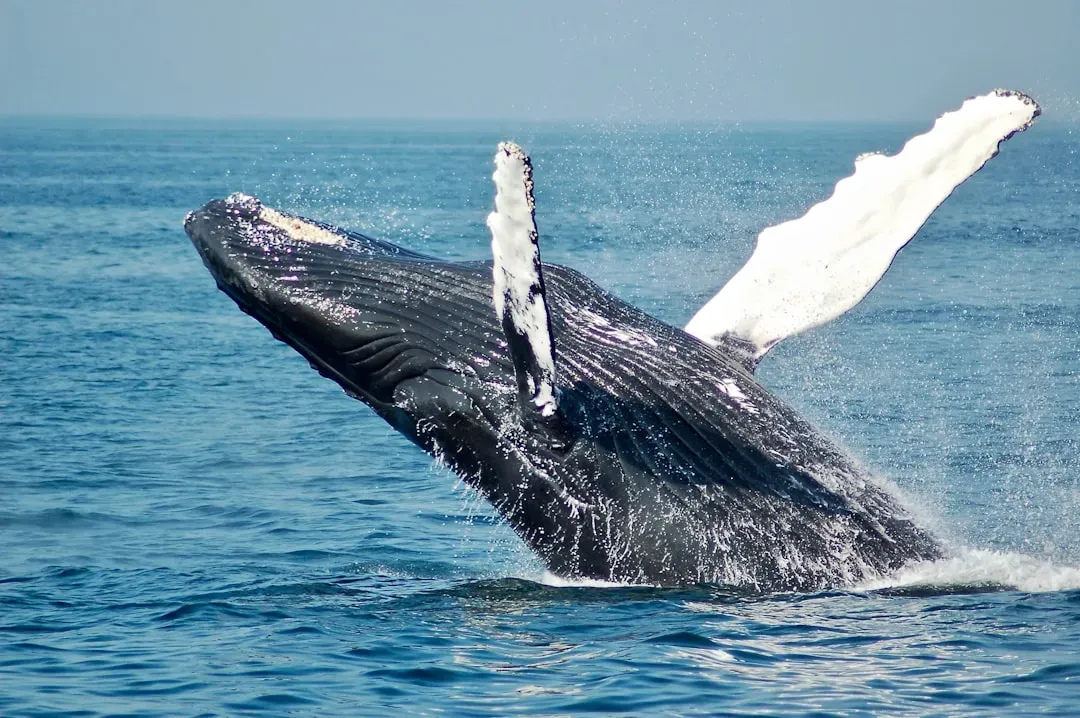
Before you can appreciate how these songs spread, you need to know what they are made of. A humpback song is not a random sequence of moans; it is a highly organized performance with repeating elements, phrases, and themes arranged in a specific order. You can break it down just like a piece of music: notes, motifs, verses, and an overall structure that every singer follows.
Over weeks and months, the song slowly evolves. A note is lengthened here, a pattern is swapped there, and eventually a new version becomes standard for that population. You are watching cultural change in real time, similar to how a popular song might get remixed, covered, and updated while still being clearly recognizable as the same basic tune.
Whales You Will Never See Together Still End Up Singing the Same Song
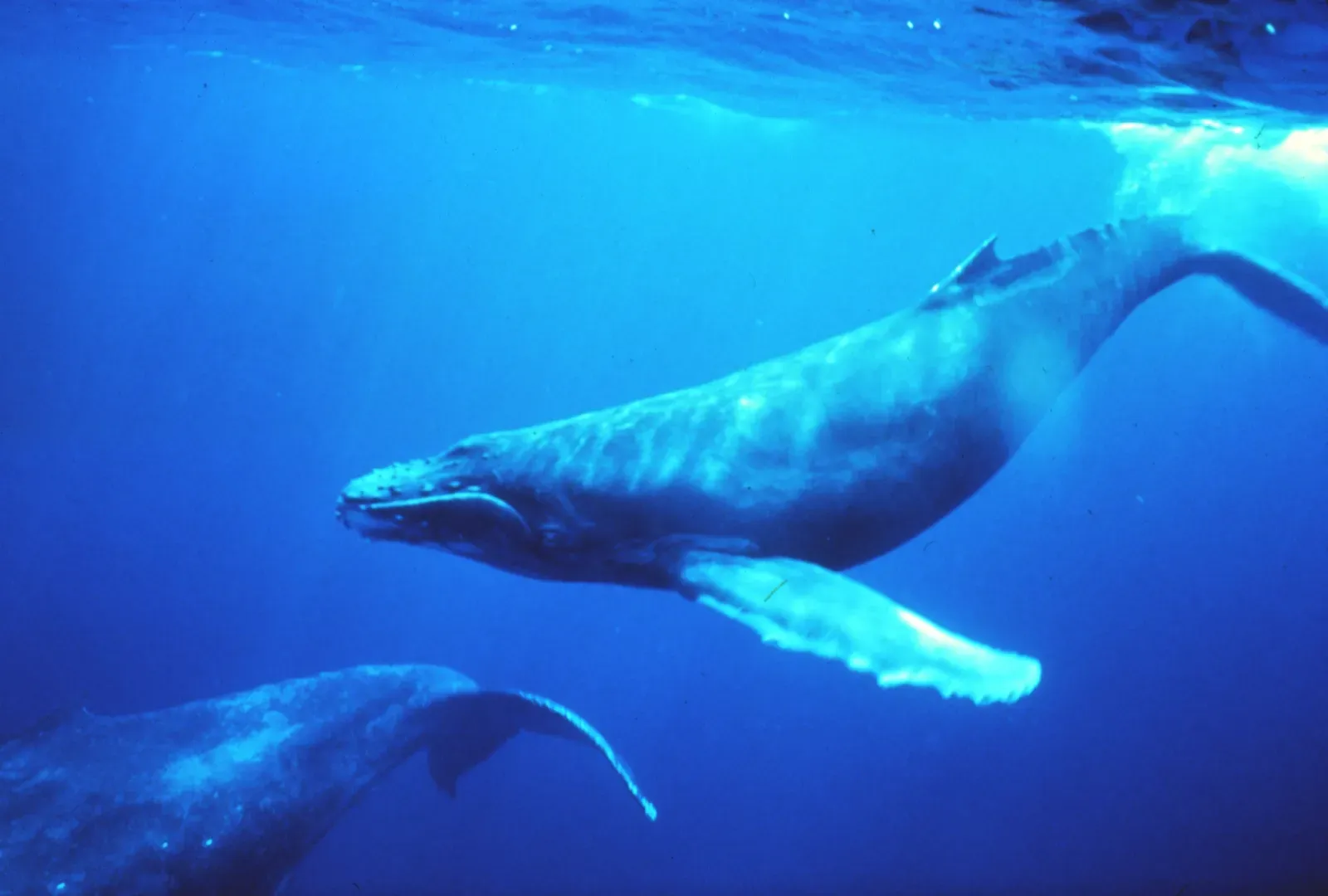
The truly mind-bending part comes when you realize that different populations, separated by vast stretches of ocean, manage to adopt nearly identical song patterns. You have whales in one region singing a particular version, and within a year or so, whales halfway across an ocean basin are performing that same song, sometimes with only small tweaks. These groups are not casually bumping into each other every day; in some cases, they appear to have very limited direct contact.
Yet biologists listening year after year keep hearing the same pattern of cultural turnover: one song dominates, then gets replaced, and that new song jumps across regions like a wave. You are looking at a system that behaves like a cultural contagion, where the key feature is not physical mixing of all individuals, but the rapid spread of specific learned patterns that jump long distances without leaving a clear trail.
Cultural Transmission: You Are Watching Learning, Not Just Instinct
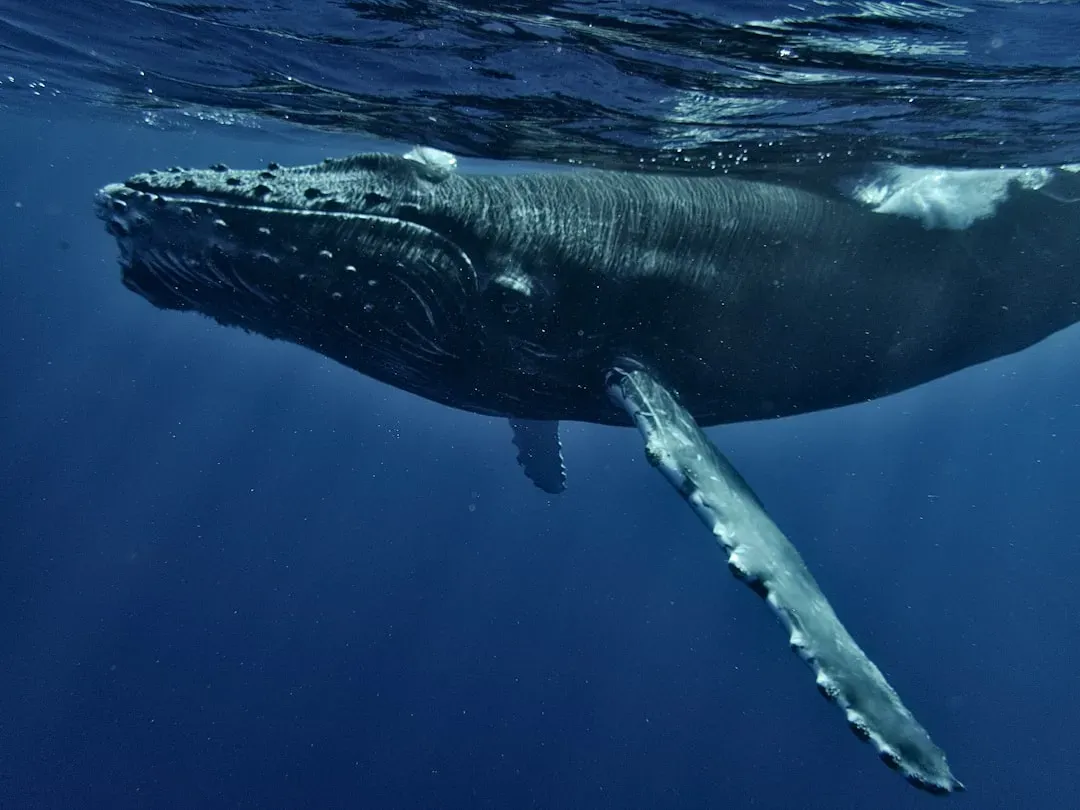
What makes these whale songs so important scientifically is that they are not hardwired behaviors. The patterns are learned, copied, and modified, which means you are looking at a genuine form of animal culture. Just as you learn words, melodies, and customs by hearing them from others, whales pick up songs from the singers around them and adjust until they match the current local version.
When a new song sweeps through, it is not because genes suddenly changed; it is because learning did. You are seeing cultural transmission: information passed from one individual to another through social learning, not through DNA. That puts whale song in the same conceptual space as human language and music, reminding you that the boundary between human and nonhuman culture is thinner than it used to look.
Ocean Networks: How Songs Travel Across Entire Basins
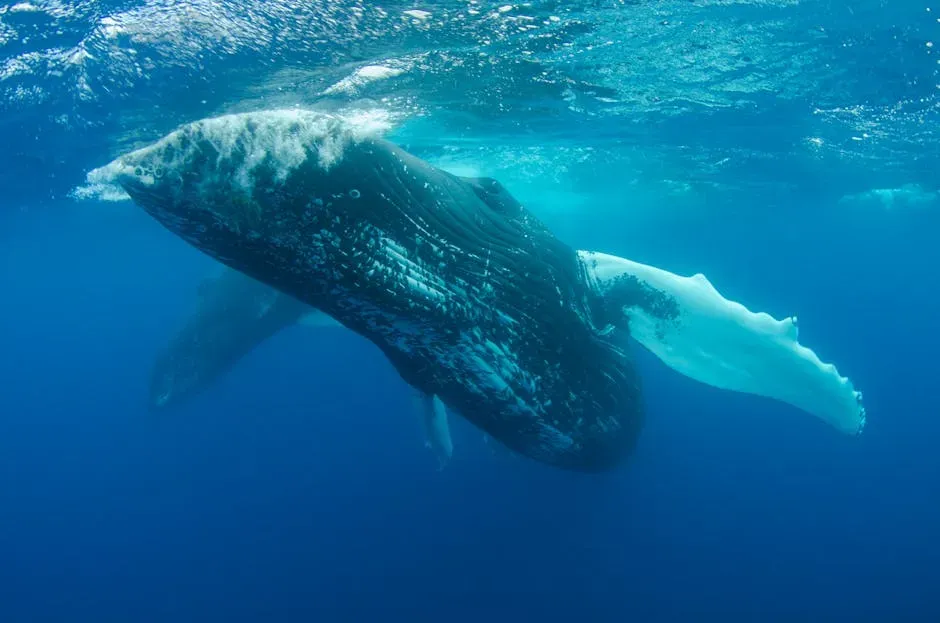
So how does a song move from one end of an ocean basin to another if the whales involved rarely meet? One idea you can picture is a chain of overlapping populations or migratory routes, where a few individuals act like cultural bridges. A small number of males might visit different breeding grounds over time, carrying a song from one location to the next, the way travelers bring new music from one city to another.
Another layer comes from the physics of sound in water. Low-frequency sounds can travel surprisingly far in the ocean, especially under the right conditions, so you could be dealing with long-distance eavesdropping as well. You might have whales tuning into distant singers and gradually adjusting to that pattern. The reality is likely a mix of these factors, but from your perspective, what matters is that the ocean itself becomes a kind of communication network, linking scattered groups into one huge, slow-moving conversation.
A Cultural System With No Fully Known Mechanism
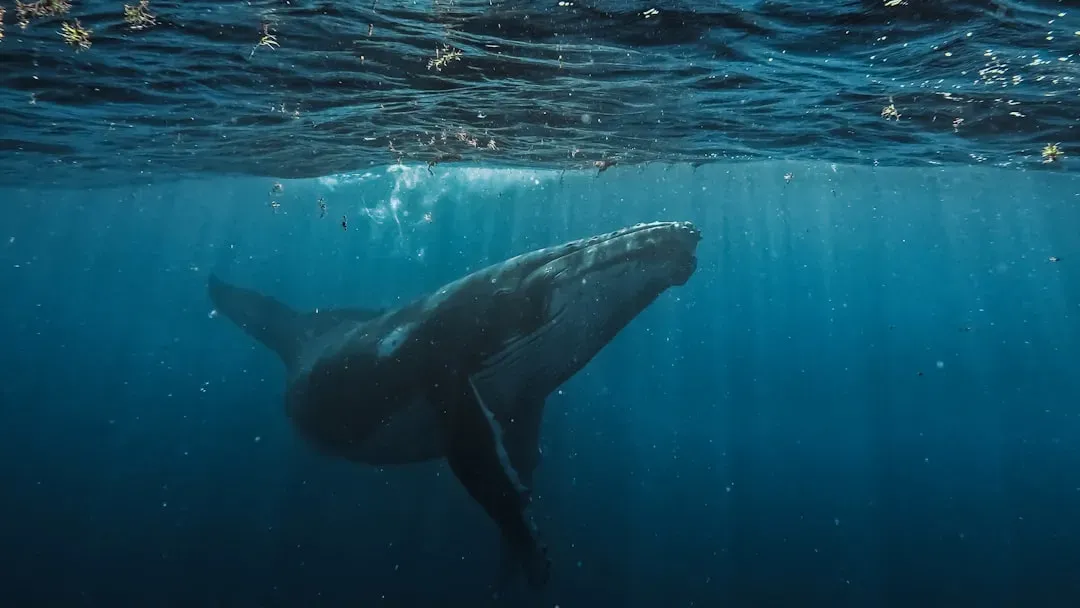
Even with all the technology and acoustic recordings you have today, the exact mechanism behind this massive cultural synchronization is still not nailed down. You do not yet have a precise map of which individuals move where, who sings to whom, and how often distant groups actually hear each other. Instead, you see patterns in the data that strongly suggest a cultural transmission system, but the wiring diagram of that system remains fuzzy.
This is where the story becomes both humbling and exciting. You are used to thinking that with enough satellites, tags, and microphones, every mystery will eventually yield. Whale songs remind you that some processes are still operating at a scale and complexity that keeps slipping out of reach, leaving you with a phenomenon you can describe and measure, but not fully explain.
What Whale Culture Forces You to Rethink About Intelligence
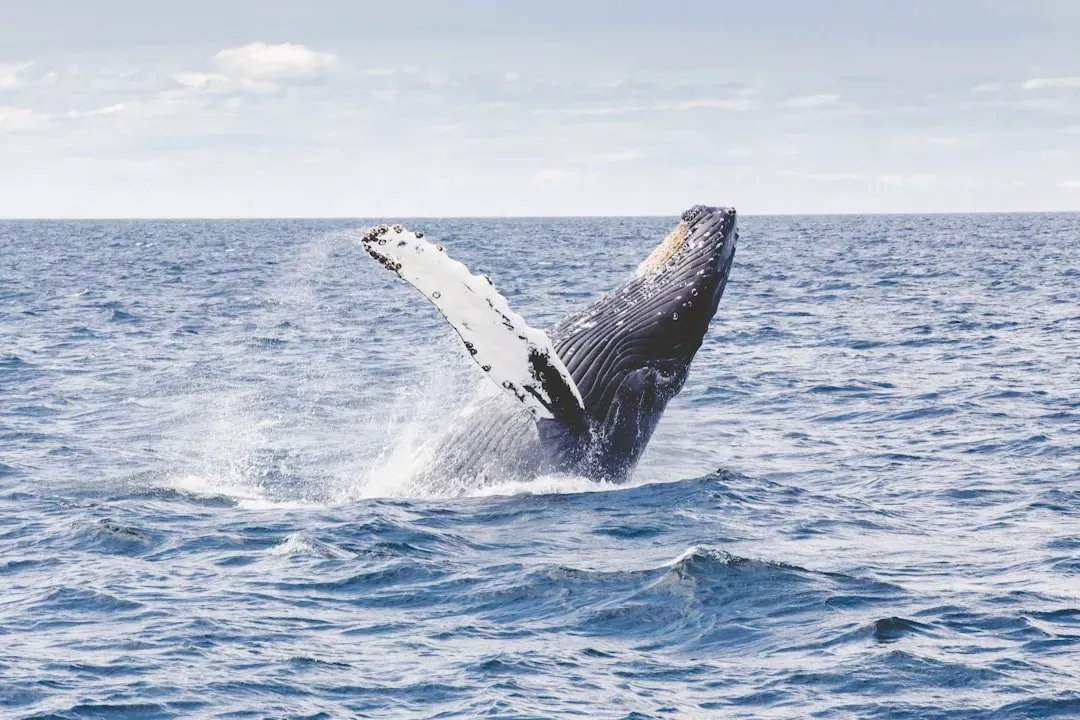
Once you accept that whales are sharing, updating, and spreading learned songs across ocean basins, you have to rethink what counts as intelligence and culture. You are no longer just measuring brain size or individual problem-solving skills; you are looking at group-level traditions that persist over years. That starts to feel closer to the way you think about dialects, musical genres, and cultural fads in human societies.
It also challenges an old assumption that culture is mainly a human thing with a few rare exceptions. When you see whales participating in a sophisticated, large-scale system of song learning and transmission, you are confronted with a broader view: that culture may emerge wherever animals have the capacity to learn from each other, live long lives, and keep social ties strong enough to carry information forward.
Where You Fit In: Noise, Conservation, And Respecting an Invisible Culture
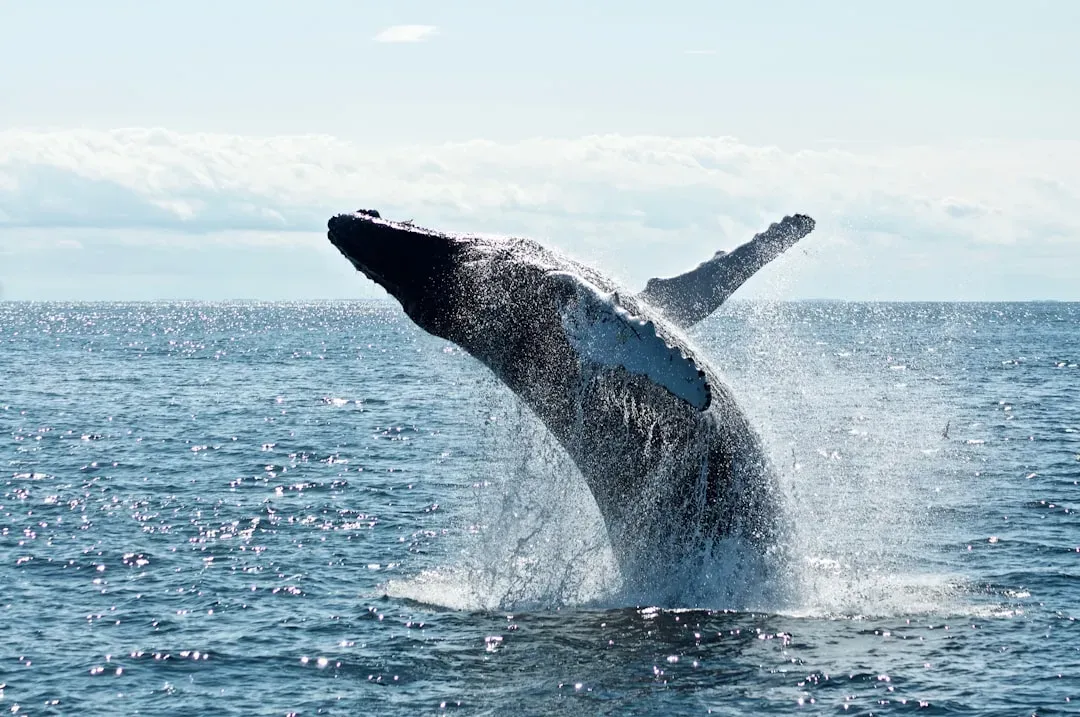
All of this has very real consequences for how you treat the ocean. If whales depend on large-scale acoustic networks to maintain their cultural traditions, then intense human noise, shipping, and industrial activity do more than just annoy them. You could be disrupting the very channels that allow these songs to travel, cutting threads in a cultural web you can barely see but that whales clearly inhabit.
That means conservation is not just about saving bodies; it is about respecting cultures. When you push for quieter oceans, better protected migratory routes, and more careful regulation of underwater noise, you are not only helping whales survive. You are also giving their songs room to spread, evolve, and continue telling a story that began long before you were here and will, if you allow it, continue long after.
Conclusion: The Ocean Is Singing, and You Are Just Starting to Hear It
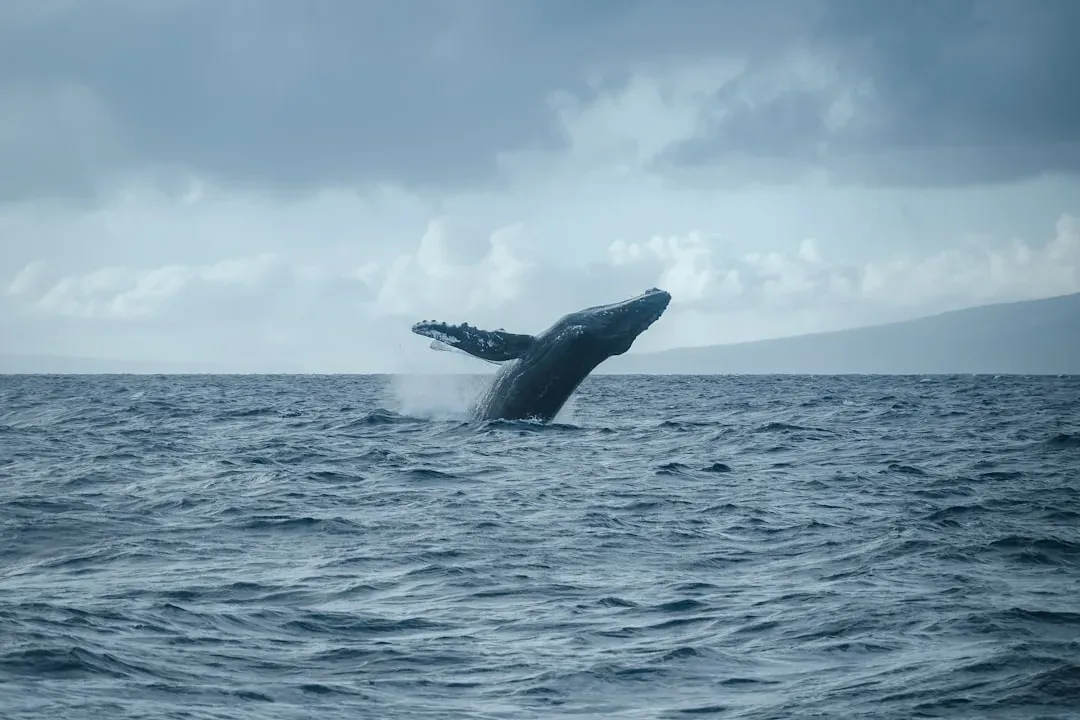
When you step back from the details, you are left with a striking picture: whales that will never see each other, separated by entire ocean basins, still end up singing the same evolving songs within a matter of months. You are looking at a living, shifting cultural system carried entirely on sound, learned by each new generation, and spreading through networks you have not fully mapped. It is as if the sea itself holds a slow, rolling chorus, and scientists have only recently learned how to listen.
If you let that sink in, it changes the way you see the world. Culture is no longer just something you build in cities, but something that pulses quietly under the waves, in patterns of song you barely understand. The next time you think of the ocean as empty blue, you can remind yourself that it is also a massive, humming archive of shared memories and melodies. Knowing that, how differently do you feel about the idea of silence, noise, and who else is out there trying to be heard?