
You live on a planet where, right now, there are places so crushingly extreme that any unprotected machine you could build would be squeezed, bent, or broken before it could quietly sit and watch what happens there. Yet somehow, life not only shows up in those places, it settles in, adapts, and keeps going. When you start looking closely at the very deepest point of the ocean, you realize you are sharing Earth with a realm that might as well be an alien world.
This deepest known point is more than a record on a chart; it is a test of what life can handle. Ocean science has shown that the pressure at the very bottom is so intense that no unprotected human object has survived there long enough to just sit, observe, and continuously document what lives on the seafloor in a permanent way. And still, creatures and microbes are there, quietly rewriting what you might think is possible. Once you understand what that means for life, survival, and even future space exploration, you will never look at the ocean the same way again.
You Are Sharing Earth With a Realm Deeper Than Mount Everest Is Tall
If you flipped Mount Everest upside down and tried to drop it into the ocean, it still would not reach the deepest point. You are talking about a depth of about eleven kilometers, far beyond anything you have likely experienced or even flown over in a plane. At that depth, sunlight has been gone for many kilometers, and the water above weighs down like a planetary-sized blanket of dark, dense mass.
When you stand at sea level, you feel one unit of atmospheric pressure pressing on your body, something your bones and tissues have grown used to. At the deepest trenches, that pressure multiplies to well over a thousand times what you’re used to. Imagine the weight of dozens of jumbo jets pressing down on the footprint of a single family car; that gives you a rough sense of what the seafloor down there is dealing with every second of every day.
Why Your Machines Get Crushed Before They Can “Settle In”
If you tried to simply lower an ordinary camera or metal housing straight to the deepest floor, you would be sending it into a giant hydraulic press, not a gentle swimming pool. Hulls dent, seals deform, and electronics fail because the pressure is relentless, wrapping around every surface from all directions. Any pocket of air or weak point becomes a target, and the water will exploit it without mercy.
Engineers get around this only by building specially designed, heavily reinforced housings, sometimes using thick metals or pressure-balanced systems filled with incompressible fluids. Even then, the deep floor is unforgiving. Your gear might survive short visits, data bursts, or sample grabs, but simply parking a fragile, unprotected “human-style” object there and expecting it to sit quietly and record life day after day is another story entirely. That is why you rely so much on brief expeditions, indirect sampling, and extremely tough specialized vehicles rather than simple, permanent gadgets left lying on the seabed.
How Life Survives Where Your Bones, Lungs, and Tools Would Fail
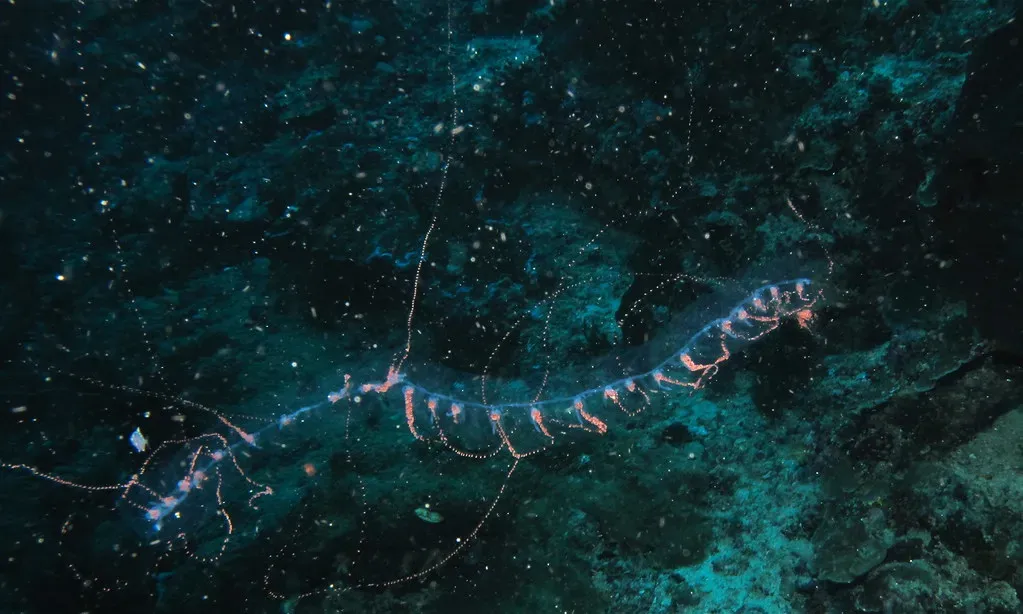
Now shift from steel to skin. Your lungs would collapse, your eardrums would rupture, and your body would be destroyed almost instantly if you were somehow teleported to that depth without protection. Yet the organisms that live there have turned this nightmare environment into home. Instead of resisting the pressure with rigid skeletons and air-filled spaces, they often avoid those weaknesses altogether.
Many deep creatures you learn about rely on soft bodies, pressure-stable proteins, and membranes tuned to work under crushing forces. Some fish discovered close to great depths use special molecules to keep their cells from being squeezed out of shape. Microbes that live in the sediments adapt their entire chemistry to extremely high pressure and low temperature, treating what would kill you as a normal background condition. For them, your surface world would feel as hostile as outer space does to you.
You Can Only Glimpse This World in Brief, Carefully Planned Visits
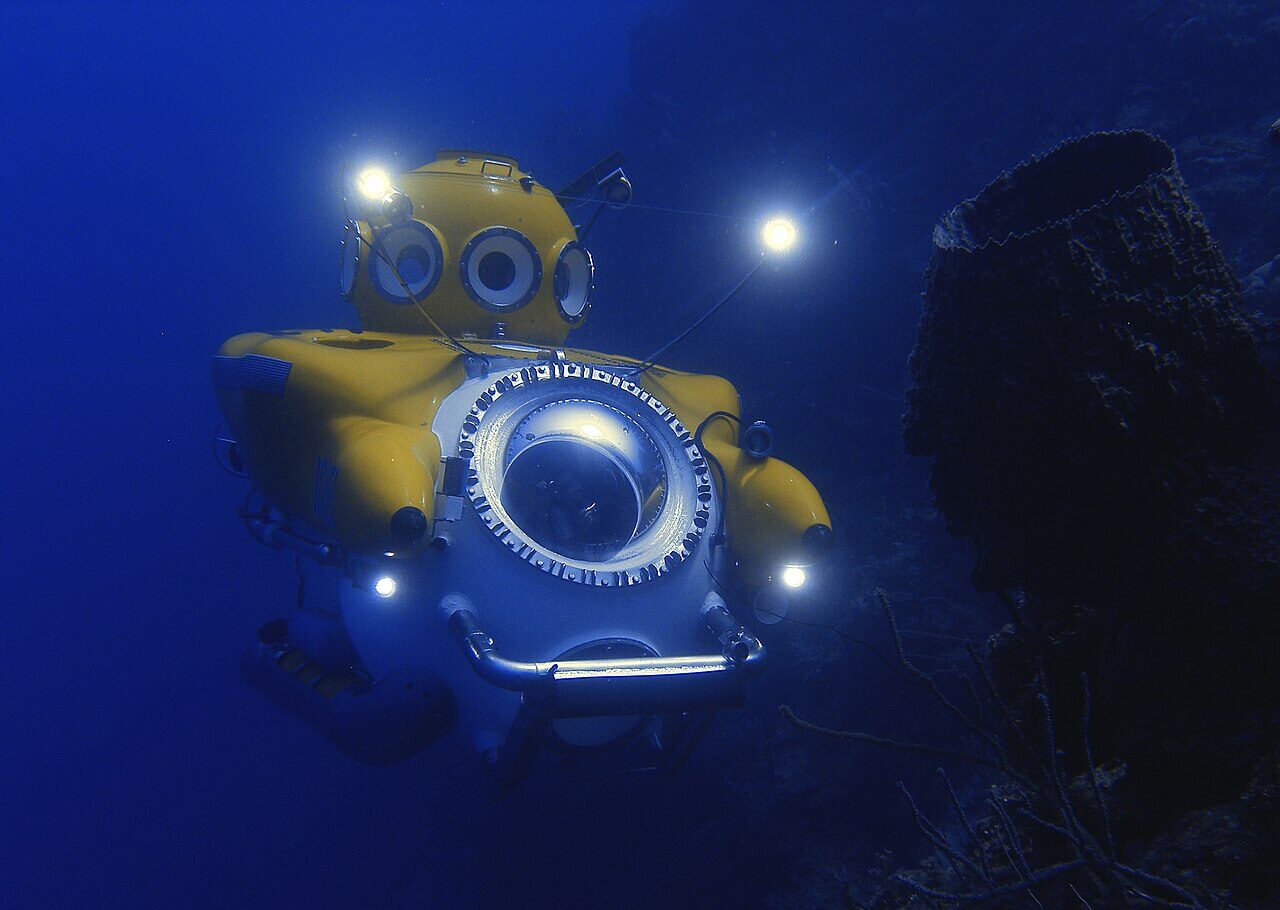
Because your technology struggles with the pressure, your view of the deepest seafloor is still pieced together like a jigsaw puzzle with many missing pieces. You use deep-diving submersibles, landers that drop down and then float back up, and remote sensing tools to snatch short windows of data. A lot of what you know relies on quick passes: a camera that records for a few hours, a sampler that scoops mud, or a probe that measures temperature and chemistry, then rushes back to the surface.
That means you typically do not watch a single patch of the absolute deepest floor continuously for months or years the way you watch coral reefs or coastal bays. You infer patterns from snapshots, and you build your mental picture from rare expeditions and precious samples. You are, in a sense, trying to understand an entire city from one overnight visit every few years, while its residents live there full-time, entirely at home in the darkness and pressure.
The Food Chain Works Without Sunlight, and You Would Not Expect How
Up near the surface, you are used to sunlight powering everything. Plants and algae capture light, small animals eat them, bigger animals eat those, and so on. At the deepest points, sunlight never arrives, so life leans on a different strategy. You see scavengers feeding on organic material that slowly sinks down from above, like a lightless rain of tiny corpses and debris that has drifted for days or weeks.
On top of that, some microbes down there tap into chemical energy locked in rocks, minerals, and the fluids that seep out of the seafloor. Instead of leafing out like trees, they run tiny chemical factories in their cells, turning things like methane, hydrogen, and other molecules into life-sustaining fuel. For you, it is like discovering a city that runs not on electricity from the grid but entirely on hidden geothermal vents and underground batteries, yet somehow it still functions just fine.
Sampling the Deepest Life Forces You to Rethink What “Habitable” Means
When you pull sediments and organisms from these depths back to the surface, you are not just collecting curiosities; you are basically dragging pieces of an alien-way-of-living into your laboratory. Some microbes tolerate, or even prefer, pressures that would pulverize your organs. That alone forces you to expand your idea of where life can exist. Habitable stops meaning “mild, sunny, and comfortable” and starts including “ice-cold, pitch-black, and crushingly dense.”
If life thrives in the deepest pits of your own ocean, then your imagination has to stretch when you think about other worlds. You cannot just write off the deep oceans of icy moons or the subsurface of distant planets just because conditions look harsh on paper. Instead, you have to ask: if something can make a living at the bottom of Earth’s trenches, what might be possible in those remote, hidden seas that you have only just begun to suspect exist?
The Deepest Trenches Quietly Shape the Planet You Live On
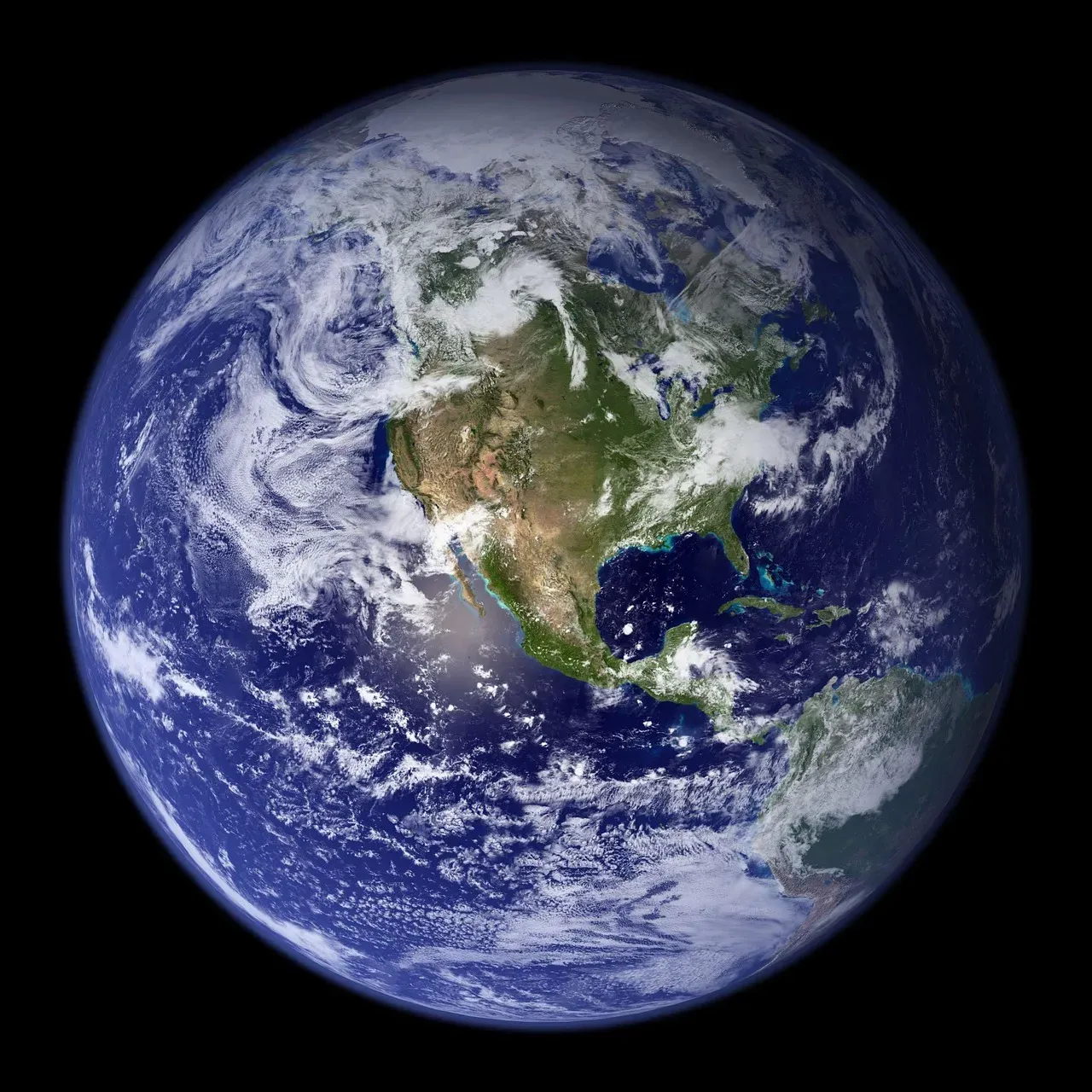
It is easy to think of the deepest point as an isolated curiosity, a bizarre, remote scar in the seafloor that does not affect your daily life. But those trenches are part of the machine that recycles Earth’s crust, guides earthquakes, and drives volcanic chains. When heavy oceanic plates plunge down in those regions, they pull surface material deep into the planet and help stir its interior like a giant, slow-motion convection oven.
The life that clings to the sediments at the bottom participates in that long game too. As organic matter sinks, gets buried, and moves with the descending plate, it becomes part of a vast carbon story that plays out over millions of years. Even if you never visit, and your gear only manages brief visits, that hidden world still quietly influences the chemistry of your oceans, the long-term climate, and the shape of the continents you walk across.
What This Extreme Ocean World Really Tells You About Yourself
When you strip away the numbers, the pressure comparisons, and the engineering details, the deepest point of the ocean holds up a rather uncomfortable mirror. It reminds you that your senses and instincts are tuned to a very thin shell of conditions, and outside that shell, life still finds a way. Creatures and microbes that you will never meet in person are thriving where your unaided body and most of your machines would instantly fail.
At the same time, your species keeps choosing to push toward those depths anyway, designing sturdier vehicles, smarter sensors, and more creative ways to listen for signs of life under impossible loads. That stubborn mix of curiosity and fragility is very human. You are delicate compared to the pressures at the ocean floor, but you are also unwilling to accept that any corner of your planet should remain completely unknown. In the end, the deepest trenches show you that your world is far wilder than you usually admit – and that your curiosity, like those trench-dwelling microbes, is strangely comfortable thriving right at the edge of what seems survivable.
So the next time you look out over a calm sea, you might remember that, far below, there is a place where no unprotected human object has ever simply settled in and watched life unfold for good – yet life is unfolding there all the same. That quiet fact might leave you with a simple, unsettling question: if your own planet can still surprise you this much, what else might be alive in the depths you have not yet dared to reach?