
You handle them, walk on them, sit on them, and cook with them, but you probably have no idea how strange they really are. Hidden behind familiar textures and colors are behaviors that quietly break your intuition and, in some cases, push the limits of physics and engineering. When you look a little closer, the ordinary things around you stop being boring and start to feel almost magical. As you go through these materials, try to picture the objects in your own home and how differently you might see them after knowing what they can really do. By the end, you may never look at a sticky note, a glass window, or even a piece of ice in your drink in quite the same way again.
1. Water: The Everyday Liquid That Refuses To Behave Normally
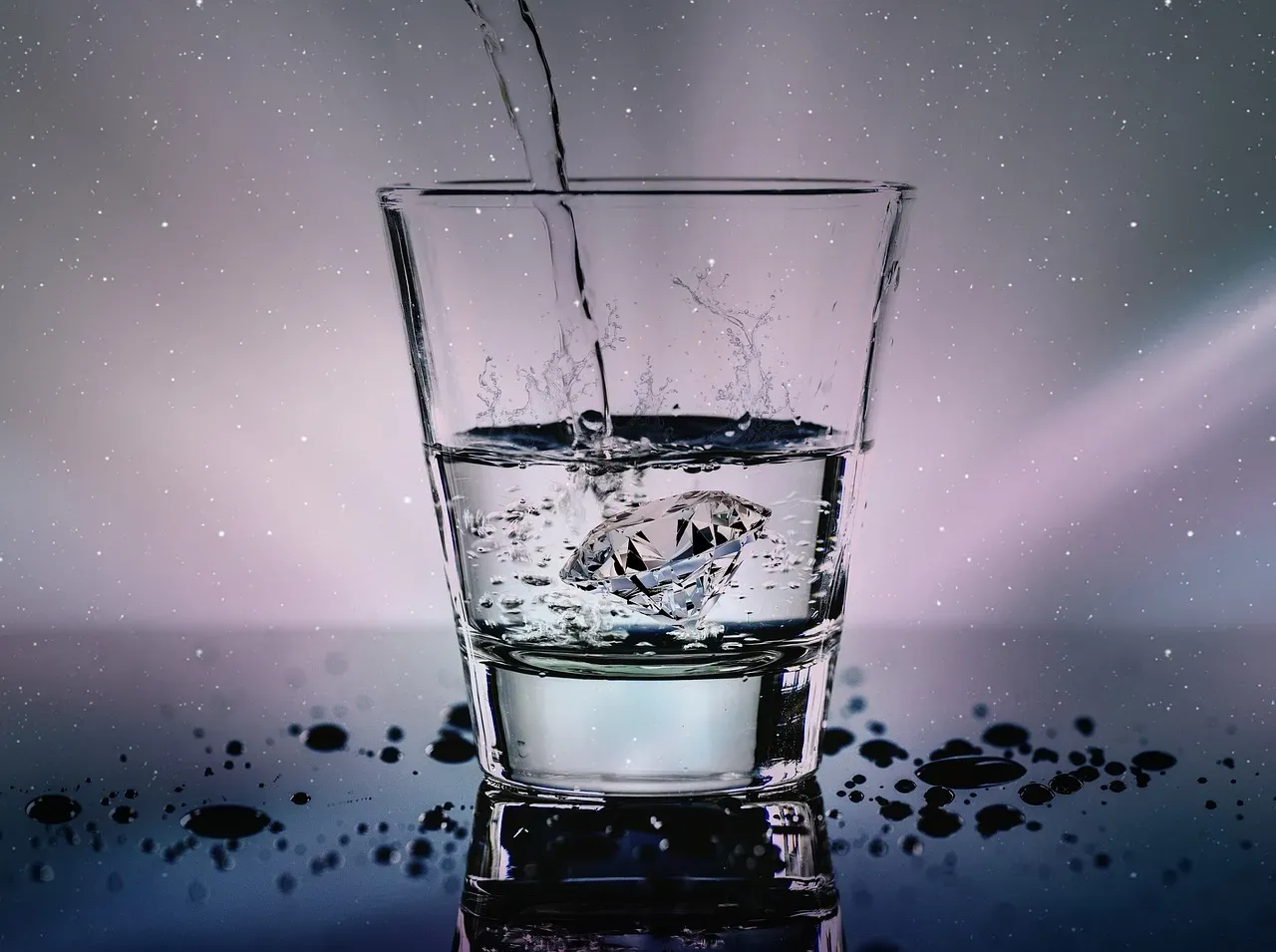
You probably think you know water because you drink it, wash with it, and watch it fall from the sky, but scientifically it behaves like a bit of a rebel. Most substances shrink when they freeze, but water does the opposite: it expands, which is why ice floats and why pipes can burst in cold weather. This single quirk shapes your world more than you realize, because floating ice lets lakes and oceans freeze from the top, protecting life underneath instead of killing it off. When you heat water, it does something odd again: around just a bit above room temperature, it briefly becomes denser before expanding, making its density–temperature curve look almost upside down compared to most liquids. You also see water’s surface tension every time drops bead up on a car hood or cling to a leaf, as if the liquid had an invisible skin. Add in the way it stores heat so efficiently that it moderates entire climates, and suddenly that plain glass of water on your desk feels like a quiet masterpiece of physics.
2. Glass: The Solid That Flows So Slowly You Never Notice

You look through glass every day, but you rarely think about what it actually is. At room temperature, it behaves like a solid, yet on a molecular level it’s more like a liquid that never quite finished freezing into a crystal. Its atoms are frozen in a disordered, jammed state, which is why glass is sometimes described as an amorphous solid. That structure helps explain why it can be transparent yet rigid, letting light through while still keeping the wind, rain, and noise out of your home. If you have ever noticed wavy distortions when you look through old windows, you are seeing the history of how those panes were made rather than glass subtly “flowing” over centuries. You can also have glass that bends instead of snaps, such as the thin, toughened glass used on your phone screen, which is chemically strengthened so it can survive drops that would easily shatter a normal window. When you realize that the same basic material can be made transparent, opaque, brittle, or flexible depending on how you treat it, you start to see your windows as quiet examples of precision engineering.
3. Graphite In Your Pencil: Layered Carbon With Slippery Superpowers
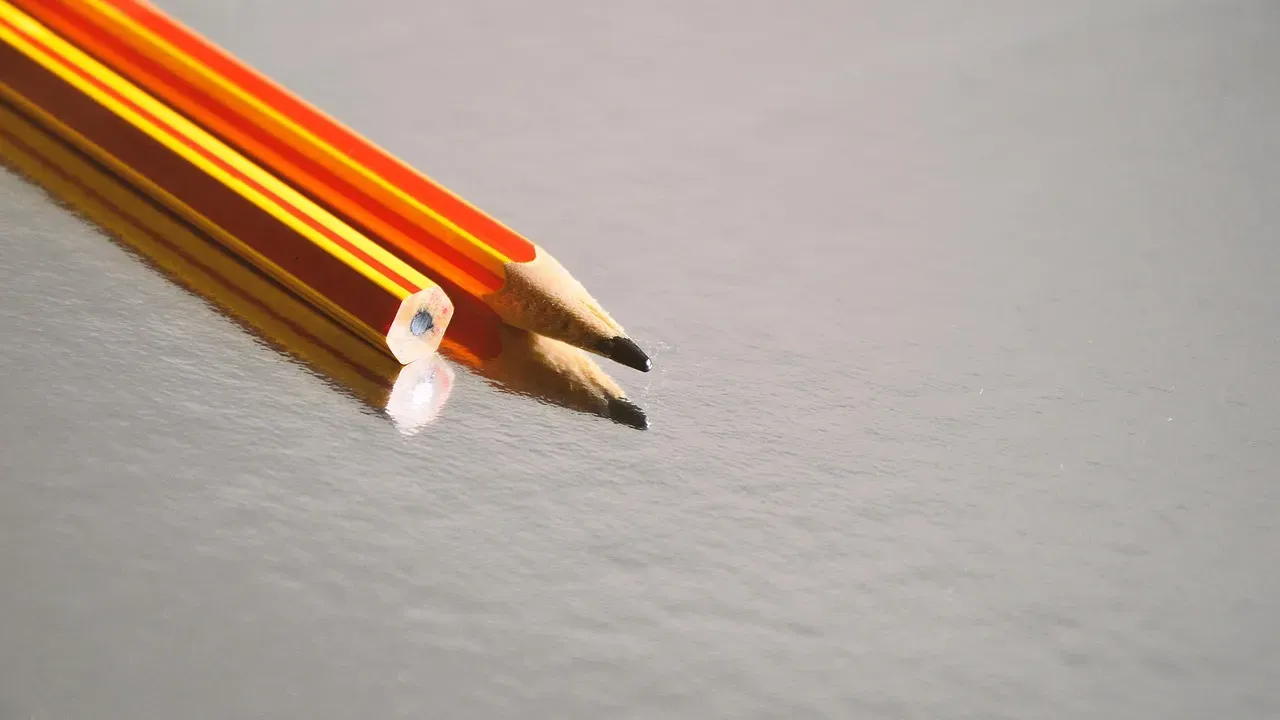
Every time you write with a pencil, you are using a form of carbon that has a deeply unusual structure. In graphite, carbon atoms lock into flat hexagonal sheets stacked like a pile of playing cards, and these layers slide over each other easily. That’s why the “lead” in your pencil leaves a streak on paper: you are shaving off microscopic sheets of carbon that rub off and stay behind. This same slipperiness makes graphite useful as a dry lubricant in machines that operate at temperatures or conditions where ordinary oils would burn or evaporate. If you peel that layered structure down to a single sheet, you arrive at graphene, which you might have heard described as a wonder material. In that ultra-thin form, the same carbon becomes incredibly strong, highly conductive, and almost transparent, opening doors to future electronics, sensors, and lightweight composites. You are casually using the bulk, everyday version of a material that sits at the frontier of nanotechnology, which is a fun thing to remember the next time you scribble a grocery list.
4. Rubber Bands: Materials That Get Warmer When You Stretch Them
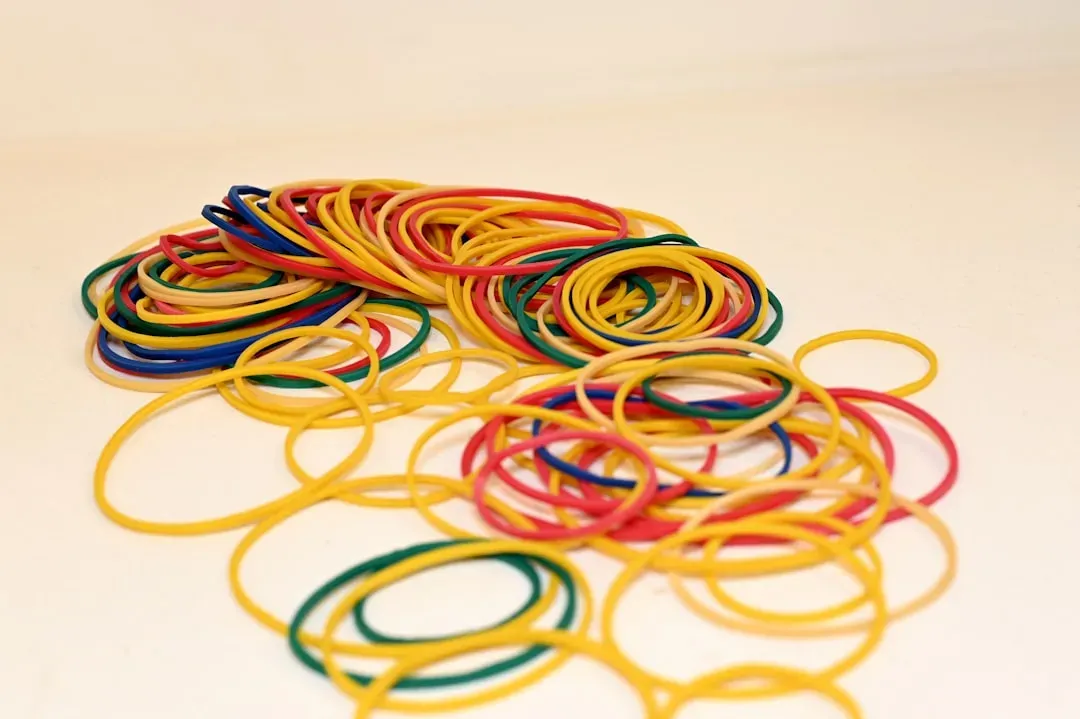
Grab a rubber band, stretch it quickly, and touch it to your lip or the inside of your wrist; you might feel it get a bit warmer. That warming is not your imagination: when you stretch rubber, its long, tangled molecules snap into a more ordered arrangement, and in the process they release a little heat. When you let go, the band cools as those chains go back to their jumbled, energetic state. You are feeling a direct connection between molecular motion and temperature in something that usually just holds your mail together. Rubber is also surprisingly “entropic” in its behavior, which means it tends to resist stretching not because the individual bonds are stiff, but because the molecules prefer to stay in a messy, more probable arrangement. That is why a rubber band tugs back harder the farther you pull it, acting almost like it has a mind of its own trying to snap back to disorder. Once you see it that way, every elastic band on your desk becomes an invitation to notice the thermodynamics hiding in plain sight.
5. Paper: A Simple Sheet With Remarkable Strength And Memory
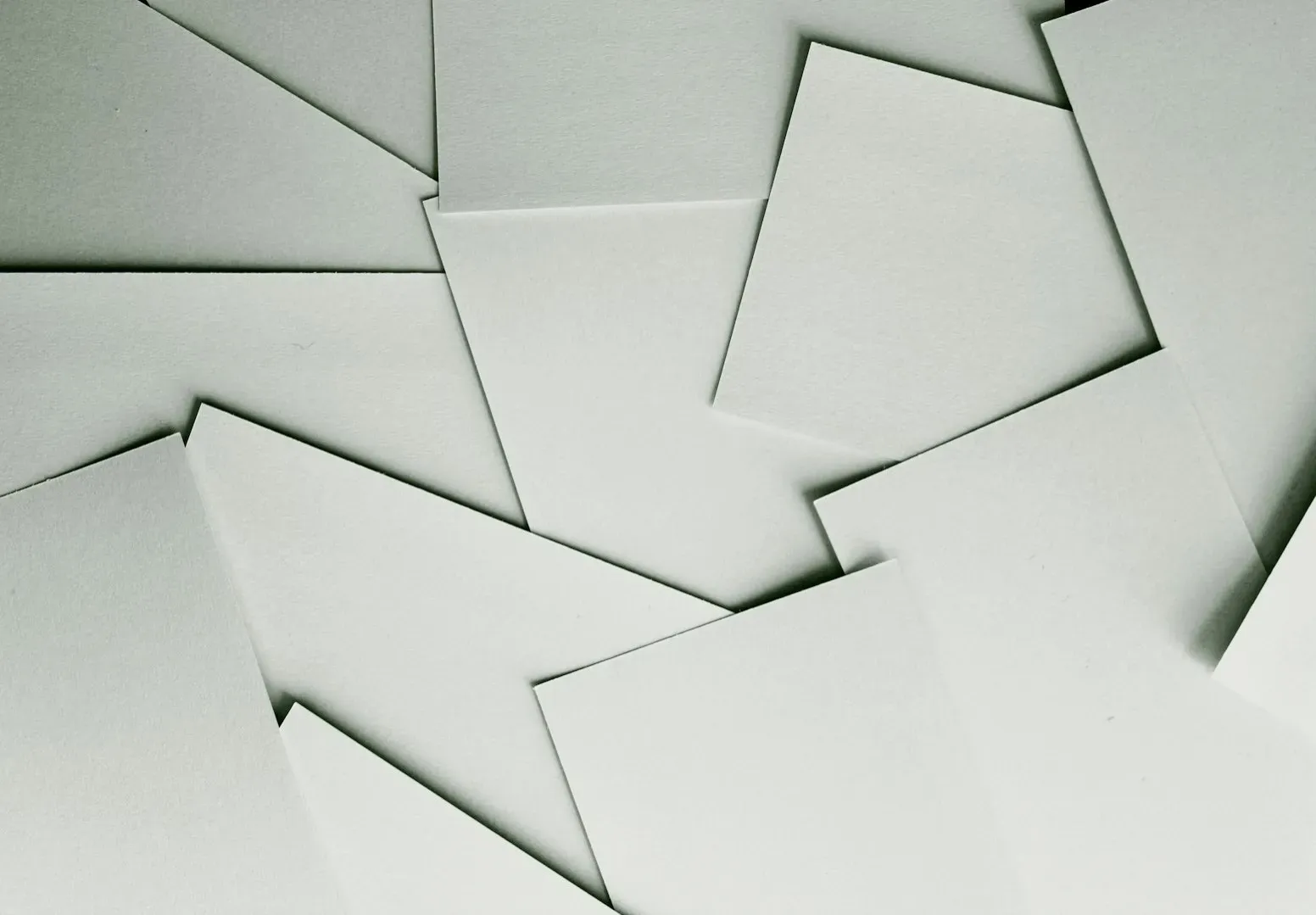
You might think of paper as fragile, but when you zoom in on its structure, it is a dense jungle of tangled cellulose fibers that give it surprising strength. Those fibers are made from long chains of sugar molecules linked together, forming tiny natural rods that interlock and bond when pressed and dried. That is why a sheet of paper can support a fair bit of weight when folded into a beam shape or rolled into a tube, despite feeling so flimsy in your fingers. Paper also has a kind of “memory” you see every time you fold a sheet and then flatten it again. The creases stay because you have forced some of those fibers to break, bend, and realign permanently, creating new weak points but also new shapes. Designers exploit this behavior in origami-inspired engineering, where folded paper models are used to prototype deployable structures and foldable devices. The next time you make a paper airplane, you are playing with a material whose microstructure and mechanics overlap with serious research in architecture and aerospace.
6. Aluminum Foil: Thin, Shiny, And Shockingly Resilient
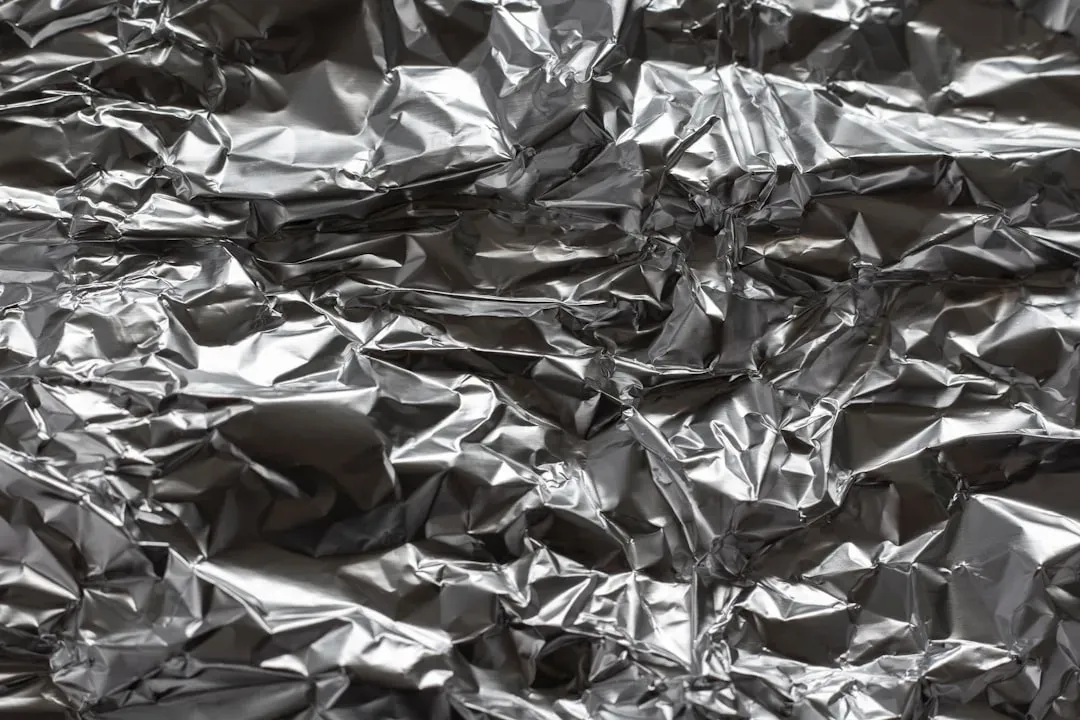
When you tear off a sheet of aluminum foil, it feels so thin that it seems ridiculous to call it metal, yet it hides a set of unusual traits. Pure aluminum reacts easily with oxygen, but it instantly forms a very thin, tough oxide layer on its surface that seals and protects the metal underneath. That invisible coating is why your foil does not crumble into powder or rust away like unprotected iron might. In everyday life, you see the benefit in cookware, drink cans, and foil packets that stay intact in steamy ovens and cold freezers alike. Aluminum is also an excellent conductor of heat and electricity, even in foil form, which is why it can shield electronics from interference and help reflect heat. When you crumple foil, you create a chaotic pattern of peaks and valleys that can trap air and slightly improve insulation, which is one reason people wrap hot food in layers of it. That shiny surface you casually mold around leftovers is a carefully engineered compromise between lightness, durability, and reactivity that modern packaging depends on.
7. Velcro: Inspired By Burrs, Powered By Tiny Hooks And Loops

You probably use Velcro on shoes, jackets, bags, or cable ties without thinking about how strangely it works. On one side, you have thousands of microscopic hooks; on the other, a forest of loops waiting to catch them. When you press the two sides together, many tiny hook–loop connections form at once, giving you a surprisingly strong hold that you can still peel apart by pulling in just the right direction. It is like having a reusable, mechanical version of a burr from a plant sticking to your clothes, refined into a convenient fastening system. Scientifically, Velcro is a smart example of distributed force: each tiny hook is weak, but together they add up to a firm grip, and when you pull, they release gradually instead of all at once. That makes it safer and more controllable than a single big latch, which could snap or jam. The same idea scales up and down, from the strap on your watch to advanced versions used in aerospace and medicine. Every time you hear that familiar ripping sound, you are listening to a chorus of miniature hooks and loops letting go in sequence.
8. Nonstick Pans: Everyday Tools With Ultra-Slippery Surfaces
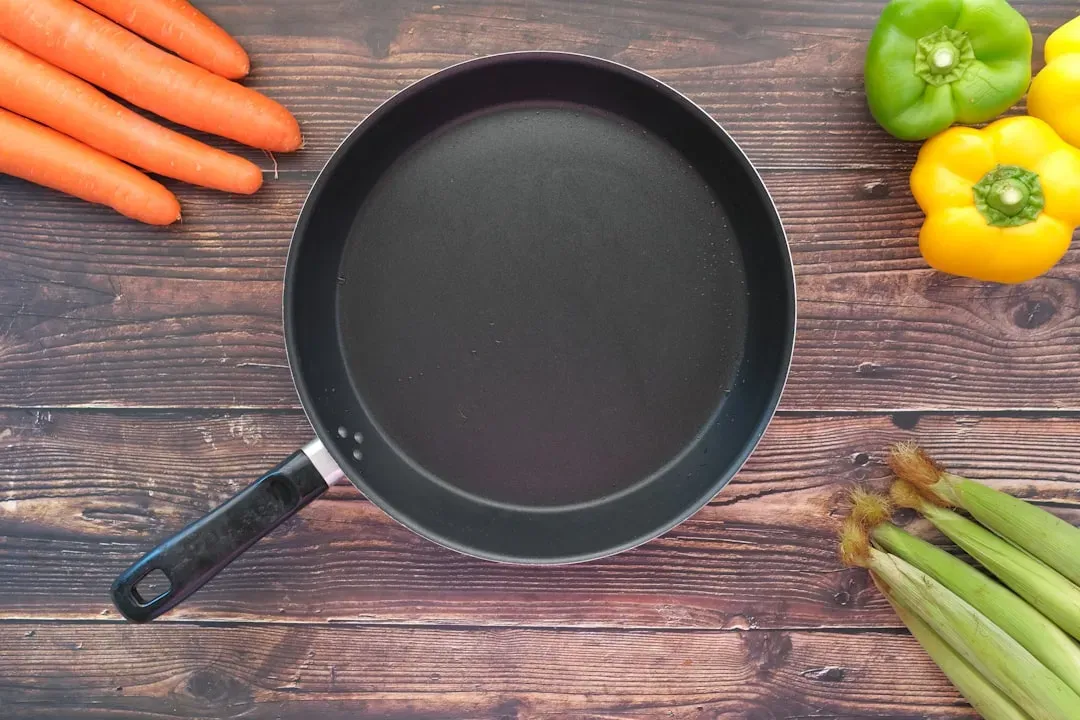
When you slide an egg around a nonstick pan with barely any oil, you are using one of the slipperiest solid materials known in everyday life. The coating, often made from a fluorinated polymer, has carbon–fluorine bonds that are incredibly strong and a surface that refuses to interact much with other substances. That low surface energy means food and liquids struggle to spread out and cling, so they bead up and glide instead. To you, it just feels like cooking got easier, but underneath is a layer that even many aggressive chemicals have a hard time sticking to or attacking. This kind of material also resists water and oil, which is why similar chemistry shows up in some waterproof fabrics and stain-resistant treatments. At the same time, you have to treat nonstick pans with care, because scratching or overheating them can damage the coating and reduce its performance. When you gently wipe a pan clean after cooking, you are benefitting from a carefully engineered balance between extreme slipperiness, durability, and safety that turns a messy task into a quick rinse.
9. Super-Absorbent Polymers In Diapers: Tiny Granules With Giant Thirst

If you have ever handled the inside of a disposable diaper or certain gardening gels, you have touched super-absorbent polymers without realizing it. These are long-chain molecules sprinkled with chemical groups that love water, and they are crosslinked into a three-dimensional network like a microscopic sponge. When you add water, the chains swell as they attract and trap the liquid, sometimes holding an amount many times their own weight. What looks like a bit of dry powder can balloon into a squishy gel that locks moisture away from skin or soil. In your home, this means better diaper performance, spill-absorbing products, and even moisture-retaining crystals for plants. Scientifically, it is a beautiful demonstration of how changing a polymer’s chemistry and linking pattern can transform its behavior from brittle plastic to water-hungry gel. The next time you see a diaper hold in what seems like an impossible amount of fluid, you are witnessing molecular engineering working quietly for comfort and hygiene.
10. Ice: A Common Solid With Unusual Density And Friction Tricks
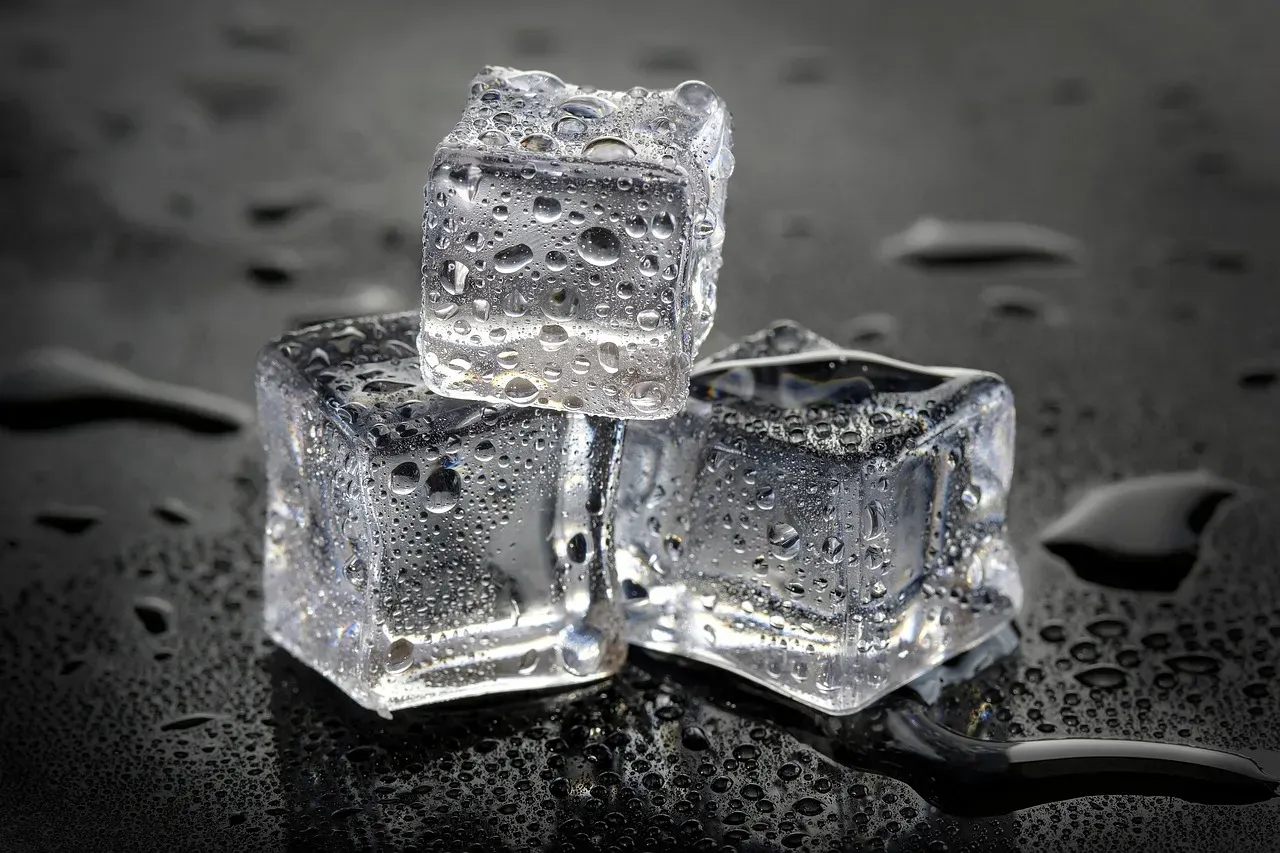
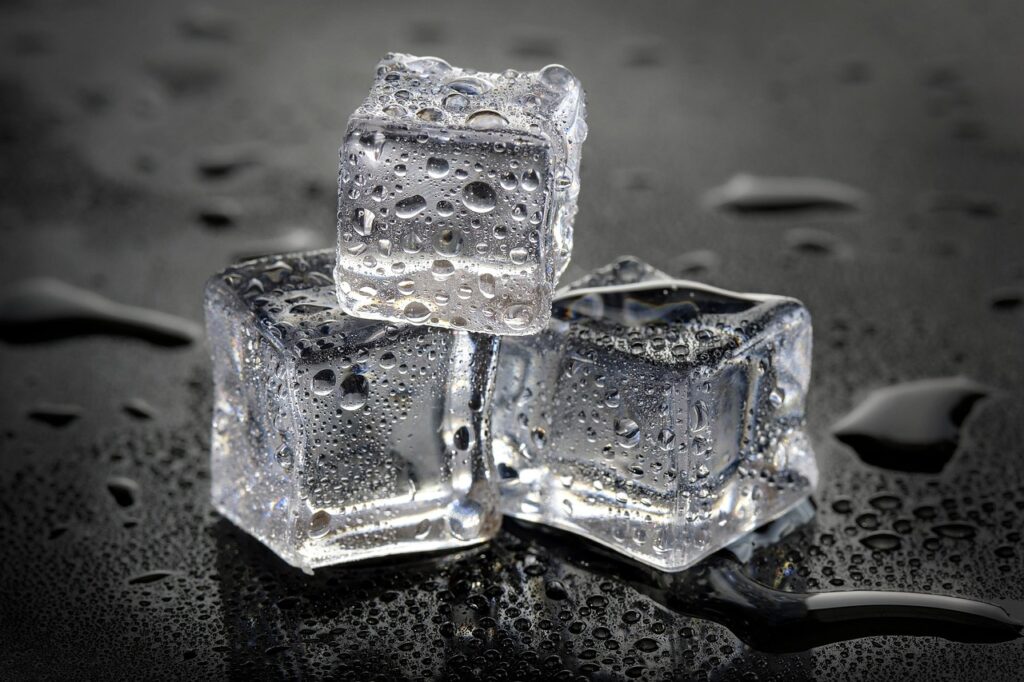
You meet ice in your drink, on your driveway, and maybe under your feet on a skating rink, but it holds some surprising scientific oddities. Unlike most solids, ice is less dense than its own liquid form, which is why it floats and lets bodies of water freeze from the top down. That floating layer insulates the liquid below, helping fish and other aquatic life survive winter instead of getting trapped in a solid block. It is the same property that makes ice cubes bob at the surface of your glass, keeping your beverage cool as they slowly melt. Another famous mystery around ice is why it can be so slippery. One explanation is that pressure and motion from your foot or skate blade help create an ultra-thin layer of liquid water on the surface, acting like a self-lubricating film. Even without motion, the outermost molecules of ice can behave a bit more loosely bound than the ones inside, giving a slightly slick surface. When you skate, slide, or nearly fall on an icy sidewalk, you are experiencing the fascinating interplay between crystal structure, temperature, and surface physics.
Conclusion: Seeing The Hidden Science In Your Daily Routine

Once you start paying attention, your daily surroundings turn into a kind of live science museum. The water you drink, the glass you look through, the rubber bands on your desk, and the foil in your kitchen drawer all hide behaviors that quietly defy simple expectations. You do not need a lab coat or fancy equipment to explore them; you just need curiosity, a bit of patience, and a willingness to look closer at what your hands already know how to use. If you let that curiosity stick around, you begin to notice patterns: structure shaping strength in paper, molecular bonds dictating slipperiness on your pans, and invisible films protecting metals from the air. Bit by bit, everyday materials stop feeling dull and start to feel like stories you can read with your eyes and fingertips. The question is, now that you know how extraordinary they really are, which object around you are you going to look at differently first?