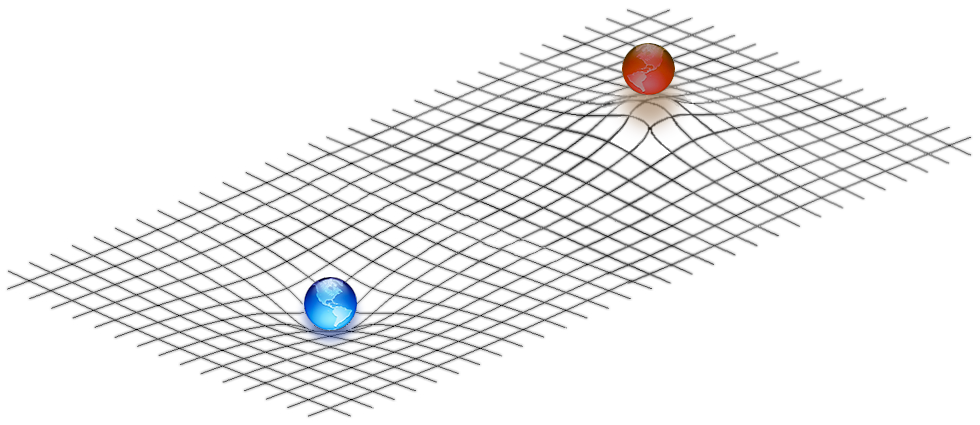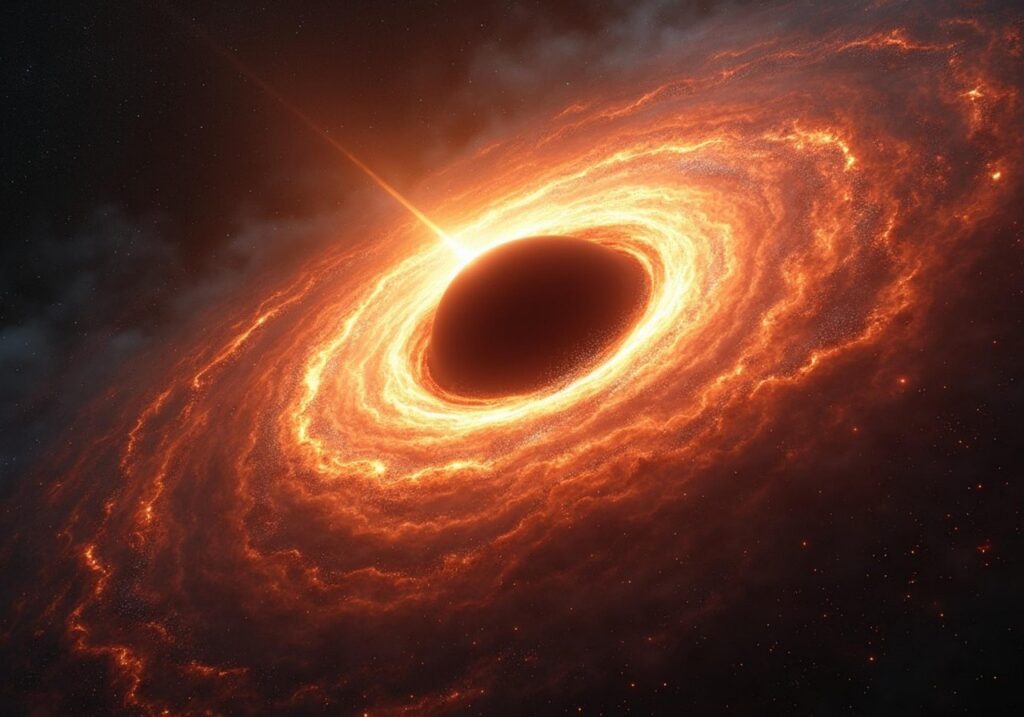

Most people still picture a black hole as a cosmic vacuum cleaner – something that just sits there and swallows whatever wanders too close. That picture is basically a lie. Over the last decade, gravitational-wave detectors, X-ray telescopes, and a camera the size of Earth caught black holes doing things Einstein’s equations predicted but nobody was sure were actually real.
Some of these ideas got laughed at in seminar rooms for decades – dismissed as too extreme, too weird, or too hard to ever prove. Then the data came in. Here are 12 facts about black holes that , and the truth is stranger than the sci-fi version most of us grew up with.
#12 – Black Holes Really Do “Ring” Like Cosmic Bells
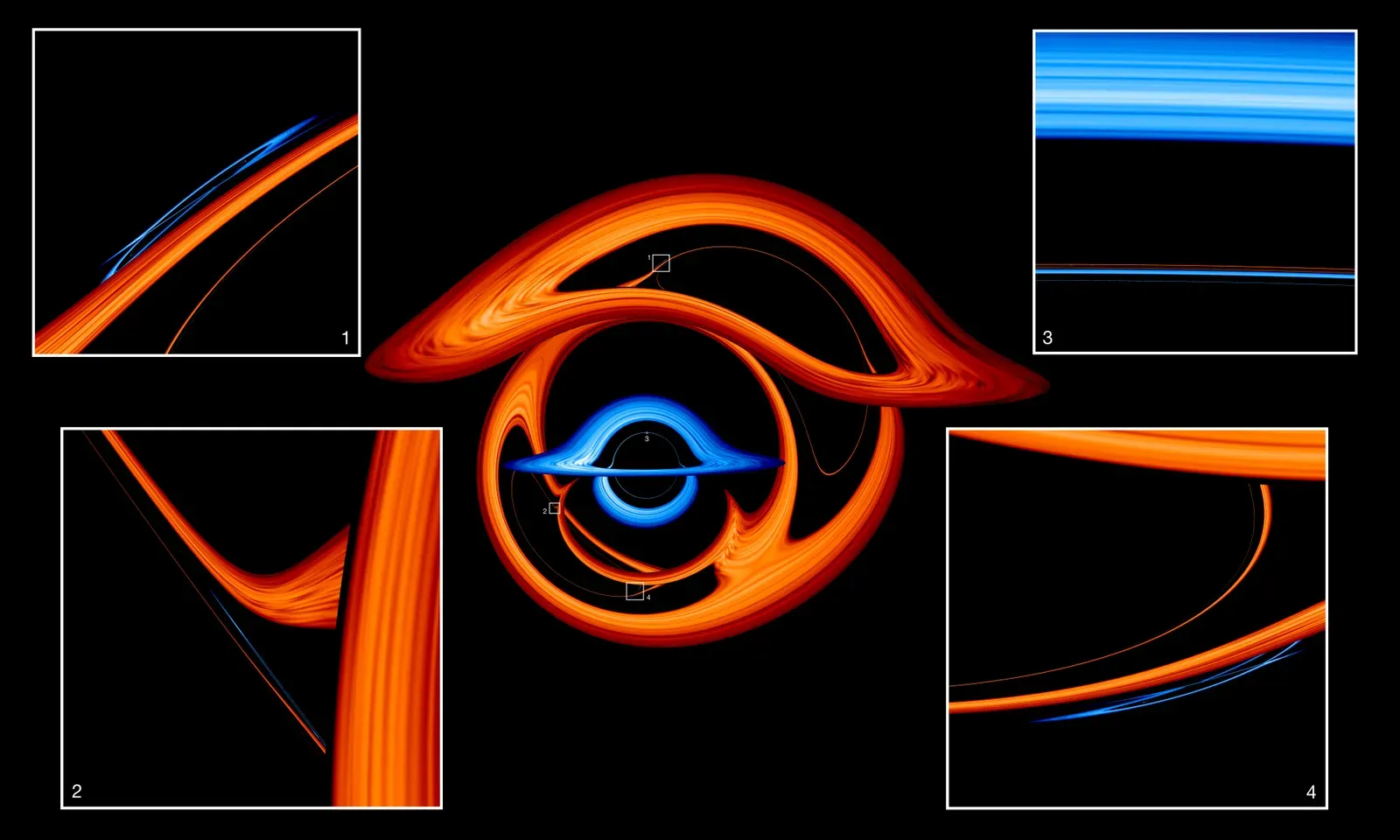
Physicists used to argue about whether a newly formed black hole actually “rings” after a collision, or if that was just a convenient metaphor for the math. Now we’ve literally heard it happen. When two black holes merge, the single object left behind vibrates and settles down, radiating gravitational waves called “ringdown” modes.
Those waves carry a distinct set of pitches and decay times, almost exactly like the overtones fading out after you strike a bell. What used to live only in textbooks is now a working diagnostic tool – by measuring those frequencies, researchers can test whether the object behaves like a true Einstein black hole or something stranger.
In a handful of the cleanest events, the signal is strong enough to pick out more than one tone at once. That gives physicists two independent “notes” to check the black hole’s mass and spin against each other – a built-in consistency check written straight into spacetime.
#11 – Some Black Holes Spin at a Shocking Fraction of Light Speed
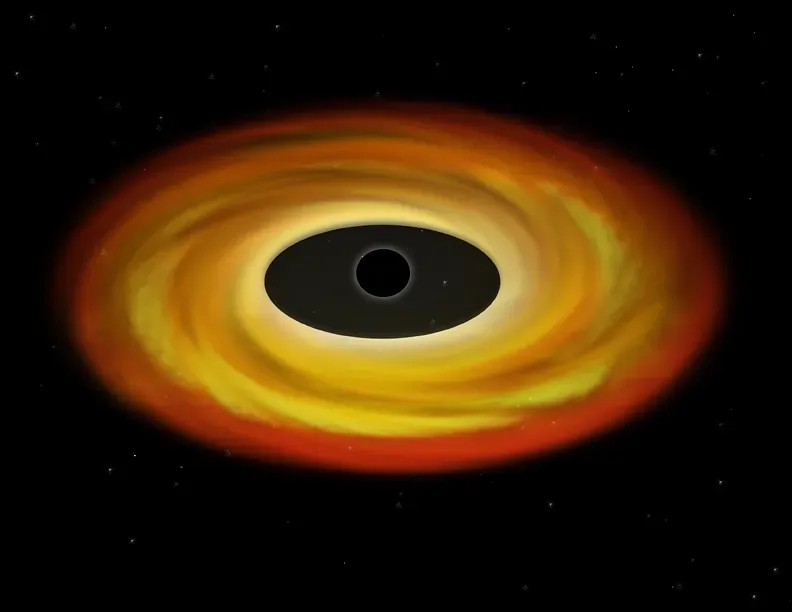
Most people imagine a black hole as a motionless hole punched into space. In reality, plenty of them are spinning at speeds that sound made up. Recent X-ray and gravitational-wave measurements show some stellar-mass black holes rotating so fast that parts of their event horizons are moving at a serious fraction of the speed of light.
By studying how X-rays from superheated gas get distorted on the way out, physicists have calculated spins where over 90% of the theoretical maximum rotation is reached. That means spacetime itself is being dragged around like water circling a drain, twisting orbits and warping the flow of time depending on which direction you’re traveling.
Some researchers now argue these extreme spins are basically fingerprints of violent history. A black hole born from a single collapsing star should spin differently than one built from repeated mergers, which means the spin itself might be a fossil record of how the object was made.
#10 – There’s a “Forbidden Zone” for Black Hole Masses
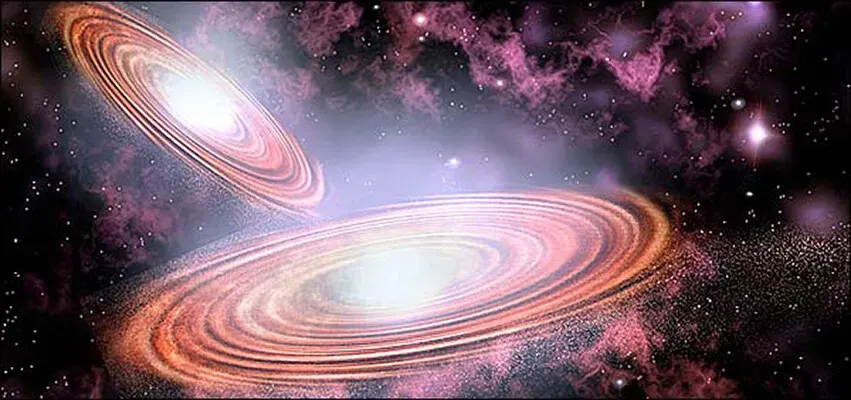
For decades, textbooks treated black hole mass like a smooth dial that could be set to almost anything, from microscopic to supermassive. Gravitational-wave data from mergers has started putting hard limits on that idea, at least for the black holes born from dying stars.
Observatories like LIGO and Virgo revealed something strange: a mass gap where black holes are oddly rare, sitting roughly between the heaviest known neutron stars and the lightest expected stellar black holes. Some kinds of stellar explosions apparently don’t make black holes at all, or they collapse in stages nobody fully understands yet.
Fast Facts
- The suspected lower mass gap sits roughly between 2 and 5 times the mass of the sun.
- Some massive dying stars may collapse directly into a black hole with no visible supernova at all – astronomers call these “failed supernovae.”
- LIGO and Virgo have logged mergers involving objects that sit right at the edges of this gap, making it a moving target.
- Pinning down the gap helps scientists predict how many merger signals detectors should eventually catch.
That gap isn’t just a curiosity – it reshapes the entire model of how often different black holes form and merge, which feeds directly into predictions about how “loud” the gravitational-wave universe should be.
#9 – Merging Black Holes Can Get Violently Kicked Across Their Galaxy
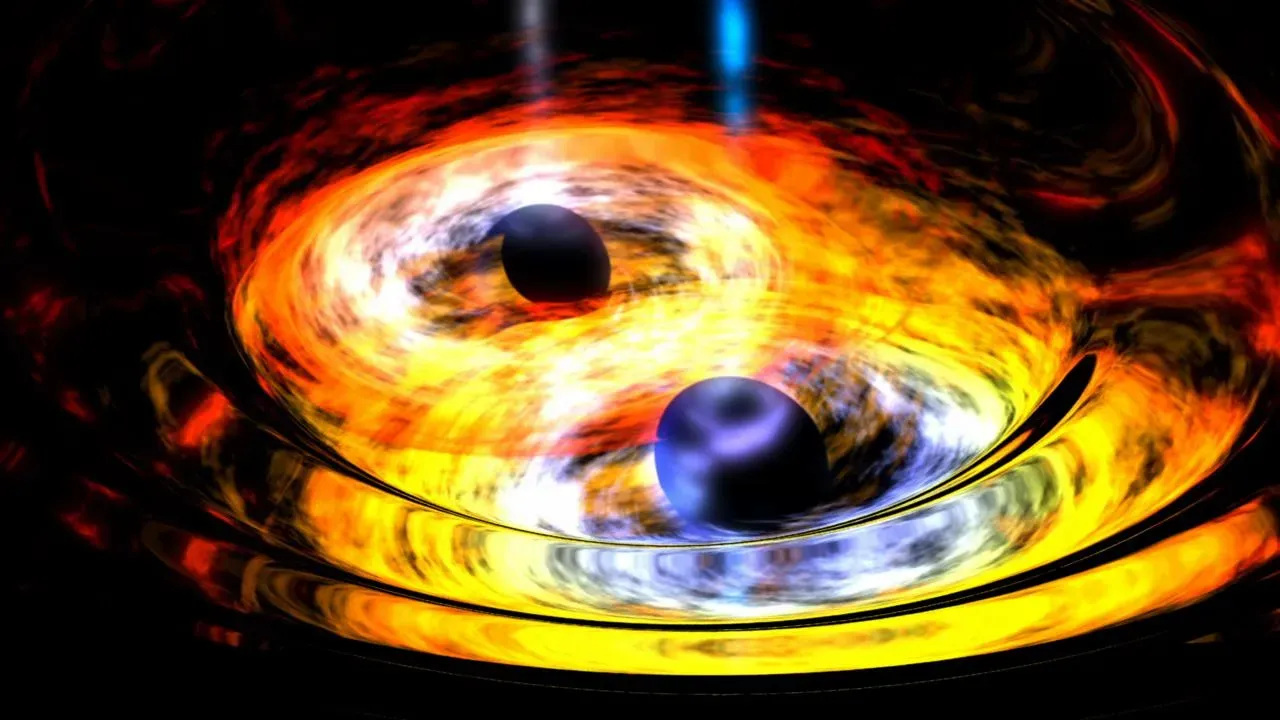
The old picture of a black hole sitting quietly at the center of its galaxy forever is officially outdated. Gravitational-wave detections and simulations now confirm that when two black holes merge, the newborn object can get blasted with a recoil kick strong enough to shove it clean out of its birthplace.
If the merging pair radiates gravitational waves asymmetrically, momentum has to go somewhere – and that “somewhere” is a sudden kick. In extreme cases, the calculated speeds reach thousands of kilometers per second, easily fast enough to eject a black hole from its host galaxy entirely.
Astronomers have even spotted candidates for these runaways: compact, massive objects sitting off-center from any galaxy, with no obvious home. They may be the wandering leftovers of a merger’s violent send-off, and they wreck the tidy assumption that every big galaxy keeps its black hole neatly parked in the middle.
#8 – Supermassive Black Holes Secretly Control Star Formation
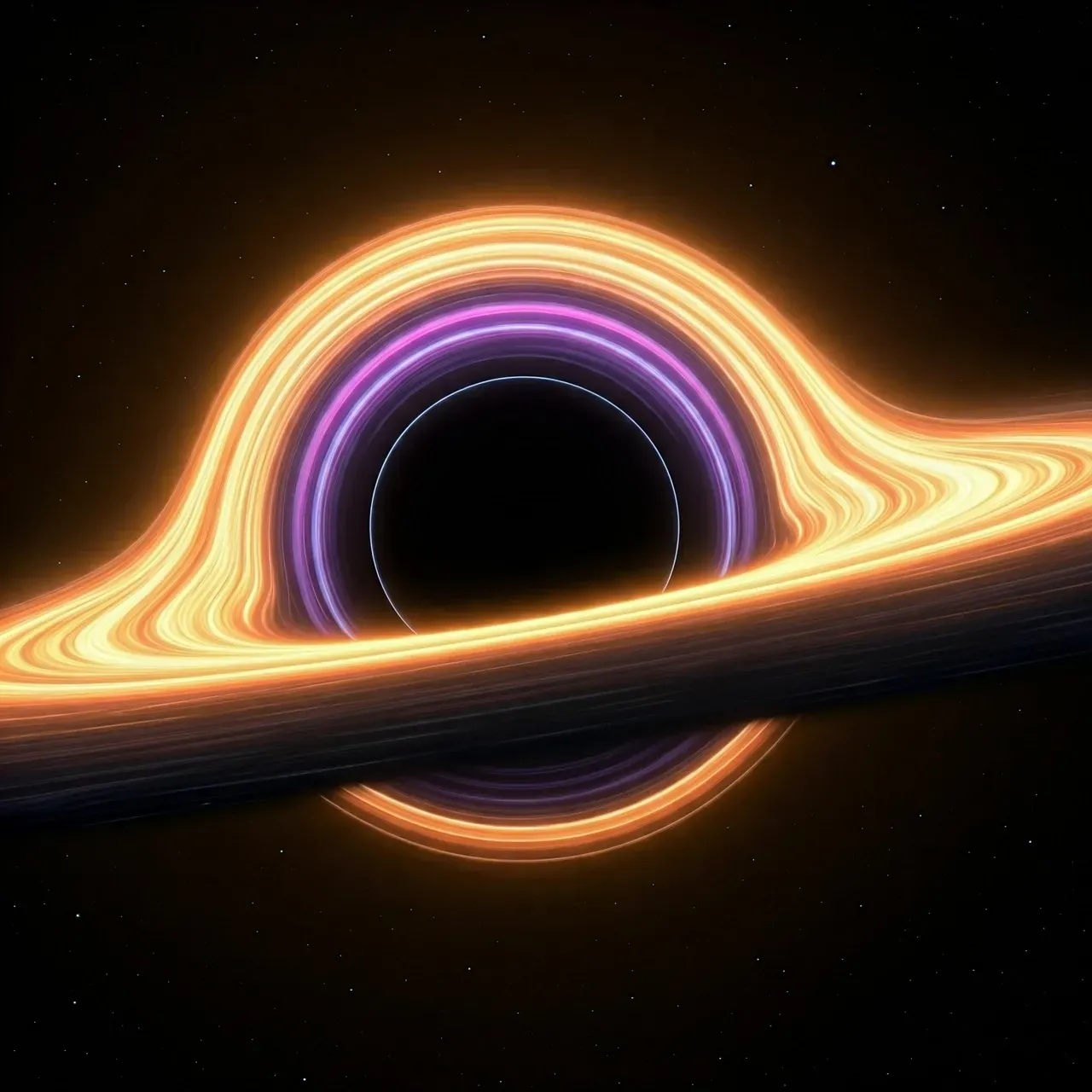
Most people still think of black holes as passive endpoints, cosmic dead ends where matter goes to die. The latest observations say the opposite: the biggest ones actively shape the fate of their entire galaxy.
High-resolution radio, X-ray, and optical surveys show supermassive black holes blasting out jets and winds that can shut down or ignite star formation across tens of thousands of light-years. Some galaxies that “should” be forming stars, based on how much gas they have, are strangely quiet – and when astronomers look closer, they almost always find an actively feeding black hole at the core dumping energy into its surroundings.
That feedback heats the gas and blows it away, choking off future stars. But in other systems, the same outflows compress gas clouds and briefly trigger a burst of new star birth. Either way, how many stars a galaxy ends up with is partly decided by a black hole’s temper, not just quiet gravity doing its slow work.
#7 – We Finally Photographed a Black Hole’s Event Horizon
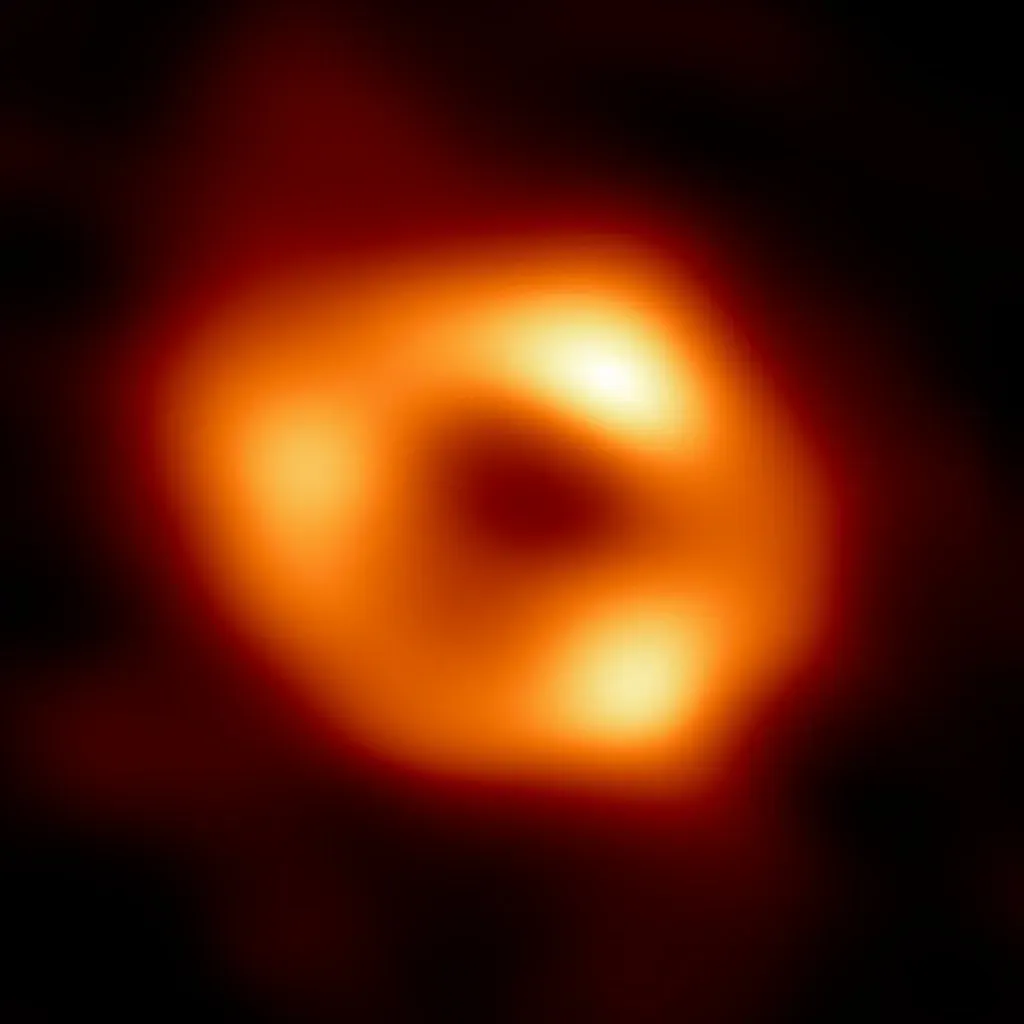
For years, “you can’t see a black hole” was technically true but also a little misleading. In 2019 and again in 2022, the Event Horizon Telescope produced the first real images of black hole shadows, mapping the silhouette of the event horizon against a backdrop of glowing gas.
That glowing ring wasn’t a CGI guess or an artist’s rendering. It matched Einstein’s predicted shadow size and shape with remarkable precision, confirming that the objects at the centers of M87 and our own Milky Way behave exactly like general-relativistic black holes. Alternatives such as boson stars or other exotic objects would have cast a noticeably different silhouette.
At a Glance
- 2019: first-ever image released, showing the shadow of the black hole in galaxy M87.
- 2022: second image released, this time of Sagittarius A* at the center of the Milky Way.
- The Event Horizon Telescope links radio dishes on multiple continents into one Earth-sized virtual telescope.
- Both ring images matched the size and shape general relativity predicted for each black hole’s mass.
Quietly, those same images did something even bigger: they let physicists map how matter spirals inward and how magnetic fields are arranged right at the edge of the horizon. For the first time, black holes weren’t just inferred from orbits and radiation – we actually saw their outline.
#6 – Black Holes Power the Brightest Objects in the Known Universe
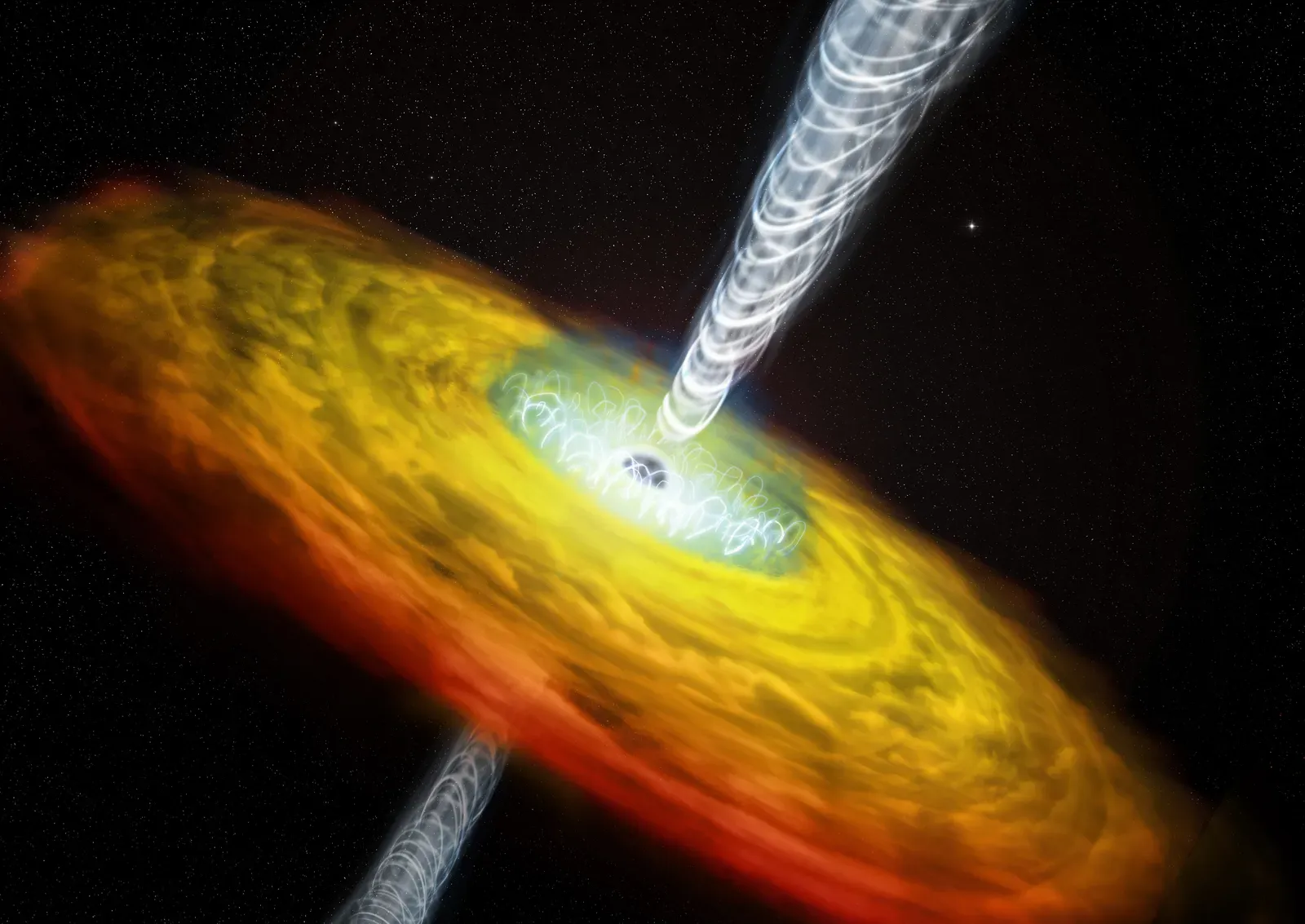
It sounds like a contradiction: how can something built to trap light also be responsible for the most luminous objects in the cosmos? Quasars and blazars were known to be blindingly bright for decades, but only recently did multi-wavelength observations confirm they’re powered by supermassive black holes feeding at incredible rates.
When gas spirals into an accretion disk, it can convert up to roughly 10% of its mass directly into energy – a conversion rate that makes nuclear fusion inside stars look inefficient by comparison. Magnetic fields threading that disk can launch jets moving near the speed of light, visible across billions of light-years, and astronomers can now track individual blobs of material moving through those jets in real time.
Here’s the number that still sounds fake: a quasar roughly the size of our solar system can outshine an entire galaxy of hundreds of billions of stars. That kind of output was once dismissed as too extreme to be physically possible.
#5 – Gravitational Waves Form a Constant Background Hum Across the Universe
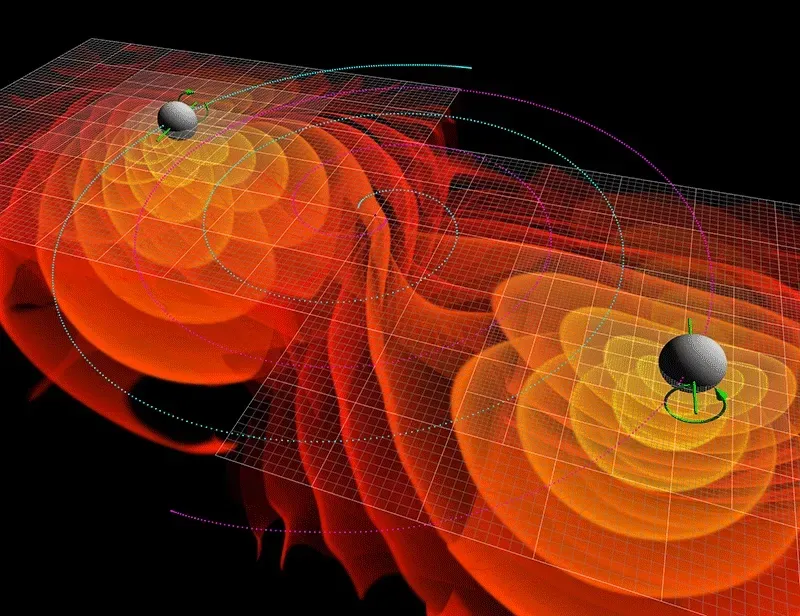
For a long time, gravitational waves were purely theoretical – a whisper predicted by math but never heard. Then LIGO caught the first real burst from a black hole merger in 2015. More recently, pulsar-timing arrays turned up something even stranger: evidence for a pervasive background hum of gravitational waves, likely produced by huge black hole binaries scattered across the universe.
By monitoring millisecond pulsars – some of the most precise natural clocks known – astronomers noticed tiny, correlated timing distortions that shouldn’t exist by chance. The simplest explanation is a long-wavelength gravitational-wave background, generated by pairs of supermassive black holes slowly spiraling toward each other over billions of years.
Worth Knowing
- Pulsar-timing arrays track dozens of millisecond pulsars across the sky, some spinning hundreds of times per second.
- These waves stretch across trillions of miles, far too long to be caught by ground-based detectors like LIGO.
- The suspected source is thousands of supermassive black hole pairs merging slowly across cosmic history.
- Confirming the signal took more than 15 years of continuous pulsar monitoring.
That means the universe isn’t silent. It’s constantly humming with the overlapping murmurs of countless distant mergers, and it confirms something astronomers suspected but couldn’t prove: galaxies collide often enough that their central black holes are almost always somewhere in the process of finding a dance partner.
#4 – Some Black Holes Outgrow Their Own Galaxies
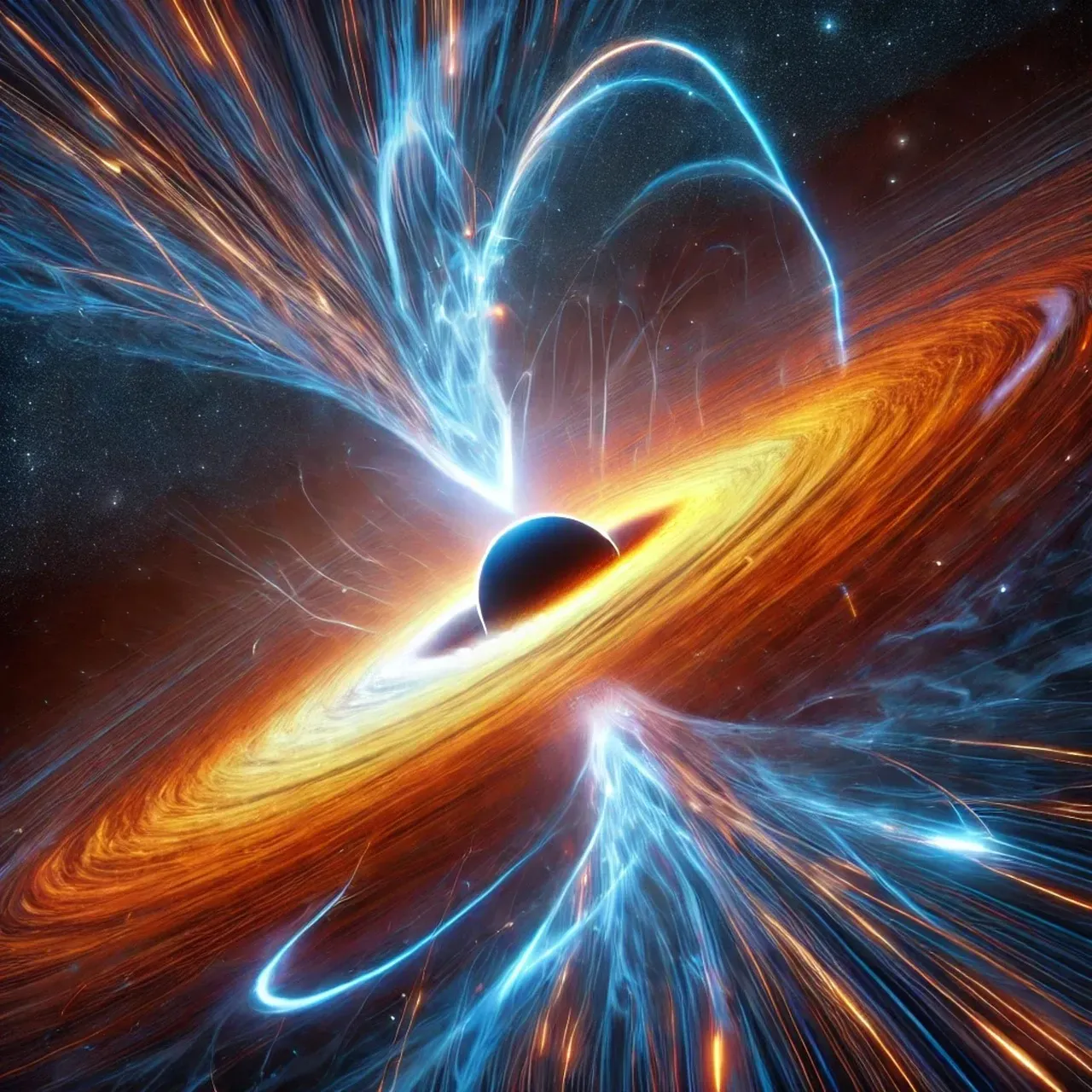
Conventional wisdom said galaxies and their central black holes grow together, hand in hand, keeping a tidy proportional relationship the whole way. Observations of extremely distant quasars – visible when the universe was less than a billion years old – blew that assumption apart.
Astronomers have found supermassive black holes with billions of solar masses inside galaxies that are, cosmically speaking, still babies. That’s far too big for the standard “slow and steady” growth model to explain. Either black holes can gorge themselves through brief, insanely rapid feeding episodes, or some of them started out enormous, possibly forming directly from the collapse of giant primordial gas clouds instead of dying stars.
Either way, it flips the script: instead of a galaxy patiently raising its central black hole, it looks like the black hole sometimes takes the lead early on, growing faster than its host and reshaping it through feedback before the galaxy even finishes forming.
#3 – Stellar-Mass Black Holes Are Far More Common – and Weirder – Than Predicted
For years, stellar-mass black holes were mostly textbook characters, known from a small handful of X-ray binaries in our own galaxy. Gravitational-wave surveys changed that practically overnight, revealing that binary black holes weighing tens of solar masses are surprisingly common – and their properties don’t match the old predictions.
Astronomers are now seeing mergers between black holes heavier than typical stellar remnants should be, spins that are sometimes tilted at odd angles to their orbits, and mass ratios that don’t fit a single tidy formation story. That points to multiple origin channels: some pairs probably formed from isolated binary stars, while others were likely thrown together in the chaos of dense star clusters.
Quick Compare
- Isolated binary origin: two stars born together, evolve together, spins tend to line up with the orbit.
- Dense cluster origin: black holes captured dynamically, spins often randomly tilted or misaligned.
- Isolated binary origin: mass ratios tend to be closer to even.
- Dense cluster origin: mass ratios and combinations are far more mismatched and unpredictable.
The most controversial part is that some detected black holes sit uncomfortably close to that “forbidden” mass gap from #10, forcing theorists to rethink exactly how massive stars die. The clean relationship between big stars and their black hole children turns out to be a lot messier than anyone assumed.
#2 – Time Near a Black Hole Really Does Slow to a Crawl
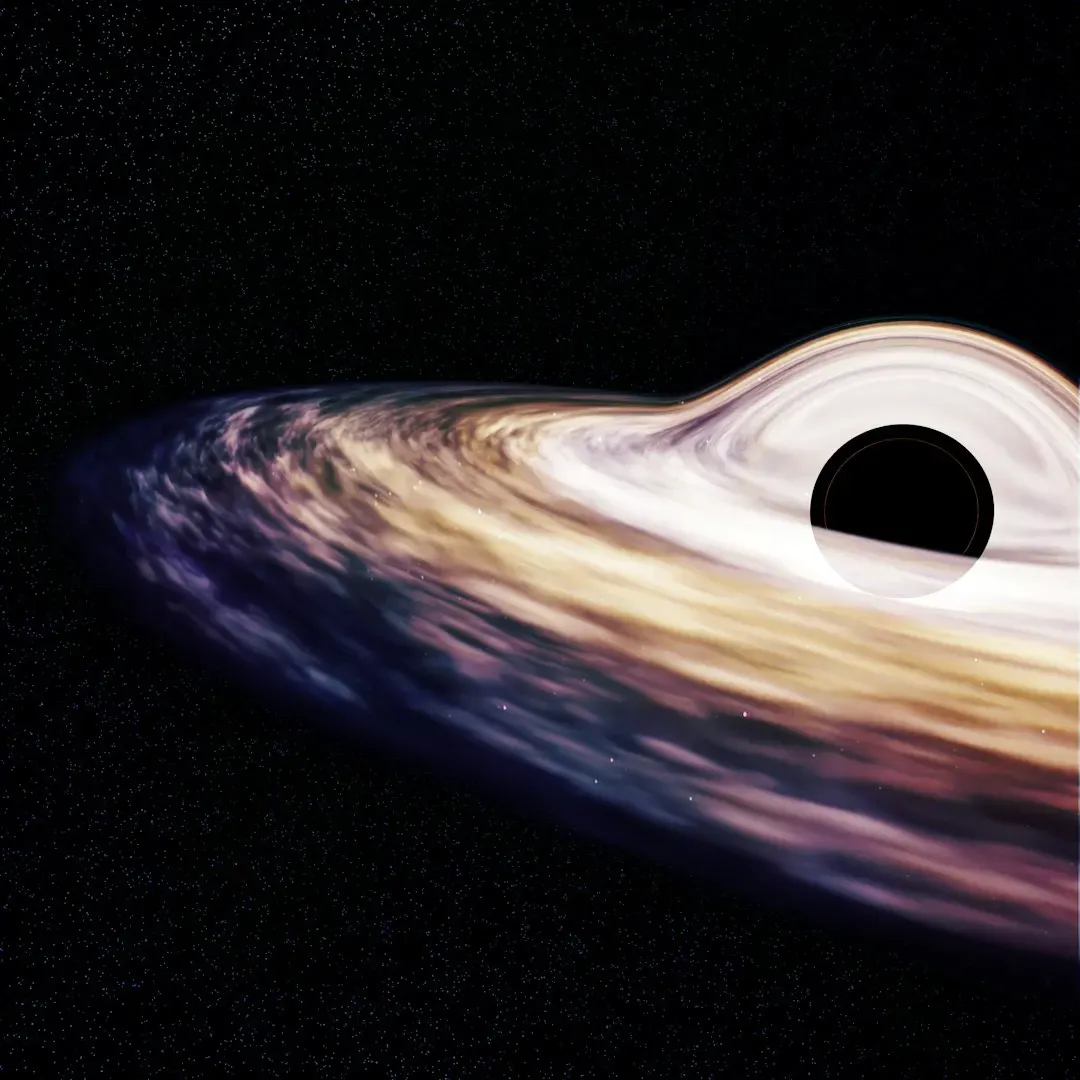
“Time slows down near a black hole” used to sound like a line from a movie script, not a measurable fact. Now the time-dilation effects predicted by general relativity are baked directly into how astronomers read real data from these objects.
Light from gas orbiting close to an event horizon shows extreme gravitational redshift, which means time really is running slower in that region compared to observers watching from far away. Even the orbits of individual stars circling the Milky Way’s central black hole, Sagittarius A*, reveal small but unmistakable relativistic effects – when one particular star swings past its closest approach, its light shifts exactly the way both its speed and the surrounding gravity well predict.
In plain terms, a hypothetical astronaut who somehow survived a close pass near a black hole would genuinely age slower than friends watching from a safe distance. This isn’t a thought experiment anymore – it’s encoded directly in the frequencies telescopes measure every time they look.
#1 – Einstein Keeps Being Right Exactly Where He Was Supposed to Fail
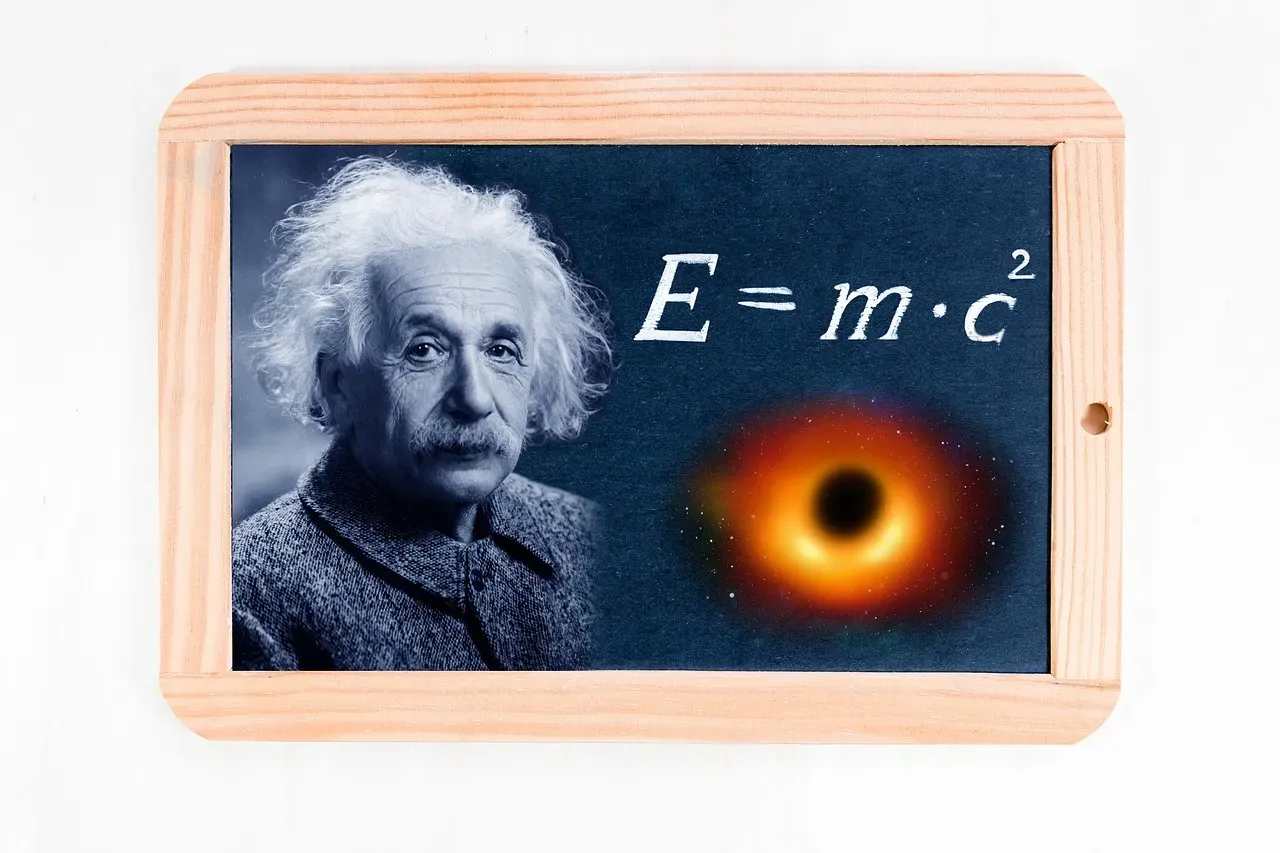
For decades, black holes were billed as the ultimate stress test for physics – the place where Einstein’s general relativity would finally crack under extreme gravity. Many physicists genuinely expected it to happen near the horizon, or in the violence of a merger.
The uncomfortable truth, confirmed again and again, is that black holes behave almost exactly the way Einstein’s century-old equations predict, even in the most extreme regimes we can observe. From the shape of event-horizon shadows, to the pitch of ringdown tones, to the orbital dance of stars at our galaxy’s core, deviations from general relativity are stubbornly tiny – or completely absent within our current precision.
Black holes are the most perfect macroscopic objects there are in the universe.
Subrahmanyan Chandrasekhar
That doesn’t mean quantum gravity isn’t real somewhere deep inside – it just means black holes haven’t shown their hand yet. For now, they’re less a doorway to dramatic new physics and more a brutal, repeated validation of a theory that refuses to die, no matter how hard reality tries to break it.
The Bottom Line
This black hole revolution didn’t come from wild speculation – it came from stubborn, repeated data. Gravitational waves, horizon-scale imaging, precision pulsar timing, and multi-wavelength surveys all converged on the same uncomfortable verdict: black holes are more real, more structured, and more influential than most physicists were willing to admit twenty years ago.
They don’t just sit there. They ring, spin, kick, regulate star formation, and hum together across billions of light-years of empty space.
My honest take? The biggest shock in all twelve of these facts isn’t any single discovery – it’s how often Einstein keeps winning in exactly the regimes where he was expected to lose. If a genuinely “impossible” black hole result ever shows up, my money says it comes from a telescope catching something nobody predicted, not from a theorist’s whiteboard. Until then, the smartest thing physics has done lately is admit it, and keep pointing its instruments at the dark.