

If someone secretly filmed your average Tuesday, a psychologist could probably sketch a rough map of your mind without asking you a single question. The way you answer texts, where you leave your shoes, how you react to a slow barista – these tiny, boring details are like psychological fingerprints. You think you’re just living your life; your brain is busy broadcasting how it’s wired.
What makes this a little unsettling (and kind of fascinating) is that you rarely notice you’re doing it. You tell yourself you’re “just tired” or “just not a morning person,” but under the surface are patterns around attention, emotion, self-control and even how you handle relationships. Let’s dig into twelve everyday habits that research suggests can quietly reveal how your mind really works – and maybe explain a few things you’ve always wondered about yourself.
1. How You Wake Up: Snooze Button Or Launch Mode?

That half-asleep moment when your alarm goes off is a tiny test of self-regulation. People who hit snooze several times often struggle more with what psychologists call sleep inertia and may also have a harder time with delayed gratification in general. It is not that snoozers are lazy, but the habit can hint at a brain that prioritizes short-term comfort over long-term energy and focus.
On the other hand, if you tend to get up on the first or second alarm, it suggests a slightly higher tolerance for discomfort and stronger internal discipline. Researchers have linked consistent wake times and regular sleep patterns with better emotional regulation and cognitive performance. Personally, I noticed that when I finally forced myself to get up on the first alarm for a month, my mood felt less chaotic, like my brain trusted me a bit more.
2. Your Phone Checking Style: Compulsion Or Conscious Choice?

The way you interact with your phone is like a live demo of your attention system. Constantly unlocking your phone for no clear reason can reflect a brain that’s grown used to tiny dopamine hits and quick distractions. Studies on digital habits suggest that frequent, impulsive checking is tied to higher levels of anxiety, mind wandering and difficulty staying in deep focus.
If you tend to batch-check your phone – for example, every hour or during planned breaks – it points to stronger executive control and a clearer mental boundary between work and distraction. That does not mean you are automatically more disciplined in every area of life, but it does suggest your prefrontal cortex is playing a more active role in gatekeeping your attention. In a way, your swipe-to-refresh habit is a quiet referendum on who is in charge: you or your impulses.
3. How You Respond To Messages: Instant, Delayed, Or Never?

Your texting rhythm reveals a lot about how you manage social obligations and internal pressure. Immediate responders often feel a strong pull to relieve social tension quickly; sometimes that reflects high conscientiousness, and sometimes it is more about anxiety and a fear of seeming rude. If you rush to answer everything, your brain might be wired to prioritize external expectations over your own mental space.
Slow or delayed responders tend to be more comfortable tolerating that tiny bit of social discomfort. They may score higher on autonomy and boundary-setting, but if replies are chronically late or forgotten, it can also hint at executive function issues like poor working memory or task-switching overload. A pattern of leaving people on read without replying, especially when it causes problems, can reflect avoidance – a subtle sign that your mind copes with stress by not looking at it.
4. Your Tidiness Level: Chaos, Minimalism, Or “Lived‑In” Order?
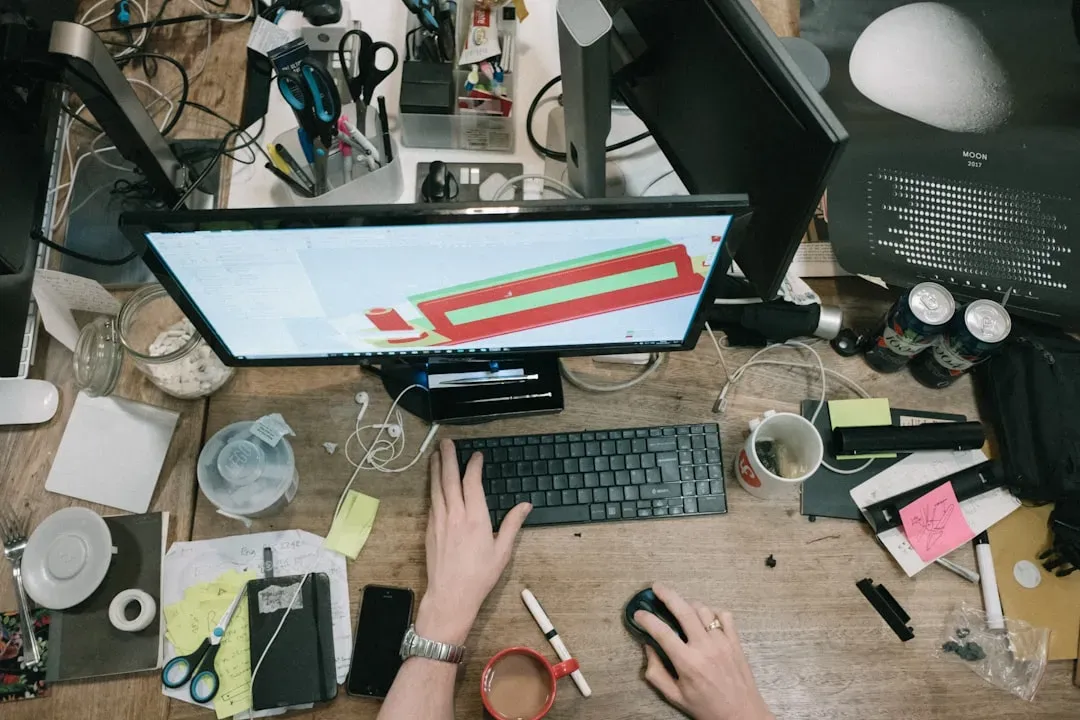
Walk into someone’s room or workspace and you get a snapshot of how their mind organizes the world. Extremely tidy spaces often belong to people high in conscientiousness, who feel calmer when their environment is controlled and predictable. For some, organizing becomes a coping strategy to soothe anxiety; putting objects in order is a way of putting thoughts in order.
Messier spaces are not automatically a red flag. Creative thinkers and people who score higher in openness sometimes function well in what looks like chaos, because their minds track patterns that are not obvious from the outside. The key is whether the mess interferes with basic functioning. If clutter consistently causes missed deadlines, lost items and chronic stress, it may point to attention or planning difficulties rather than a charmingly eccentric mind.
5. Your Walking Pace: Always Rushed Or Unbothered?

Your natural walking speed in everyday life can say a lot about your internal tempo. People who move quickly, weave around others and get irritated by slow walkers often carry a chronically elevated sense of urgency. That can reflect ambition and drive, but it is also associated with higher stress levels and a tendency toward impatience and time pressure.
Those who stroll at a relaxed pace, even in busy spaces, may have a more laid‑back nervous system response to everyday demands. Of course, context matters – you can be a fast walker out of necessity and still be emotionally calm – but over time these patterns reveal your default state. When your body is constantly in “rush” mode, it is usually because your mind is, too; your feet are just acting out your internal monologue.
6. How You Talk To Yourself: Harsh Critic Or Quiet Coach?

The tone of your inner voice is one of the clearest windows into your psychological landscape. People who automatically attack themselves over small mistakes often grew up in environments where criticism or conditional approval were common. Over time, that external voice becomes internal, and the habit of self-blame can feed anxiety, perfectionism and even procrastination.
Those who naturally use more neutral or supportive self-talk – saying things like “that was tough, but I can handle it” in their mind – tend to have healthier emotion regulation and resilience. Research on self-compassion shows that treating yourself with the same kindness you would offer a friend is linked to lower depression and greater motivation. The way you narrate your day to yourself is not just commentary; it quietly trains your brain in how to feel about you.
7. Your Eating Habits: Automatic Snacking Or Mindful Choices?

How you eat when nobody is watching can say more than any formal diet plan. Mindless grazing in front of a screen, for example, reflects a brain that slips easily into automatic pilot and uses food as a background comfort. Emotional eating – reaching for snacks when stressed, bored or sad – is a coping mechanism your mind has learned to quickly blunt unpleasant feelings.
In contrast, people who usually pause before eating, notice hunger levels and choose portions with some intention tend to have better interoceptive awareness, which is the ability to read internal bodily signals. That skill is linked to better emotional awareness too. When you can feel your body clearly, you are usually better at noticing and naming your emotions rather than numbing them with whatever is in the pantry.
8. Your Procrastination Triggers: Last‑Minute Sprinter Or Chronic Avoider?

Procrastination is rarely about laziness; it is more often about how your mind handles discomfort. If you consistently delay tasks you find boring or difficult until the last possible moment, your brain might rely on deadline-induced stress to finally kick your motivation system into gear. In the short term it works, but over time it trains you to depend on panic rather than planning.
Some people procrastinate mainly on tasks that touch their self-worth – applying for jobs, sharing creative work, starting a new project. That pattern points to fear of failure or fear of judgment more than poor time management. Meanwhile, those who break big tasks into smaller chunks and start early usually have stronger executive functioning and a more stable sense that mistakes will not destroy them. Your procrastination style is like an x-ray of how your mind handles fear, boredom and pressure.
9. How You React In Annoying Situations: Micro‑Explosions Or Calm Shrugs?

Everyday frustrations – slow Wi‑Fi, traffic, a loud neighbor – are constant stress tests for your emotional regulation system. If your default is snapping, swearing or replaying the incident in your head for hours, it suggests your nervous system is already running hot and has a lower threshold for irritation. Many people with chronic stress or unresolved anger experience these outsized reactions without fully connecting them to deeper emotional overload.
Those who can notice frustration, maybe sigh once, and then move on are showing higher distress tolerance and cognitive reappraisal, which is the skill of mentally reframing situations. They are not necessarily more “virtuous,” but their brains are better practiced at stepping back and asking whether the reaction is worth the energy. Over time, your pattern of reacting or letting go creates the emotional climate you live in every day.
10. Your Social Energy Patterns: Text First Or Wait To Be Invited?

The way you initiate (or avoid) social contact reveals what your mind believes about belonging. People who frequently reach out first, suggest plans, or check in on others often have a stronger sense of social efficacy – the belief that their presence is welcome and valuable. Sometimes they are more extroverted; sometimes they are introverts who simply feel secure in their relationships.
Those who rarely initiate and mostly respond when contacted may genuinely prefer lower social intensity, or they may carry fears of rejection and being a burden. If your mind tends to think “they probably don’t want to hear from me,” that belief can quietly shape your habits and your loneliness. Neither style is automatically healthy or unhealthy; what matters is whether it matches your true needs or is driven by unexamined insecurity.
11. Your Relationship With Plans: Strict Schedules Or Go‑With‑The‑Flow?
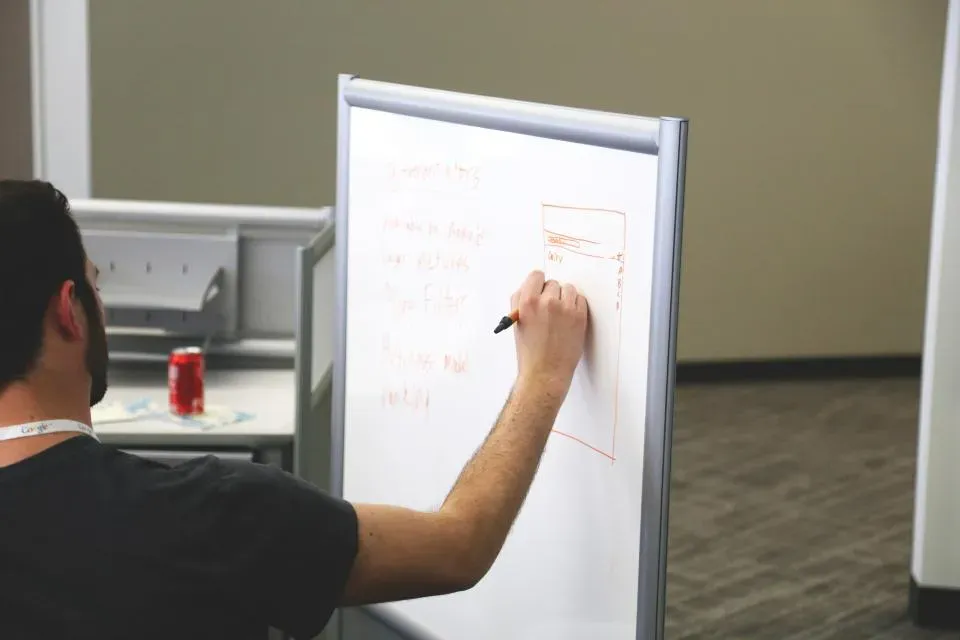
How tightly you cling to plans hints at how your mind relates to control and uncertainty. People who schedule almost everything and get very distressed when plans change often rely on structure to manage underlying anxiety. Predictability can be soothing, but when every deviation feels like a threat, it suggests a lower tolerance for ambiguity and flexibility.
Others resist planning almost on principle, preferring to leave options open and improvise. That can signal creativity and openness, but it can also hide an avoidance of commitment or fear of feeling trapped. The healthiest pattern sits somewhere in the middle: enough structure to keep your life from falling apart, enough looseness to adapt when life inevitably refuses to follow your color‑coded calendar.
12. Your Nighttime Wind‑Down: Endless Scrolling Or Intentional Shut‑Off?

The way you close your day is a mirror of how your mind handles unfinished thoughts. If you regularly fall asleep to endless scrolling, late‑night videos or random rabbit holes, your brain might be using stimulation to avoid confronting worries, regrets or emptiness that surface in the quiet. Unfortunately, this habit is linked to poorer sleep quality, more next‑day fatigue and a cycle of feeling mentally foggy.
People who carve out a simple, consistent wind‑down routine – a book, some music, light stretching, or even a short reflection – are signaling to their nervous system that it is safe to power down. Research on sleep hygiene shows that these predictable cues help the brain shift from alertness to rest more smoothly. Your last thirty minutes of the day are like a conversation with your own mind: are you gently closing the book, or just slamming it shut and hoping tomorrow feels different?
Conclusion: Your Habits Are Clues, Not A Verdict

When you zoom out, these everyday habits are less like a test you pass or fail and more like little notes about how your mind has learned to survive. Hitting snooze, doomscrolling at midnight, ghosting group chats – they all make a certain kind of sense once you see the fears, needs and patterns underneath. To me, the most freeing part of this perspective is realizing that habits are stories your brain is telling, and stories can be edited.
If you recognize yourself in some of the less flattering patterns, that is not a diagnosis; it is a starting point. You can tweak one small behavior – maybe answering one message sooner, or putting your phone in another room before bed – and watch how your inner world shifts in response. In the end, the question is not whether your habits are “good” or “bad,” but whether they are telling the truth about the kind of life you actually want to live. Which of your everyday habits feels most like a message from your mind that you are finally ready to read?