
There is something quietly mind‑bending about realizing people without maps, engines, or GPS may have crossed oceans and continents more boldly than we once imagined. For a long time, the story in school textbooks was simple: human groups mostly stayed local until relatively recent history, and long‑distance travel was rare, accidental, or purely legendary. Yet, scattered in museums, burial grounds, shipwrecks, and pollen samples is a different story that feels almost like a plot twist buried in the past.
When you start lining these discoveries up, a pattern begins to emerge: our ancestors were not timid villagers clinging to their valleys; they were problem‑solvers, sailors, traders, and explorers willing to push into the unknown. Some of the evidence is still debated, and not every sensational claim holds up, but the overall direction is clear: ancient people got around. A lot. The nine cases below do not prove every bold theory, but together they strongly suggest that human travel networks were wider, earlier, and more sophisticated than the old, safe version of history allowed.
1. Pacific Islanders Reaching The Americas Before Columbus
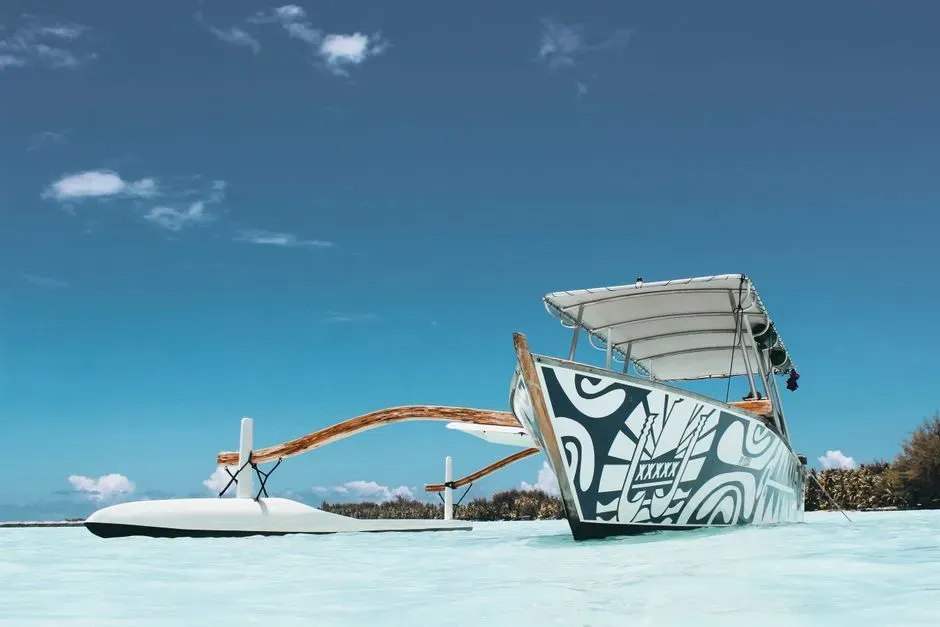
One of the most surprising lines of evidence for deep‑ocean travel comes from something as humble as a sweet potato. This crop is native to the Americas, yet it was firmly established across Polynesia centuries before Europeans showed up in the Pacific. Genetic studies of sweet potato varieties suggest they were introduced from South or Central America long before the age of European exploration, pointing to contact between Polynesians and Indigenous Americans rather than some random drift of seeds on ocean currents.
Even more compelling is the human DNA evidence: several studies of Indigenous groups in parts of South America and Polynesia show shared ancestry that fits a pre‑Columbian contact scenario. When you pair that with the insane navigational skills of Polynesian voyagers – who used stars, swells, birds, and clouds to cross vast stretches of ocean – it stops feeling far‑fetched. Personally, I find it almost inevitable that a culture capable of sailing from tiny island to tiny island over thousands of miles would eventually reach a bigger landmass and meet the people already living there.
2. The Lapita Expansion Across The Remote Pacific
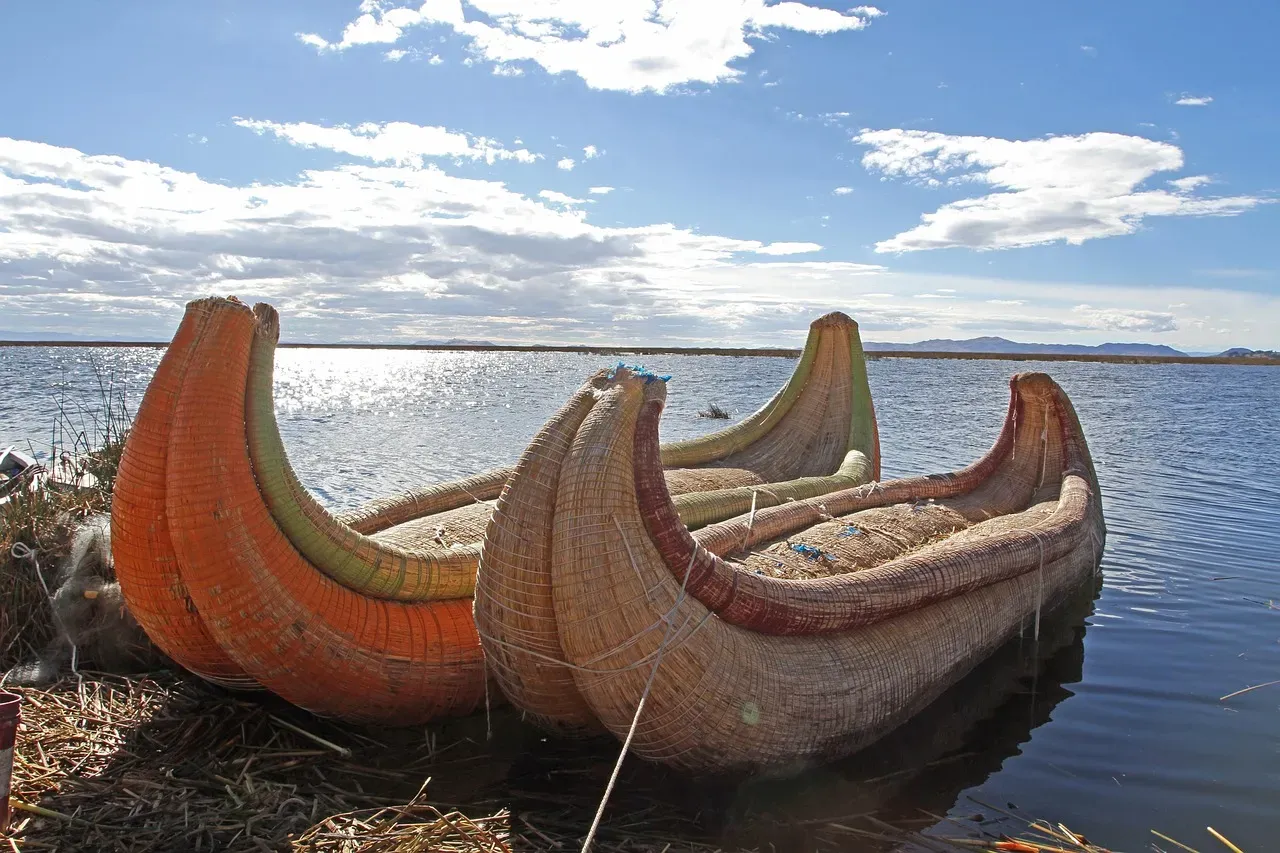
The Lapita people were like the long‑distance truckers of the ancient Pacific, except their trucks were canoes carved from trees and powered only by wind and paddles. Archaeologists trace their spread from Island Southeast Asia out to places like Fiji, Tonga, and Samoa starting more than three thousand years ago. Their distinctive pottery, decorated with intricate dentate patterns, shows up like a breadcrumb trail across islands separated by hundreds or thousands of kilometers of open ocean.
This was not random island hopping; it was a sustained maritime expansion into what is now called Remote Oceania, where islands are far apart and often invisible from one another. That means deliberate open‑sea voyages, not just hugging coastlines. As someone who gets nervous sailing out of sight of land even with a modern boat, the idea of doing this in a double‑hulled canoe with only the sky and waves as guides is honestly staggering. The Lapita record makes it clear: long before famous European explorers, people were already stitching together huge regions with daring sea journeys.
3. Norse Settlements In North America
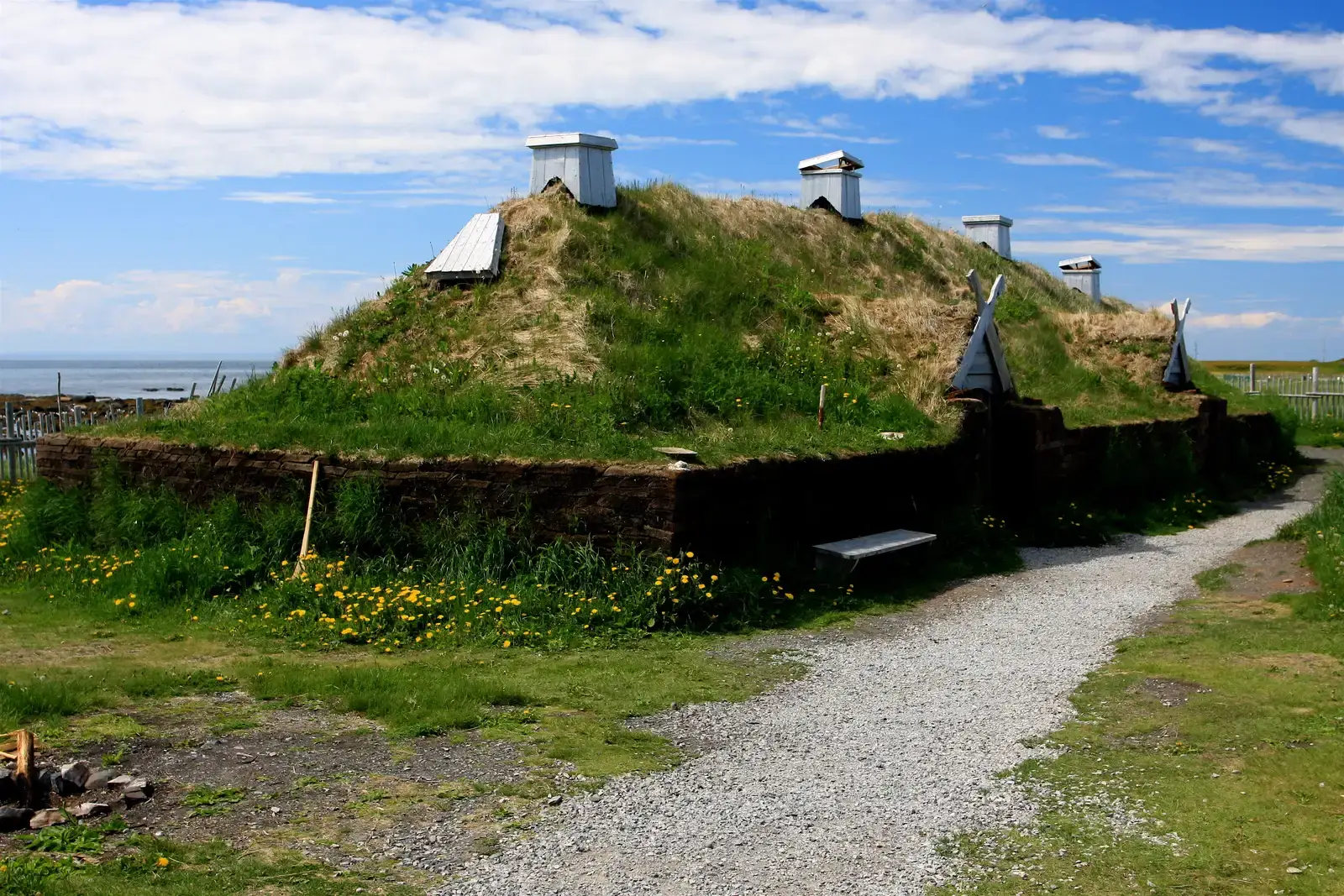
The image of Vikings in horned helmets is cartoonish, but Norse sailors really did push deep into the North Atlantic. For decades, sagas describing lands west of Greenland sounded more like folklore than fact. That changed when archaeologists uncovered Norse structures at L’Anse aux Meadows in Newfoundland, Canada. The site contains unmistakable remains of Norse buildings, ironworking, and artifacts dated to around a thousand years ago, long before Columbus sailed.
More recently, researchers have used techniques like tree‑ring analysis anchored by known solar storms to pin the occupation there to the early eleventh century. There are clues, though not yet fully proven, of additional Norse movements farther south along the coast. Even if that evidence stays debated, the confirmed settlement alone stretches the old story dramatically: Scandinavian farmers and sailors managed to cross from Europe to a continent they had never seen, using nothing more than wooden ships, sails, and an appetite for risk.
4. Roman And Indian Ocean Trade Reaching Farther Than Textbooks Admit
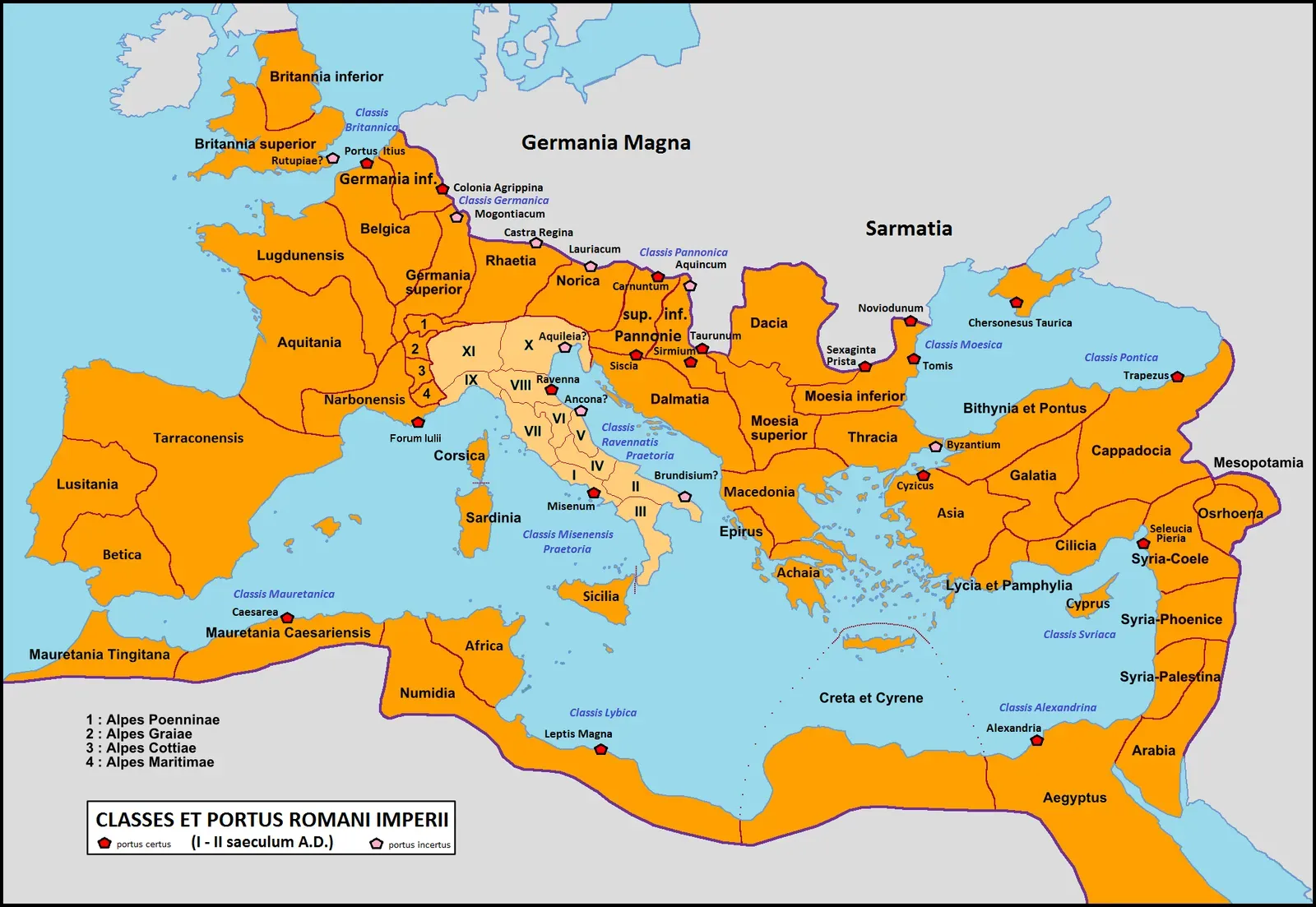
When we talk about global trade, people usually jump straight to the Silk Road or early modern shipping empires, but the Roman world was already plugged into surprisingly distant networks. Amphorae, coins, and Roman goods have turned up at sites along the coasts of India, Sri Lanka, and even farther east, while spices, gemstones, and exotic animals made the return trip into the Mediterranean. Ancient texts mention voyages along the Red Sea and Arabian Sea, but the archaeological finds often suggest more regular and extensive contact than dry written sources imply.
On the flip side, Indian and Arabian traders were not just passive recipients of Roman ships; they were active navigators who used monsoon winds to time long ocean crossings. The sheer number of Roman artifacts found in South Asia, along with locally made imitations, hints at a level of back‑and‑forth that would have required regular sailing seasons, shared knowledge of routes, and at least some understanding of distant markets. It makes our neat separation of ancient “civilizations” feel artificial, like drawing hard borders on what was, in reality, a messy and dynamic web of sea roads.
5. Bronze Age Trade In Tin, Amber, And Exotic Materials
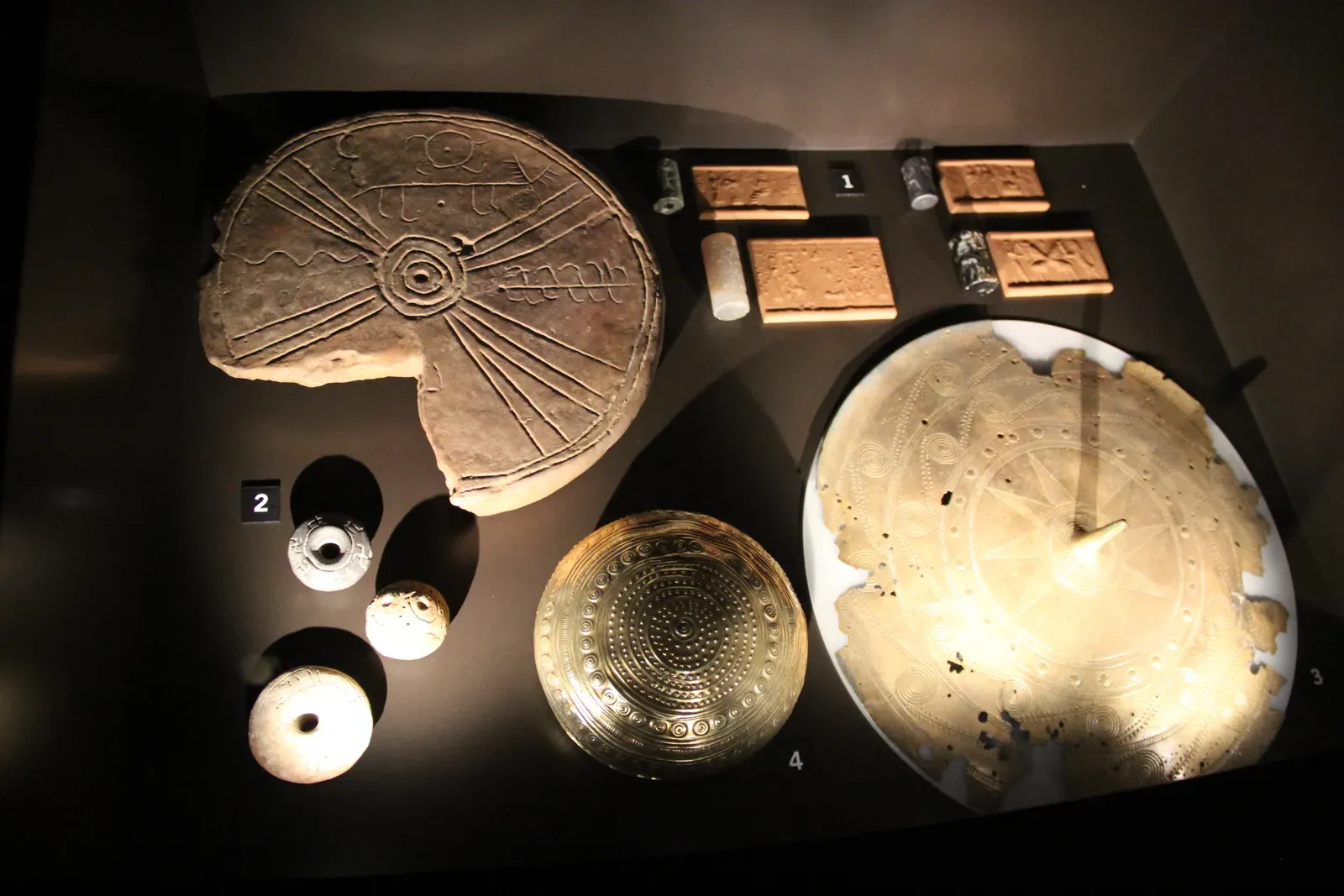
Long before Rome, the Bronze Age world was humming with trade in rare and valuable materials, most famously tin and copper for making bronze. Tin sources are relatively scarce, yet bronze objects show up from the Near East to Europe and beyond. Isotopic studies of metal sometimes link artifacts to ore sources thousands of kilometers away, suggesting not just one heroic journey but stable supply chains across regions. When you realize that a weapon buried in the eastern Mediterranean may contain tin from somewhere like Britain or Central Asia, the distances become hard to ignore.
Amber tells a similar story. Baltic amber has been found in Mycenaean and Egyptian contexts, while objects like shell, lapis lazuli, and other exotic stones traveled in the opposite directions. These flows are the fingerprints of merchants, sailors, and middlemen who navigated rivers, coastlines, and open waters to reach far‑off suppliers. To me, the Bronze Age feels less like a series of isolated kingdoms and more like an early version of a global supply chain, where someone in a coastal village knew that a metal from the edge of the known world could fetch a good price at a palace many seas away.
6. The Mystery Of Roman‑Era Artifacts Far Beyond The Empire
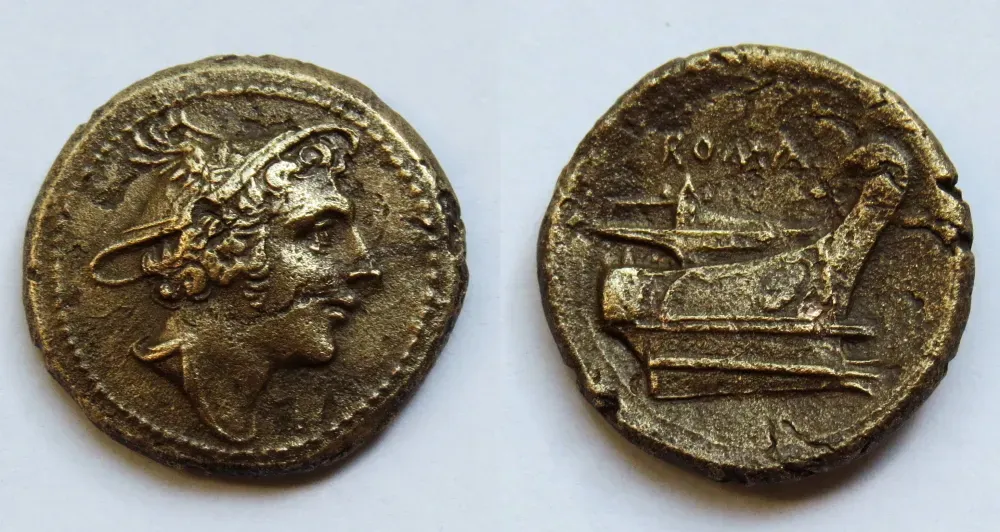
Every so often, a Roman coin or object pops up far outside the usual maps of imperial control – in places like East Asia or deep into northern lands – and the argument begins: trade route curiosity, later loss, or evidence of wide‑ranging travel? A handful of finds on ancient Indian and Southeast Asian sites are clearly tied to commerce, but others, especially the isolated coins found far inland or in unusual contexts, are harder to explain away. While some of these are surely later introductions, a portion likely reflects ancient movement by individuals traveling much farther than their peers.
It is important not to overstate this; a single coin does not prove a colony, and fringe claims about Romans in the Americas remain unsupported. Still, the overall pattern suggests that people from the Roman sphere – soldiers discharged from service, adventurous traders, enslaved individuals, or skilled craftsmen – occasionally slipped beyond the neat borders on our classroom maps. History tends to focus on emperors and legions, but these stray artifacts hint at private journeys into distant, sometimes hostile territories that official records never bothered to track.
7. The Silk Roads And Hidden Side Routes
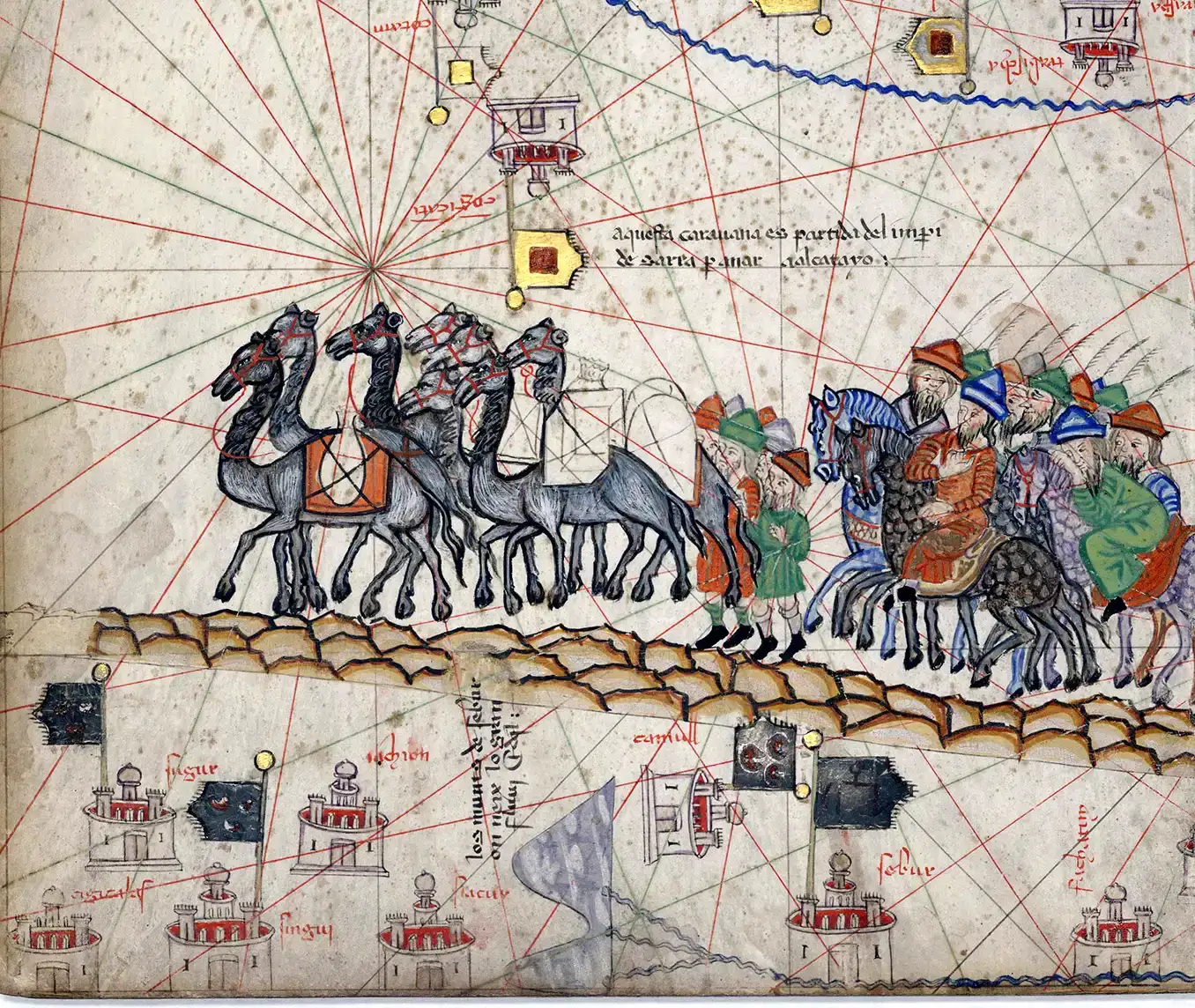
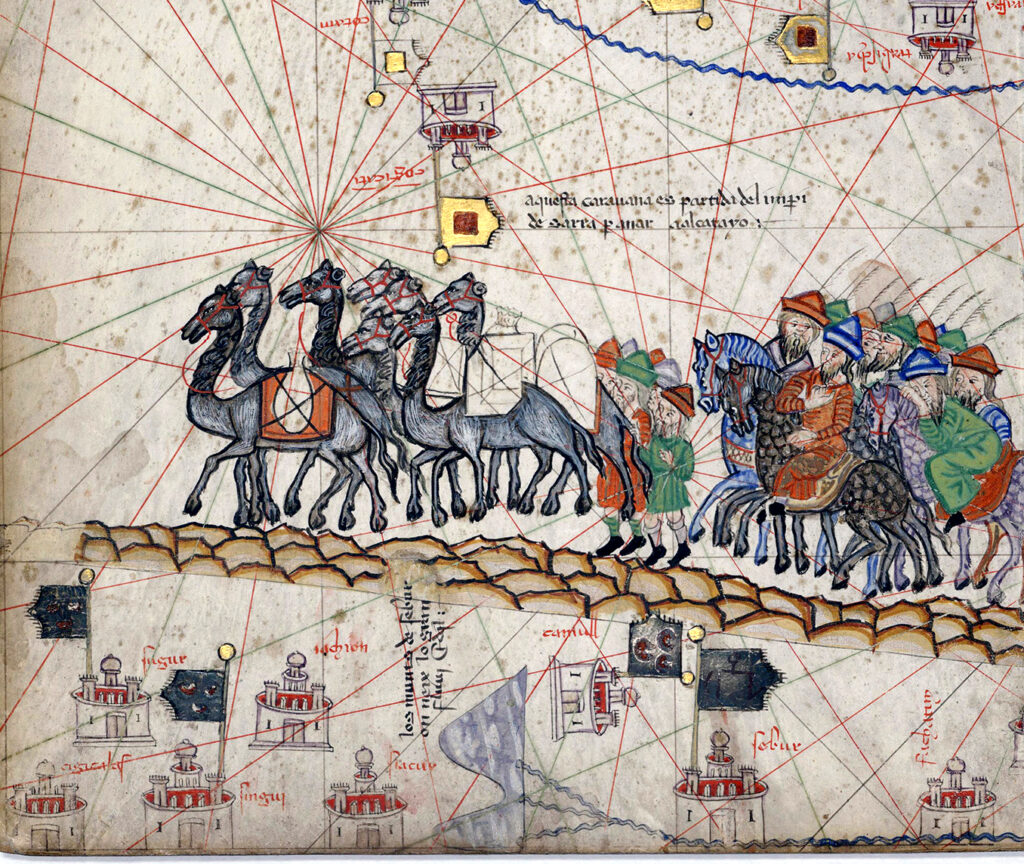
The Silk Roads are famous for caravans hauling silk between China and the Mediterranean, but what often gets lost is just how fragmented and improvisational those routes really were. Rather than a single grand highway, the system was a patchwork of overlapping paths: desert crossings, mountain passes, river stages, and sea legs that shifted with climate, politics, and opportunism. Along the way, there is mounting evidence of people and objects ending up far from where anyone would predict, including Central Asian products in coastal Southeast Asia and Chinese goods in remote steppe graves.
These out‑of‑place finds reveal that merchants, pilgrims, and migrants routinely took detours, side routes, and local shortcuts that never made it into polished chronicles. It is a bit like modern travel: official flight routes tell one story, but if you follow backpacks, shipping containers, and side hustles, you get a completely different map. The Silk Roads remind us that ancient travelers did not just move east‑west between empires; they wandered, settled in odd corners, and connected surprising places that make our modern labels like “East” and “West” feel clumsy.
8. Long‑Distance Contacts In Pre‑Columbian North America
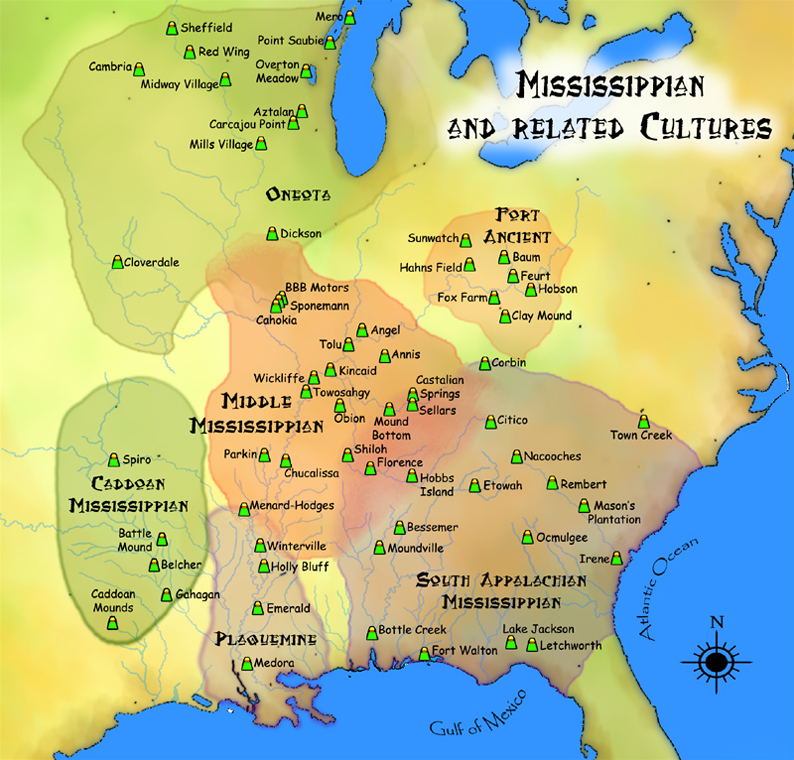
Within the Americas themselves, long‑distance travel is often underestimated, especially north of Mesoamerica. Yet archaeological evidence shows trade networks stretching from the Great Lakes to the Gulf of Mexico and from the Southwest deep into the Plains. Copper from the upper Great Lakes, shells from coastal regions, obsidian from distant volcanic sources, and even exotic bird feathers traveled through networks that linked societies with very different languages and lifeways. Some routes were overland, but river systems also functioned as natural highways for canoes and rafts.
Mississippian cities like Cahokia appear to have been hubs for such exchanges, with materials from far‑flung regions converging at large ceremonial centers. To me, this completely undermines the old idea that Indigenous North American societies were mostly local and static until Europeans arrived. Instead, the continent looks like a patchwork of overlapping spheres of influence, where people routinely moved goods – and probably stories, songs, and ideas – over distances that would make many of us today groan at the thought of the commute.
9. Ancient Seafaring In The Indian Ocean And Beyond
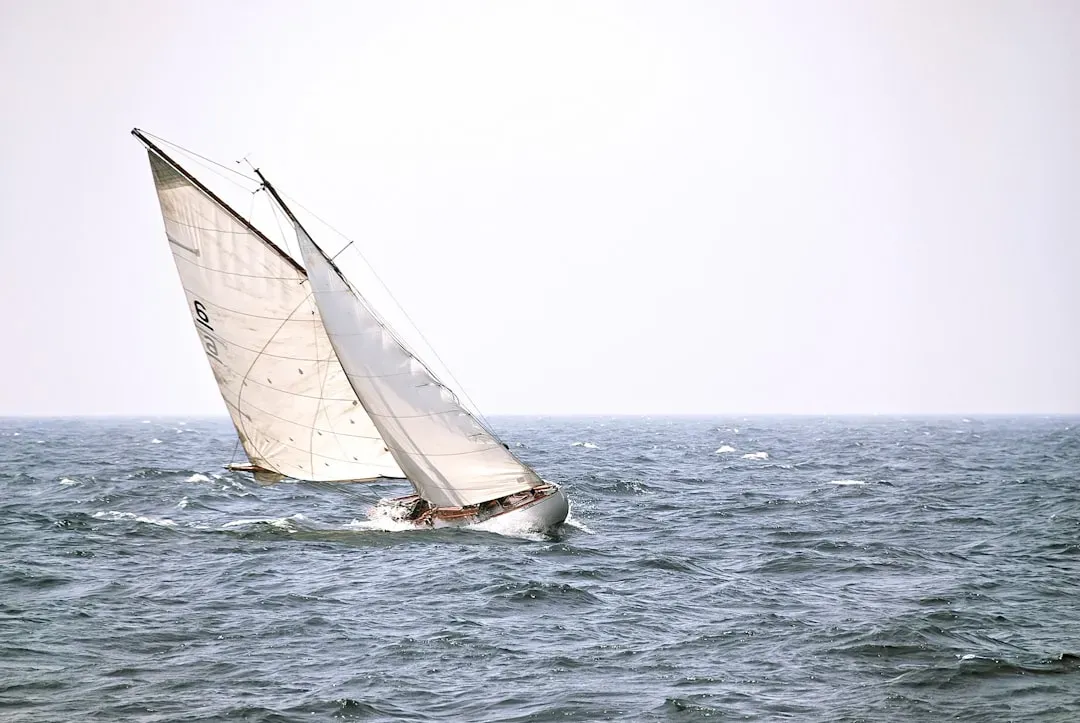
The Indian Ocean has been called the first true “global sea,” and for good reason: by antiquity, sailors from East Africa, Arabia, India, and Southeast Asia were already using seasonal monsoon winds to crisscross its waters. Archaeological finds of African goods in India, Southeast Asian products in the Persian Gulf, and Indian items in East Africa suggest a complex, multi‑directional web of movement. These were not timid coastal hops; some routes required open‑ocean crossings timed precisely to wind patterns that reversed each year.
What fascinates me is how much of this history remains half‑hidden, scattered across shipwrecks, coastal settlements, and genetic clues in island populations. The pattern is clear enough, though: people with carved wooden hulls, basic sails, and sharp observational skills were effectively operating an ancient version of an oceanic shipping network. When we see cultural influences and materials from this region extending into places like Madagascar and possibly even beyond, it becomes very hard to cling to the comforting myth that serious long‑distance travel only began with European exploration.
Conclusion: Rethinking Who Really Owned The Age Of Exploration
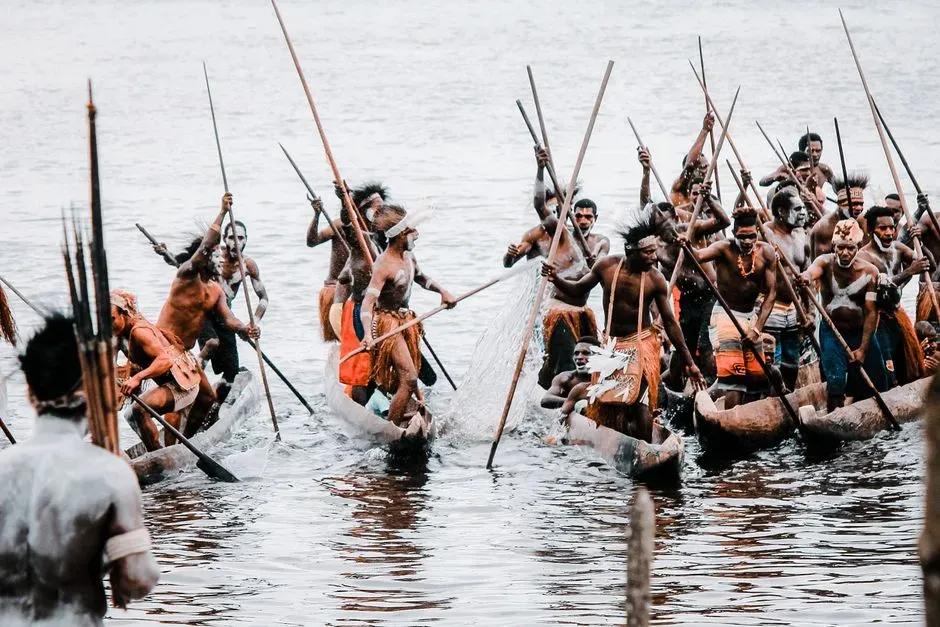
When you stack these discoveries side by side, a bigger, more unsettling picture emerges: the so‑called Age of Exploration did not start with a handful of European captains; it was just the moment when one group’s journeys began to be documented, celebrated, and weaponized on a global scale. Long before that, Polynesian navigators, Bronze Age traders, Norse sailors, Indian Ocean mariners, and Indigenous American merchants were already pushing the boundaries of their known worlds. The evidence does not support every wild theory, but it overwhelmingly points toward a human species that has always been more restless, more curious, and more mobile than the safe textbook story suggests.
Personally, I think we have been far too generous to the idea that ancient people mostly stayed put, and far too cautious about crediting them with ambitious travel. The more data we gather – from genetics to shipwrecks – the more that caution looks like bias rather than realism. Our ancestors did not wait for compasses, caravels, or satellite images to start exploring; they got in boats, followed rivers, watched the sky, and took terrifying risks in search of resources, trade, or just a better life. Maybe the real question is not whether they traveled farther than we believed, but why it took us so long to believe they could. If you had lived then, would you have stayed home, or would you have stepped into the boat?