
We were raised on a cartoon version of history: torches, chariots, and people who thought the sky was a ceiling. So here’s the part that should sting a little – a lot of that picture is just wrong, and historians know it. Every few years another shipwreck, skull, or lab test forces academics to quietly admit, “okay, they had that way earlier than we told you.”
This isn’t a list of ancient-aliens nonsense. It’s the boring, peer-reviewed, embarrassingly well-documented version of ancient innovation – and it’s stranger than the myths. By the time you hit #1, you’ll understand why some historians now compare parts of the ancient world to a functioning, coordinated machine.
14. A Bronze “Computer” Built to Predict Eclipses
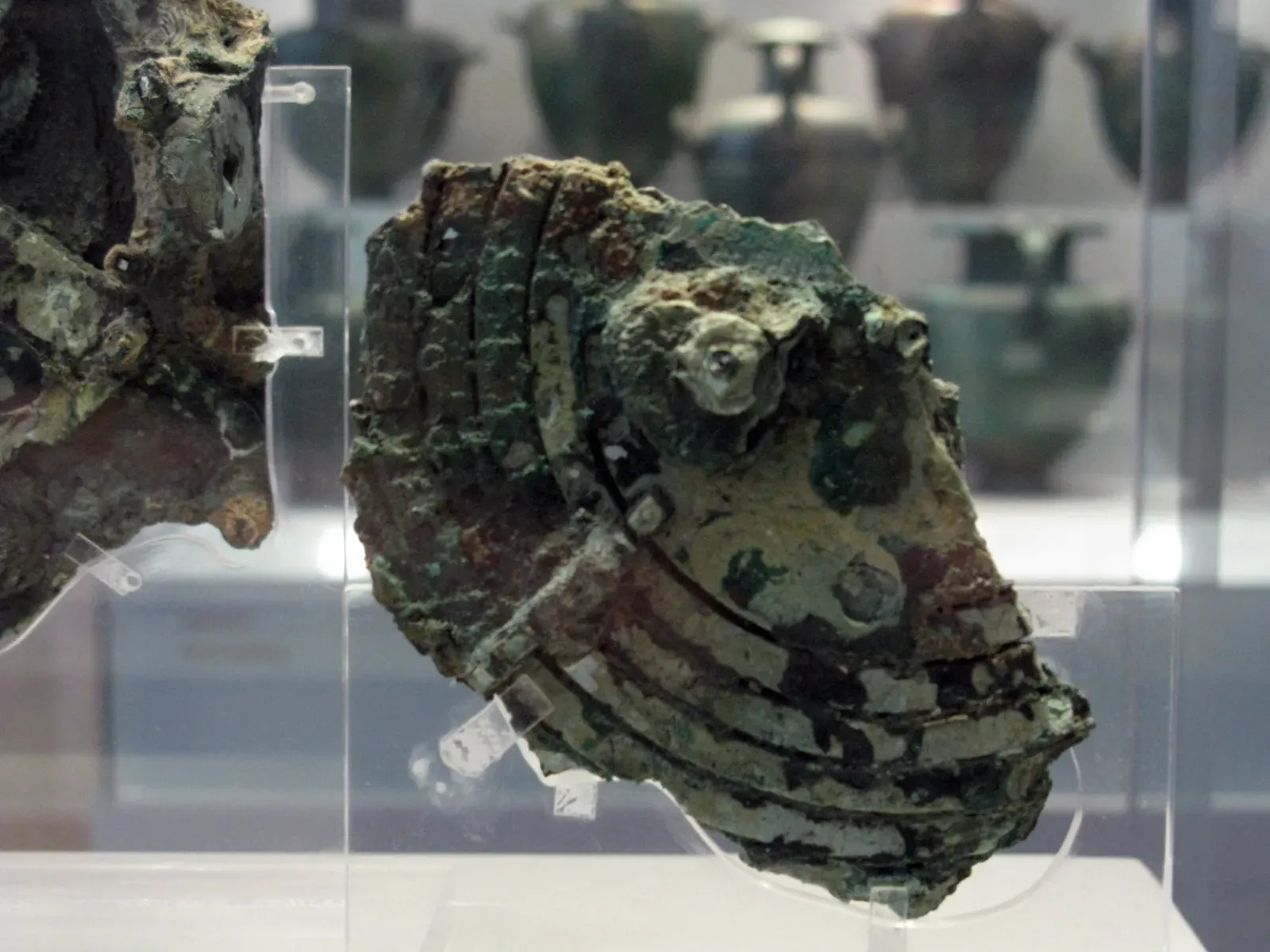
Historians laughed off the idea that the Greeks had anything resembling a computer – until the Antikythera mechanism came up from a shipwreck floor. X-ray imaging later revealed over 30 precision bronze gears inside it, some with teeth barely a millimeter wide, cut with a regularity that shouldn’t have been possible with hand tools. This wasn’t a toy. It modeled eclipses, planetary cycles, and the motion of the sun and moon, all through interlocking metal ratios.
The unsettling part isn’t the device itself – it’s the silence around it. Nothing this mechanically sophisticated shows up again for roughly a thousand years, which means either one genius built a miracle in isolation, or we’re looking at the last surviving piece of a much bigger tradition that simply didn’t survive time, war, and neglect. Most classicists now lean toward the second option.
Any sufficiently advanced technology is indistinguishable from magic.
Arthur C. Clarke
13. Jars That Accidentally Ran Electrical Experiments
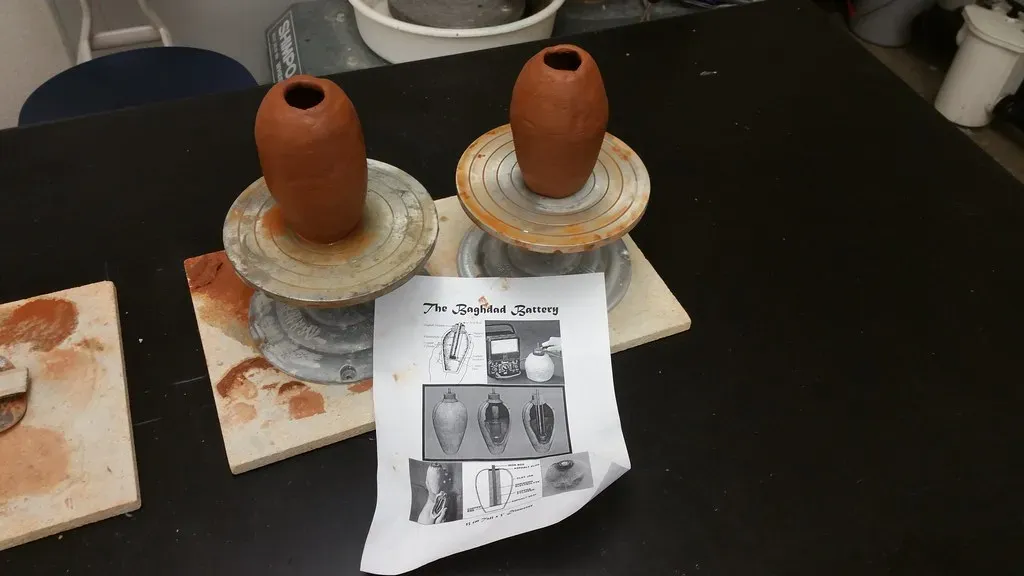
You’ve probably heard of the “Baghdad Battery” and assumed it was internet fringe theory. Here’s the awkward twist: many historians now accept that ancient artisans stumbled into real electrochemistry, even if nobody was charging a phone with it. The terracotta jars from the Parthian and Sasanian periods – a copper cylinder, an iron rod, a ceramic shell – form a basic galvanic cell the moment you fill them with something acidic, like vinegar.
Lab reconstructions confirm it: fill the jar, and you get a small but very real, measurable voltage. Scholars still argue about the point of it – electroplating metal, some ritual jolt, an early medical stimulation trick – but the theory that it was “definitely nothing” has quietly lost ground. Nobody’s claiming ancient Wi-Fi. They just weren’t only making pottery; some of it was, functionally, a battery.
Fast Facts
- Unearthed in 1936 near Khujut Rabu, just outside Baghdad
- Dated to roughly 250 BCE-650 CE, spanning the Parthian and Sasanian eras
- A single jar sealed with copper, iron, and bitumen produces about 0.5 to 2 volts when filled with an acidic liquid
- Wire several jars together and the output can climb into the 4-10 volt range
12. Brain Surgery Patients Who Actually Survived

Brain surgery feels like a strictly modern flex, until you look at excavated skulls from Europe, Africa, and the Americas showing careful, deliberate trepanation – sections of skull removed with real precision. The detail that changes everything is the bone regrowth around many of these holes, which means the patient didn’t die on the table. They lived for months, sometimes years, afterward.
Written sources back up the skill involved. Hippocratic texts describe exactly how to avoid damaging the brain’s membrane during the cut, and the Indian surgeon Sushruta documented cataract operations using a needle-like tool to displace the clouded lens. None of this was flawless, and plenty of patients didn’t make it. But the idea that ancient healers only chanted over wounds falls apart next to their metal scalpels, bone drills, sutures, and herbal antiseptics.
11. Water-Powered Machines With Programmable Sequences
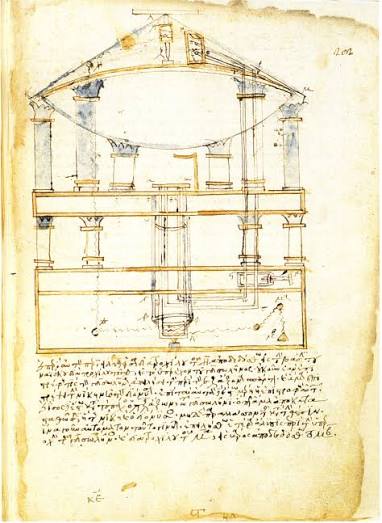
“Automation” sounds like a 19th-century factory word, but Hellenistic engineers were already building programmable devices powered by water pressure and counterweights centuries earlier. Hero of Alexandria described temple doors that swung open on their own when fire heated air and shifted water levels, coin-operated holy-water dispensers, and small theatrical machines where figures acted out entire scenes in a fixed sequence.
The real giveaway is the rotating drums fitted with pegs or cams – rearrange them, and you change the sequence of movements. That’s a primitive version of programmable logic, built in brass and wood instead of code. Historians used to treat Hero as a quirky hobbyist. Now his writings look like documentation for a real, working tradition of applied pneumatics and hydraulics.
10. Roman Concrete That Heals Its Own Cracks

Roman concrete became a meme before it became a serious research subject, but materials scientists are now obsessed with it for good reason. Certain Roman harbor walls and domes have survived nearly 1,900 years of waves, earthquakes, and weather, while plenty of modern concrete starts crumbling within a hundred. The secret is a lime-and-volcanic-ash mix that actually self-heals tiny cracks as seawater reacts with its minerals and grows new crystals inside them.
This wasn’t a happy accident repeated blindly for centuries. Roman engineering texts talk specifically about choosing the right sands and ash, adjusting ratios, and curing properly before use. The Pantheon’s unreinforced concrete dome, still standing through countless tremors, is the proof that closes the argument. Nobody’s building skyscrapers out of it – but in marine structures specifically, it still quietly outperforms a lot of what we pour today.
Quick Compare
- Roman marine concrete: lime and volcanic ash, reacts with seawater to grow new mineral crystals and seal cracks over time
- Modern reinforced concrete: Portland cement around steel rebar, which corrodes and cracks the surrounding material from the inside
- Roman lifespan: harbor structures still intact after roughly 1,900 years
- Typical modern lifespan: many structures need major repair or replacement within 50 to 100 years
9. Gold Bridgework and a Wooden Toe People Actually Wore
Picture ancient teeth and you probably imagine rot and gaps. The reality includes gold wire bridges holding replacement teeth in place in Etruscan skulls, detailed dental work across the ancient Near East, and drilled teeth with inlays in Central America. Wear patterns on some of these show years of actual chewing, not a one-time burial decoration – which means someone kept coming back for maintenance.
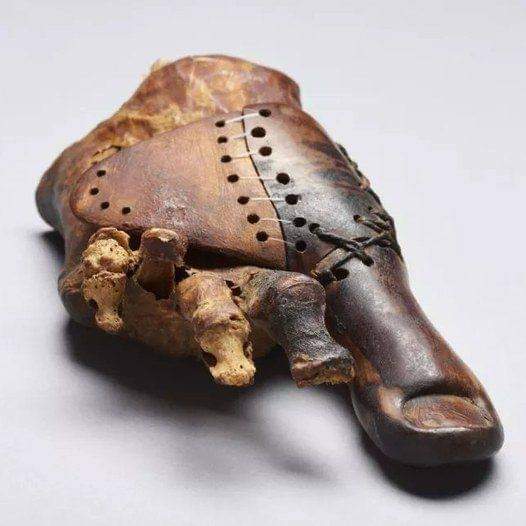
Prosthetics tell the same story from a different angle. A well-documented Egyptian mummy wore a carved wooden big toe attached with leather straps, shaped specifically to fit inside a sandal, and its wear marks suggest it was used in life, not staged for death. Roman sources even mention iron and wooden prosthetic limbs issued to soldiers. None of it rivals a modern titanium implant, but “ancient medicine stopped at bandages” simply doesn’t survive contact with the evidence.
8. Sewer Systems That Some Modern Cities Still Can’t Match
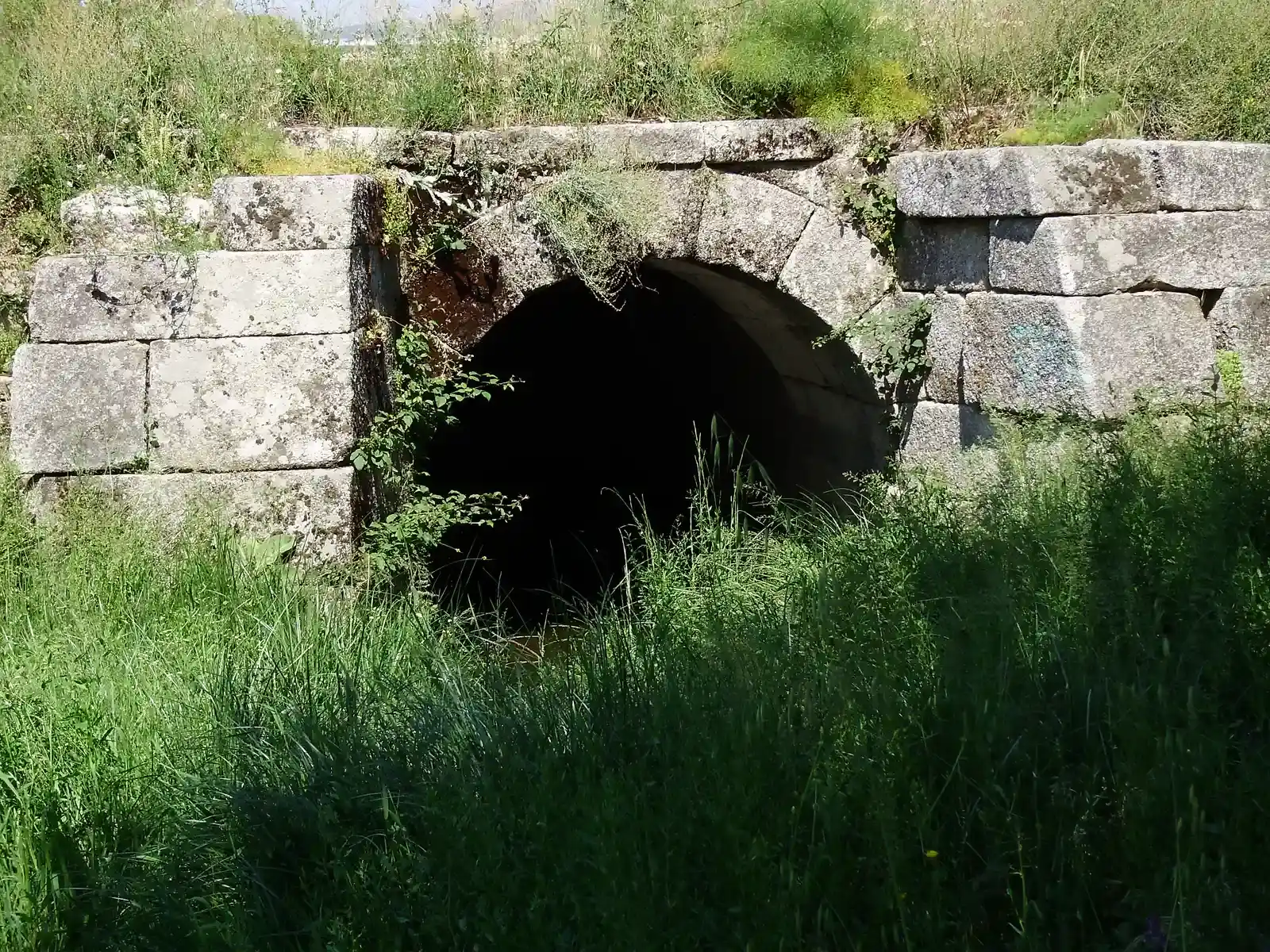
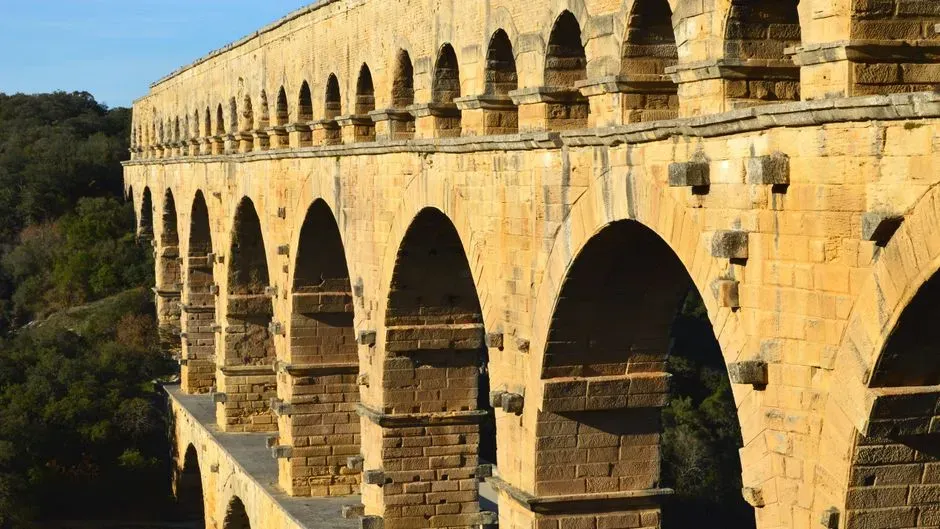
We treat “infrastructure” like a 20th-century word, but ancient states were already running water and waste systems that would embarrass a few modern towns. Roman aqueducts moved water over tens of miles using gradients so slight you’d never notice them by eye, lined with a lime-based waterproof plaster to cut down on leaks. Under cities like Rome, Carthage, and Alexandria sat sewer networks tall enough to walk through.
Even earlier, in the Bronze Age Indus Valley, individual houses were already connected to neighborhood drains and covered street channels – a level of planning that predates Rome by centuries. This wasn’t people digging random holes and hoping for the best. It was engineered public health, built on purpose, and historians now talk about ancient urban sanitation as a real technological achievement instead of a punchline.
7. Eratosthenes Measured the Earth With a Stick and Shadows

The “ancient people thought the Earth was flat” line refuses to die, but among educated Hellenistic thinkers it’s flatly false. Around the 3rd century BCE, Eratosthenes compared shadow angles at different latitudes, ran the geometry, and estimated Earth’s circumference so accurately that some reconstructions put him within a few percent of the true number – using sticks, shadows, and math, not satellites.
Later geographers like Ptolemy built atlases with latitude and longitude grids, trying to map the known world mathematically, distortions and all. Meanwhile, Pacific and Indian Ocean navigators were reading star paths, swell patterns, and wind systems as their own form of hard data. Not every farmer understood any of this, obviously. But claiming the ancient world lacked serious geographic science just doesn’t hold up anymore.
6. Steel So Good It Became a Legendary Export
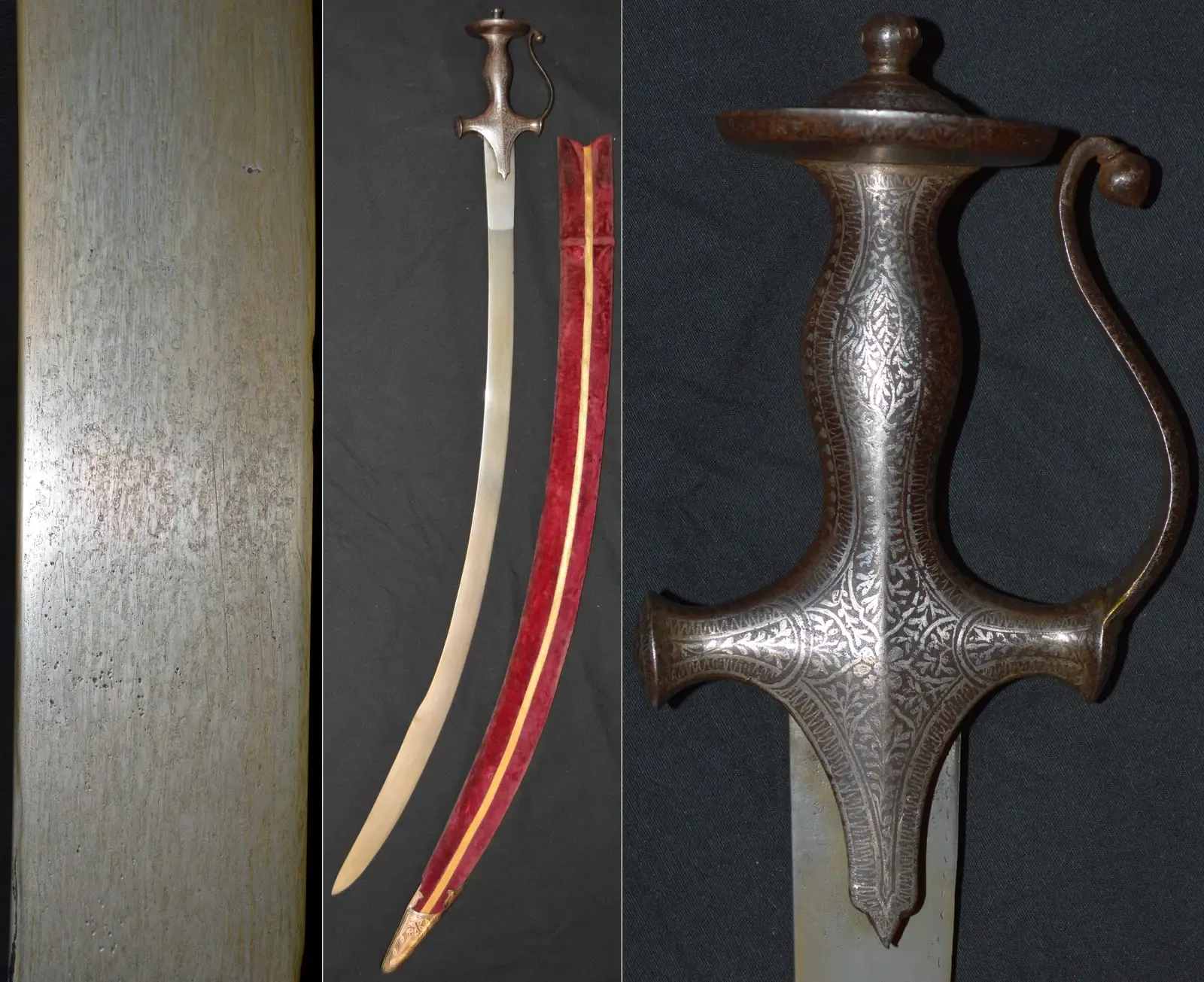
High-quality steel feels like a medieval-or-later achievement, but ancient smelters had already worked their way into remarkably pure, hard steel through generations of trial, error, and sharp observation. Archaeometallurgists have pulled carbon-rich steel from Iron Age Anatolia, the Indian subcontinent, and parts of Africa – and the famous “wootz” steel from southern India was exported for centuries specifically because of its toughness and distinctive banded pattern.
Microscopic analysis of surviving blades shows controlled carbon content, repeated forging, and deliberate thermal cycling – real heat treatment, even without the modern vocabulary for it. Smithing traditions leaned on color, sound, and spark patterns to judge temperature and composition, which is empirical materials science by any honest definition. It wasn’t universal across every culture, but where it existed, it was genuinely cutting-edge for its time.
Worth Knowing
- Wootz steel traces back to India and Sri Lanka by roughly the mid-1st millennium BCE, then spread across Asia, the Middle East, and Europe
- Exported wootz ingots were forged into the legendary Damascus blades prized for their sharpness and wavy banded pattern
- A 2006 study published in Nature found carbon nanotubes and cementite nanowires inside a 17th-century Damascus sabre – real nanotechnology, centuries before the word existed
- The carbon content ran as high as 1.5 to 2 percent, normally a recipe for brittle steel, yet the nanostructure gave the blades both hardness and flexibility
- The original production technique was lost by the 18th century and stayed a mystery for over 200 years
5. Ancient Beer Drinkers Who Were Accidentally Taking Antibiotics

Penicillin’s 1928 discovery gets all the credit, but it wasn’t humanity’s first time turning microbes against microbes. Chemical analysis of ancient Nubian bones suggests people there regularly ingested tetracycline-like compounds, likely from grain contaminated with antibiotic-producing bacteria in their beer or bread. They had no idea what bacteria were – they just noticed something worked.
Texts from Egypt, Mesopotamia, India, and China list hundreds of plant-based remedies that modern pharmacology has since confirmed carry real anti-inflammatory, antimicrobial, or pain-relieving effects. There was no germ theory behind any of it, and plenty of remedies were useless or worse. But ancient healers tracked which poultices stopped wounds from festering and which barks killed pain, then passed that knowledge down for centuries – and modern drug discovery has spent decades simply isolating what they already knew worked.
4. Knotted Strings That Ran an Empire’s Numbers
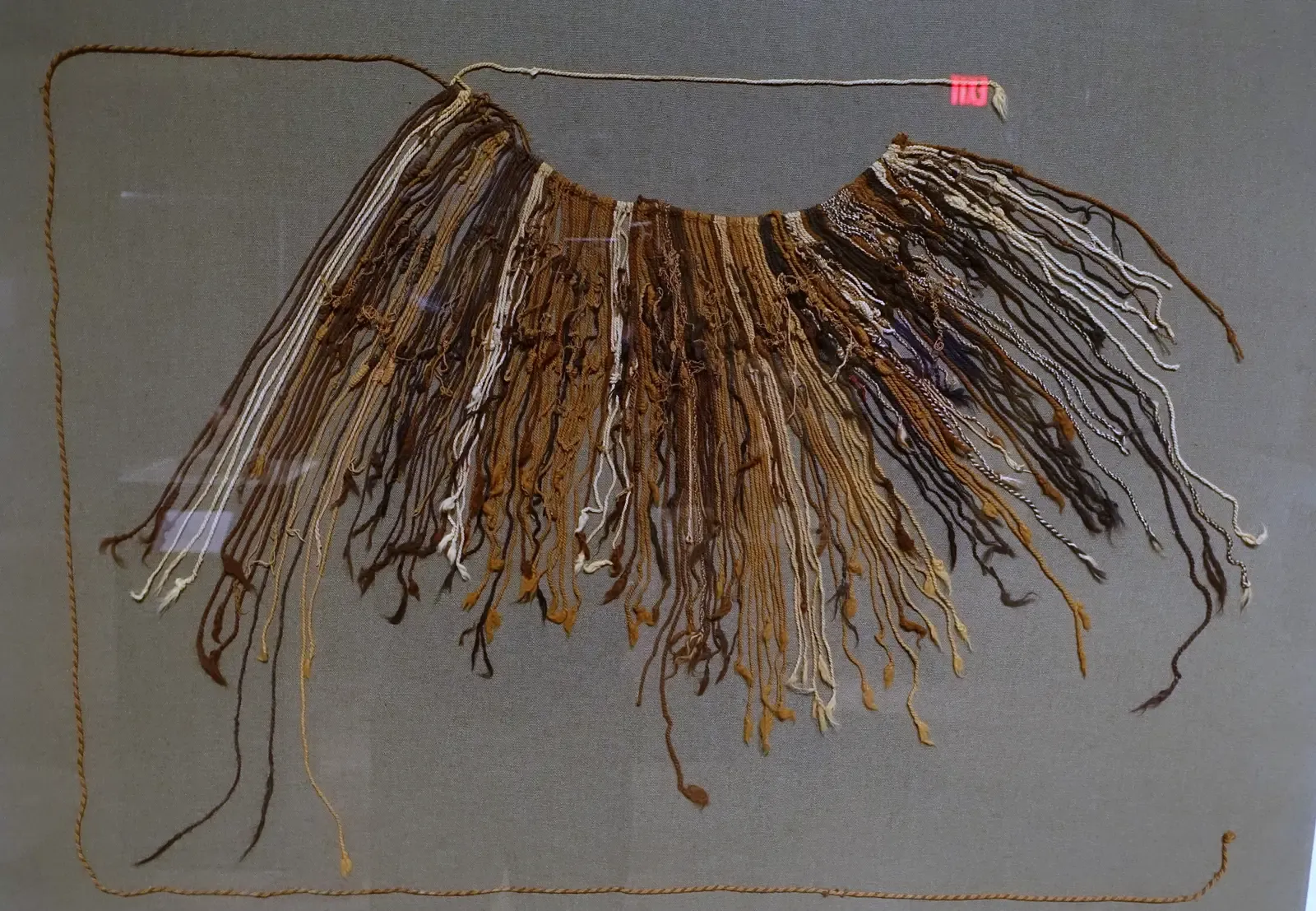
It sounds unglamorous, but the ability to track people, goods, land, and debts might be one of the most powerful technologies any society can build – and ancient states nailed it early. Mesopotamian clay tablets recorded rations, deliveries, and contracts in standardized formats, essentially templates, with thousands of near-identical tablets showing a real obsession with consistency and archiving.
In Egypt, temple and palace records tracked harvests, labor crews, and taxes. The Inca ran an entire empire’s numerical data through quipu – bundles of knotted cords – relayed along their road network, with no paper or printing press involved. Strip away the romance and it’s exactly what modern databases do: maintain structured, retrievable records. Clay and string turned out to be low-tech hardware running surprisingly high-tech information design.
3. Stone Joints So Tight a Knife Blade Won’t Fit

This is the topic that fuels every “aliens built it” theory online, and the real answer is almost as wild as the myth. Builders in Egypt, Greece, pre-Columbian Peru, and elsewhere achieved sub-millimeter joins between multi-ton stone blocks using copper or bronze tools, hard stone abrasives, sand, and enormous amounts of time. Some surfaces fit so closely that a knife blade still won’t slide between them after centuries of earthquakes.
The methods were patient rather than mystical: rubbing surfaces together with abrasive until they self-fit, and using levers and counterweights to nudge multi-ton blocks into position by fractions of an inch. You don’t need aliens – you need a massive labor force and generations of accumulated stone-working knowledge. What’s actually humbling is that modern crews can’t easily replicate this economically, not technically. With enough money, we could do it tomorrow; they did it as routine statecraft.
At a Glance
- Giza, Egypt: multi-ton limestone and granite blocks set with famously tight, near-seamless joints
- Sacsayhuamán, Peru: massive polygonal stone walls fitted together with no mortar at all
- Puma Punku, Bolivia: precisely cut H-blocks with matching, repeatable angles
- Common thread: earthquake-resistant fits achieved with copper tools, abrasive sand, and generations of patience
2. Stonehenge Was an Observatory, Not a Curiosity

Most people know Stonehenge as a mystical tourist stop, but historians now read it – and sites across Mesoamerica – as something far more deliberate: an observatory. Its alignments with solstices, equinoxes, and lunar standstills show sky-watchers tracking celestial cycles across generations, encoded directly into architecture. This wasn’t casual stargazing; it was recorded, repeatable measurement.
Mayan, Babylonian, and Chinese records go even further, logging eclipses, comets, supernovae, and planetary motion over centuries. Babylonian astronomer-priests developed arithmetical methods to predict planetary positions – early mathematical modeling, essentially – and those datasets are reliable enough that modern astrophysicists still use them to reconstruct ancient solar activity. Behind the astrology headlines was a genuinely rigorous, empirical science of the sky.
1. A Global Trade Network Running Before “Globalization” Was a Word

We like to act like globalization started in the 1990s, but by the late Bronze Age – and again in the classical era – the ancient world was already wired into continental-scale trade webs. Roman women wore Indian textiles, Chinese silk moved through Central Asian caravans into Mediterranean markets, and African ivory turned up in Near Eastern palaces. Isotopic analysis of metals, glass, and ceramics confirms raw materials and finished goods traveling thousands of miles.
What makes this a real technology, not just “people traded stuff,” is the infrastructure holding it together: standardized weights, measures, and coinage; contract law and credit instruments; and road systems, way stations, and maritime routes built specifically to keep goods moving. This was a coordinated economic machine moving grain, wine, oil, metal, and luxury goods across oceans and deserts on purpose. When historians casually mention an ancient “world system,” they’re not being poetic – they’re describing something whose collapse reshaped entire civilizations.
The Uncomfortable Truth
Here’s my honest take after going through all fourteen of these: the “primitive ancient world” story isn’t a harmless simplification, it’s a lazy one. These weren’t lucky accidents scattered across history – they were sustained traditions of observation, iteration, and engineering that solved the same problems we still obsess over: health, data, energy, infrastructure, and trade.
Human intelligence hasn’t upgraded much in five thousand years. What changed is the toolset, and honestly, not always by as much as we’d like to believe. The more evidence comes out of the ground, the blurrier the line between “ancient” and “advanced” gets – and that should make us a little more humble about mocking the past, and a little less smug about assuming our own century has it all figured out.
So here’s the real question worth sitting with: which one of these fourteen do you think we’re still underestimating the most?