
You probably grew up with the idea that early Earth was a hellish lava ball for a very long time, with no solid ground and certainly no oceans. Now, that picture is being quietly ripped up. Tiny, almost invisible crystals dug out of ancient rocks are telling you a different story: continents and maybe even oceans may have been around astonishingly early, when Earth was still very young. If that sounds like a technical detail only geologists would care about, it is not. When you move the birth of continents hundreds of millions of years earlier, you change when your planet could cool, when water could gather, and when life might realistically get going. You are not just tweaking a date on a timeline; you are rewriting the opening chapter of Earth’s biography.
You Live on a Planet That Grew Up Shockingly Fast
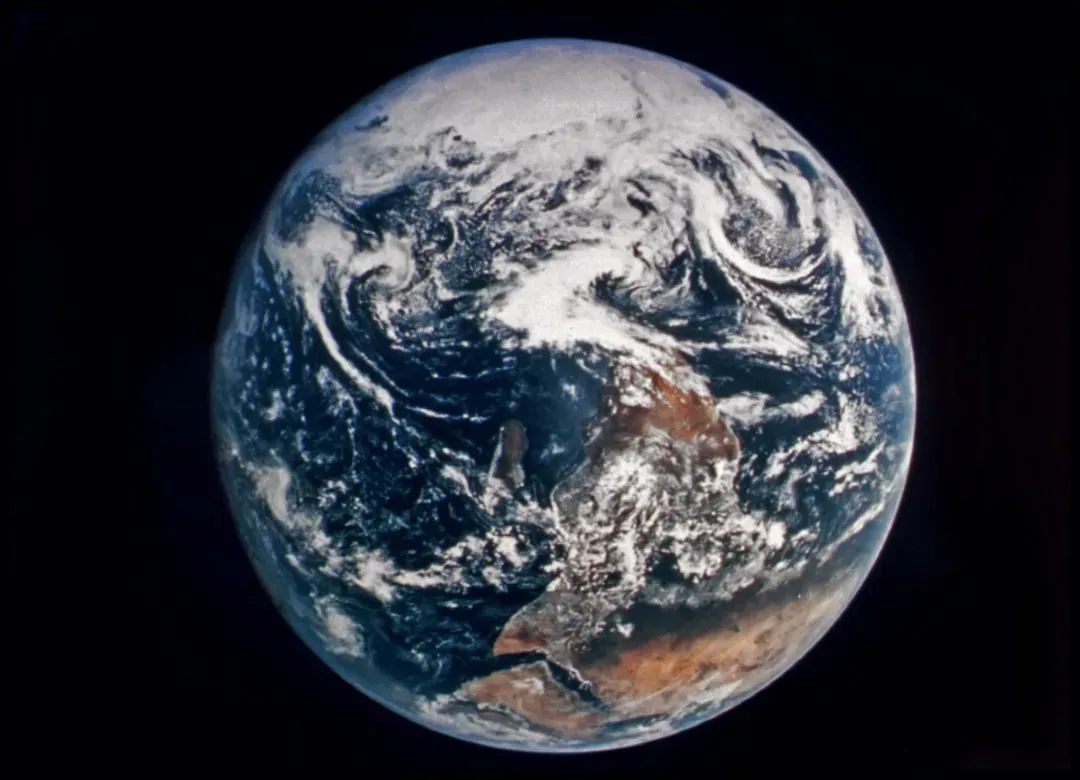
You might picture Earth’s first few hundred million years as one long, molten nightmare, with asteroid impacts constantly resetting the clock. For decades that is how textbooks framed it: oceans of magma, no real crust, certainly no stable continents you could stand on without melting your shoes. In that version of history, solid continents only emerge much later, once the chaos finally dies down. What new evidence is nudging you to accept is that this cooling, stabilizing, and crust-building happened far faster than you were taught. When researchers date tiny minerals called zircon from Western Australia, they keep landing on ages around four point four billion years, which means continental-type crust may have existed only about one to two hundred million years after Earth formed. In geologic terms, that is almost like your planet going from newborn to walking toddler in a matter of weeks.
How Ancient Zircon Crystals Became Your Time Machine
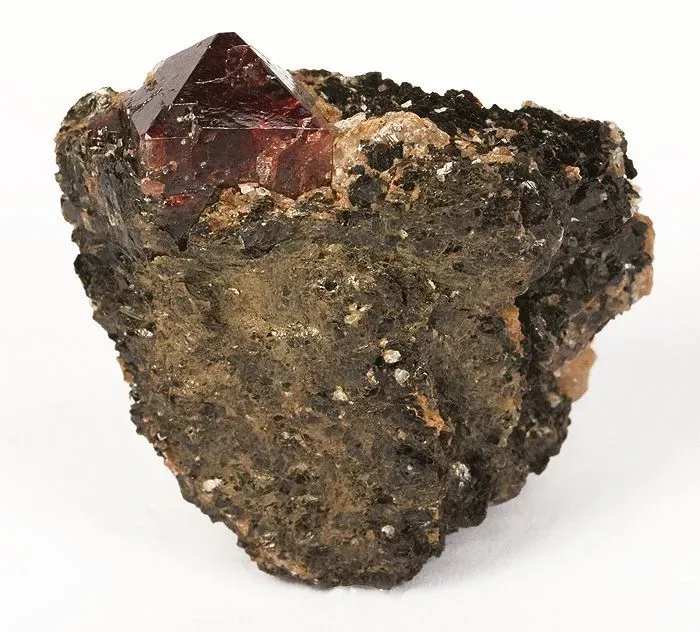
If you want to see back into the earliest Earth, you are stuck with a frustrating problem: almost all of the original rocks are gone. Tectonic recycling, erosion, and billions of years of reshaping have erased nearly everything. What survives are tiny, stubborn holdouts. Zircon crystals are some of those survivors, incredibly tough minerals that hang on even after the rocks around them are destroyed. When scientists pluck these zircons out of rocks in regions like the Jack Hills of Western Australia, they can use radioactive elements inside them, especially uranium and lead, to date when each crystal formed. You can imagine each zircon as a microscopic time capsule, quietly counting down billions of years while continents collide, mountains rise and fall, and oceans appear and disappear above it. When those clocks point back to over four billion years, they tell you that continental-type material was already forming long before you once thought it was possible.
What It Really Means to Say “Continents Formed Earlier”
When you hear that continents formed “hundreds of millions of years earlier,” it might sound like splitting hairs. After all, what difference does it make whether a continent pops up at four point four billion years or three point eight? But in planetary evolution, a few hundred million years is the difference between a world that is still settling into itself and one that already offers stable surfaces, weathering, and maybe even habitats. Those old zircons do more than give you an age; their chemistry hints at how the crust they grew in behaved. Some show signs that the magmas they crystallized from interacted with water-altered rocks at the surface, which implies something you would recognize as continental crust and liquid water existed very early. Instead of Earth cooling slowly and reluctantly, you are looking at a planet that may have pulled together a solid crust and proto-continents in the first fifth of its history.
Early Continents Probably Meant Early Oceans Too
You cannot easily separate the story of continents from the story of oceans. When rocks are altered by liquid water, they keep that chemical fingerprint, and zircons carry it forward in time for you to read. Several of the oldest grains show just such signatures, suggesting their parent rocks interacted with surface water before melting and crystallizing again. In plain terms, that means rain, rivers, or oceans may have been reshaping the crust at a time you previously imagined only lava seas. If continents and oceans were already dancing together this early, then the surface of your planet could have been surprisingly familiar in some respects: solid land, standing water, weather, erosion. It would not have looked comfortable to you, but it also would not have been a permanent lava lake under a choked, poisonous sky. That kind of environment opens a window for chemistry to get complicated, for organic molecules to accumulate, and for the first whispers of life to appear far sooner than you might have guessed.
The Tectonic Puzzle: Was Plate Motion Already Underway?
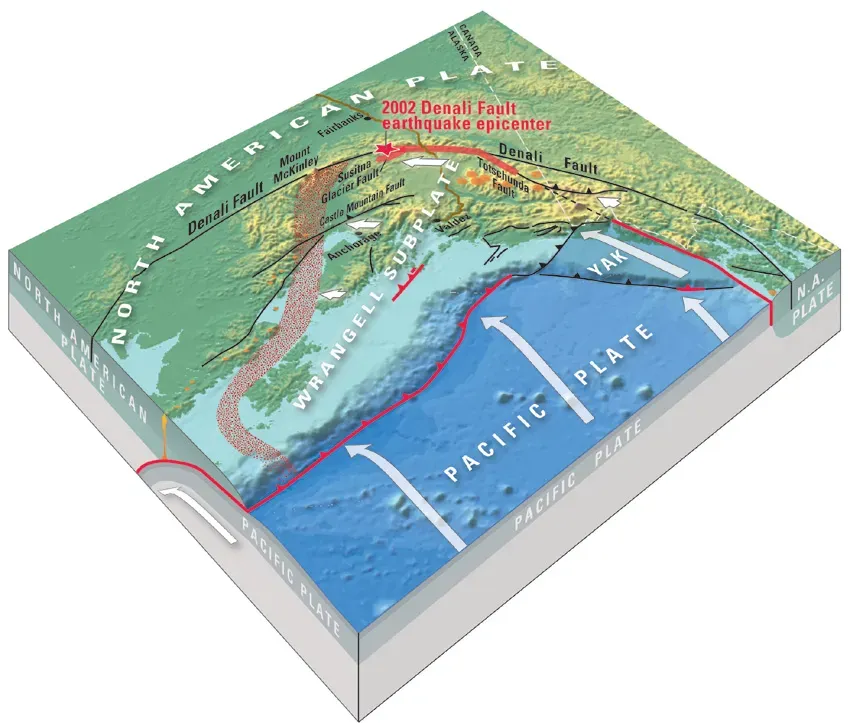
Once you accept early continents, you have to face the next big question: were they already moving? Modern Earth is defined by mobile plates crashing, sliding, and pulling apart; that is how you get mountain ranges, deep ocean trenches, and the recycling of crust. For a long time, many researchers thought this style of plate tectonics came late, after a long period of a more rigid, stagnant lid. The new data is nudging you toward a messier, more dynamic early world. Some of the chemical fingerprints in ancient zircons hint at processes similar to those you now associate with continent–continent collisions and subduction zones. You are not seeing neat, incontrovertible proof of full-blown modern plate tectonics at four billion years, but you are seeing clues that parts of the crust were already behaving in complex, mobile ways by roughly three and a third billion years ago or earlier. That means the engine that shapes your continents, drives volcanism, and cycles elements vital for life may have revved up long before you expected.
Why This Changes How You Think About Life’s Earliest Chances
If continents, oceans, and perhaps even some kind of crustal recycling were operating early, you are looking at a planet that could support habitable niches much sooner. Landmasses above sea level provide weathering, nutrient delivery, and sheltered environments like pools, shorelines, and hydrothermal systems. Those are the kinds of places many origin-of-life ideas rely on, and moving them earlier gives you more time on the clock for life to appear, diversify, and adapt. It also alters how you think about resilience. If Earth hosted continents and water early on, it means life, once it appeared, may have had to survive heavy bombardment events and violent volcanism, perhaps repeatedly. Rather than life emerging only after the chaos ended, you may be dealing with a story where life or pre-life chemistry kept getting knocked back and recovering, like a stubborn weed in a yard you never quite manage to clear. That is a very different emotional picture of your planet’s youth: more tenacious than fragile.
Rethinking Your Place in a Cosmic Neighborhood of Rocky Worlds
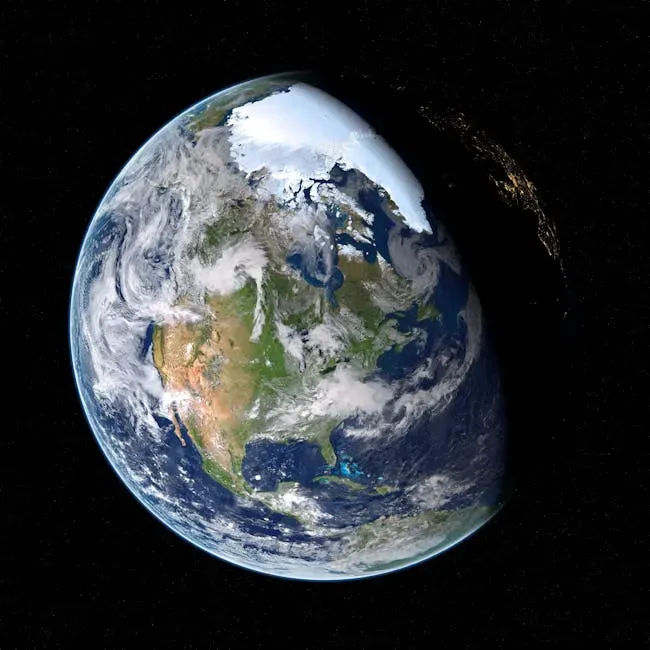
This shift in timing is not just about Earth pride; it affects how you look at other rocky planets. If a world like yours can form crust, continents, and possibly oceans so quickly after birth, you have to wonder how many exoplanets follow a similar fast track. Instead of assuming long, hostile eras before anything stable forms, you might imagine a universe where many young planets cool into something recognizable much earlier than your old models allowed. For you personally, there is something humbling in realizing that the ground under your feet may trace its lineage back almost to the dawn of the planet. Those ancient zircons are microscopic, but they tell you that your world did not stumble slowly into habitability. It raced there, tested itself under brutal conditions, and still managed to build the stage for everything you know. When you look up at the night sky now, it is worth asking: how many other worlds got off to such a head start, and how different would your own story be if Earth’s continents had arrived late instead of early?