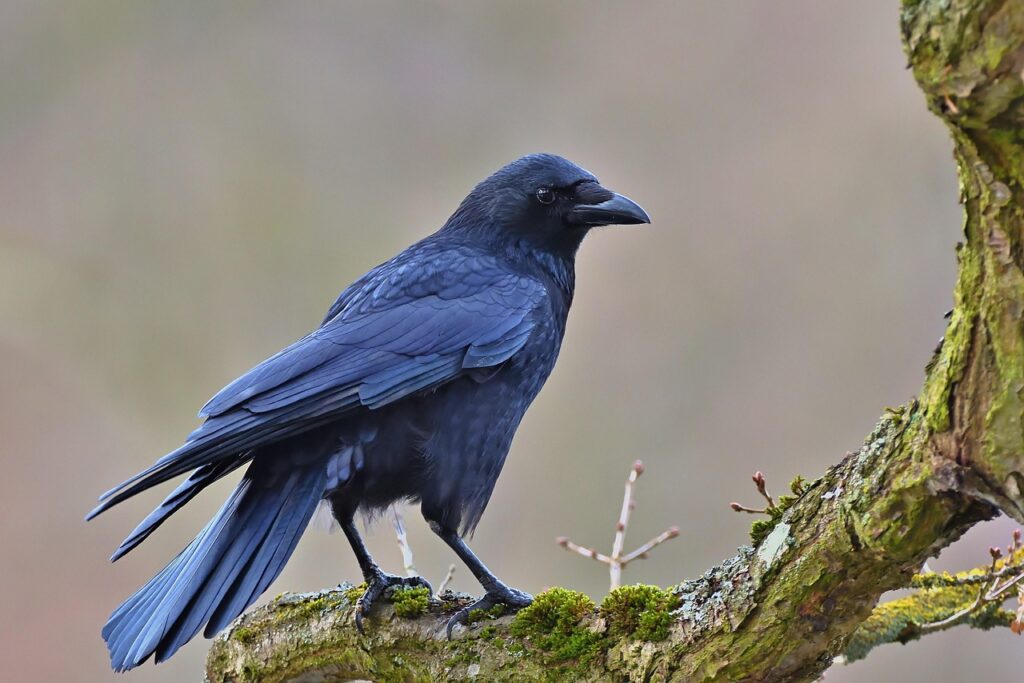

You probably walk past crows all the time without giving them much thought. They’re just big, noisy black birds, right? But if you look a little closer, you’ll realize you’re sharing your neighborhood with animals whose minds work in ways that used to be considered uniquely human. In some experiments, crows have matched the problem‑solving skills of young children, and once you know what they can do, you’ll never see them the same way again. You’re not just dealing with “clever animals” here; you’re looking at a different kind of intelligence that evolved along a totally separate path from ours. That’s what makes them so fascinating: they don’t think like you, but they can still do things you were told only humans could. Let’s walk through eight of those abilities, and by the end, you might feel like the crows have been quietly spying on your species and taking notes. —
1. Solving Multi‑Step Problems (Like a Tiny, Feathered Engineer)
When you solve a puzzle, you break it into steps: do this first, then that, then use the result to unlock something else. You were probably told that kind of planning was a human specialty, but crows have been seen doing almost exactly that. In classic experiments, they figured out how to pull up a string, step on it to keep it from slipping, and repeat the process until they got food hanging from the end. That might sound simple, but it means the bird holds the whole chain of actions in mind instead of just pecking randomly. You also see this in more complex tests where a crow has to use one tool to get another tool and then use that second tool to reach food. If you imagine yourself stuck in a room with only random objects to escape, you know how much thinking ahead that takes. Watching a crow calmly work through a sequence of challenges feels uncomfortably familiar, like watching a child who’s just realized they can drag a chair over to climb onto a counter. You’re seeing a mind that can imagine what comes next. —
2. Using and Even Making Tools From Scratch
You probably grew up hearing that tool use is what separates humans from other animals, and then gradually that line started to blur. Crows stomp straight across that line. You can watch them pick up sticks, bend bits of wire, and carefully shape twigs into hooks to fish food out of hard‑to‑reach places. They aren’t just using what they find; they’re modifying things to fit the job, which is closer to carpentry than simple trial and error. If you imagine yourself needing to grab your phone that slid under the couch, you’d look around, grab a hanger, and bend it into a hook. A crow can do that same kind of mental leap. On some Pacific islands, wild crows routinely craft specific tool shapes and pass those designs along through generations, a bit like your family passing down a recipe. When you realize that, the idea of being the only “tool‑making animal” starts to sound pretty outdated. —
3. Understanding Cause and Effect (Not Just Random Pecking)
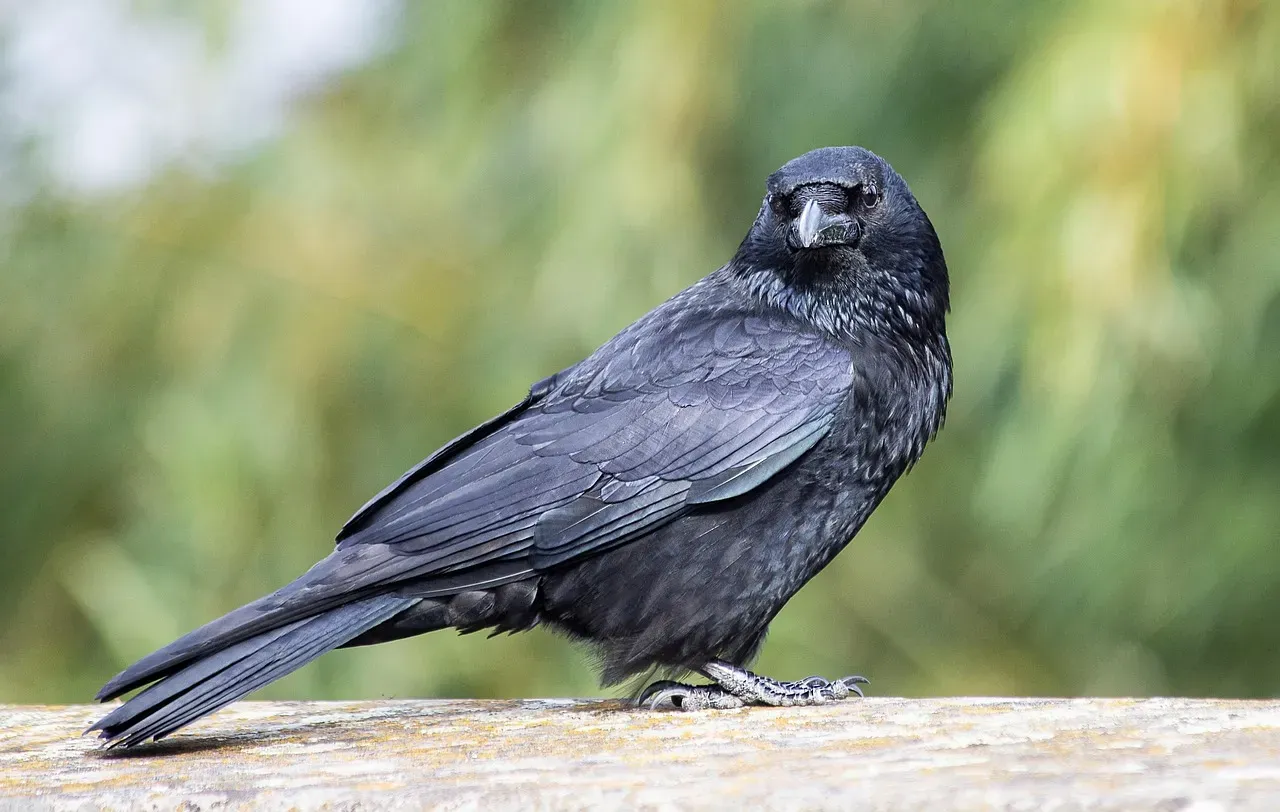
You live your life on cause and effect: flick the switch, the light comes on; press the button, the elevator arrives. For a long time, scientists assumed most animals just learned habits and didn’t really grasp why something worked. Crows push back on that assumption. In experiments, they’ve learned that dropping stones into a tube of water raises the water level so that food floats within reach, a setup inspired by the old story of a thirsty crow and a pitcher. You’re basically watching a bird apply physics to solve a problem. What makes this more impressive is that crows can tell which stones and which setups actually work. If you give them heavy stones that sink and light ones that float, they learn to pick the heavy ones. They ignore objects that don’t change the water level and focus on the ones that do. You’ve probably done something similar when you tested which app actually fixes a problem and which just wastes your time. The crow is not just repeating a trick – it’s learning what really causes the result. —
4. Recognizing Individual Human Faces (And Remembering Who Wronged You)
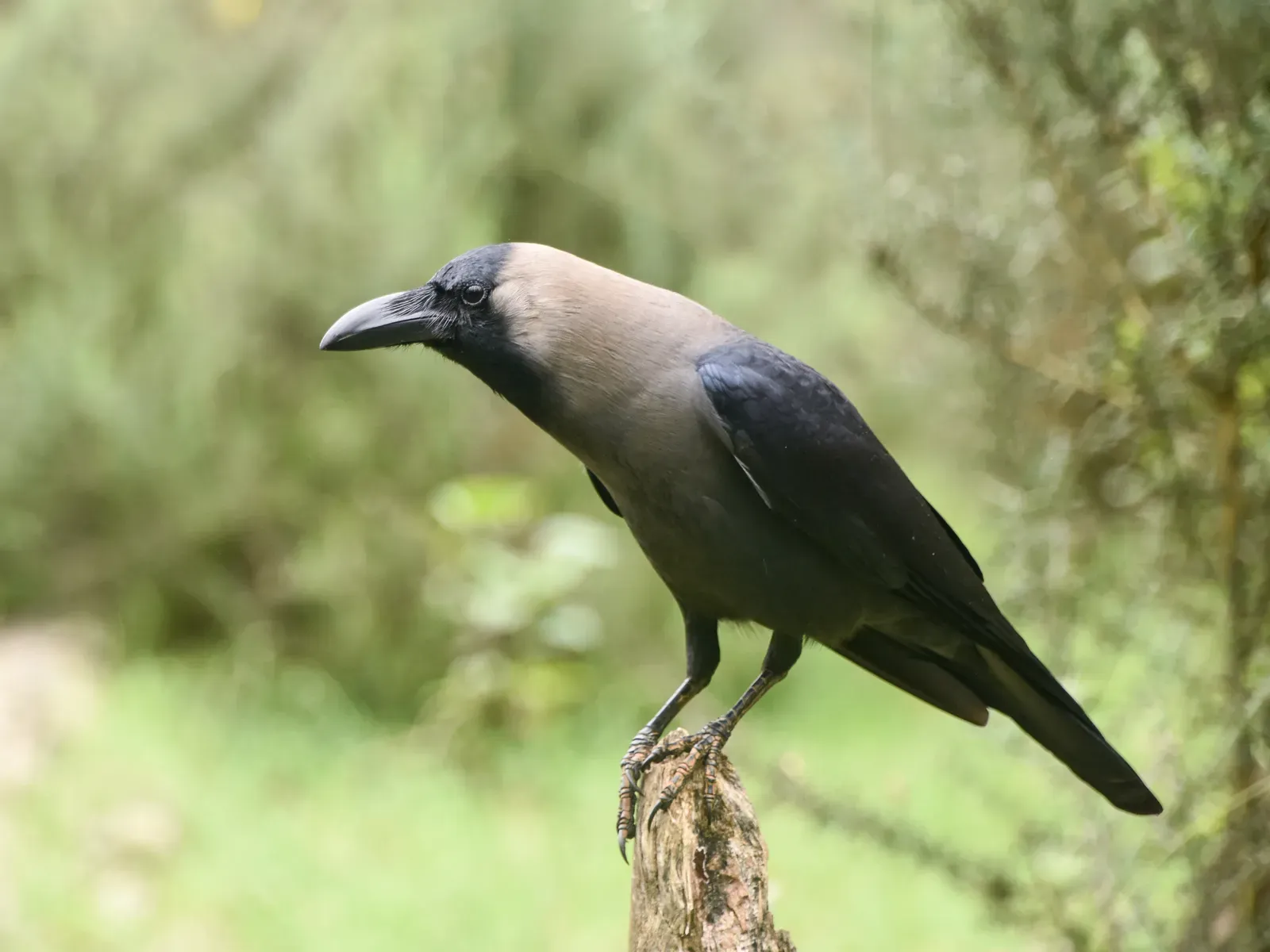
You know how you can pick out a familiar face in a crowd without thinking? Crows can do that with you. If a person captures or scares them, they remember that face and can react strongly the next time they see it – even years later. Researchers who trapped crows while wearing particular masks found that the birds later mobbed anyone wearing that same mask, even if that person had never touched them before. You’re looking at memory plus the ability to map a specific human’s appearance to an emotional experience. What’s even wilder is that crows can share this information socially. Birds that never experienced the original threat sometimes join in when they see others sounding the alarm at that same face or mask. Imagine your friend warning you about a rude neighbor, and then you instantly recognize and avoid that neighbor based on the description alone. When crows do this, it shows they’re not just reacting; they’re building a mental file on you and passing the story along. —
5. Planning for the Future (Instead of Just Living in the Moment)
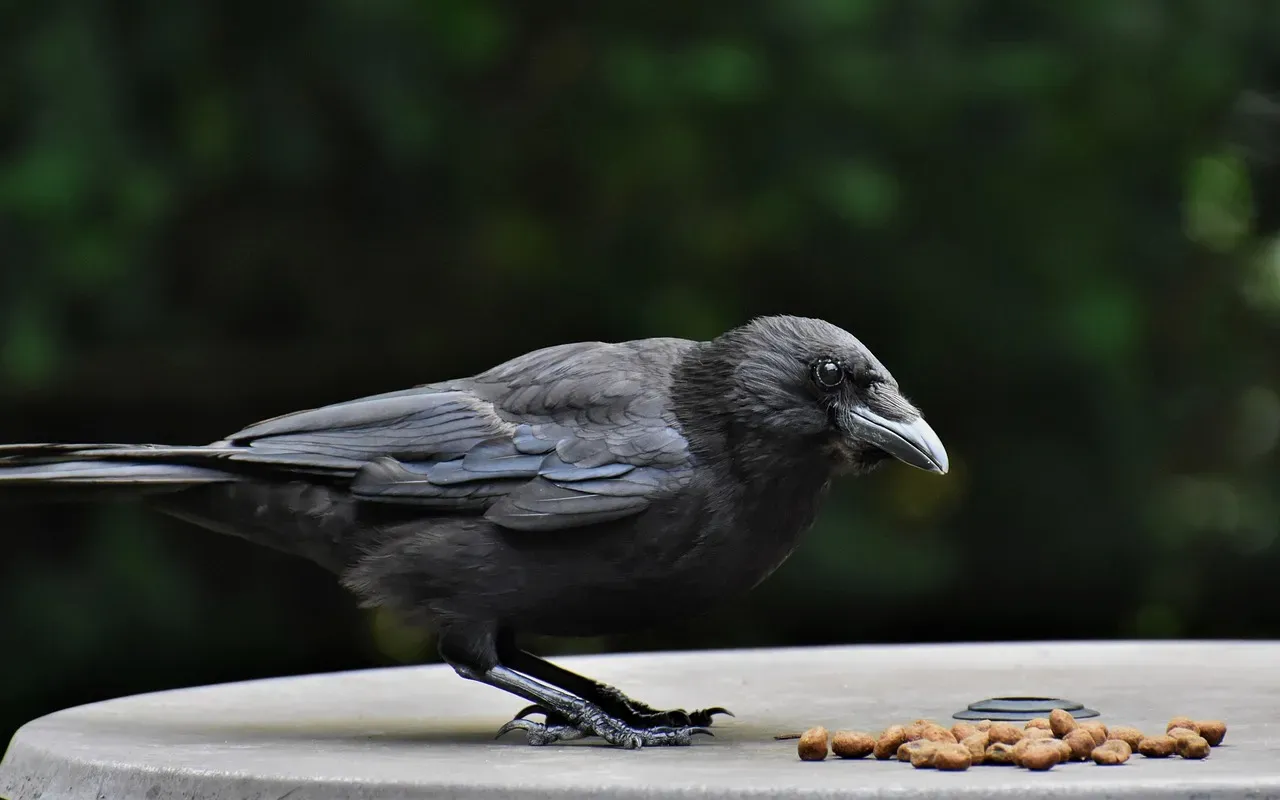
You spend a lot of time planning ahead – storing food in your pantry, saving money, booking future trips. For a long time, people thought animals mostly lived in the “now,” with only humans truly thinking about tomorrow. Crows challenge that idea. Some crow relatives cache food in different locations and adjust their hiding strategies depending on whether other birds are watching, which suggests they’re thinking about who might steal from them later. You do something similar when you hide snacks from roommates or coworkers. In certain experiments, crows have been given tools that they can’t immediately use but will need for a reward in the future. Instead of ignoring them, they hang onto those tools and use them later, even when there are distracting treats in front of them. That kind of self‑control – choosing a better payoff tomorrow over a smaller one right now – is the same psychological muscle you use when you walk past junk food because you’re saving room for dinner. It shows a mind that can leave the present moment and mentally step into the future. —
6. Reading Social Situations and Playing Mind Games
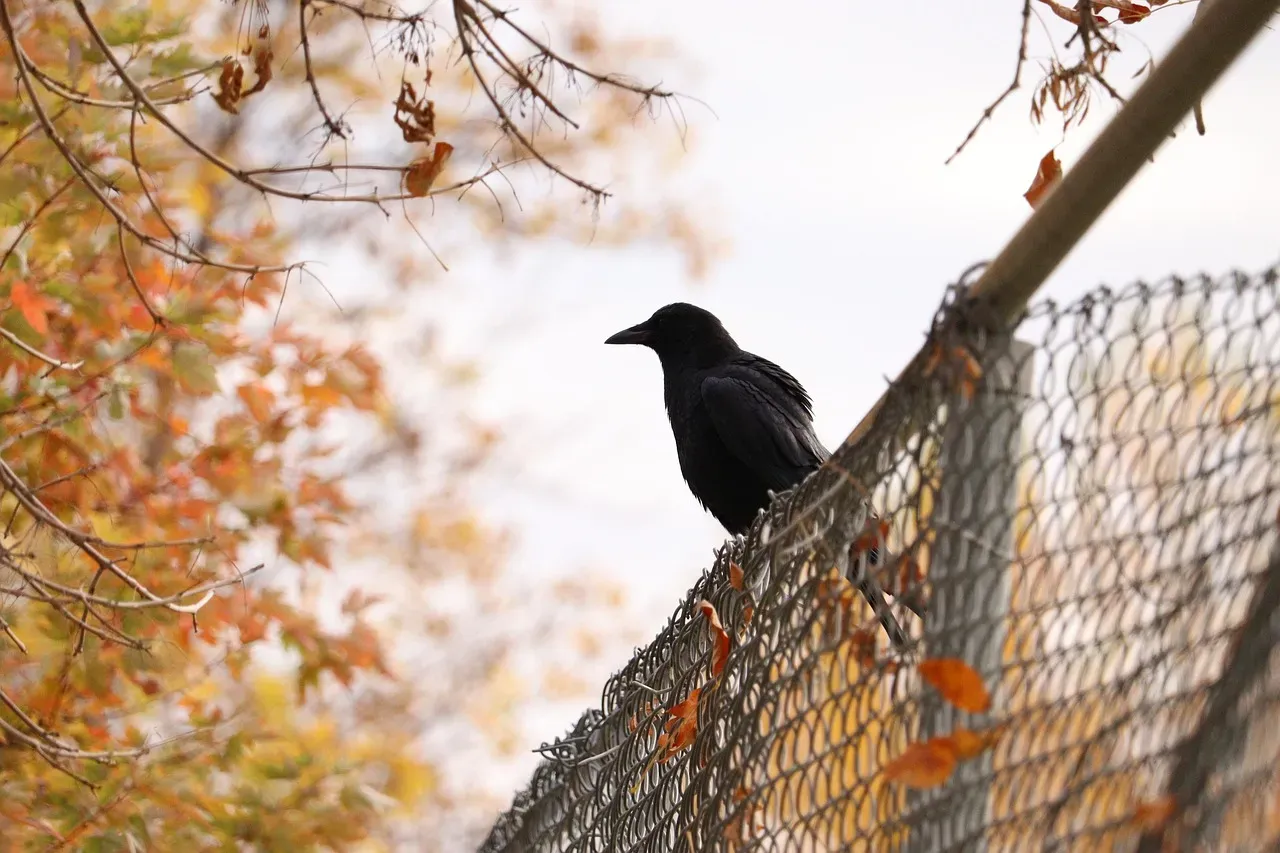
You probably pride yourself on being able to “read the room.” It turns out crows do their own version of that. They pay close attention to who’s watching when they hide food. If they feel observed, they’ll do fake caches – pretend to hide something in one spot while actually stashing it somewhere else later. That’s not just avoidance; it’s deception based on what they think another bird knows. You are seeing something that looks very much like theory of mind: imagining the perspective of another. You’ve done this when you’ve pretended to text to avoid talking to someone or when you’ve changed your behavior because you sensed someone watching. Crows take that social awareness and use it strategically. They remember which individuals have stolen from them in the past, adjust how close they let those birds get, and change where they store their food. That means they’re not just understanding the physical world – they’re navigating a complex social network, the same way you do in a workplace or group of friends. —
7. Counting and Grasping Simple Numbers
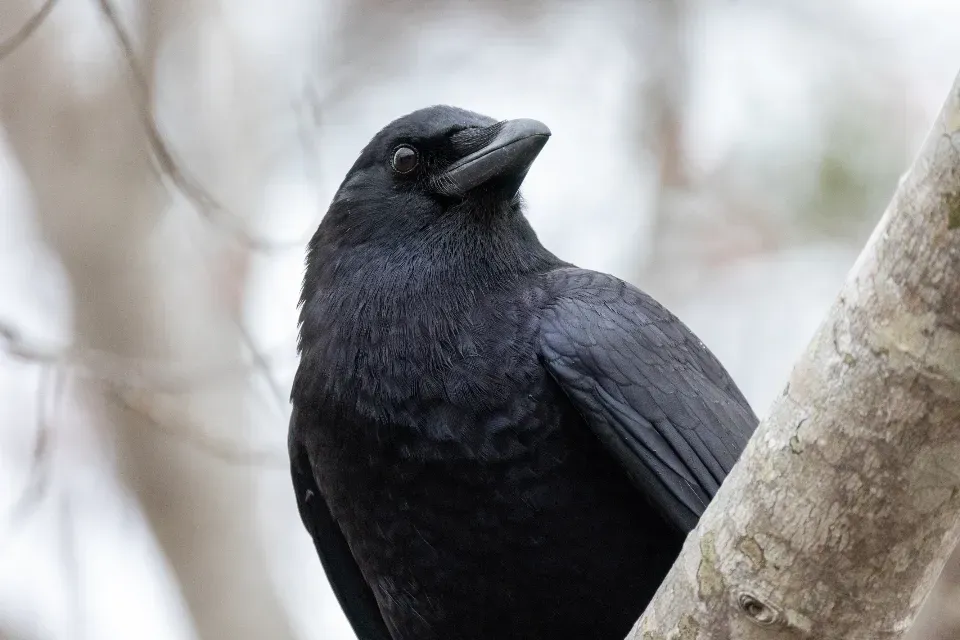
You take counting for granted, but understanding that “three” is more than “two” and less than “four” is a mental skill that does not come for free. Crows show a surprisingly good sense of quantity. In experiments, they can distinguish small numbers of objects, respond differently to sets of items, and sometimes match the number of calls they make to a specific amount. You might think of it as a rough “number sense” that mirrors your own intuitive feeling that a plate with many cookies is better than one with just a couple. It’s not the same as solving equations, of course, but it does show that a crow can treat “how many” as something meaningful and consistent. Some tests even suggest crows can keep track of how many threats are entering a space – like how many humans walk into a hide or how many predators are nearby – and adjust their behavior accordingly. You do the same kind of quick mental math when you count how many people are in line ahead of you and decide whether it’s worth waiting. —
8. Grieving, Bonding, and Sharing Emotional Worlds
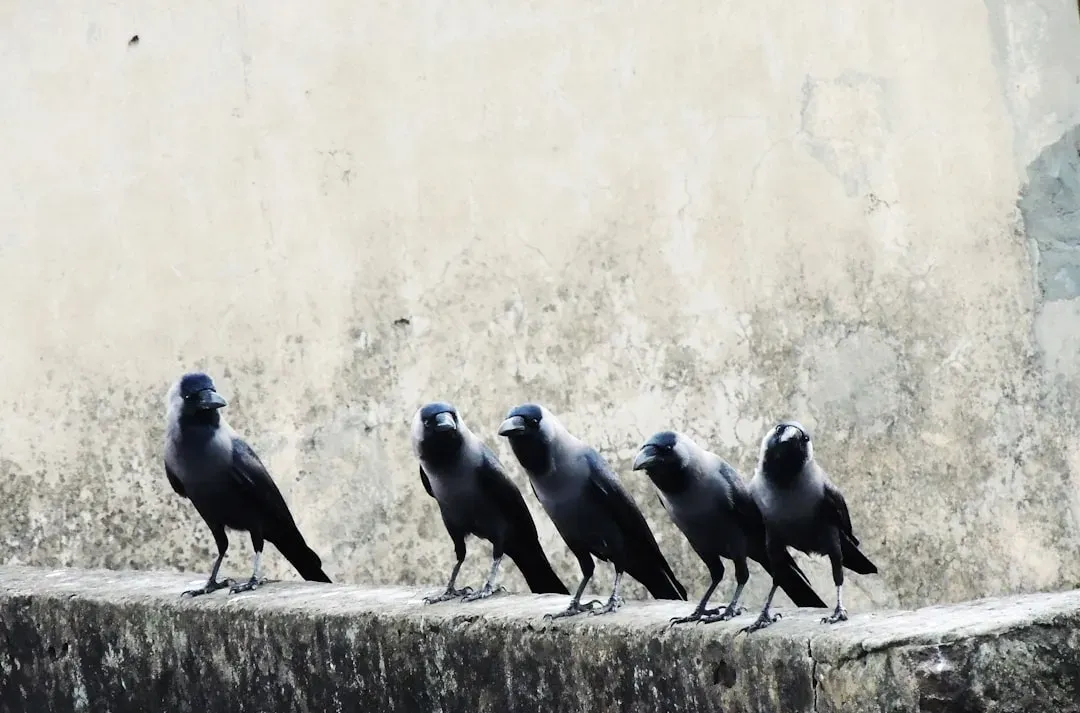
You might think emotions like grief, mourning, and “paying respects” at a death are purely human. When you look at crows, that line blurs. When a crow dies, others often gather around the body, calling loudly and staring. At first glance, it looks like a funeral. There is evidence that they may be learning about dangers in the area by inspecting the scene, but that does not erase the intensity of the behavior. You are watching birds change their actions and vocalizations dramatically in response to one of their own being gone. Crows also form long‑term social bonds and pair partnerships that can last for years, sometimes for life. They cooperate on raising young, share information about food sources, and defend territories together. If you’ve ever felt that your family or friend group has its own private language and shared history, you can recognize something similar here. Their world is not just physical and practical; it is layered with relationships, loyalties, and what looks very much like emotional depth. — You started this journey probably thinking of crows as background noise – birds that yell at you from power lines and rummage in trash. Now you know you’re living alongside creatures that plan ahead, build tools, read social cues, recognize your face, and even seem to wrestle with life and death in their own way. You share your cities and fields with minds that took a very different evolutionary road but somehow arrived at some eerily familiar destinations. The next time you see a crow tilting its head and staring straight at you, it might be worth wondering what it already knows – about you, your neighbors, and your shared environment. You are not the only problem‑solver, planner, or schemer out there under the open sky. Knowing that, do you think you’ll ever look at that black‑feathered silhouette the same way again?