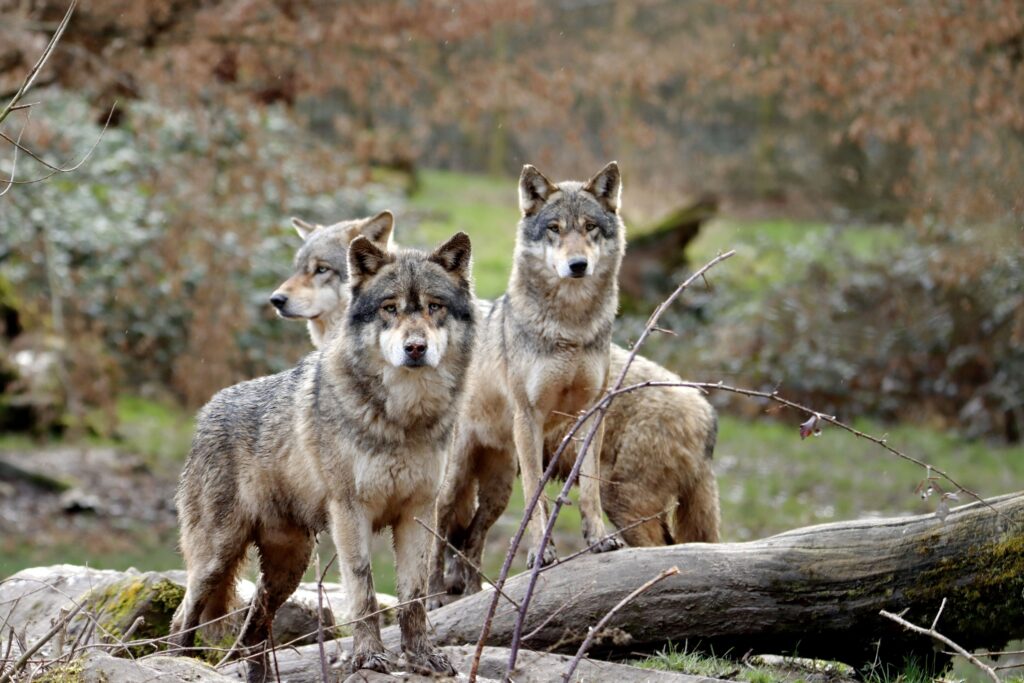

If you picture a wolf pup, you probably think of clumsy paws, oversized ears, and a creature that has no idea how the world works yet. But here’s the twist: long before that youngster ever joins a hunt, it is already soaking up social rules, reading body language, and figuring out who’s who in its pack. You are not just looking at a baby predator; you are looking at a fast-learning social mind in action.
When you step back and compare wolves with dogs, primates, or even human toddlers, a surprising pattern appears: complex social understanding starts early. You can think of a wolf pup like a kid watching the adults at a family dinner, silently learning what flies and what gets you in trouble. By the time that wolf is old enough to chase elk or deer, it already knows how to navigate hierarchy, share space, and avoid conflict with pack mates.
Why Social Life Matters More Than The First Kill
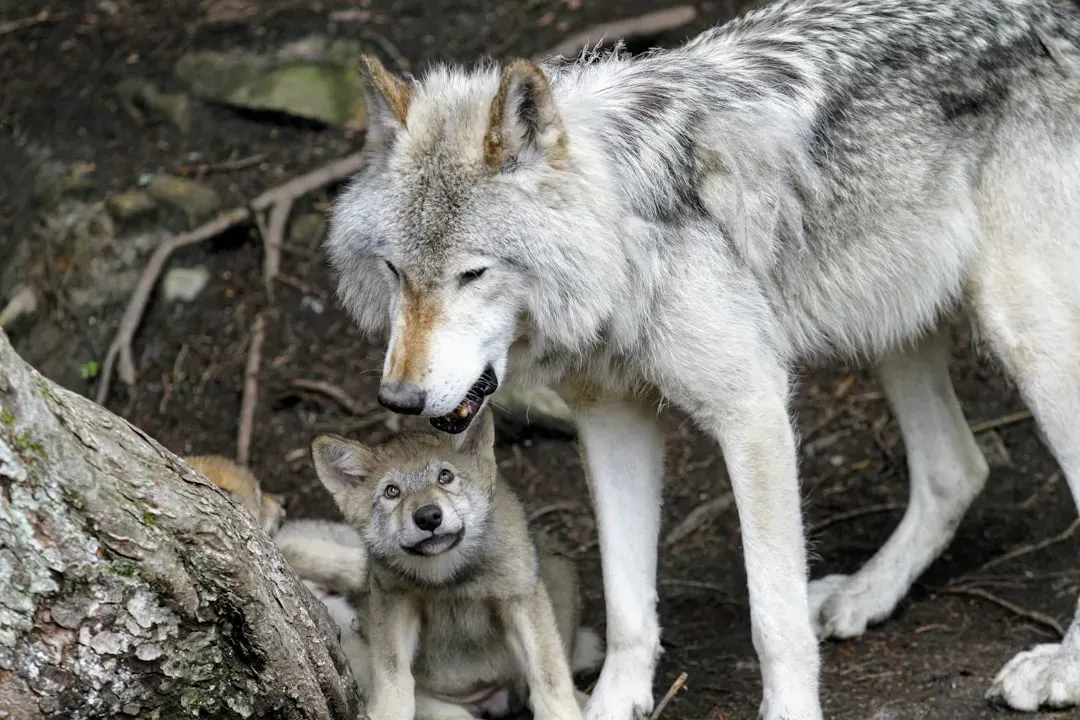
When you imagine a wolf’s life, it’s tempting to focus on the dramatic moments: the chase across the snow, the final takedown, the raw power of the hunt. But if you zoom in on the early months, you find something just as important, maybe even more so: social training. Before a wolf pup can keep up physically, it has to learn how to fit in emotionally and behaviorally with the pack.
You see this social focus in the way pups stay near the den and interact mostly with siblings, parents, and older helpers. They wrestle, tug on food, whine, and play bow, and through all of that, they are learning boundaries. You could say their first curriculum is not “how to hunt” but “how to live with others,” and getting that wrong can be more dangerous than missing your first rabbit.
Pups As Tiny Observers: Learning By Watching, Not Just Doing
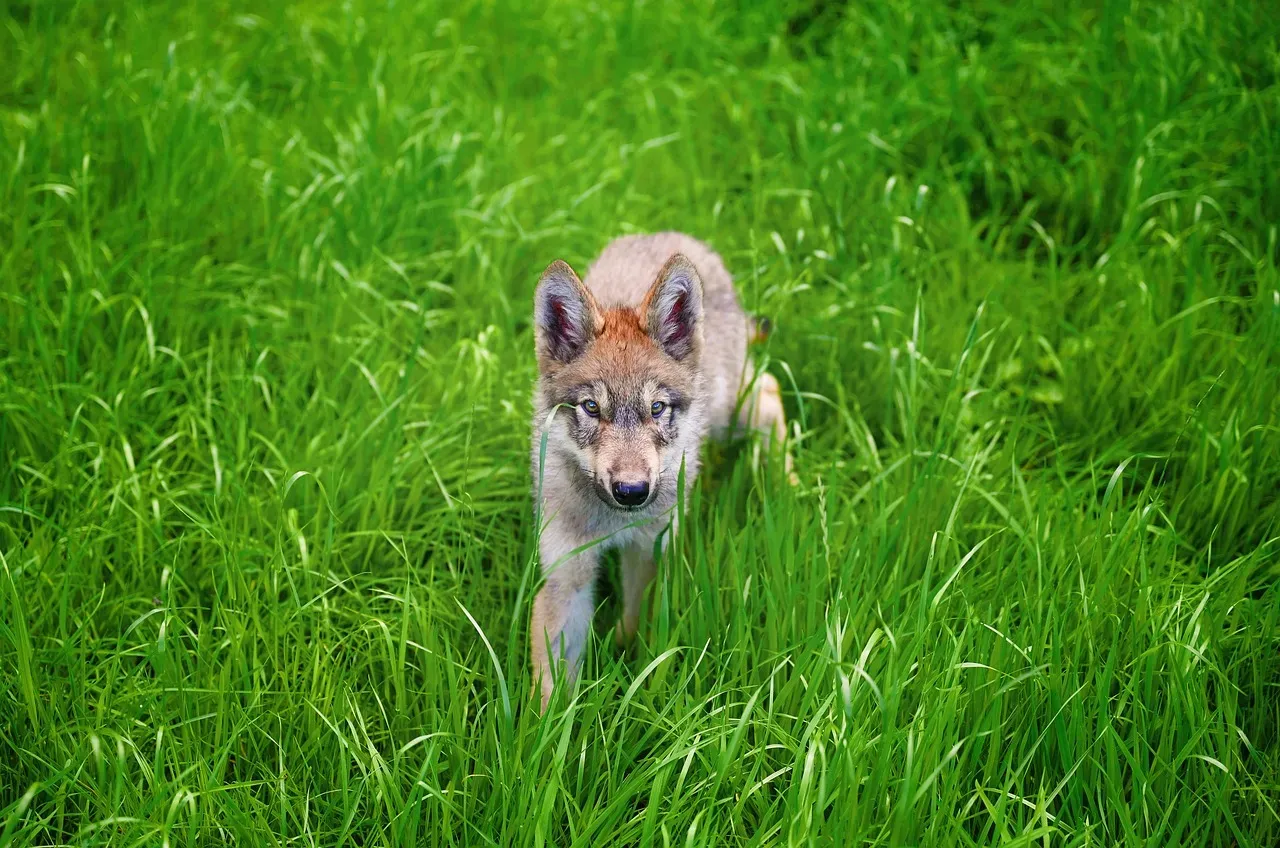
If you have ever watched a young child silently copy how adults talk, move, or react, you already understand a core part of wolf cognition. Wolf pups spend a lot of time observing older pack members, especially when food is delivered to the den or when adults interact with each other. They watch who yields, who stands tall, who growls, and who gets away with pushing others around.
What you are seeing there is social learning before physical competence. Long before a pup can travel far, it is already forming mental notes: this gesture means “back off,” that posture means “I’m safe with you,” and that tone of growl means “do not test me right now.” By the time you would consider that pup a juvenile, it has silently built a map of the social world it lives in.
Hierarchies And Respect: Rules You Learn Before You Run
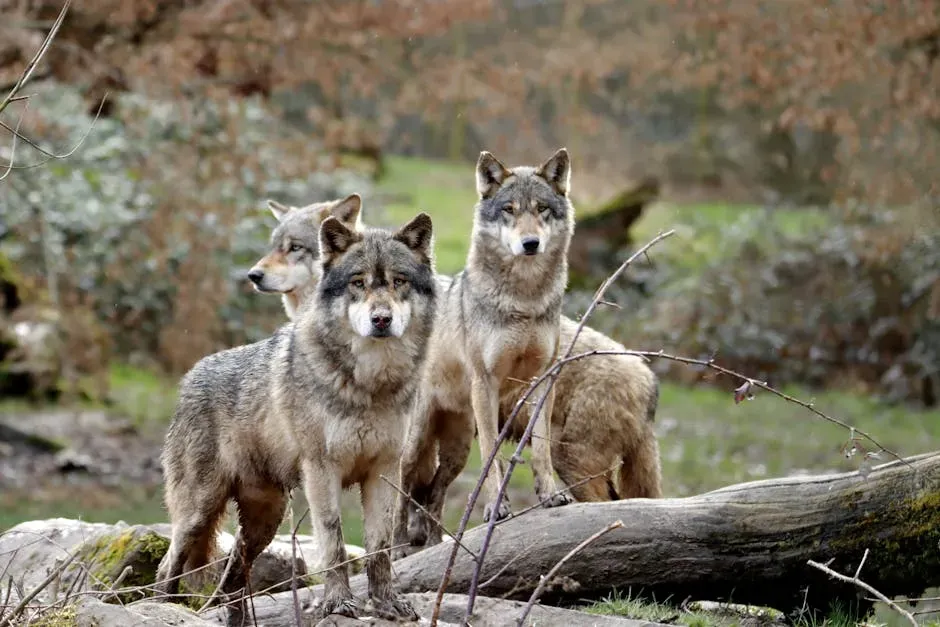
Every wolf pack has some kind of hierarchy, even if it is more flexible than the old rigid “alpha” story you might have heard. As a pup, you are constantly bumping into that hierarchy – literally and figuratively. When you try to jump on an older wolf’s head, you might get tolerated, corrected, or firmly put in your place, and each of those responses teaches you something very real.
Over time, you learn who you can pester, who you must respect, and when you have crossed a line. You also learn that some conflicts are not worth starting because the cost is too high. In that sense, you internalize social rules the way a person learns that you do not insult your boss in a meeting or shove your sibling during a funeral. The hunt might be thrilling, but knowing your place is what keeps you safe and accepted.
Play As Practice: Games That Teach Serious Lessons
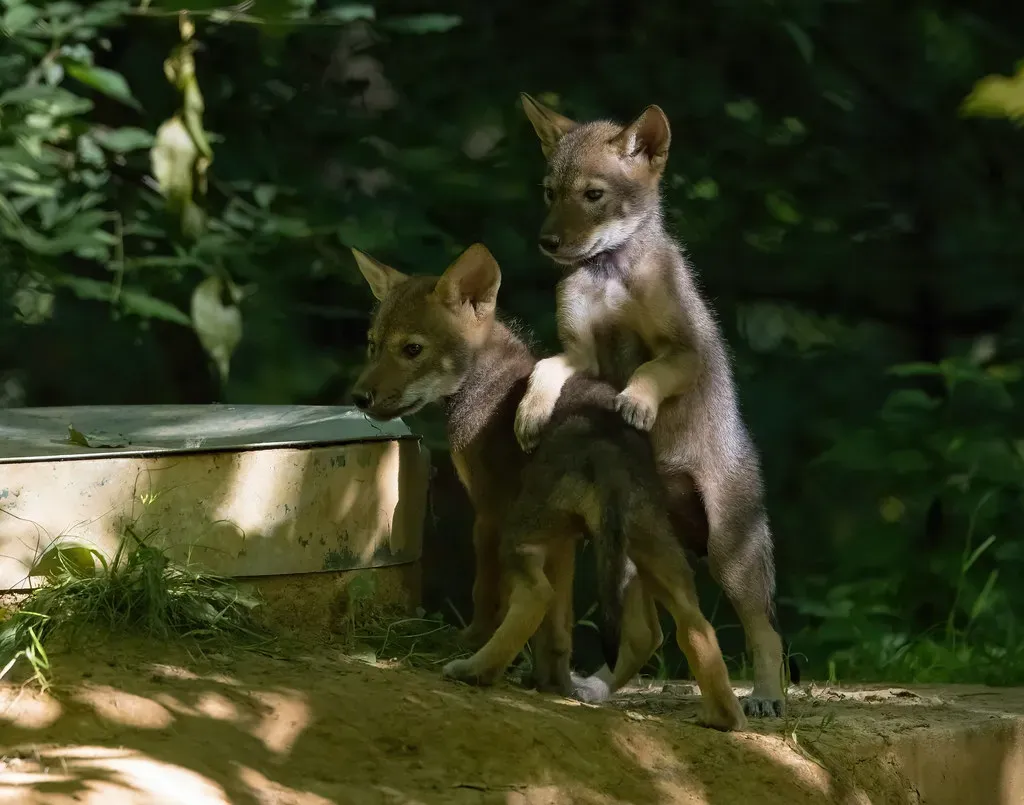
When you see wolf pups tumbling over each other, chasing tails, and mock-fighting, it looks adorable and chaotic. But for you as an observer, play is one of the clearest windows into how social rules are learned. Those roughhousing sessions are full of signals: exaggerated bows to start play, yelps and pauses when things get too rough, and quick reconciliations when someone oversteps.
In those moments, a pup discovers where the boundary lies between fun and aggression, between a playful nip and a serious bite. You can think of it like kids playing tag or wrestling in the yard – everyone understands that the game works only if there is a shared agreement not to actually harm each other. If you break the unspoken contract too often, others stop playing with you. For a wolf pup, being ignored or avoided is a powerful social consequence.
Communication Before Coordination: Signals That Come First
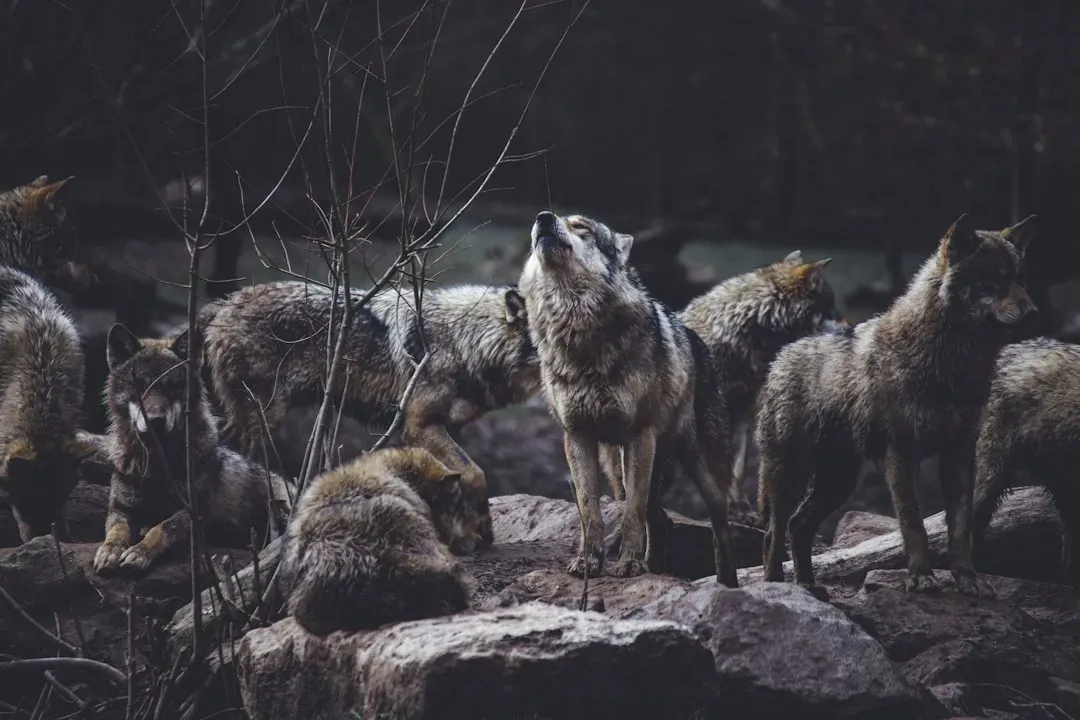
Hunting in a group needs coordination, and coordination needs communication. But communication itself starts forming long before any coordinated hunt. As a wolf pup, you learn how different vocalizations, ear positions, tail angles, and facial expressions shape what happens next. You pay close attention to how adults use these signals and how pack mates respond.
By the time a young wolf joins its first real hunt, much of the communication system is already learned and practiced. You are not inventing howls and growls on the spot; you are plugging into a language you have been hearing and rehearsing for months. That early social training means you can adjust quickly in the chaos of a chase, because you already understand what a quick glance or soft growl is telling you to do.
Problem-Solving Together: Cooperation As A Cognitive Skill
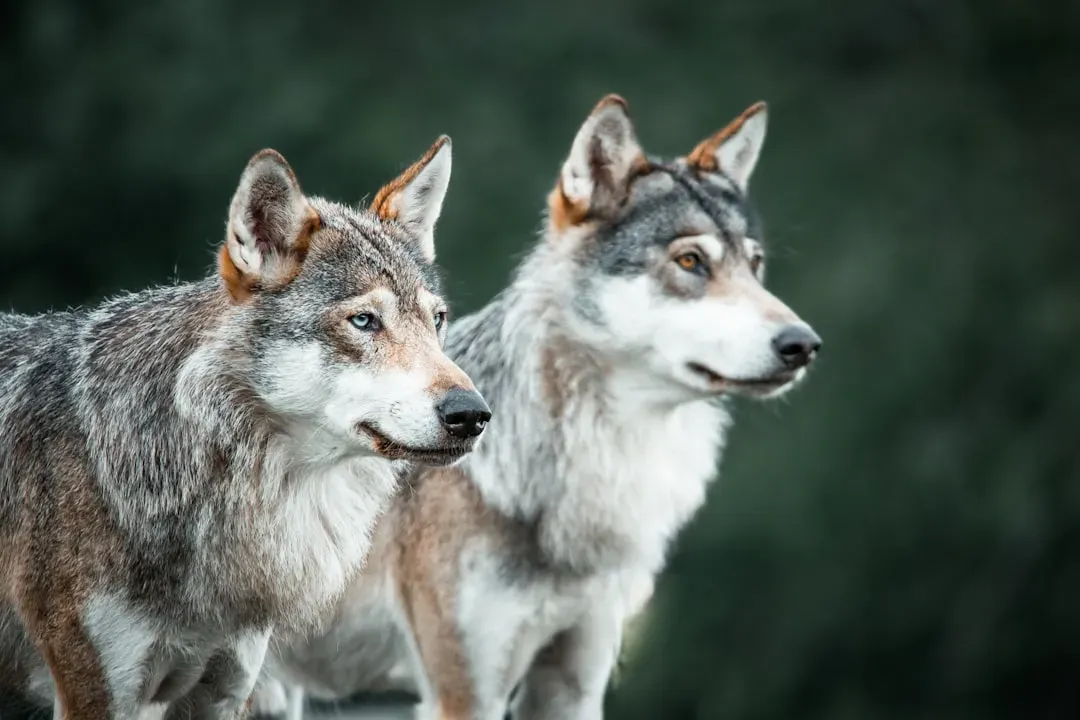
When researchers compare wolves and dogs, they often find that wolves are exceptionally good at working together to solve problems, especially when they grow up in stable social groups. For you, this means that cooperation is not just a personality trait; it is a mental ability that is practiced from a young age. Pups learn to share attention, follow others’ leads, and sometimes even take initiative when an opportunity appears.
These skills show up in situations that have nothing to do with hunting. For example, a group of wolves might have to figure out how to access food behind a barrier or wait their turn when food is scarce. As a pup, you are watching how older wolves tackle these mini-challenges, noticing who cooperates and who competes. By the time you face the complex puzzle of a moving prey animal, you have already warmed up on smaller, social puzzles.
Comparing Wolves And Dogs: Different Paths From The Same Roots
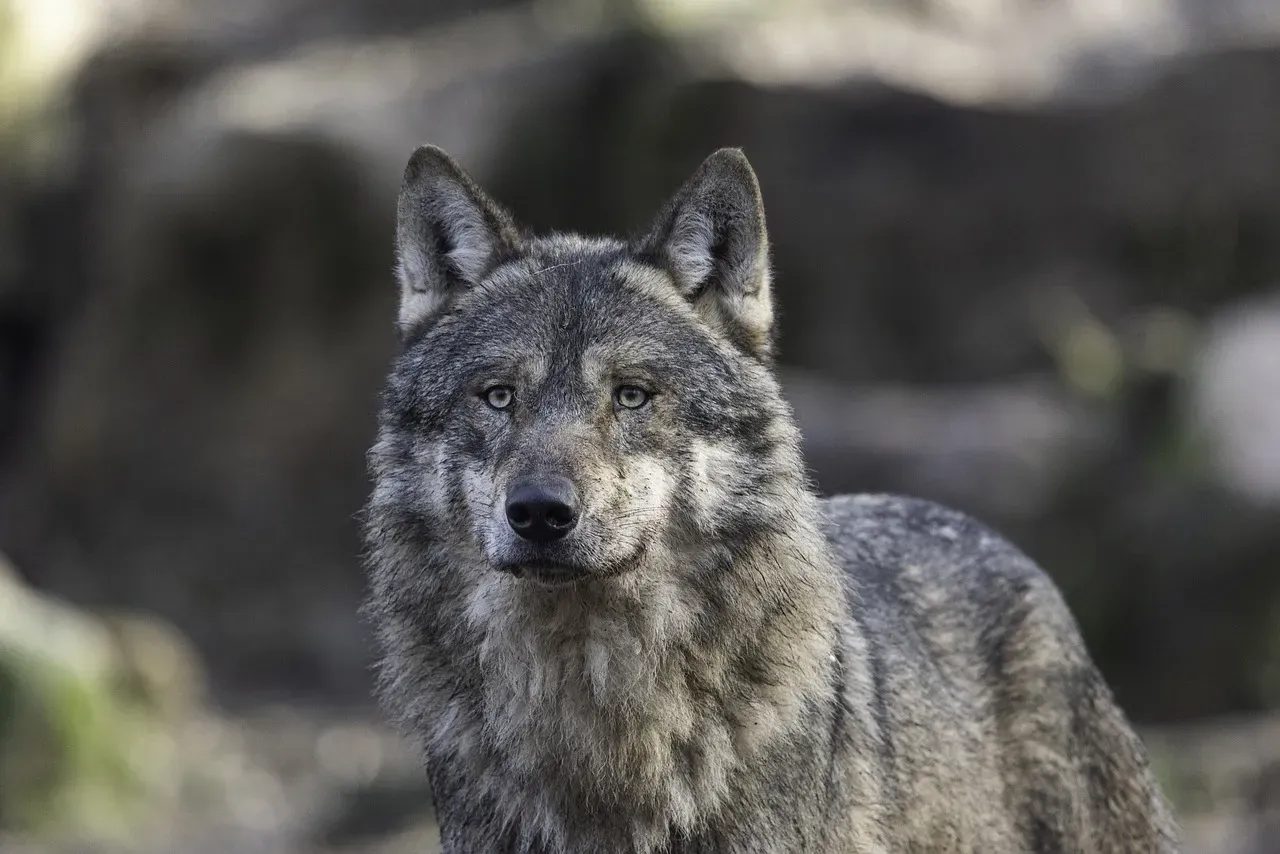
If you live with a dog, you might feel that your pet is tuned into you in a very special way. Dogs are remarkably good at reading human cues, and wolves, even when socialized, usually respond differently. That does not mean wolves are less intelligent; in fact, it suggests that they are specialized for their own kind of social world. Where your dog may look to you for guidance, a wolf looks much more to the pack.
From an early age, a wolf pup’s attention is focused on other wolves, not people, and it is more sensitive to the subtle dynamics of its own group. You could say that where a dog has evolved to treat you like family, a wolf has evolved to treat the pack like everything. That deep, early social investment supports a life where cooperation on hunts, defense, and parenting is essential to survival. The lesson for you is that intelligence always grows in a particular context, and for wolves, that context is other wolves.
What This Means For How You Think About Animal Minds
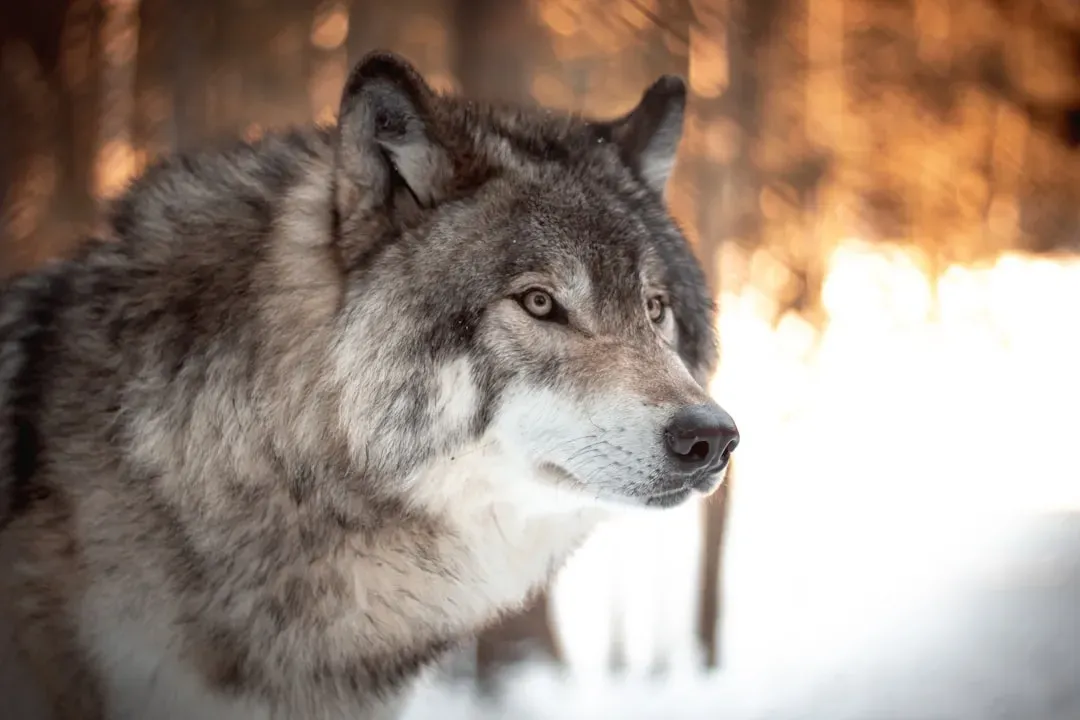
Once you realize that wolves are mastering social rules before they ever sprint after prey, it changes how you think about animal intelligence. You stop seeing cognition as just problem-solving in a lab or as clever tricks in a show, and you start seeing it as the ability to navigate relationships, expectations, and group norms. In some ways, that kind of intelligence feels very familiar, because you use it every day without thinking about it.
If you look at other social animals – primates, elephants, some birds – you notice the same pattern: long childhoods filled with play, observation, and slow exposure to complex adult roles. Wolves fit right into that pattern. When you watch a pup learning when to submit, when to stand its ground, and when to comfort a sibling, you are watching cognition in action as surely as if you were watching a puzzle being solved.
Conclusion: The Hidden Education Before The Hunt
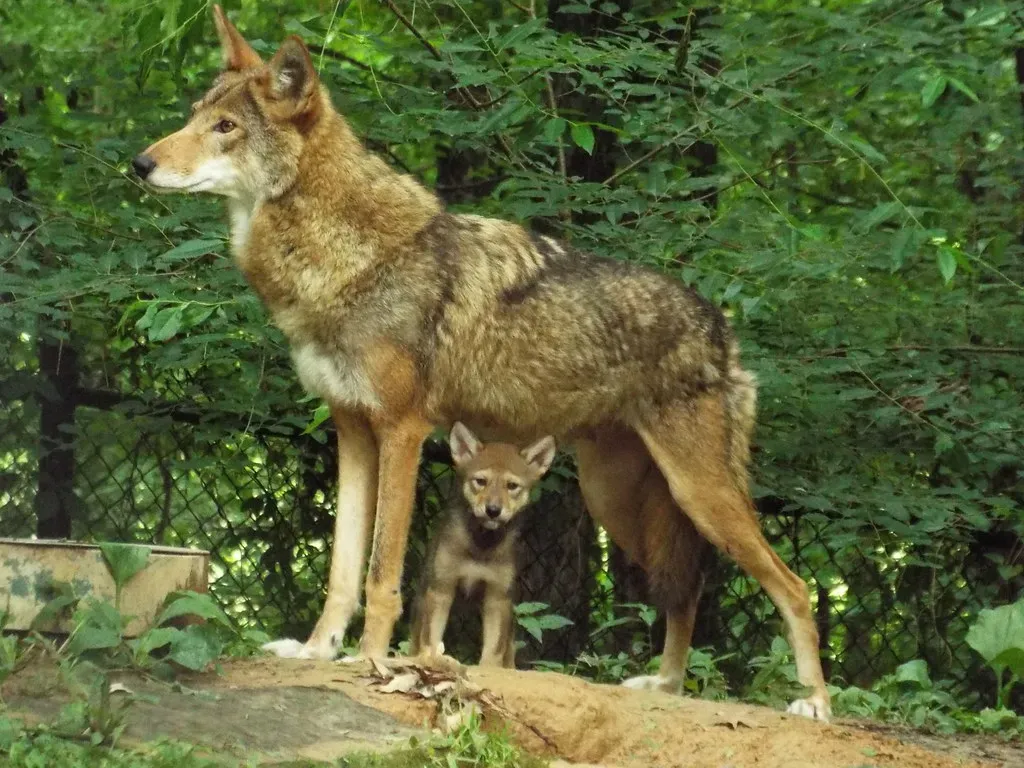
By the time a young wolf steps into its first hunt, it is not a blank slate that suddenly wakes up to the world’s complexity. You are looking at an animal that has already earned a kind of social diploma – one built from countless small interactions, corrections, games, and quiet observations. The dramatic moment of the chase is really the final exam of a long, mostly invisible education.
If you let that sink in, you might start wondering how many other animals are quietly learning social rules while you are not paying attention. You might even see your own life a bit differently, recognizing how much of what you know came from simply growing up around others. The next time you hear a wolf howl, you can imagine not just a hunter, but a student of social life who started learning the rules long before ever joining the pack in pursuit of prey. Did you expect that?