If you picture a desert, you probably imagine endless sand, blazing heat, and maybe the occasional camel on the horizon. It feels like the last place on Earth where anything could hide for long. Yet beneath those dunes, some of the most surprising and downright baffling discoveries in modern archaeology have been quietly waiting in the dark.
From lost cities revealed by satellites to perfectly preserved texts and even entire shipwrecks stranded hundreds of miles from the sea, the world’s deserts have turned out to be more like giant time capsules than empty wastelands. Some finds are well studied, others are still debated, and a few sit stubbornly in that gray zone between science and mystery. Let’s dig into ten of the strangest objects that archaeologists never really expected to pull out of the sand.
1. Ancient Shipwrecks Marooned in the Sahara
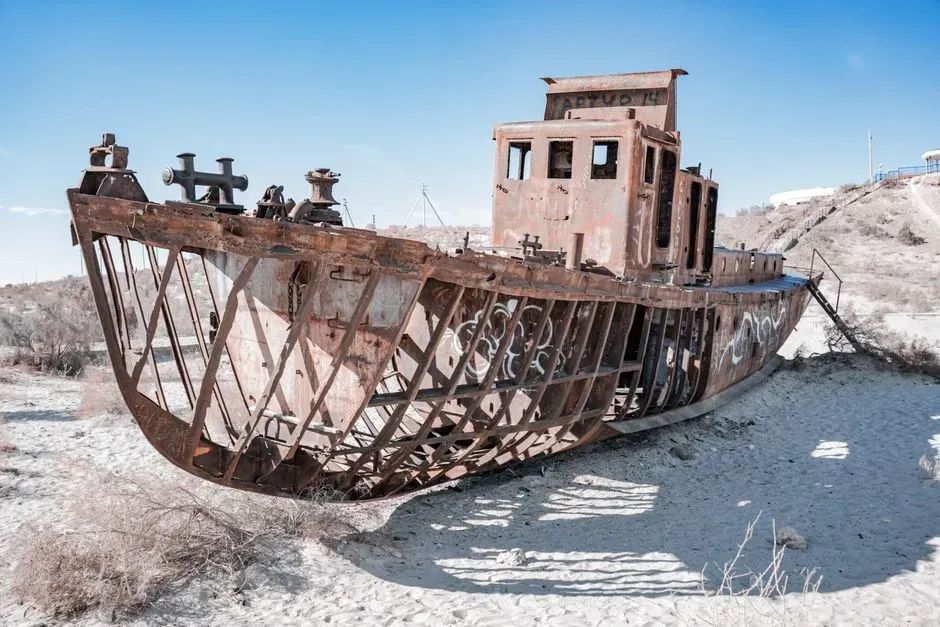
The idea of a shipwreck in the desert sounds like a movie plot, but there really are ship and boat remains buried under desert sands. In parts of the Sahara and along the desert fringes of North Africa, archaeologists have uncovered wooden hull fragments, nautical hardware, and ancient harbor structures now stranded in arid landscapes. These remains are powerful reminders that what is desert today was once coastline, marsh, or river delta, tied into long-disappeared waterways.
One of the most striking examples comes from the region that once bordered the ancient Tethys Sea and historic river systems that shifted or dried up as climates changed over thousands of years. When teams find worn planks, anchors, or cargo storage pits far from any modern shoreline, it forces them to redraw maps of ancient trade routes and coastlines. The mystery is not whether the ships were real, but how dramatically Earth’s climate and geography have changed since they last floated.
2. Roman Fortresses and Roads Hidden Under Middle Eastern Sands
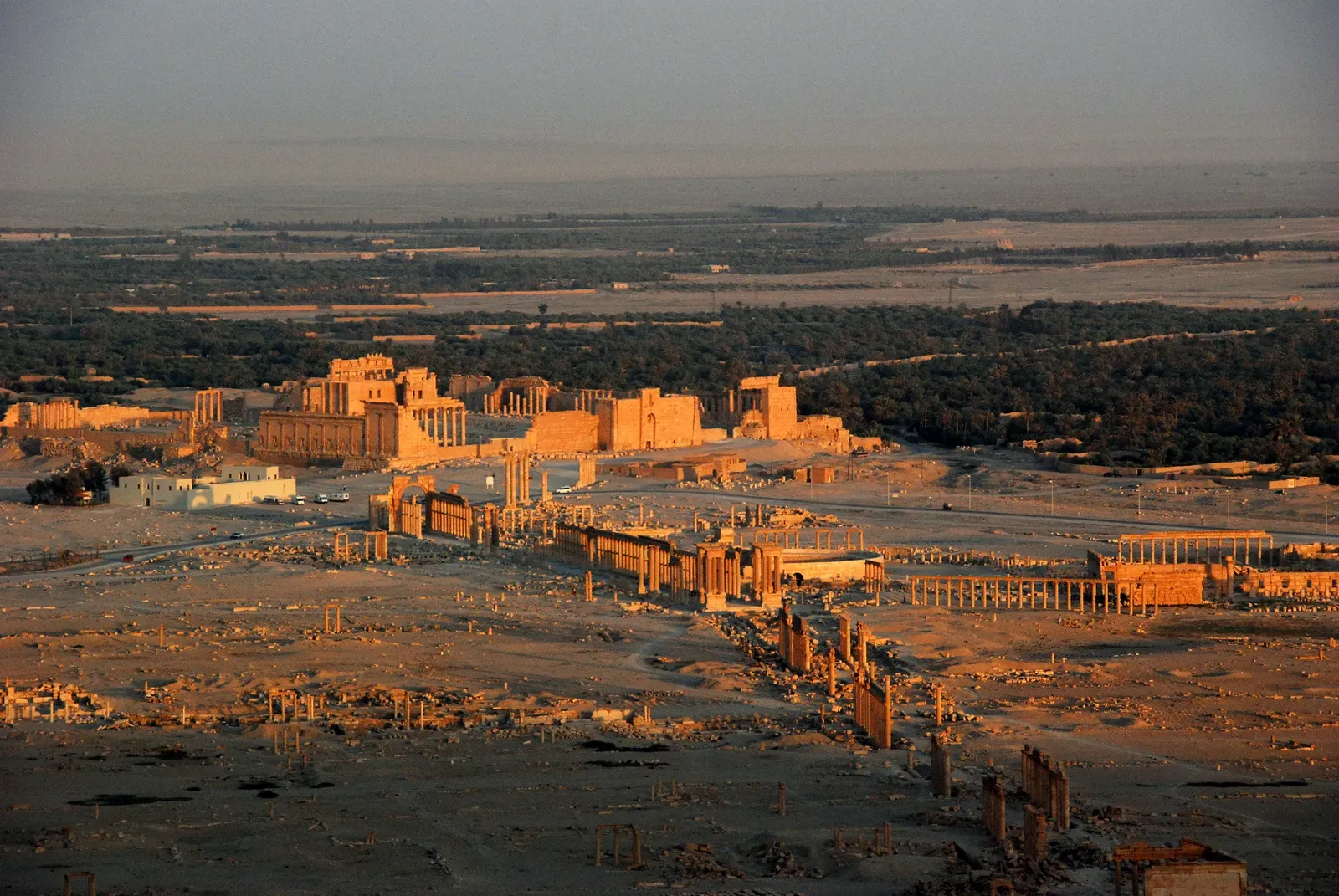
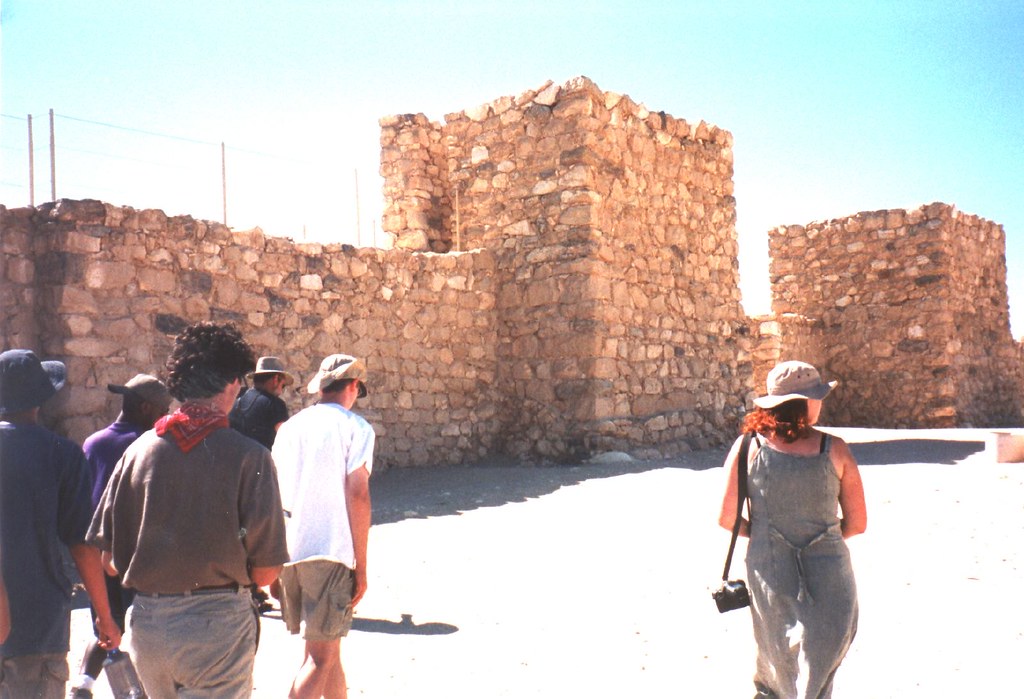
In the deserts of Syria, Jordan, and surrounding regions, archaeologists using aerial images and satellites stumbled on ghostly outlines of entire Roman military systems that had gone unnoticed on the ground. Hidden beneath drifted sand are fortresses, marching camps, and long-straight roads that once connected frontier posts across what the Romans saw as their desert borderlands. Many of these outlines only jump out when viewed from above, like a secret blueprint printed onto the earth.
What surprised researchers most was just how extensive and organized these installations were. The desert, which once seemed like a vague buffer zone, now appears more like an active military and trade corridor laced with infrastructure. Every time a new high-resolution image reveals another fort rectangle or road line, it chips away at the old idea of deserts as empty gaps in history and replaces it with a picture of constant movement, patrol, and control.
3. The “Lost City” Complexes Revealed by Satellite in the Arabian Desert
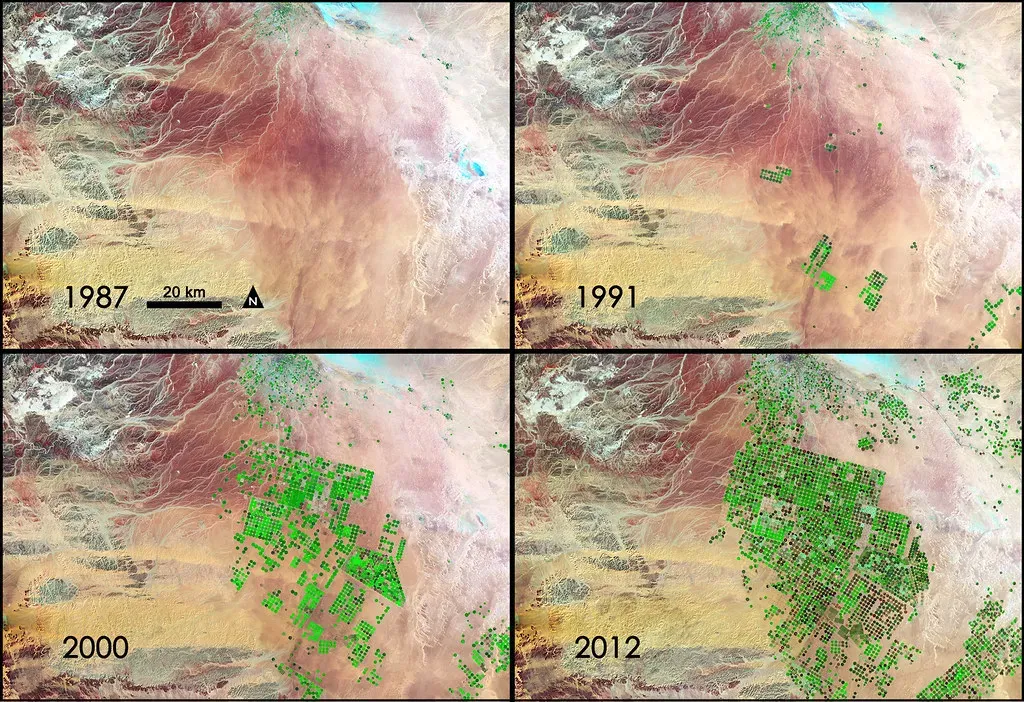
In the Arabian Peninsula, particularly across Saudi Arabia’s vast deserts, remote sensing has uncovered hundreds of mysterious stone structures, enclosures, and settlement traces that were previously unknown. Many of these lie under thin layers of sand or in rocky desert plains, invisible to the casual traveler but painfully obvious in satellite photos. Some look like keyhole shapes, others like long walls or fenced areas, and many are clustered together in ways that suggest large, organized communities.
Archaeologists did not exactly expect to find nothing there, but the sheer density and variety of what has been spotted from space has been genuinely shocking. These findings suggest that places once written off as marginal may have supported sizable populations, seasonal camps, and perhaps even urban centers during greener periods. The real mystery now is not whether people lived there, but who they were, how they adapted to shifting climates, and why so many of their constructions ended up buried and forgotten beneath the desert crust.
4. The Ancient “Green Sahara” Rock Art and Hidden Lakes
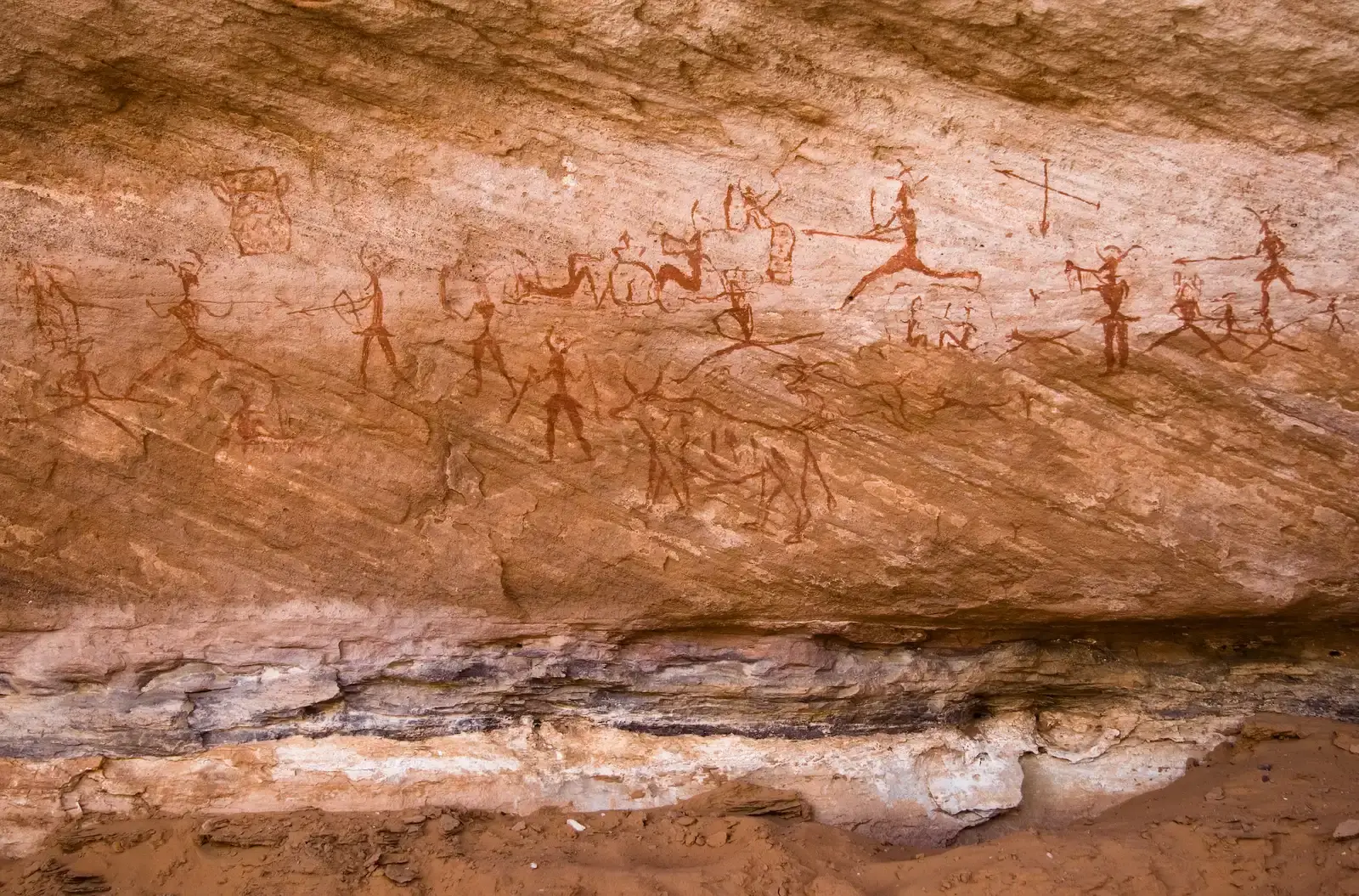
Deep in the Sahara, beneath and between the dunes, scientists have detected fossil lakebeds and long-dead river channels, some of which hold sediments that preserve microscopic evidence of wetter times. In nearby caves and rock shelters, there is vivid rock art showing hippos, crocodiles, fish, and pastoral scenes that make the Sahara look more like a savanna than a sand ocean. These images and buried lake sediments were not exactly objects dug up like pots, but they are extraordinary records hidden under desert deposits.
For archaeologists, the shock is not that climates change, but how radically this particular one did. The Green Sahara period, when much of the region was dotted with lakes and grasslands, supported communities of hunter-gatherers and early herders whose tools and camps are still being excavated from former shorelines. Beneath the dunes, scientists have found pollen, animal bones, and human artifacts that show just how rapidly people had to adapt when the climate swung back toward aridity and the lakes retreated, leaving their stories sealed under sand.
5. Buried Pyramids and Tombs Detected Under Desert Sand
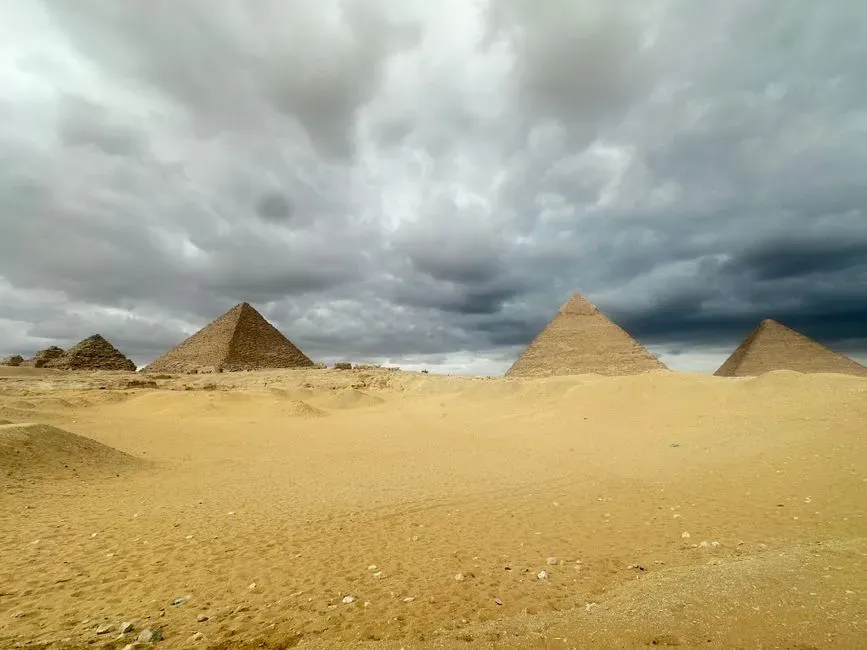
When people think of Egypt, they picture pyramids rising above the desert, not hiding under it. Yet several pyramids, tomb complexes, and entire cemeteries have been discovered mainly because of satellite and infrared imaging that revealed subtle differences in how buried stone foundations affect surface temperatures. At first, some of these shapes looked too good to be true, almost like illusions in the data. But in multiple cases, ground surveys and excavations confirmed there were real structures beneath the sand.
What made these discoveries so unexpected is that Egypt has been studied for generations, yet modern technology keeps proving that the desert floor still conceals major architecture. Archaic tombs swallowed by drifting dunes, mudbrick pyramids almost completely flattened, and forgotten necropolises have all emerged from these investigations. Every time a new sub-sand structure is mapped, it raises the tantalizing possibility that other ancient cultures in desert regions may also have large monuments still lying just out of sight, erased from view but not from existence.
6. Ancient Papyrus and Texts Preserved in Desert Rubbish Heaps
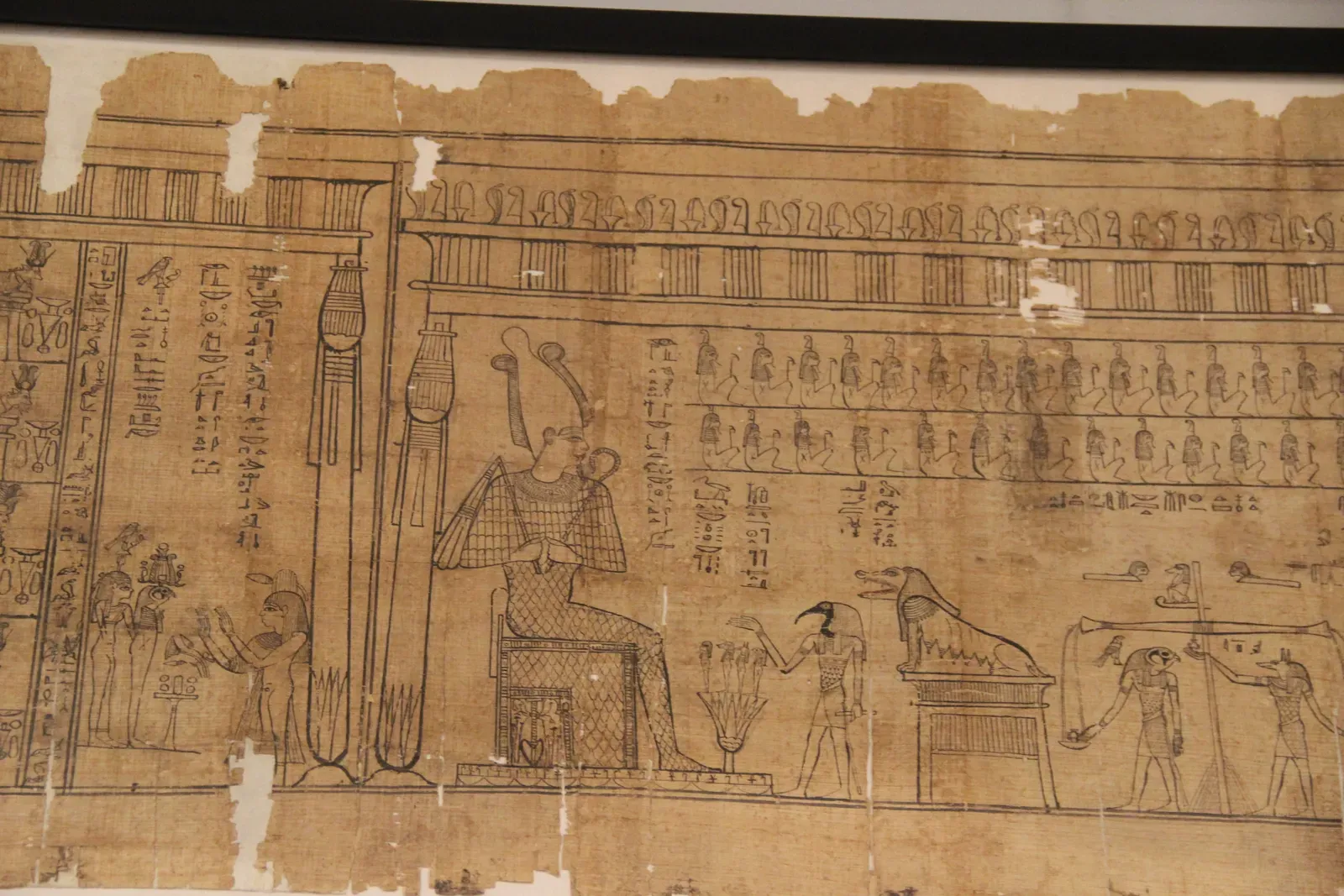
One of the strangest categories of desert finds is also one of the most informative: old trash. In places like the Egyptian desert around ancient towns and military posts, archaeologists excavating long-abandoned rubbish heaps have unearthed bundles of papyrus, leather documents, and wooden writing tablets. The dry environment acts almost like a natural archive, preserving fragile texts that would have rotted away in damper climates. Many of these were never meant to be saved; they were simply thrown out.
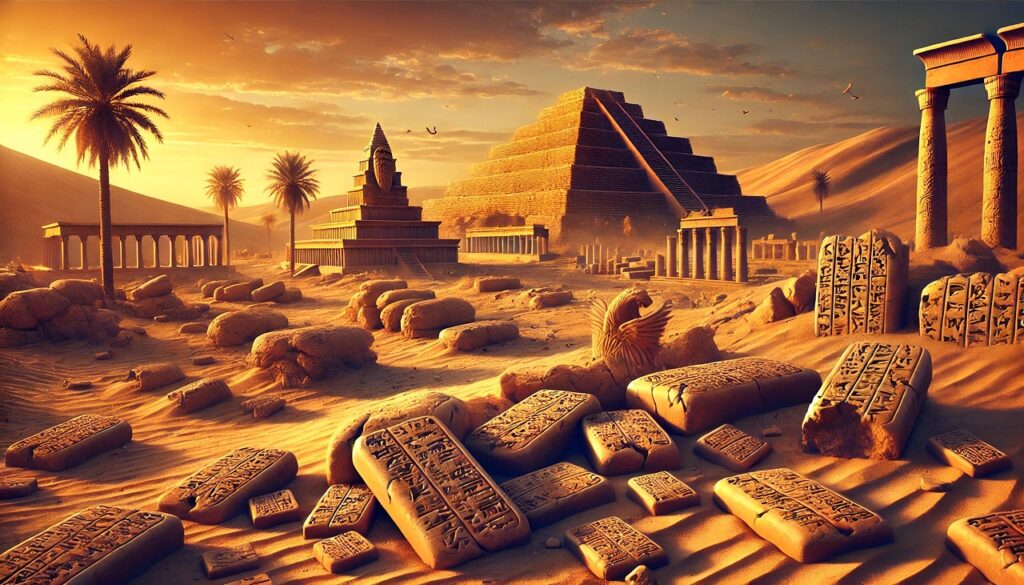
What no one really anticipated was the sheer variety of human detail preserved in this literal ancient garbage. Shopping lists, tax records, letters between family members, military rosters, and school exercises all turn up among the scraps. Buried under layers of sand and rubble, these documents transform from throwaway clutter into priceless historical evidence, giving us a closer look at everyday life than most grand monuments ever could. The desert became a reluctant librarian, keeping what people themselves decided was no longer worth keeping.
7. Desert Megaliths and Stone Alignments with Unclear Purposes
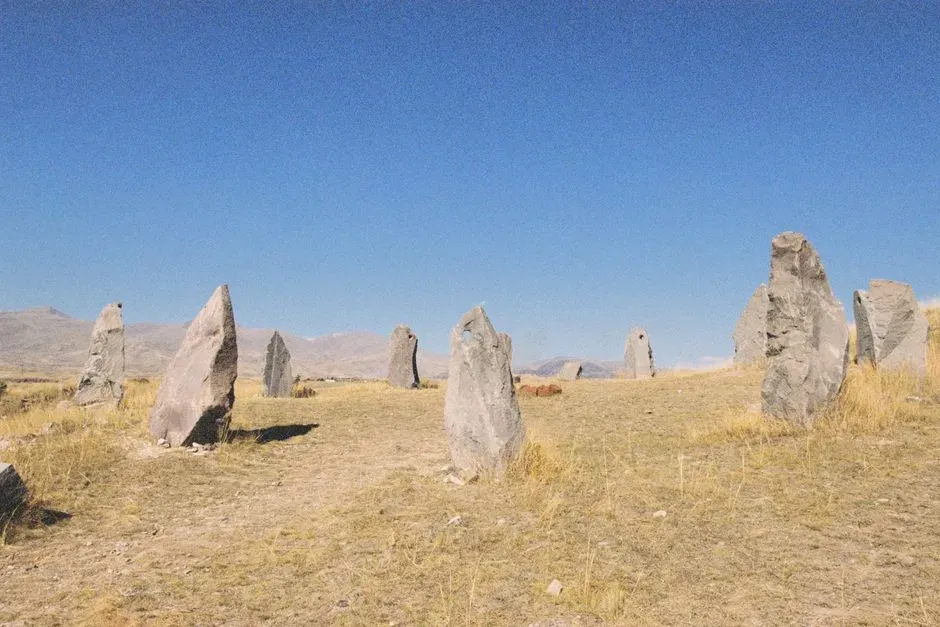
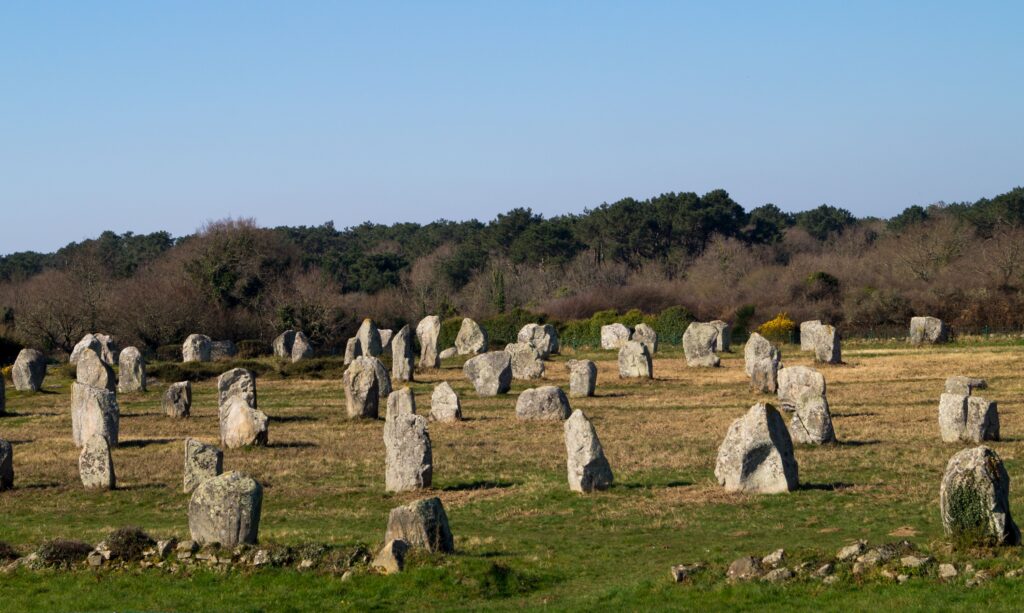
Across North African and Middle Eastern deserts, teams have identified large stone circles, elongated alignments, and standing stones that appear to have been carefully arranged thousands of years ago. Some of these are now barely visible at ground level, half buried or eroded, but still form distinct patterns when mapped or photographed from above. Unlike well-known monuments with inscriptions or clear cultural contexts, many of these desert megaliths sit in isolation, their builders unnamed and their exact purpose still debated.
Archaeologists have proposed ideas ranging from burial markers and ritual sites to territorial boundaries and early forms of astronomical observatories. What adds to the mystery is that many of these alignments appear in areas that are now extremely dry, where sustained settlement seems unlikely without very different rainfall patterns. So each stone circle or line of boulders is a puzzle piece hinting at vanished communities and belief systems. They are definite, physical objects you can stand beside, yet their meaning remains just out of reach, like a story told in a language we have not fully decoded.
8. Fossilized Forests and Tree Trunks Under Desert Dunes
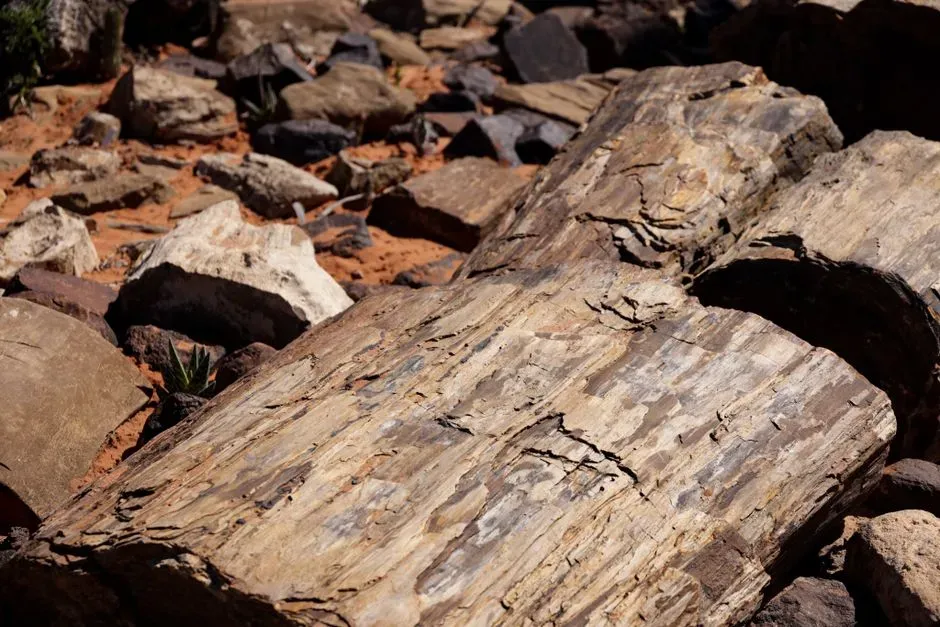
In several deserts, including stretches of the Sahara and parts of the Arabian and Namib deserts, researchers have uncovered fossilized tree trunks and buried forest soils beneath the sands. Some of these trunks are so well preserved that you can still see growth rings and bark textures, even though they hardened into stone or partially mineralized long ago. The first sight of a massive tree trunk sticking out of an otherwise barren dune field can feel almost surreal, like spotting a whale skeleton in the middle of a parking lot.
These fossil forests were a surprise not because scientists doubted that climates could shift, but because the remains are sometimes found in places now considered among the harshest environments on Earth. Under the sand, the ground can tell a completely different story: roots penetrating moist soil, leaf litter transformed into sediment layers, and pollen grains preserving traces of past plant communities. Every trunk and buried stump is a quiet witness to a time when the desert was greener, reminding us that what we think of as permanent landscapes are really just snapshots in a very long movie.
9. Subterranean Aqueducts and Hidden Desert Water Systems
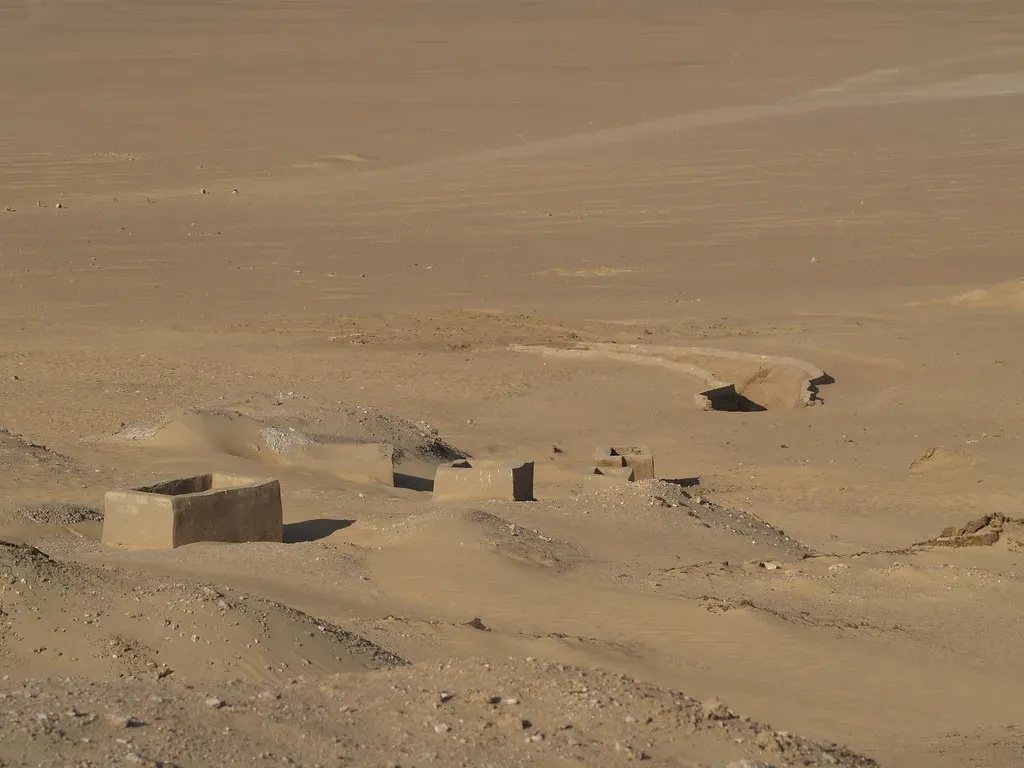
In deserts from Iran to North Africa, archaeologists and engineers have documented intricate underground water channels and aqueduct systems known in some regions as qanats or foggaras. Many of these systems run for kilometers beneath the surface, fed by distant springs or underground reservoirs, and were designed to carry water gently downhill to fields and settlements without losing much to evaporation. In some cases, the surface vents and access shafts had been buried or eroded, leaving the whole system effectively invisible until rediscovered.
The stunning thing for many modern researchers is the scale and subtlety of this technology. These are not just simple ditches; they are precisely graded tunnels that required engineering knowledge, coordinated labor, and long-term maintenance. When archaeologists find collapsed galleries or use geophysical surveys to trace old channels beneath desert floors, they are often forced to rethink assumptions about how “marginal” these landscapes really were. Far from being simple survival zones, some deserts supported sophisticated, water-managed societies that literally ran their lifelines underground.
10. Unexpected Human Remains and Cemeteries in “Empty” Desert Tracts
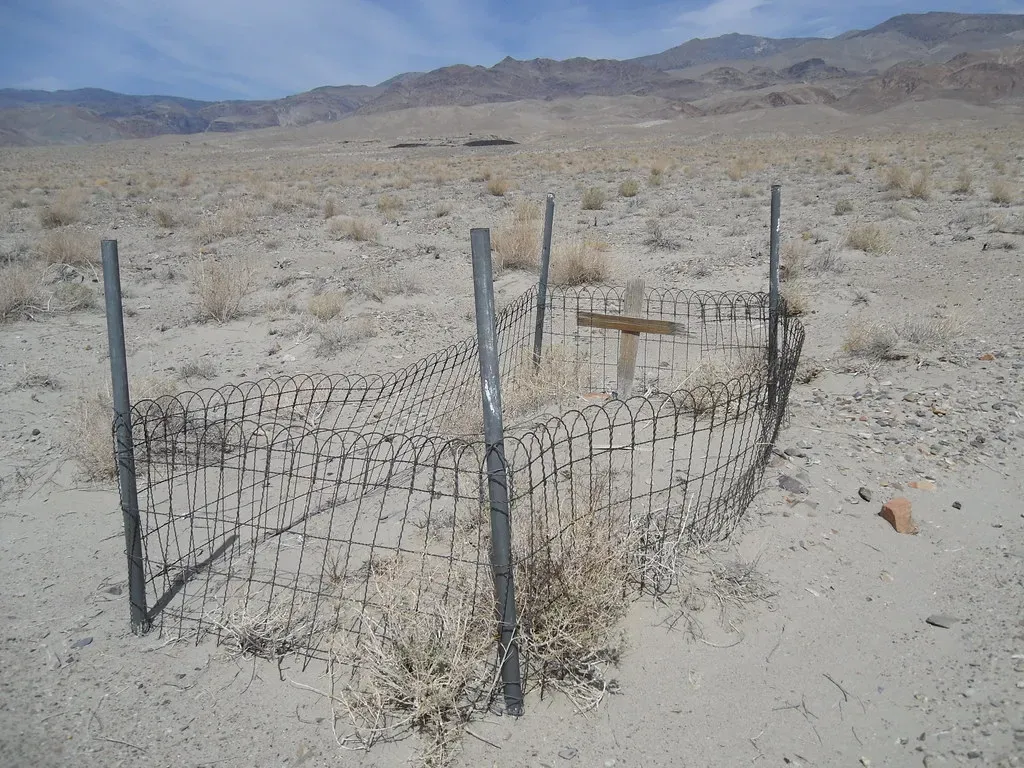
Perhaps the most haunting discoveries in deserts are cemeteries and isolated burials found where no one expected permanent settlement at all. Excavations in parts of the Sahara, the Arabian deserts, and Central Asian arid zones have uncovered graves containing carefully arranged bodies, grave goods, and sometimes signs of repeated burial over generations. Often there is no visible architecture left on the surface, only the faintest clues that something lies beneath until a survey or a chance find reveals a cluster of graves.
These burial grounds pose tough questions: Were these people nomads who returned to the same sacred spots? Did these areas once support villages that vanished as the climate hardened? The objects buried with the dead – beads, tools, pottery, sometimes animal remains – help sketch out fragmentary biographies, but the wider story is still emerging. Standing in a silent field of excavated graves, surrounded by dunes that hide who knows how many more, it is hard not to feel that our maps of the past are still missing entire chapters, especially in places we once wrote off as empty.
Conclusion: Deserts as Earth’s Most Honest Time Capsules
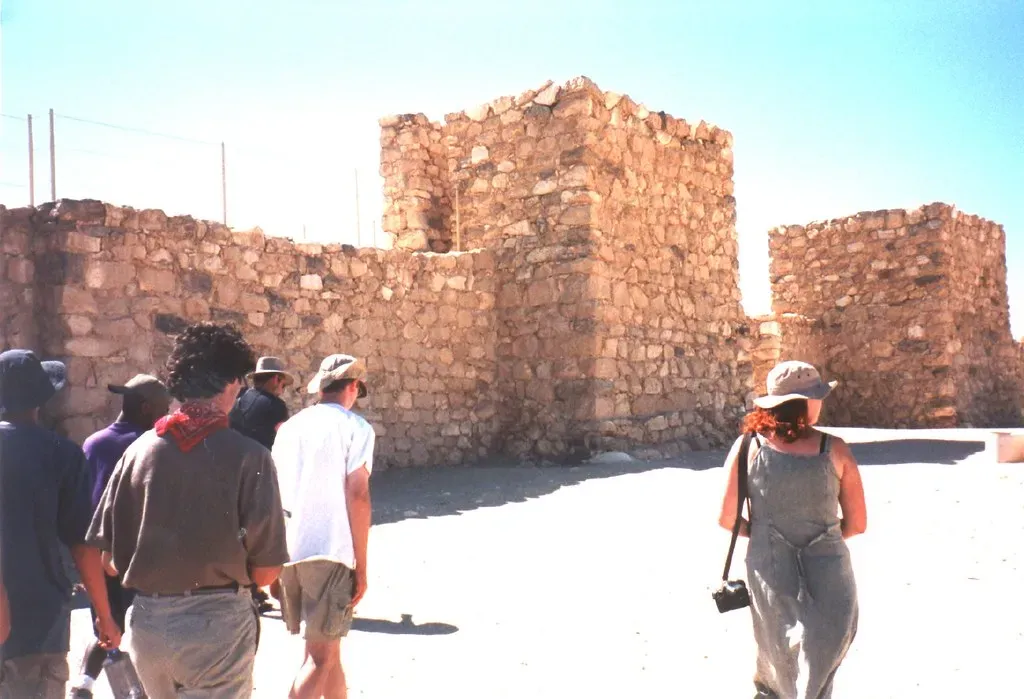
What ties all these discoveries together is a simple but humbling lesson: deserts remember. The very harshness that makes them look lifeless today is exactly what allows fragile papyri, wooden boats, fine stone alignments, and even human stories to survive for millennia. Archaeologists went into many of these landscapes expecting scattered clues; what they keep finding instead are sprawling archives, from shipwrecks marooned in sand to underground aqueducts and fossil forests that upend our sense of what these places used to be.
Personally, I think deserts might be the most honest time capsules on the planet. They strip away the noise – no thick forests, no constant rain, no rapid decay – and leave behind the bones of history in plain sight for anyone willing to look closely or scan from the sky. As technology keeps sharpening our view beneath the sand, it would be naïve to assume we have already found the strangest objects that wait there. When you picture a desert now, do you still see emptiness, or do you picture a buried city just one good windstorm or one careful excavation away from coming back into view?