Picture a filing cabinet from four thousand years ago. Most of it is exactly what you’d expect: grain counts, wage receipts, marriage contracts. Then, tucked into the same drawer, written in the same handwriting, by the same scribes, on the same clay, sits a king who supposedly ruled for 43,200 years.
That’s not a metaphor. That’s the Sumerian King List, and it’s not alone. Linguists who spend their careers translating cuneiform have started admitting something historians really don’t love hearing: the tablets themselves never flag these events as myth. No wink, no disclaimer, no separate “legend” folder. Here are the twelve records where the ancient scribes and modern scholars flatly disagree.
#1 – Pre-Flood Monarchs Ruled for 18,600 Years Each
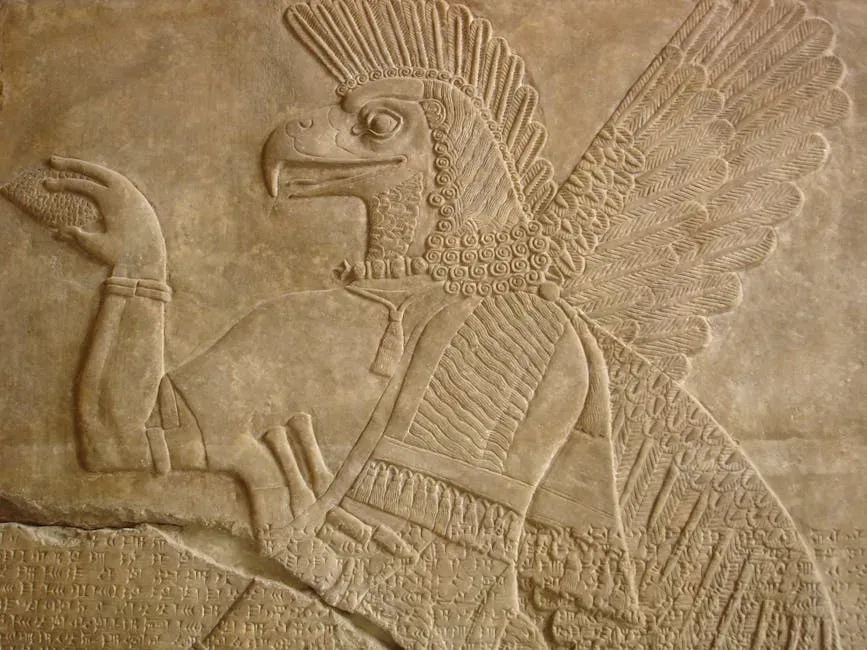
The oldest section of the Sumerian King List, preserved on multiple clay prisms, names eight kings who ruled before a great flood. Their reigns aren’t rounded or vague. They’re written out in exact numbers, some stretching past 30,000 years, with the same precision a scribe would use to log a shipment of barley.
Historians have spent a century calling these numbers symbolic, political, or simply exaggerated for effect. But the tablets show no sign of that intention. Multiple copies from different cities, written centuries apart, preserve nearly identical figures – which raises an uncomfortable question about whether ancient scribes were inventing numbers or copying them from something older.
Fast Facts
- Eight kings are named before the flood, ruling across five different Sumerian cities.
- The longest single reign recorded runs to 43,200 years.
- Combined, the eight pre-flood reigns add up to well over 200,000 years in the most complete surviving copy.
- The numbers were carved on the same clay prisms used for ordinary tax and shipping records.
#2 – The Flood Tablet Names a Specific Survivor and Boat Design
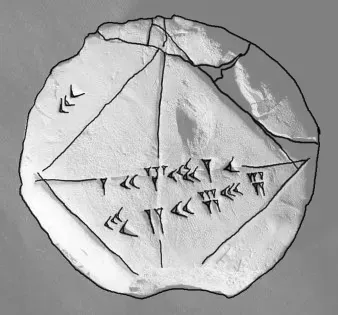
Versions of the Atrahasis epic don’t describe a vague ancient disaster. They name a specific man, give him specific instructions from a specific god, and list exact measurements for the vessel he’s told to build. Animals, provisions, dimensions – it reads like a construction order, not a bedtime story.
Scholars translating the language note that the narrative sits on the tablet in the exact same tone as the administrative records surrounding it. No shift in style, no allegorical framing. Historians still argue it grew out of ordinary river flooding blown into legend over generations. The tablets, meanwhile, describe one flood, one boat, and one man who lived to tell it.
#3 – Kingship Descended from Heaven as Literal Fact
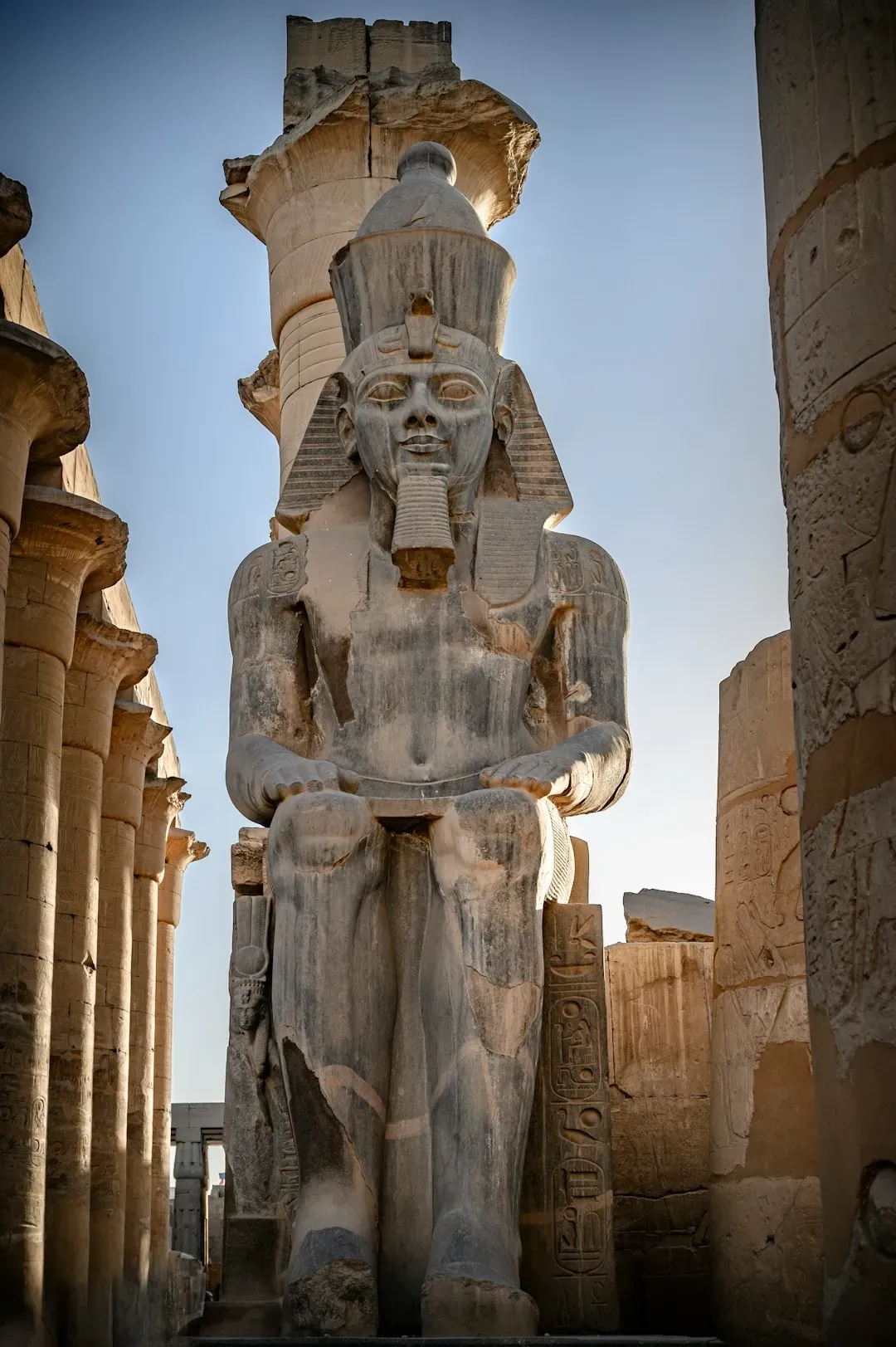
Every surviving version of the King List opens the same way: after the flood, kingship was lowered from heaven. Not granted symbolically, not inherited through bloodline politics – lowered, as a completed physical event, using the same verb forms scribes used for delivering goods.
This line appears before a single human name is recorded. It’s the hinge the entire document swings on. Modern historians read it as propaganda dressed up to legitimize whichever dynasty commissioned the copy. The tablets, however, treat it as the literal starting gun for every king that follows.
History begins at Sumer.
Samuel Noah Kramer
#4 – Overlapping Dynasties Presented as Sequential Rule
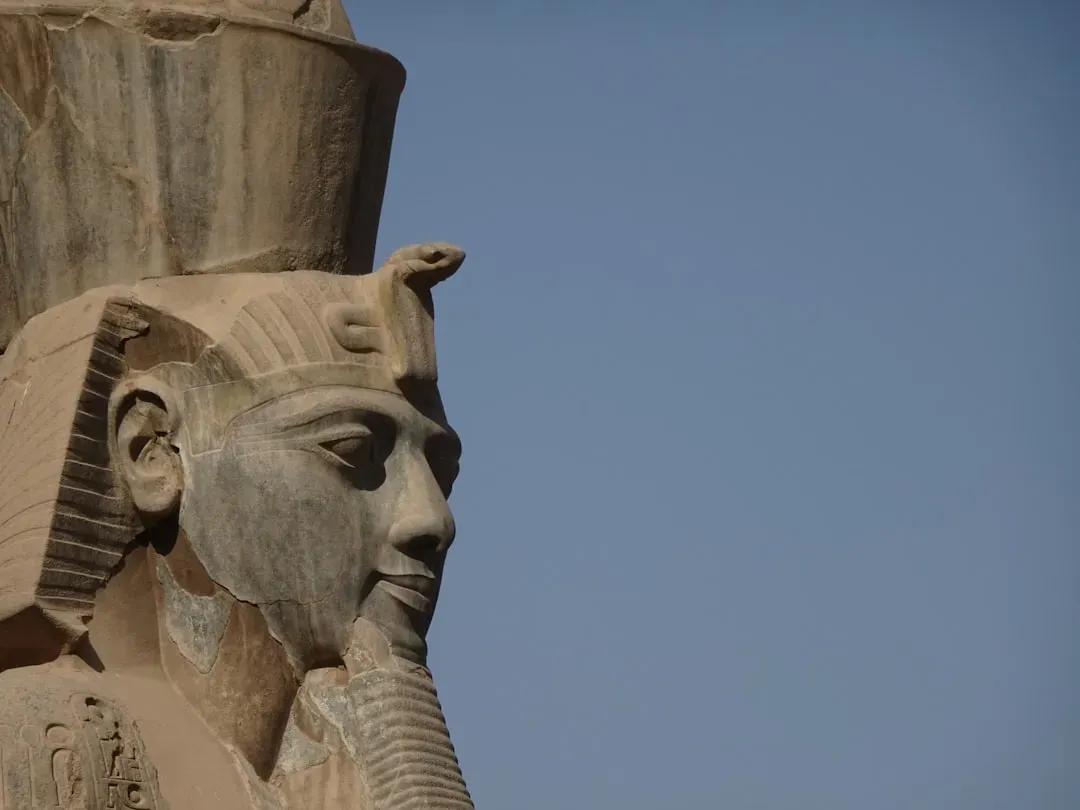
Archaeology has shown that several city-state dynasties on the King List actually ruled at the same time, competing for territory rather than taking neat turns. The tablets ignore this entirely. They stack every dynasty end to end, one after another, in an unbroken chain.
Scribes copying the list across centuries never corrected this. No footnotes, no alternate timelines, nothing suggesting the sequence was known to be artificial. Linguists confirm the ordering was deliberately smoothed into a single line of succession. Historians call it propaganda. The tablets call it history.
Quick Compare
- King List version: dynasties listed one after another, with no overlap shown.
- Archaeological version: rival courts in Kish, Uruk, and Ur often ruled at the same time.
- King List version: implies a single center of power at any given moment.
- Archaeological version: power was frequently split between competing cities.
#5 – Gilgamesh Listed as a Real King with a 126-Year Reign
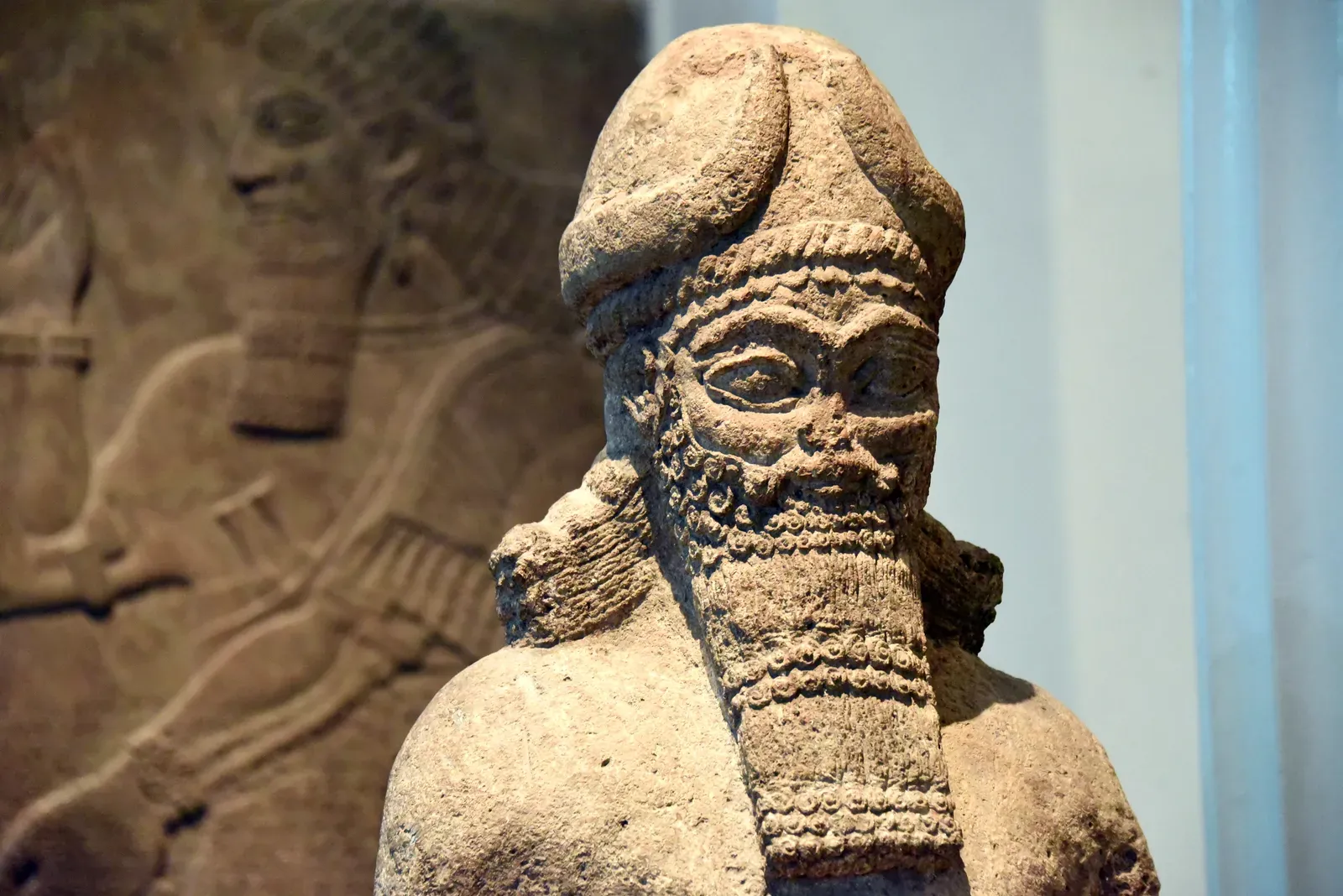
Gilgamesh shows up in the King List not as a folk hero but as an administrative entry: king of Uruk, reign length 126 years, filed in the same format as every other ruler on the page. Later, verifiably historical kings appear right below him, recorded identically.
Assyriologists have actually found separate inscriptions referencing a king by that name, which complicates the easy dismissal. Historians typically wave off the 126-year reign as legendary padding tacked onto a real person. The cuneiform doesn’t make that distinction anywhere on the tablet.
#6 – Venus Tablet of Ammisaduqa Ties Mythic Chronology to Astronomy

This one is genuinely strange. A clay tablet records detailed Venus observations made during the reign of a king placed early in the King List’s murky chronology. Modern astronomers have run the numbers, and the celestial positions check out against real, calculable planetary movement.
The tablet reads like a plain observational log, not an omen text dressed in religious language. That’s the twist: it anchors a supposedly mythical era to something measurable and real. Historians still argue over exact dating, but nobody can wave this one off as pure invention anymore.
At a Glance
- Records Venus’s appearances and disappearances over roughly a 21-year span.
- Tied directly to the reign of King Ammisaduqa of Babylon’s First Dynasty.
- Used by modern astronomers to attempt absolute dates for Mesopotamian chronology.
- Considered one of the earliest known systematic astronomical records in history.
#7 – Multiple Independent Copies Preserve the Same Impossible Numbers
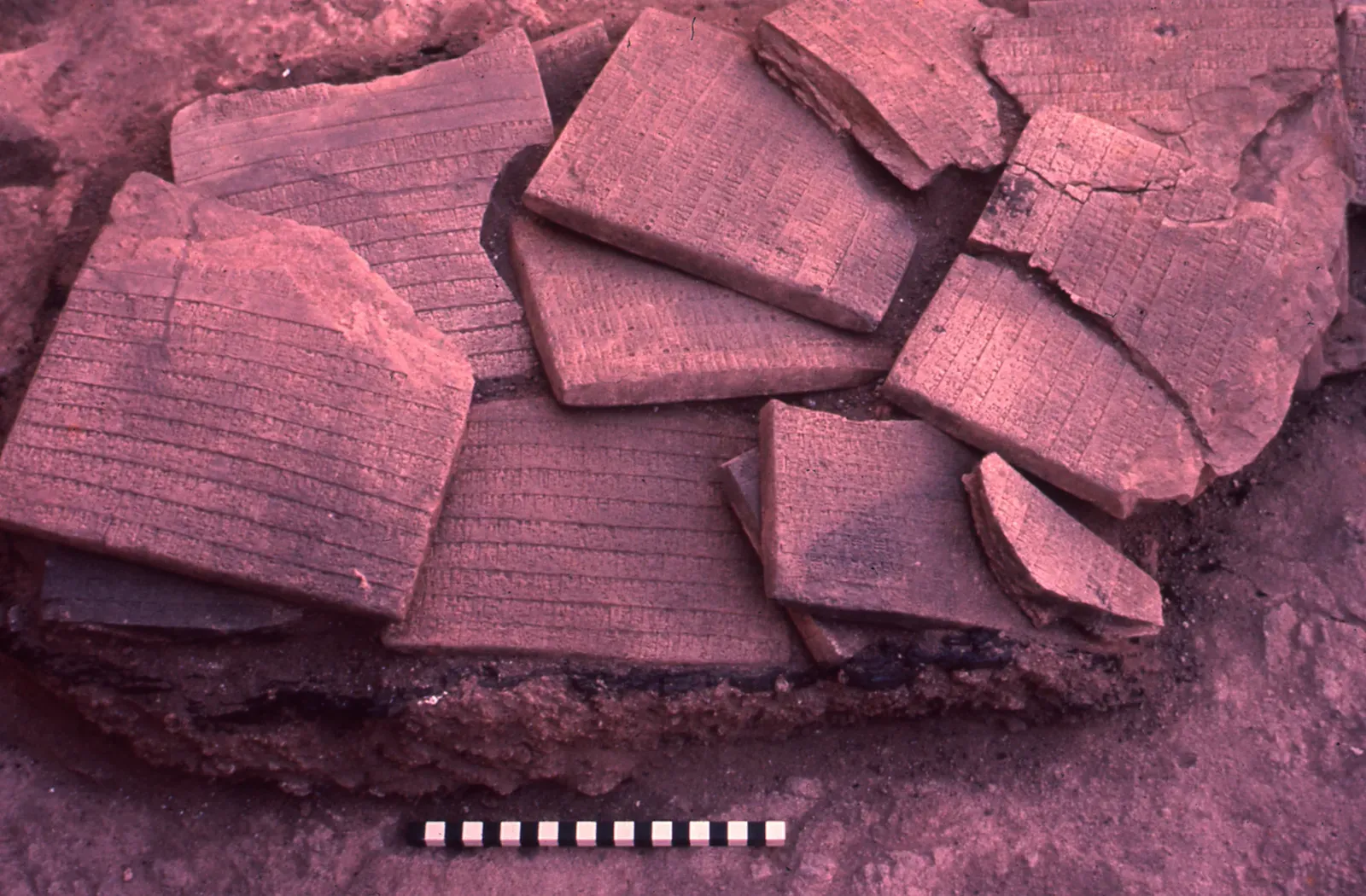
At least eighteen separate King List tablets and prisms have survived, pulled from different cities and different centuries. If these numbers were just local flourishes or scribal exaggeration, you’d expect them to drift wildly between copies. They don’t.
The pre-flood reign lengths line up within small variations across sources that had no reason to coordinate. Linguists note the number formatting matches ordinary administrative tablets from the same era. Historians still label the figures mythical. The physical evidence looks a lot more like data being carefully preserved than fiction being casually repeated.
#8 – Post-Flood Kings Transition Abruptly from Divine to Human Rule
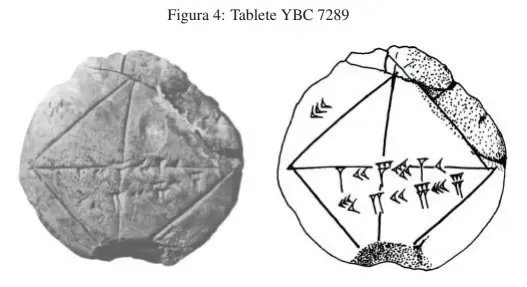
Right after the flood section, the reign lengths drop dramatically, from tens of thousands of years to numbers that sound almost plausible. There’s no explanatory paragraph marking the shift, no scribal note saying “and now we return to real history.”
The handwriting doesn’t change. The format doesn’t change. It’s the same document, same hand, same tone, straight through. Historians read this as the seam where myth quietly hands off to memory. The scribes who actually wrote it left no sign they saw a seam at all.
#9 – Ebla Tablets Initially Linked to Biblical Place Names
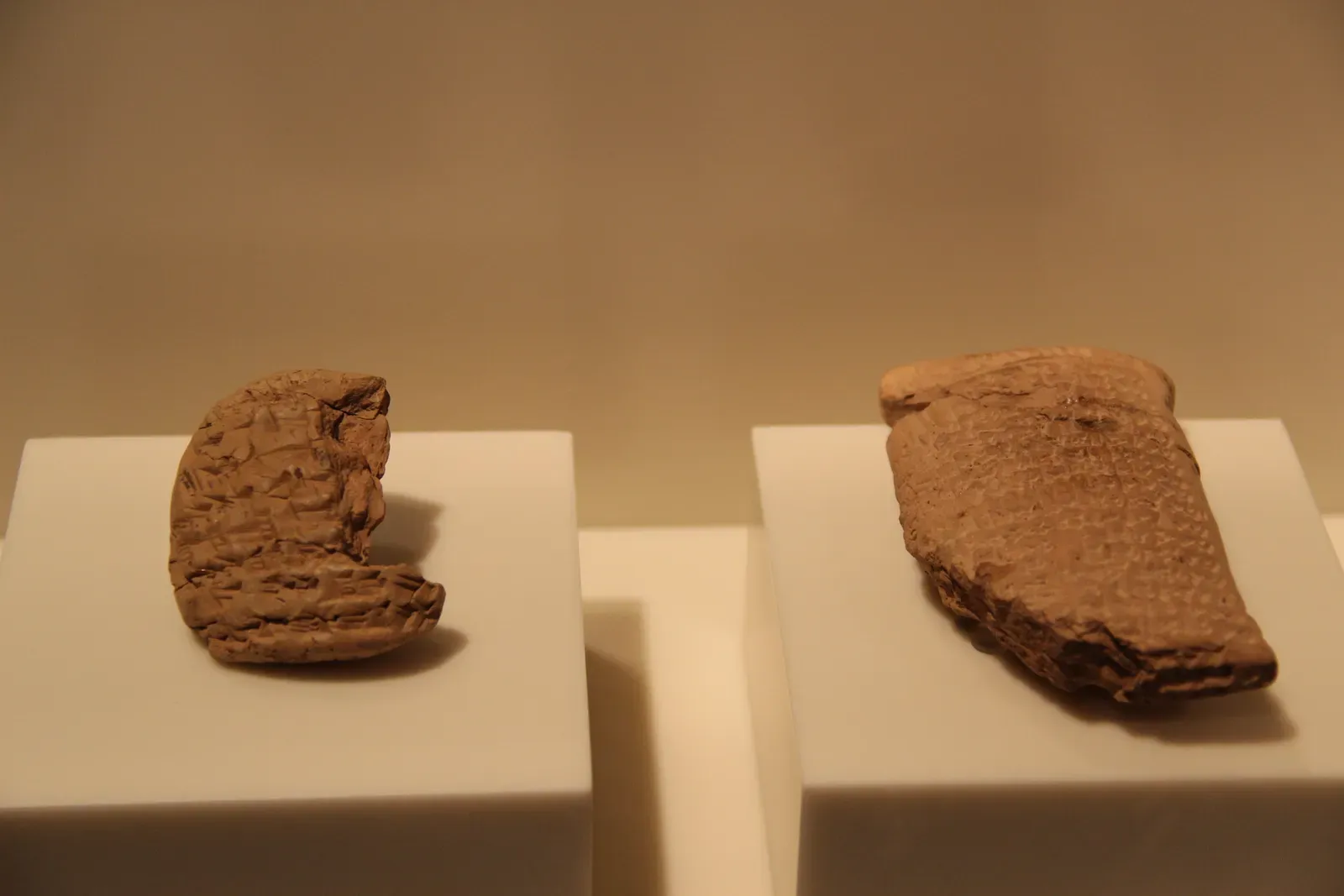
When thousands of tablets surfaced at Ebla in Syria, early translators were stunned to find what looked like biblical place names and figures embedded in ordinary administrative and lexical entries. It sparked genuine excitement, and genuine controversy, in Assyriology circles.
More cautious re-reading later walked back many of those specific identifications. But the underlying discovery still stands: a sophisticated, literate state existed in Syria centuries earlier than many historians expected. The tablets document real trade, real treaties, real diplomacy – the sensational headlines just got ahead of the careful translation.
#10 – Hittite Tablets Record Conflicts over Wilusa (Troy)
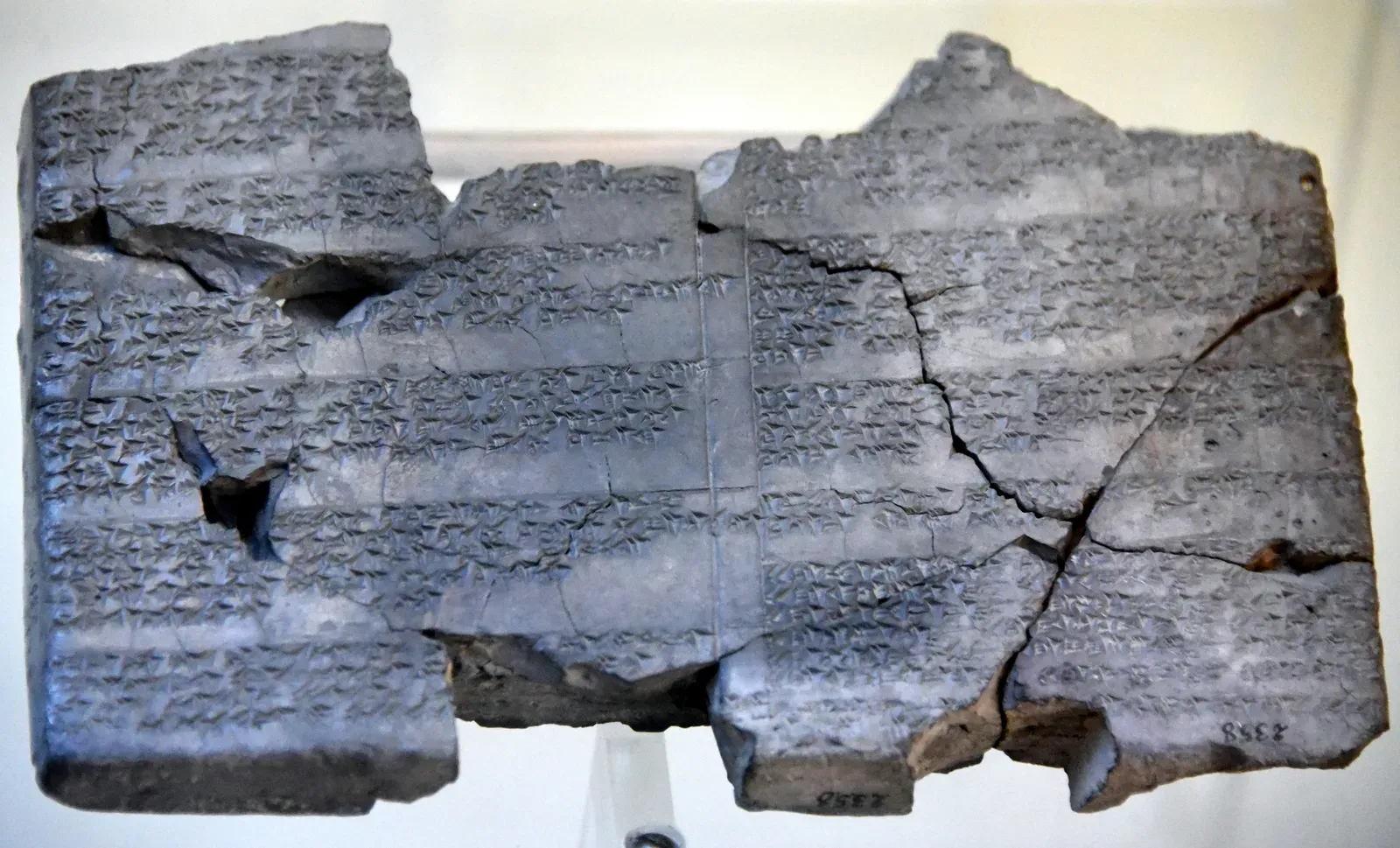
Hittite clay archives mention military dealings with a place called Wilusa, widely accepted as Homeric Troy, and a power called Ahhiyawa, most likely the Mycenaean Greeks. These aren’t poetic asides. They’re treated as routine matters of state, filed alongside every other border dispute the Hittites recorded.
Linguists have confirmed the geography through repeated mentions across multiple tablets, not a single lucky reference. Historians accept there’s a historical kernel here, while noting the real conflict was almost certainly smaller than the epic poem built from it. The tablets, for their part, just log it as diplomacy – no gods hurling spears, no ten-year siege for love.
Worth Knowing
- Wilusa appears in multiple Hittite treaties and diplomatic letters, not just one reference.
- Ahhiyawa is widely identified by Hittite-language specialists as a Mycenaean Greek power.
- One treaty names a king of Wilusa called Alaksandu, a name strikingly close to “Alexander,” the alternate name given to Paris of Troy.
- The records mention none of the epic’s gods, wooden horse, or decade-long siege – just routine state correspondence.
#11 – Administrative Tablets Alongside Mythic Lists Show No Scribal Distinction
Here’s the detail that quietly undercuts the entire “it’s just myth” argument. The same archives holding the King List also held thousands of ordinary economic tablets, written on identical clay, in identical script, often by the same scribes.
Nobody switched styles when moving from a grain tally to a record of 30,000-year reigns. Linguists have found no special markers anywhere separating “legend” from “record.” Historians insist the mythic material served a political purpose. The physical archive treats every document on the shelf exactly the same.
#12 – The King List Survives Because Scribes Treated It as Authoritative History
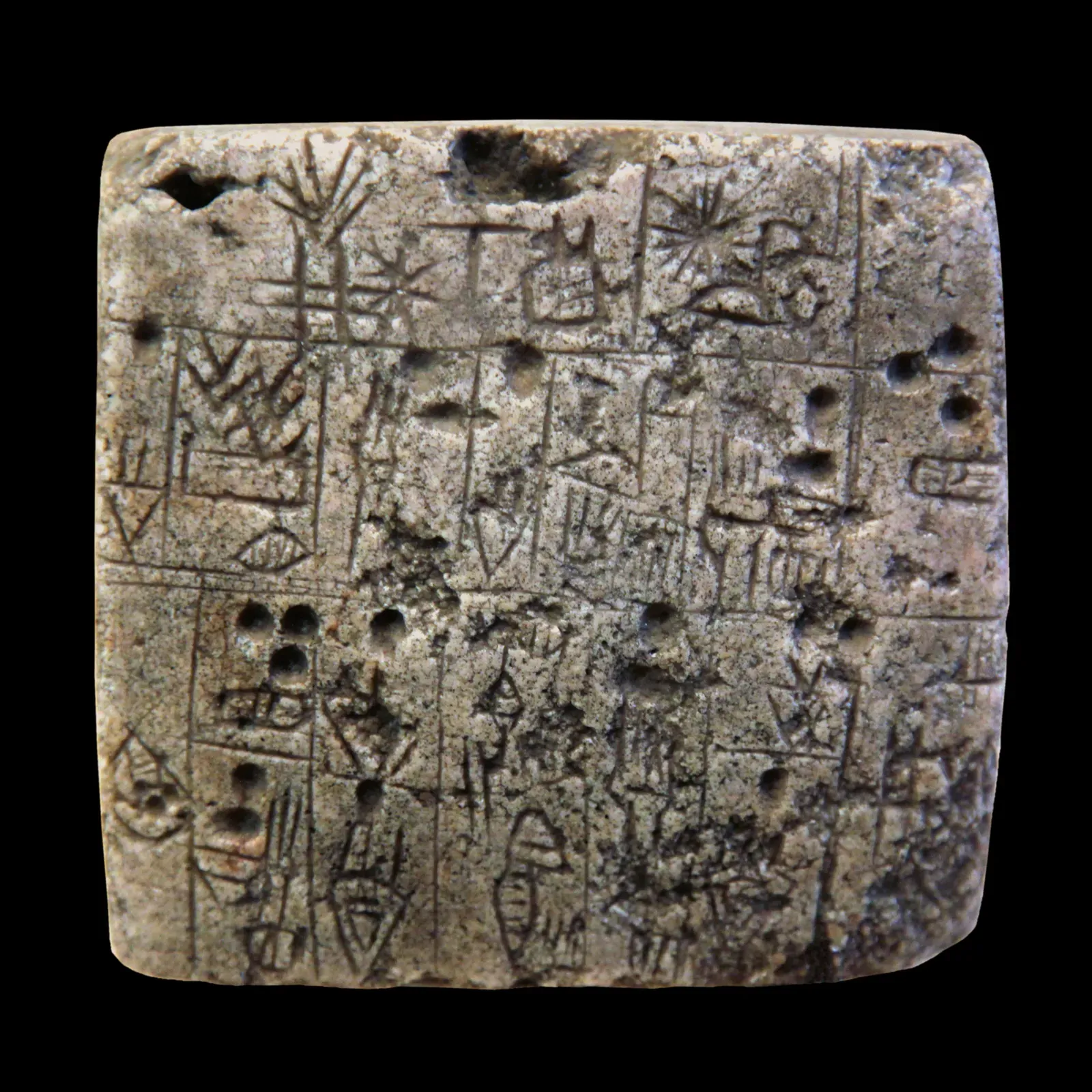
This is the detail that should really change how you read the other eleven. Long after the Sumerian period ended, Babylonian and Assyrian scholars kept copying, updating, and cross-referencing the King List for centuries. They weren’t preserving it as folklore.
They were using it to calculate regnal years and line up events across different kingdoms – practical, working scholarship, not antiquarian nostalgia. Linguists confirm the text was actively consulted, not just archived. Historians still frame the whole document as ideology. The people who actually depended on it for their calendars clearly thought otherwise.
Here’s my honest take: the tablets aren’t lying to us, and they’re not confused either. They’re doing exactly what clay was built to do – hold a record without apology. The scribes who pressed these numbers into wet clay weren’t sloppy, and they weren’t gullible; they were meticulous enough to keep grain counts accurate for millennia, which makes it hard to believe they got sloppy the moment they wrote down a king’s age. Somewhere between what the tablets insist and what modern historians allow, there’s a gap nobody has fully closed. Maybe the scribes knew something about record-keeping, or about history itself, that we’ve quietly stopped taking seriously. What do you think they were really preserving? Drop your take in the comments.