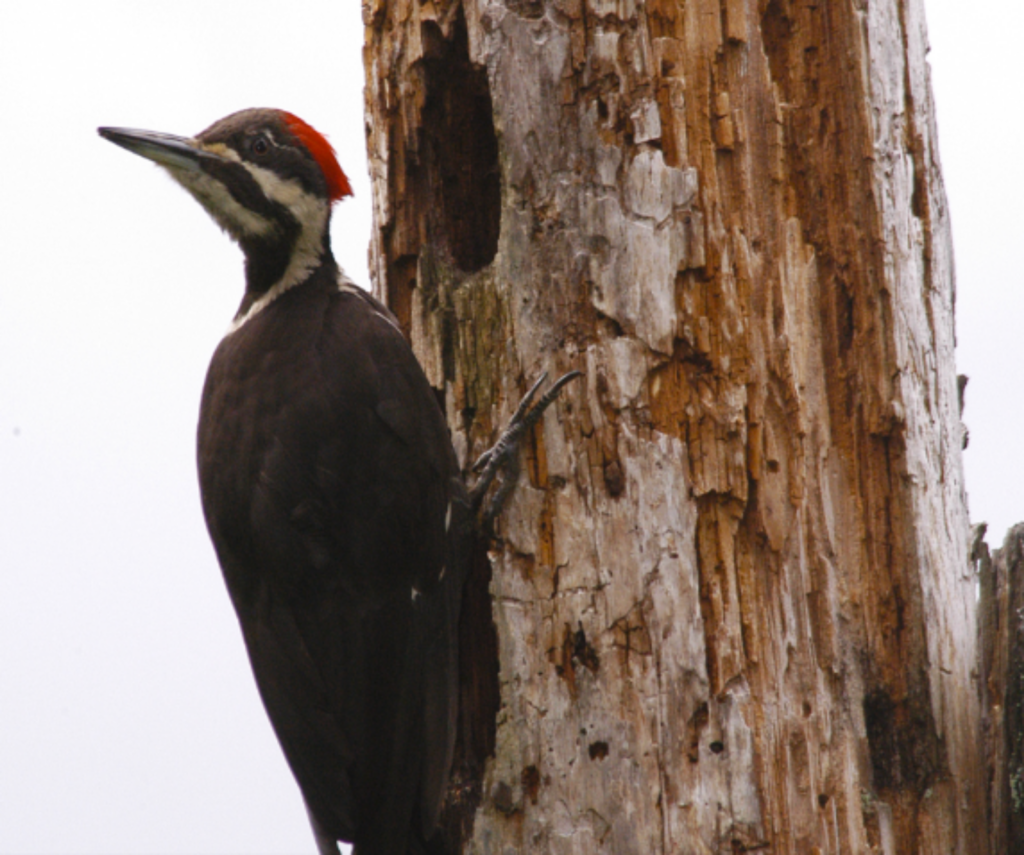

Every now and then, you see a woodpecker land on a dead or dying tree, hammer away for a while, and only later move to something that still looks alive and thriving. It feels oddly symbolic, like watching nature perform a quiet inspection before signing off on what lives and what goes. I still remember pausing on a trail once, watching a pileated woodpecker ignore a leafy oak to go straight for a ghostly gray snag, and thinking: it knows something I don’t.
That instinct you get – that woodpeckers are revealing a hidden story about the forest – is not wrong. When they show up first on dead trees and only later on healthy ones, they’re tracking insect life, decay, and subtle signs of stress long before we notice anything. Understanding what their choices mean can change the way you see your yard, your local park, and even climate change itself.
Why Woodpeckers Are Drawn To Dead Trees First
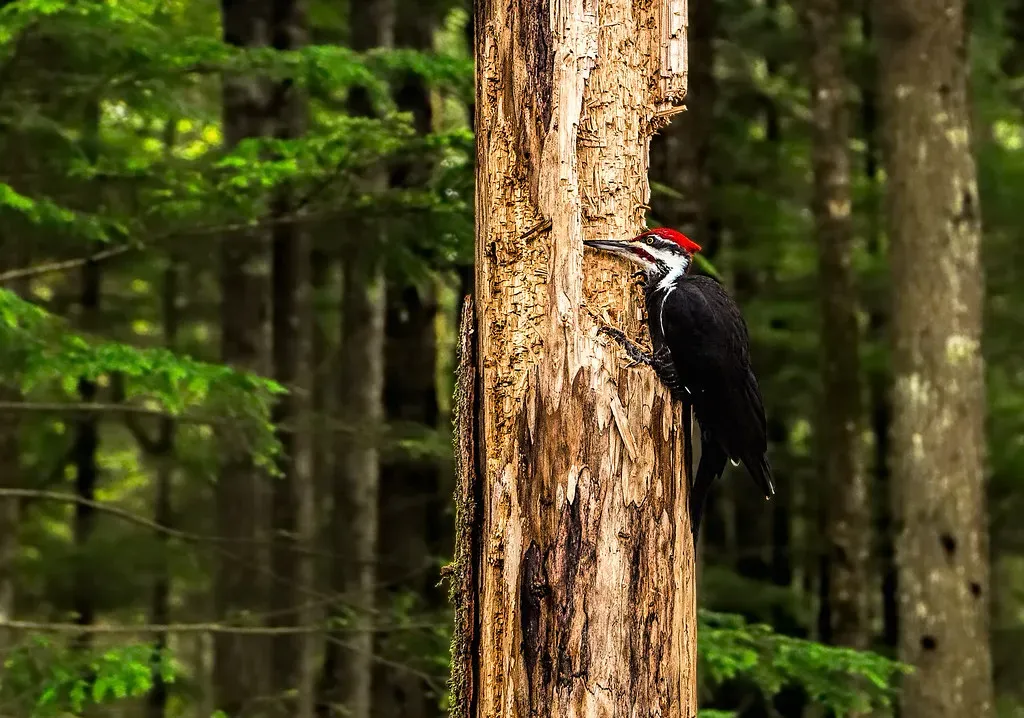
It might feel harsh, but woodpeckers are unapologetically practical: dead wood is a buffet. Once a tree dies, beetles, ants, and other insects move in, tunneling under the bark and into the softer heartwood. For a woodpecker, that is like a fully stocked pantry that doesn’t fight back, wrapped in bark that is easier to break through than a live tree’s tough, flexible tissues.
Dead trees also tend to amplify sound differently. When a woodpecker taps on dead wood, the vibrations and echoes help it detect hollow sections, larvae galleries, and soft spots rich with food. Healthy trees can hold food too, but the signal is clearer in dead wood, so it makes sense that they go there first. In a way, they are listening to the tree’s skeleton to find the richest spots.
How Woodpeckers “Diagnose” Tree Health Before We Can
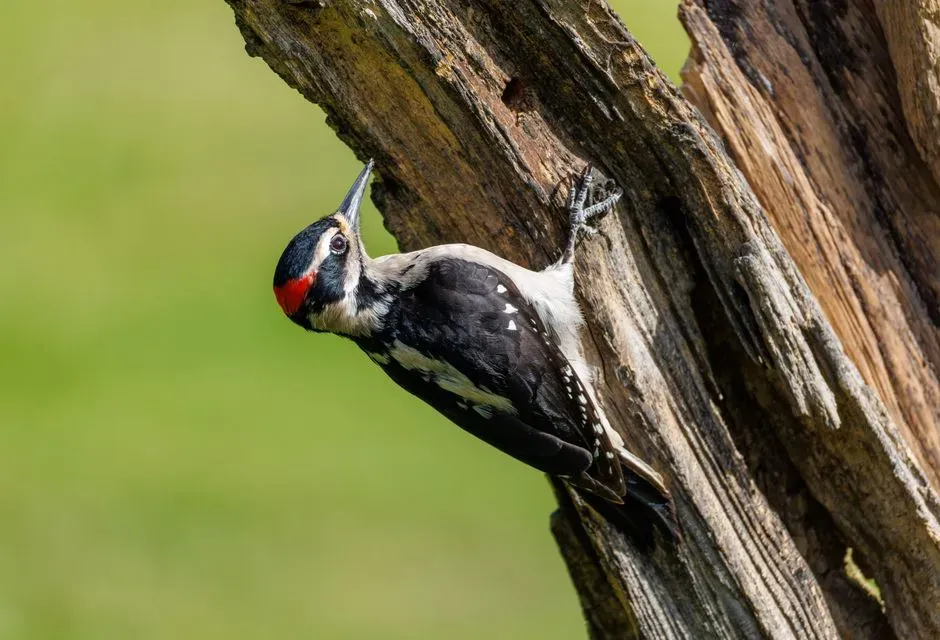
Woodpeckers do not read lab reports, but they are expert diagnosticians of wood. They sense softness with every blow of the beak: if the wood yields slightly or sounds dull and hollow, it suggests internal decay or insect tunnels. When they spend a lot of time on one particular trunk, especially if it still looks okay to you, it can be an early sign that something is going very wrong inside.
You can think of them as living, flying MRI scanners for trees. While we see green leaves and assume everything is fine, they detect the subtle presence of boring beetles, fungi, or rot by feel and sound. If a woodpecker frequents a “healthy” tree right after investing time on nearby dead ones, it may be tracking the spread of insects from dead hosts into living ones, hinting at a problem you probably cannot see yet.
Dead Trees As Wildlife Condos, Not Just Rotting Wood
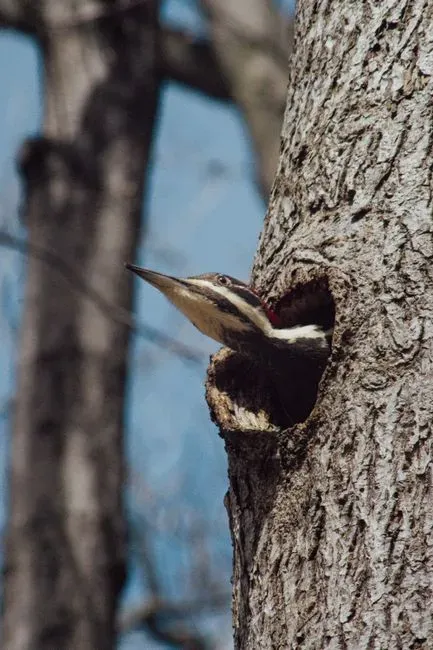
When woodpeckers concentrate on dead trees, they are not only feeding; they are also shaping the neighborhood for countless other species. Many woodpecker species excavate nesting cavities in dead or dying trunks, because soft, decayed wood is much easier to carve into safe, enclosed spaces. Once they abandon these cavities, other animals move in – small owls, bluebirds, squirrels, bats, and even some ducks.
This is why ecologists call woodpeckers “keystone excavators.” When they prioritize dead trees, they are effectively building high-rise housing for wildlife that cannot build its own holes. That lonely-looking snag in your yard that a woodpecker visits first might be, from an ecosystem perspective, a future apartment complex, nursery, and insect snack bar all in one.
What Frequent Visits Mean For Insect Outbreaks
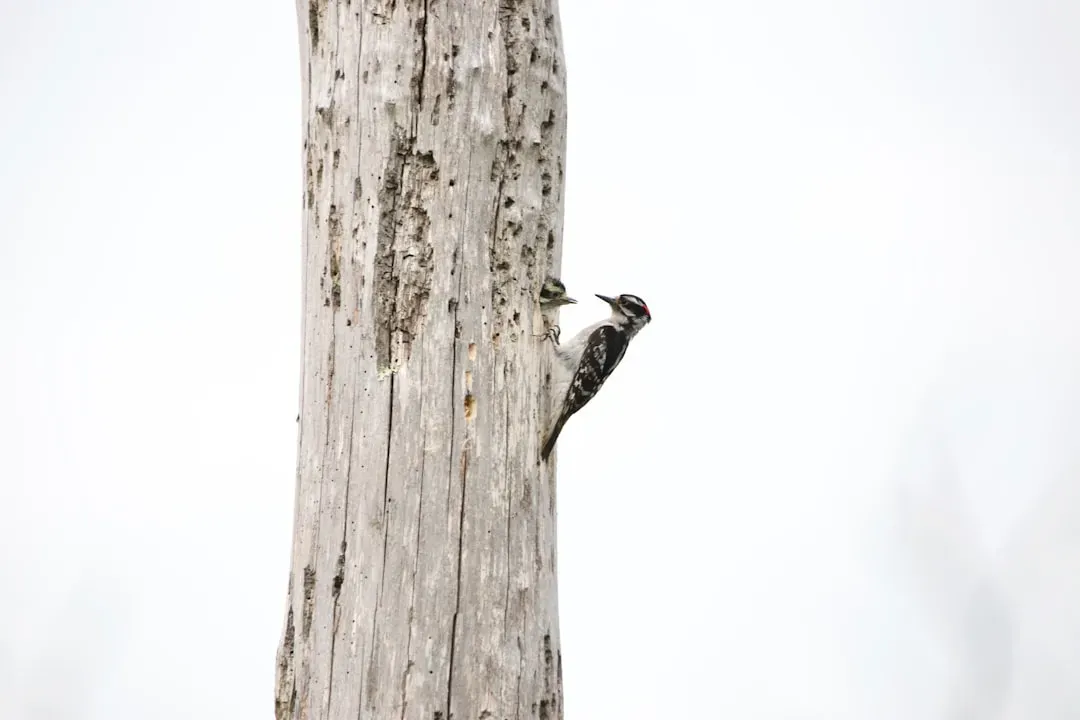
When you see woodpeckers hammering away at a dead tree, there is usually a backstory involving insects. Many dead or weakened trees are loaded with bark beetles, carpenter ants, termites, or wood-boring larvae. Woodpeckers follow these outbreaks like skilled predators, often increasing their feeding on infested trees and, in some documented cases, helping to reduce the number of harmful insects spreading to neighboring trees.
If dead trees receive a lot of woodpecker attention and nearby “healthy” trees start getting more visits too, it may indicate that an insect problem is expanding. In forests, this can be part of a natural cycle: some trees die, insects explode, predators like woodpeckers respond. In a neighborhood or yard, it might be a subtle early warning that your trees are becoming part of that same cycle, just on a smaller stage.
Why Healthy Trees Still Get Pecked After The Dead Ones
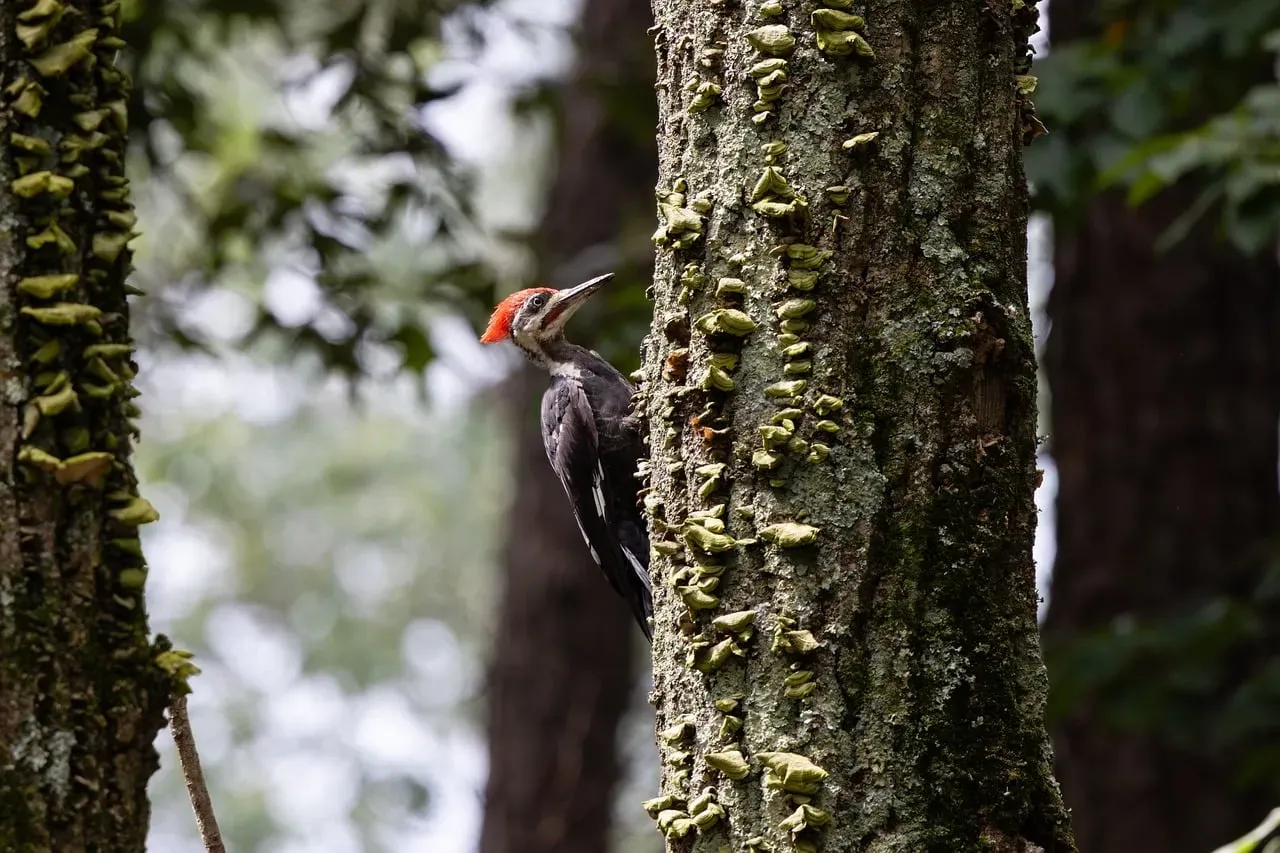
It can be unsettling to watch a woodpecker move from a clearly dead trunk to a tree that looks perfectly fine. Often, healthy-looking trees actually have small pockets of decay, bug galleries, or old wounds that are hidden from the casual observer. The bird uses the dead tree as the main food source, then “tests” nearby live trees for bonus snacks or future opportunities, especially around branches, scars, or old pruning cuts.
Sometimes, though, woodpeckers are not really feeding on the healthy tree at all. They might be drumming to communicate or to claim territory, using a live trunk because it resonates well. That rapid, rhythmic tapping can alarm homeowners who assume the tree is infested, when in reality the bird is just using it as a soundboard. The key difference is whether the bird is just tapping the surface or really chiseling in and pulling insects out.
When Woodpecker Activity Is A Red Flag For Your Yard
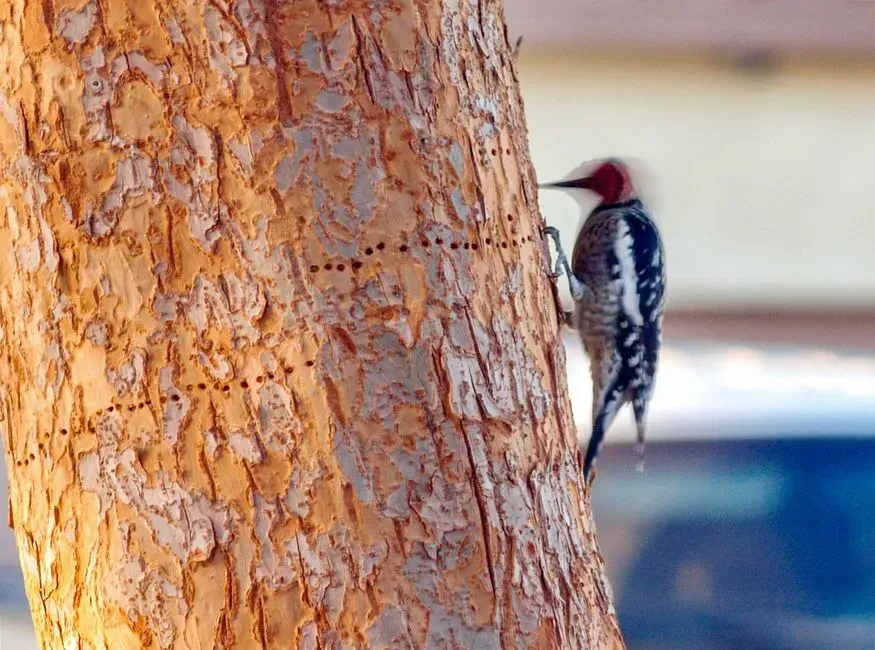
In a natural forest, heavy woodpecker use of dead trees is mostly normal and even reassuring. In a yard, though, pattern matters. If they show up suddenly and spend a lot of time on the same few trees, especially moving quickly from dead limbs to live ones on the same trunk, that could be a sign of structural decay, internal rot, or a serious insect issue worth checking. I tend to pay attention when a woodpecker seems “obsessed” with one particular tree.
You do not need to panic at the first tap, but you also should not ignore months of focused activity, especially alongside clues like oozing sap, sawdust near the base, cracking bark, or thinning foliage. Calling in an arborist to examine the tree can confirm what the woodpecker already suspects. In that sense, the bird is less a nuisance and more an early-warning system you would be smart to listen to.
The Hidden Link To Climate Stress And Changing Forests
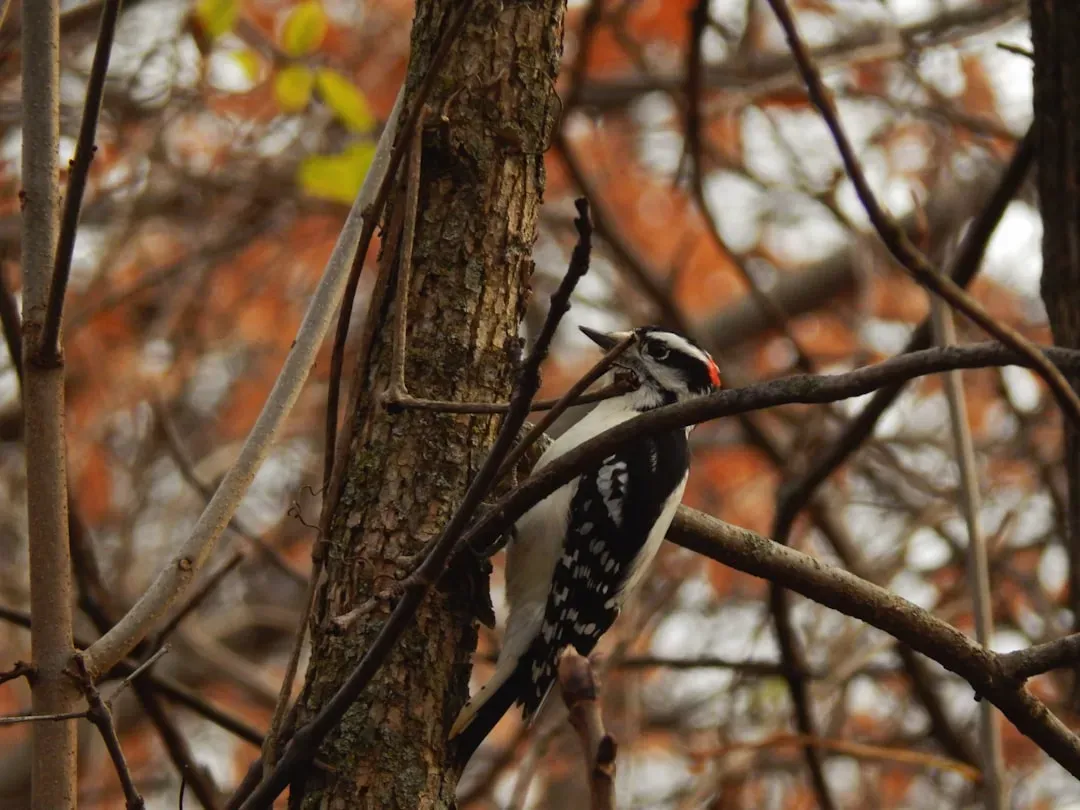
From a distance, a woodpecker on a dead tree can just look like a pretty nature moment, but zoom out and it becomes part of a much bigger picture. Droughts, heat waves, and shifting rainfall patterns can weaken trees, making them more vulnerable to insects and disease. As more trees become stressed or die, woodpeckers may appear more often, moving between dead trunks and nearby “survivors” that are not as healthy as they look.
Researchers have been tracking how some woodpecker populations respond to beetle outbreaks in stressed forests, and the pattern is sobering: big pulses of dead or dying trees, followed by intense woodpecker activity. When you notice birds prioritizing dead trees, then increasingly visiting living ones in the same area, you may be watching climate stress ripple through the ecosystem in slow motion, made visible by the choices of one insistent bird with a loud beak.
Should You Remove Dead Trees If Woodpeckers Love Them?
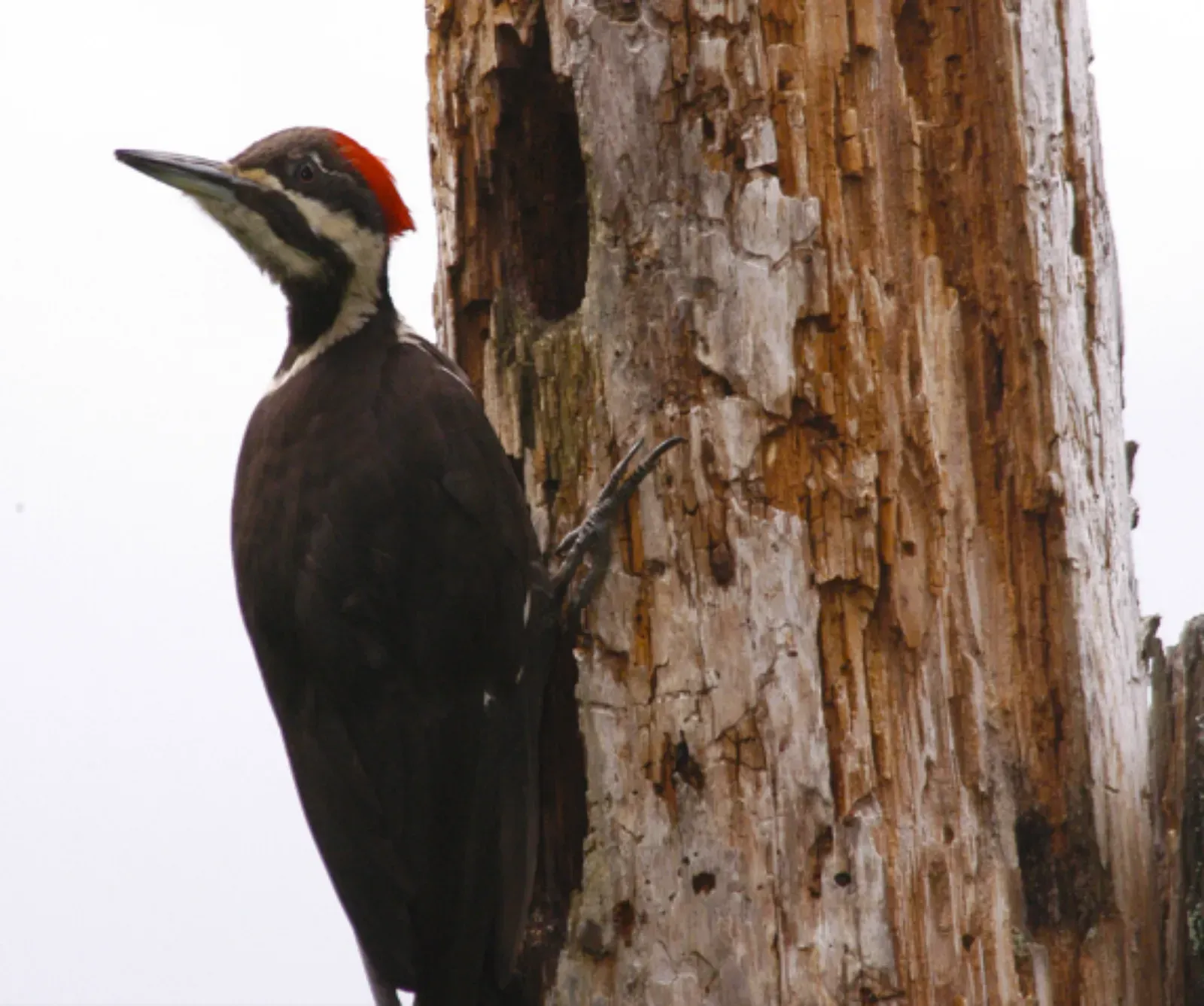
There is a real tension here: dead trees can be hazardous if they are large and close to homes, but they are also some of the most valuable wildlife habitat in the landscape. If woodpeckers are focused on a dead trunk in your yard, your first instinct might be to cut it down immediately. Yet from an ecological perspective, that tree is doing important work as food source, nesting site, and biodiversity anchor.
The practical compromise is to remove or reduce only what truly threatens people or structures. Sometimes the top of a dead tree can be safely taken off while leaving a standing snag that still serves wildlife. I personally lean toward keeping any dead tree that is a safe distance from paths and buildings, precisely because the presence of woodpeckers tells me it is valuable. When in doubt, get a safety assessment, not a reflexive removal.
What These Visits Reveal About How Nature Really Works
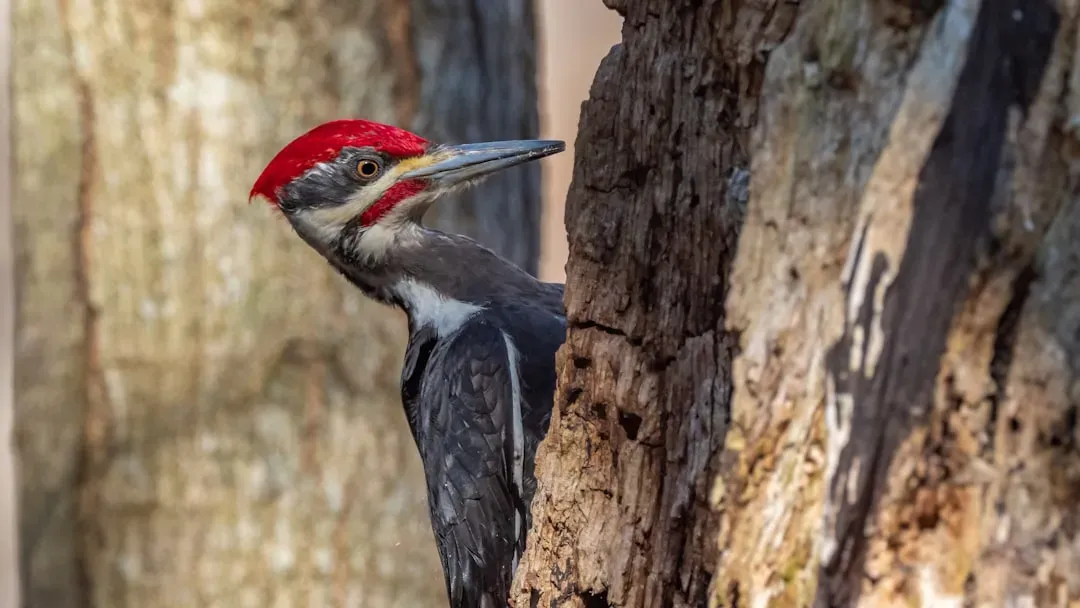
, they are quietly revealing one of nature’s core rules: life feeds on death, and death creates space for new life. They are not being morbid; they are following energy, nutrients, and opportunities. A dead tree might look like a failure to us, but to a woodpecker it is a jackpot that supports chicks, predators, decomposers, and eventually fresh soil for new growth.
I think the most honest way to read this behavior is as a reminder that our human sense of what is “ugly” or “wasted” in a landscape is often out of step with reality. I would rather see a woodpecker tearing into a dead trunk than a spotless yard with no wildlife at all. In my opinion, if you see birds hitting the dead tree first, that is the forest telling you it is still functioning, still cycling, still alive in a deeper way than a neatly manicured lawn could ever be.
Conclusion: Dead Trees, Living Stories
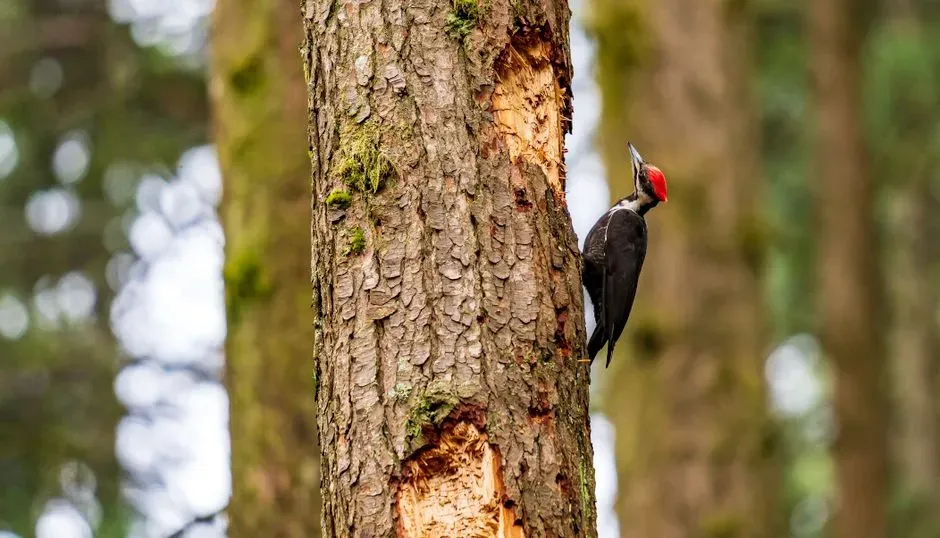
To me, a woodpecker choosing a dead tree over a healthy one is not a grim omen; it is a brutally honest nature lesson. It shows that value is not always where we expect it, that a lifeless-looking trunk can be more important to an ecosystem than a perfectly green ornamental tree. When the same bird later moves to a seemingly healthy trunk, it is often exposing weaknesses, imbalances, or stresses that we would otherwise miss, whether from insects, disease, or a warming climate.
My opinion is that we should treat woodpecker behavior as a kind of ecological feedback: when they swarm the dead trees, your system still has predators and natural checks; when they start drilling your “healthy” trees, they are nudging you to look closer and maybe change how you manage your land. Instead of seeing them as noisy vandals, see them as blunt, feathery consultants telling you where the real action is. The next time you hear that staccato hammering, will you just hear noise, or will you listen to what it says about the life and death of your trees?